
Explore these awe-inspiring trees from around the world, each with its own rich history, legendary tales, and natural grandeur.
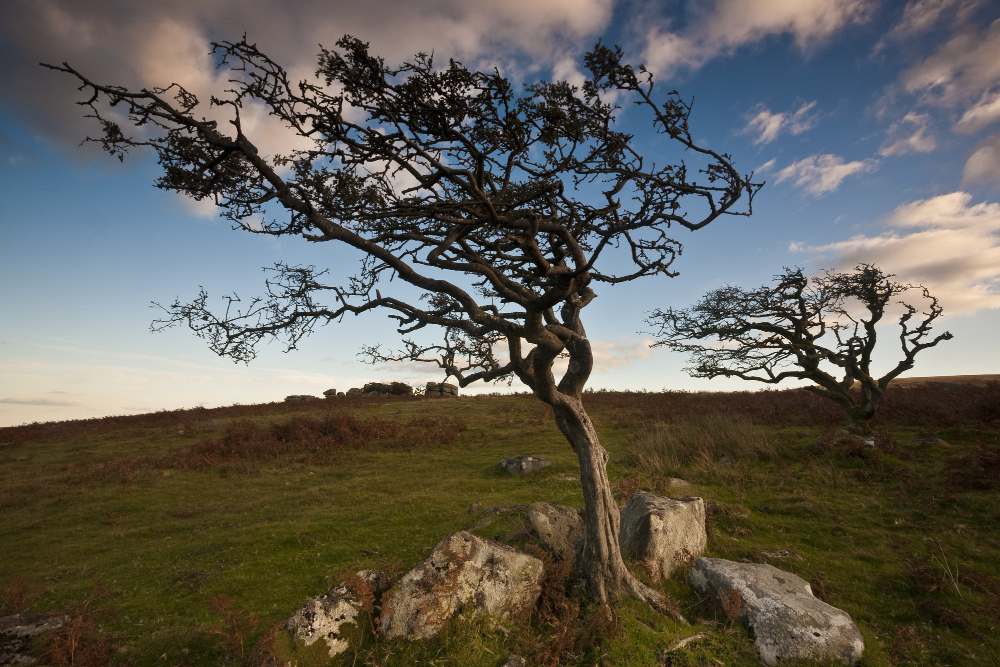
Ever marveled at a tree so magnificent it feels like stepping into a fairytale? Around the world, legendary trees inspire awe with their size, age, and beauty. These famous trees are living monuments, rooted in local folklore and history, attracting visitors from every corner of the globe. From towering giants to ancient survivors, here are ten legendary trees you need to see to believe—and experience the magic of nature’s oldest wonders.
1. General Sherman Tree – California, USA
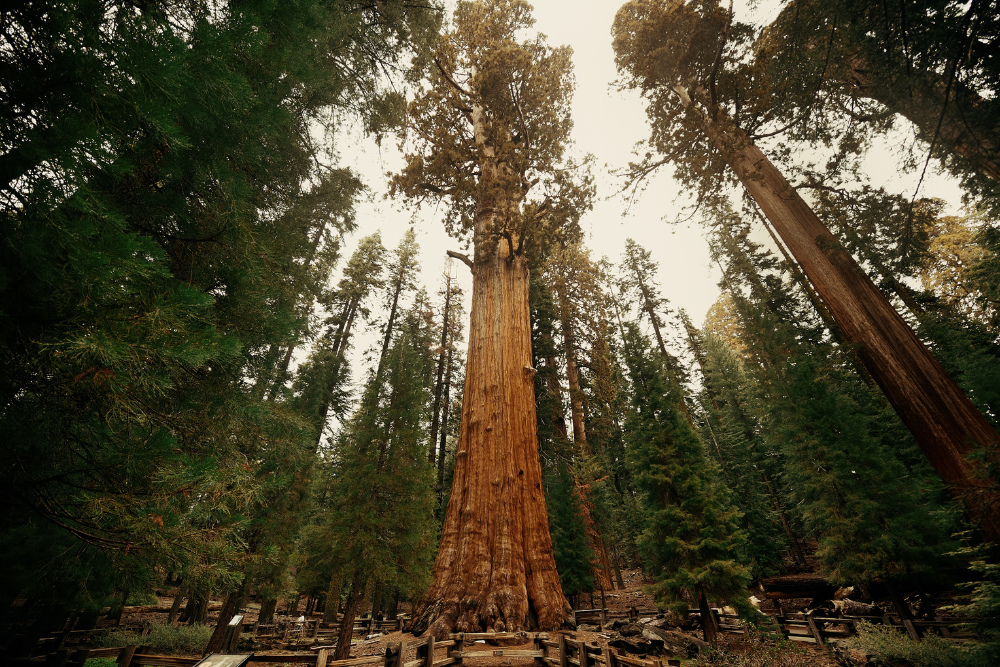
Located in Sequoia National Park, California, the General Sherman Tree is the world’s largest living tree by volume. Standing at a staggering 275 feet tall and estimated to be over 2,000 years old, this giant sequoia is a testament to nature’s resilience and majesty. Visitors can walk the scenic trail leading to the tree, feeling dwarfed by its massive trunk and branches. The General Sherman Tree’s impressive size and longevity make it a must-see for anyone visiting California’s natural wonders.
2. Jomon Sugi – Yakushima, Japan
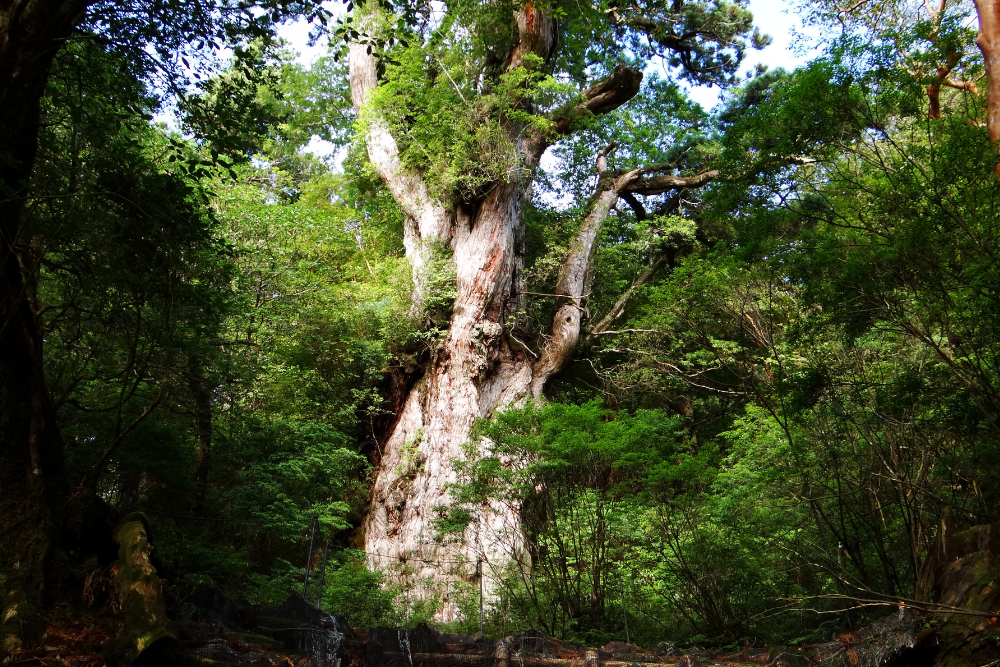
Jomon Sugi, located on Japan’s Yakushima Island, is believed to be between 2,000 to 7,000 years old, making it one of the oldest trees in the world. This ancient cryptomeria tree, or Japanese cedar, stands deep within the island’s UNESCO-listed forest. Reaching Jomon Sugi requires a challenging hike, but the journey through misty, moss-covered terrain is part of the tree’s mystical allure. With its thick trunk and gnarled branches, Jomon Sugi captures the enchanting beauty of Japan’s ancient forests.
3. Tree of Tule – Oaxaca, Mexico
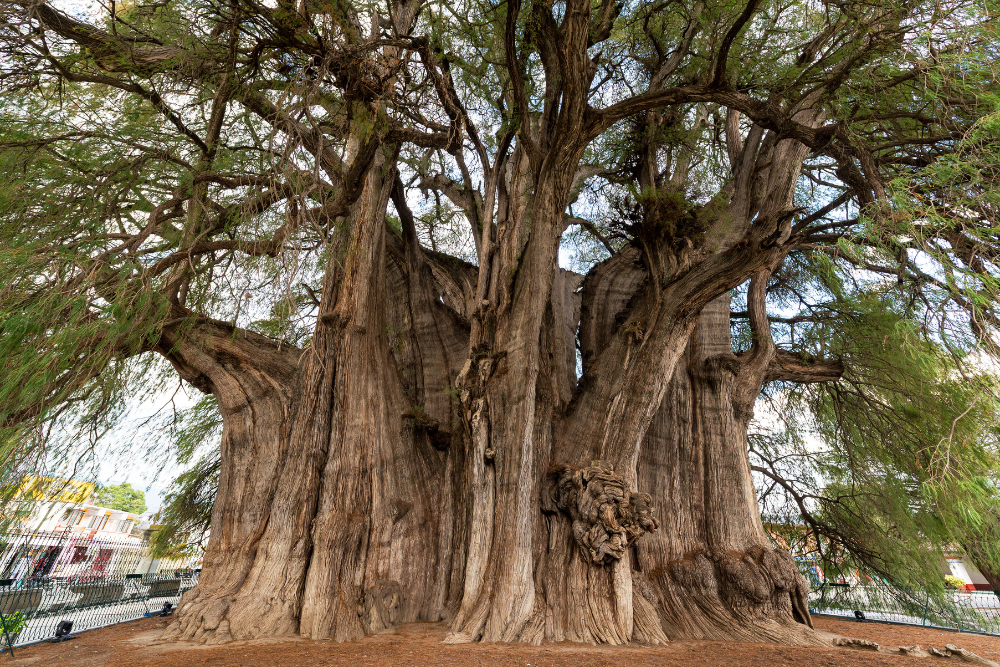
The Tree of Tule in Oaxaca, Mexico, boasts the thickest trunk of any tree in the world, measuring over 30 feet in diameter. This Montezuma cypress is estimated to be over 1,500 years old and has become a symbol of Mexican heritage and natural beauty. Visitors to the small town of Santa María del Tule can stand beneath its massive canopy and admire the intricate patterns on its bark. The Tree of Tule is truly a sight to behold, with a presence as immense as its history.
4. The Boab Prison Tree – Western Australia
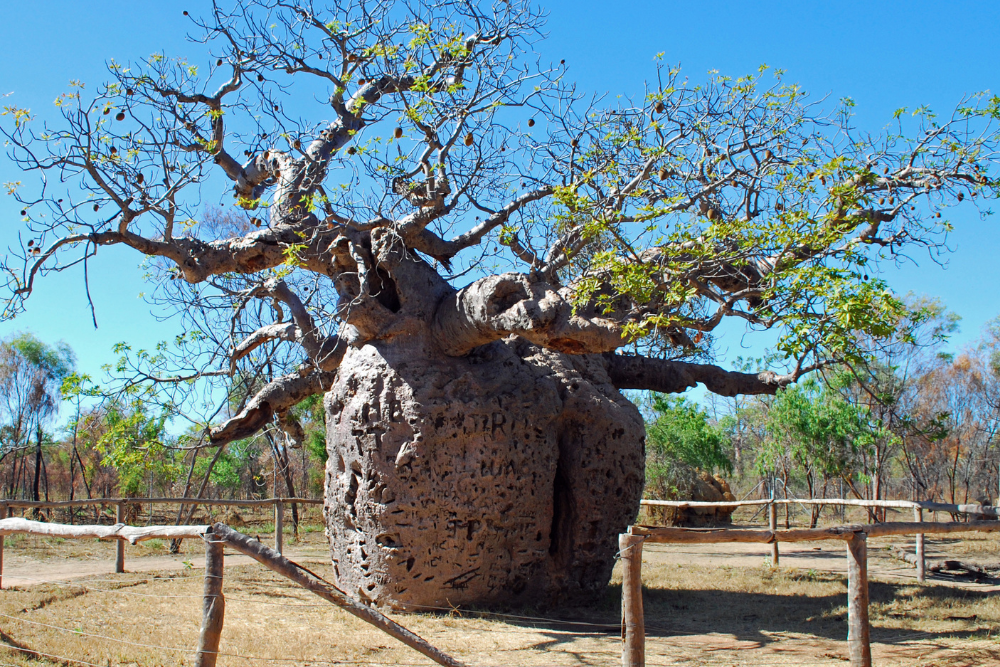
The Boab Prison Tree near Derby, Australia, is a large, hollow boab estimated to be around 1,500 years old. This unique tree has a fascinating, though somber, history—it was once used as a holding cell for Indigenous prisoners during Australia’s colonial period. Visitors can view the tree from a designated area, learning about its historical significance. With its bulbous trunk and hollow center, the Boab Prison Tree stands as a reminder of Australia’s past and a symbol of resilience.
5. Major Oak – Sherwood Forest, England
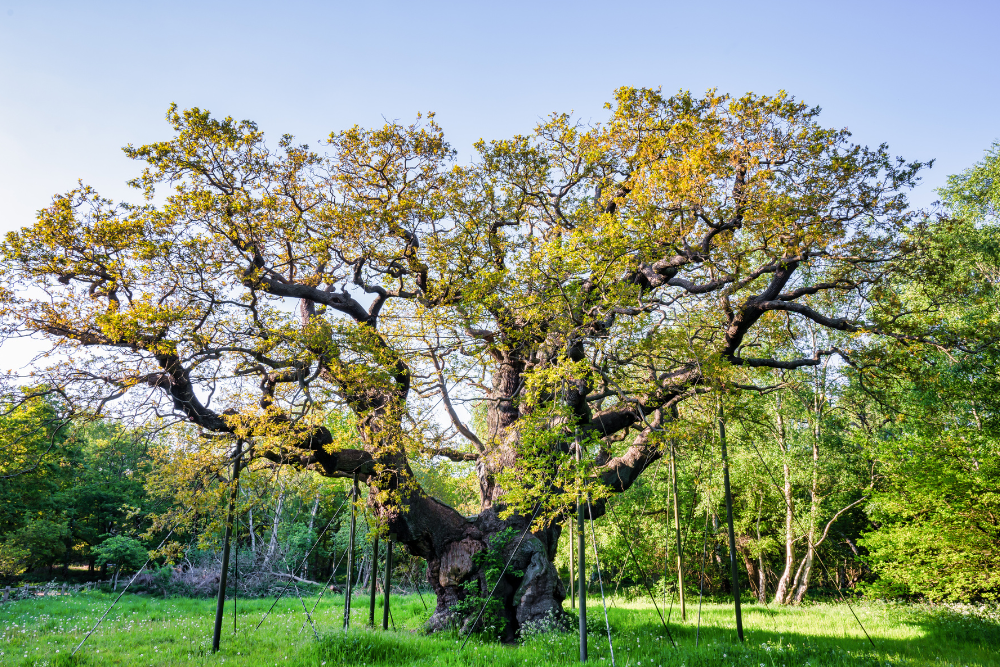
The Major Oak in Sherwood Forest, England, is a legendary tree linked to the tales of Robin Hood. Estimated to be over 800 years old, this massive English oak has a unique, sprawling shape with large branches that have been supported to prevent them from collapsing. The Major Oak attracts thousands of visitors who come to walk among the ancient woodlands and learn about its historical lore. As one of England’s most famous trees, it embodies centuries of folklore and natural beauty.
6. The Angel Oak – South Carolina, USA
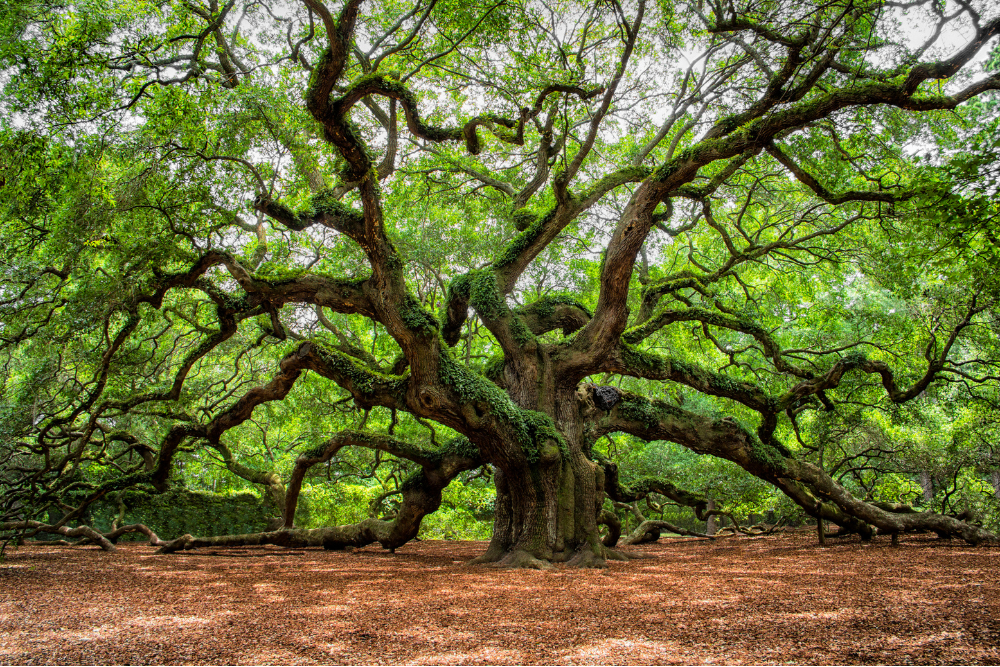
The Angel Oak on Johns Island, South Carolina, is a majestic southern live oak estimated to be 400-500 years old. Its massive branches stretch outwards and downwards, creating a wide canopy that offers shade and beauty. Standing over 65 feet tall, the Angel Oak is a popular spot for photographers and nature lovers. This beloved tree represents the charm of the American South and inspires awe with its age, resilience, and unique, sprawling form.
7. El Árbol del Gomero – Caracas, Venezuela
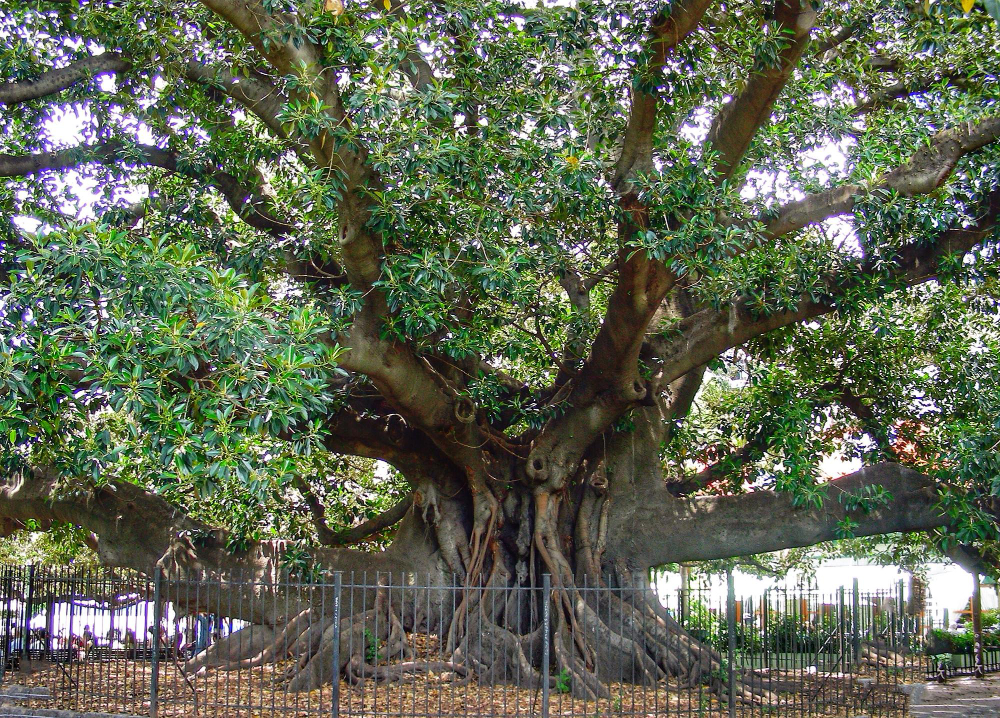
El Árbol del Gomero, or the Rubber Tree, in Caracas, Venezuela, is a sprawling, centuries-old tree that holds cultural significance for locals. Located in Bolívar Square, it has been a landmark since the city’s early days. This massive tree, with its wide branches providing shade to visitors, has become a symbol of Caracas’ history and resilience. Locals and tourists alike are drawn to El Árbol del Gomero to marvel at its size and the sense of tranquility it brings to the city’s bustling heart.
8. The Lone Cypress – Pebble Beach, California, USA
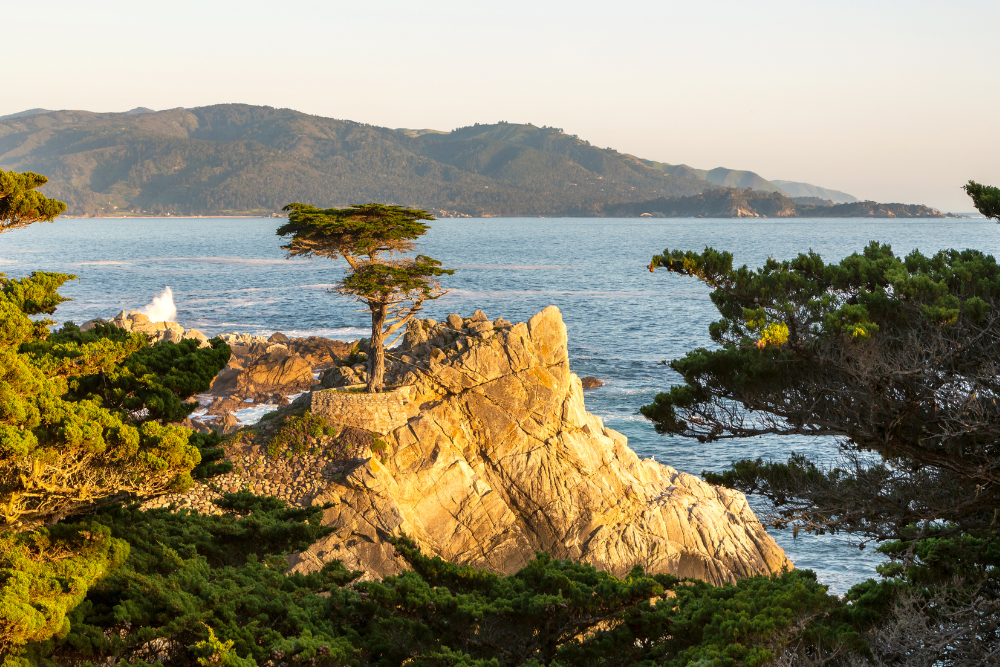
The Lone Cypress, perched on a rocky outcrop along California’s famous 17-Mile Drive, is one of the most photographed trees in North America. Estimated to be over 250 years old, this Monterey cypress stands resilient against coastal winds and rough weather. The tree’s solitary stance overlooking the Pacific Ocean has made it an enduring symbol of endurance and natural beauty. Visitors are captivated by the Lone Cypress’s dramatic setting and its status as an icon of the rugged California coastline.
9. The Socotra Dragon Tree – Socotra, Yemen
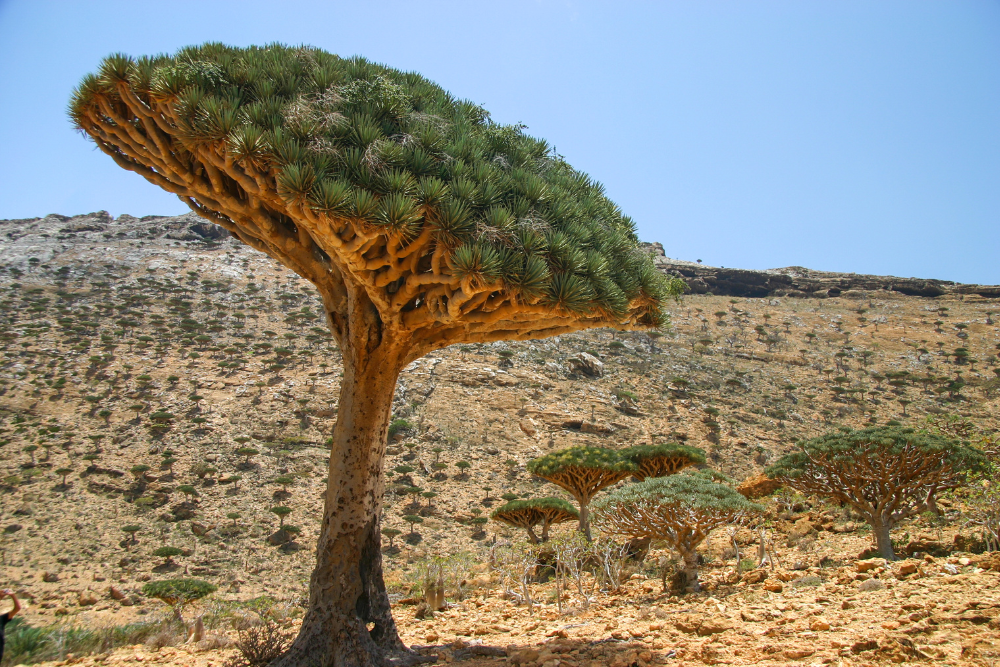
The Socotra Dragon Tree, native to Yemen’s Socotra Island, is known for its umbrella-like shape and blood-red resin, giving it an almost mythical appearance. This tree has adapted to the island’s harsh climate and is often referred to as a “living fossil.” The dragon’s blood resin has been used for medicinal purposes for centuries, adding to the tree’s legendary status. Visitors to Socotra are drawn to the Dragon Tree’s unique look and cultural significance, making it an unforgettable sight.
10. Cedars of God – Bsharri, Lebanon
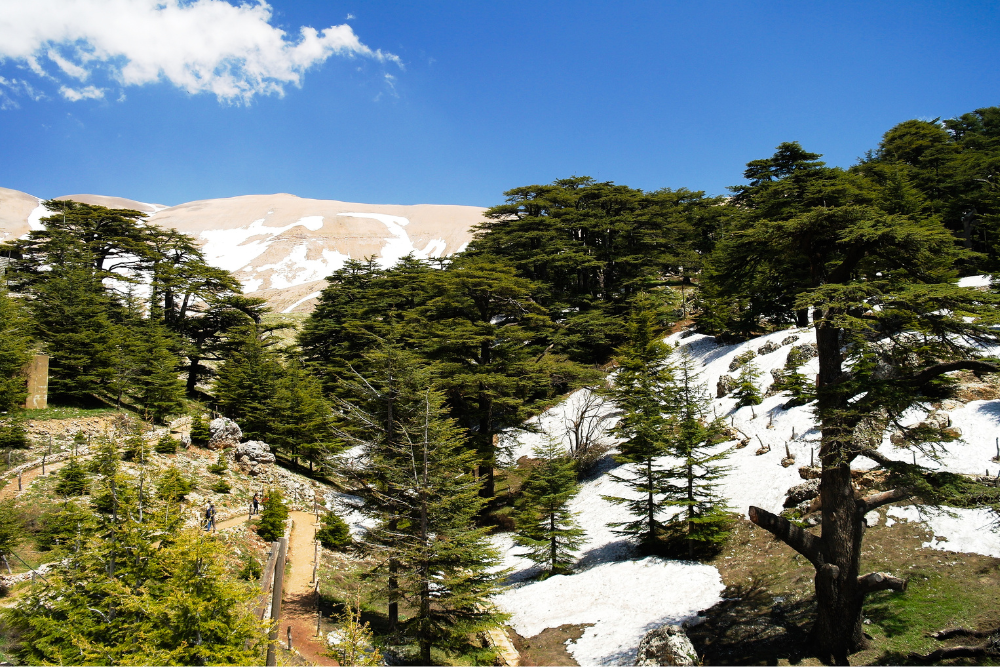
The Cedars of God in Lebanon are a group of ancient cedar trees, some of which are thousands of years old. Revered since biblical times, these cedars are symbols of Lebanon’s heritage and are featured on the country’s flag. The Cedars of God have withstood the test of time, surviving harsh winters and deforestation. Visitors to the Bsharri region can walk among these majestic trees, experiencing the sacred beauty of a forest that has been cherished for millennia.