
You’ve seen the photos. Flawless blue domes against a bleached sky. Ancient ruins bathed in golden hour light. Canals so still they look like mirrors. The internet has spent the last decade turning a handful of places into visual myths, each one promising a transformative, soul-stirring travel experience.
Here’s what those photos never show: the 400 people standing just out of frame, the guy in flip-flops elbowing you for the same shot, and the €15 lukewarm coffee you bought just to access a viewing terrace. The reality gap between a viral travel image and the actual experience has never been wider. So before you book that flight and blow your savings, let’s talk honestly about what’s really going on at the world’s most hyped destinations. Be surprised by what you’ll find.
1. Santorini, Greece: The Blue Dome Mirage
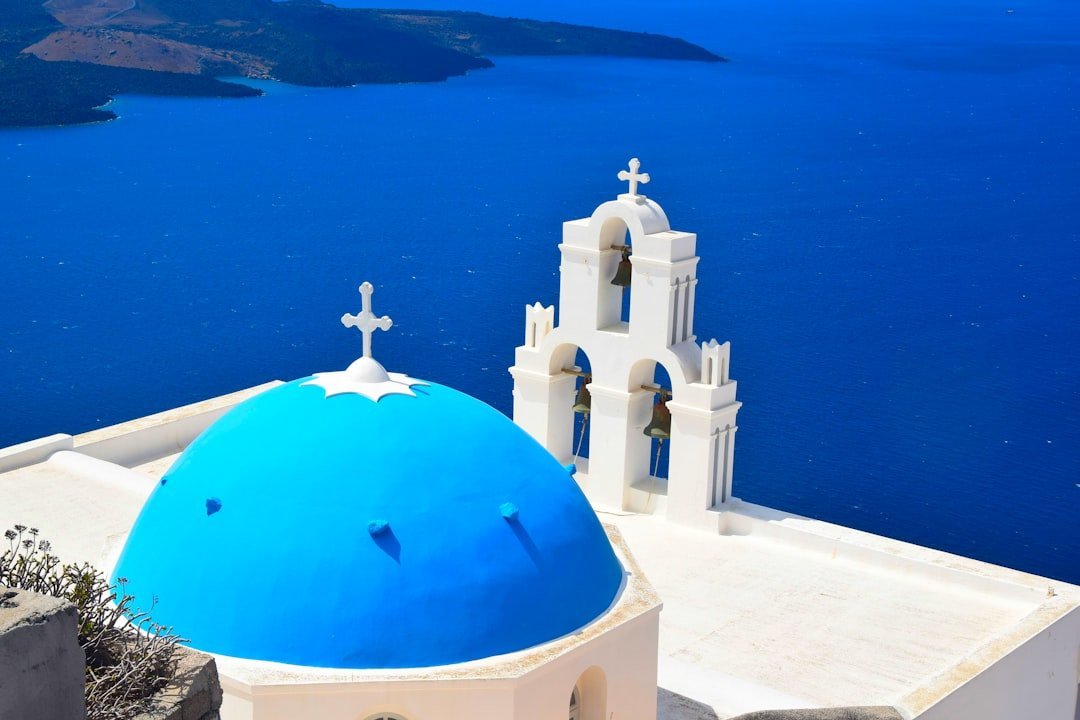
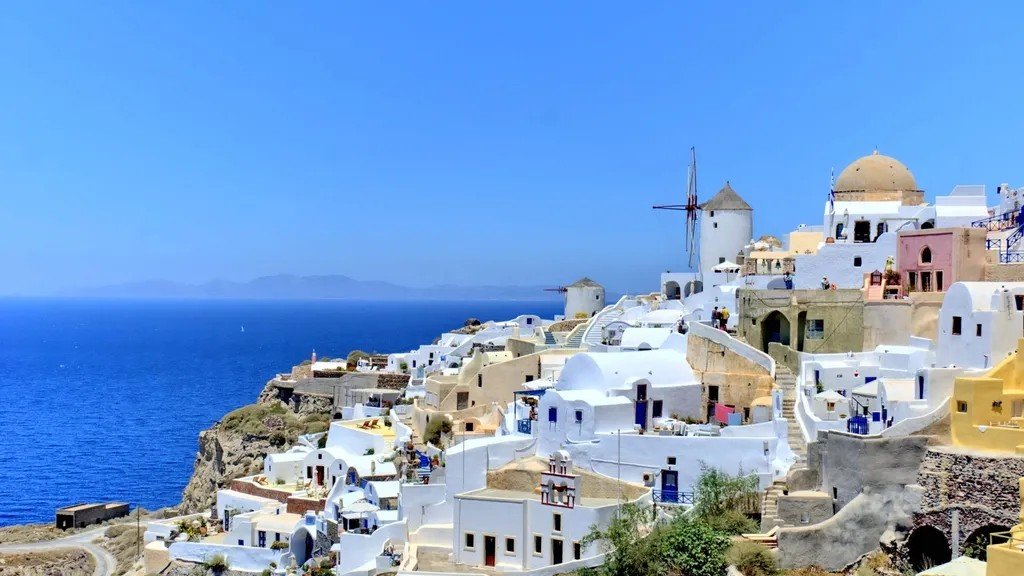
Let’s be real: Santorini is gorgeous. Nobody is disputing that. The iconic whitewashed buildings stacked along volcanic cliffs are genuinely breathtaking in photographs. The problem is that those photographs have created a demand the island was never meant to absorb.
On just one single day, July 23, 2024, 11,000 tourists disembarked from cruise ships on the island of Santorini. Famed for its architecture yet home to only 20,000 permanent residents, the surge prompted the local municipality to post a warning for residents to remain indoors.
Widely hailed as Greece’s “Instagram Island” with 8 million posts tagged #santorini, it has largely been the lure of photogenic blue-and-white architecture that has flooded the island with tourists. Honestly, that number says everything. Eight million posts, each one pulling more people toward a place that is structurally, geologically, and logistically overwhelmed.
Hotels, cafés, and shops now prioritize photo-friendly aesthetics over traditional experiences. Crowded streets and photo queues are common, especially at sunset spots. The romance is curated for the feed, not for you.
2. Venice, Italy: A Sinking City Full of Selfie Sticks
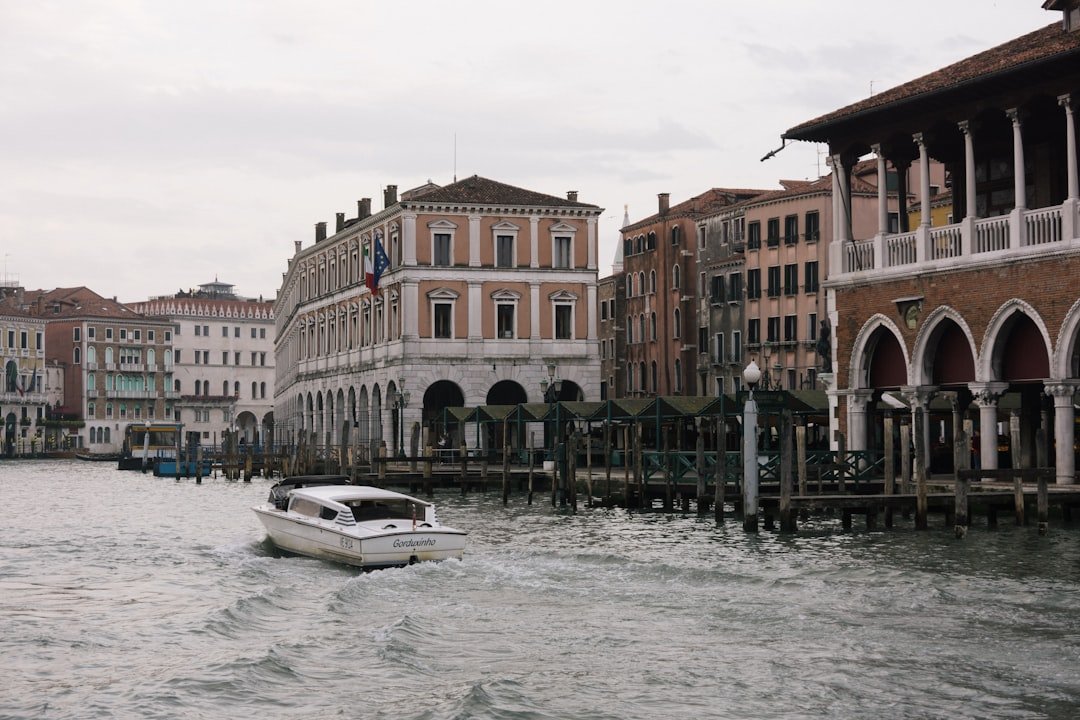
Venice is sinking. Literally. And it is being loved to death at the same time. There is something almost poetic about that, though not in a good way.
Forbes reported that the problem stems from the sheer number of visitors who flock to the city daily, with over 20 million tourists a year descending on a city with just over 50,000 residents. Think about that ratio for a moment. It is the equivalent of an entire country pouring into a small provincial town, every single year.
The city introduced a €5 day-tripper fee in 2024, but it barely made a dent in the crowds. St. Mark’s Square regularly looks like a concert venue, and forget about a romantic gondola ride unless you enjoy serenading traffic jams on water.
Venice’s canals and historic charm attract millions of visitors each year, far outnumbering its small population of around 50,000 residents. The constant crowds strain the delicate lagoon environment, push up housing costs, and make life harder for locals. Cruise ships and day-trippers add to pollution and overcrowding, especially in busy areas. Starting in 2025, Venice extended its visitor fee system, charging between €5 and €10 on peak days. It is still not enough.
3. The Louvre, Paris: Standing in a Queue to See a Small Painting
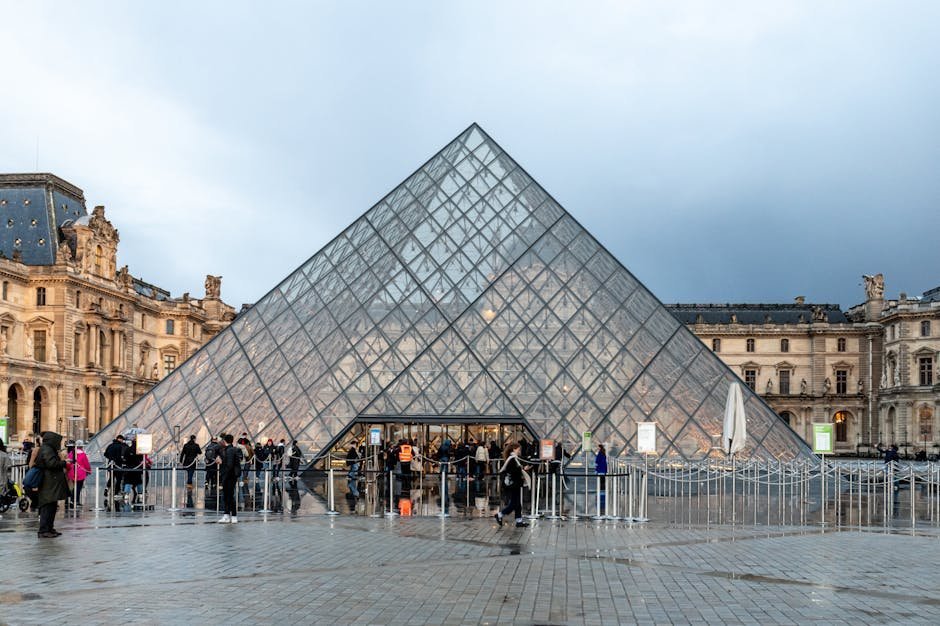
The Mona Lisa is smaller than you think. Way smaller. You will stand in a dense, sweaty crowd dozens of people deep, crane your neck past a forest of raised phones, and finally glimpse a painting roughly the size of a carry-on bag behind bulletproof glass, from a distance of about ten meters. Is this the pinnacle of human civilization?
The Louvre logged 8.7 million visitors in 2024, more than double what its infrastructure was designed to handle. That is an institution in crisis dressed up as a cultural experience.
The Louvre Museum faced an unprecedented closure on June 16, 2025, as its staff staged a spontaneous strike to protest the overwhelming effects of overtourism, chronic understaffing, and deteriorating working conditions. The walkout left thousands of tourists stranded outside, unable to view masterpieces like Leonardo da Vinci’s Mona Lisa, which alone draws an estimated 20,000 visitors daily.
The Louvre director herself acknowledged the problem is so severe that in January 2025 she described the museum as being at “saturation point,” and President Emmanuel Macron announced a major renovation with the Mona Lisa set to get a dedicated exhibit. A museum so overcrowded its own staff walked out. That is the bucket list experience.
4. Barcelona, Spain: Protests, Water Pistols, and Pickpockets
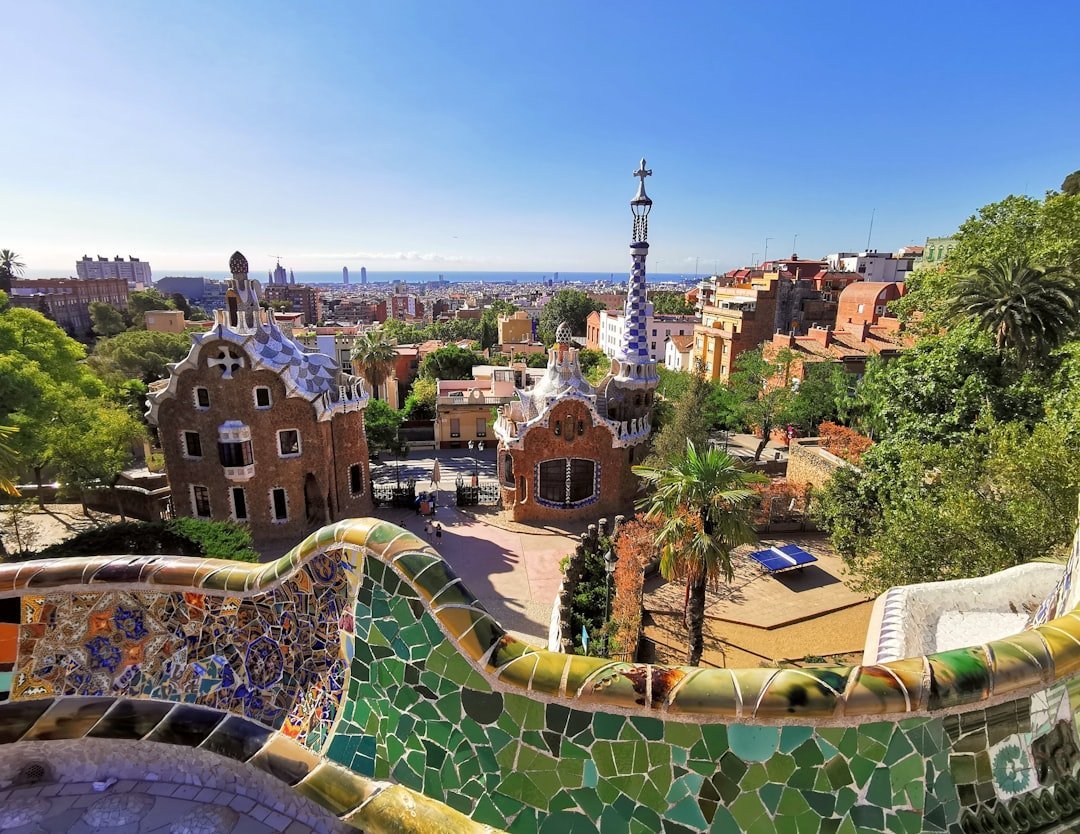
Barcelona has a serious overtourism problem, and locals are no longer pretending otherwise. The backlash has escalated from polite complaints to very public and pointed demonstrations.
Around 50,000 people on the island of Mallorca demonstrated against mass tourism in July 2024, and in Barcelona that same month, tourists found themselves on the sharp end of water pistols wielded by protesters. When the residents of a destination literally squirt you with water guns, it might be time to rethink your itinerary.
Barcelona received 15.5 million domestic and international tourists in 2024, resulting in a ratio of roughly 10 tourists for every single resident. That is not a city anymore. That is a theme park with a metro system.
La Rambla in Barcelona can be a horrible place when it is jam-packed with tourists on a hot day. There is petty crime, people hassling you, and huge tour groups everywhere you look. The Instagram reel does not mention any of that part.
5. Bali, Indonesia: Paradise Overrun and Overwhelmed
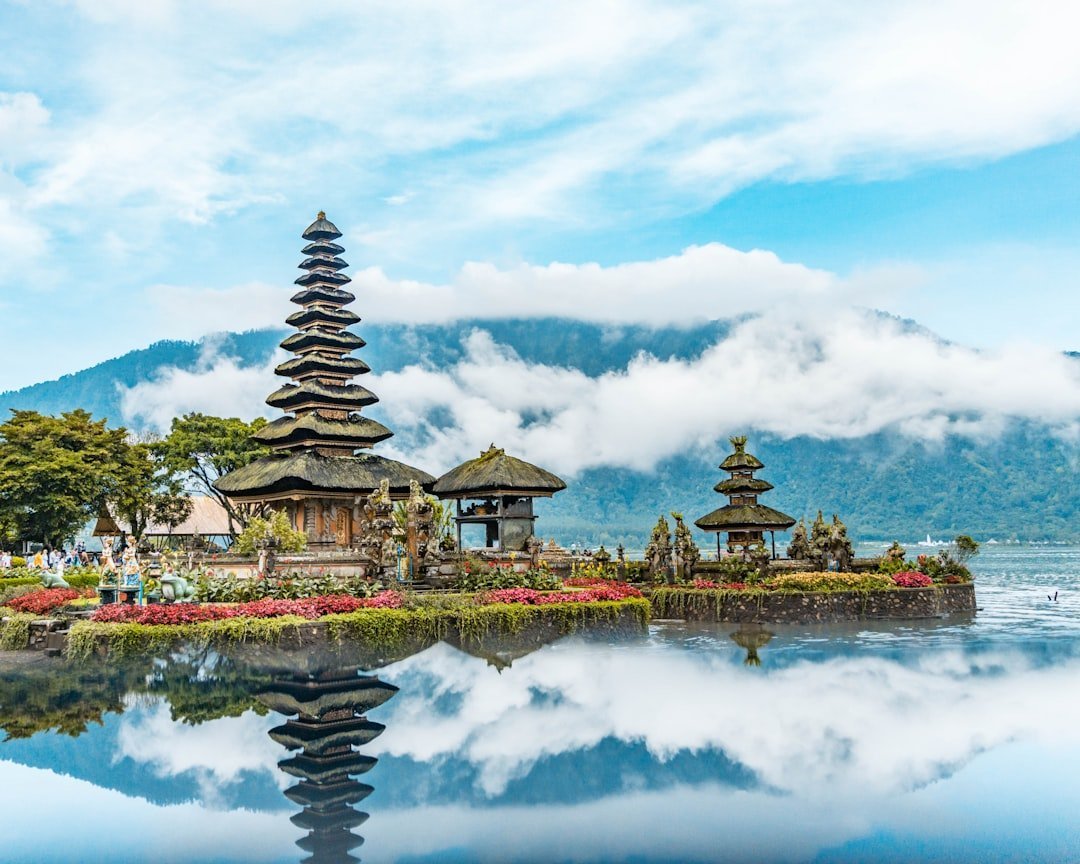
The Bali of Instagram, all rice terraces and monkey temples and jungle swings, exists. But it shares the same island with gridlocked traffic, polluted rivers, and a waste management system that is completely buckling under the pressure.
Bali’s tourism boom has morphed into an environmental and cultural crisis. The island receives over 6 million international visitors annually, concentrated mostly in the southern beaches and Ubud. Traffic in Canggu and Seminyak moves at a crawl, beaches are crowded with loungers and vendors, and sacred temples have become Instagram backdrops rather than places of worship.
The Indonesian government introduced strict “tourist etiquette” rules in 2024 after numerous incidents of disrespectful behavior, including naked photoshoots at sacred sites. Honestly, it should not require a government intervention to tell people not to undress at a temple. Yet, here we are.
Water shortages are common, and the island’s waste management system is completely overwhelmed, leading to polluted beaches and rivers. Social media fame has transformed peaceful spots into high-traffic hubs, changing the traditional island experience entirely.
6. Machu Picchu, Peru: A Wonder of the World in Crisis
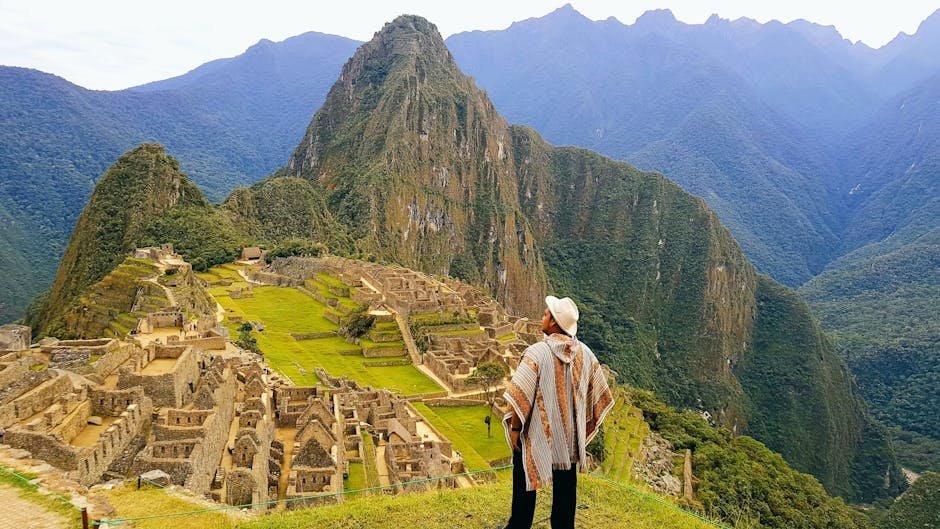
Few places carry more weight on a travel bucket list than Machu Picchu. The ancient Incan citadel perched above the clouds in the Andes is genuinely one of the most remarkable things humans have ever built. Unfortunately, the combination of overtourism and mismanagement is now threatening the site’s very status as a global wonder.
The New7Wonders Foundation warned that Machu Picchu could be removed from the list of the New Seven Wonders of the World because of alleged poor management and a lack of sustainable planning. The New7Wonders director cited unplanned tourist overcrowding, high costs, irregular ticket sales, and social conflicts as factors worsening the visitor experience.
In 2024, Machu Picchu received 1.5 million visitors, matching 2019 levels and marking a massive increase over 2023. Strict quotas have been implemented, but the influx of travelers still leads to crowded trails and viewpoints. Many visitors report that photo opportunities feel rushed, and the spiritual serenity once associated with the site has diminished.
Local protests have also blocked rail access to the 15th-century Incan sanctuary in the Andes Mountains, forcing the Peruvian government to evacuate more than 1,400 tourists. The quest for the perfect sunrise shot has consequences nobody posts about.
7. Times Square, New York: The World’s Most Photogenic Headache
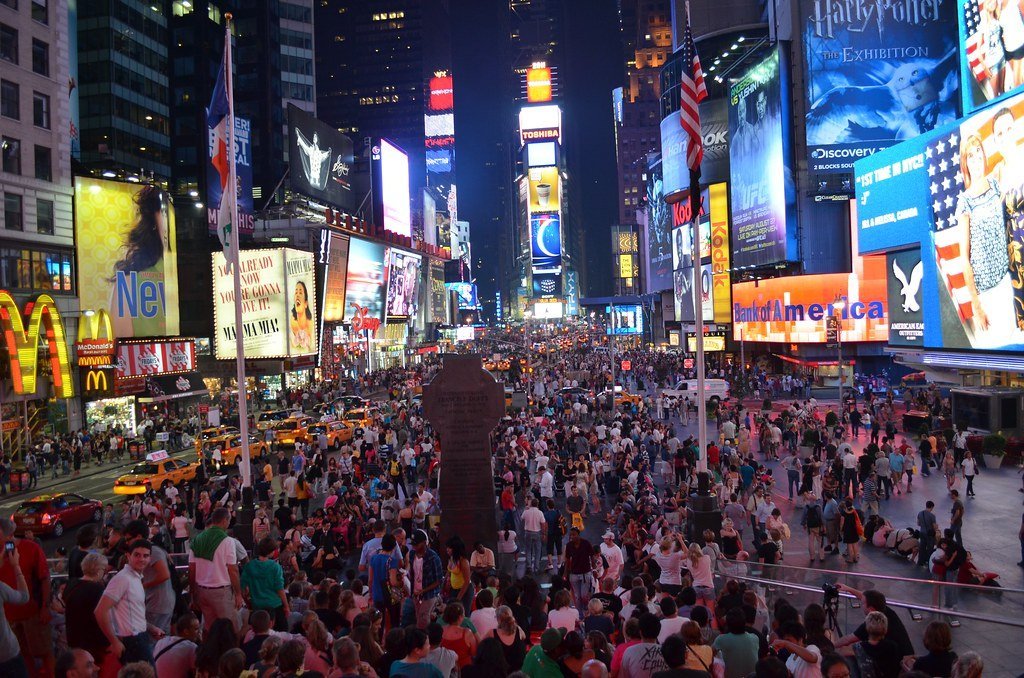
Times Square exists almost entirely as an Instagram destination at this point. The neon, the billboards, the sheer kinetic energy of it. Yet it consistently ranks as one of the most disappointing tourist experiences on Earth. There is a reason New Yorkers never go there voluntarily.
Times Square in New York is the world’s most stressful tourist trap, with 1,761 reviews calling it “overrated” or “underwhelming,” according to research. That is a crushing verdict from the people who actually made the trip.
Times Square is a dazzling hub of neon lights and giant billboards, but it is also filled with overpriced restaurants, horrible tourist shops, and overwhelming crowds. Complaints about crime, homelessness, and sanitation have reached levels not seen in over a decade, with more than 2,800 sanitation-related complaints made about the surrounding area between January 2022 and May 2025, more than a 200% increase from pre-pandemic tallies.
A reported 64.5 million tourists were expected to pour into New York City in 2024, with almost all of them guaranteed to at least stroll through Times Square. So you will absolutely not be alone. Not even close.
8. Kyoto, Japan: Temples Strangled by Tourism
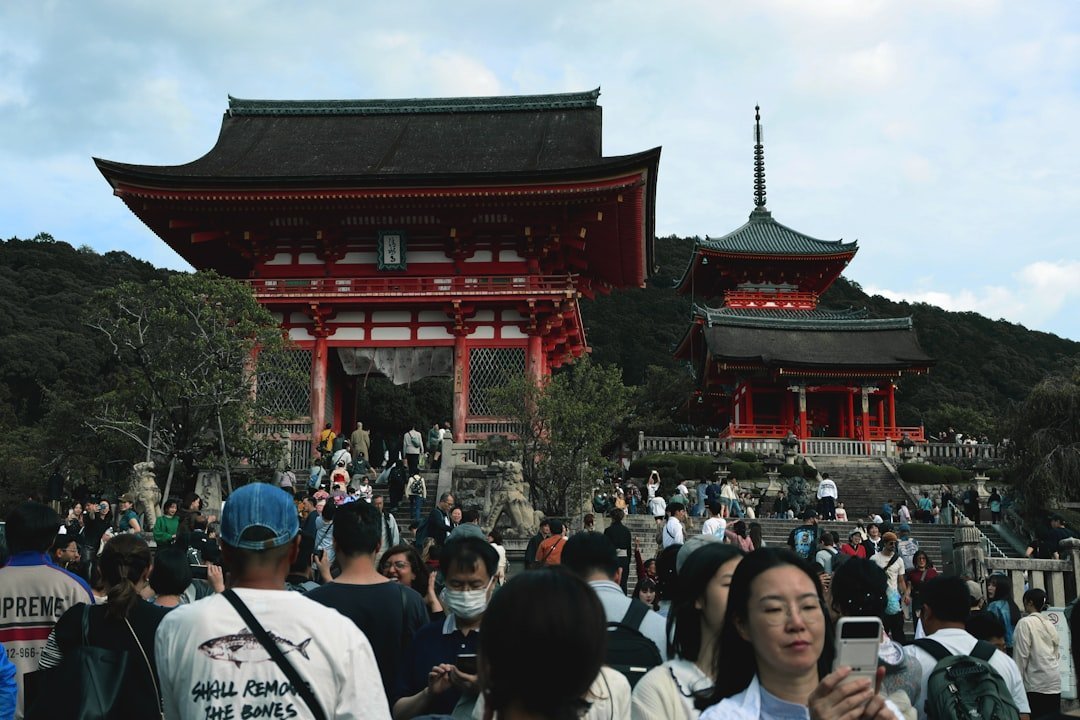
Kyoto is one of those places that genuinely deserves its reputation. Ancient temples, zen gardens, geisha districts, cherry blossoms. It is real, and it is breathtaking. The problem is that millions of people have all decided to visit it at the exact same time, and the city is struggling to cope in ways that are now affecting daily life for residents.
Kyoto’s timeless temples and cherry blossoms attract millions, but the crowds in 2025 have become overwhelming. Historic areas like Gion face issues with tourist overcrowding, leading to restricted access on certain streets. Trains and popular sites struggle during peak seasons, and locals say their daily lives are disrupted by the constant influx.
In 2024, the city began limiting access to private streets in Gion, with clear signs and fines for trespassers. Starting in 2026, a tourist tax of around 60 euros per night will be introduced to fund infrastructure upgrades. A 60 euro nightly tax tells you everything about how serious the problem has become.
9. The Trevi Fountain, Rome: Romance by Queue Ticket
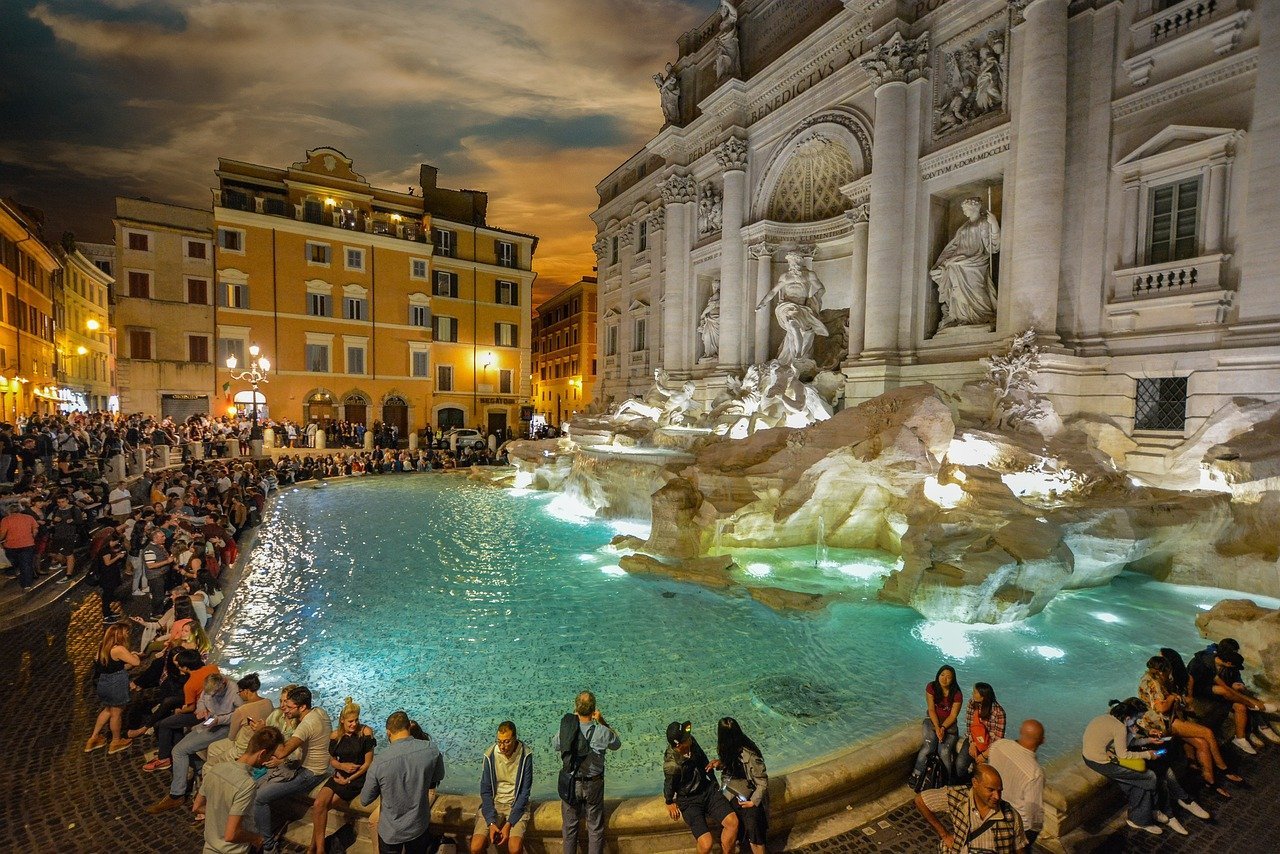
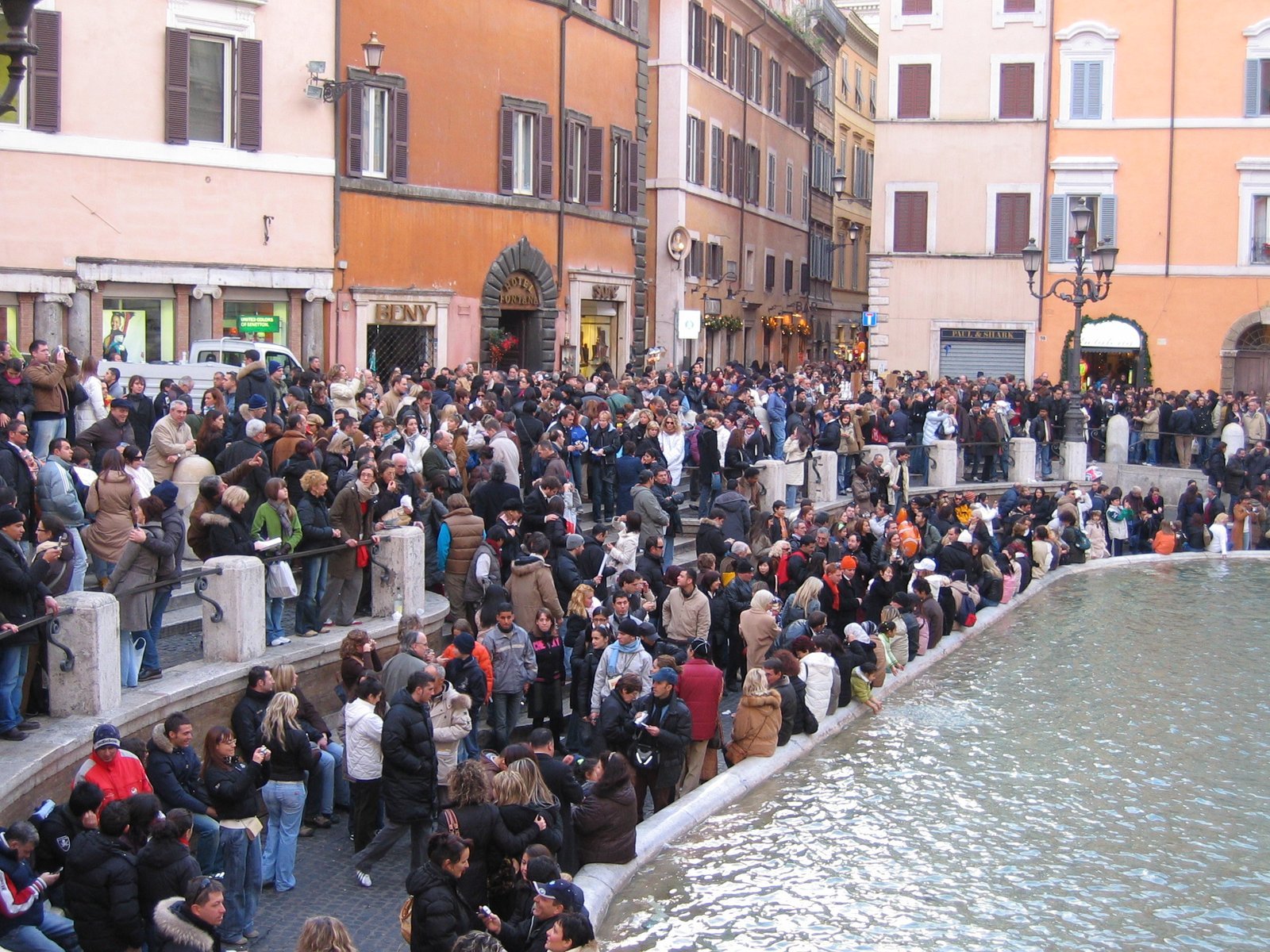
It is one of the most romantic images in the world. Throwing a coin into the Trevi Fountain while moonlight shimmers on the water, surrounded by baroque grandeur. Here’s the thing: you will not experience that. What you will experience is being pressed chest-to-back into a crowd of hundreds of strangers, phone aloft, hoping you can even see the fountain.
A March 2025 Radical Storage survey named the Trevi Fountain one of the most disappointing tourist attractions, with almost a quarter of people surveyed having a negative experience. Rome implemented a new queuing rule in 2024 to manage the excited hordes.
Rome dominates social media online with 31 million hashtags, the most in one major study, highlighting a sharp contrast between digital appeal and physical reality on the ground. Thirty-one million posts and a queuing system that still cannot manage the crowds. That is where we are in 2026.
10. Montmartre, Paris: Turned Into an Open-Air Theme Park
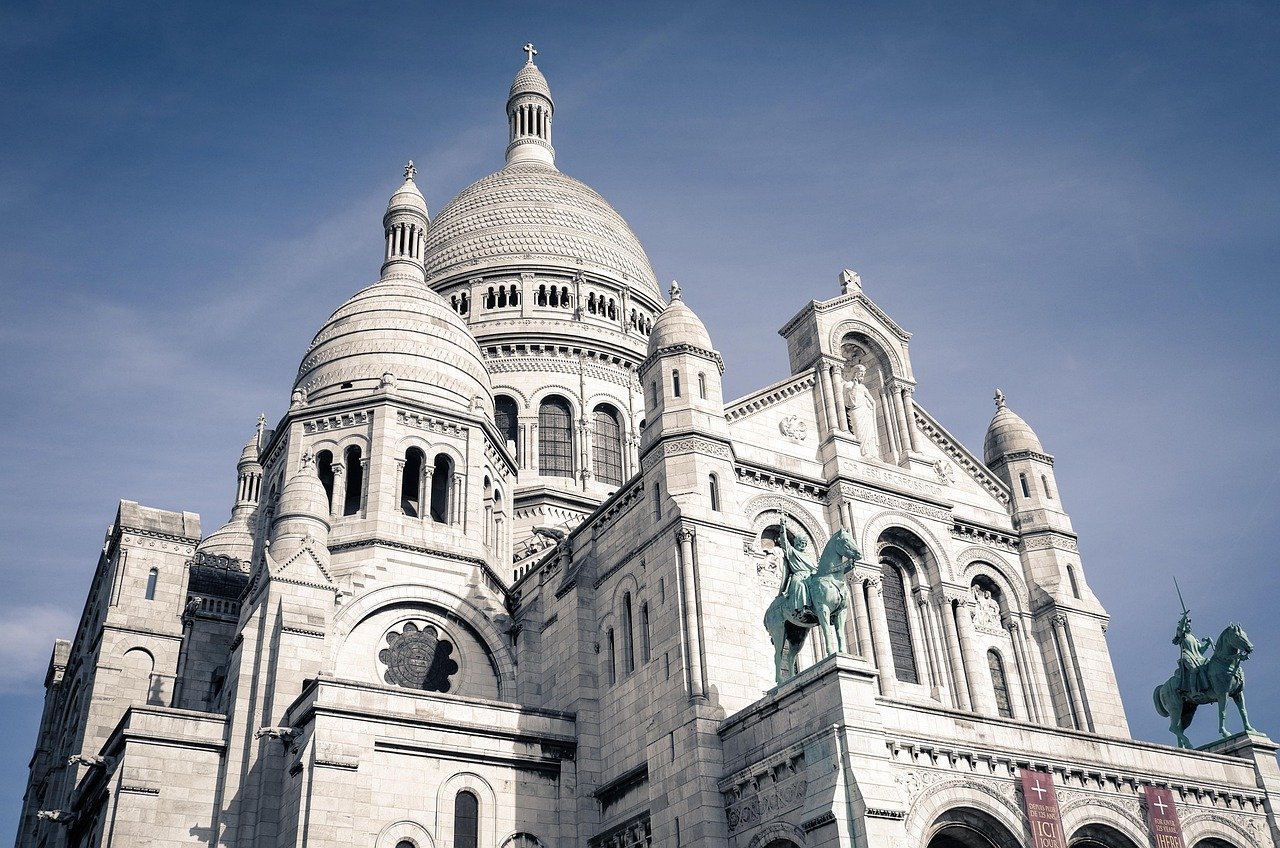
Separate from the Louvre conversation, Montmartre deserves its own mention. The bohemian hilltop neighborhood that inspired generations of artists has been thoroughly dismantled by mass tourism. What was once a real community is now something that locals are actively fleeing.
Sacré-Cœur, the most visited monument in France in 2024, and the surrounding Montmartre neighborhood have turned into what some locals describe as an open-air theme park. Local staples like butchers, bakeries, and grocers are vanishing, replaced by ice-cream stalls, bubble-tea vendors, and souvenir T-shirt stands.
The neighborhood has been particularly hard hit, with local shops and the friendly atmosphere disappearing. In their place are hordes of people taking selfies, shops selling tourist trinkets, and cafés whose seating spills into the narrow cobbled streets as overtourism takes its toll.
The city introduced an entry fee for Place du Tertre in Montmartre starting in June 2025 in an attempt to regulate the flow. It’s hard to say for sure whether any of these measures will actually preserve what made the neighborhood worth visiting in the first place.
The Big Picture: When “Going Viral” Kills the Magic
Overtourism has been defined as “a new construct to look at potential hazards to popular destinations worldwide, as the dynamic forces that power tourism often inflict unavoidable negative consequences if not managed well.” In plain language: loving a place to death.
As overtourism grips popular destinations, proposed solutions that do not factor in the influence of social media are unlikely to solve the problem. This is the heart of it. The algorithm keeps feeding beautiful images of these places to billions of people, creating an endless conveyor belt of new visitors chasing a reality that no longer exists, or perhaps never did.
Social media turned destinations into iconic backdrops for Instagram, and the popularity of bucket lists drives more people to visit. Global travel was already swelling in 2024, when international travel reached 99% of its pre-pandemic levels, and in the first quarter of 2025, international tourist arrivals increased by 5% compared to the same period of 2024. The numbers are only going in one direction.
None of this means you should never visit these places. But it does mean you should go with open eyes, not filtered ones. The world has thousands of extraordinary destinations that are not yet overwhelmed, not yet curated for the feed, and not yet strangled by the same crowds chasing the same photograph. The real question is: how many more iconic places need to hit a breaking point before we collectively decide to do something different? What would you have guessed?