

Greece is having a serious American moment. Flight seats from the US to Greece jumped by nearly a fifth in 2025 alone, and the numbers of Americans putting down roots there keep climbing. It is easy to see why. But living in Greece is a completely different game from spending a week in Santorini with a cocktail in hand. The cultural gap between American habits and Greek expectations is real, and it quietly drives locals a little crazy. Let’s dive in.
1. Treating Every Meal Like a Quick Pit Stop

Greek meals are a communal experience where dishes are placed in the center for everyone to share, and meals are often leisurely affairs. Showing up, ordering fast, eating fast, and asking for the check the moment your fork hits the plate is about as rude as it gets in Greek culture. It signals you view the meal as fuel, not as a social ritual.
The traditional Greek meal often starts late, especially dinner, which typically begins after 9 PM. Don’t be surprised if restaurants are quiet before then. Americans rolling in at 6:30 PM expecting full service are often met with bemused stares. Honestly, it is one of those things that takes real adjustment when you are used to early-bird specials back home.
2. Being Way Too Loud in Public

When it comes to behaviors hurting US travelers’ reputations overseas, noise is number one, with roughly two thirds of European respondents saying Americans are far too loud. Greeks are expressive and warm, but there is a cultural difference between animated conversation and the kind of volume that makes an entire taverna turn around to stare.
The unwanted attention Americans get abroad is generally brought on by the way they behave, loud voices, pushing through, thinking they are something special, and no consideration for others. Greeks do speak with passion and hand gestures, yes. That does not mean a volume contest is welcome. Keep it human, not performative.
3. Dressing Inappropriately Near Religious Sites
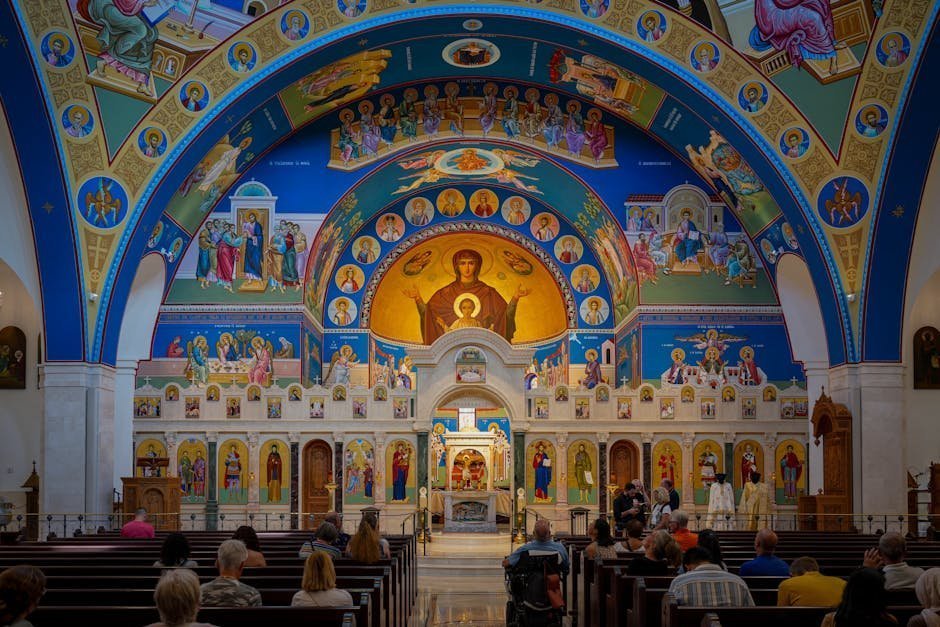
The predominant religion in Greece is Greek Orthodox and you’ll see many churches around the country, both large and small. Walking into one in a bikini top or shorts is not a minor oversight. It is considered genuinely disrespectful to a faith that is central to Greek identity and daily life.
When visiting religious sites, such as the breathtaking monasteries of Meteora or ancient churches in Delphi, modest dress is expected. Shoulders and knees should be covered. Some monasteries provide wraps for visitors. This is a simple rule, easy to follow, and yet expats routinely ignore it. Throw a light scarf in your bag. It weighs nothing.
4. Expecting American-Speed Service

Greek time is slower and more flexible than in many other countries. The locals are fond of the saying “siga, siga,” translating to “slow down” or “take it easy.” If someone says they will be back in five minutes, this may well mean a quarter of an hour. Therefore, be prepared for delays and try not to get offended. Americans snapping their fingers for the check or sighing loudly at the counter quietly infuriates Greek locals.
One of the most characteristic aspects of Greek culture is the relaxed pace of life, often encapsulated by the phrase “siga siga.” Things may move at a slower pace than you’re accustomed to, especially service in restaurants or administrative processes. Think of it like this: Greece runs on slow-brew coffee, not a triple espresso to go. If you fight the rhythm, you lose every time.
5. Refusing Food When It Is Offered
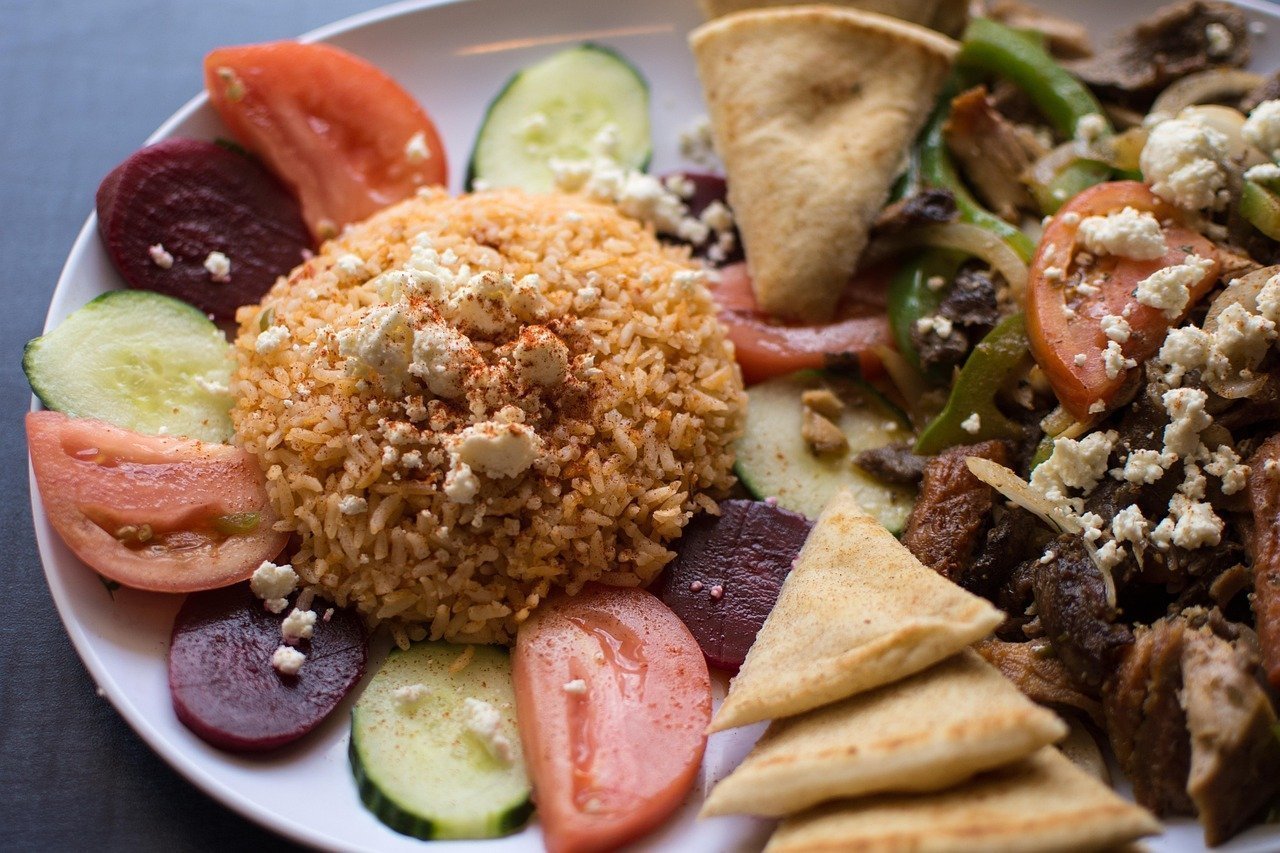
If you are offered something you need to accept. Especially food. To decline food when it is offered is seen as a sign you don’t trust the person or their cooking. This one catches Americans off guard constantly. Dietary preferences are one thing, but a flat refusal without a warm explanation can actually feel like a personal insult to a Greek host.
Hospitality is one of the hallmarks of Greek culture, and food is integral to this concept. Locals love to cook, eat, and share food with friends and family, so if you receive an invitation to dine with locals, take it as a compliment. When a Greek grandmother pushes a plate toward you, the correct answer is always yes. At least try a little. Your waistline will survive.
6. Never Learning a Single Word of Greek

You will quickly discover that locals are incredibly welcoming and hospitable. Greek people value relationships, love food, and are proud of their culture and traditions. Any attempts to speak Greek will be greatly appreciated. Even a stumbled “efharisto” or “kalimera” lands remarkably well. Americans who never bother, though, come across as entitled.
While many Greeks speak English in popular tourist destinations, Americans seeking a permanent residence permit in Greece would enjoy a better living experience if they decided to learn Greek. Furthermore, those seeking employment opportunities with a Greek employer would greatly benefit from acquiring proficiency in the Greek language. It is a hard language, no argument there. The Greek language has distinct spoken and written varieties and regional idioms, so learning it might be challenging for most expats. But trying matters enormously.
7. Misusing the “Moutza” Hand Gesture Without Knowing It

Hand gestures can mean a lot in Greece. Holding your palm out in front of you when speaking to someone is highly offensive. It is similar to giving someone the middle finger in Western culture. Therefore, it is best not even to attempt it, even as a joke. Americans naturally use an open-palm “stop” gesture or wave someone off without thinking twice. In Greece, that same move is a deeply offensive act.
It is called the “moutza,” and its roots go back centuries. Most Greeks will not say anything to your face, but they will absolutely remember it. It is one of those invisible cultural landmines that nobody warns you about until after the damage is done.
8. Wandering Tourist Hotspots in Beachwear

Reserve bikinis and swimming trunks for the beach or pool areas. Walking through towns or villages in revealing beachwear is generally frowned upon. This is not the 1970s Mykonos fantasy. Real Greek villages are living communities, not a backdrop for your Instagram feed. Locals navigating their daily errands do not enjoy sharing the butcher’s queue with someone in a string bikini.
For most everyday situations, casual attire is acceptable. However, Greeks tend to dress neatly, especially in the evenings or when going out. There is a reason Greek evenings feel effortlessly stylish. Put on a dress or a clean shirt. Leave the flip flops at the room. People notice, and they appreciate the effort more than you might expect.
9. Flocking Only to Overtouristed Islands and Crowding Out Locals

Santorini attracted over 2 million visitors in 2024, making it the busiest summer yet, with tourism revenues nationally rising by roughly a sixth in the first five months of 2024. The locals feel this. Hard. Soaring prices make it impossible for essential workers such as doctors, teachers, and firemen to find accommodation. The island has become inaccessible to the vast majority of Greeks.
In Greece, residents in Athens and Paros have protested against overtourism, accusing tourists of displacing locals and diluting the city’s character on islands like Santorini and Mykonos. US expats who settle in the most saturated spots and then complain about the crowds are part of the exact problem they are complaining about. Islands like Santorini and Mykonos are particularly feeling the strain, as visitor numbers during peak seasons soar to nearly four times the local population.
10. Ignoring the Concept of Filoxenia While Expecting It in Return

Greece’s deep-rooted concept of filoxenia, or “love of the stranger,” means every visitor is treated with hospitality and generosity. The trouble is that many American expats accept this generosity as a given, almost transactional, without ever reciprocating the warmth or showing genuine curiosity about Greek life.
To fully embrace Greek life and smoothly integrate into your new community, it is important to understand and respect local customs and social norms. Navigating Greek etiquette involves taking time to reflect on any assumptions you may have about Greece, influenced by media, stereotypes, or past experiences. Greeks are proud of their hospitality, but they are also quietly watching whether you respect it or exploit it. The expats who truly thrive there are the ones who give as generously as they receive.
Conclusion: Greece Will Not Change for You

Here’s the thing about Greece: it is not going to bend itself to fit American habits. Once the honeymoon phase is over, the culture shock will set in, as it always does. Talking to expats who have lived all around Europe, the culture shock they experience in Greece seems to be some of the worst. The country has thousands of years of culture, tradition, and identity that run far deeper than any tourist economy.
The US expats who genuinely love their life in Greece are the ones who stopped trying to import American customs and started absorbing Greek ones. They learned a few words, slowed down, dressed with intention, and sat with the discomfort of being a guest in someone else’s home. It is really not complicated. It just requires a willingness to adapt.
What do you think? Have you made any of these mistakes yourself, or spotted them in others? Drop your thoughts in the comments.