
Stay safe and enjoy Hawaii’s underwater wonders with these essential snorkeling tips.
Snorkeling in Hawaii is an unforgettable adventure, but safety should always come first. With stunning coral reefs, vibrant marine life, and crystal-clear waters, it’s easy to get caught up in the excitement. However, taking a few precautions can make all the difference.
Whether you’re a seasoned snorkeler or a beginner, these tips will ensure you have a safe and enjoyable experience exploring Hawaii’s breathtaking underwater world.
1. Choose a Safe Snorkeling Spot with Calm Waters
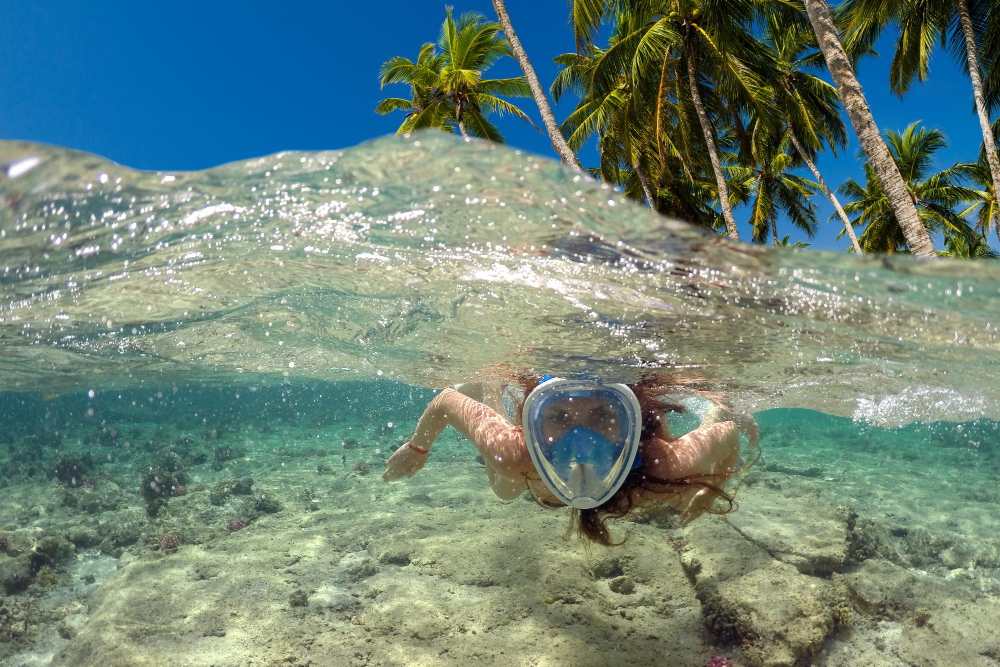
Selecting the right snorkeling location is critical for safety and enjoyment. Opt for spots like Hanauma Bay in Oahu or Kapalua Bay in Maui, which are known for calm, clear waters and beginner-friendly conditions. Avoid areas with strong currents, open ocean swells, or poor visibility. Check local resources or consult lifeguards for the latest safety updates. Choosing a location wisely minimizes risks and ensures you can focus on the breathtaking underwater landscapes that Hawaii offers.
2. Use High-Quality Snorkeling Gear That Fits Properly
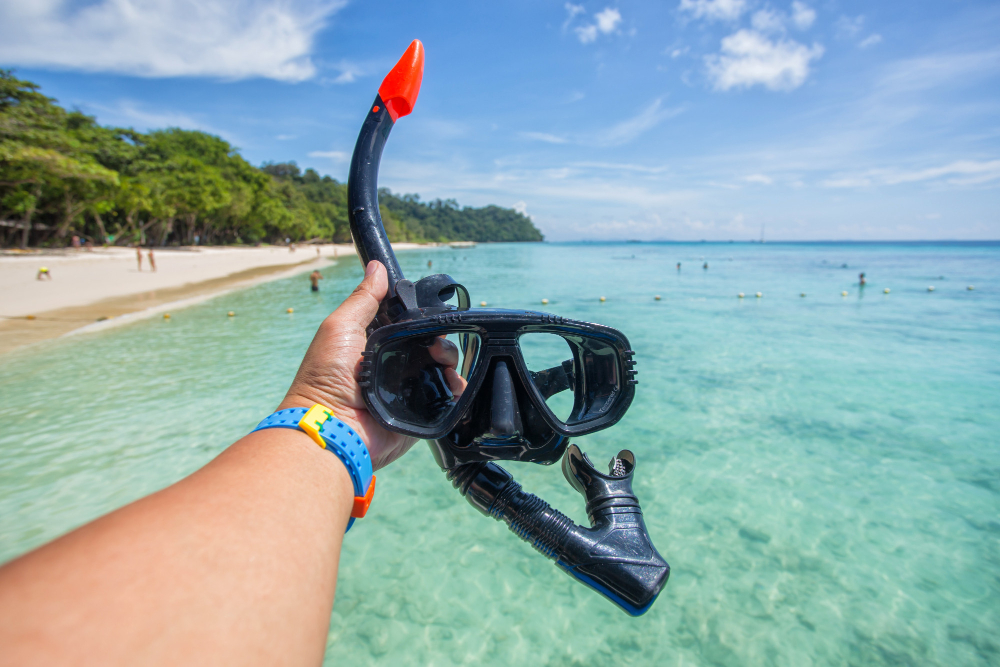
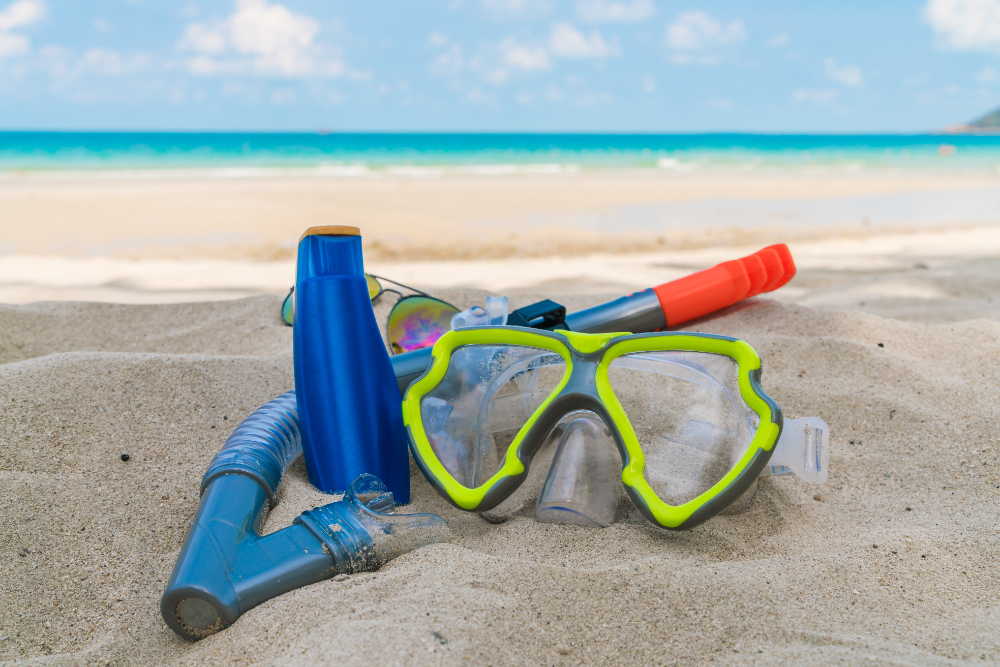
Well-fitted snorkeling gear is essential for comfort and safety. A snug mask prevents water leakage, while a quality snorkel ensures smooth breathing. Properly sized fins provide propulsion without causing fatigue or discomfort. Always inspect your gear for any damage or wear before entering the water. Renting or purchasing from reputable suppliers can ensure you get reliable equipment. Investing time in finding the right gear guarantees a safer, more enjoyable snorkeling experience while exploring Hawaii’s marine life.
3. Check Weather and Ocean Conditions Before Heading Out
Before you snorkel, check the weather forecast and ocean conditions to avoid unnecessary risks. Sudden weather changes, strong currents, or high surf can make snorkeling dangerous. Resources like local news, weather apps, or advice from lifeguards provide valuable updates. Avoid snorkeling during storms or in rough waters, as poor visibility and turbulence increase hazards. Being informed allows you to plan your trip around ideal conditions, ensuring a safe and memorable snorkeling adventure.
4. Never Snorkel Alone; Always Go with a Buddy
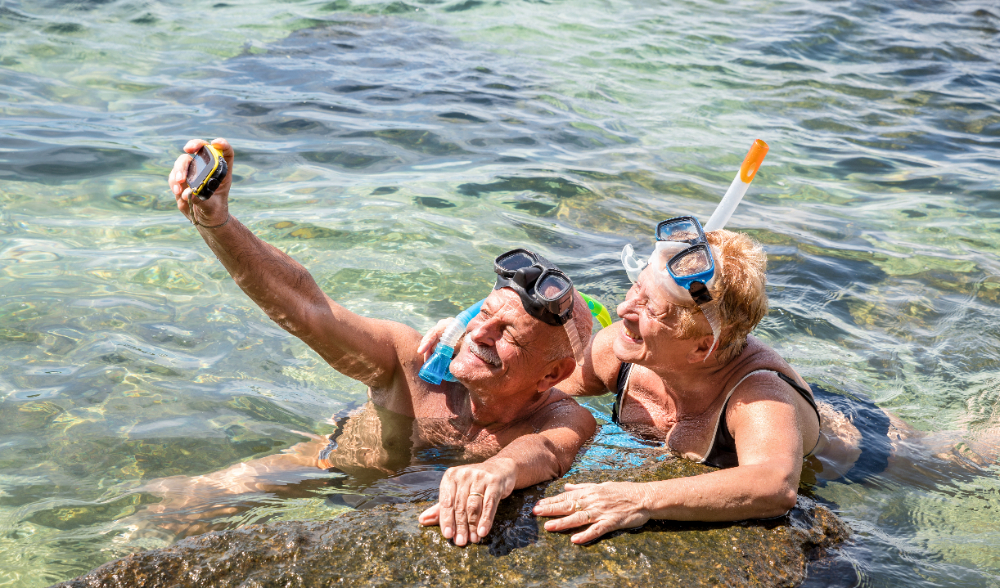
Snorkeling with a buddy is not just more fun—it’s safer, too. A companion can assist in case of emergencies, such as cramps or unexpected currents. Having someone nearby to share the experience also makes the adventure more engaging. If you’re in a group, establish a check-in system to ensure everyone stays safe. A buddy system minimizes risks and provides mutual support, giving you peace of mind while exploring Hawaii’s underwater world.
5. Stay Aware of Your Surroundings, Including Marine Life
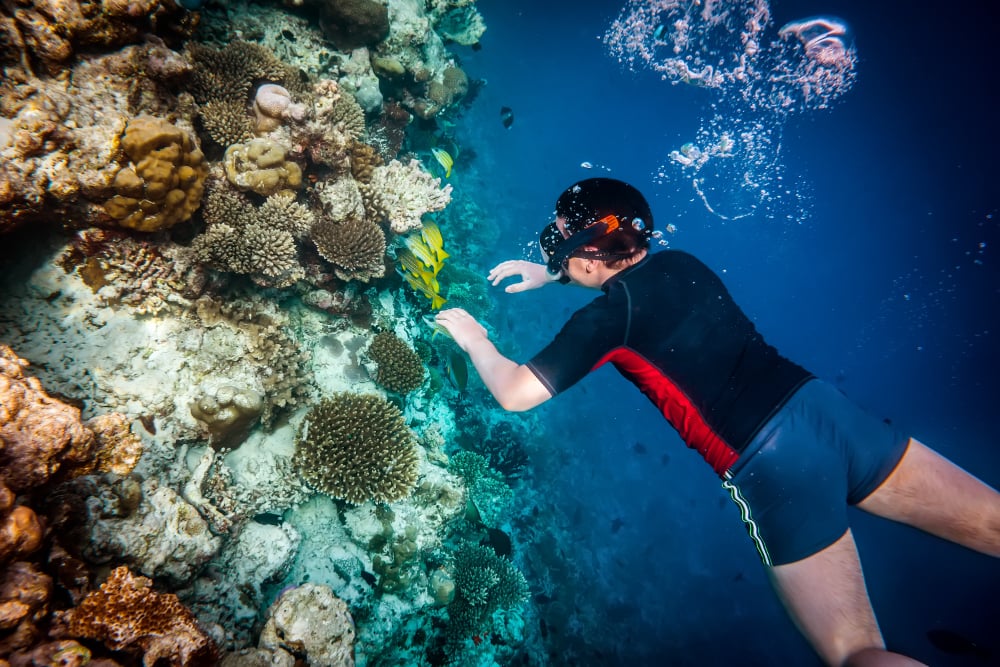
While Hawaii’s marine life is mesmerizing, keeping a safe distance is vital for both your safety and the ecosystem’s health. Avoid touching or chasing animals like sea turtles or reef fish, and steer clear of coral reefs to prevent injury or damage. Keep an eye out for jellyfish or other potentially hazardous creatures. Awareness of your surroundings not only keeps you safe but also ensures you snorkel responsibly, preserving Hawaii’s delicate underwater environment for future visitors.
6. Apply Reef-Safe Sunscreen to Protect Your Skin and the Ocean
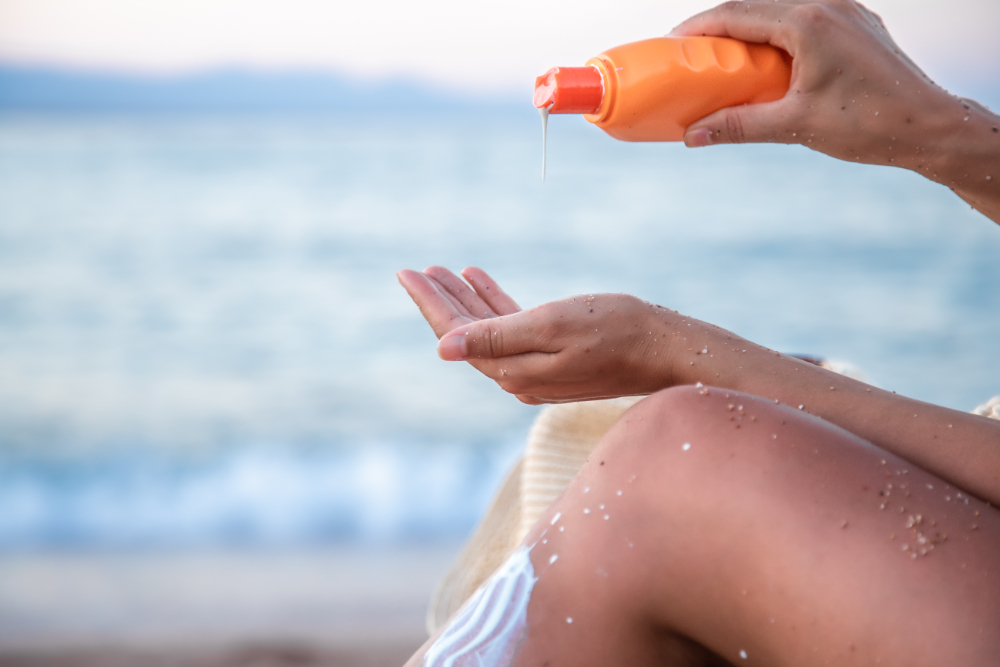
Hawaii’s sun can be intense, but protecting your skin doesn’t mean harming the environment. Choose reef-safe sunscreen to prevent chemicals from damaging coral reefs. Apply it 15 minutes before entering the water and reapply after snorkeling. Wearing sun-protective clothing, like rash guards or swim shirts, offers additional protection without impacting marine life. By prioritizing both personal safety and environmental health, you can enjoy Hawaii’s beauty responsibly and sustainably during your snorkeling adventure.
7. Know Your Limits and Avoid Overexertion in the Water
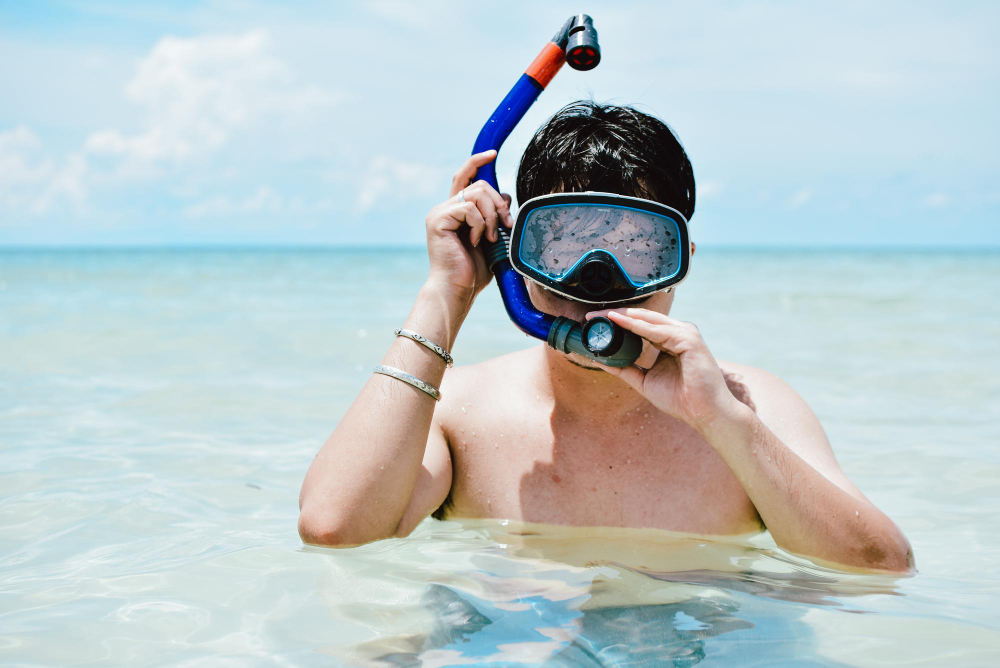
Snorkeling can be physically demanding, so understanding your limits is crucial. Take breaks, stay close to shore, and avoid pushing yourself in rough waters. Overexertion can lead to fatigue or cramps, increasing the risk of accidents. If you feel tired, float on your back to rest or return to shore. Knowing when to pause or stop ensures your safety and enhances your enjoyment, letting you fully appreciate Hawaii’s vibrant marine ecosystems without unnecessary stress.
8. Practice Proper Breathing Techniques for Calm and Control
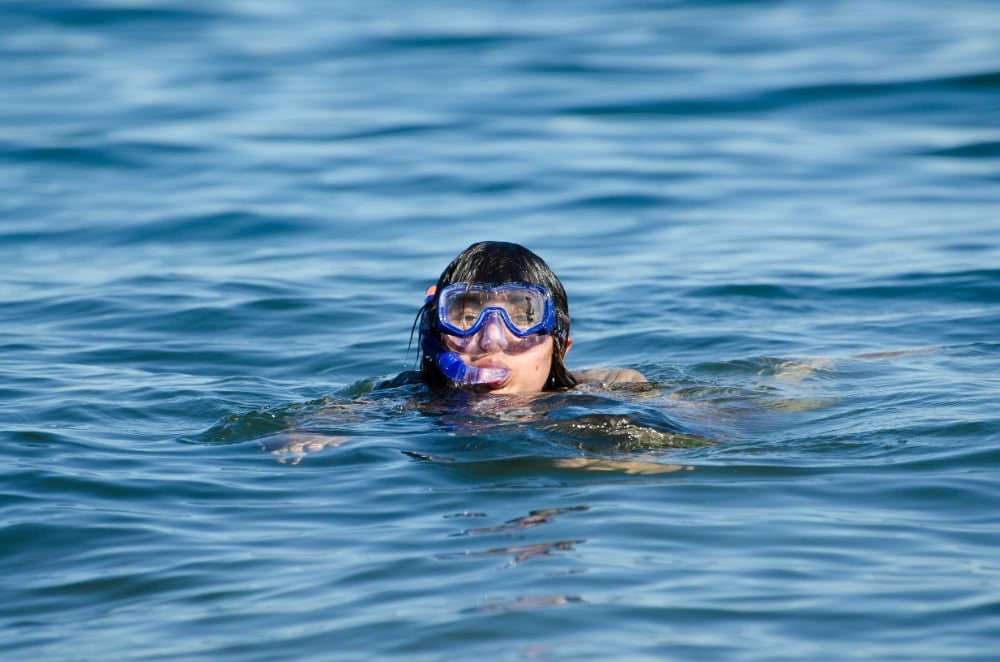
Mastering breathing through your snorkel is essential for a relaxed experience. Take slow, deep breaths to stay calm and conserve energy. Practice in shallow water before venturing into deeper areas, especially if you’re new to snorkeling. Controlled breathing helps you manage unexpected situations, like adjusting your mask or encountering waves. Focusing on proper breathing ensures a safer and more enjoyable time in Hawaii’s waters, allowing you to take in the underwater beauty with ease.
9. Pay Attention to Warning Signs and Follow Lifeguard Instructions
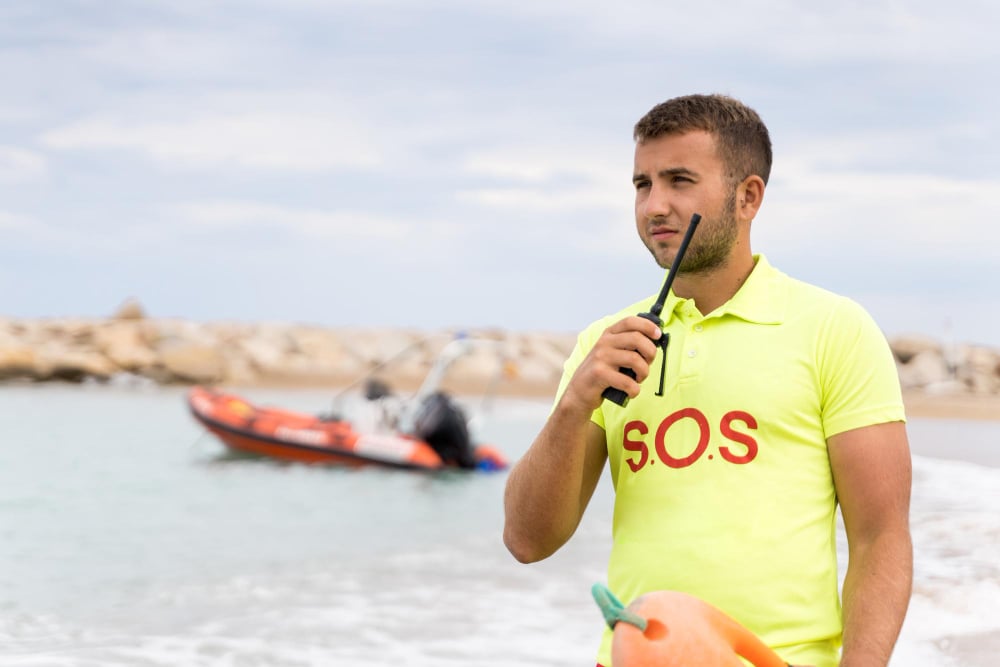
Hawaii’s beaches often display warning signs about ocean conditions, currents, or marine life—heed them. Lifeguards are an invaluable source of real-time information and safety guidance. Always follow their instructions, as they know the local conditions best. Ignoring signs or advice can lead to avoidable dangers. By respecting these precautions, you’ll reduce risks and enhance your snorkeling experience. Remember, local expertise is your ally in navigating Hawaii’s often unpredictable waters safely.
10. Wear a Flotation Device for Added Safety in the Water
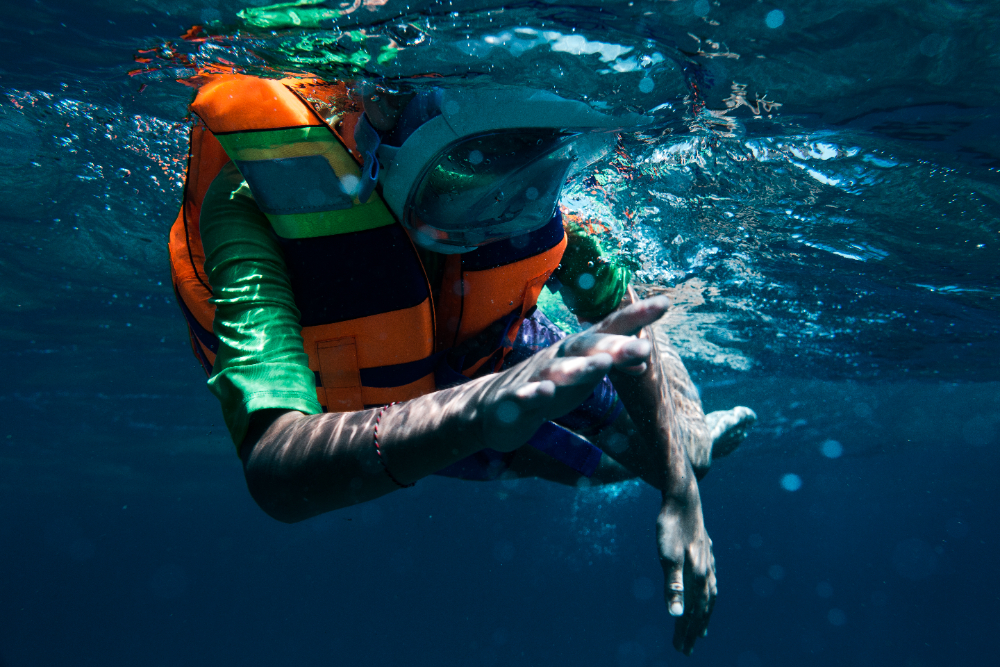
Flotation devices, such as snorkeling vests or belts, are an excellent safety measure, even for strong swimmers. They provide buoyancy, reduce fatigue, and offer peace of mind in case of unexpected currents or exhaustion. Beginners and children especially benefit from wearing them. These devices allow you to focus on enjoying the underwater scenery without worrying about staying afloat. By taking this precaution, you’ll add an extra layer of safety to your snorkeling adventure.
11. Respect the Ocean and Avoid Risky Behavior While Snorkeling
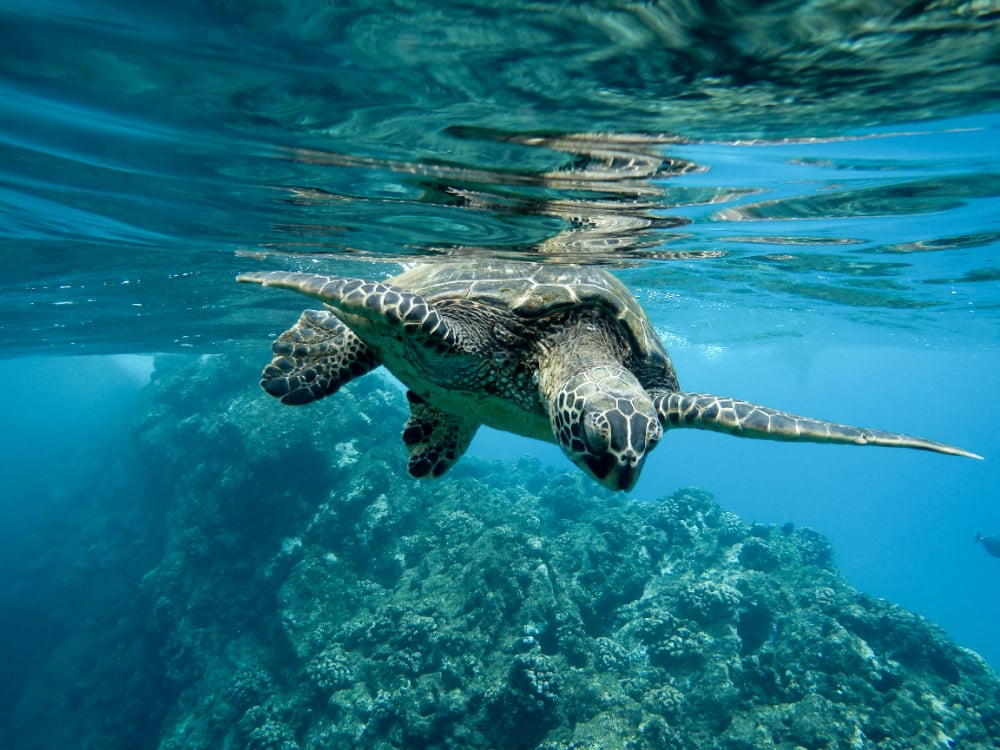
The ocean’s power demands respect, so avoid risky behaviors like venturing into restricted areas or ignoring current warnings. Be cautious of rocks, coral, and marine life, and stay within designated snorkeling zones. Overconfidence or carelessness can quickly lead to accidents. By adopting a respectful approach to the ocean and its inhabitants, you’ll ensure a safe and harmonious experience. This mindset lets you fully enjoy Hawaii’s natural wonders while preserving them for others.