
Some travel routines seem harmless until they put your safety on the line.

You might think you’ve got your travel habits down to a science—packing light, moving quickly, and blending in. But a few of those “smart” routines you’ve picked up over time may actually make you more vulnerable. It’s not about being paranoid. It’s about being aware of the little things that put a target on your back when you’re far from home.
The world isn’t always as friendly or safe as you hope, and certain choices—like where you stand in public or how you dress—can quietly signal opportunity to the wrong kind of person. These habits don’t have to be flashy to cause problems. Sometimes, it’s the quiet routines that make you easier to manipulate, steal from, or follow. You don’t need to overhaul your entire travel style, but tweaking a few small behaviors might just save you from an unfortunate situation.
1. Wearing expensive jewelry or flashy gear.

It’s easy to underestimate how much a shiny watch or designer handbag can say about you in a foreign place. While it might feel normal at home, wearing flashy items abroad can make you look like a walking jackpot. Even a small gold chain or a luxury backpack can tip someone off that you’re worth watching—and possibly following. Thieves aren’t always obvious or aggressive. Some will simply wait, observe, and take advantage of a moment when your guard is down.
The worst part? It’s not always about theft. Flashy gear can also attract scammers or locals who assume you’re wealthy and easy to exploit. That’s when overcharging, deceptive tactics, or even more serious situations creep in. Staying under the radar is one of the most underrated safety tips out there. Go minimal and practical with your look when traveling, as reported by Anthony J. Yeung of Medium.com. Save the nicer stuff for dinner back home.
2. Relying too heavily on your phone for navigation.

There’s comfort in knowing your phone can take you anywhere, but it can quickly become a crutch that puts you in risky situations. When you’re walking around with your eyes glued to your screen or stopping every few feet to figure out directions, you send a clear signal that you’re lost—and distracted. That’s prime time for someone to step in and take advantage, especially in busy or unfamiliar areas.
Besides the obvious theft risk, you’re also at a higher chance of wandering into the wrong neighborhood. Phones don’t always understand local dynamics, and what looks like a shortcut on Google Maps could lead you into a place you really shouldn’t be, as stated by Chandra Steele in PC Mag. It’s better to study your route in advance or even carry a small paper map as backup. You’ll move with more confidence, which goes a long way in keeping unwanted attention at bay.
3. Posting in real time on social media.
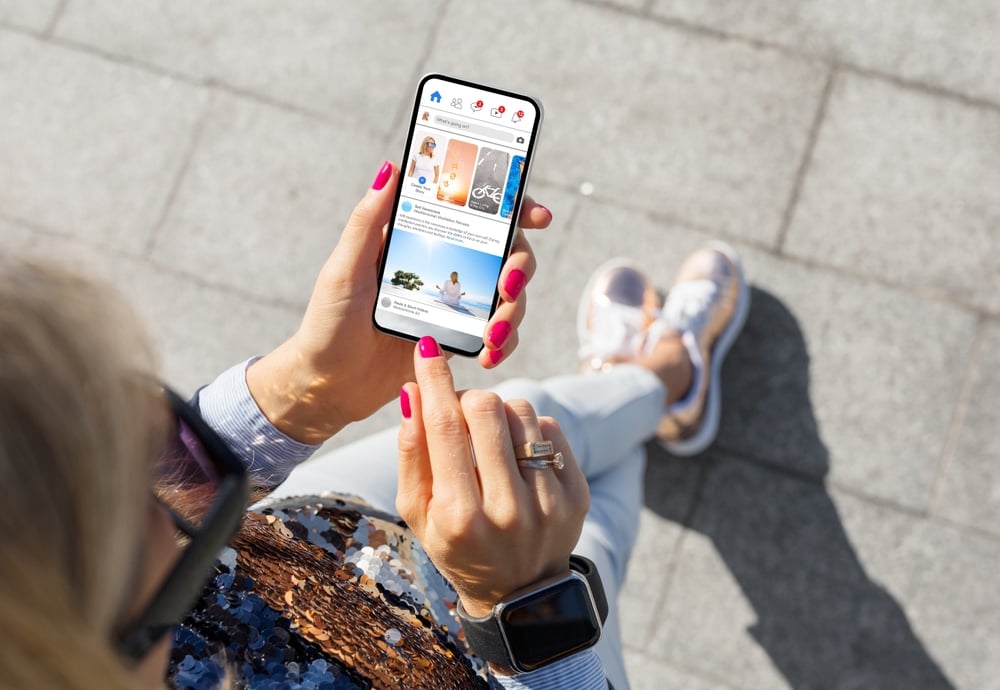
Sharing your travel experience while you’re living it feels exciting, but it comes with unexpected risks. Broadcasting your location tells people exactly where you are—and that your home is probably empty. It doesn’t take much for someone with bad intentions to piece together your patterns. If you tag the café you’re sitting in or show your hotel view while you’re still checked in, you’re giving away more than you realize, according to Tal Lavi of Duve.
Delayed posting can be your best friend. Save your photos, write your captions, and share them once you’re out of that city or even back home. This way, you still get to relive the experience without revealing your whereabouts in the moment. Plus, waiting a bit gives you more space to reflect and enjoy the experience without trying to curate it in real time for strangers online. Safety doesn’t mean silence—it just means being a little strategic.
4. Keeping your wallet in your back pocket.
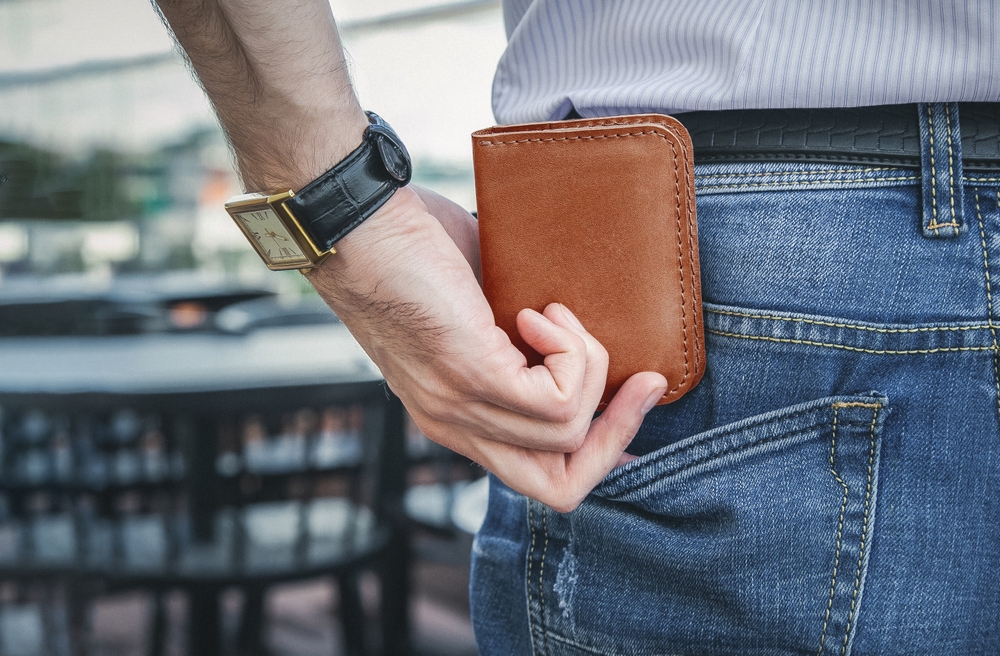
A back pocket wallet is practically a neon sign to pickpockets. They know that most people won’t notice a gentle nudge or brush in a crowded space, and once it’s gone, it’s gone. Even seasoned travelers forget about this basic rule, especially when rushing through airports or sightseeing. It’s such a habitual thing, but one wrong train ride or distracted moment is all it takes to lose everything important.
There’s also the issue of accessibility. If your wallet’s in your back pocket, that means it’s easy for you to grab—which also means it’s easy for others to swipe. A better choice is using a money belt, a front pocket, or even a hidden pouch under your clothing. It may feel awkward at first, but keeping your essentials in a less obvious place is one of the simplest and smartest safety upgrades you can make.
5. Using public Wi-Fi without protection.

Free Wi-Fi at airports, cafés, and hotels can feel like a gift—until it isn’t. Open networks are a goldmine for hackers who know how to exploit them. All it takes is a few minutes on an unsecured network for someone to access your email, banking info, or passwords. You might not even know it happened until long after your trip is over, when strange charges or locked accounts start piling up.
A simple fix? Use a VPN. It’s not just for tech geeks anymore. VPNs encrypt your data and make you nearly invisible to anyone trying to snoop. If you don’t want to deal with that, at the very least avoid logging into sensitive accounts or entering credit card numbers when using public Wi-Fi. Treat free internet like an open window—helpful when you’re careful, but dangerous if you’re too trusting.
6. Looking too lost or unsure in public.
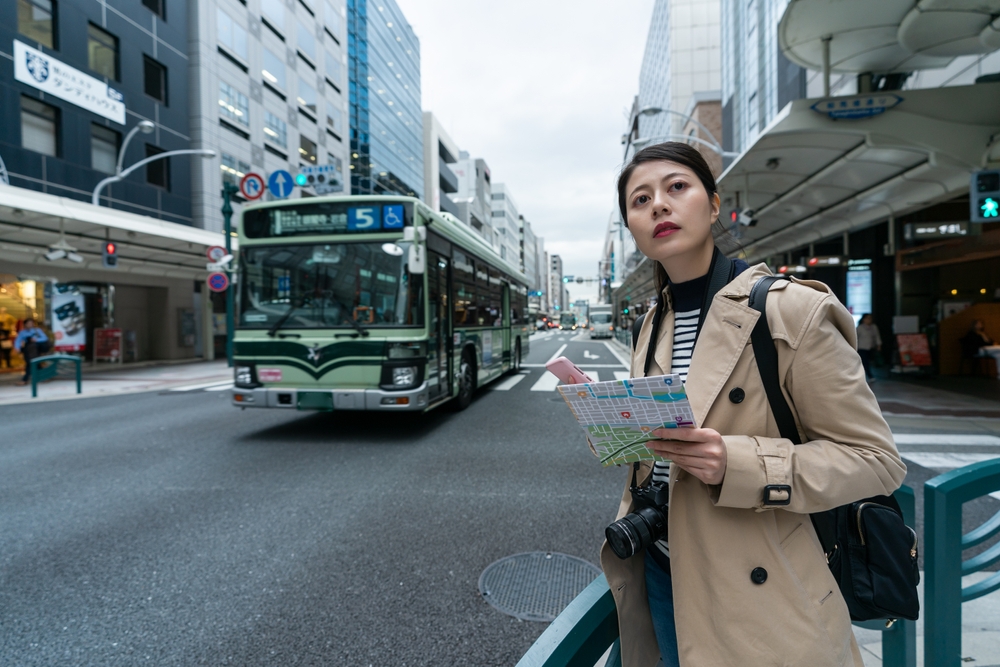
Appearing uncertain in public—stopping abruptly, scanning your surroundings too often, or hesitating before entering buildings—can make you stand out in all the wrong ways. Locals spot it quickly, and so do people who make a living preying on tourists. Even if you are genuinely confused or overwhelmed, projecting calm and confidence can reduce your chances of being approached or targeted.
It’s all about acting like you belong, even if you don’t quite feel that way inside. Walk with purpose, even if you’re not totally sure of your direction. If you need to stop and regroup, do it inside a shop or sit down somewhere less exposed. The less you stand out, the safer you’ll be. Confidence isn’t just a mood—it’s a safety tool when you’re navigating unfamiliar terrain.
7. Taking unregistered or unofficial transportation.
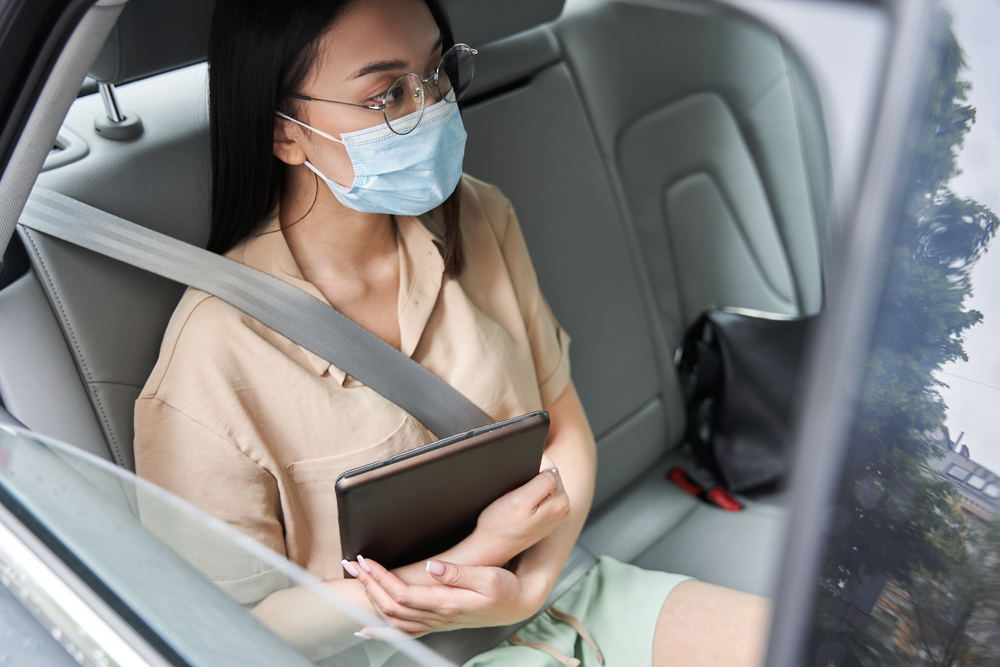
After a long flight or a night out in a new city, it’s tempting to accept a ride from someone who just happens to be offering. But unofficial taxis and ride shares are often where things go sideways. Without any kind of regulation or digital record, there’s no safety net if something goes wrong. You can be overcharged, scammed, or worse—with no way to prove what happened.
Stick to recognized services, even if they cost a bit more or take a few extra minutes. Use apps that track your ride and show the driver’s ID. Ask your hotel or host for recommendations, or book transport directly through trusted platforms. It might not feel as spontaneous, but it gives you way more control over the situation. Your safety is worth the extra planning and the few bucks it might cost.
8. Ignoring local scams or cultural red flags.
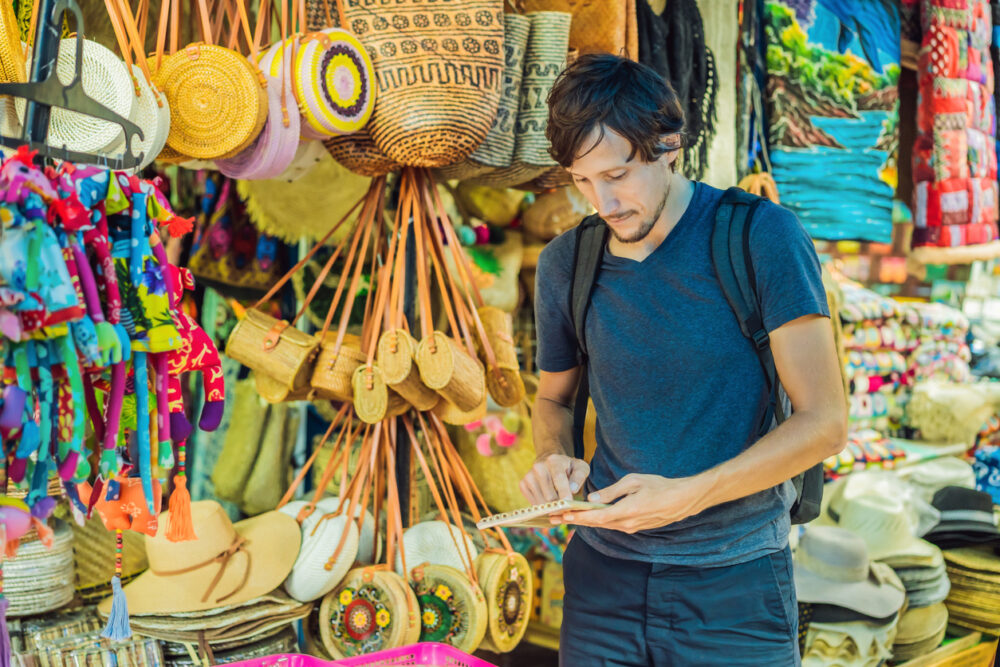
Every destination has its own quirks—unofficial “tour guides,” overly friendly strangers, or suspiciously helpful vendors. It’s easy to write these off as harmless or even charming, but that’s exactly what makes some scams so effective. If you don’t know what to expect, you won’t recognize the warning signs until it’s too late. Tourists get swept up in stories, distractions, and guilt tactics that locals would spot instantly.
A little pre-trip research can go a long way. Look up common scams for the place you’re visiting, and don’t brush off locals who try to warn you. If something feels too good to be true—like an unbelievable deal or an invitation that seems a little too eager—it probably is. The goal isn’t to walk around paranoid, but to keep your radar on and your instincts sharp.
9. Packing all your cash or cards in one place.
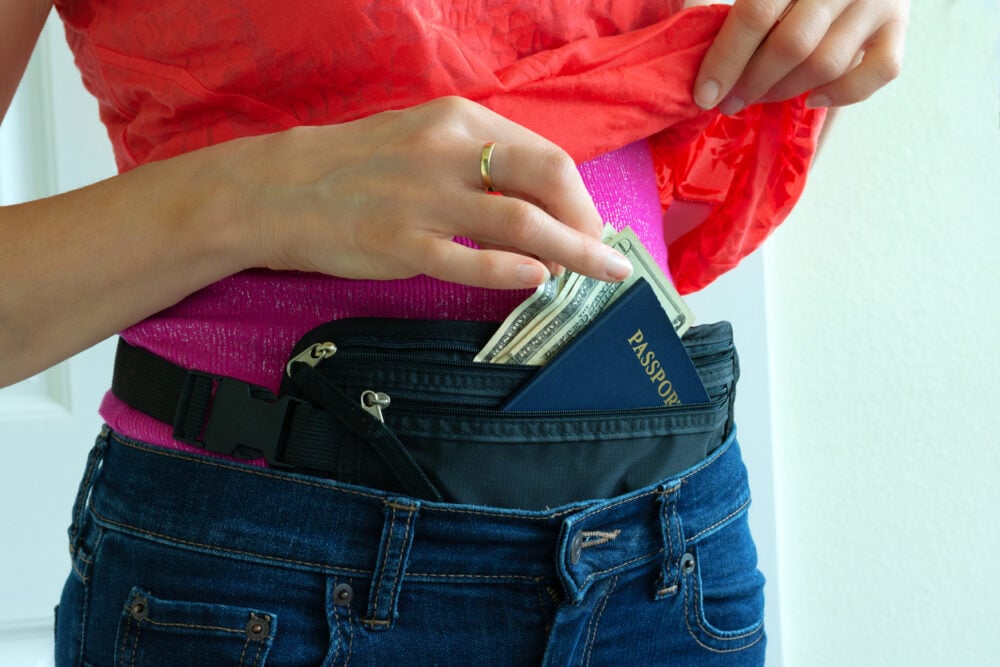
It might feel tidy to keep everything in your wallet—cash, cards, ID, maybe even your passport—but that makes a single theft a total disaster. If your wallet goes missing, you’re instantly stranded. No money, no way to get back to your hotel, no access to help. That’s a stressful situation in a place where you might not speak the language or know anyone.
Instead, spread things out. Keep a small amount of cash and one card with you during the day, and leave backups in a secure spot in your room or a money belt. Some travelers even tuck emergency bills into a shoe or hidden pocket in their bag. You don’t have to go full spy mode—just don’t carry your entire financial life in one spot. Redundancy is your best friend when things don’t go according to plan.
10. Getting too comfortable with strangers too quickly.

Meeting new people is part of the adventure, but moving too fast with a stranger can backfire fast. You’re in a good mood, you’re open to new experiences, and maybe you’ve had a drink or two—that’s the perfect storm for letting your guard down. Most people are genuinely kind, but some are opportunists who know how to win your trust just long enough to take advantage.
It’s okay to make connections, but pace yourself. Don’t share personal details too soon, and never reveal where you’re staying or what your plans are for the next few days. If something feels off, it probably is. Trusting your gut is just as important abroad as it is at home. You don’t need to be rude or cold—just cautious enough to stay one step ahead of anyone who doesn’t have your best interests at heart.
11. Leaving your drink unattended or accepting one from a stranger.

You wouldn’t leave your phone out on a public bench, so don’t leave your drink unattended either. It only takes a second for someone to slip something into it, and it’s not always the kind of story that ends with just a headache. Unwatched drinks are one of the oldest tricks in the book when it comes to theft, assault, or worse. You don’t need to be in a sketchy bar for it to happen—hotel lounges and tourist cafés aren’t immune.
Accepting a drink from a stranger can be risky too. Even if they seem friendly, you have no idea what’s in it or what their intentions are. Buy your own, keep it in your sight, and if you set it down and look away—even for a second—consider it gone. It’s not overkill, it’s basic self-preservation. Travel’s more enjoyable when you’re not dealing with the fallout from a moment of misplaced trust.