
If you’ve ever finished a Bridgerton episode and immediately felt the urge to pack a bag and vanish into a world of cobblestone streets, ivy-draped manor walls, and impossibly romantic town squares – you are absolutely not alone. The show has sparked a phenomenon travel experts are calling “set-jetting,” and an estimated 8 out of 10 fans now plan to visit the filming locations of their favorite shows. The real problem? The actual filming spots are increasingly overrun.
European countries hosted an estimated 756 million tourists in 2024, 46 million more than in the preceding year, and the pressure on iconic spots has never been greater. But here’s the exciting part: there are villages scattered across Europe that have the exact same mood, the same visual drama, the same intoxicating old-world charm – and none of the elbow-to-elbow crowds. Let’s dive in.
1. Ghent, Belgium – The Medieval Stage You’ve Never Heard Enough About
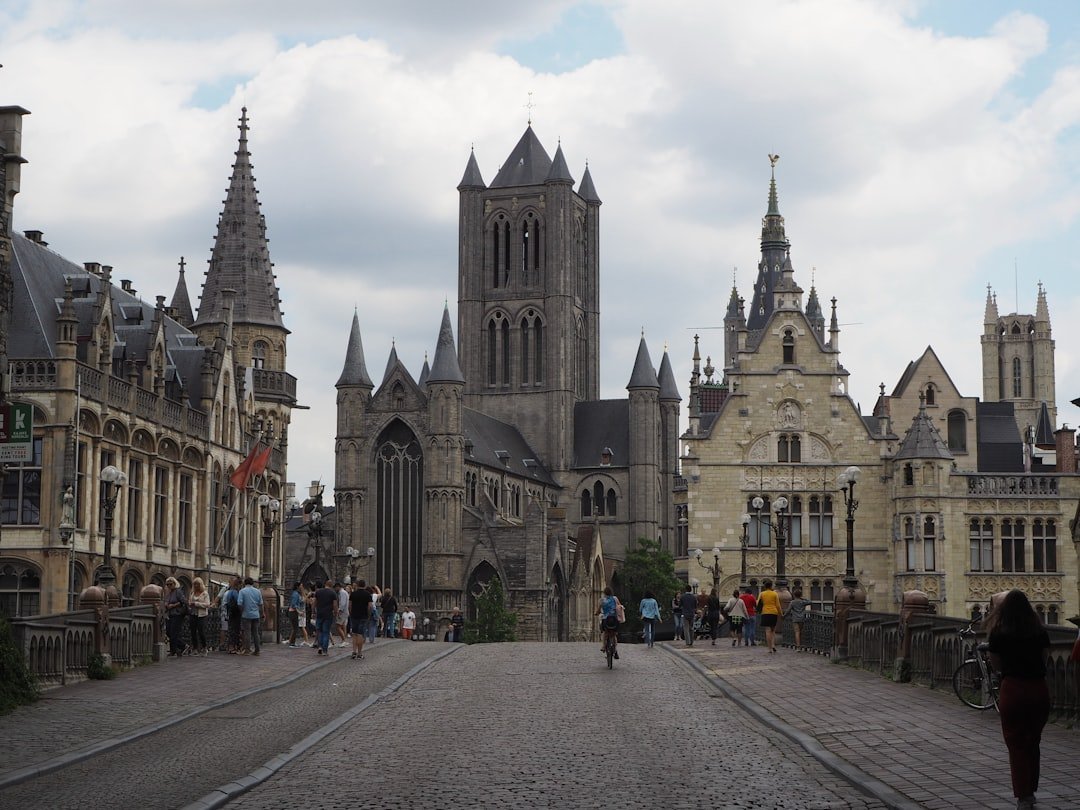
Let’s be real: most people go straight to Bruges when they want Belgian medieval magic. But Bruges has become a cautionary tale of its own making. In 2024, Bruges had nearly 7 million visitors, a rise of 13 percent, and the city is now actively taking action to combat overtourism. Ghent, sitting quietly nearby, offers everything Bruges does – without the chaos.
Within Belgium, Ghent is recommended as the smarter alternative: history buffs get a medieval town with a large fortress, churches, and cobbled streets, while culture buffs enjoy a thriving art scene not catered exclusively to the homogenous world of mass tourism. Honestly, for anyone chasing that Bridgerton feel of strolling grand, lantern-lit streets, Ghent delivers it at a fraction of the density. It was voted Europe’s youth capital in 2024, in no small part thanks to its university, which creates a vibrant atmosphere the city is quite proud of.
2. Český Krumlov, Czech Republic – A Fairy-Tale Castle That Outshines Its Fame
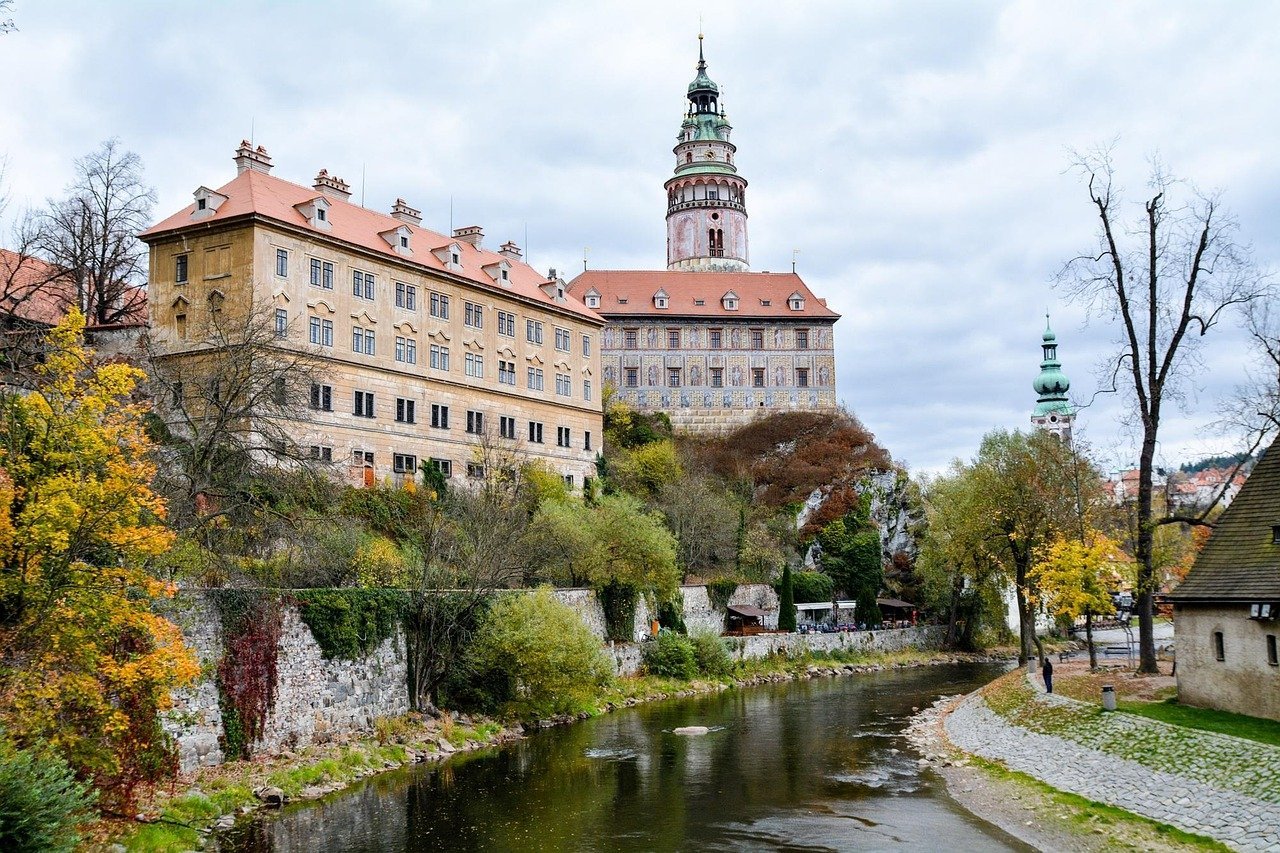
Imagine a whole town curled inside a horseshoe bend of a river, dominated by a castle so theatrical it barely looks real. Tucked into a horseshoe bend of the Vltava River in southern Bohemia, Český Krumlov captivates visitors with its jumbled architectural heritage spanning Gothic, Renaissance, and Baroque styles, all dominated by the fairy-tale silhouette of Český Krumlov Castle, the second-largest castle complex in the Czech Republic. That’s practically a Bridgerton set design brief written in stone.
The historic centre with the Český Krumlov Castle complex has been a designated UNESCO World Heritage Site since 1992, recognized for its well-preserved Gothic, Renaissance, and Baroque architecture. With its delightfully cobbled Old Town, rare Baroque theatre, and colorful castle, Český Krumlov feels lost in a time warp. The best time to visit is off-season, when the town’s romance is fully yours to inhabit, not shared with a heaving crowd.
3. Perast, Montenegro – The Bay of Kotor’s Best-Kept Secret
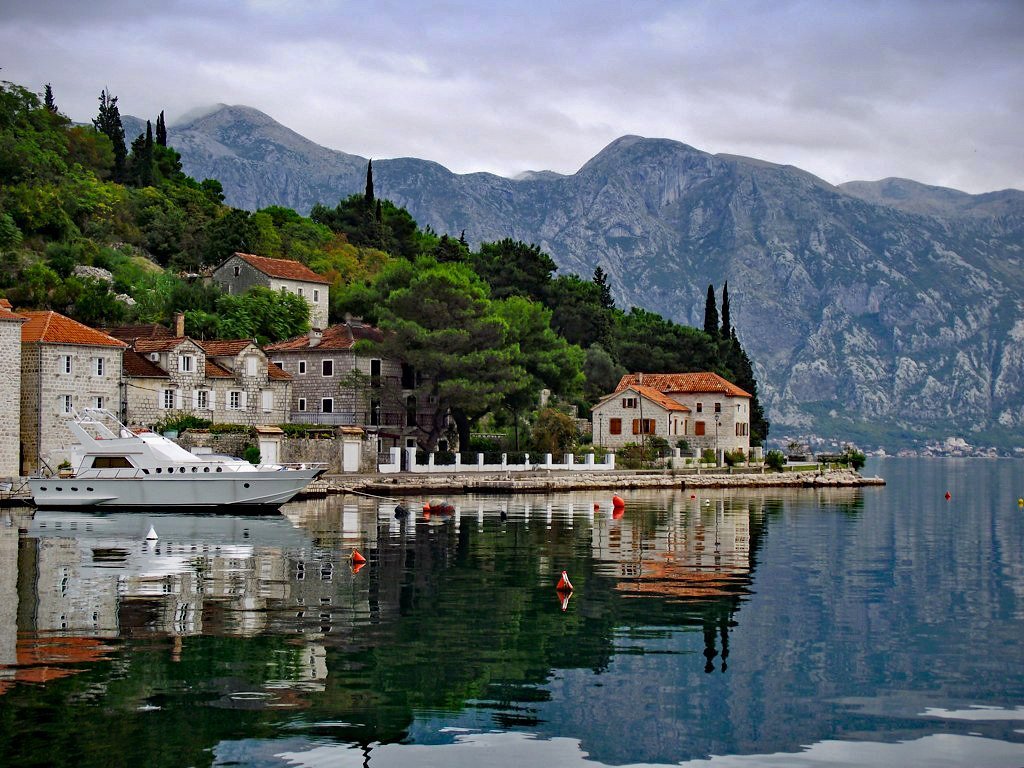
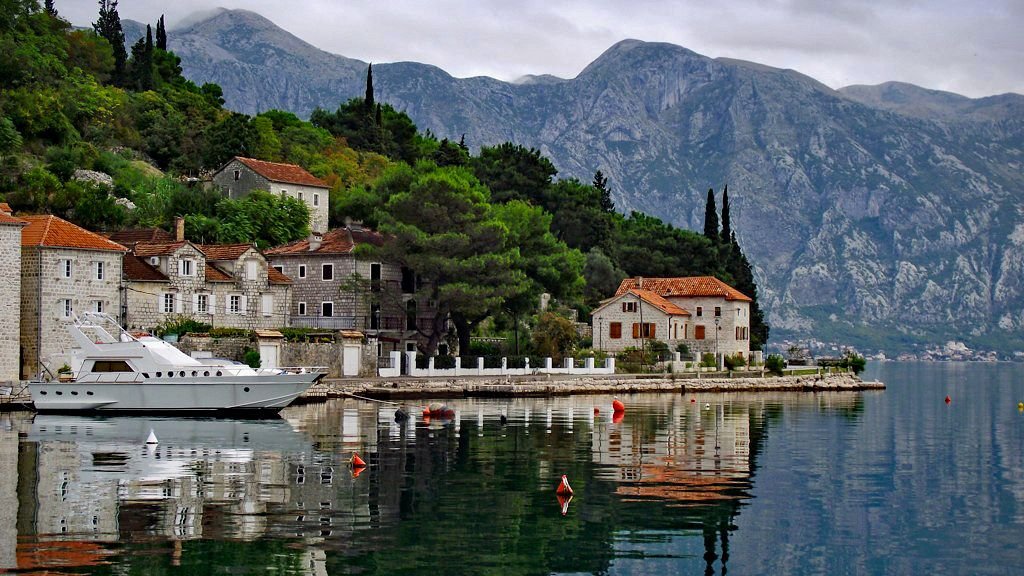
Most travelers who make it to Montenegro head straight for Kotor’s famous walled old town. Very few make the short trip further along the bay to Perast. That is their loss and your extraordinary gain. Perast offers visitors one of the most intimate experiences among medieval towns in the region, where this small Baroque and medieval town sits like a jewel on the shores of the Bay of Kotor, providing an authentic glimpse into maritime life where stone palaces built by sea captains and merchants reflect centuries of prosperity.
The single main street in Perast houses no fewer than 16 churches and 17 palaces, some of which have become overrun with blossoming bougainvillea and wild fig trees, while others like St. Nikola Church have been well-preserved and offer a glimpse into the town’s grand past. Two medieval islets enhance Perast’s romantic atmosphere: Our Lady of the Rocks, an artificial island with a Baroque church built on medieval foundations, and St. George Island with its medieval Benedictine monastery. I think this might genuinely be one of the most cinematic places in all of Europe.
4. Albarracín, Spain – Pink-Hued Walls and Medieval Time Warp
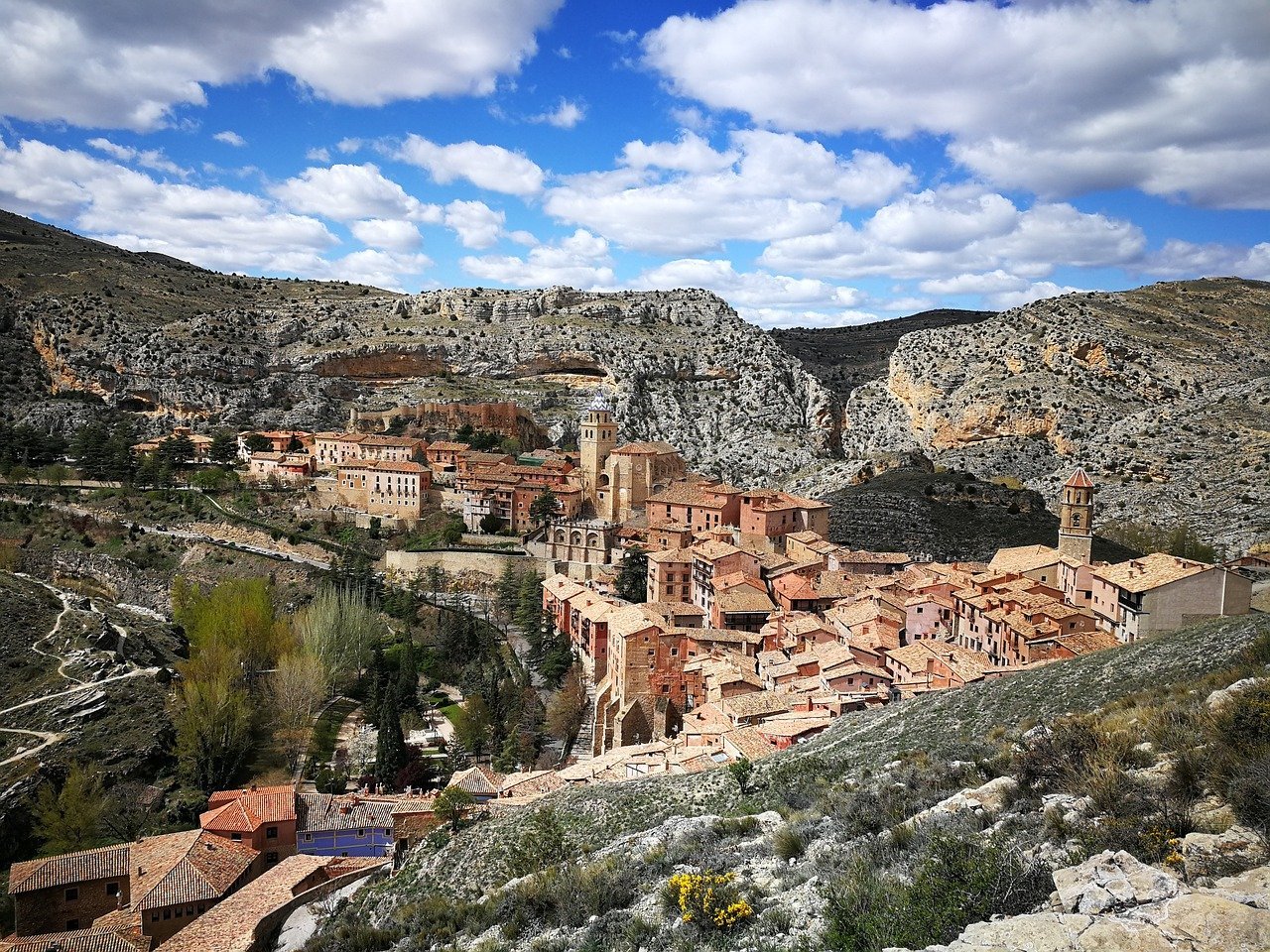
Hidden in the hills of inland Spain, Albarracín looks like it was designed specifically for a period drama. It wasn’t, but the effect is the same. Often cited as one of Spain’s most beautiful villages, Albarracín features narrow, winding streets, pink-hued buildings, and ancient city walls. The warm terracotta color of the stone glows in afternoon light in a way that genuinely stops you in your tracks.
The village sits perched dramatically above a river gorge in the Aragon region of central Spain, and it’s genuinely hard to say for sure why more people haven’t discovered it, because it’s absolutely magnificent. Analysts tracking 2024 and 2025 tourism patterns note that visitors are increasingly looking beyond capital cities toward secondary regions and rural areas that promise authenticity alongside basic infrastructure. Albarracín is exactly that kind of discovery, a place that rewards the traveler who turns left when everyone else turns right.
5. Rupit, Catalonia, Spain – The Hanging Bridge Village
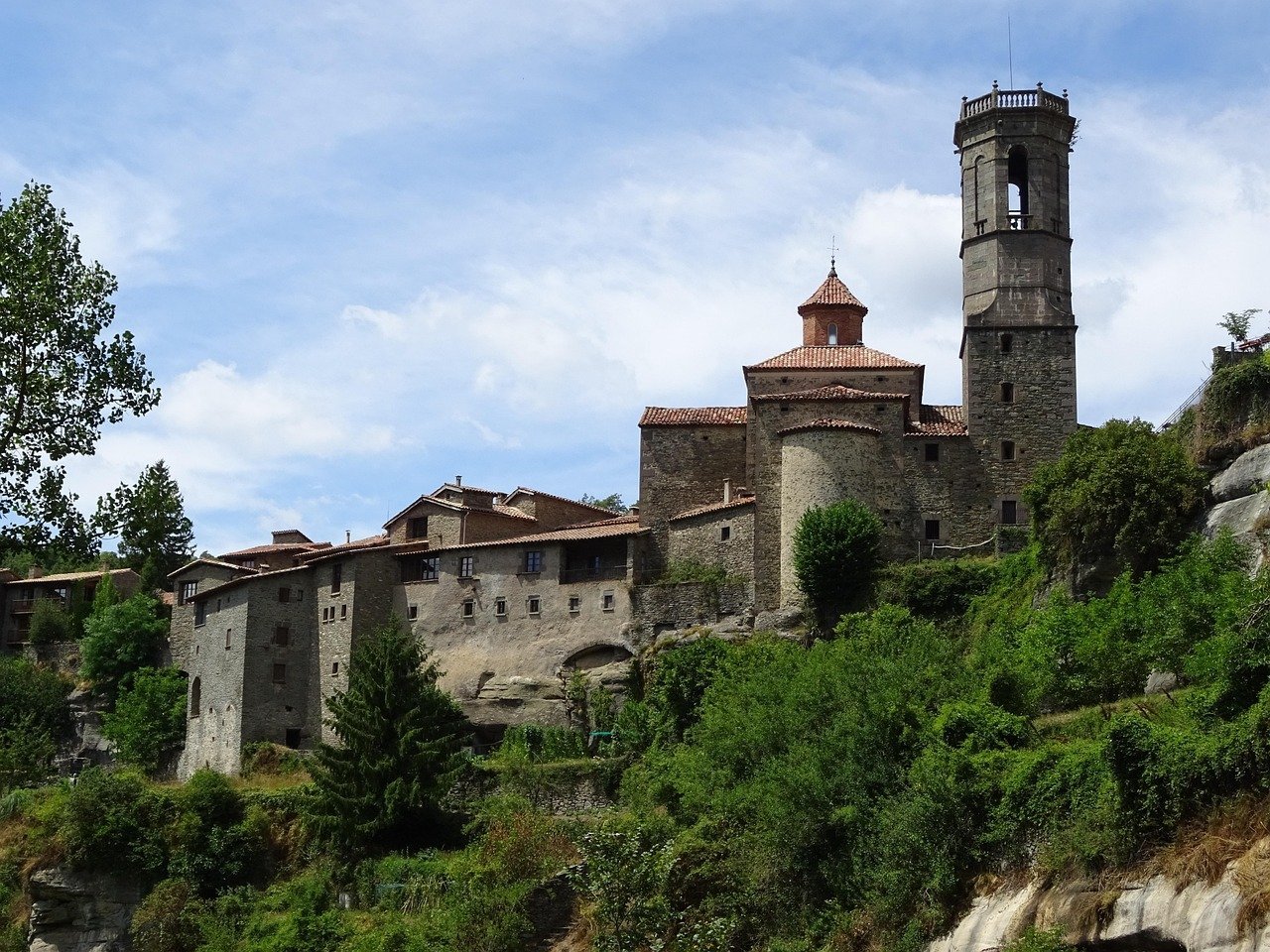
When you think Catalonia, Barcelona dominates the mental image. Rupit offers something almost impossibly different. Rupit is a charming medieval village in Catalonia, characterized by its cobblestone streets, stone houses, and the iconic hanging wooden bridge over the Rupit River; visitors can also explore the Church of Sant Miquel, dating back to the 12th century, and hike to the nearby Salt de Sallent waterfall for breathtaking views. The whole visual package, stone walls, lush greenery, a suspension bridge over a river gorge, is something straight out of a Regency-era romance novel.
It sits about an hour and a half drive from Barcelona, making it an easy escape that most tourists never consider. Underrated destinations like these often provide exceptional value for money, with accommodation, dining, and activities priced significantly lower than in mainstream tourist centres. If you want the Bridgerton energy without the entrance queues, Rupit is quietly waiting for you.
6. Sighișoara, Romania – Where Dracula Meets Bridgerton Grandeur
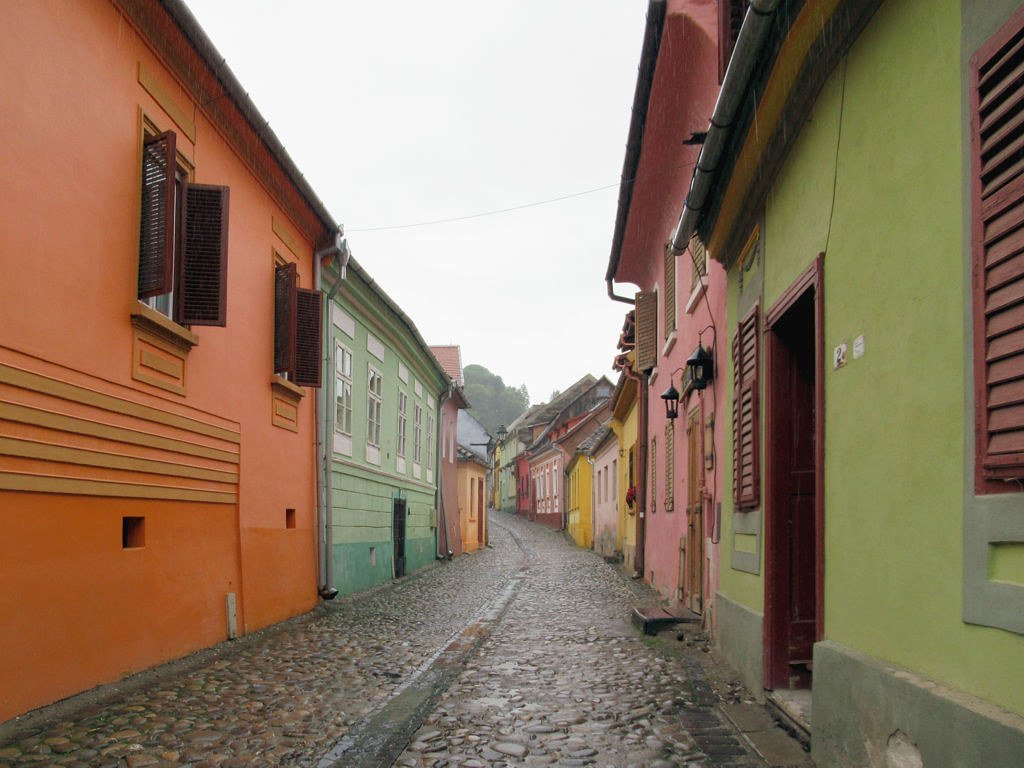
This might be the most unexpected name on the list, but stay with me. Sighișoara represents one of the finest examples of fortified medieval towns in Eastern Europe, where 12th-century citadel walls still protect a thriving community within their ancient embrace; the settlement gained international recognition as the birthplace of Vlad the Impaler, the historical figure who inspired the Dracula legend, adding an element of Gothic mystique. Gothic mystique is basically the Bridgerton aesthetic at full volume.
The town’s medieval citadel features nine surviving towers from the original fourteen, each representing different medieval guilds that once controlled various aspects of city life; the iconic Clock Tower, built in the 14th century, serves as the citadel’s symbol and houses a history museum. Romania has emerged over the past year as a favored “surprise” destination in online travel discussions, particularly for its combination of affordability, historic architecture, and rural landscapes, with growing interest in fortified villages and Saxon towns where cobbled streets, defensive churches, and pastel houses create a strong sense of place.
7. Piran, Slovenia – A Venetian Dream on the Adriatic
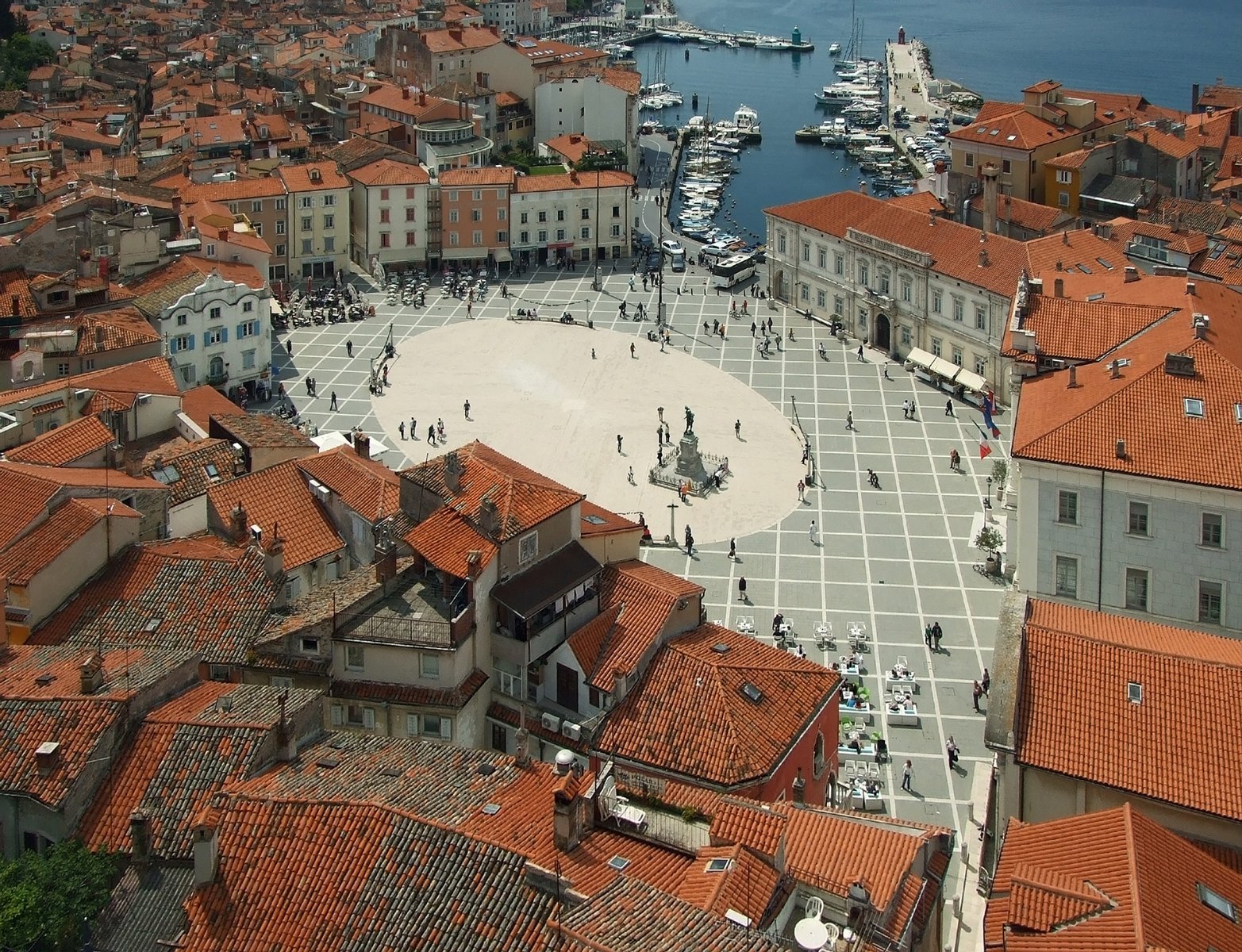
Slovenia might be the most underestimated country in all of Europe. Its tiny coastal strip holds Piran, a town that looks like Venice had a quieter, less touristy sibling nobody told you about. Piran is a small Venetian-style town on the Adriatic coast that retains its medieval charm, with narrow streets, beautiful piazzas, and medieval architecture including the Church of St. George, making it feel like a living postcard; the town’s location by the sea, with its stunning views of the coastline, adds to its fairy-tale-like atmosphere.
Slovenia feels like the best of the Alps and the Balkans rolled into one, but softer, simpler, and slower. That description alone is making me want to book a flight right now. Piran’s compact old town wraps around a promontory jutting into the Adriatic, meaning almost every street turns a corner and reveals an unexpected water view – a detail any Bridgerton production designer would absolutely adore.
8. Amorgos, Greece – Whitewashed Walls and Zero Tourist Traps
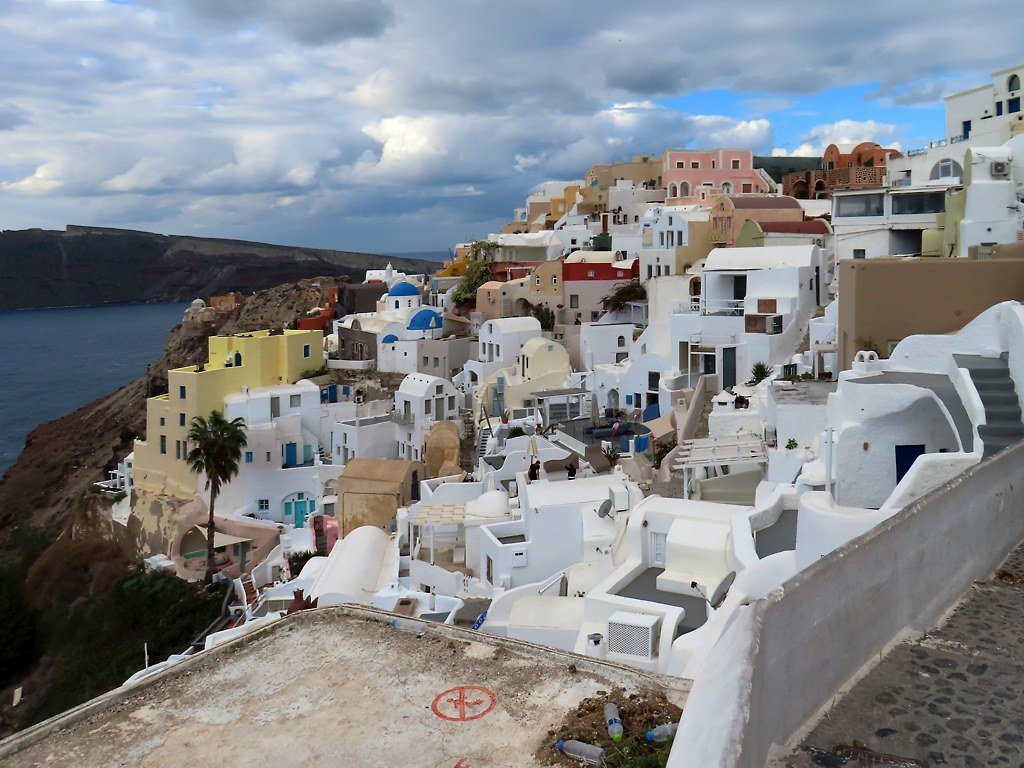
While Santorini and Mykonos groan under the weight of cruise ships and Instagram influencers, the eastern Cycladic island of Amorgos maintains its quiet dignity. The Old Town of Amorgos, known as Chora, is the island’s ultimate highlight, with whitewashed alleys, windswept windmills, a rugged castle, and quaint cafés that look as though they’ve sprung out of the pages of a fairy tale. A fairy tale. That’s not a travel writer’s hyperbole, that is simply what it looks like.
There are no tourist-trap restaurants in Amorgos, and most, if not all, businesses on the island are family-run and offer top-notch service. That kind of authenticity is exactly what mass tourism destroys everywhere it touches. Destinations like these offer genuine encounters with local culture and traditions that remain undiluted by mass tourism, fostering authentic connections that transform travel from mere consumption into meaningful cultural exchange.
9. Blagaj, Bosnia and Herzegovina – The Hidden River Monastery
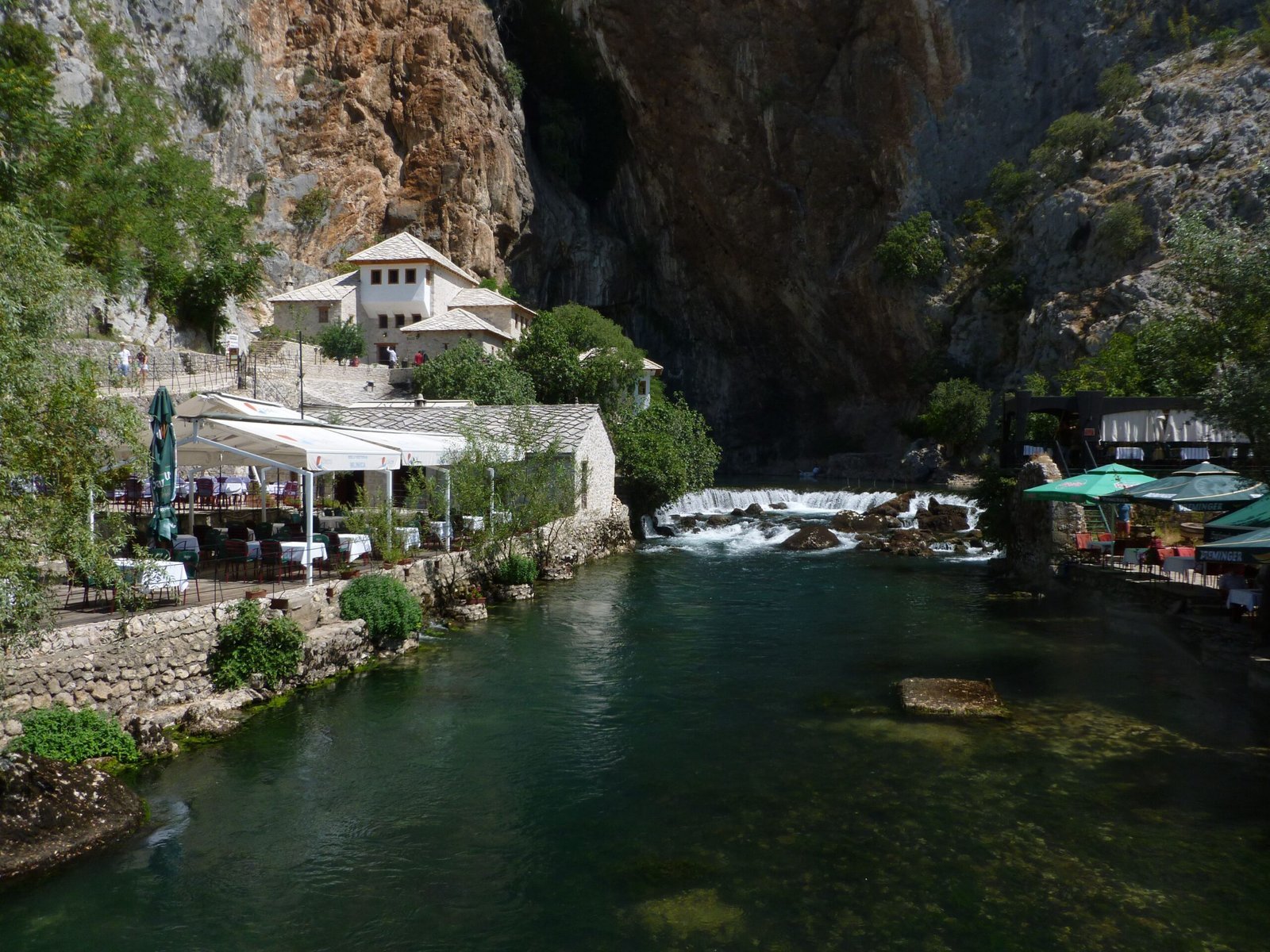
Uploaded by Smooth_O, CC BY-SA 2.0)
Here’s one that genuinely most Western tourists have never heard of, and that is precisely the point. Blagaj, a historic town in Bosnia and Herzegovina, is listed among Europe’s best-kept secrets, offering a distinctive glimpse into the continent’s lesser-known wonders. Its showstopper is a 16th-century Dervish monastery built directly into the face of a cliff at the source of the Buna River, where icy emerald water surges up from beneath the rock. Think of it as nature’s own grand ballroom entrance.
The surrounding valley has the kind of hush and architectural drama that Bridgerton’s location team would have wept over. Visitors in 2024 and 2025 are increasingly looking toward secondary regions and rural areas that promise authenticity, with a marked rise in demand for local culture experiences, from neighbourhood food markets to heritage crafts and community-led tours. Blagaj is precisely that kind of destination: intimate, visually extraordinary, and still largely off the international tourist radar.
10. Hallstatt, Austria – Visit Early and Thank Yourself Later
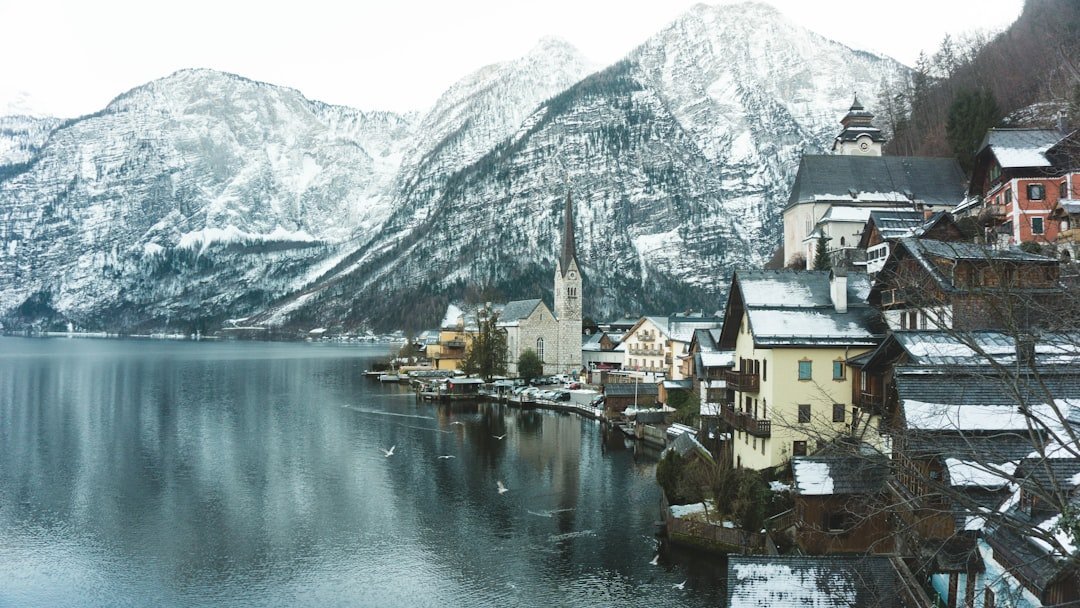
Hallstatt is genuinely one of the most beautiful places on earth. That is not an exaggeration. It’s also, in honesty, one of the most crowded. On peak days, Hallstatt sees up to 10,000 tourists passing through its streets. For a village of fewer than 800 residents, that ratio is staggering. Statistically, that means over 1,300 visitors per resident per year, a figure unmatched by almost any other place in Austria.
Still, Hallstatt makes this list because the solution here is simple: timing. Visiting in winter transforms Hallstatt into a snow-blanketed wonderland, with far fewer tourists and the possibility of skating on the frozen lake; early morning or evening visits during summer allow for peaceful exploration before or after the day-tripper crowds arrive. This picturesque village is nestled between the dramatic Dachstein Alps and the serene Hallstätter See in Austria, and is known for its production of salt dating back to prehistoric times, recognized as a UNESCO World Heritage Site. Arrive at dawn and you might have it entirely to yourself.
11. Kotor, Montenegro – Walled, Dramatic, and Still Breathable
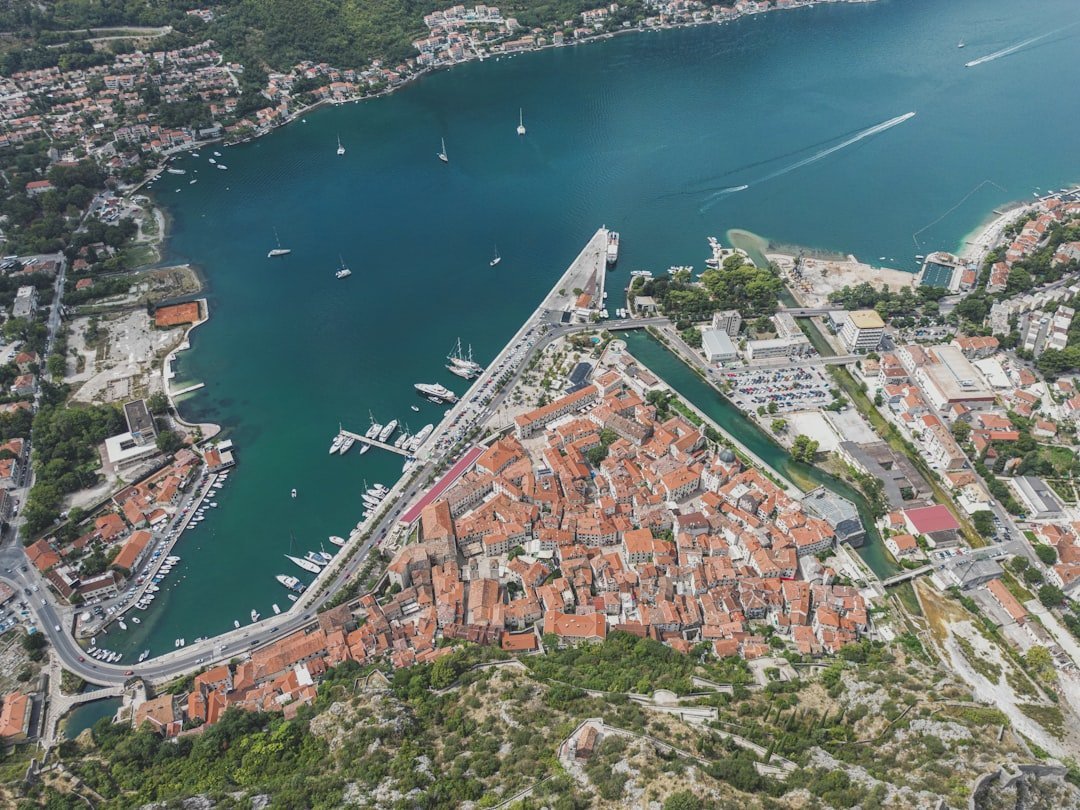
Kotor is not exactly a secret anymore, but compared to the sheer crush of Venice, Dubrovnik, or Santorini, it remains relatively manageable, especially if you visit outside July and August. Kotor Old Town is a beautiful medieval city built between the 12th and 14th centuries, a UNESCO World Heritage site completely surrounded by fortified walls, filled with winding cobblestone paths, stunning architecture, and historic monuments. Walking those walls as mist rolls off the bay in the early morning is the kind of experience that stamps itself permanently on your memory.
Within Kotor’s medieval walls, marble-paved squares connect a maze of narrow streets lined with medieval palaces, churches, and traditional stone houses; the 12th-century Cathedral of Saint Tryphon stands as the town’s medieval masterpiece, housing precious relics and Romanesque sculptures that reflect Kotor’s importance as a medieval pilgrimage destination. The medieval fortifications, including the impressive Kotor Fortress, provide incredible views of the bay, making it feel like a true fairy-tale destination.
12. Setenil de las Bodegas, Spain – A Village Built Into the Cliffs
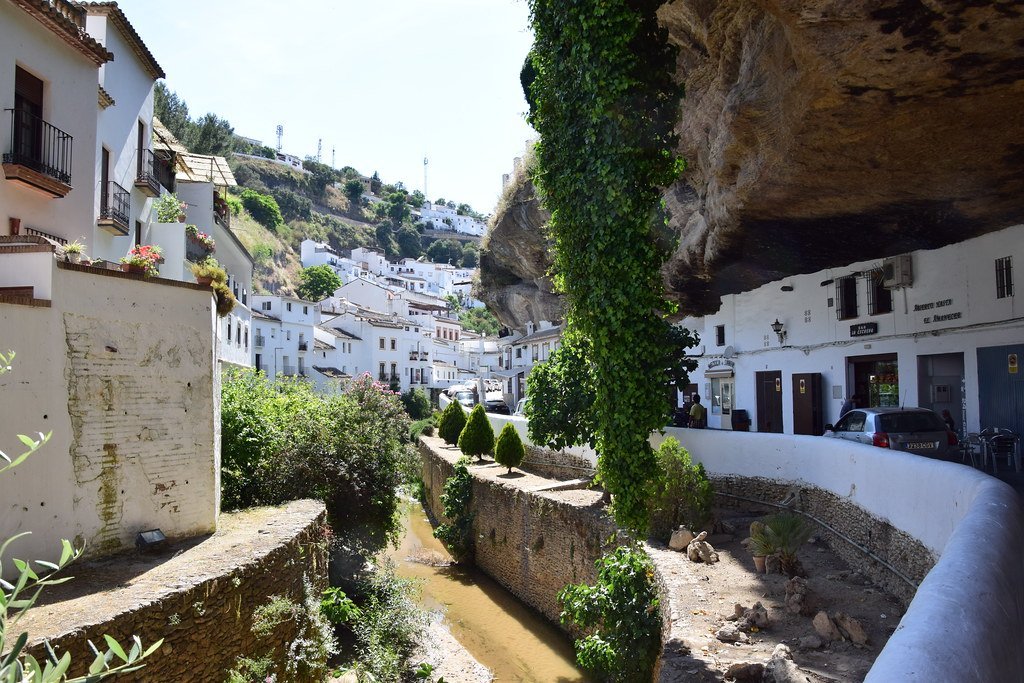
Few places in Europe do drama quite like Setenil de las Bodegas. This Andalusian village is literally built into rock overhangs, with houses, bars, and restaurants tucked under massive cliff faces as if the earth itself is sheltering them. Walking through Setenil’s narrow lanes, with houses literally built into the cliffs, feels like stepping into another world; Nazari Castle sits at the top of the hill and offers panoramic views of the village and surrounding countryside, while the Church of La Encarnación stands out with its simple late Gothic design.
This is a place for slow travel: there aren’t big attractions or crowds, just friendly locals and an atmosphere that feels untouched. That is essentially what travel was always supposed to feel like. Travelers are increasingly drawn to sustainable destinations and authentic experiences that allow them to discover Europe’s soul in ways that iconic cities simply cannot match. Setenil is pure soul, a place that rewards curiosity with something money genuinely cannot manufacture: real, lived-in, unhurried beauty that Bridgerton spent a fortune recreating on a sound stage.
The Bigger Picture: Why These Villages Matter Now
Europe’s overtourism crisis is no longer a minor inconvenience – it’s reshaping entire communities. Summer 2025 may go down in history as the season when Europe turned against tourism, with locals in Barcelona unable to walk through the city’s clogged streets spraying visitors with water guns, and thousands marching to demand an end to mass tourism. The irony is sharp: the very places people flock to for beauty and authenticity are having both stripped away by the volume of visitors chasing them.
According to the European Travel Commission’s latest findings, roughly 27 percent of Europeans plan three or more trips in 2025, a 6 percent increase from 2024, with nearly half planning longer stays of 7 to 12 nights; this shift suggests that people are craving deeper, more meaningful connections with the places they visit rather than rushing through bucket-list attractions. The villages on this list offer exactly that depth. They are not consolation prizes for missing the famous spots. They are the destination.
The real Bridgerton magic was never about a specific postcode. It was about the feeling of stepping inside a world where beauty has had centuries to accumulate, where architecture whispers history, and where the setting itself is the story. These 12 villages do all of that, quietly, generously, and without asking you to queue for two hours first. Which one is going on your list?