
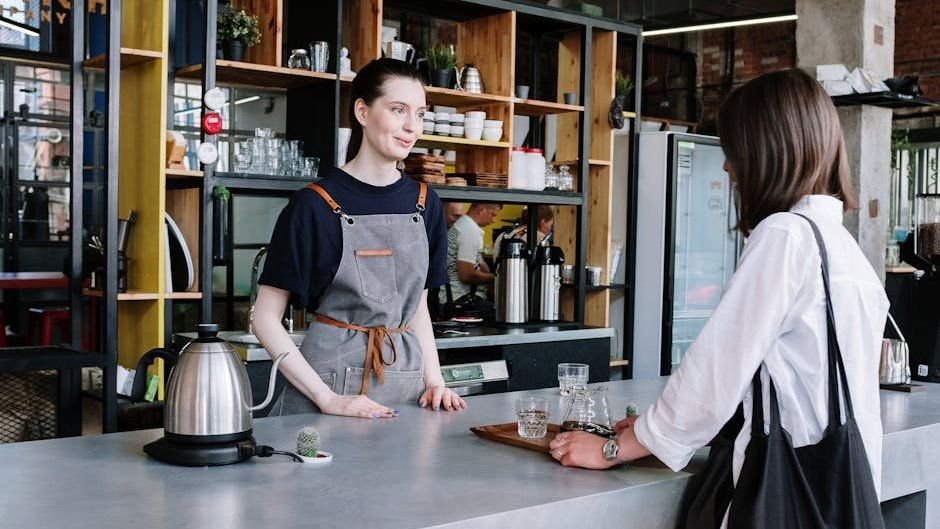
You walk in, check the time, look up at the board, look back down at your phone, and then back at the counter. Your barista is moving. Just… not very fast. Sound familiar? You are not imagining it. Behind the espresso machine and steaming pitchers, there is a world of pressure, chaos, and genuine human friction that most customers never see. Some of what slows your order down is structural. Some of it is emotional. Honestly, some of it might even be you. Let’s dive in.
1. They Are Drowning in Invisible Mobile Orders
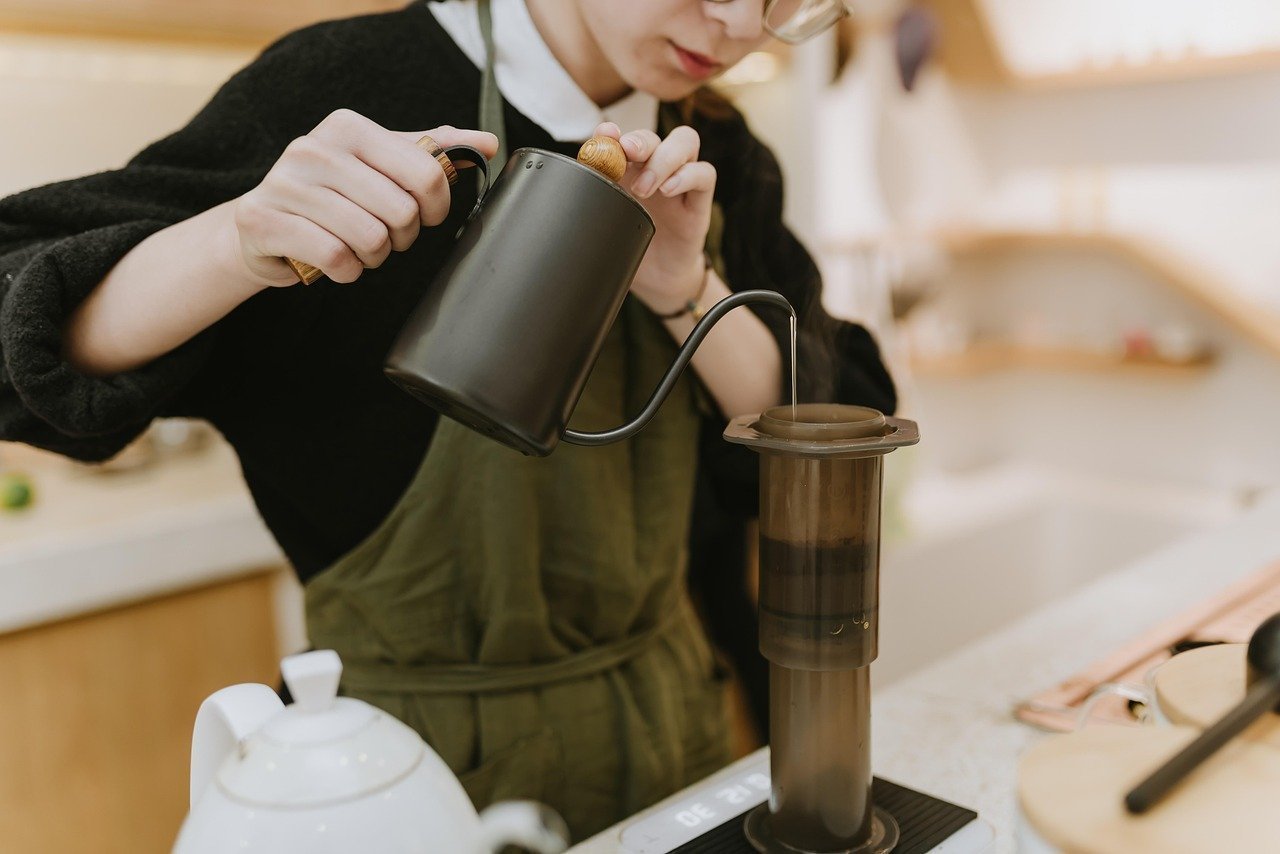
Here is the thing most people standing in line have no idea about: there is a second line. It is invisible, and it is absolutely ruthless. Starbucks, for example, now has two lines for ordering, one of people physically in the store or drive-thru, and another made up of people who ordered ahead via the app.
That invisible line is essentially overwhelming for baristas, because physical lines serve as “visual cues” that tell workers to step up their game. When the queue is digital, they cannot see it building up until suddenly they are buried.
Mobile orders account for roughly one-third of total Starbucks sales, and they tend to be more complicated. While add-ons like cold foam or syrups are more profitable for the company, they tend to take up considerably more of baristas’ time, frustrating both employees and customers. So while you tap away at your app feeling efficient, someone behind the counter just got six more complicated orders dropped on them simultaneously.
2. The Shop Is Seriously Understaffed
Staffing in coffee shops is a genuine crisis, not an excuse. Starbucks workers have said in surveys that they are understaffed and dealing with unreliable equipment. Only about one-third of U.S. Starbucks workers believe they have stores that are consistently well-staffed, based on a survey responded to by roughly 160,000 employees across 10,000 U.S. stores.
A 2023 World Coffee Portal study of U.S. hospitality workers found that roughly nine out of ten had worked extra shifts, with three-quarters doing so specifically because of staffing shortages. That is an enormous amount of pressure placed on individuals who are already managing a physically and mentally demanding job.
According to Bloomberg, understaffing has contributed to skyrocketing wait times, unfinished orders, and lost sales, as multiple employees have reported. When there are two people doing the work of five, someone’s order is going to take longer. It is math, not malice.
3. Your Order Is Genuinely Complicated
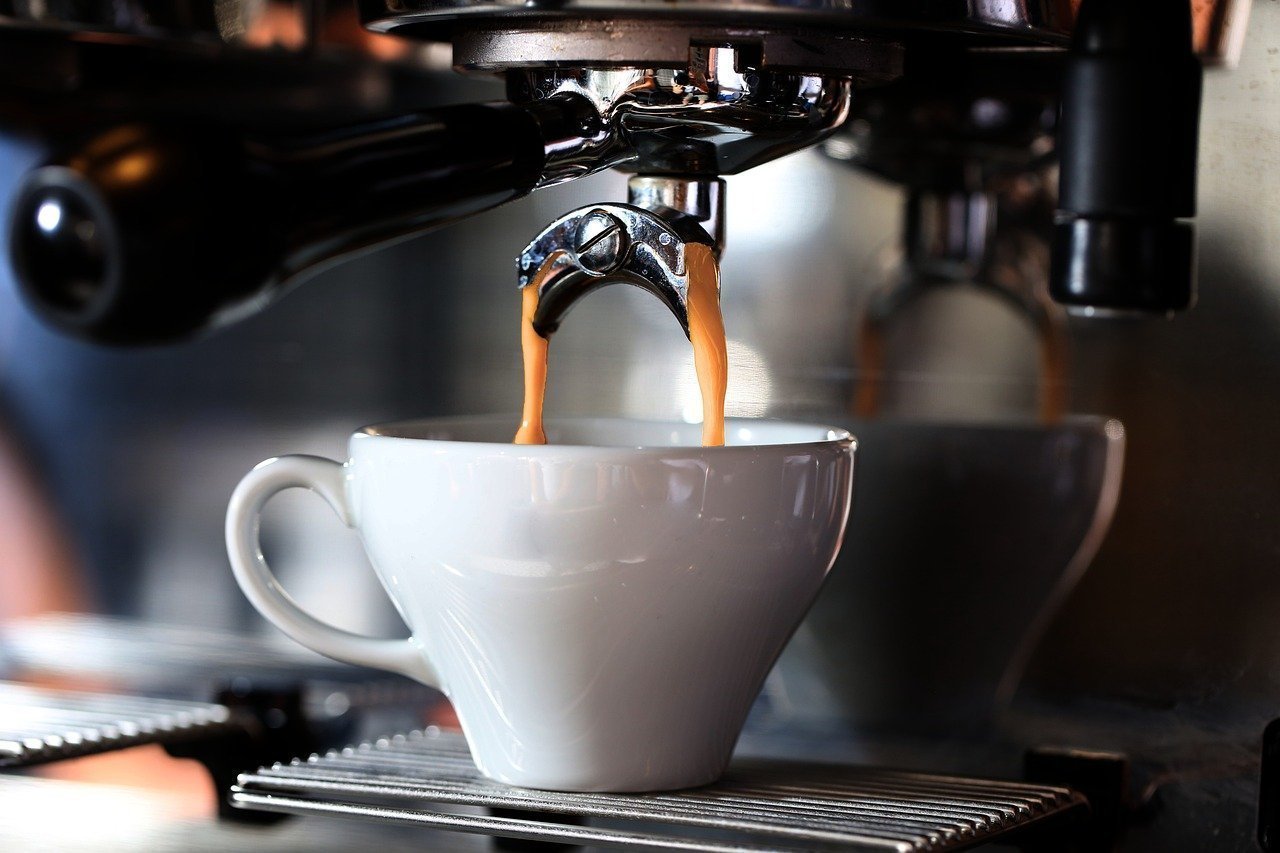
Let’s be real. If your order sounds like a legal document, you cannot expect it to come out in two minutes. Starbucks now has more than 170,000 possible drink combinations, making every custom order exponentially more complicated to execute correctly.
Before the pandemic, many Starbucks locations were already struggling to cope with the volume of orders from multiple channels. This was made worse by customization, where customers ask for non-standard products that simply take longer to make. Your oat milk, sugar-free, extra-hot, half-sweet, no-foam situation is genuinely time-consuming to build.
It is not easy for customers to understand all the nuances that differentiate a latte from a macchiato, or what makes a cappuccino “dry,” and add to that the multitudes of plant-based milks and sugar-free syrups available. The more complex the order, the more mental bandwidth your barista has to allocate to just getting it right, which naturally takes time.
4. The Equipment Is Broken or Unreliable
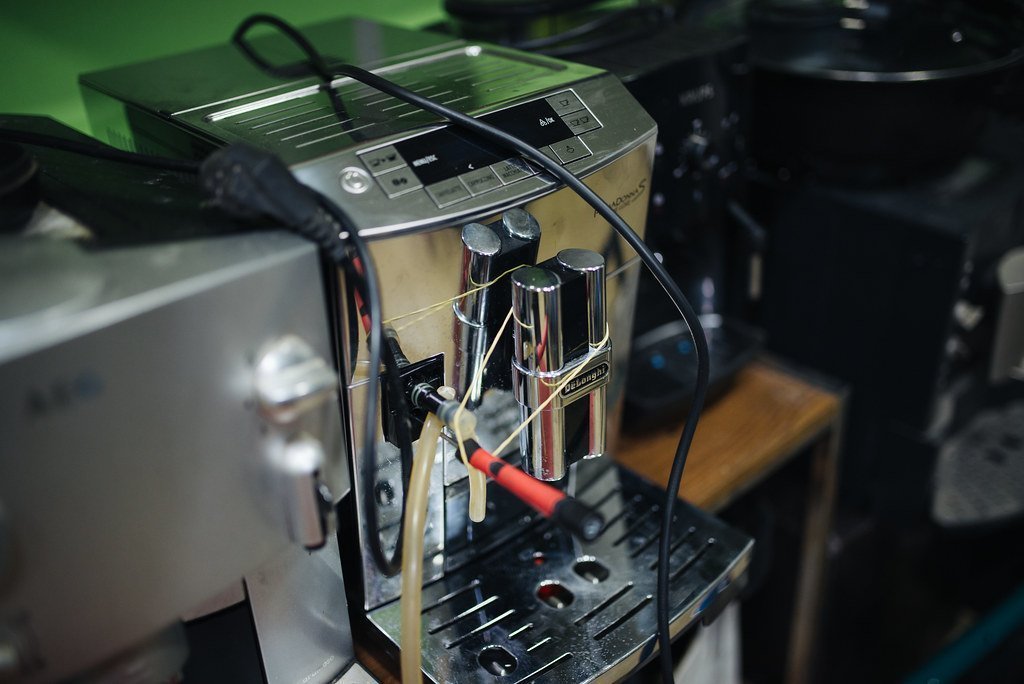
Broken machines are a bigger problem than people realize. Fewer than half of staff members surveyed at Starbucks said their store had reliable equipment to prepare food and drinks on a consistent basis. Think about that for a second. Fewer than half. That is not a minor inconvenience. That is a systemic failure affecting thousands of locations.
Busy rushes cause a certain level of stress for baristas on their own, and that stress compounds when the espresso machine or grinder is not working properly, or there is a stock shortage on top of everything else. When the grinder jams mid-rush, every order behind yours gets pushed back. Nobody wants to tell you that, so the slow pace just seems mysterious.
5. The Morning Rush Is a Legitimate Mosh Pit

Coffee shops depend almost entirely on morning traffic. According to the National Coffee Association, roughly two-thirds of coffee drinkers consume their first cup before 9 AM, which underscores just how important and overwhelming morning hours are for most shops. Everyone arrives at the same time, wanting the same thing, immediately.
More than sixty percent of Starbucks morning sales come from in-app orders placed by busy commuters. That means a barista handling the morning rush is managing an in-person line, a drive-thru, and a mountain of digital orders all at once.
Retail analysts have described today’s peak-hour Starbucks as a mosh pit compared to years past. Employees are overwhelmed with the onslaught of in-person and digital orders, many of which register in the system at the same time, and there simply are not enough baristas behind the counter to prepare drinks. During peak morning chaos, your barista is not slow on purpose. They are surviving.
6. Burnout Is Real and It Shows Up in the Speed
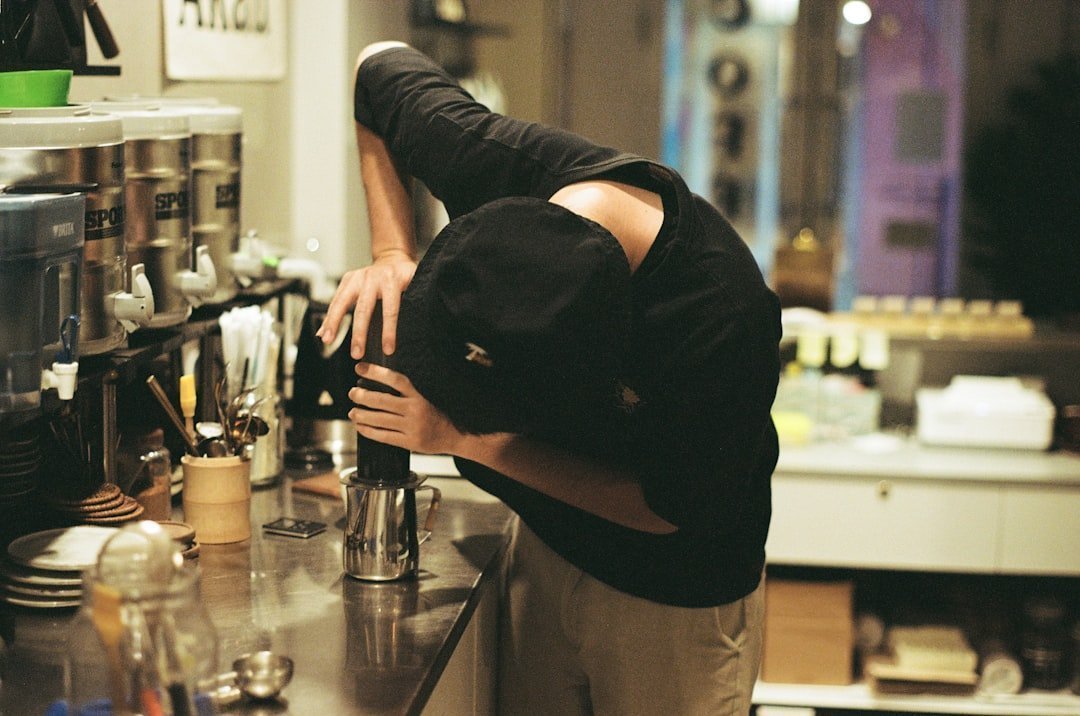
Barista burnout is not a buzzword. It is a measurable, documented workplace phenomenon. Research indicates that sustained exposure to high-stress environments without adequate coping mechanisms can lead to burnout, which for baristas manifests as fatigue, cynicism towards customers, and decreased job satisfaction.
Every last barista can tell you about the long hours standing, the highly repetitive physical tasks, and the stress of constant customer and management demands. Over time, that wears a person down. A burned-out barista moves slower not because they are being passive-aggressive, but because their physical and emotional reserves are genuinely depleted.
In a survey of 475 coffee workers, nearly half reported upper body repetitive stress injuries they attributed to their jobs, roughly one in five had experienced heart palpitations or chest pains, and nearly two-thirds believed their job or caffeine intake had caused emotional problems such as mood variability, depression, or difficulty interacting with others. That is not a workforce at full speed. That is a workforce holding it together.
7. Rude Customers Genuinely Slow Things Down
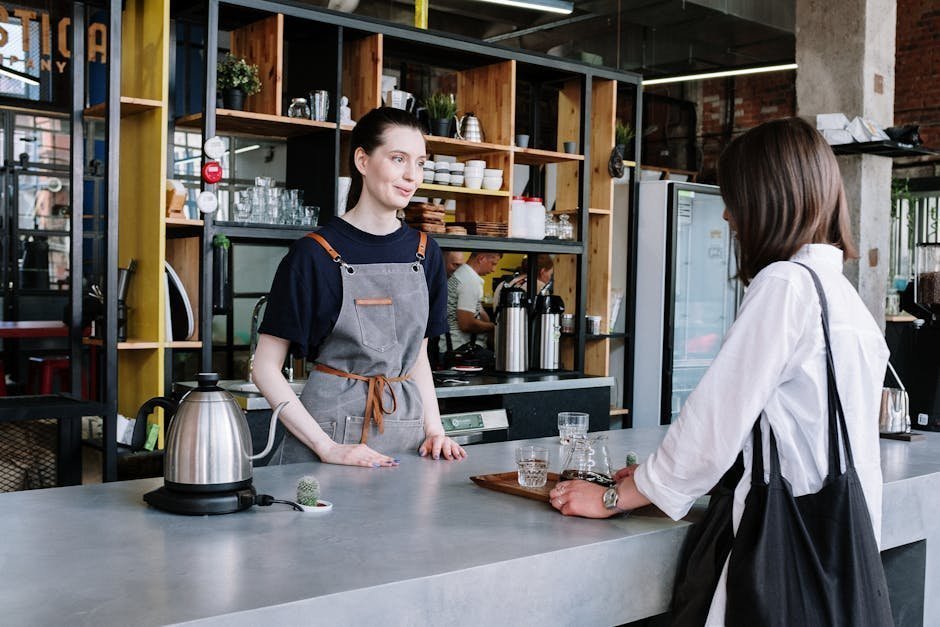
I know it sounds a bit uncomfortable, but research and barista experience both back this up. When a customer is rude, condescending, or dismissive, it disrupts the emotional flow of the entire shift. The high-stress barista environment, characterized by time pressure, emotional demands, and performance expectations, means that unhealthy responses can emerge when things tip over the edge, risking mental health and job satisfaction.
It becomes a routine that everyone gets stuck in. Baristas’ greetings get ignored as customers shout complicated orders at them. A simple acknowledgment to a good morning greeting is all that they want. Disrespect is a real cognitive disruption. It is hard to move efficiently when someone just spoke to you like you are invisible.
A barista’s job goes far beyond just serving coffee. They also need to be polite and sometimes overly friendly to customers, and if they do their job correctly, it may even lead to the customer walking away thinking it was a genuine pleasure to serve them. That kind of emotional performance takes energy, and rude interactions drain that energy fast.
8. They Are Managing a Queue You Cannot See
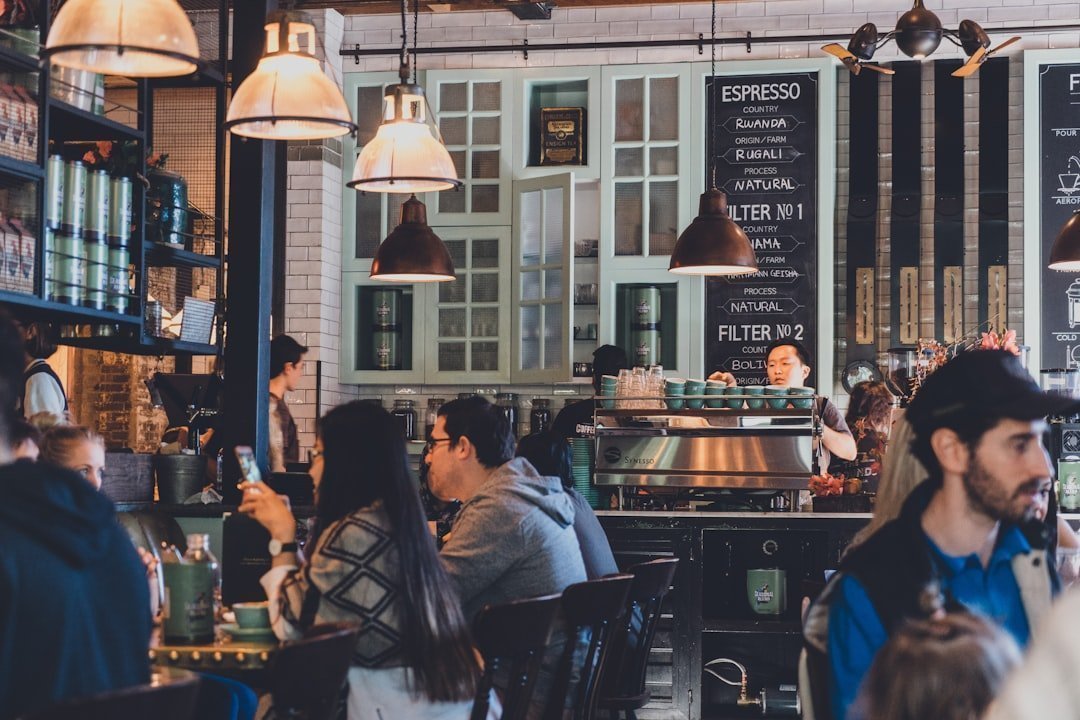
The way most people picture a coffee queue is simple: first come, first served. The reality in 2026 is messier. During peak times, restaurant staff often struggle to manage online and in-person orders simultaneously, leaving customers on both sides frustrated. Research confirms that an online order not being ready for pickup when promised is the top frustration for customers.
Simply telling baristas to work faster to deliver mobile orders on time is not a real solution. What is needed is a clear policy for prioritizing mobile and in-store orders, an improved inventory system to ensure mobile app accuracy, more precise pickup time estimates, and enhanced staffing during peak mobile ordering periods. Until all that gets sorted, someone in that queue will feel shortchanged.
Think of it like a hospital triage system. Not every order gets handled in strict arrival order anymore. Some drinks require preparation steps others do not. Your plain drip coffee might actually wait while three layered cold brews get built first, even if you arrived earlier.
9. Wait Times Have Gotten Dramatically Worse Industry-Wide
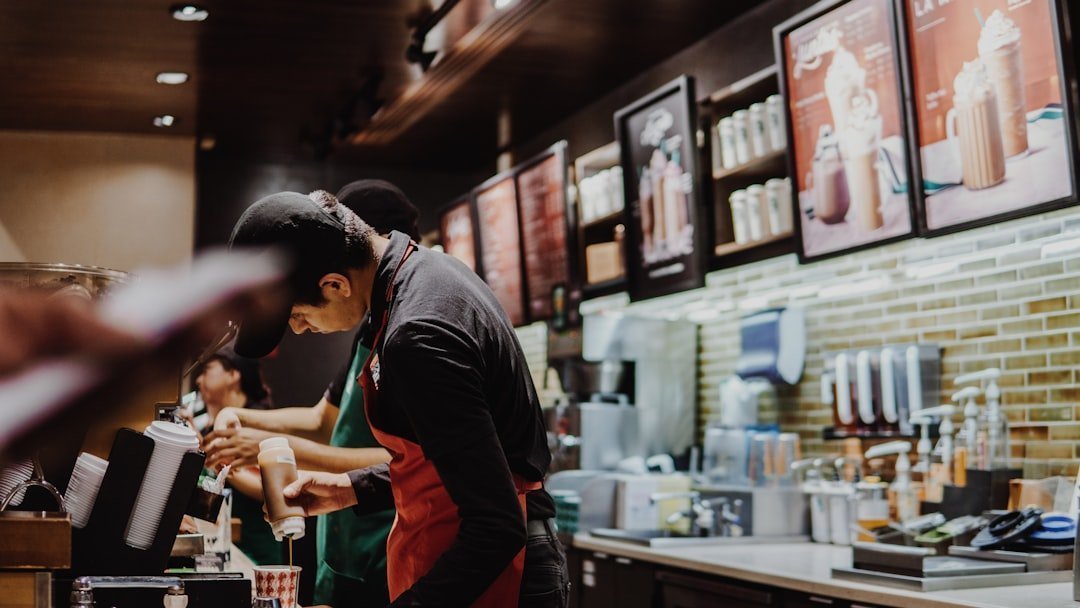
This is not just your local shop having a bad day. The entire industry has shifted. About eight percent of Starbucks customers now wait between fifteen and thirty minutes for their orders, according to data from marketing consultancy Technomic. It is a problem that simply did not exist in 2019.
A 2024 survey by Square found that roughly two-thirds of customers would leave a coffee shop if wait times exceeded five minutes, a threshold many major chains are currently struggling to meet. The gap between what customers expect and what stores can deliver has genuinely widened.
Starbucks itself launched an ambitious operational overhaul aimed at reducing in-store beverage wait times to four minutes, describing that goal as a milestone that could redefine its competitive edge. The fact that a four-minute target is considered ambitious tells you everything about where things currently stand across the industry.
10. The Physical Toll of the Job Is Underestimated
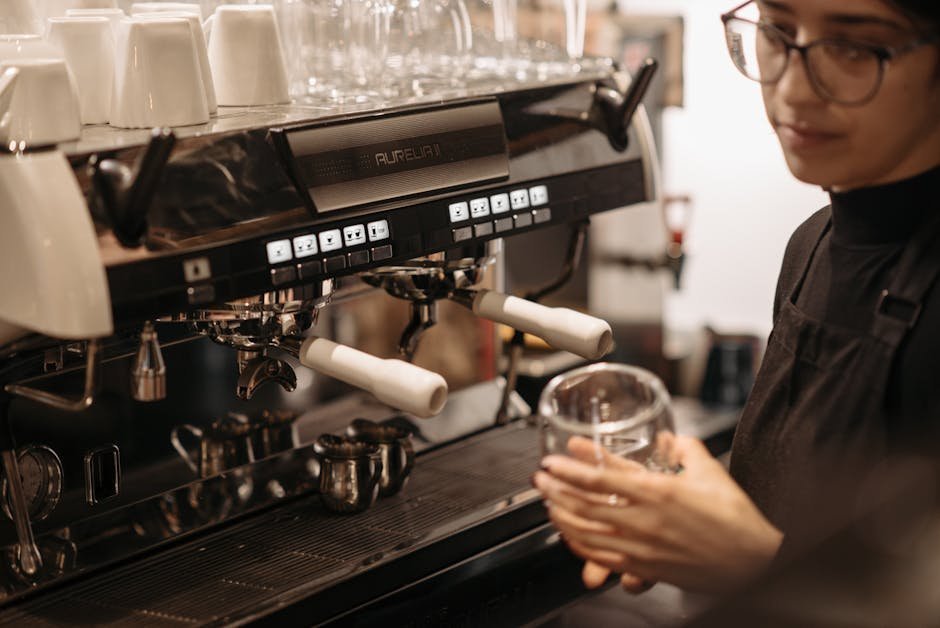
Standing for eight hours, lifting, tamping, steaming, and repeating the same physical motions thousands of times a week is not a light workload. It is exhausting in a way that accumulates. Several baristas have reported experiencing severe neck pains from constantly looking down while making drinks, leg and feet aches from being on their feet most of the day, lower back pains from overworking without rest, and repetitive muscle strain so severe that many need heat packs on their ankles and backs at the end of every shift.
Many coffee shops are still grappling with ongoing labor challenges, ranging from early closures and longer waiting times to employee burnout and lower staff retention rates. A barista working through physical pain on their fourth consecutive understaffed shift is not going to move at the speed of someone fresh and rested. That is just human biology.
11. TikTok and Social Media Have Created Impossible Order Complexity
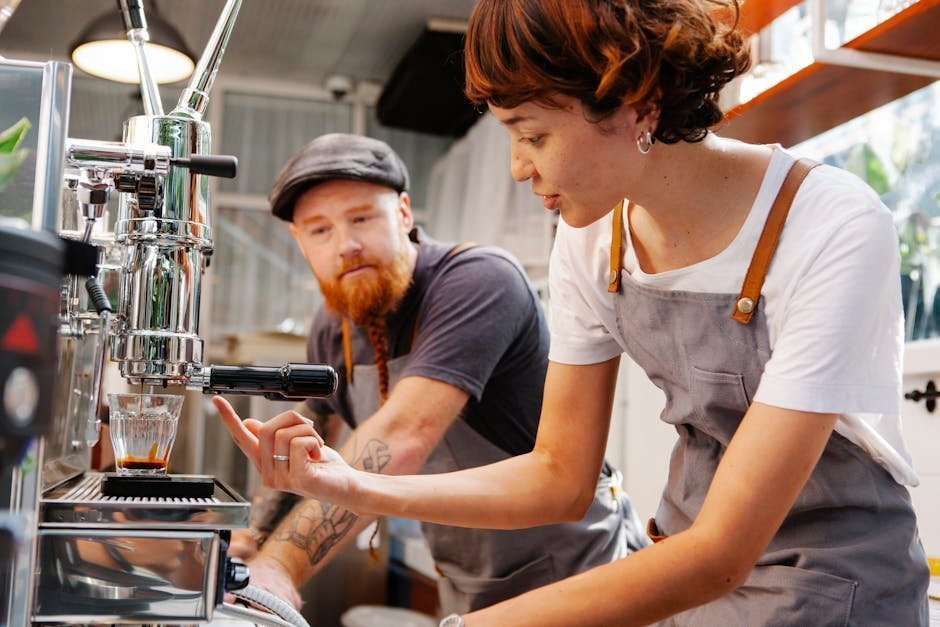
Social media has genuinely changed what people walk in and order. Former Starbucks workers have said the chain’s mobile ordering culture is out of control, leading to in-store delays, rude customers, and enormous pressure to make TikTok-inspired drinks. Honestly, it is hard to overstate how much viral drink trends have complicated the daily grind.
Customization and personalization are now key attractions for younger consumers, who enjoy visually appealing coffee presentations suitable for social media sharing. Platforms like TikTok play a significant role in influencing these drink trends. What takes three seconds to watch in a video can take three to five minutes to actually build at the counter.
The “appuccino” phenomenon, where customers place complicated orders with up to thirteen separate ingredients, has become so popular that these drinks now make up a large part of regular orders at some locations. Your barista is not slow. They are building a construction project in a cup while five others just like it are waiting in line behind yours.
12. Poor Management Systems Create Structural Bottlenecks
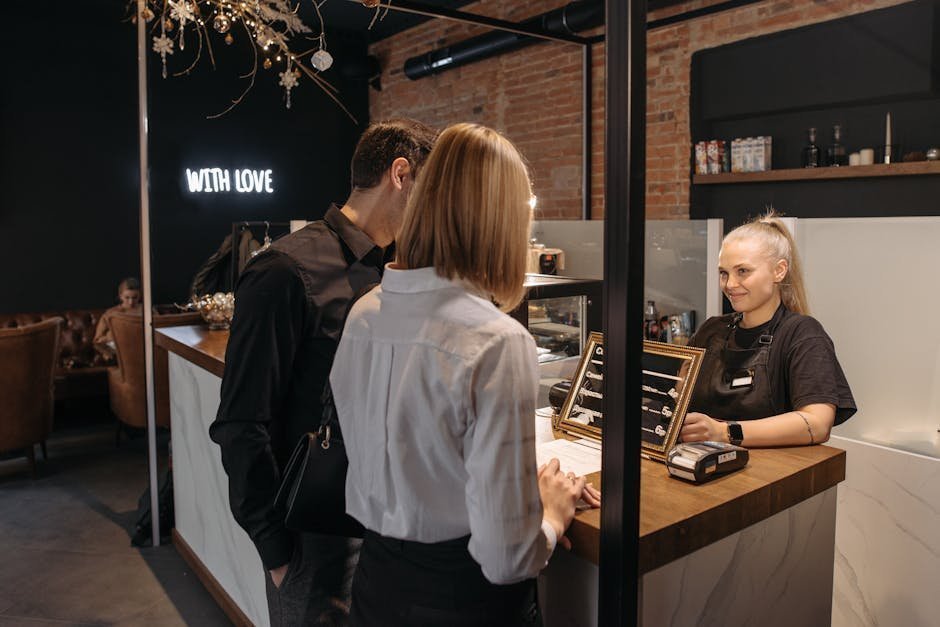
It would be unfair to put this all on the barista and never look at the system behind them. One very common theme among barista survey respondents is how erratic and poor management contributes unnecessarily to the stress of the job. When scheduling is off, when training is incomplete, or when equipment management is neglected, the slowness customers experience is not a barista’s personal failure.
The real issue often is not a barista problem at all. Many shops have genuine system problems that create friction at every level of service. Blaming the person at the machine for a broken process is like blaming the cashier for a software glitch at checkout.
One of the most persistent challenges for café owners in 2026 is building and retaining a skilled team. Finding experienced baristas and service staff continues to be difficult, and high turnover erodes service consistency and the customer experience. Every new hire means a learning curve, and that curve adds seconds and minutes to orders every single day until it flattens out.
A Final Thought
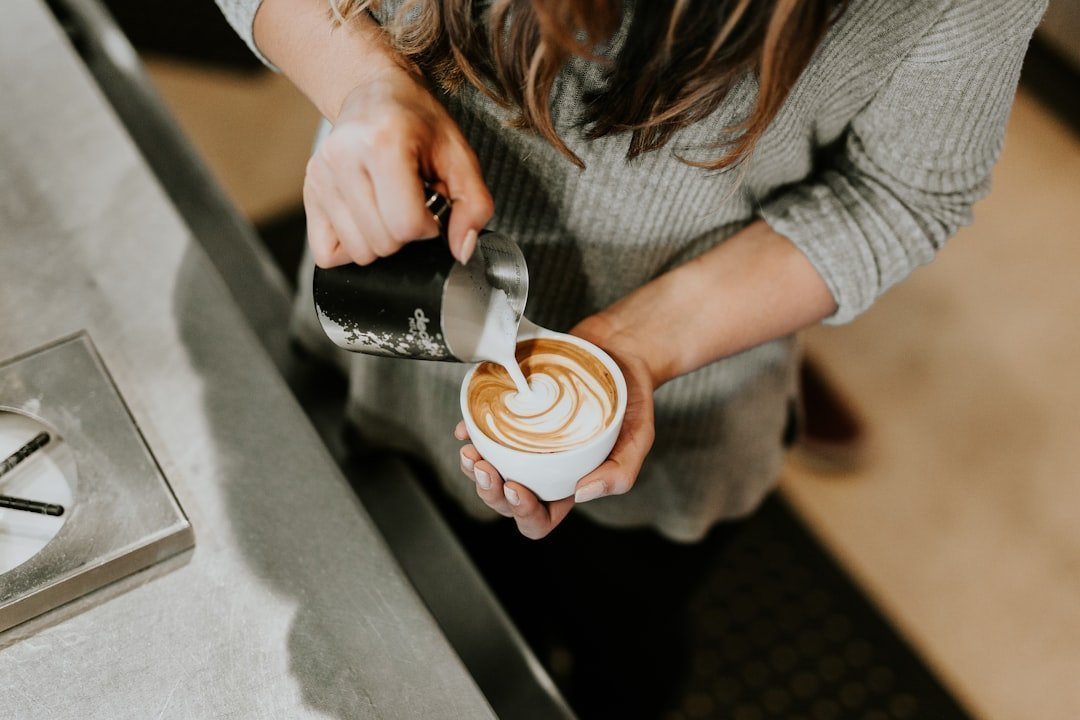
The next time you find yourself tapping your foot at the counter, consider that the person making your drink is likely understaffed, physically tired, emotionally stretched, managing an invisible digital queue, and possibly working with equipment that only half-works. Most slowdowns are not personal. They are structural.
The coffee industry is growing fast, with the global coffee shop market expected to expand from around $89 billion in 2025 to roughly $95 billion in 2026. Yet the humans making every single one of those cups are under more pressure than ever before.
Next time your order takes a beat longer than expected, maybe try a smile instead of a sigh. It costs nothing, and it genuinely helps. What would you do if you were behind that counter? Tell us in the comments.