
Most of us walk into a restaurant thinking we’re just another hungry customer. We pick a seat, glance at the menu, and wait for someone to come take our order. Simple, right? What most people don’t realize is that from the moment you slide into that chair, your server has already started reading you like a book. Every gesture, every glance, every sigh tells a story – and experienced servers are remarkably good at reading it.
Servers are making calculated decisions about you within the first thirty seconds, and those snap judgments directly influence how your meal unfolds. It’s not malicious or unfair – it’s pure survival instinct honed by thousands of interactions. And honestly, can you blame them? They have seconds to figure out who you are, what you need, and yes, how the evening is likely to go. So let’s get into the ten biggest red flags they catch immediately.
1. You Walk In Already Complaining
Nothing sets off alarm bells faster than guests who walk in with a chip on their shoulder, ready to critique everything before they’ve even sat down. A comment about the wait, the temperature of the room, or how they were seated – all of it registers instantly.
Seasoned servers are trained to pick up on subtle cues the moment a guest walks through the door. From body language to tone to the smallest etiquette details, these early impressions can signal whether the dining experience will be smooth, stressful, or exceptional.
Think of it like meeting someone at a party who opens with a rant. You immediately recalibrate how much energy you’re willing to invest. Servers do exactly the same thing – just faster and with a notepad.
2. Hostile Body Language From the Start
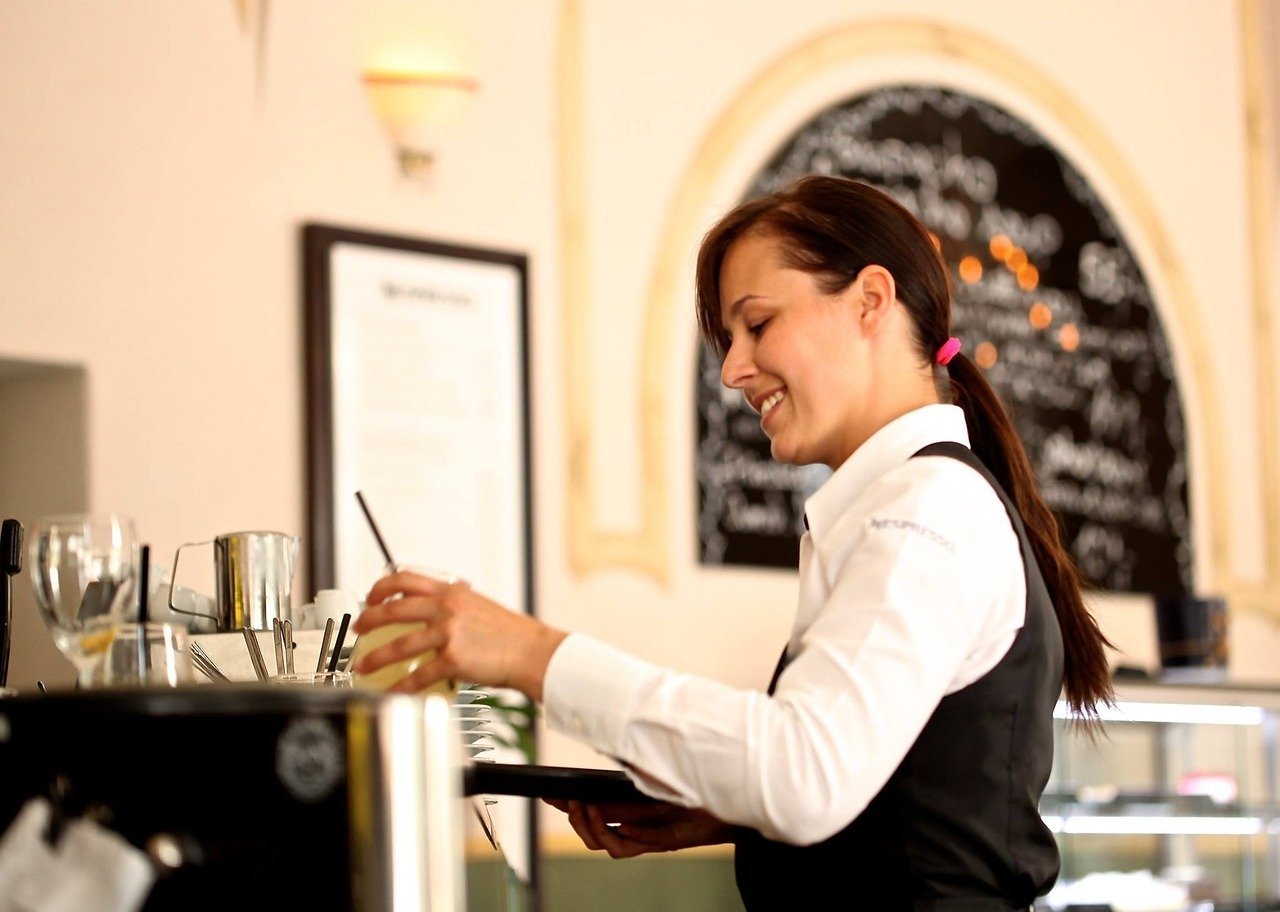
Being a server teaches you how to read people’s behaviors on a dime. Experienced servers say you can tell when you walk up to a table if someone is in a bad mood, if they’re in a rush – it’s all about understanding body language and developing a rapport quickly.
When your server first comes by your table, are you scowling at the menu with your arms crossed? Do you stop what you’re doing and listen to them? These are the kinds of signals that mark a table as difficult before a single word is spoken.
This mood assessment isn’t superficial – it’s practical. If someone seems irritable or impatient, the server knows to prioritize speed and minimize small talk. In short, your body language sets the entire tone of the service you’ll receive.
3. Snapping, Whistling, or Wild Hand-Waving
Snapping fingers, whistling, or waving both hands to flag someone down comes off as dismissive and disrespectful. A simple glance or raised hand works perfectly. Most servers are paying attention and will come by when they can. When you resort to dramatic gestures, it signals impatience and entitlement.
Here’s the thing – servers aren’t ignoring you. They’re managing four other tables, a drink order, and a kitchen ticket at the same time. Treating them like a vending machine button you need to mash harder isn’t going to speed anything up.
It will, however, put you firmly on the mental “difficult table” list. That label tends to stick for the rest of the meal, whether you realize it or not.
4. Showing Up as a Large, Unannounced Group
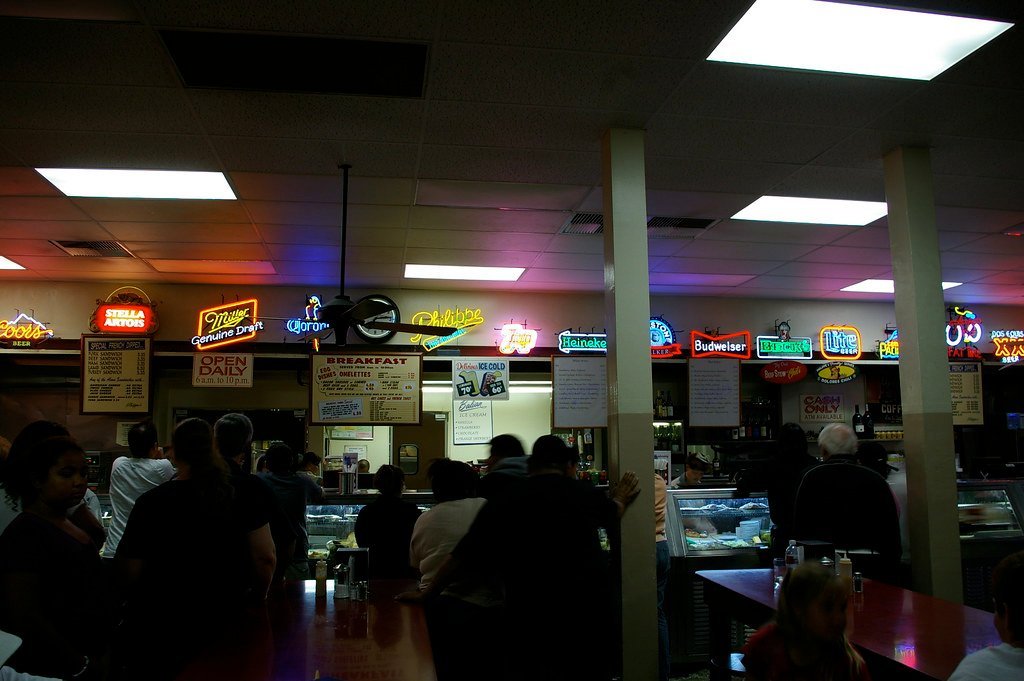
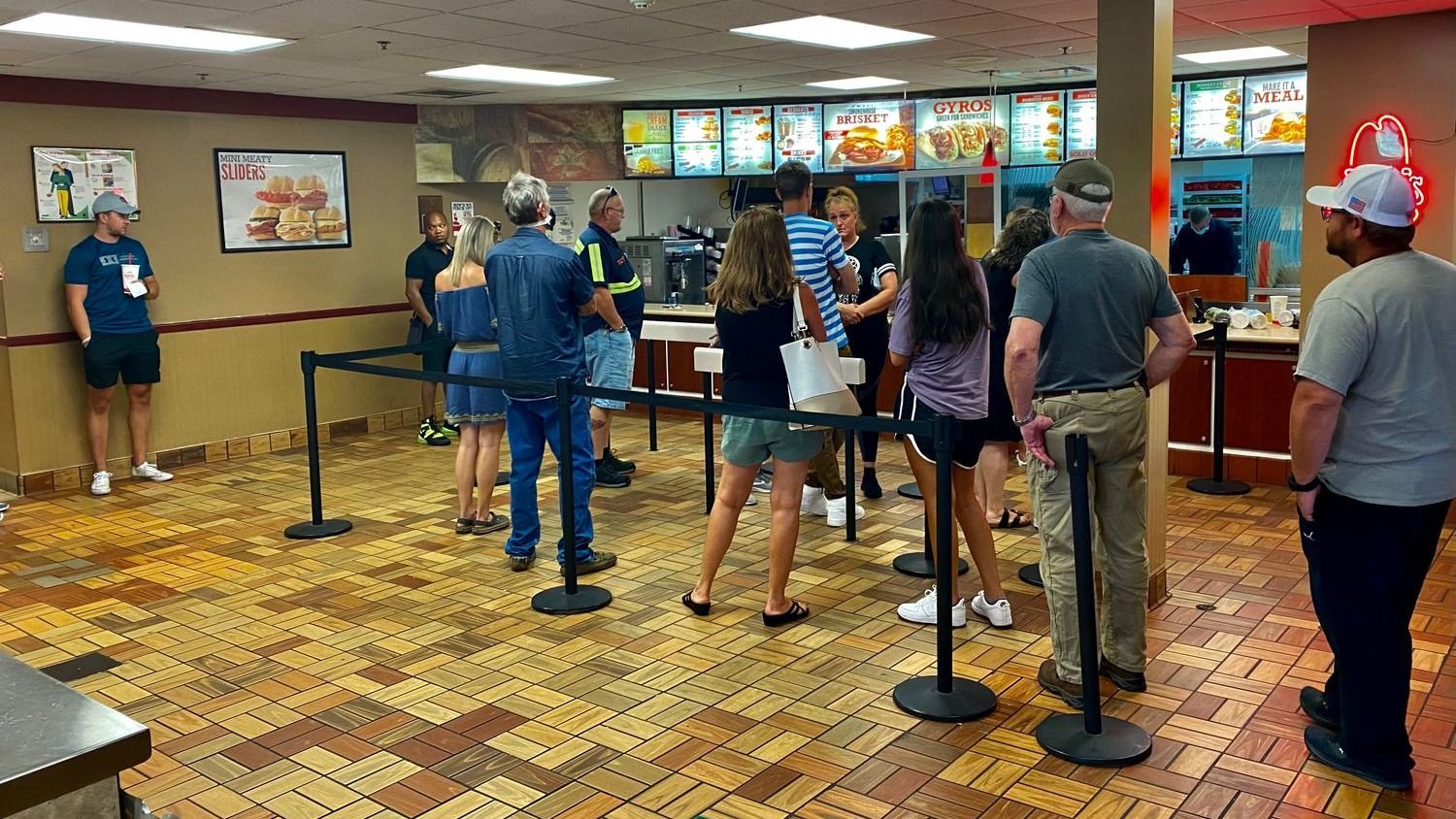
Walk-in guests, particularly large groups, don’t always understand how restaurants work. A group of 20 people might show up without warning during dinner rush and wonder why they can’t sit right away. The staff must handle these expectations carefully while staying professional.
Fine dining establishments carefully orchestrate their seating arrangements. There are reasons certain tables remain open even when the restaurant looks half empty. Server sections need to be balanced, reservations are coming in at specific times, and kitchen capacity has to be managed.
It’s a bit like showing up to a sold-out concert without a ticket and wondering why you can’t just walk in. Walking in as a party of eight on a Saturday night without a reservation is a loud red flag for the entire front-of-house team.
5. Constantly Checking the Time Before You’ve Even Ordered
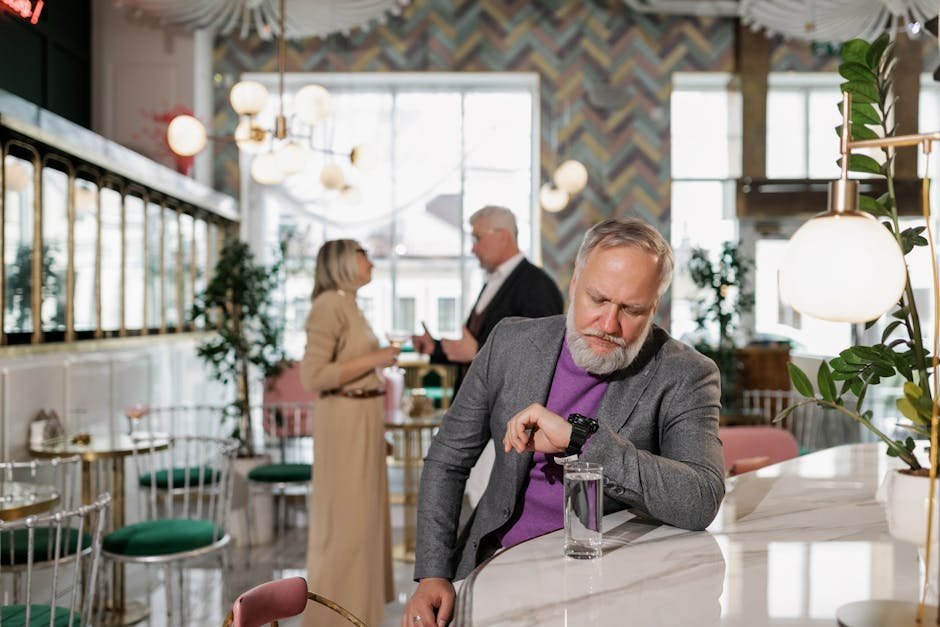
Walking in during the busiest dinner rush and expecting lightning-speed service shows a fundamental misunderstanding of how restaurants operate. Servers can spot this entitlement from across the dining room.
Servers notice when guests check their watches repeatedly before they’ve even ordered appetizers. It immediately communicates that the dining experience feels like a chore rather than something to enjoy – and that pressure ripples through the whole service interaction.
Restaurants are not fast-food assembly lines, even when they look calm. Behind that kitchen door, it’s controlled chaos. Radiating impatience from the second you sit down tells your server this table is going to be an uphill battle.
6. You Interrupt Before the Server Finishes Speaking
Those who can’t let someone finish a sentence build a particular kind of reputation entirely. The interruption pattern typically continues throughout the meal. If you can’t let your server explain the daily special without butting in, you’re probably also going to interrupt when they’re trying to clarify your order or answer questions.
Honestly, this one is almost universal among experienced servers. The person who cuts off the specials rundown is almost always the same person who sends dishes back or disputes the bill later. It’s a behavioral pattern, not a coincidence.
Servers notice that guests who use their names and say “please” and “thank you” consistently give more genuine compliments. Regular customers build reputations through their communication styles. The opposite is equally true – and equally memorable.
7. Refusing to Make Eye Contact or Acknowledge the Server
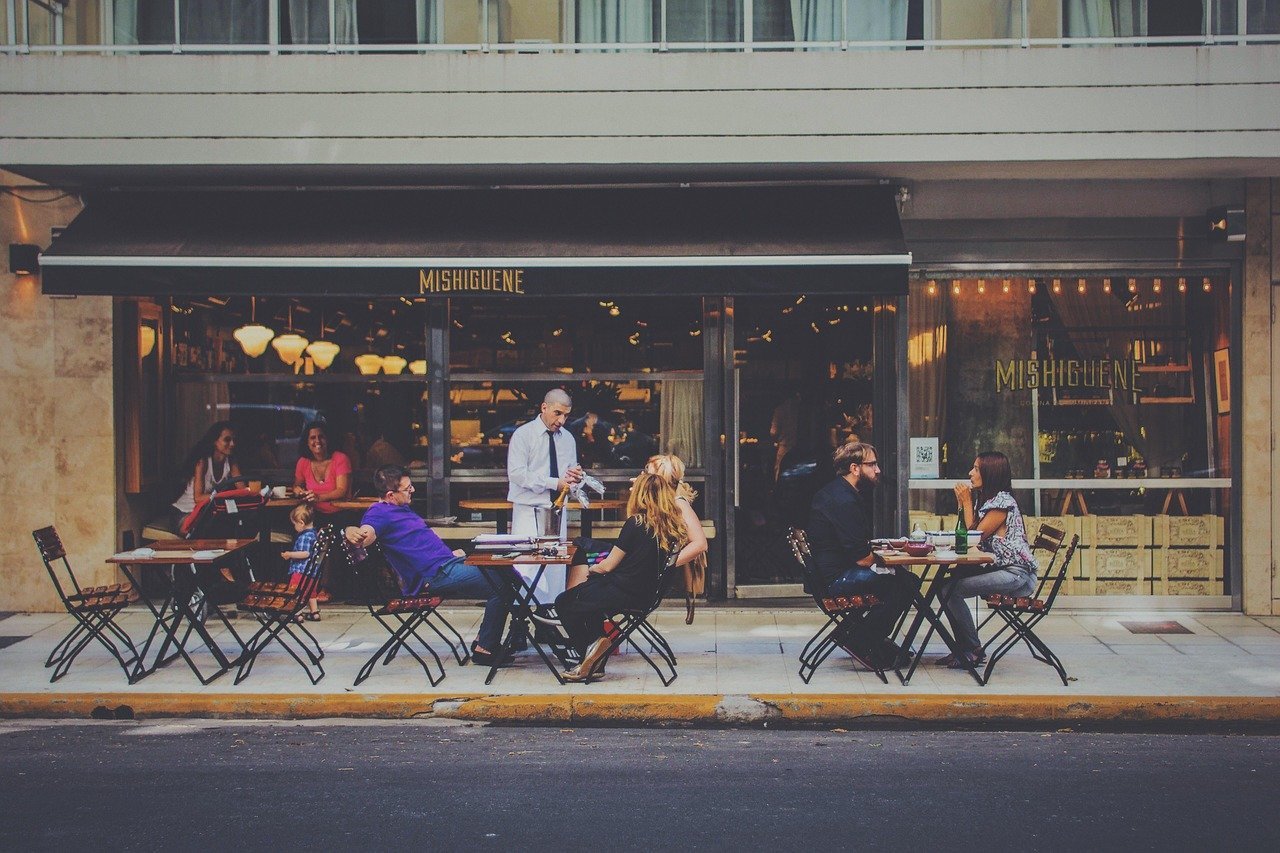
Some guests would come in and barely acknowledge the server and couldn’t even remember what they looked like. Experienced servers note that even just calling your server by name and saying “please” and “thank you” goes a long way.
When a server spots red flags early – the aggressive hand wave, the dismissive tone, the complete lack of eye contact – they mentally adjust their approach to protect themselves from potential conflict or disappointment.
It’s a small thing, making eye contact. Barely costs you anything. Yet servers who’ve worked the floor for years say it’s one of the clearest early signals of how a table will treat them all night. Think of it as the handshake of the dining experience.
8. Everyone at the Table Is Glued to Their Phones
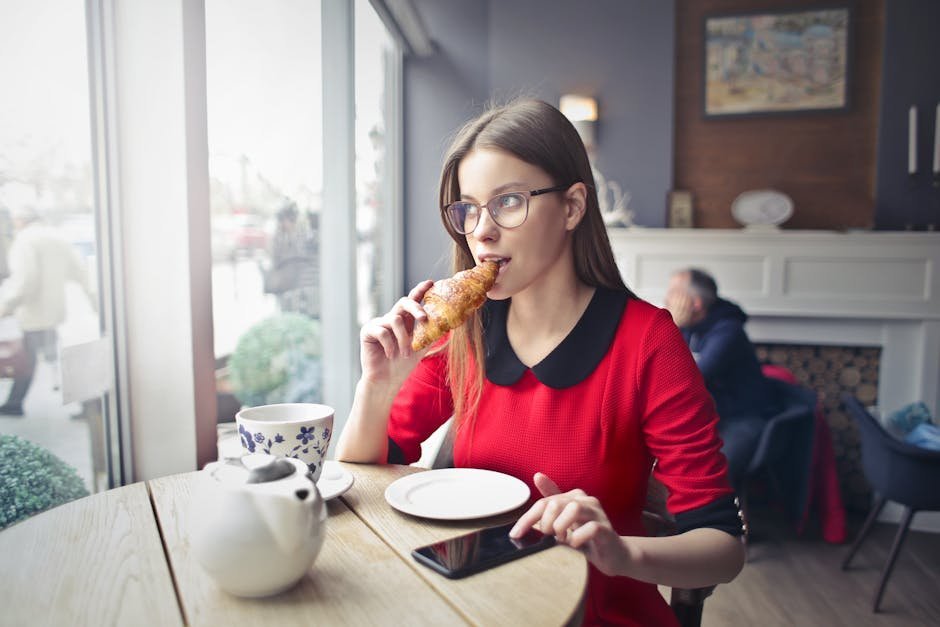
Where your phone sits on the table speaks volumes. Is it face down, indicating you’re present and engaged? Or is it front and center, screen glowing with notifications every few seconds? Servers notice this immediately.
When everyone at the table is glued to their screens, servers often adjust their approach – maybe checking in less frequently or keeping interactions brief. Conversely, a table that’s fully engaged with each other tends to get more personalized attention and genuine interaction from the waitstaff.
It’s not about judging your social habits. It’s about logistics. A table buried in screens is harder to read, harder to time, and harder to serve well. You may not notice the difference in your experience, but there absolutely is one.
9. One Person Dominates and Orders for Everyone
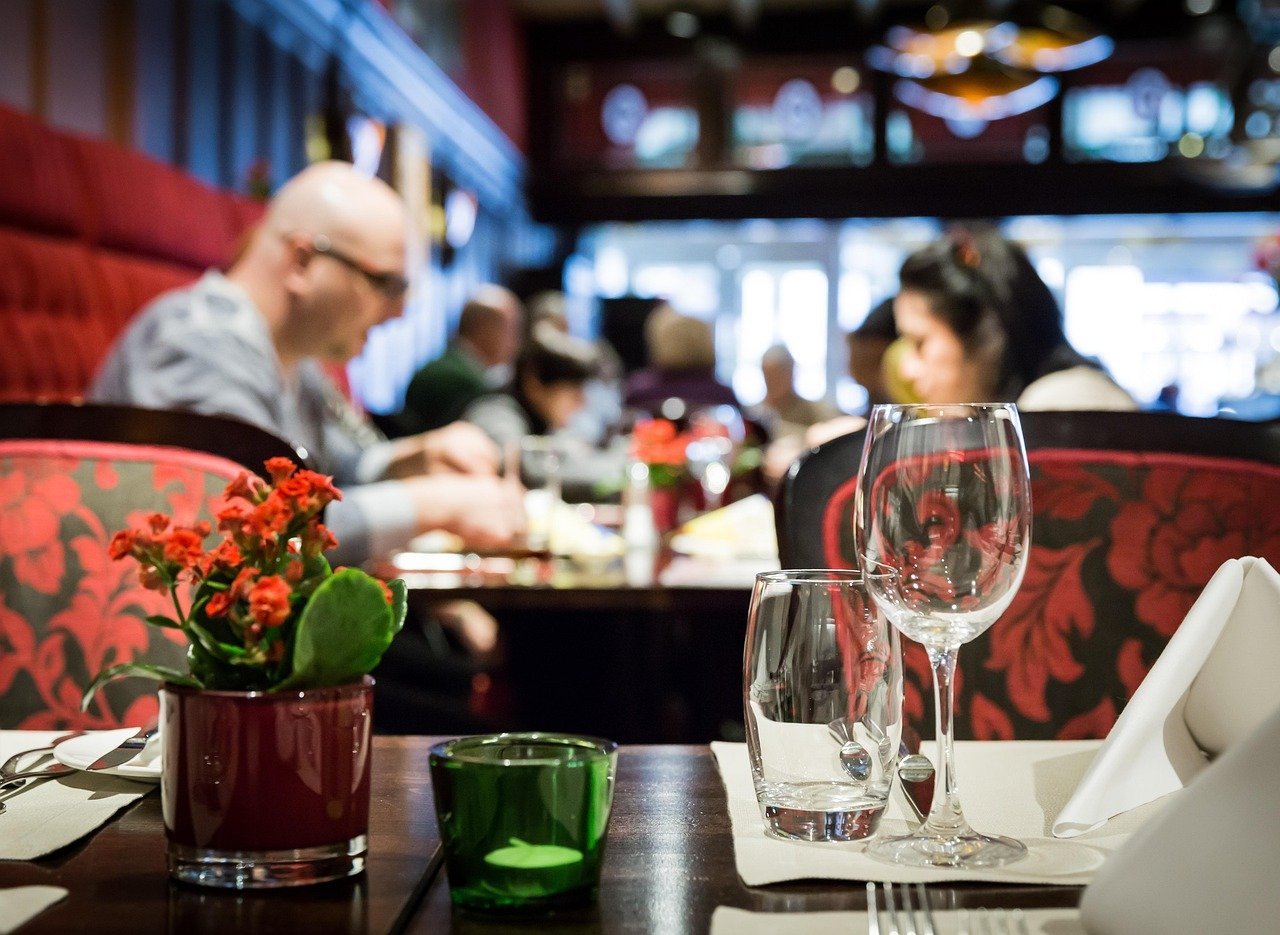
Within moments, servers figure out who’s calling the shots. Who’s holding the menu longest? Who’s asking all the questions? Someone who insists on ordering for the whole table, makes fun of what someone else eats, dominates the conversation, or orders the waitstaff around like servants sends clear signals about table dynamics.
Smart servers adapt their focus accordingly. They’ll direct questions to the decision-maker but remain inclusive of everyone. Still, a controlling table commander is a known stress signal – it usually means more corrections, more complaints, and a higher chance of confrontation later.
There’s a difference between naturally being the one who coordinates the order and being the person who bulldozes everyone else’s preferences at the table. Servers know the difference immediately.
10. You Signal Low Tip Potential From the Start
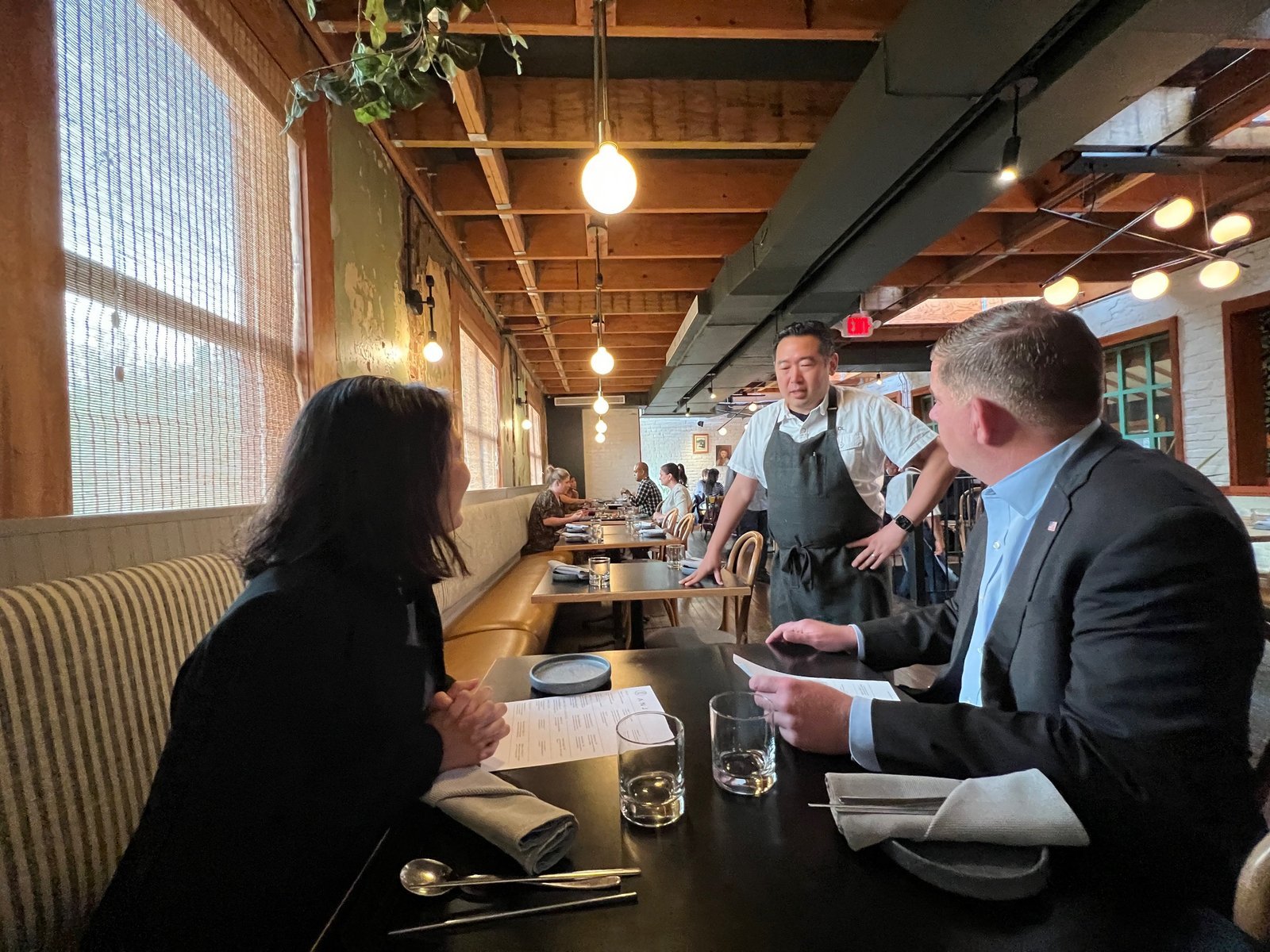
Let’s be real – servers are trying to gauge tipping potential, though they’ll tell you it’s nearly impossible to predict accurately. The average tip percentage in full-service restaurants was 19.8% in 2024. Tips make up about 58.5% of a server’s earnings on average, making this assessment critical to their livelihood.
Customers’ tipping behaviors can be influenced by a server’s perceived friendliness, efficiency, and even physical appearance, leading to potential bias in how tips are distributed. This can create disparities in earnings among servers, even within the same establishment. Despite the uncertainty, servers constantly recalibrate their approach based on subtle cues.
Bankrate data shows Americans are tipping less frequently than in previous years, with only about 65% of diners at sit-down restaurants always tipping waitstaff, down from 77% four years prior. That decline is something servers feel in real time – and it absolutely shapes how they mentally categorize new tables when they walk in.
It’s a hard truth. Research published in the International Hospitality Review found that servers concentrate their time and effort across five key categories to earn tips: service quality, connection, personal factors, expertise, and food quality. When early signals suggest a table won’t reward that investment fairly, the math gets complicated fast.
What’s fascinating – and a little humbling – is that most of us don’t realize we’re broadcasting these signals at all. We think we’re just sitting down for dinner. Meanwhile, someone with thousands of hours of floor experience has already written the first chapter of our evening. The next time you walk into a restaurant, consider what story you’re telling before you even open the menu. What would you guess your server thinks of you in those first thirty seconds?