
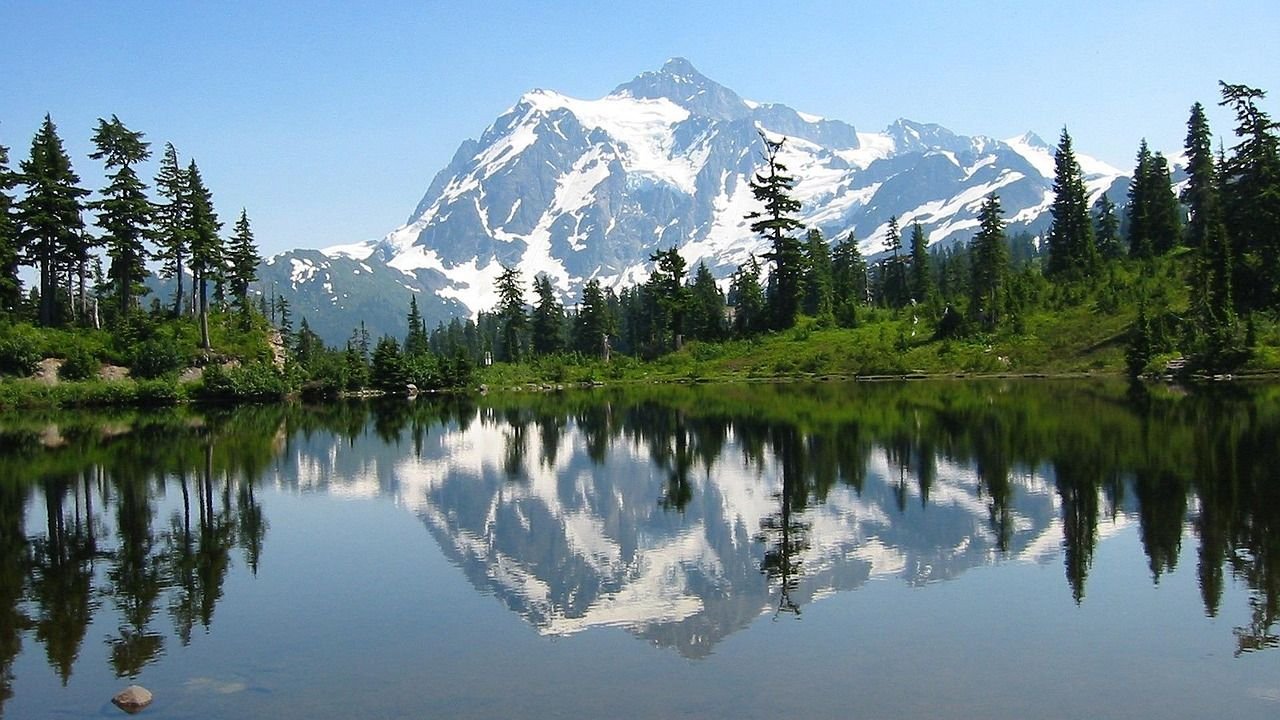
Yellowstone packs in nearly 4.8 million visitors each year, turning iconic geysers and wildlife spots into parking lots on wheels.[1][2] Crowds chase you from trailhead to thermal pool. Yet hidden gems across the US deliver the same raw thrill with solitude you can actually savor.
These underrated parks saw visitor counts in the mere thousands last year. Think pristine wilderness minus the selfie sticks. Ready to swap gridlock for genuine adventure? Let’s dive in.[2]
1. Gates of the Arctic National Park & Preserve
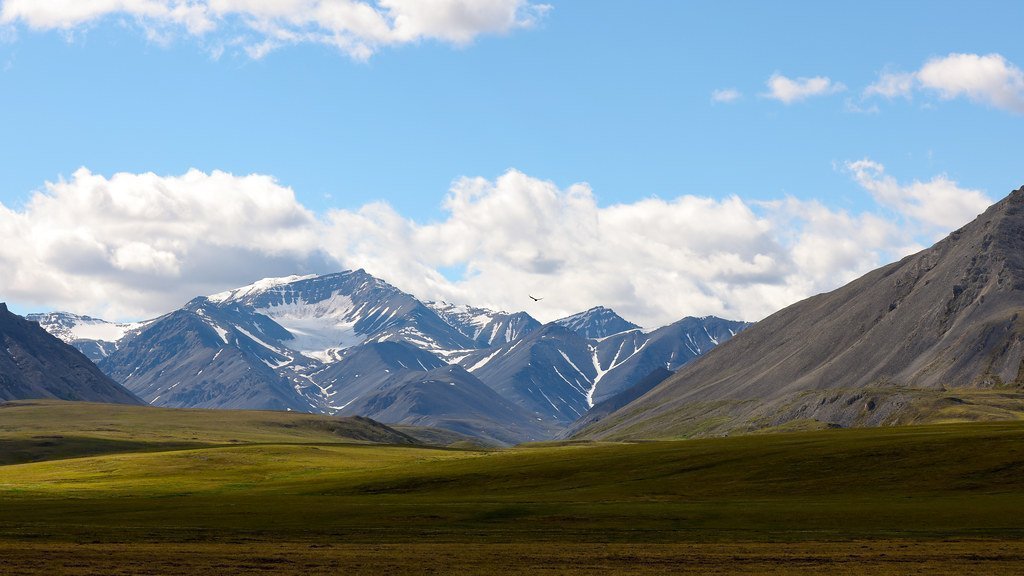
Picture this: no roads, no trails, zero cell service, just pure Arctic wilderness sprawling across Alaska’s Brooks Range. Gates of the Arctic drew only 11,907 visitors in 2024, a fraction of Yellowstone’s masses.[2] Self-reliant explorers raft wild rivers and spot caribou herds in silence. Honestly, it’s nature’s ultimate test, far more immersive than any boardwalk.
Local Koyukon and Inupiaq communities thrive here through subsistence living. The park safeguards six Wild Rivers teeming with fish. Skip Yellowstone’s traffic; this is backcountry freedom redefined.[3]
2. North Cascades National Park
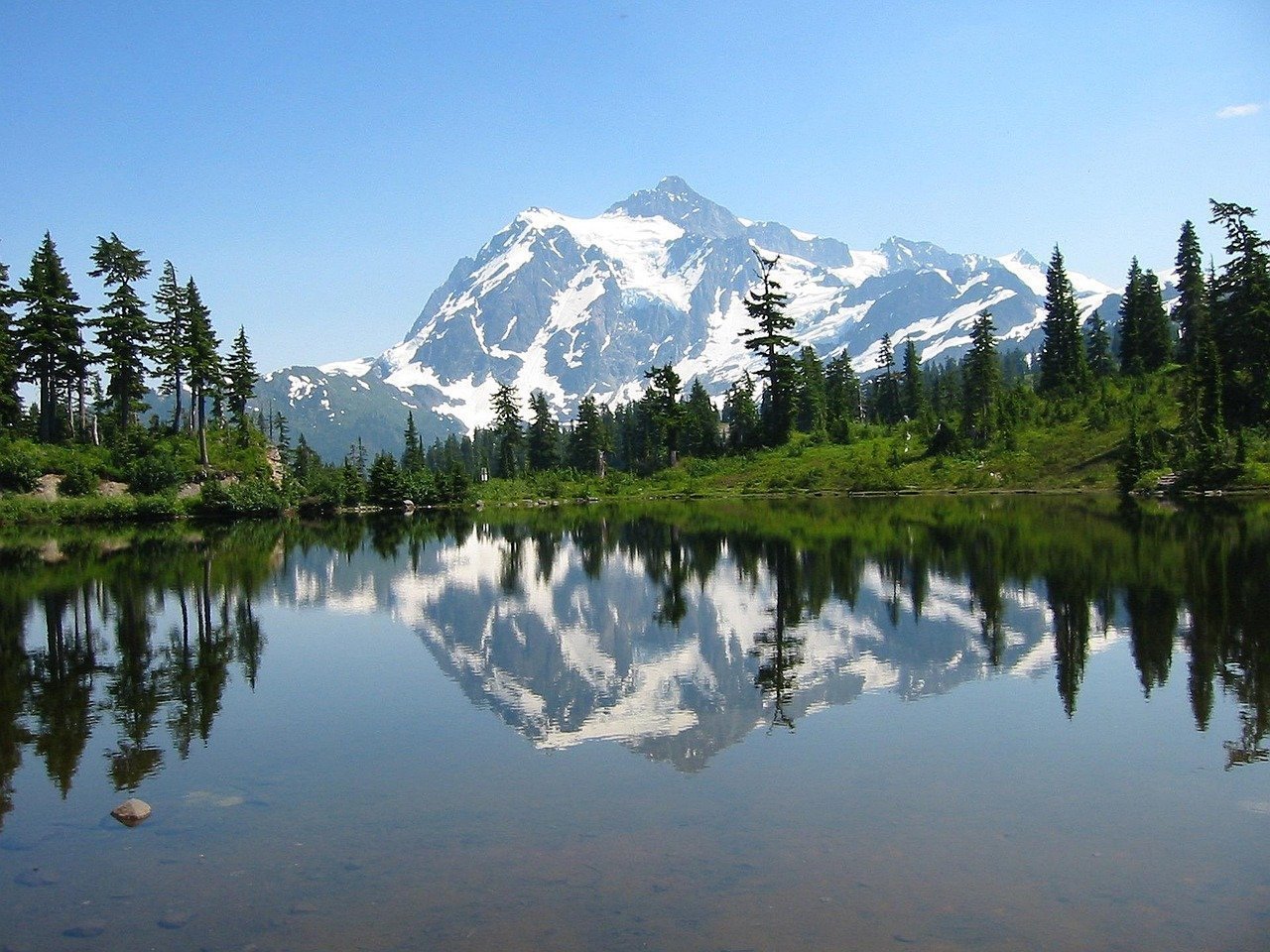
Over 300 glaciers carve jagged peaks in Washington’s “American Alps,” boasting more plant species than any other US park. North Cascades logged just 16,485 visits in 2024, letting you hike 400 miles of trails without elbowing tourists.[2] Waterfalls tumble into valleys from temperate rainforest to pine forests. It’s Yellowstone’s drama dialed up, minus the chaos.
The Pacific Crest Trail slices through untouched terrain. Glaciers here outnumber those in the lower 48 combined. For solitude seekers, this beats crowded geothermal zones hands down.[3]
3. Kobuk Valley National Park
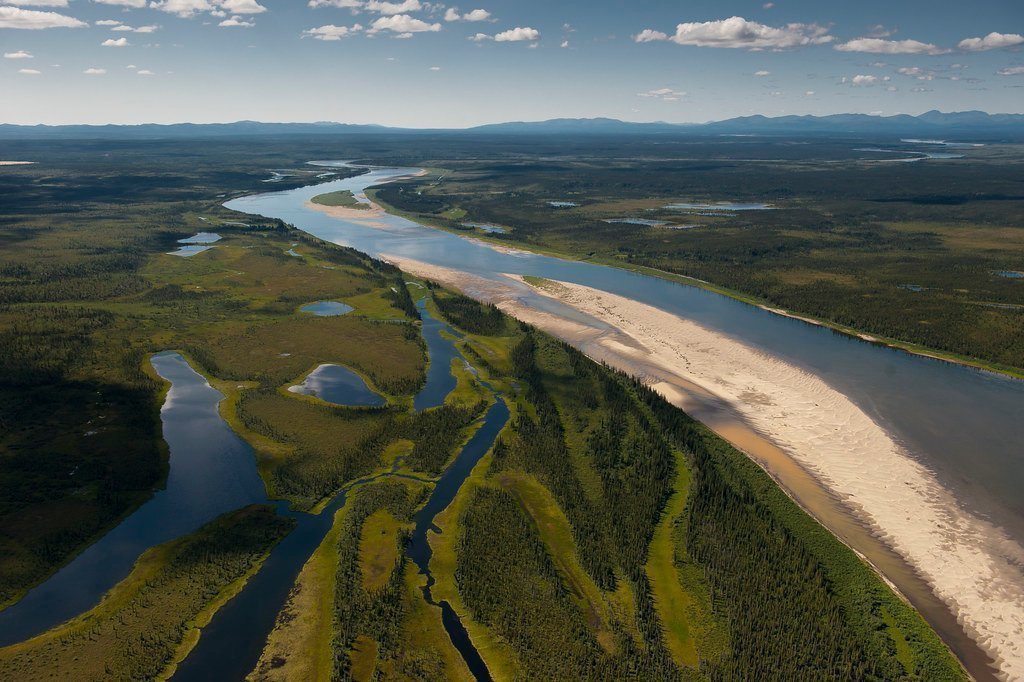
Ice Age dunes rise mysteriously in Alaska’s vast 1.8 million acres, with no roads or gates to spoil the scene. Kobuk Valley welcomed 17,233 adventurers in 2024.[2] Half a million caribou migrate through, echoing 8,000 years of Inupiat hunting tradition. Grizzlies and wolves roam freely, offering wildlife magic without tour buses.
Porcupines, moose, and birds fill the air with life. Access demands bush planes or hikes, weeding out casual crowds. Compared to Yellowstone, it’s a quieter wildlife symphony.
4. Lake Clark National Park & Preserve
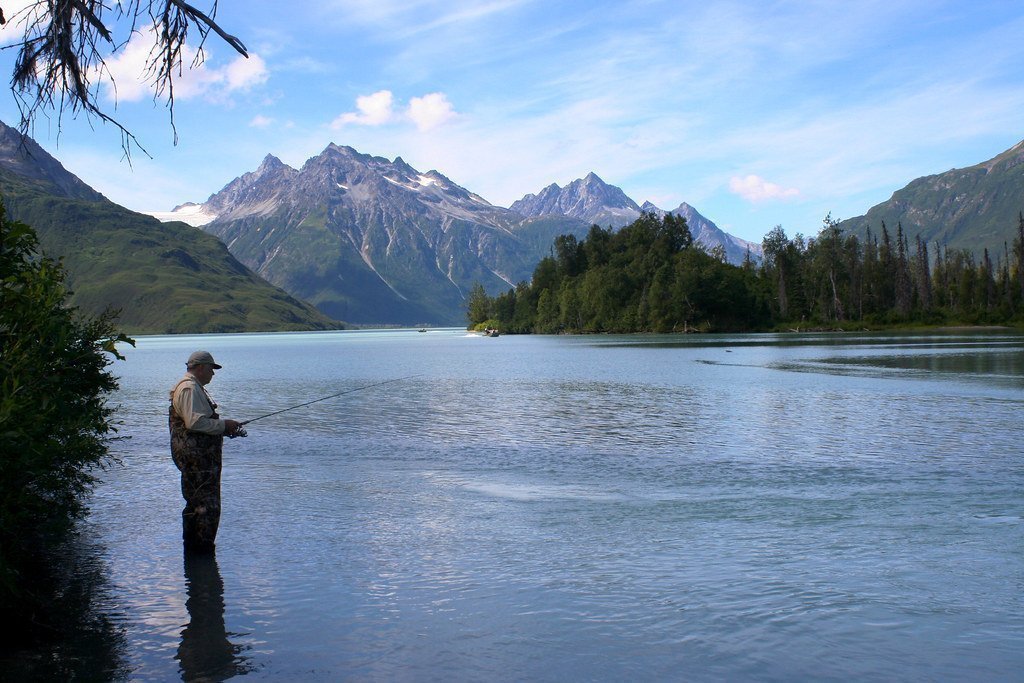
Brown bears rule 4 million acres dotted with volcanoes and Wild Rivers in Alaska. Lake Clark saw 18,505 visitors in 2024, preserving Dena’ina ancestral lands for millennia.[2] Fly-fish salmon runs or kayak glassy waters undisturbed. Richard Proenneke’s famed cabin stands as a testament to simple living.
Mount Redoubt and Iliamna loom dramatically. Backcountry camping immerses you deeper than Yellowstone’s developed sites. This park whispers adventure, not shouts it.
5. National Park of American Samoa
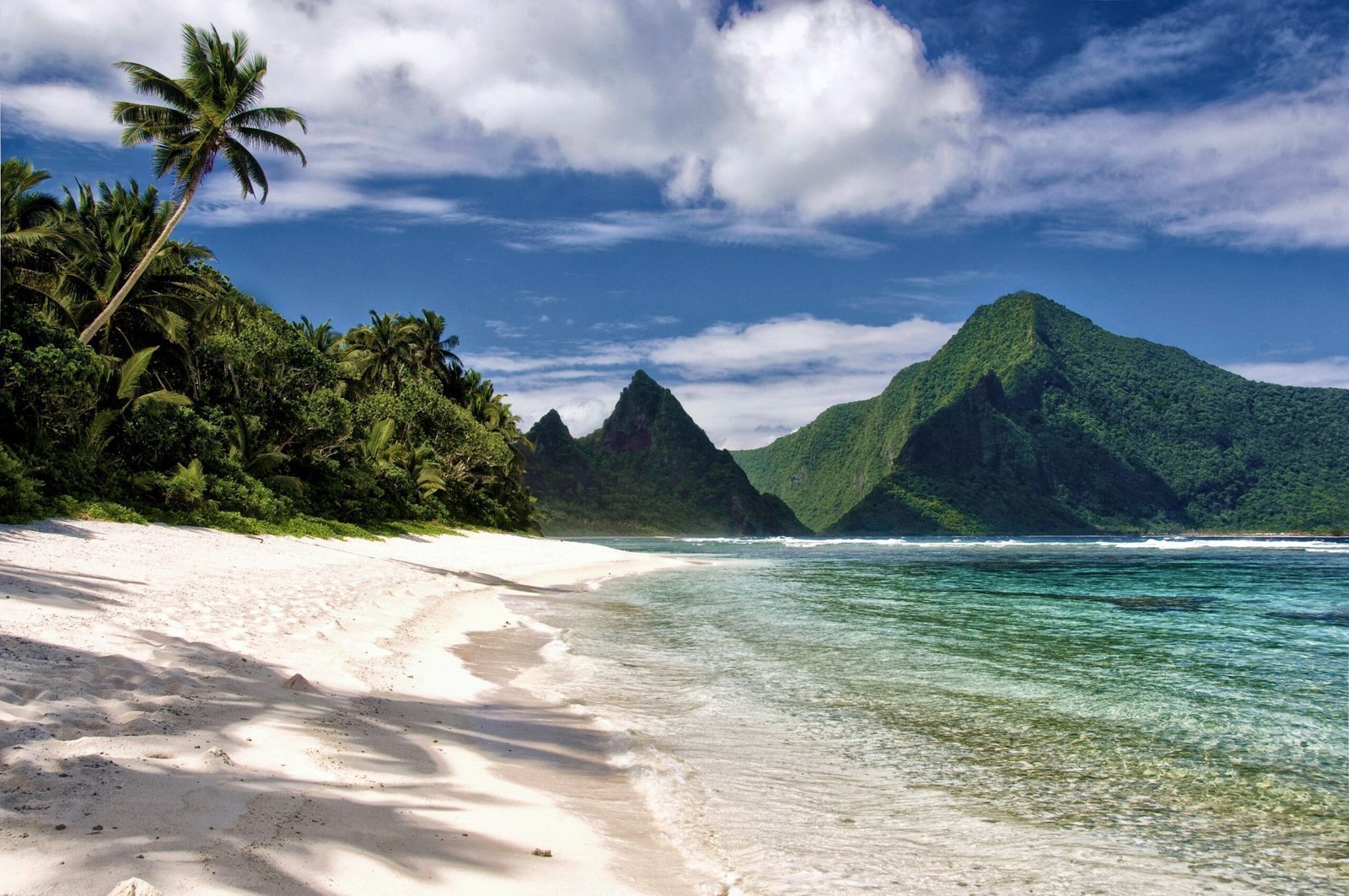
Coral reefs buzz with 975 fish species across three Pacific islands, demanding a passport for entry. American Samoa hosted 22,567 visitors in 2024.[2] Rainforests shelter fruit bats vital for pollination. It’s a tropical escape worlds away from mainland crowds.
Over 250 coral types and ancient Samoan culture thrive here. Snorkel pristine waters teeming with life. Yellowstone’s bison can’t compete with this underwater wonderland.
6. Isle Royale National Park
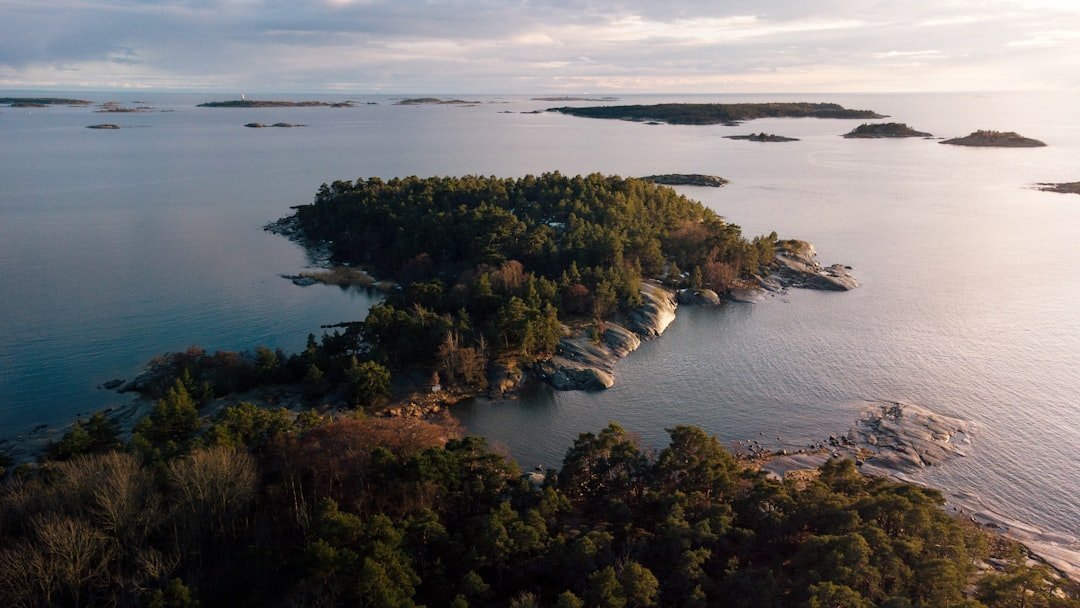
An isolated Lake Superior archipelago lures wolf-moose researchers to its 165 miles of trails. Isle Royale recorded 28,806 visits in 2024, accessible only by boat or seaplane.[2] UNESCO biosphere status highlights predator-prey drama. Shipwrecks and lighthouses add historic allure.
Thirty-six campgrounds dot the rugged isles. Fewer mammals mean focused wildlife viewing. Trade Yellowstone’s lodges for this watery wilderness retreat.
7. Katmai National Park & Preserve
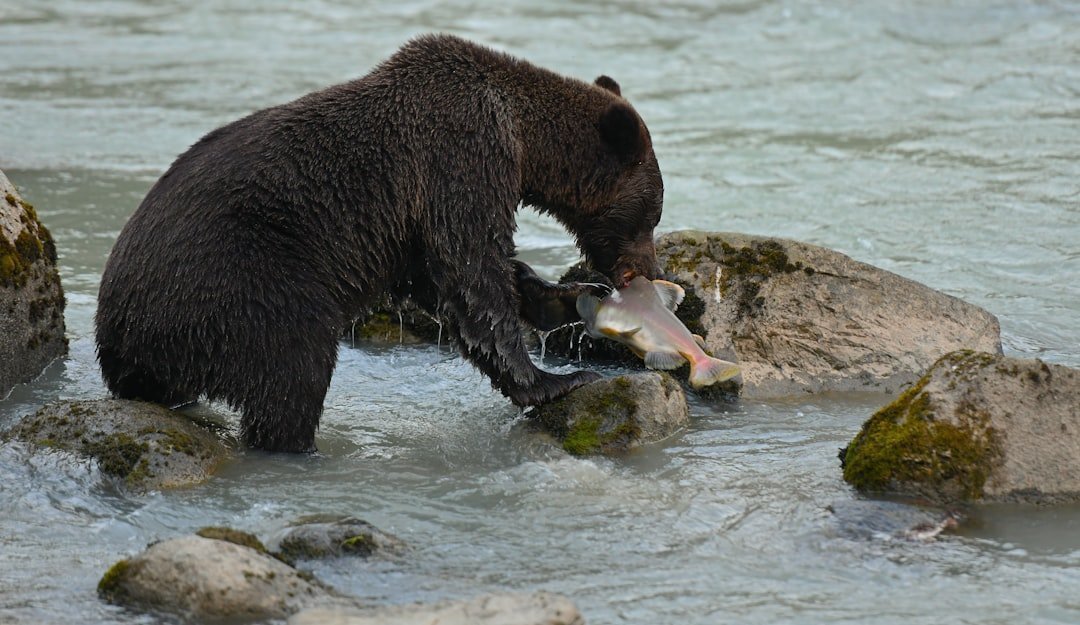
Two thousand brown bears feast on salmon at Brooks Camp in this volcanic haven. Katmai attracted 36,230 visitors in 2024.[2] Fourteen active volcanoes punctuate the skyline. Premier bear-viewing trumps Yellowstone’s distant sightings.
Backcountry hikes explore untouched wilds. Salmon runs draw nature’s spectacle annually. Here’s raw Alaska power without the ranger talks.
8. Wrangell-St. Elias National Park & Preserve
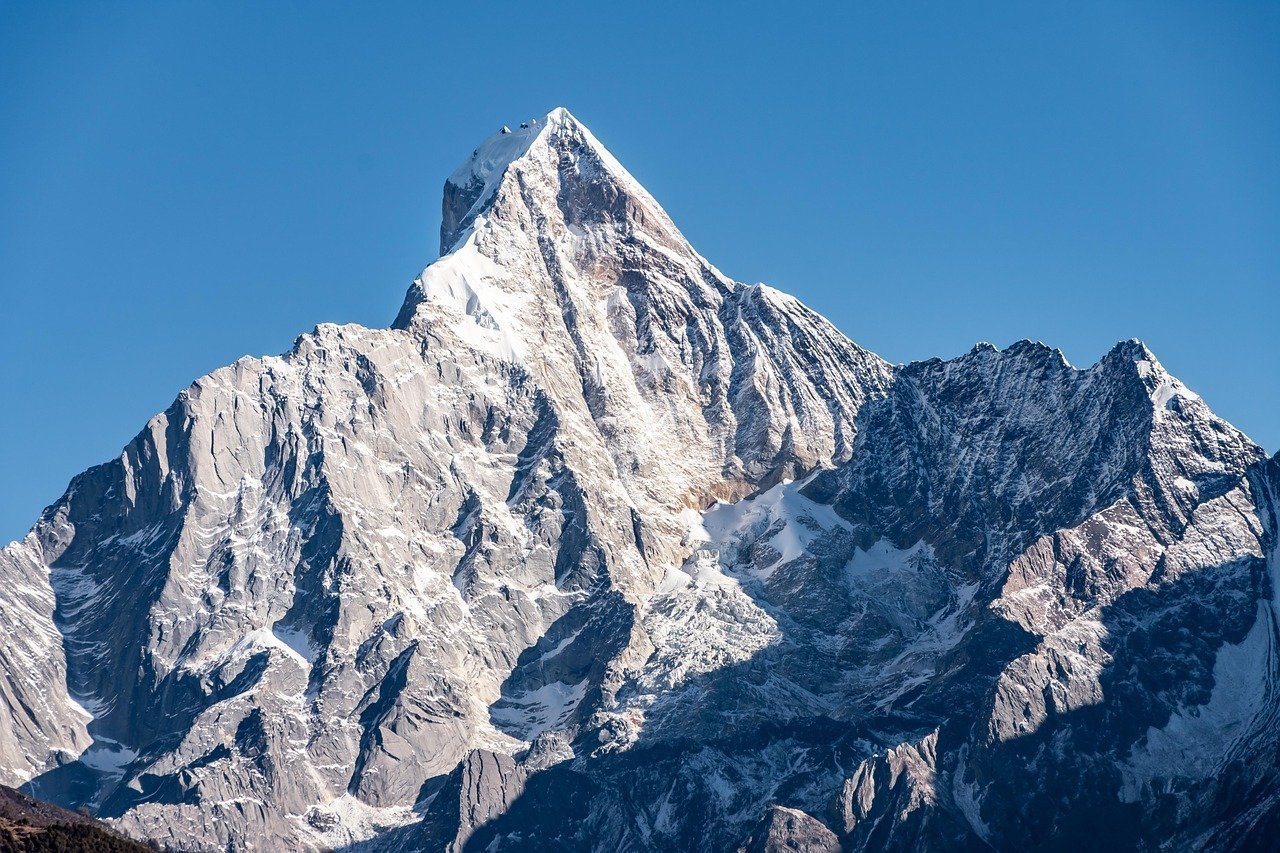
America’s largest park at 13.2 million acres dwarfs Yellowstone, Yosemite, and Switzerland combined. Wrangell-St. Elias had 81,670 visitors in 2024.[2] Glaciers like Nabesna, North America’s longest valley glacier, dominate. Four Indigenous tribes steward the land.
Mountains and wildlife abound in backcountry bliss. Limited trails keep it intimate. Scale unmatched here.
9. Dry Tortugas National Park
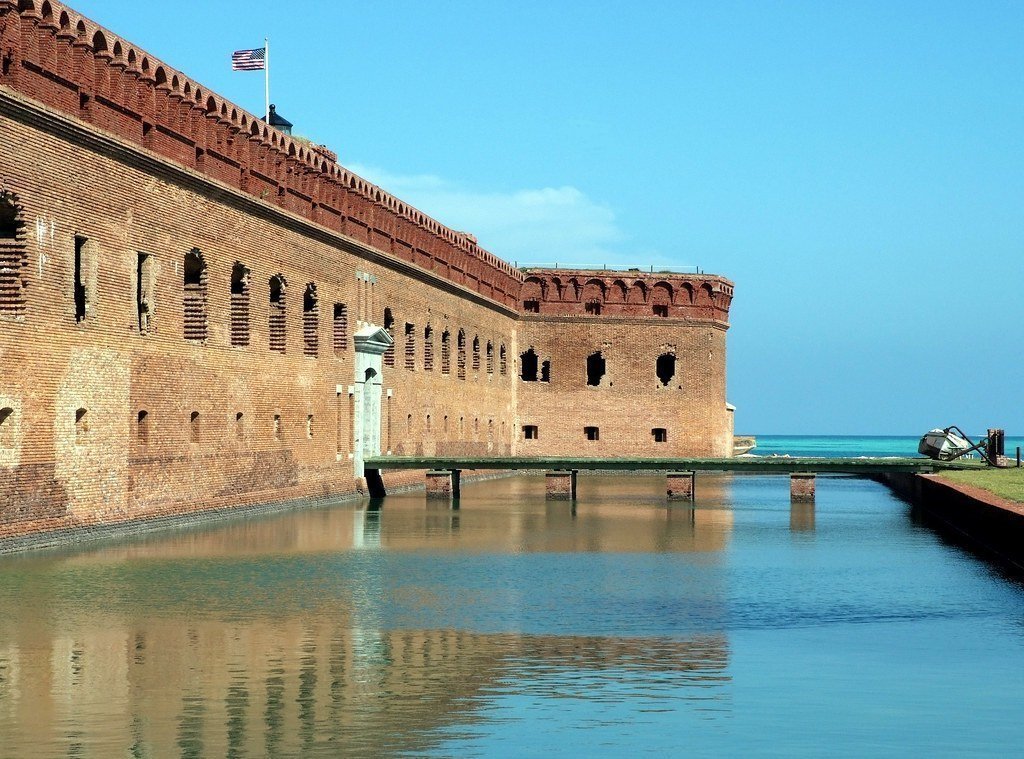
Seventy miles off Key West, seven islands host massive Fort Jefferson amid 300 bird species. Dry Tortugas drew 84,873 boaters and flyers in 2024.[2] Snorkel vibrant reefs; Bush Key closes for tern breeding. It’s a seafaring secret Yellowstone can’t touch.
Open water defines the experience. History buffs explore 19th-century fortifications. Serenity rules these remote keys.
10. Great Basin National Park
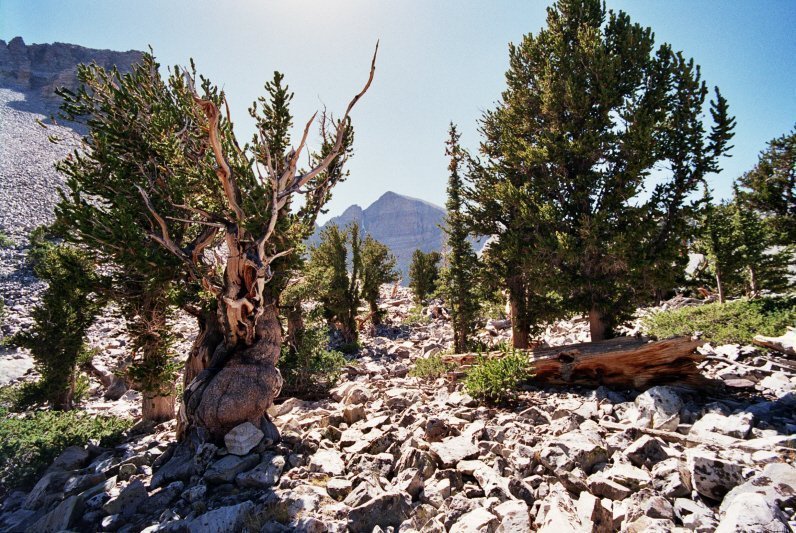
Ancient bristlecone pines cling to Wheeler Peak at 13,063 feet in Nevada’s high desert. Great Basin welcomed 152,068 stargazers in 2024.[2] Lehman Caves and dark skies dazzle. Elevation shifts reveal diverse life zones.
Hikes suit all levels amid caves and glaciers. Pristine nights outshine urban glow. Better cosmic views than any mainland park.
11. Voyageurs National Park
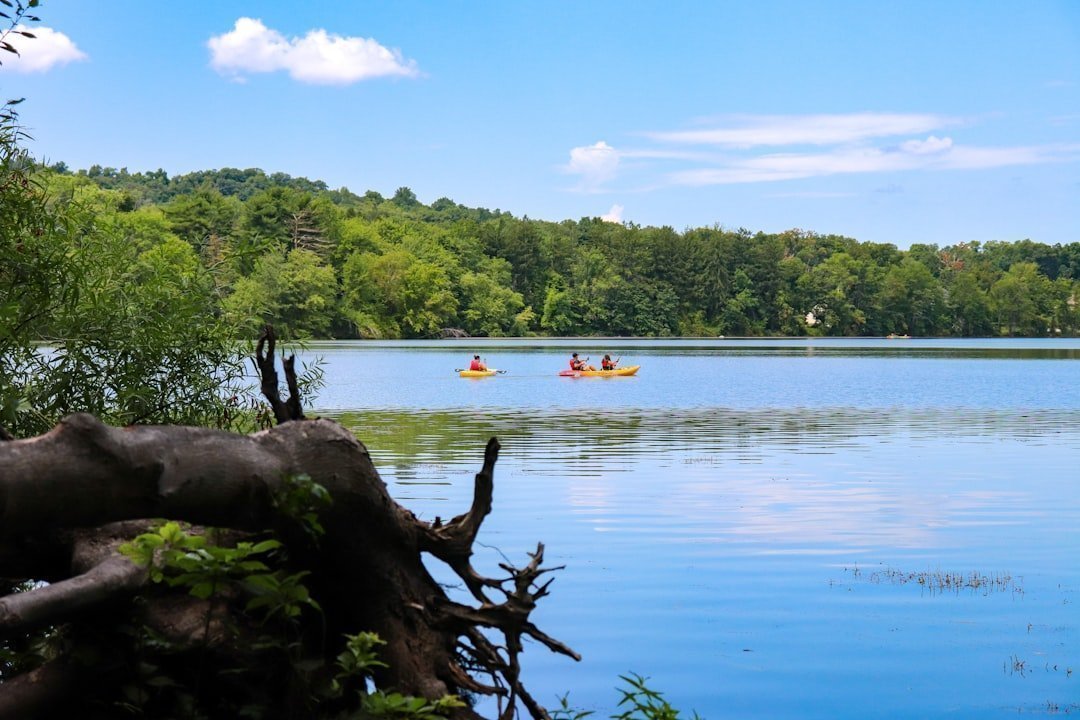
Waterways lace 500 islands across four lakes sharing a Canadian border in Minnesota. Voyageurs saw 199,030 paddlers in 2024.[2] Boat your way to northern lights. It’s aquatic adventure unbound.
84,000 acres of water invite kayaking. Wildlife thrives in watery wilds. Ditch roads for this paddler’s paradise.
12. Guadalupe Mountains National Park
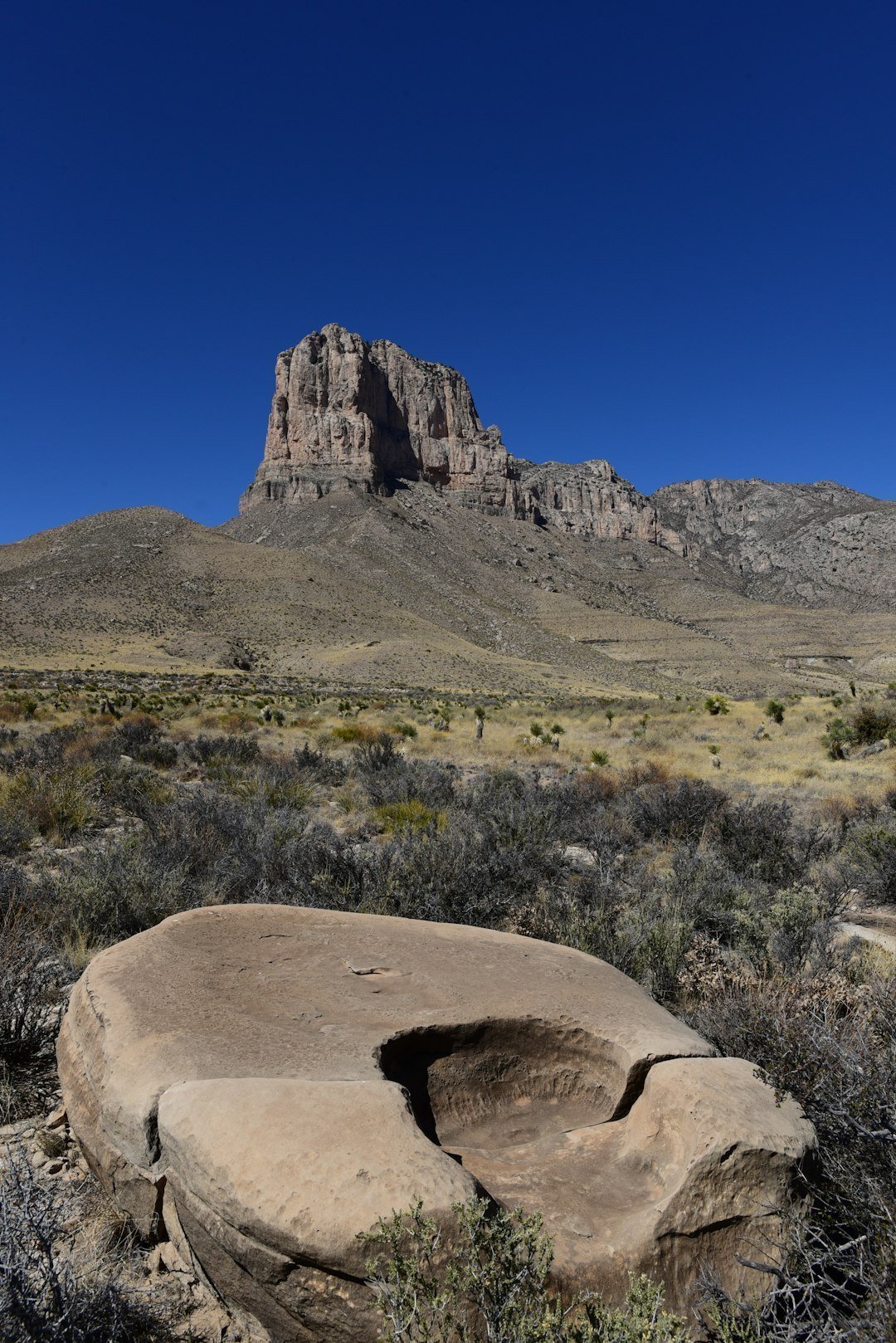
Texas’ four highest peaks guard the world’s biggest Permian fossil reef. Guadalupe Mountains hosted 226,134 hikers in 2024.[2] Salt Basin Dunes tower 100 feet. Eighty miles of trails beckon.
Fossil seekers marvel at ancient seas. Desert solitude refreshes. Elevated escapes beat plateau treks.
13. Congaree National Park
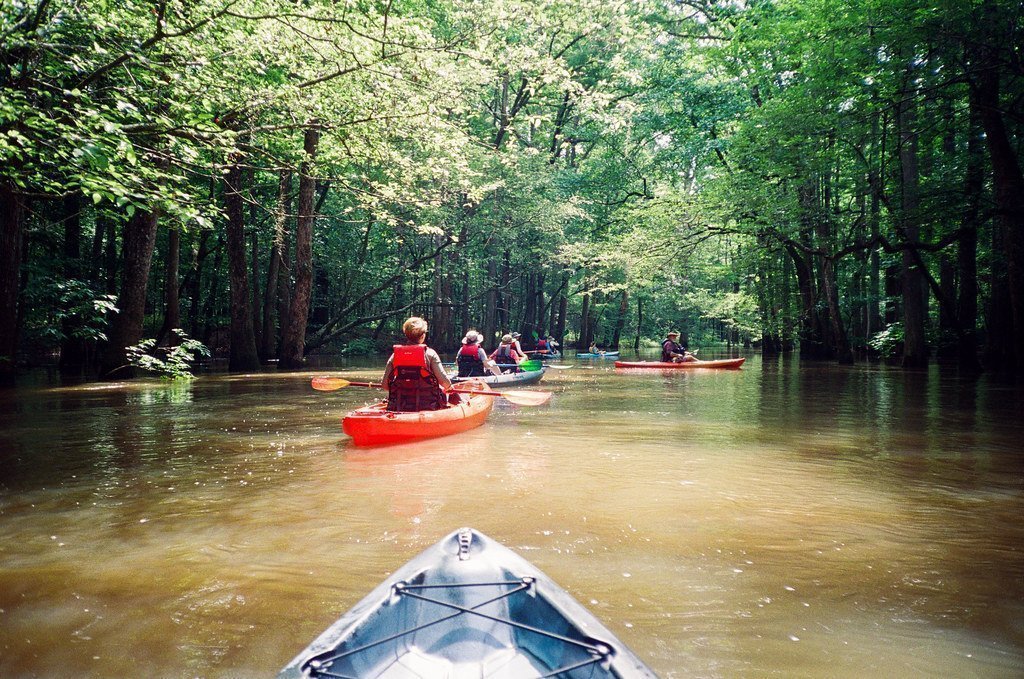
Old-growth bottomland hardwoods flood seasonally in South Carolina’s lush expanse. Congaree drew 242,049 canoeists in 2024.[2] A 15-mile paddle trail winds through giants. Fire-scarred pines add drama.
Kayak beneath towering bald cypress. Biodiversity explodes here. Floodplain magic minus megafauna mobs.
14. Channel Islands National Park
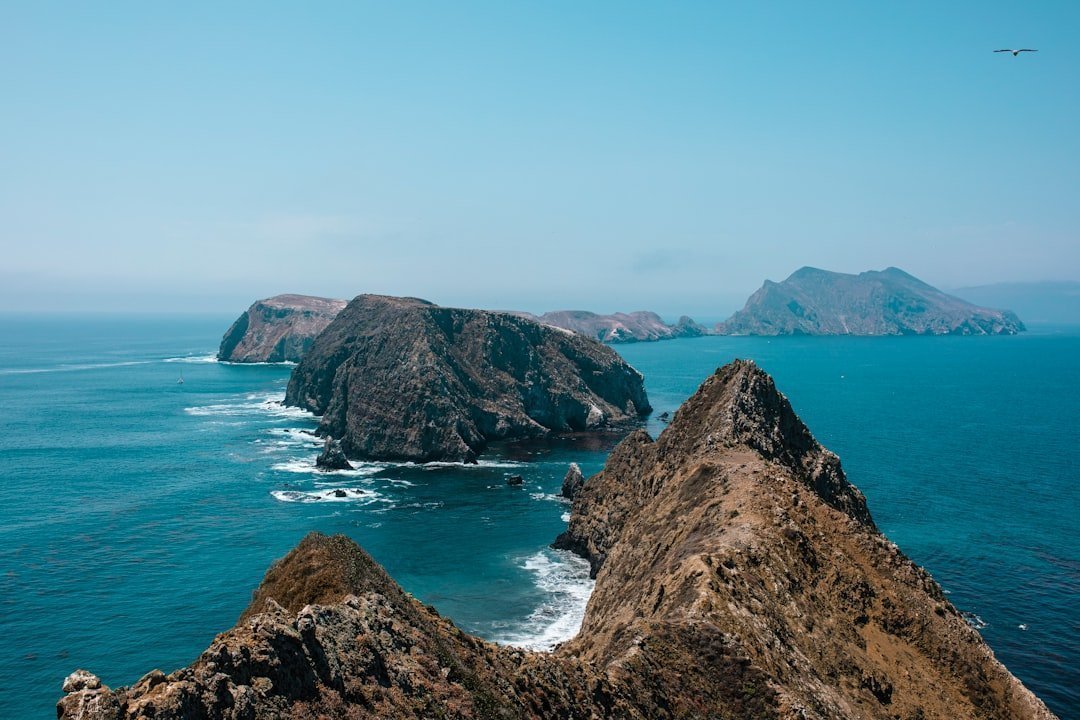
Five California islands offshore offer tide pools, foxes, and ocean kayaking. Channel Islands logged 262,581 visitors in 2024.[2] Snorkel anemone havens; camp under stars. Island time heals.
Reservations ensure space. Guided kayaks reveal secrets. Oceanic isolation tops terrestrial tourism.
15. Black Canyon of the Gunnison National Park
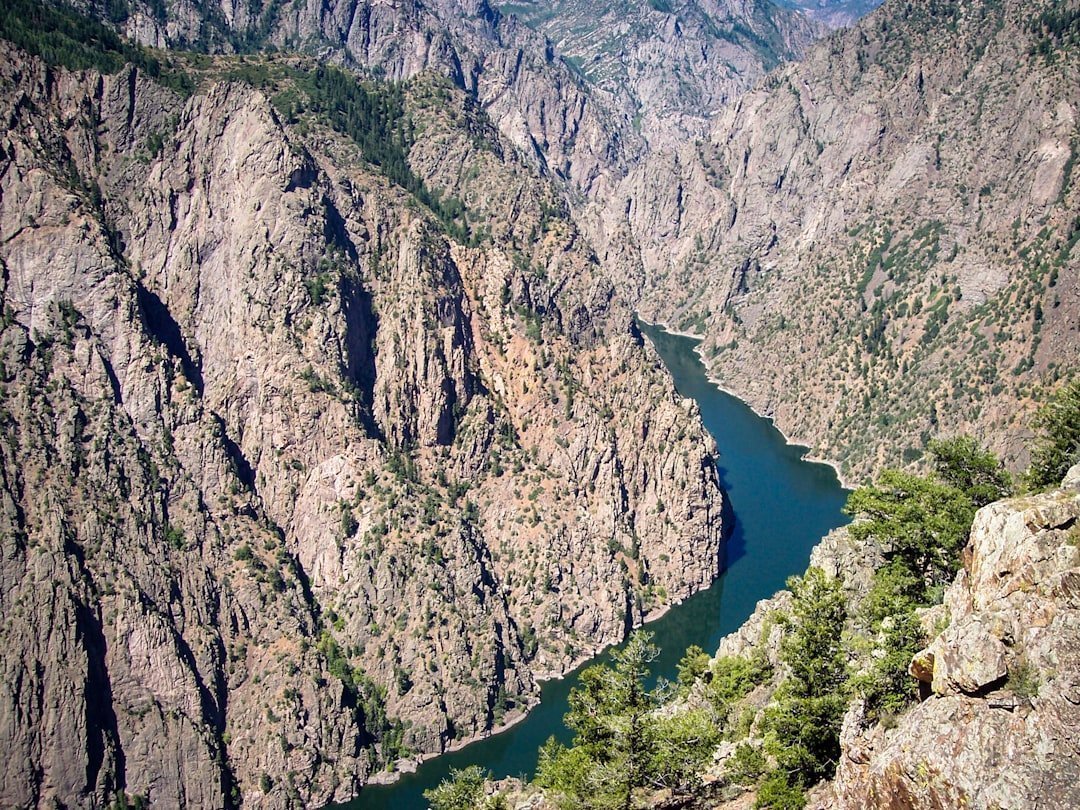
The Gunnison River gouged a 2,722-foot-deep chasm over two million years in Colorado. Black Canyon welcomed 335,862 explorers in 2024.[2] Diverse rocks and 174 birds thrive. Inner canyon permits unlock wilds.
Nearly 60 mammals roam rims. Steep views stun silently. Canyon depth devours Yellowstone’s breadth.
These parks prove epic doesn’t need crowds. With visitor numbers dwarfed by Yellowstone’s millions, they offer unfiltered nature.[1] Which secret spot calls to you first?