
Sometimes the smallest habits can scream “i’m not from here”.
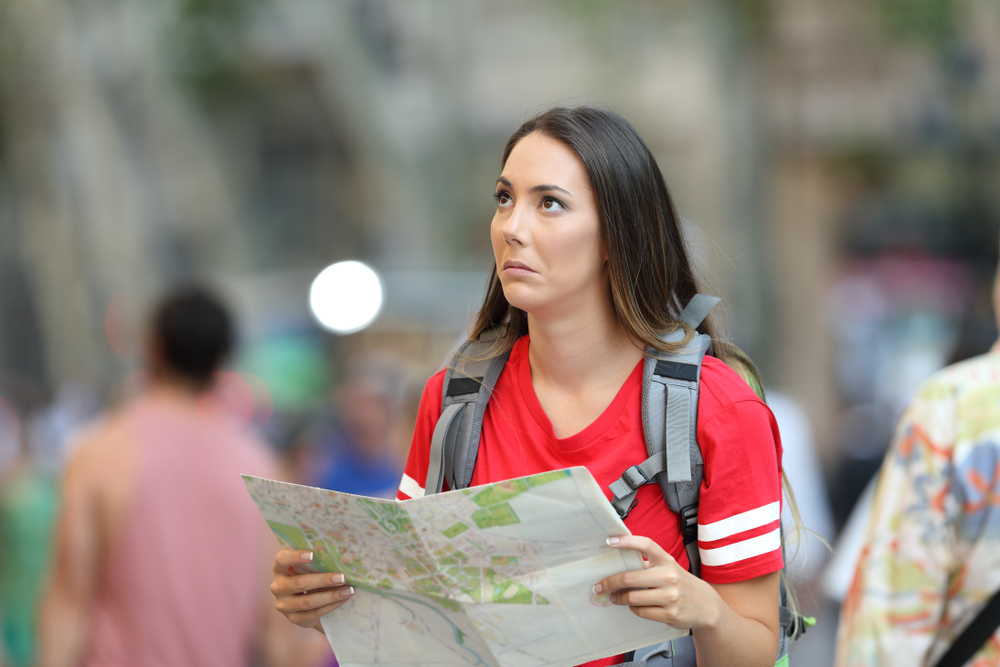
Traveling like a local is not just about where you go; it’s about how you carry yourself. The way you dress, the way you interact with people, and even the way you walk down the street can be a dead giveaway that you are a tourist. While there is nothing wrong with being a visitor, these small and often unconscious mistakes can mark you as an easy target for scams and can create a barrier to having a more authentic experience.
Avoiding these common blunders will help you blend in, stay safe, and be a more respectful guest in a new place.
1. You stop in the middle of a busy sidewalk.
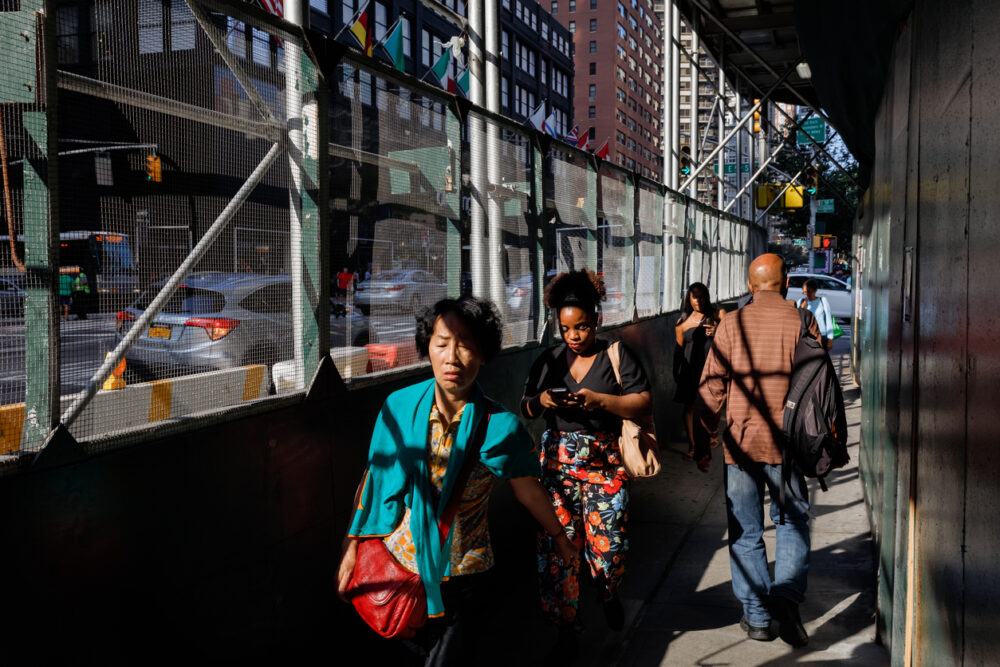
This is the number one tourist mistake in any major city. A local is walking with a purpose, and they expect the flow of pedestrian traffic to be constant. When a tourist suddenly stops dead in the middle of a crowded sidewalk to look up at a building, to check their phone, or to consult a map, it causes a multi-person pile-up behind them, as stated by VegOut.
If you need to stop, do what a local does: step to the side, out of the flow of traffic, and then figure out where you are going. It’s a simple act of spatial awareness.
2. You are wearing brand-new, uncomfortable shoes.

Nothing will ruin a day of exploration faster than a painful blister. Wearing a pair of brand-new, stylish shoes that you haven’t had a chance to break in is a classic rookie mistake, as mentioned by TravelBinger. A seasoned traveler knows that their most valuable asset is a pair of comfortable, well-worn walking shoes, even if they are not the most fashionable.
The tell-tale limp of a tourist who is being tortured by their own footwear is a common sight in any city. Prioritize the comfort of your feet above all else.
3. You only eat at restaurants with pictures on the menu.

A menu with big, glossy, and slightly faded pictures of the food is the universal sign of a tourist-trap restaurant. These are the places that are located right next to the main attractions and are designed to lure in hungry and unsuspecting visitors. The food is almost always overpriced and mediocre at best.
A savvy traveler will walk at least three or four blocks away from the main tourist square and will look for a small, crowded restaurant with a menu that is only in the local language, Yahoo! Life reports. That is where you will find the real, delicious food.
4. You are dressed for a safari in the middle of a city.

There is a specific “tourist uniform” that makes you stand out immediately. This often involves a zip-off cargo pants, a multi-pocketed photographer’s vest, and a wide-brimmed safari hat, even when you are just walking through the streets of Paris or Rome. While these items might be practical, they are a clear signal that you are not a local.
A better approach is to simply observe what the local people are wearing and to dress in a similar, understated style. You don’t need special “travel” clothes; you just need to look like a normal person.
5. You are wearing your backpack on your front.
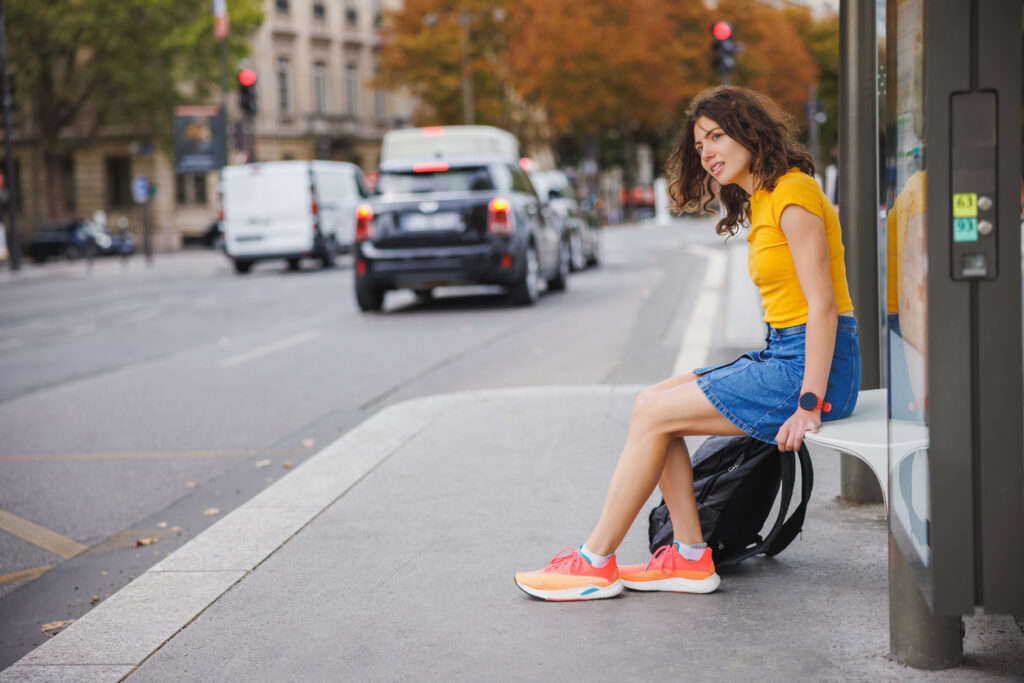
While this may seem like a smart security measure to protect yourself from pickpockets, wearing your backpack on your chest is the single biggest visual cue that you are a nervous tourist. It marks you as someone who is uncomfortable and out of place, which can actually make you more of a target, not less.
A better and more discreet way to protect your valuables is to simply not keep them in the easily accessible outer pockets of your backpack. A more secure option is a cross-body bag that you can keep in front of you.
6. You are loud and boisterous on public transportation.

The local subway or bus is a part of daily life for the people who live in a city, and it is generally a quiet space. A group of tourists who are talking and laughing at a loud volume is a major breach of etiquette and a huge annoyance to the local commuters who are just trying to get to work.
Being mindful of your volume is a basic sign of respect. Observe the local customs, and if the train is quiet, you should be too. It’s about being a respectful guest in someone else’s public space.
7. You mispronounce the name of the city you are in.

Taking a few minutes to learn the correct, local pronunciation of the city or the country you are visiting is a small but incredibly important sign of respect. Consistently mispronouncing a well-known place name marks you as an ignorant and unprepared traveler. It’s not “Paree,” it’s “Pa-ree.” It’s not “Bud-a-pest,” it’s “Bood-a-pesht.”
A quick search on YouTube will give you the correct pronunciation. Making the effort to say the name correctly is a simple gesture that will be appreciated by the local people you meet.
8. You try to pay for a small item with a large bill.
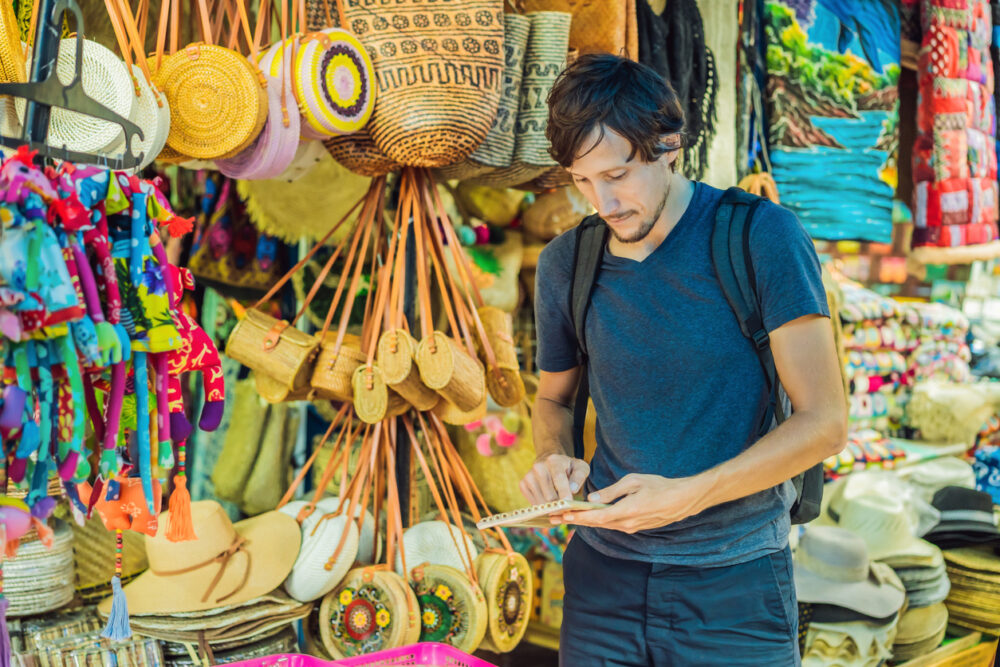
Trying to pay for a two-euro coffee with a 100-euro bill first thing in the morning is a major faux pas. A small, local shopkeeper or a market vendor often does not have a large amount of change, especially at the beginning of the day. This can be a huge inconvenience for them and can mark you as an inconsiderate tourist.
It is always a good idea to break your large bills at a bank or a larger store and to carry a variety of smaller bills and coins for your daily purchases.
9. You are afraid to try the local food.

One of the greatest joys of traveling is experiencing the local cuisine. A tourist who is afraid to try anything new and who only seeks out the familiar comfort of a McDonald’s or a Starbucks is missing out on a huge part of the cultural experience. It also sends a message to the locals that you are not interested in their culture.
Even if you are a picky eater, you should make an effort to try at least a few of the local specialties. Food is a universal language, and it is one of the best and most enjoyable ways to connect with a new place.
10. You walk in the bike lane in Amsterdam.
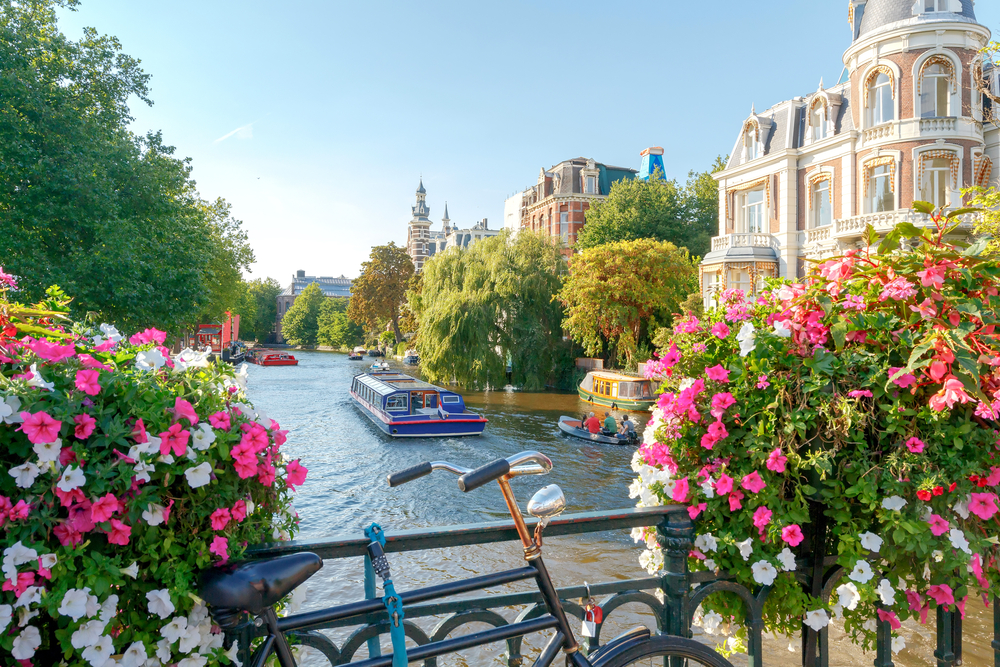
This is a specific but life-threatening mistake. In Amsterdam and other Dutch cities, the red-colored bike lanes are not suggestions; they are highways for cyclists, who travel at high speeds and have the right of way. A tourist who is obliviously wandering in the bike lane while looking at a map is a danger to themselves and to others.
You will learn this lesson very quickly from the sound of an angry cyclist ringing their bell right behind you. It is the number one mistake that tourists make in the city, and it is one that you should be very mindful of.
11. You are wearing your hotel’s free slippers outside.
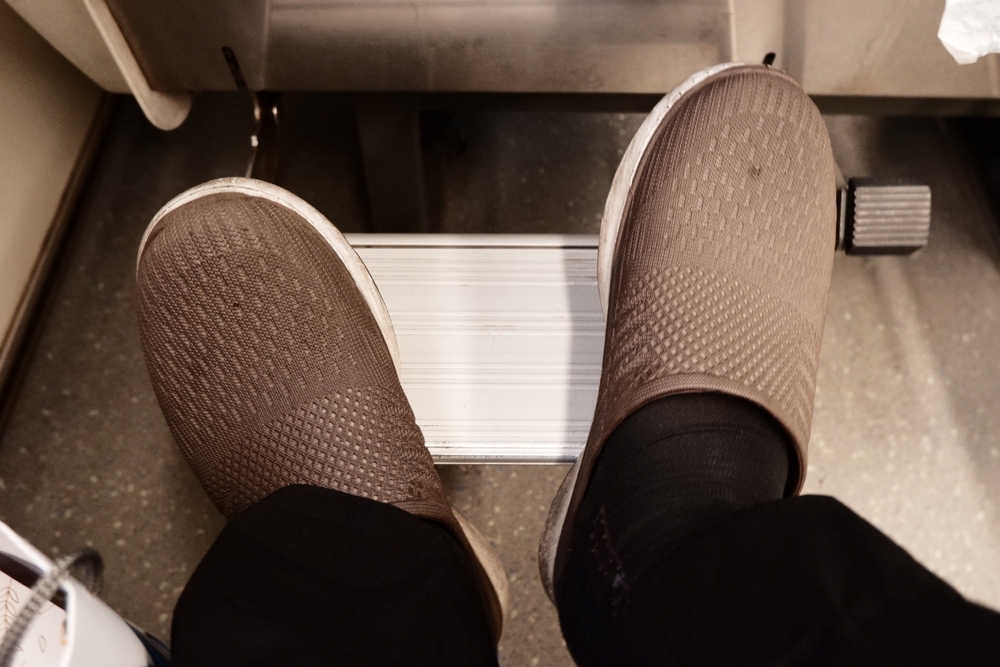
In many hotels, especially in Asia, you will be provided with a pair of disposable slippers to wear in your room. A shocking number of tourists will then wear these flimsy, paper-thin slippers out to the hotel pool, to the breakfast buffet, or even out onto the street. This is a dead giveaway that you are a tourist.
These slippers are meant for in-room use only, and wearing them in public is a major breach of etiquette that looks ridiculous to the locals. It is the travel equivalent of wearing your pajamas to the grocery store.
12. You touch the produce at a local market.
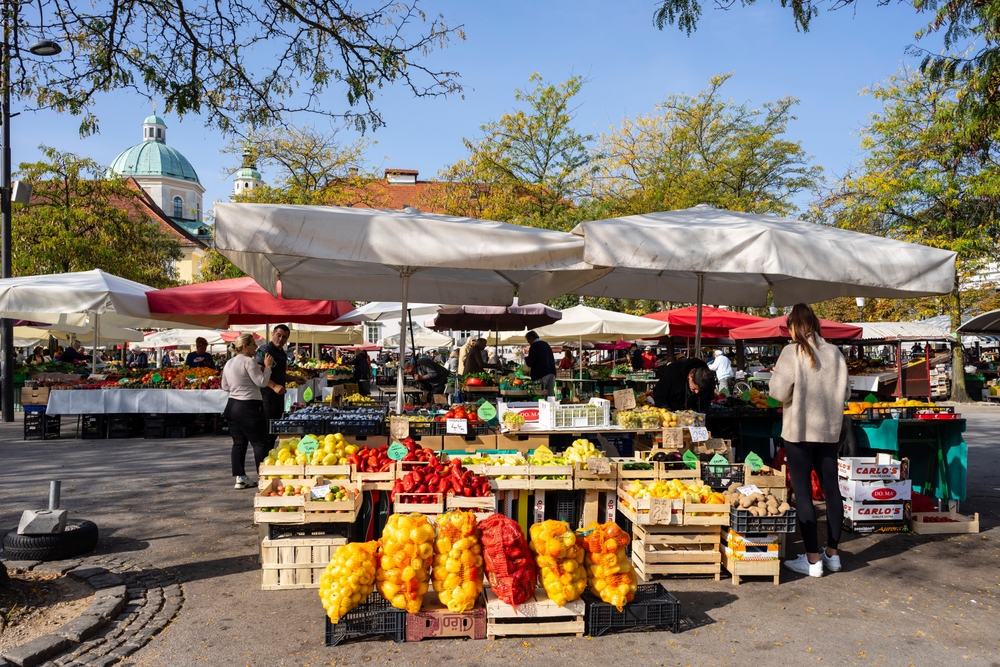
At many traditional outdoor food markets in Europe and other parts of the world, it is a major faux pas for a customer to touch the fruits and vegetables themselves. You are expected to tell the vendor what you want, and they will select the best items for you. Picking up, squeezing, and inspecting the produce yourself is considered rude and unsanitary.
This is a cultural difference that many Americans are not aware of. The best practice is to always observe what the locals are doing and to follow their lead. When in doubt, just point to what you want.
13. You take photos of people without asking for their permission.

A country and its people are not a zoo. Taking a close-up photo of a local person, especially a child, without asking for their permission is a major invasion of their privacy and is considered incredibly rude in most cultures. They are not a part of the scenery that is there for your entertainment; they are human beings who are just trying to live their lives.
If you want to take a portrait of someone, you should always politely ask for their permission first. A simple gesture and a smile can go a long way. If they say no, you must respect their wishes.
14. You expect ice in every single drink.

The American obsession with having every single beverage, including water, served in a glass that is packed to the brim with ice is a uniquely American custom. In most other parts of the world, drinks are served with very little ice or no ice at all. Constantly asking for more ice, or being disappointed when it is not automatically provided, can mark you as a demanding American tourist.
When you are traveling, it is best to simply accept the local customs. Your drink will still be cold, and you might even find that you can taste it better without a huge amount of ice.
15. You are wearing a fanny pack.

While fanny packs, or “bum bags,” have had a brief, ironic comeback in the world of high fashion, for the purposes of travel, they are still widely seen as the ultimate symbol of the clueless tourist. Wearing a fanny pack, especially on the front of your body, is a giant, flashing sign that says, “I am a tourist, and all of my most valuable possessions are in this convenient, easy-to-snatch pouch.”
While they may be practical, they are a sartorial choice that will immediately out you as a visitor. A more discreet and stylish alternative is a cross-body bag.