

You’ve been there. You zip up your 40L pack, hoist it onto your shoulders, and immediately feel like you’ve strapped a small child to your back. Something is very wrong. The problem isn’t your pack. It isn’t your fitness level. It’s what’s inside.
Overpacking is a habit that quietly ruins trips, one unnecessary pound at a time. According to the Global Rescue Traveler Sentiment and Safety Survey, overpacking consistently tops the list of traveler mistakes, with nearly one in three respondents admitting they brought too much luggage. Those numbers have remained stubbornly consistent since early 2023, revealing a habit that never quite goes away. The good news? Every single one of those extra pounds can be cut. Let’s dive in.
Dead Weight #1: Cotton Clothing

Cotton feels familiar, it’s cheap, and it lives in most people’s wardrobes. That’s exactly why it ends up in so many backpacks. The problem is that cotton is genuinely terrible for trail use.
When it comes to clothing on the trail, remember the old saying “cotton kills.” Aim for lightweight, breathable, and quick-drying fabrics that won’t lose their insulation properties when wet. This isn’t just a catchy phrase. When cotton gets wet, whether from sweat, rain, or a stream crossing, it stays wet for hours and actively pulls heat away from your body.
Cotton clothing takes up more space than clothes made of synthetic fabric, takes longer to dry, and traps sweat while you’re wearing it. Opt for dry-fit clothing when possible. A few cotton t-shirts stuffed into a 40L pack can easily account for a pound or more of genuinely useless weight.
Dead Weight #2: Full-Size Toiletries
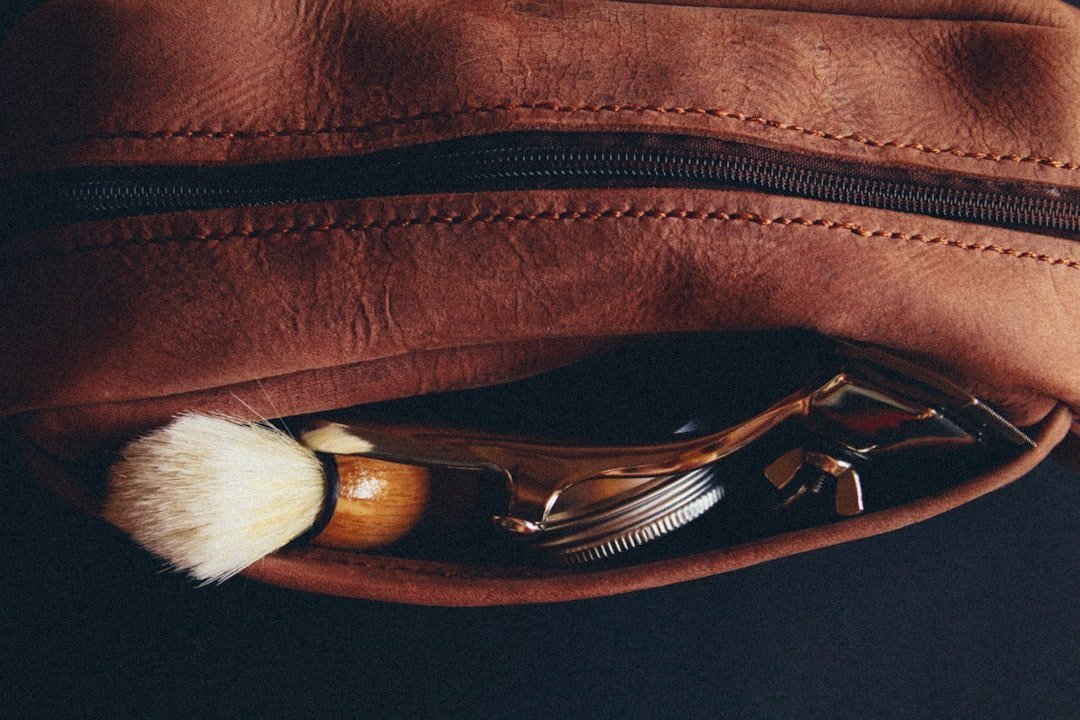
Here’s the thing: nobody needs a full bottle of conditioner in the backcountry. Yet the toiletry bag is consistently one of the heaviest and most bloated corners of any backpack.
A heavy toiletry kit is unnecessary for cleanliness outdoors. It’s highly personal, of course, but remember that just because you do something every day at home does not mean it is useful, necessary, or even beneficial on trail. Think about that for a second. Your full at-home routine was designed for a bathroom, not a ridgeline.
Toiletries can be heavy and take up a ton of space, and it’s important to eliminate anything you won’t be using daily from your packing list. Fortunately, there are plenty of affordable, lightweight alternative toiletries designed for travel. Solid shampoo bars, for example, eliminate liquid weight entirely and last far longer per gram than bottled alternatives.
Dead Weight #3: Heavy Sleeping Bag Instead of a Quilt
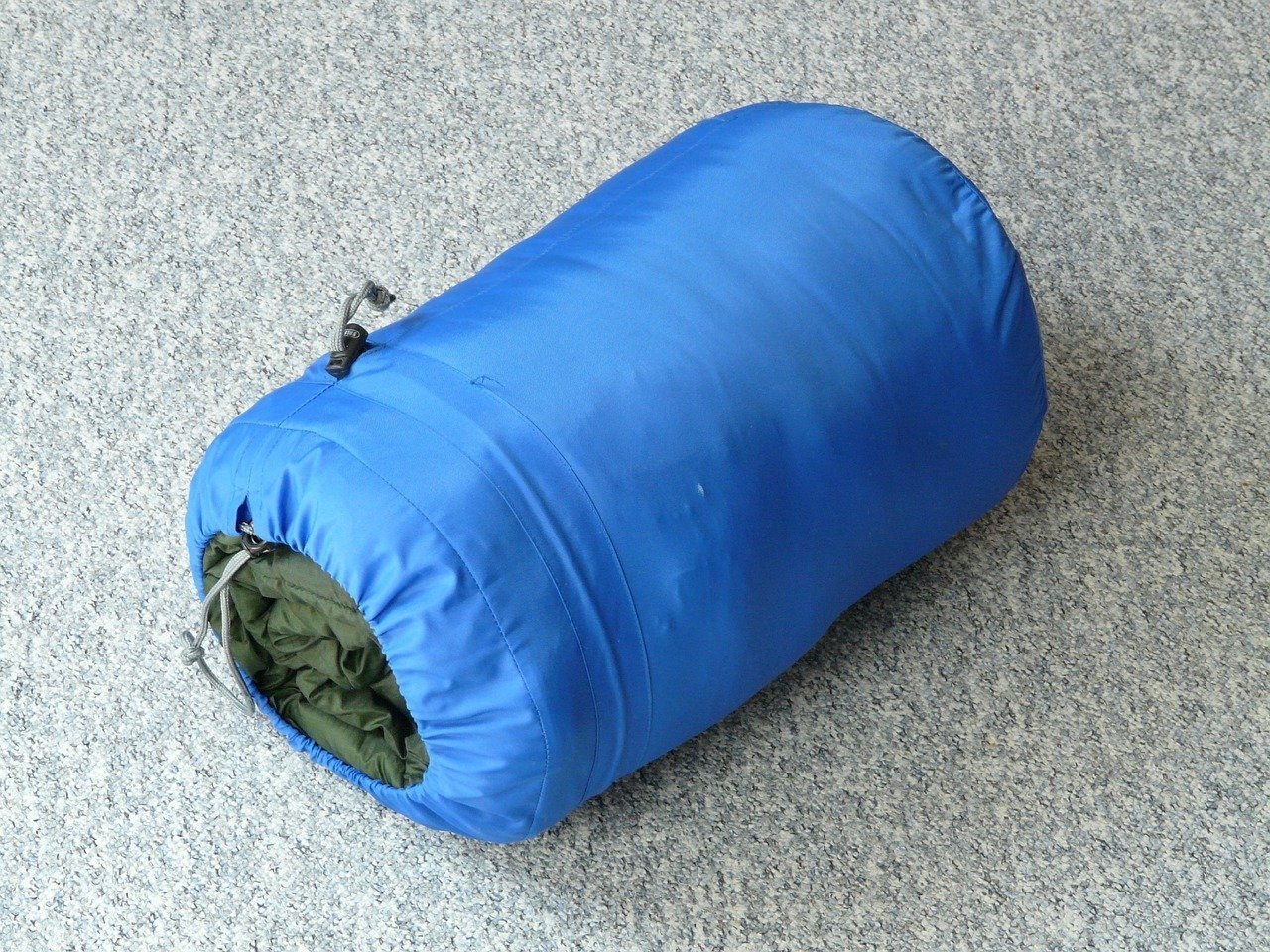
Most backpackers carrying a 40L pack are going out in three seasons. Yet they’re still lugging a sleeping bag designed like a mummy burrito, complete with hood, draft collar, and enough insulation to survive a mild polar expedition.
Ultralight backpacking quilts offer versatile insulation options that pack down small and weigh significantly less than traditional sleeping bags. Many experienced backpackers strongly recommend switching to a quilt for summer backpacking, as they are just as warm as traditional sleeping bags but so much lighter. The difference in pack volume alone is remarkable.
In backpacking gear discussions, you may come across the term “big 4,” which refers to the four heaviest items: backpack, shelter, sleeping bag, and sleeping pad. Replacing these will likely provide the largest reductions in weight. The sleeping bag is often the easiest and most impactful swap of the four.
Dead Weight #4: Too Many Pairs of Shoes
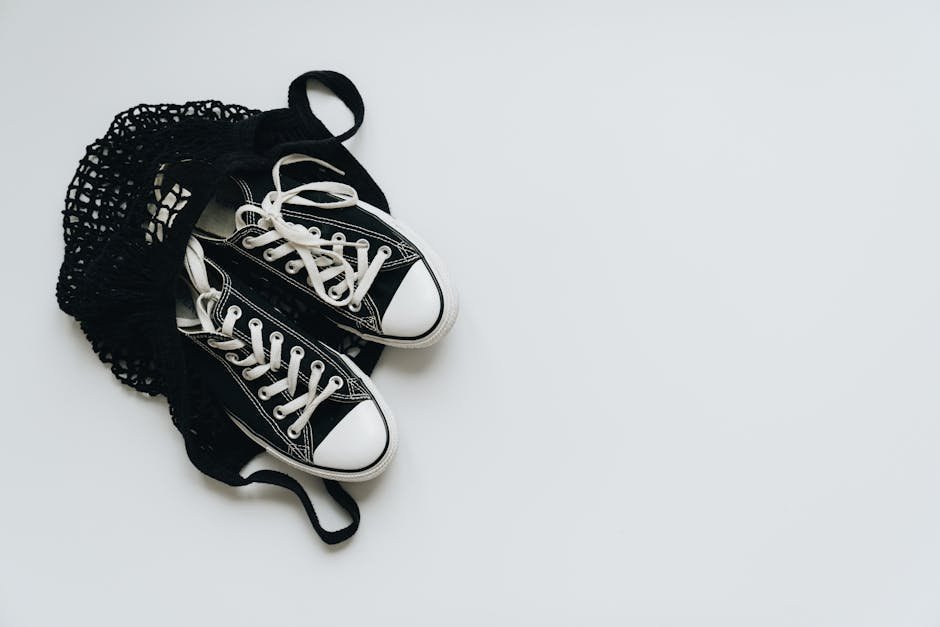
I get it, really. You want camp shoes, trail shoes, maybe a pair of sandals for river crossings. It sounds perfectly reasonable until you realize you’re devoting a huge chunk of a 40L pack to footwear you might use for thirty minutes a day.
Common mistakes include overpacking clothing, bringing too much food, carrying redundant items, and not considering the weather conditions. Extra shoes are a textbook example of redundancy. One versatile pair of well-chosen trail shoes handles camp, trail, and most crossings without any backup needed.
One of the best ways to avoid overpacking is by knowing what not to bring. Bulky footwear should be limited to one or two versatile pairs. Still, nearly half of people surveyed admit to overpacking for a trip and returning home with clothes they didn’t even wear. Shoes are usually right there in that pile.
Dead Weight #5: Multiple Electronic Gadgets
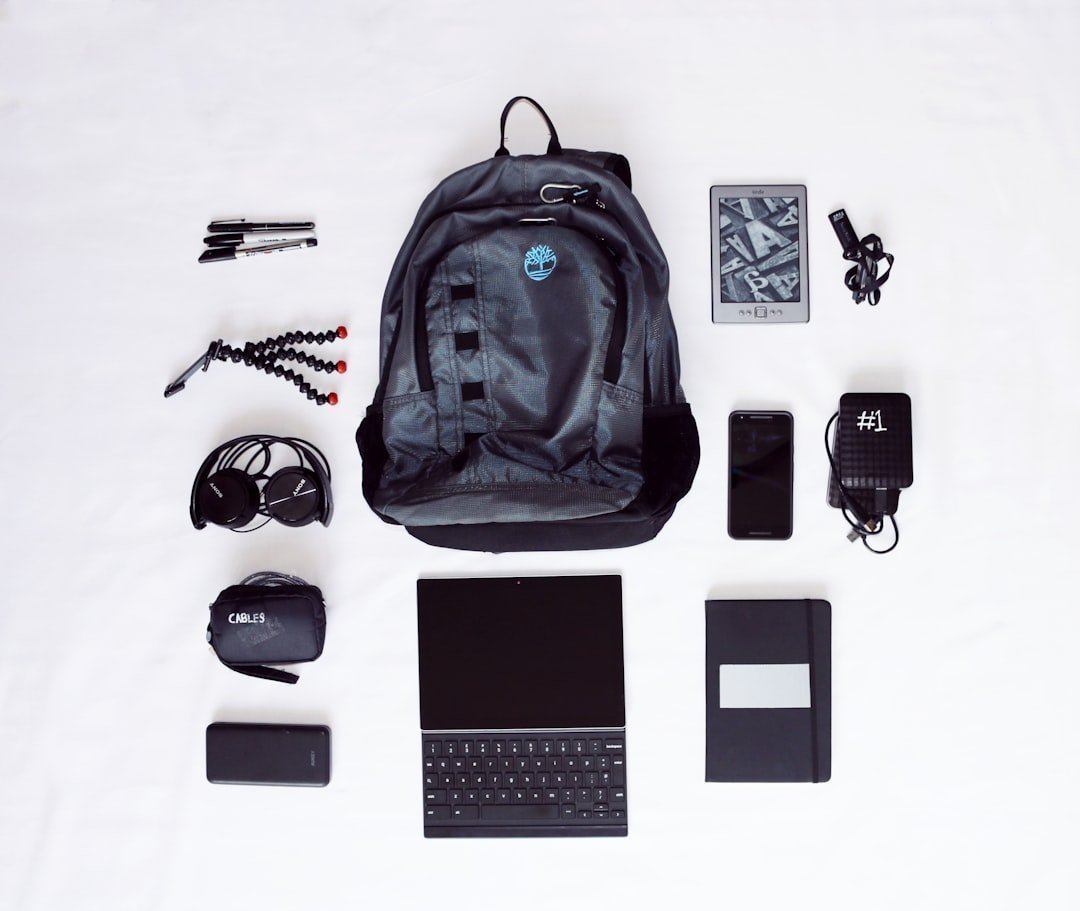
There’s a certain type of backpacker who brings a Kindle, a wireless speaker, a dedicated GPS device, a camera, two charging cables, a backup battery, and then wonders why their pack weighs so much. Sound familiar?
Multiple electronics are a classic overpacking trap. Your smartphone covers most functions. Modern phones have GPS, cameras, music playback, e-readers, and emergency communication capabilities. A phone and a single lightweight power bank covers almost everything.
The Nitecore Carbon 6k is currently considered the lightest weight power bank and the best way to carry one full phone recharge into the backcountry. An upgrade over its predecessor, it gets a higher IPX8 rating and an additional 1000 mAh, all for the same weight. One device. One recharge. That’s all most 40L trips genuinely demand.
Dead Weight #6: The Oversized, Traditional Tent
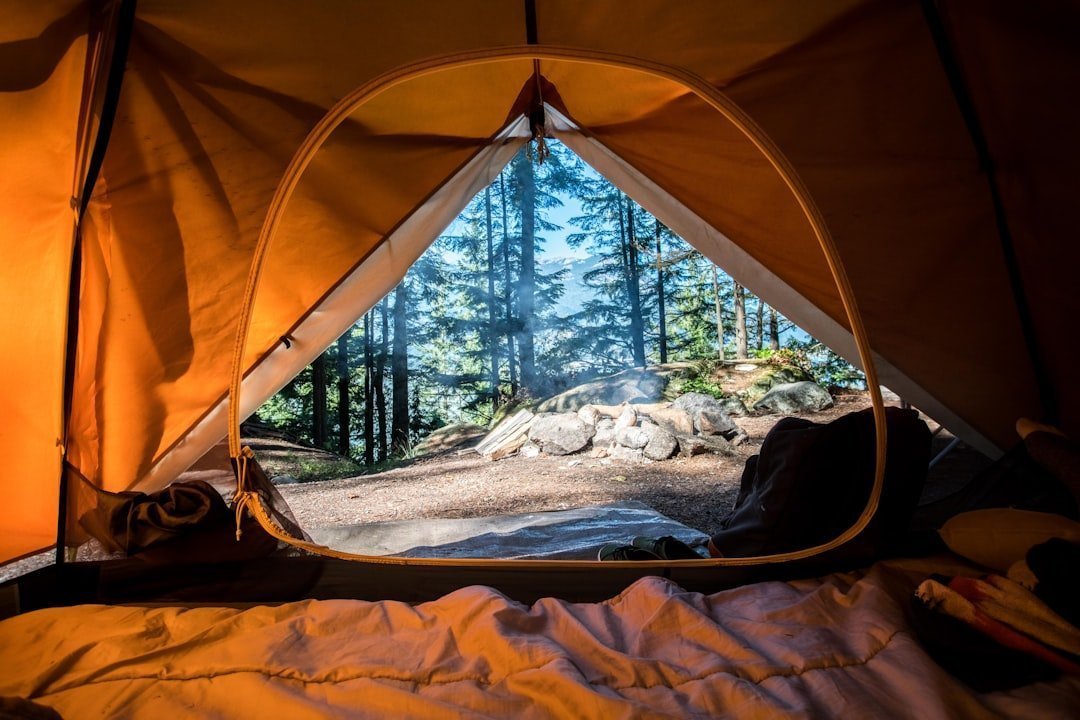
Shelter matters enormously. Nobody is arguing that. The question is whether your shelter needs to feel like a small apartment. Traditional freestanding tents with aluminum poles, double walls, and full vestibules can easily weigh over four pounds. In a 40L pack, that’s catastrophic.
Choosing the right ultralight tent or shelter can drastically reduce your pack weight and enhance your backpacking experience. Lightweight tents are designed to provide reliable weather protection while weighing just a fraction of traditional shelters. Important factors to consider include tent weight, ease of setup, ventilation, and weather resistance.
Trekking pole tents and tarp tents are among the lightest on the market since there are no tent poles involved in the setup. You use your trekking poles, which you’re already carrying. That’s a beautiful example of one piece of gear serving two functions, which is the golden rule of smart packing.
Dead Weight #7: Heavy Water Bottles Instead of a Filter System
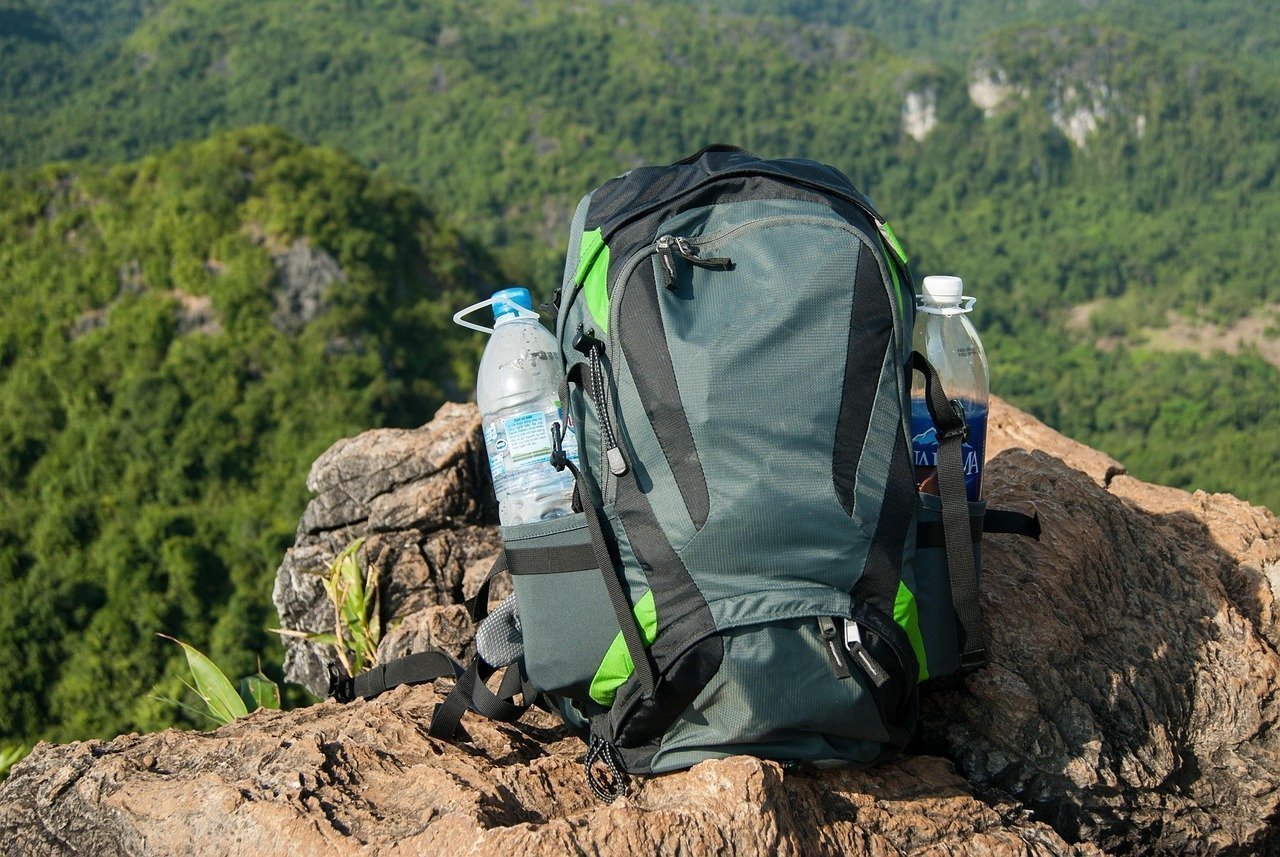
Carrying three full Nalgenes into the backcountry is something beginners do once. Water weighs about 2.2 pounds per liter, which means every extra liter you haul is dead weight you could have sourced from the trail. A lightweight filter changes the entire equation.
Water bladders can be expensive, heavy, and inconvenient. They make it hard to track how much water you have left, are difficult to refill on trail, and are a hassle to use at camp. Ditching both heavy bottles and bulky bladders in favor of a lightweight squeeze filter is one of the smartest swaps any backpacker can make.
With proper care, the Sawyer Squeeze can filter up to 100,000 gallons of water over its lifetime, making it an investment that essentially pays for itself in the first season. It weighs just three ounces and fits in a shirt pocket.
Smart Swap #1: Merino Wool Base Layers
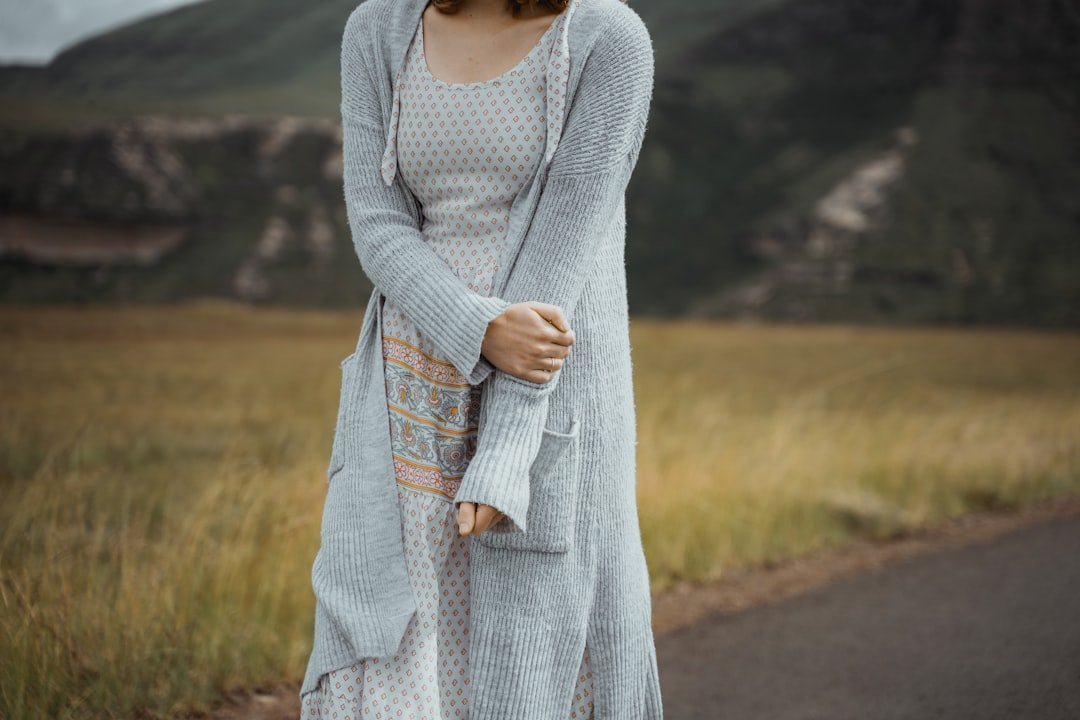
Swap out that cotton for merino wool and the difference is immediate. It sounds almost too simple, but merino is genuinely one of the most transformative upgrades any backpacker can make.
If funk-free clothing is important to you, consider different materials such as naturally antimicrobial merino, which now comes in soft, itch-free, and cooler options. Original synthetic fabrics have been replaced with antibacterial versions, though in experience they don’t stay fresh as long as merino.
Merino wool doesn’t smell after use like cotton does and stays fresh longer. Many experienced travelers keep just two merino shirts in their pack: one for sleep and one for daily wear. Two shirts. One for day, one for night. You don’t need more.
Smart Swap #2: A Lightweight Squeeze Water Filter
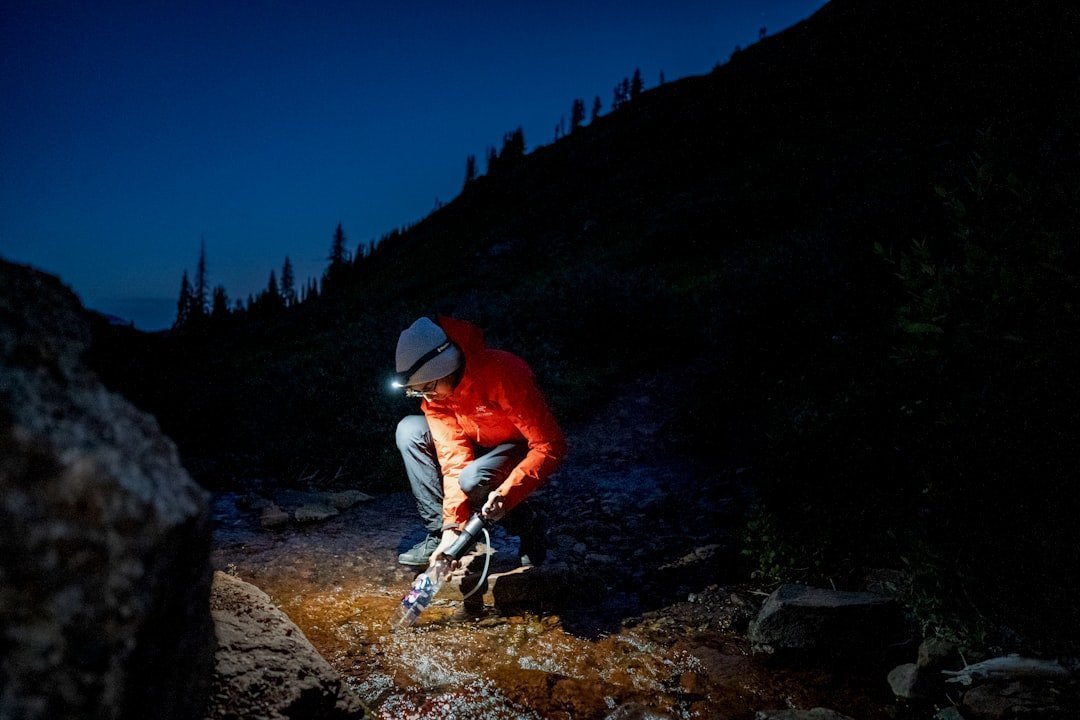
This one deserves its own spotlight. The Sawyer Squeeze system has become the gold standard on long trails for good reason, and it’s now been refined even further with better bladder options in 2025 and 2026.
The Sawyer Squeeze has earned trust on more than 8,000 miles of backcountry trips, including multiple Pacific Crest Trail thru-hikes, because it’s one of the lightest options available with a fast flow rate and easy usability. Many experienced hikers pair it with an inexpensive Smartwater bottle for an ultralight and decently durable water filtration system, and often drink straight from the filter to cut out an extra step.
On the PCT during any given summer, virtually every thru-hiker is using an ultralight squeeze filter. They are the fastest, simplest, and most reliable system for both soloists and groups. That kind of consensus among the most experienced walkers on the planet is hard to argue with.
Smart Swap #3: Solid Toiletry Bars and Multipurpose Soap
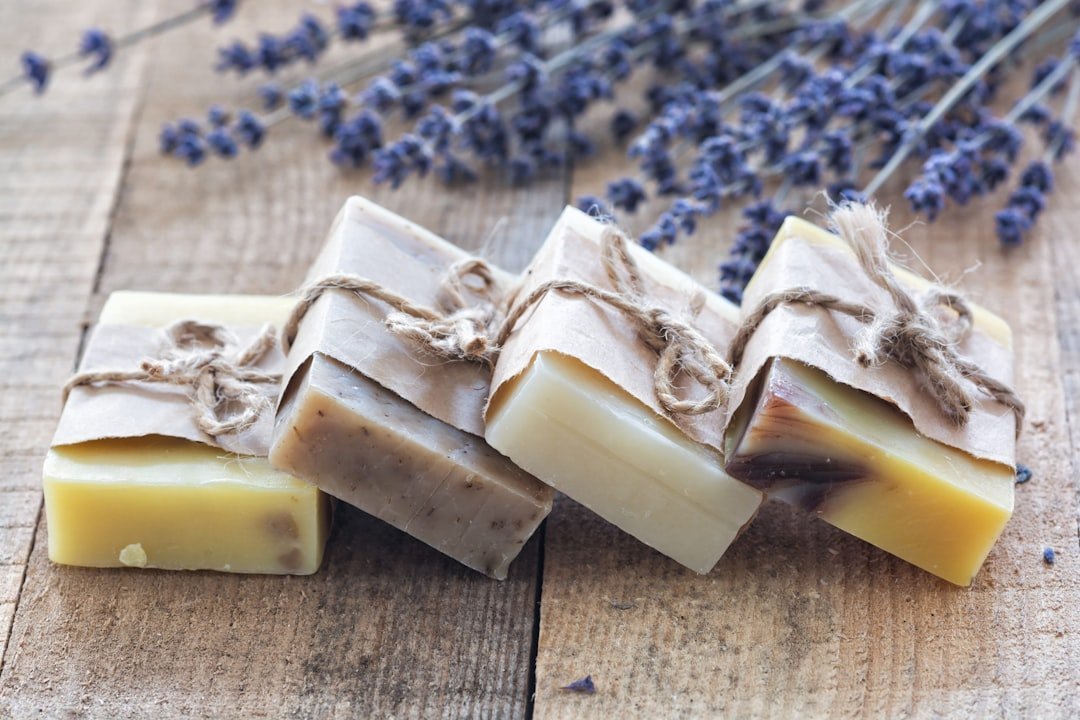
Let’s be real: the difference between a multi-product liquid toiletry bag and a tiny bar of multipurpose soap is staggering, both in weight and complexity.
The best advice for toiletries is to bring items that serve many purposes, like concentrated wilderness wash soaps that can be used as shampoo, body soap, laundry detergent, and dish wash. A single little bottle of a concentrated option can last for several months. That’s four products replaced by one, without any compromise in hygiene.
For longer trips, a shampoo and conditioner bar is highly recommended. They last more than three months and take up dramatically less space. You also don’t have to worry about liquid restrictions. Once you make this switch, you’ll honestly wonder why you ever carried bottles.
Smart Swap #4: A Down Quilt
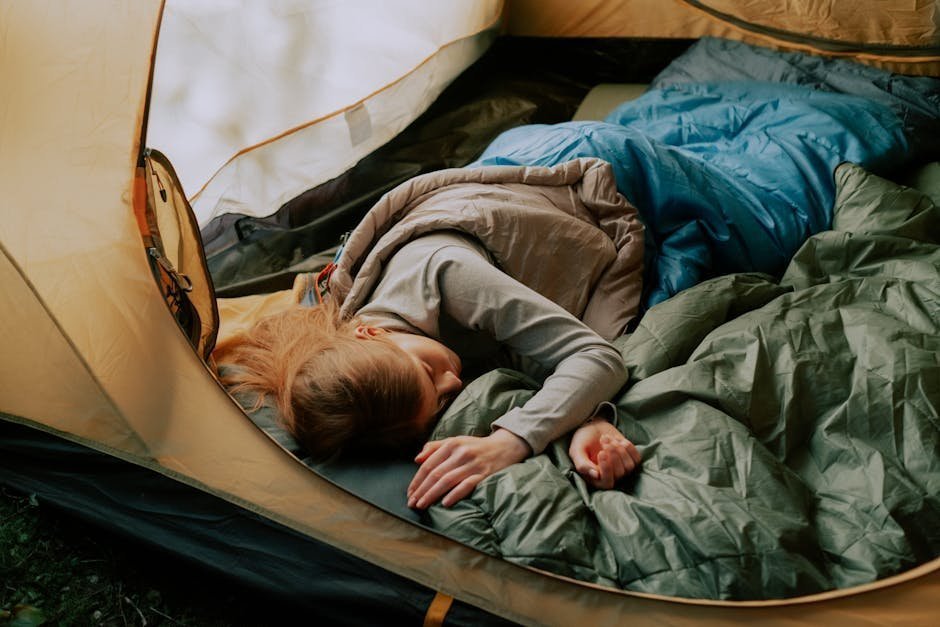
Honestly, switching from a traditional sleeping bag to a down quilt was one of those changes that made me feel a bit silly for not doing it sooner. The weight savings are real, and the comfort is genuinely comparable.
Whether you need a 20-degree quilt for cold weather or a lighter summer quilt, choosing the right ultralight sleeping gear can improve trail comfort while minimizing bulk. Highly-rated options like the Hyperlite 20-Degree Quilt, Zpacks Summer Quilt, and Enlightened Equipment Revelation Quilt are top choices for ultralight backpackers due to their lightweight materials, compressibility, and accurate temperature ratings.
Down quilts have proven themselves to experienced backcountry travelers and hikers alike. Many who started using them for hammocks kept using them after switching to ground sleeping. They are easier to regulate temperature with than a traditional bag because it’s easy to stick your arms, feet, or torso out to cool down.
Smart Swap #5: Trekking Poles That Double as Tent Poles
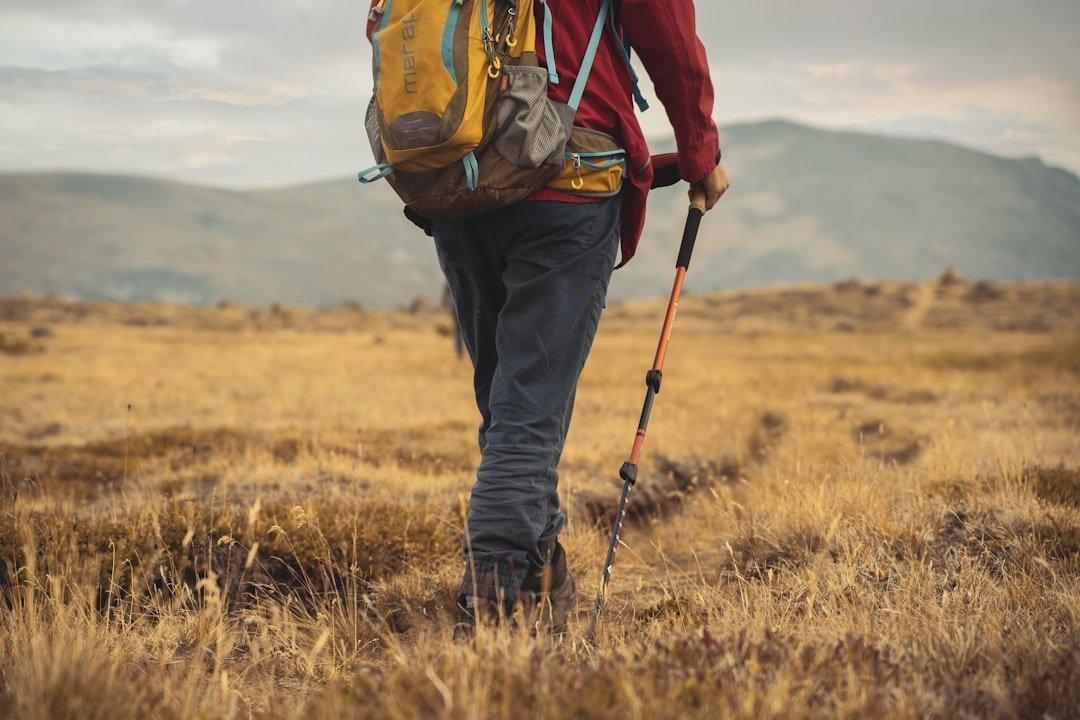
This is the Swiss Army knife of the gear world. A single pair of quality trekking poles can eliminate the need for dedicated tent poles entirely, saving significant weight and space in one stroke.
Trekking poles provide increased stability, reduce stress on your knees and joints, and help propel you forward on uphill climbs. They can also be used to pitch certain types of tents and shelters. That second function turns them from a nice-to-have into an essential, weight-justified piece of gear.
Gossamer Gear LT5 Trekking Poles have become a favorite among experienced ultralight hikers. They are shockingly lightweight, collapse down small enough to be easily stowed, have comfortable EVA foam grips, and proven durable across demanding terrain. One item doing three jobs. That’s the standard every piece of gear in your 40L should aspire to.
The Bottom Line: Your Back Will Thank You
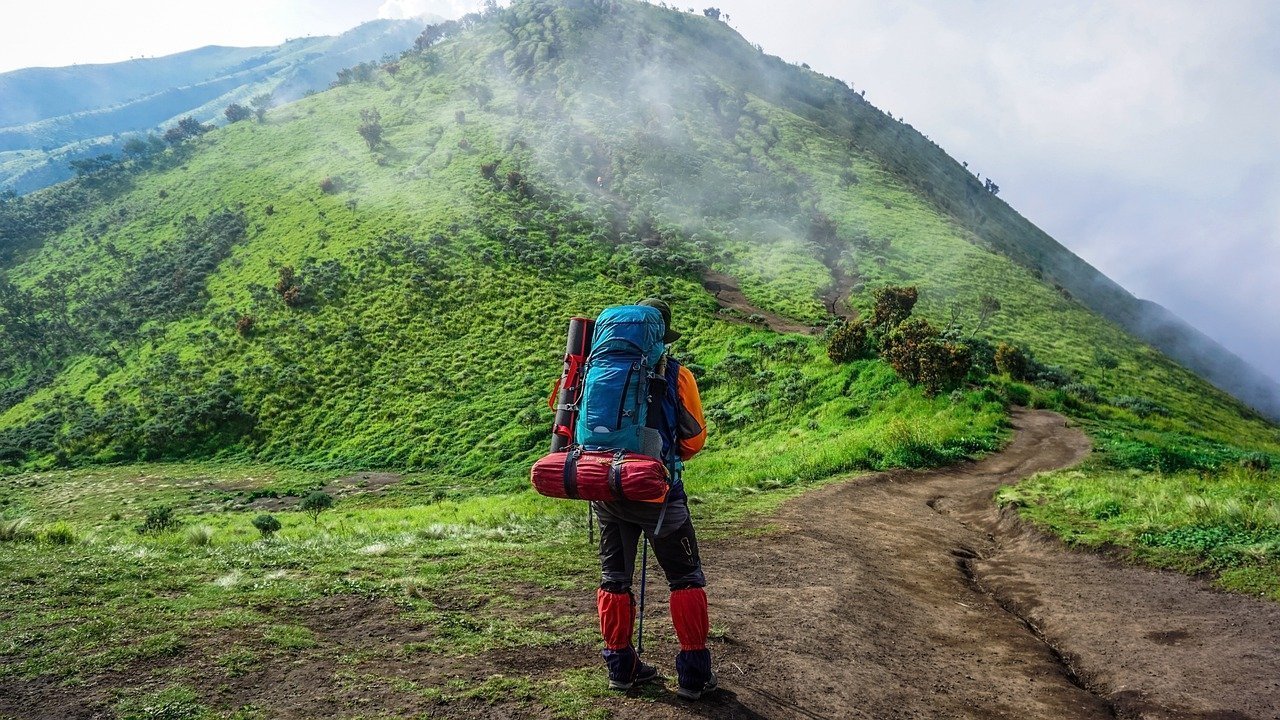
The math here is genuinely sobering. Averaging across seasons and skill levels, most recreational backpackers carry between 25 and 35 pounds total. Beginners often start heavier, sometimes exceeding 40 pounds, due to overpacking or using older, bulkier gear. That’s a back injury waiting to happen.
Carrying a pack that’s too heavy can have serious consequences. Beyond simple discomfort, overpacking can lead to muscle strain and injuries as excessive weight puts undue stress on your back, shoulders, knees, and ankles. It drains your energy reserves, making it harder to enjoy the scenery, and a heavy load shifts your center of gravity, making you more prone to falls on uneven terrain.
Over the past year, more hikers have prioritized weight reduction not for performance alone, but for long-term joint comfort and trail accessibility. The shift isn’t about chasing extremes. It’s about smarter load distribution and sustainable pacing. That’s a message worth carrying with you, even if your pack is lighter than ever.
Every ounce you leave behind is freedom you take with you. What’s the one item still sitting in your pack that you know, deep down, you never actually use?