
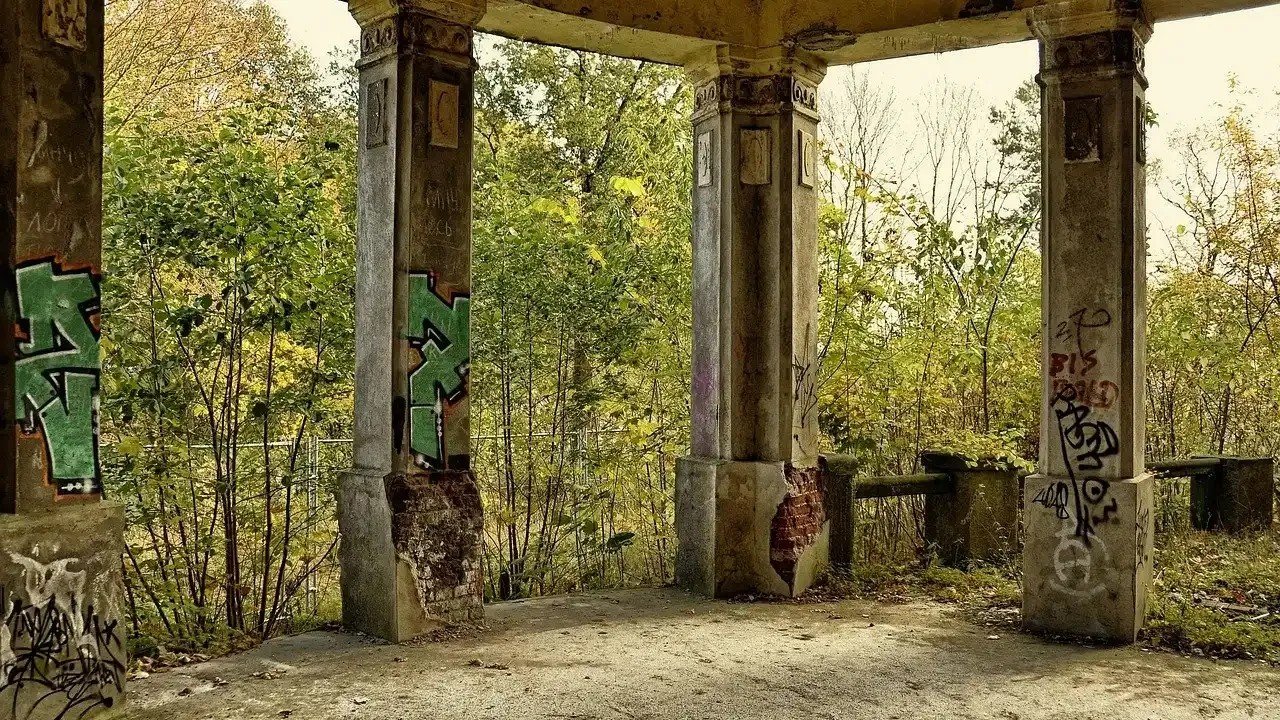
There is something quietly devastating about a place built entirely for joy that now stands in silence. Summer colonies were not just resorts or hotels – they were social worlds, seasonal rituals, and status symbols wrapped into one. The term “summer colony” is often used, particularly in the United States, to describe well-known resorts and upper-class enclaves, typically located near the ocean, lakes, or mountains of New England, the Northeast United States, or the Great Lakes. While some have roots in the 18th century, many began in the 19th century with the development of railroads and steamships and expanded with the invention of the automobile. What follows is a gallery of seven places that were once the envy of their era – and .
1. The Borscht Belt Bungalow Colonies, Catskill Mountains, New York
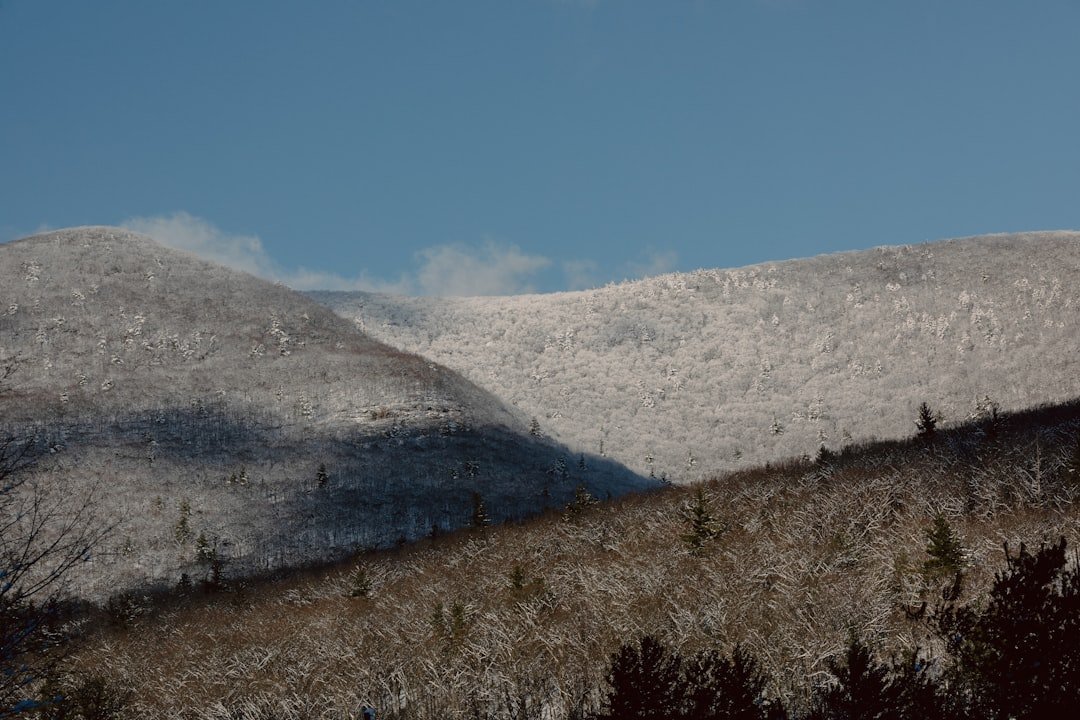
The Borscht Belt, or Yiddish Alps, is a region of the northeastern United States that had summer resorts catering to American Jewish vacationers, especially residents of New York City. The resorts, most later defunct, were located in the southern foothills of the Catskill Mountains in parts of Sullivan and Ulster counties. The exclusion of the Jewish community from existing establishments in the 1920s drove Jewish entrepreneurs to create over 500 resorts, 50,000 bungalows, and 1,000 rooming houses in Sullivan County and parts of Ulster County. Cheap air travel suddenly allowed a new generation to visit more exotic and warmer destinations, and that single shift began to hollow out the region. A Times of Israel article specifies that “the bungalow colonies were the first to go under, followed by the smaller hotels. The glitziest ones hung on the longest,” with some continuing to operate in the 1980s and even the 1990s. Bungalow colonies fell into disrepair, or many of the nicer ones have been converted into housing co-ops.
2. Grossinger’s Catskill Resort Hotel, Liberty, New York
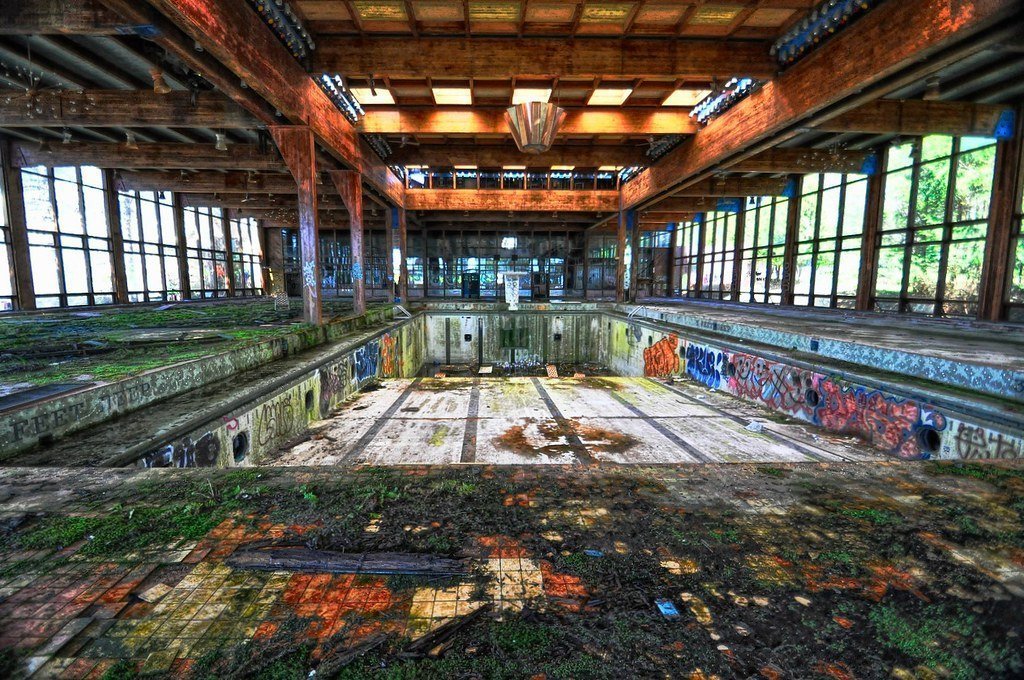
For much of the 20th century, Grossinger’s was a Catskills status symbol – a kosher resort where New York families escaped summer heat for pools, floor shows, and endless buffets. A kosher establishment particularly popular with wealthy Jewish families, Grossinger’s built a reputation as a luxurious summer retreat for New Yorkers in the upstate Catskill Mountains. It became the first ski resort in the world to use artificial snow in 1952, and during its heyday the hotel hosted big names like Elizabeth Taylor and Jackie Robinson. The property closed in 1986, and its grand lobbies, ski hill, and Olympic-size pool slowly surrendered to mold and vines. Urban explorers documented collapsing corridors and mossy ballrooms until demolition crews finally cleared most remaining structures in 2018. A remaining structure on the property was destroyed by fire in August 2022.
3. The Pines Hotel, South Fallsburg, New York
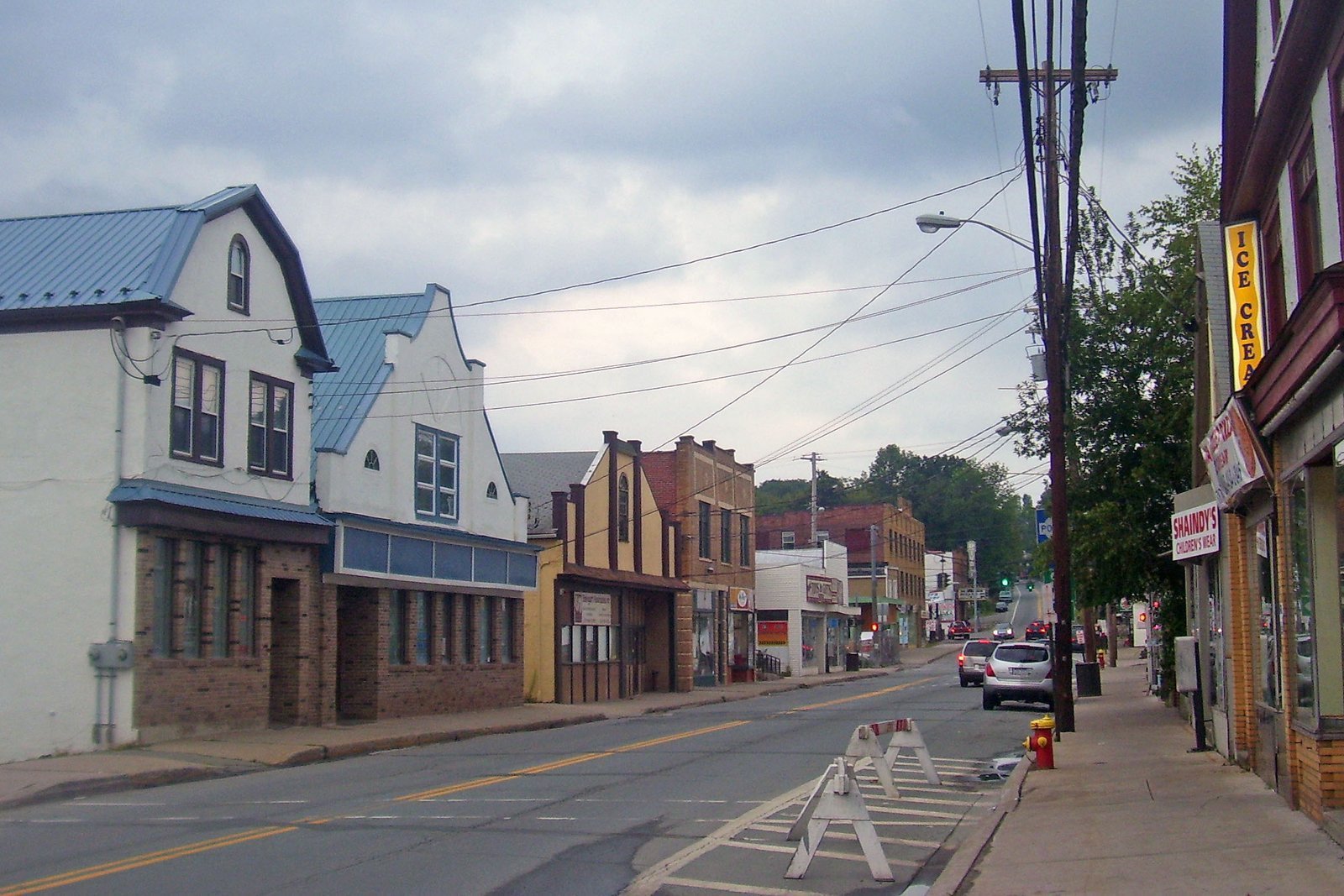
The Pines began as the Daisy View Hotel in South Fallsburg, offering guests modern amenities such as hot and cold water in every room, showers, tub baths, dancing, live music, and kosher dining. Renamed the Pines Hotel, it expanded into one of the largest resorts in the Catskills. Recreational facilities included tennis courts, skiing, golf, swimming, and other outdoor activities. The resort also featured multiple bars, a lounge, a ballroom, a card room, and a nightclub. The nightclub became a popular venue for entertainers such as Buddy Hackett, Robert Goulet, Tito Puente, Joan Rivers, and Tony Bennett. The Pines Hotel closed in 1998. The dilapidated main building and surrounding structures remained in a state of decay until it was destroyed in a fire in June 2023. The Pines Hotel golf course has been converted into a Jewish religious summer camp. Suspicious fires devastated the abandoned Pines resort on June 17, 2023, June 19, 2023, and October 29, 2024, the latter destroying the Regency and Savoy Buildings. The causes remain undetermined.
4. Varosha, Famagusta, Cyprus
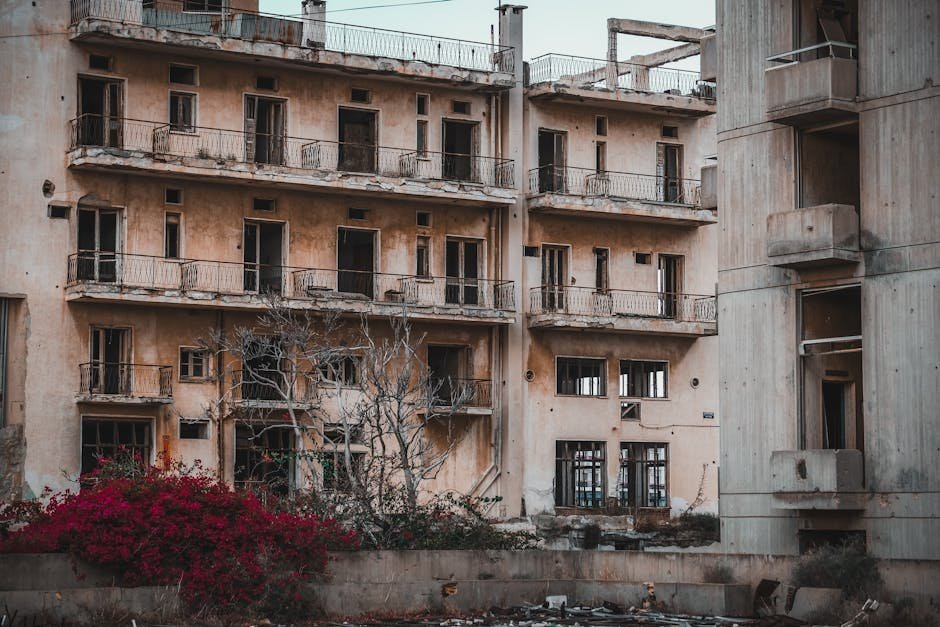
In the early 1970s, Famagusta was the top tourist destination in Cyprus. To cater to the increasing number of tourists, many new high-rise buildings and hotels were constructed. During its heyday, between 1970 and 1974, Varosha was one of the most popular tourist destinations in the world and was a favorite destination of such celebrities as Elizabeth Taylor, Richard Burton, Raquel Welch, and Brigitte Bardot. It welcomed around 700,000 tourists annually drawn with its allure and charm. Its Greek Cypriot inhabitants fled during the Turkish invasion of Cyprus in 1974, when the city of Famagusta came under Turkish control, and it has remained abandoned ever since. Within days, Varosha’s 39,000 Greek Cypriot residents fled, abandoning homes, businesses, and personal belongings. The UN Buffer Zone was established, and Varosha was fenced off by the Turkish military, rendering it completely inaccessible to civilians for decades. Nearly 5 million people visited Varosha by the end of 2025, though a 2024 study by the University of Famagusta found that 68% of Greek Cypriots disapprove of “ruin tourism” in Varosha, calling it disrespectful to dispossessed families.
5. Elkmont Summer Colony, Great Smoky Mountains, Tennessee
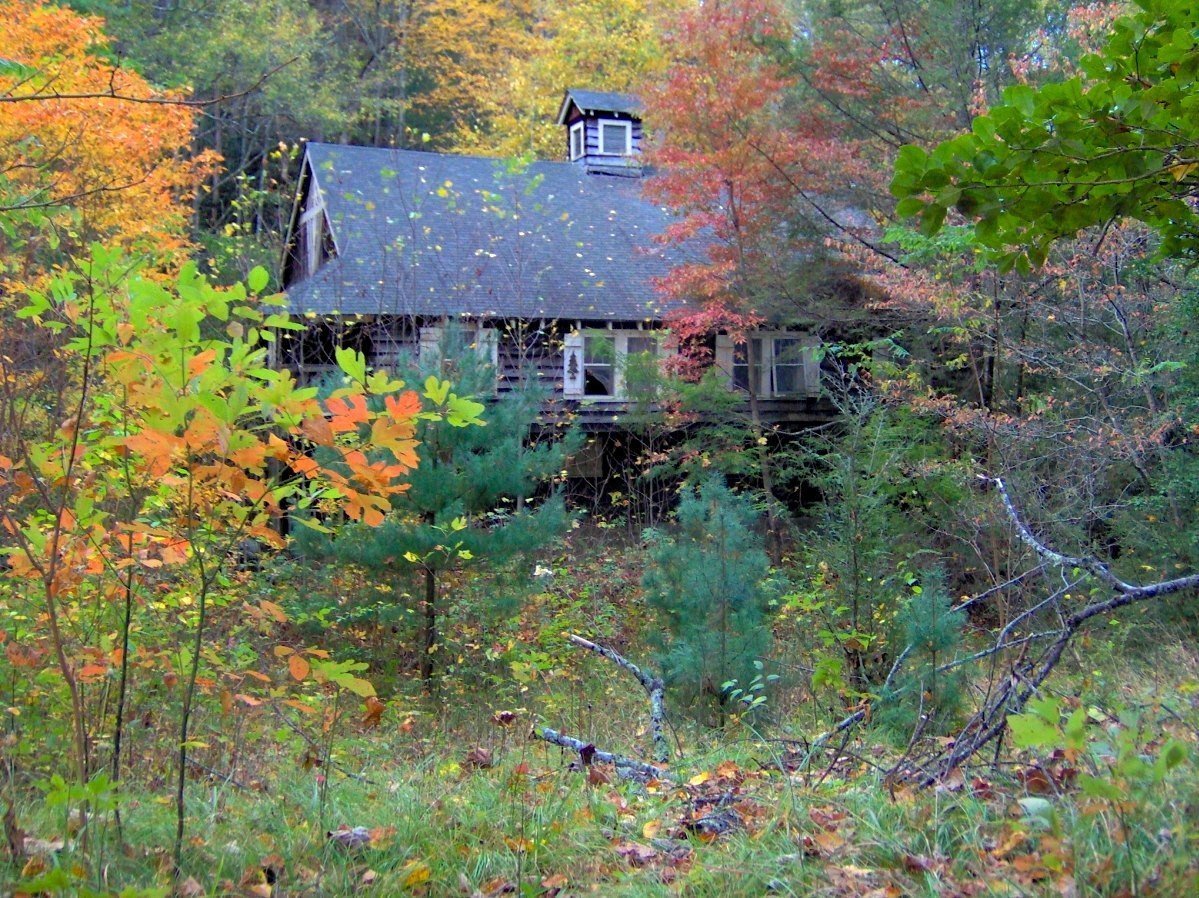
Elkmont is a region situated in the upper Little River valley of the Great Smoky Mountains of Sevier County, in the U.S. state of Tennessee. Throughout its history, the valley has been home to a pioneer Appalachian community, a logging town, and a resort community. By 1910, the Little River Lumber Company began selling plots of land to hunting and fishing enthusiasts from Knoxville, who established the “Appalachian Club” just south of the logging town. In 1912, a resort hotel, the Wonderland Park Hotel, was constructed on a hill overlooking Elkmont. A group of Knoxville businessmen purchased the Wonderland in 1919 and established the “Wonderland Club.” The National Park Service did not renew the leases in 1992, and under the park’s general management plan, the hotel and cottages were to be removed. In 1994, however, the Wonderland Hotel and several dozen of the Elkmont cottages were listed on the National Register of Historic Places as Elkmont Historic District, Great Smoky Mountains National Park, sparking a 15-year debate over the fate of the historic structures. In 2005, the largest of these buildings, the Wonderland Hotel, collapsed due to structural failure and was cleared, with the exception of parts that were deemed historic.
6. Bayocean, Oregon – “The Atlantic City of the West”
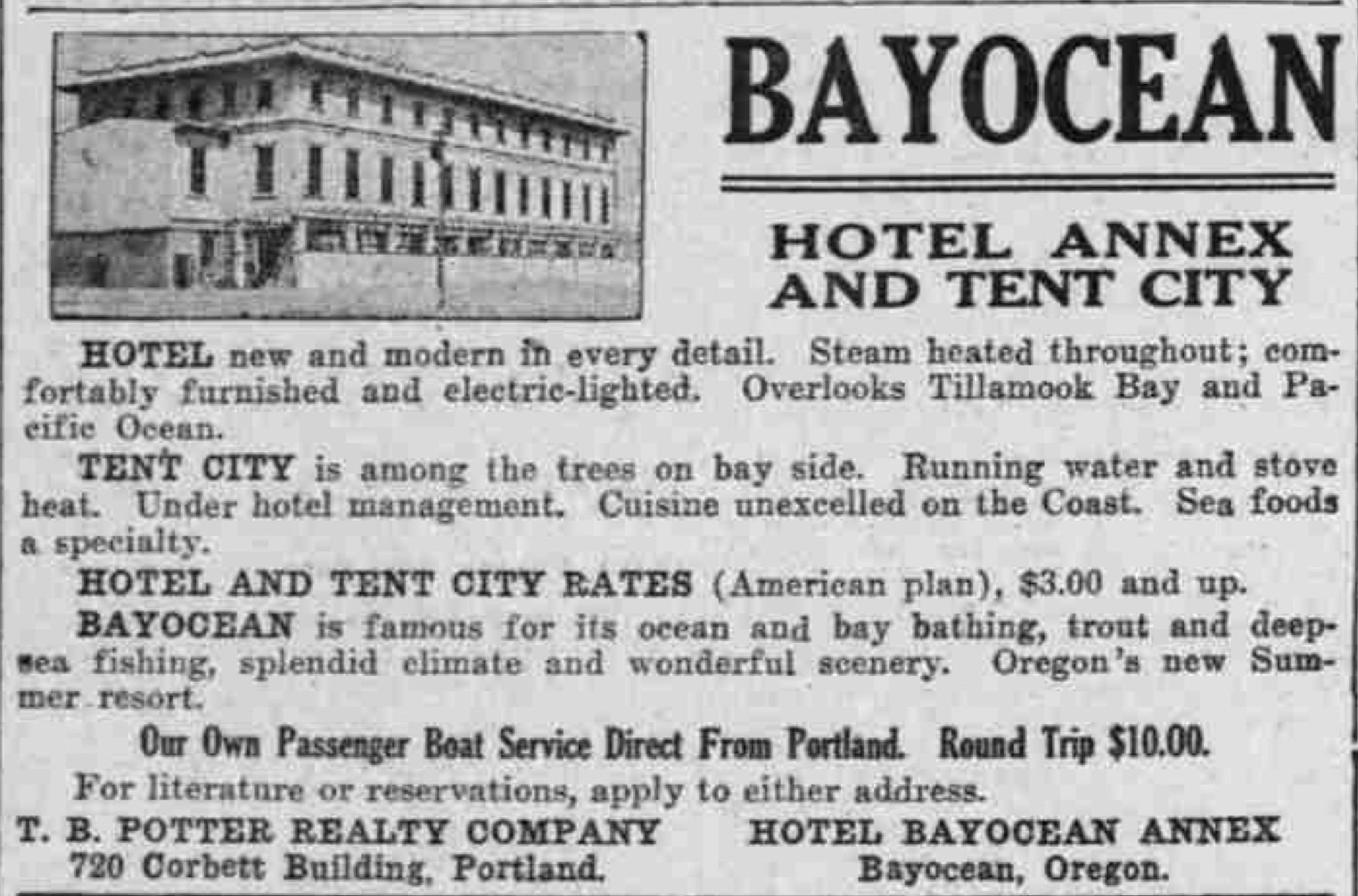
Bayocean was an ambitious coastal resort town in Oregon, marketed as the “Atlantic City of the West” before becoming abandoned. The town flourished between 1906 and 1914 with 2,000 residents, luxury amenities, and modern infrastructure including a heated natatorium. Developers constructed a heated natatorium with a wave machine, plus entertainment venues like bowling alleys and a 1,000-seat theater. They also established transportation solutions with their own railroad system and the Pacific Coast’s largest yacht to ferry visitors from Portland. Poor engineering decisions, specifically building only one jetty, led to devastating coastal erosion that destroyed the community. By 1952, ocean erosion breached the peninsula, turning it into an island and forcing remaining residents to abandon their homes. Today, Bayocean is completely submerged, with no remaining structures, serving as a cautionary tale of coastal development failures.
7. Villa Epecuén, Buenos Aires Province, Argentina
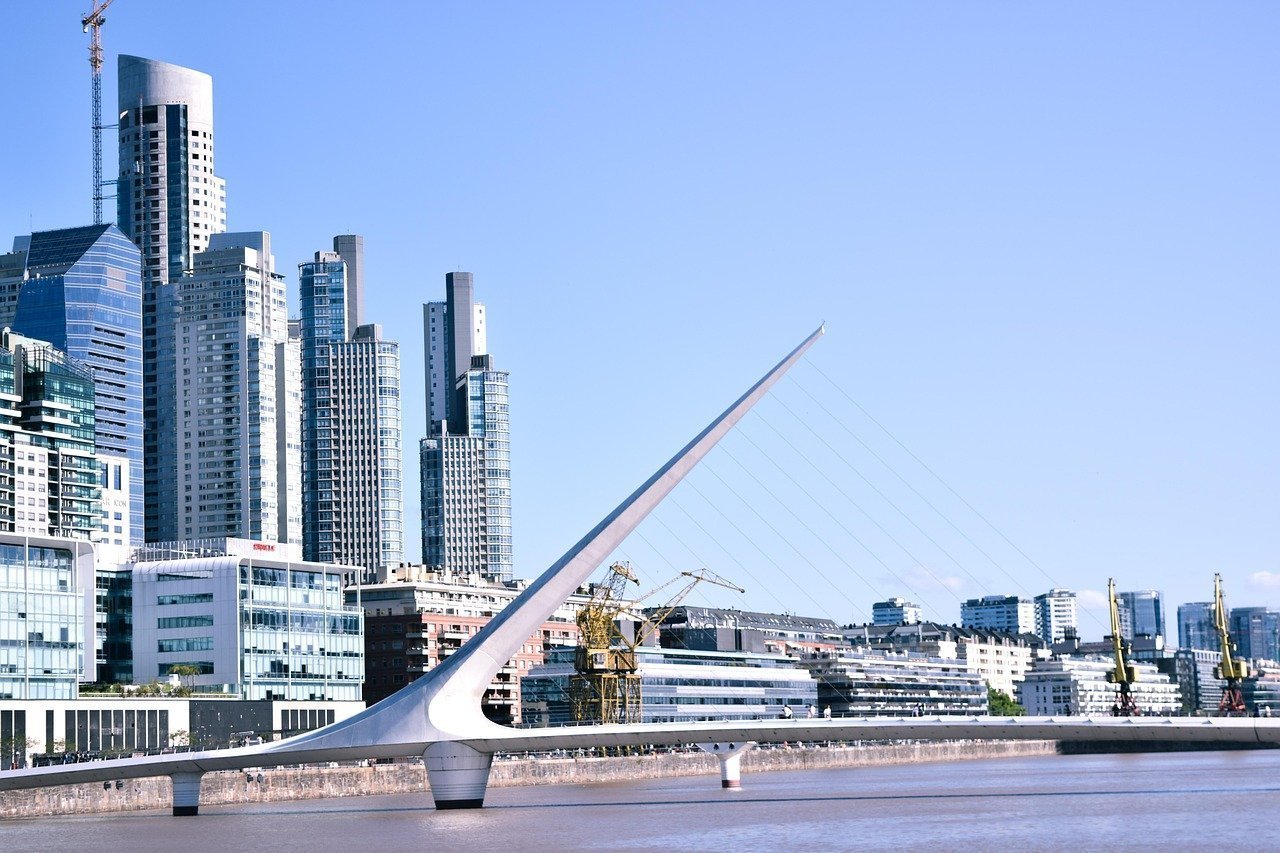
The first resort was established on the lake’s shores in 1921. The town eventually grew to have 2,000 residents, plus an additional 20,000 summer visitors each year. Back then, no one could have predicted that the lake, which had invigorated this little resort town, would also be its downfall. Once a tourist-loved spa town that capitalized on the salty waters of the bordering Lake Epecuén, in 1985 a heavy storm broke down a dam and the lake’s waters came flooding into the village, completely submerging it for decades. The city became Argentina’s version of the lost city of Atlantis, sunken beneath the waters for 25 years before reemerging, dripping and corroded, when the water receded in 2011. A man named Novak was later called “Argentina’s loneliest man” by CNN because, about 20 years after the flooding, he moved back into the deserted Villa Epecuén and was the town’s only resident until his death in 2024. Villa Epecuén has no inhabitants today, though visitors interested in the eerier side of travel can come explore the town’s ruins, peruse a museum with artifacts left behind, and even take a dip in the purported healing waters of Lake Epecuén.
8. Kupari Military Resort, Croatia
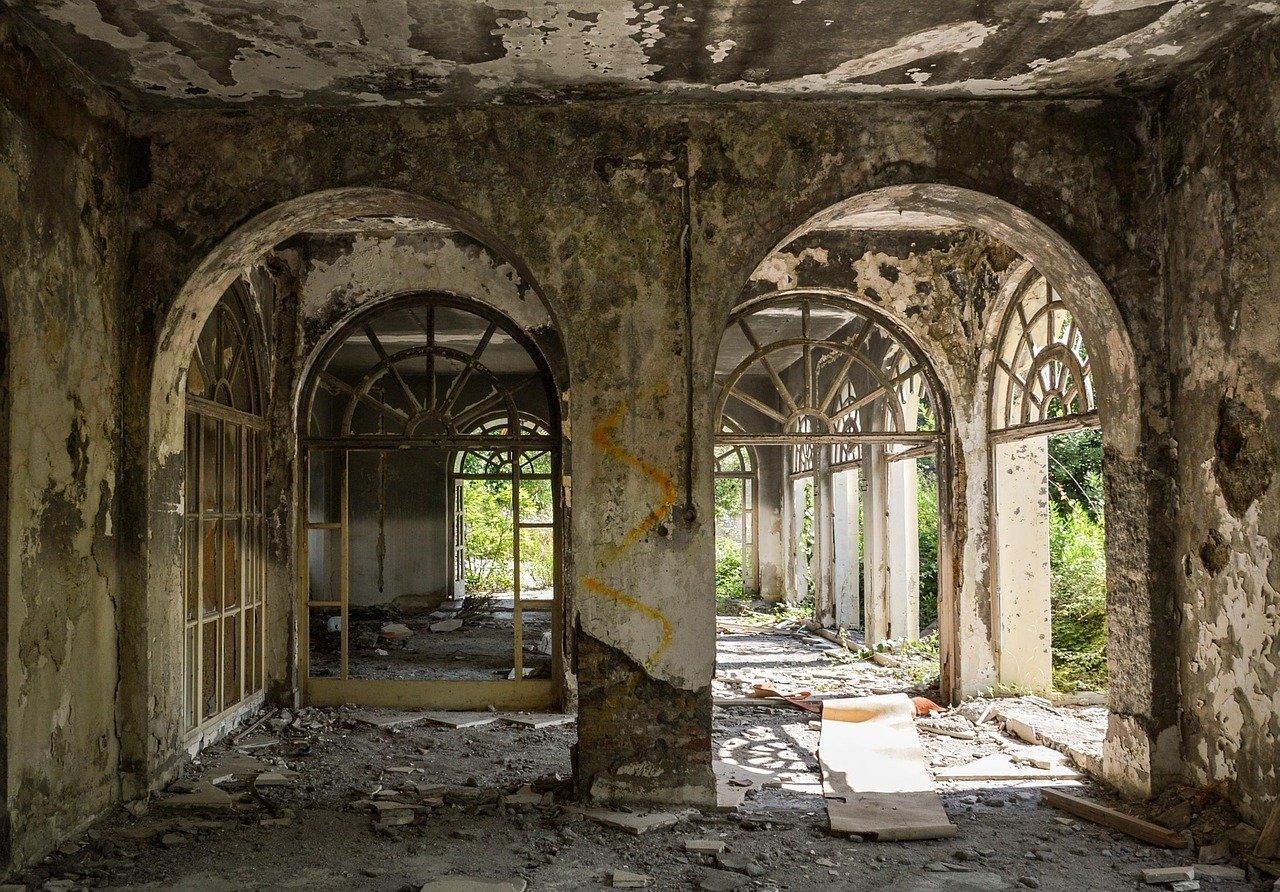
South of Dubrovnik, Kupari was built in the 1960s as a luxurious seaside complex for Yugoslavia’s military elite, with several modernist hotels facing a calm Adriatic bay. During the Croatian War of Independence, shelling gutted the buildings, leaving exposed stairwells, shattered baths, and scorched ballrooms. For decades, the resort sat open to the sea and the wind, attracting photographers and urban explorers while redevelopment plans repeatedly stalled. When the Croatian War of Independence broke out in 1991, the resort was heavily bombed. Once-thriving swimming pools and hotels – such as the Hotel Pelegrin, once the largest hotel on the Adriatic coast – were left to graffiti artists, vandals, and the weather. The enormous site became a popular destination for urban explorers, and the saga surrounding its possible redevelopment has dragged on for years. The site is still an ideal resort location, but numerous owners, building restrictions, and piles of paperwork have made restoration complicated. For now, the battered buildings still stand derelict.
9. Coco Palms Resort, Kauai, Hawaii
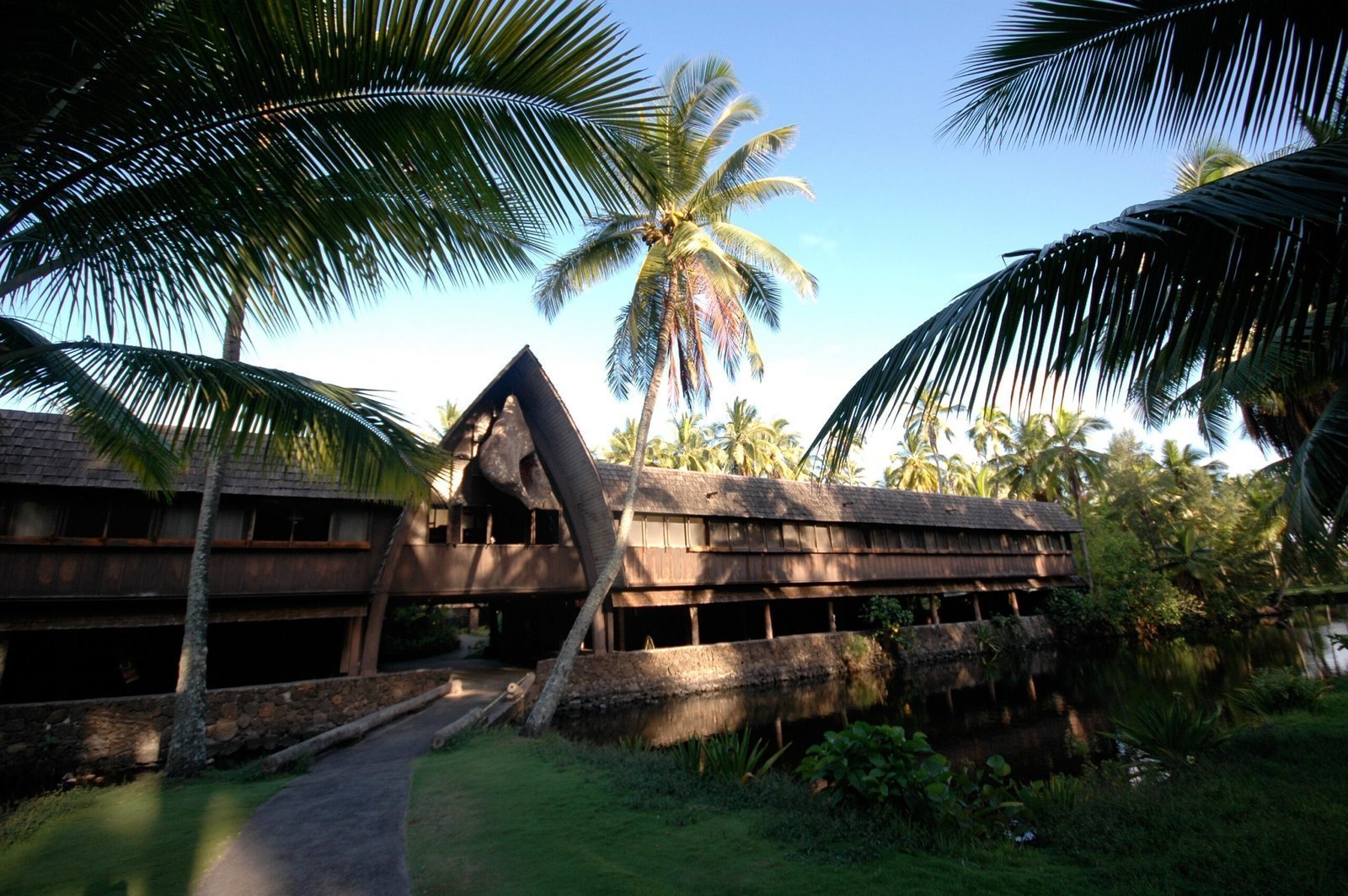
On Kauai, Coco Palms hosted stars such as Elvis Presley, who filmed scenes from “Blue Hawaii” among its coconut groves and lagoon-style pools. Hurricane Iniki smashed into the island in 1992, shredding roofs and gutting rooms, and the resort never reopened. For decades, its shell sat behind fences, overgrown and graffitied, while competing proposals to rebuild stalled. Originally opened in 1953, this resort became extremely popular after it appeared in the 1961 Elvis Presley film Blue Hawaii. It closed in 1992 after sustaining significant damage from Hurricane Iniki, and lay shuttered for decades. Hyatt attempted to reopen the resort in 2018, but the project collapsed. Now developers are trying again, and refurbishments started in early 2024 with a view to reopening in 2026.
10. Bokor Hill Station, Kampot Province, Cambodia
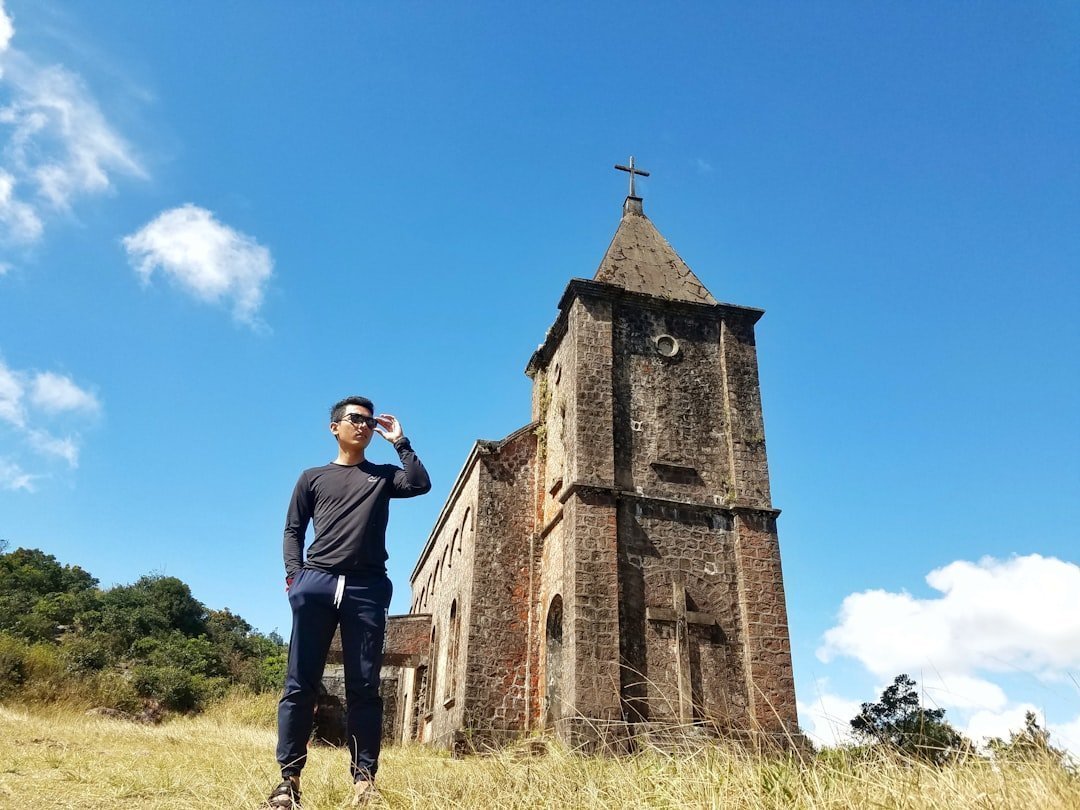
Bokor Hill Station was created by French colonists – or rather, by the enslaved Cambodians they conscripted into forced labor, many of whom died in the process. The luxury resort, including a hotel and casino, hosted nearly 30 years of European parties before Cambodia gained independence from France in 1953. After being abandoned by the European elite, the Cambodian upper class claimed it as their own until the 1970s, when Pol Pot and the Khmer Rouge took control of Bokor Hill. Again, the town was left to rot. Bokor Hill Station was a resort town built by colonial French settlers in 1921. Part of the Bokor Hill Station – a complex of French-colonial buildings constructed in the 1920s atop Bokor Mountain in Cambodia – this majestic hotel served as a mountain retreat for European elites while Cambodia was under French rule, but was abandoned in the 1940s. The fog-wrapped ruins, perched thousands of feet above the jungle, remain one of Southeast Asia’s most hauntingly photogenic places, frozen in the silence left behind by two separate abandonments across two separate eras of violence.