
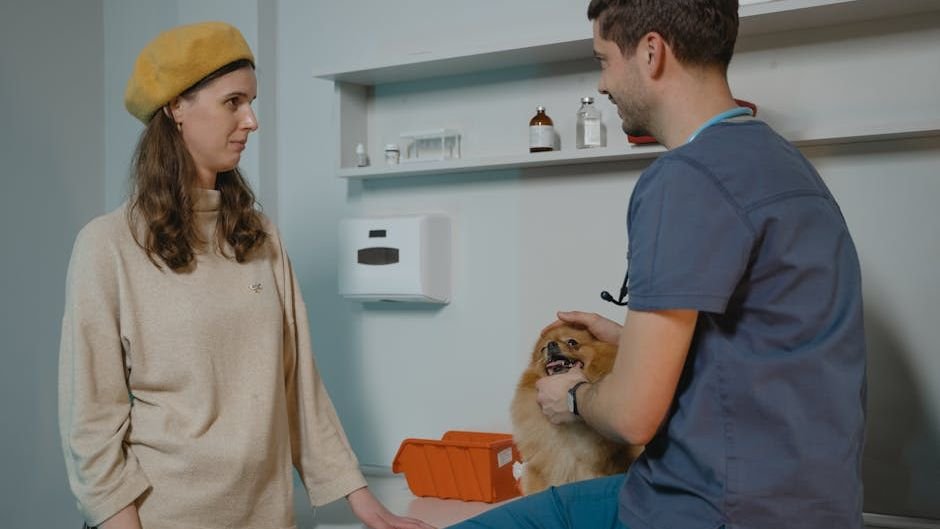
Veterinarians get a quick read on pet owners the moment you step into the clinic. In the waiting room or during those first exchanges, they pick up clues about your bond with your animal. These observations help them tailor advice right from the start. It’s not judgment, just professional insight into how you care for your companion.[1]
1. The Natural Flow of Affection Between You and Your Pet
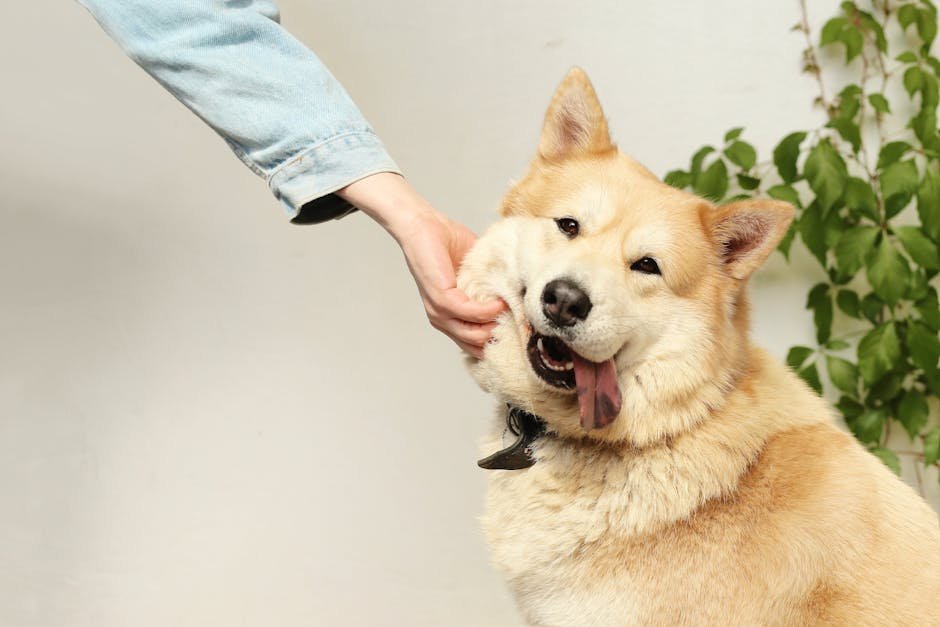
Vets spot easy physical contact right away, like your hand casually stroking your dog’s ear while waiting. This back-and-forth touch shows a deep comfort level built over time. Stiff or absent affection hints at a less connected routine at home. Such moments in the lobby set the tone before any exam begins.[1]
Owners who lean in as their pet nuzzles close demonstrate trust that’s obvious to trained eyes. Meanwhile, pets ignoring their people or vice versa raises quiet flags. These interactions reveal daily habits without a word spoken. Vets use this to gauge how responsive your pet might be during care.
2. Whether Your Pet Looks to You for Comfort
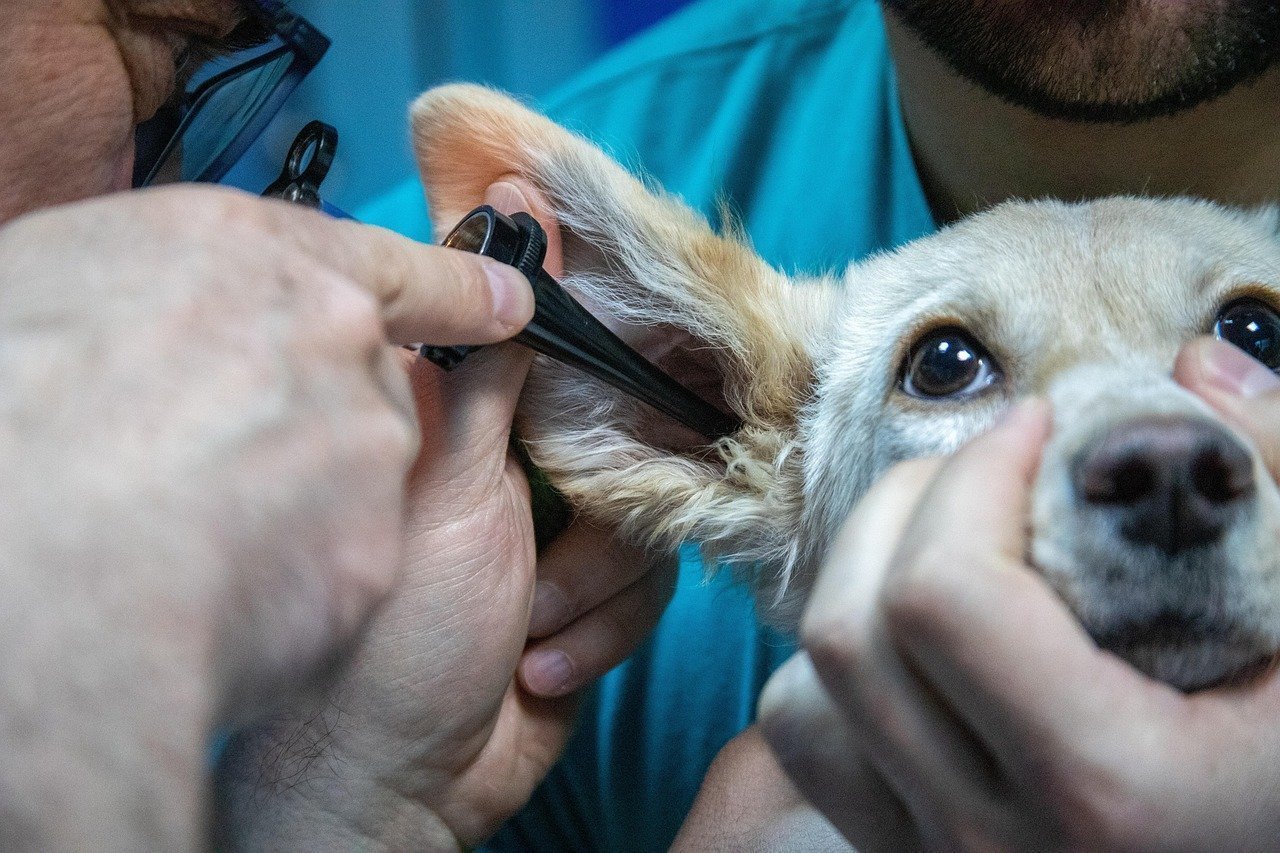
In the waiting room bustle, vets notice if your cat glances your way when noises startle it. A quick reassuring pat from you calms them, proving you’re the safe harbor. Pets that pace alone or seem indifferent often come from setups lacking that security. This dynamic emerges fast, shaping the vet’s approach.[1]
Trained observers see dogs settling with one touch from familiar hands. Yet others stay wound up, scanning for threats without owner anchor. Such patterns reflect home life accurately. It helps vets decide on gentle handling from the outset.
3. How You Talk About Your Pet’s Daily Quirks
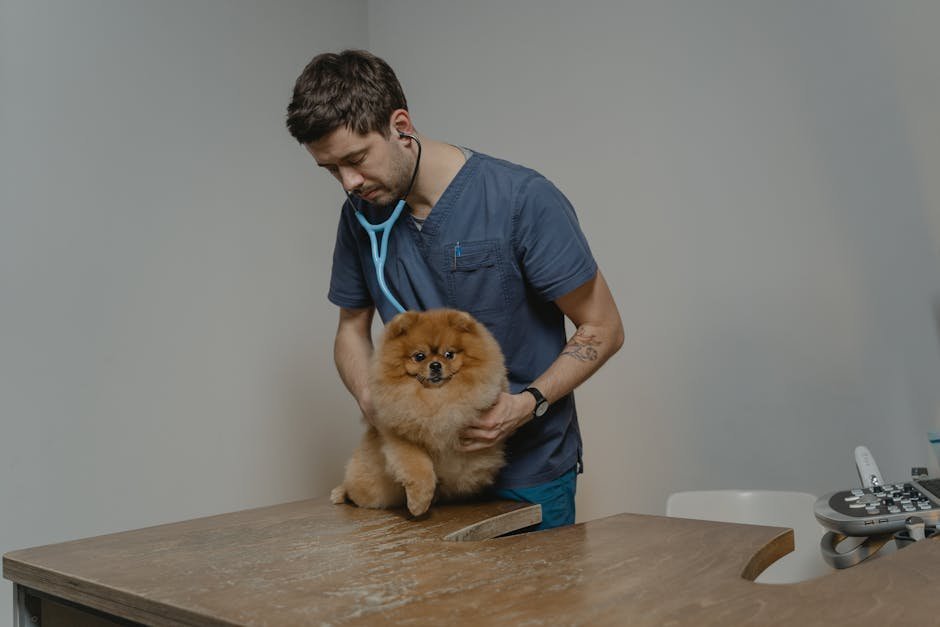
From the check-in desk, owners chatting about their pet’s odd pre-bed spin or favorite perch stand out. Vets note this detail-oriented recall as a sign of true attentiveness. Vague descriptions like “he eats” suggest less engagement. These early words paint your involvement clearly.[1]
Real stories flow naturally from dedicated caregivers during brief waits. Generic info, however, signals routine over relationship. Professionals listen closely here for context. It informs everything from questions to treatment plans.
4. If You Spot Subtle Changes in Your Pet
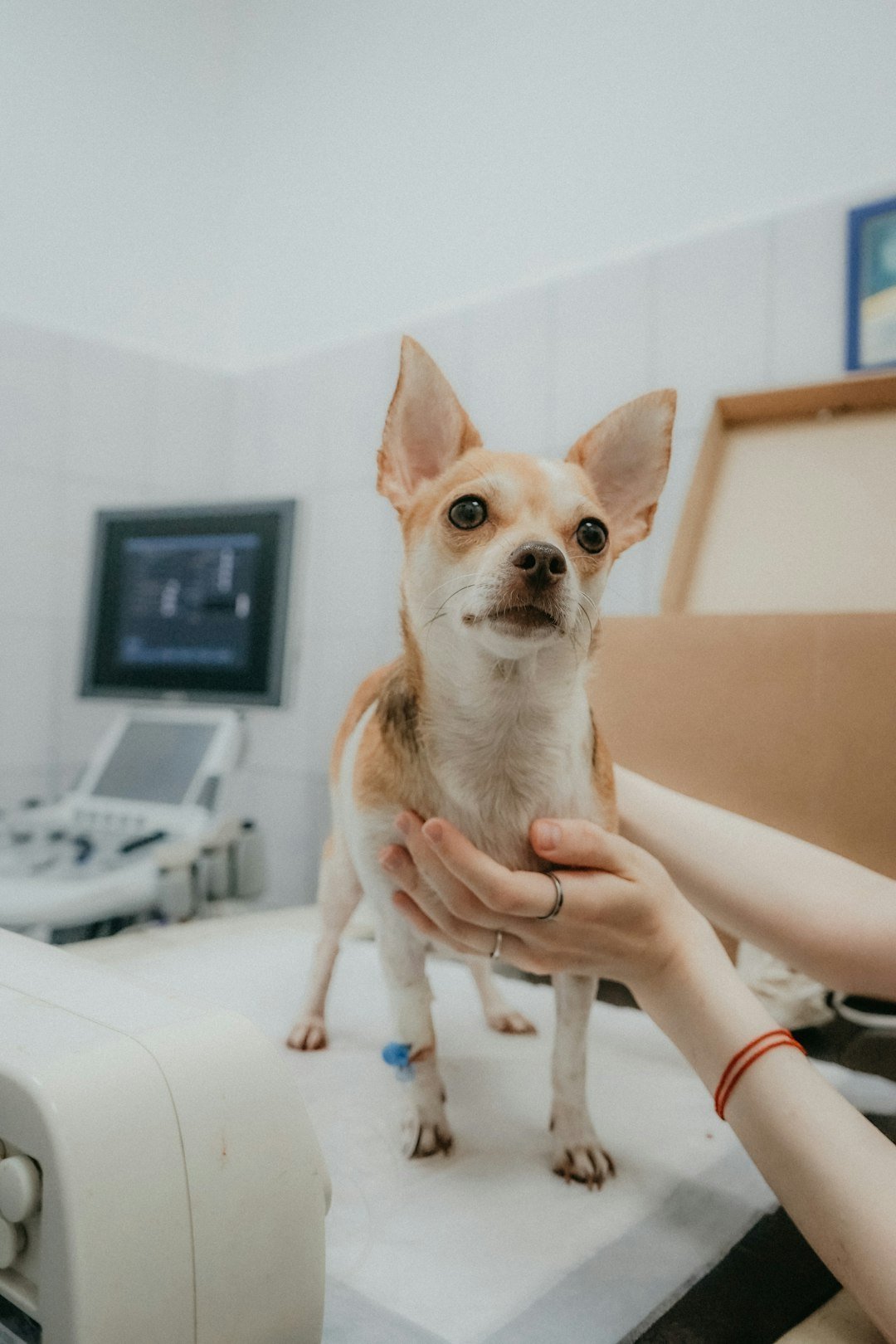
Mentioning a recent limp or appetite dip before prompted impresses vets immediately. This vigilance shows you’re tuned into baselines others miss. Late reports of big issues point to oversight. Front-desk talks reveal this awareness quick.[1]
Sharp owners flag ear twitches or energy shifts unasked. Others wait for obvious crises. Vets value proactive types for better outcomes. Early clues like these guide efficient visits.
5. Your Use of “We” When Describing Issues
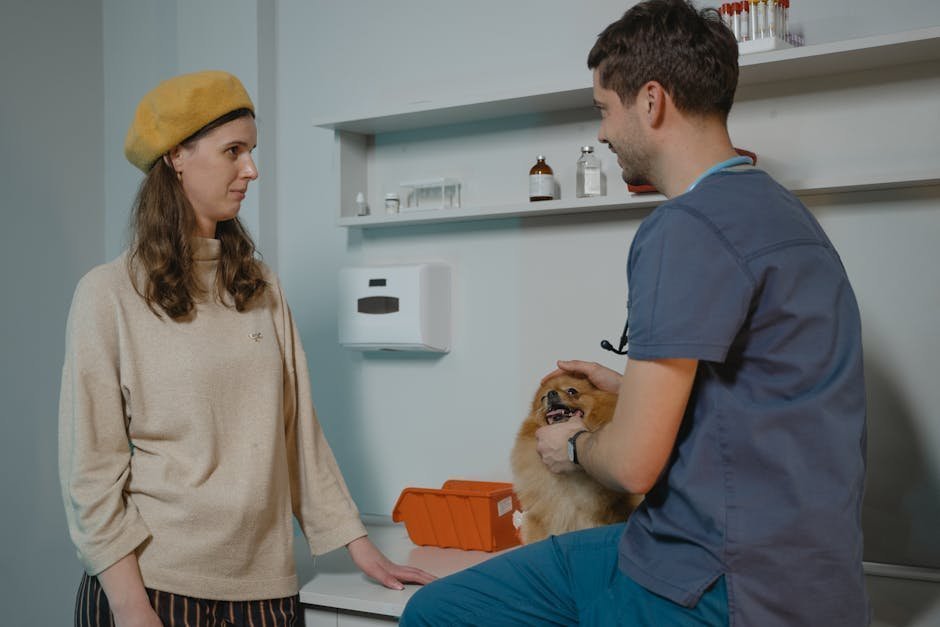
Hearing “we’ve had tummy troubles” versus “the dog puked” catches vets’ ears at intake. Inclusive language frames pets as family teammates. Detached phrasing feels more custodial. This slips out naturally in first moments.[1]
Team-oriented talk builds instant rapport with staff. Solo owner narratives distance the bond. Vets respond better to shared journeys. It eases collaboration from go.
6. The Questions You Bring to the Table
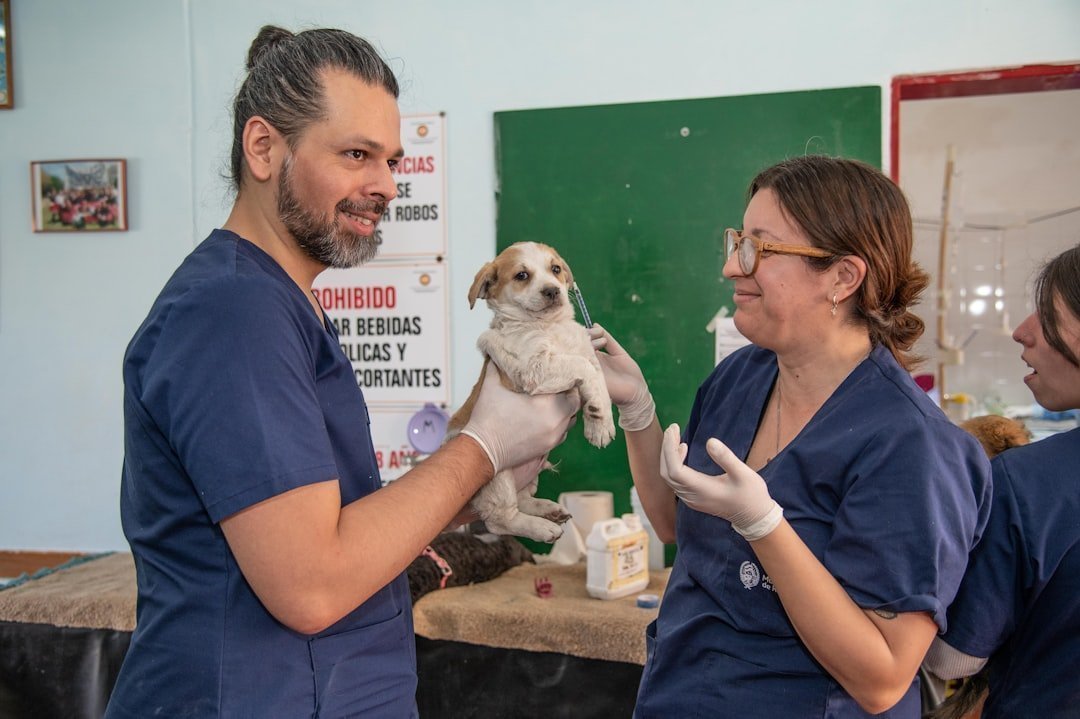
Owners pulling out notes on meds or home remedies signal engaged partners. Vets appreciate this prep during wait-area waits. Cost-only queries suggest different priorities. Preparation shines early.[1]
Curious types ask about long-term care unprompted. Transactional ones rush to basics. This mindset affects whole interactions. Pros tailor responses accordingly.
7. Efforts to Prioritize Your Pet’s Comfort
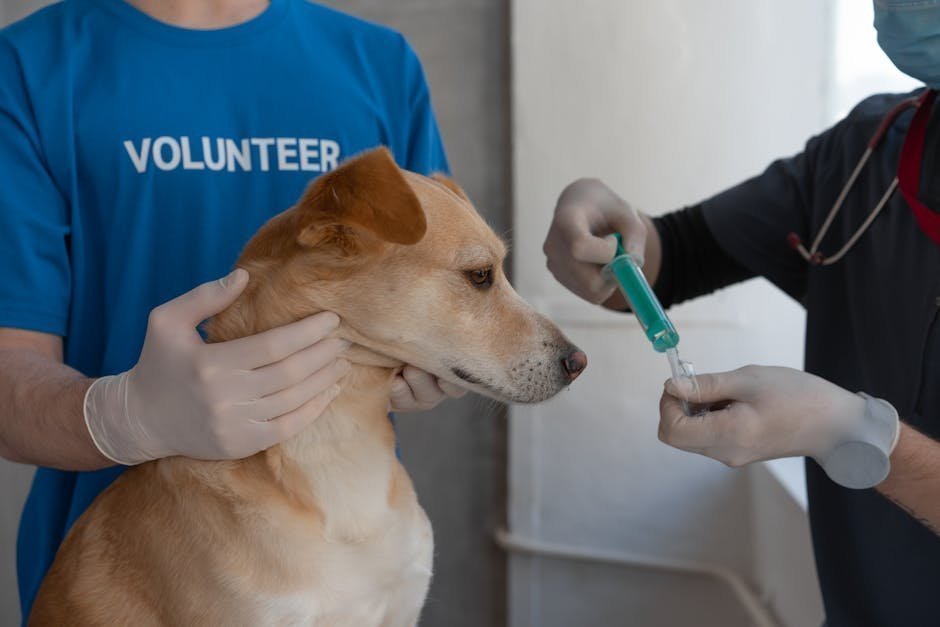
Arriving with familiar blankets or toys shows thought for stress reduction. Vets clock these accommodations in the lobby. Convenience-driven folks skip such steps. Dedication appears in details.[1]
Sacrificing schedules for calm arrivals marks true commitment. Basic setups without extras hint otherwise. Observations here predict cooperation. It smooths the entire process.
Conclusion
These quick glimpses help vets connect and care effectively. Small habits speak volumes about your partnership. Keep nurturing that bond for happier, healthier visits ahead.