
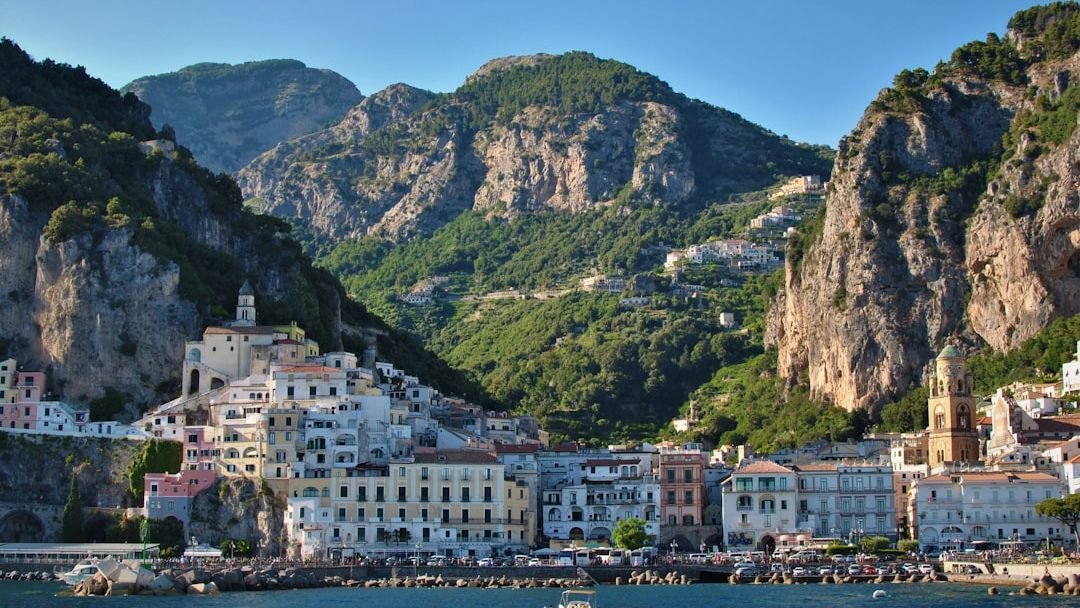
Imagine buying a house for €1. Or receiving a check for €30,000 just for deciding to call a sun-drenched Italian village your home. It sounds like one of those social media myths that are too good to be true. Honestly, I get it. But it is very real – and the story behind it is both fascinating and a little heartbreaking.
According to ISTAT estimates, roughly 6,000 Italian villages with populations under 5,000 are at risk of disappearing, and many have already turned into “città fantasma” – ghost towns. Italy’s resident population, now about 59 million, is expected to decline to 54.7 million by 2050. That’s a country quietly hollowing itself out from the inside, and some of the most beautiful villages on Earth are paying the price.
So what are these places actually offering? Who qualifies? What do they want in return? The details are far more interesting than any headline. Let’s dive in.
1. Mussomeli, Sicily – The €1 House That Costs So Much More

Deep in the heart of Sicily’s Caltanissetta province sits Mussomeli, a town whose famous €1 house scheme has made the idea of living there a tempting prospect for people across the world. The pictures circulating online are gorgeous. Stone houses, medieval architecture, and Sicilian sunshine in every frame.
Mussomeli is selling homes for €1, but buyers must renovate them within three years at a cost of between €20,000 and €50,000. That renovation bill is not optional – it is a condition of the purchase. In Mussomeli, over 70% of buyers are international, which tells you something about who is actually drawn to these deals. Mostly foreigners chasing a dream, not locals coming home.
2. Sambuca di Sicilia – The Town the New York Times Called a Treasure
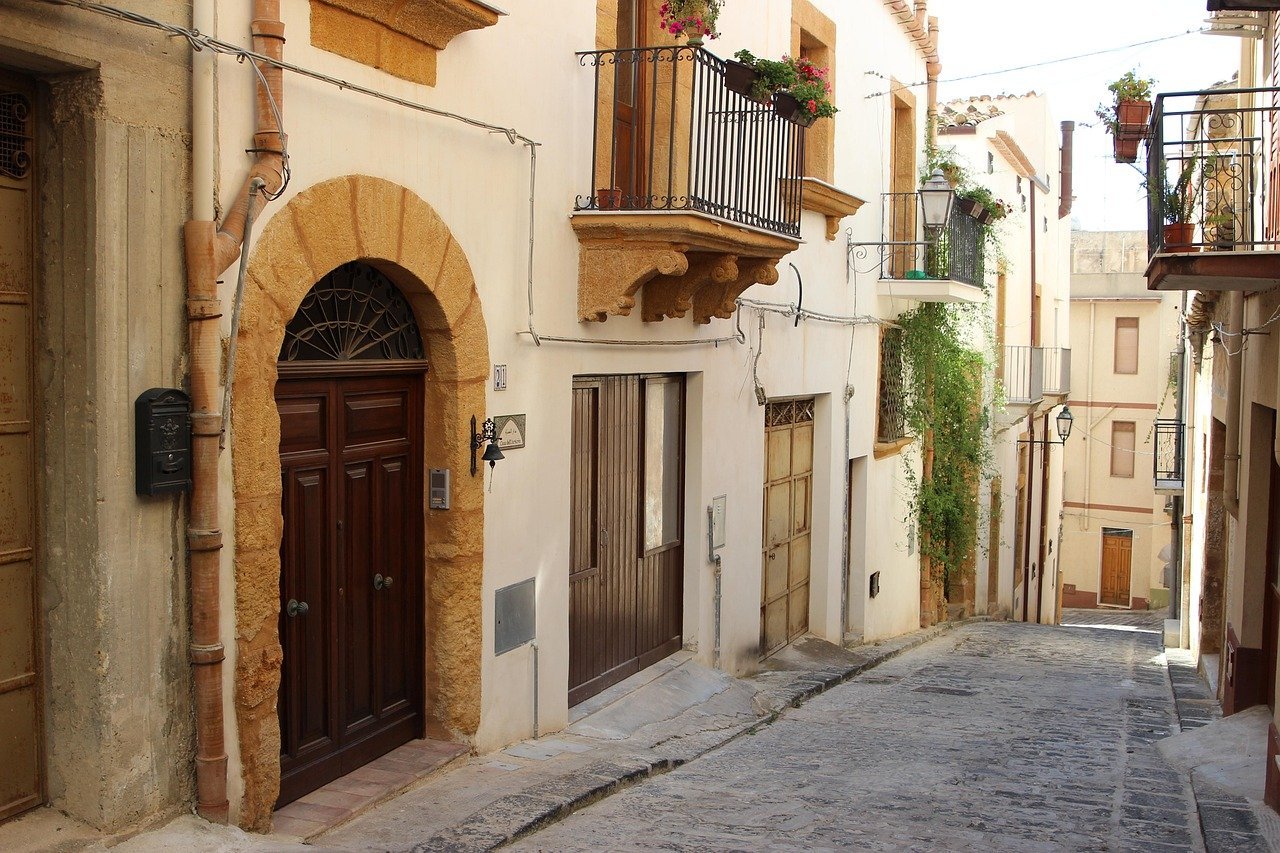
Located in the heart of Sicily, Sambuca di Sicilia is a small Italian town offering a €1 home program to attract new residents. This particular village got an enormous boost in global attention after major media coverage. CNN reported on families from the U.S. turning ruins into B&Bs, and the New York Times called Sambuca “one of the Mediterranean’s most coveted villages.”
In Sambuca, the deal requires owners to invest €15,000 into refurbishing the properties within three years of signing contracts, and to make sure it happens, city officials take a €5,000 security deposit that is returned once the work is completed. If the renovation is not completed in that time, you will lose ownership of the property. The clock starts ticking the moment you sign.
3. Presicce-Acquarica, Puglia – €30,000 to Move to the Heel of Italy’s Boot
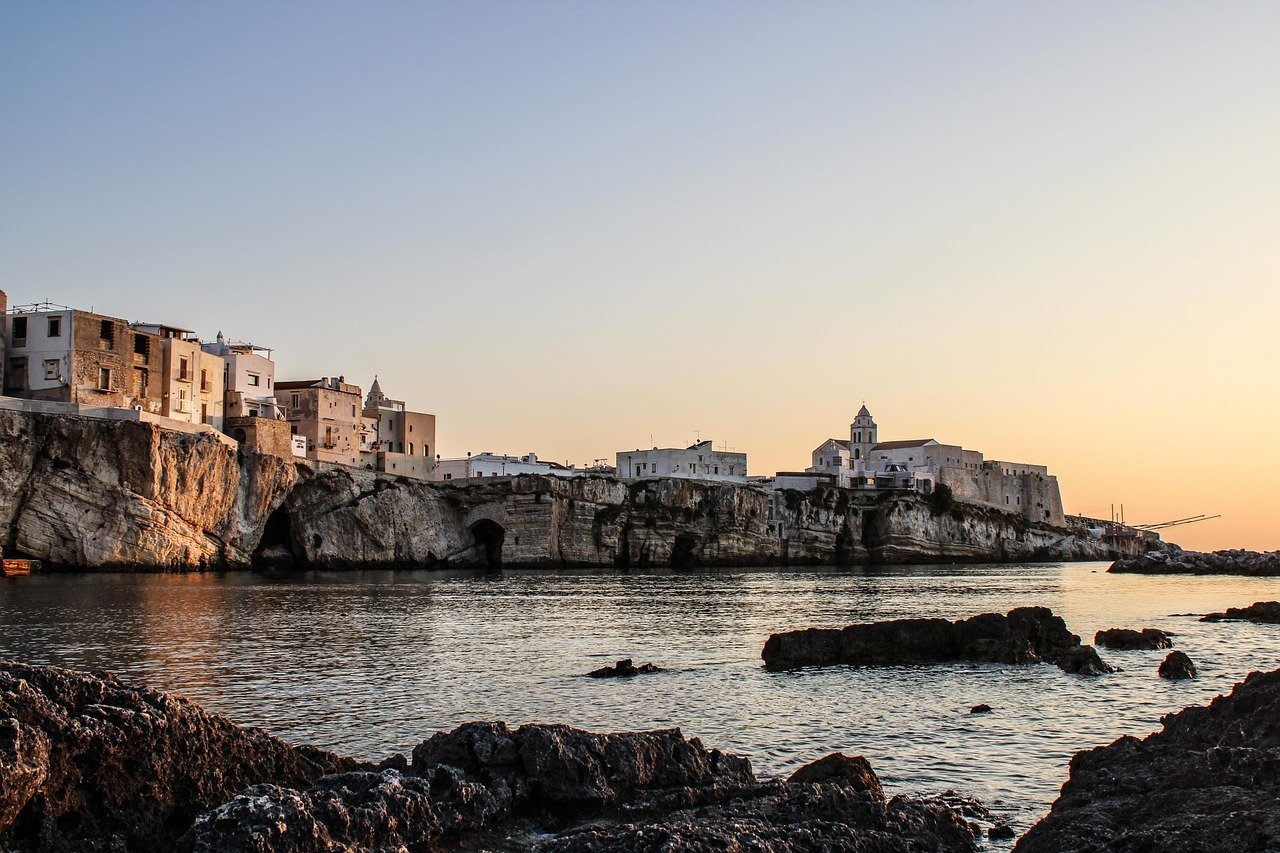
Presicce-Acquarica, a municipality comprising the two towns of Presicce and Acquarica del Capo, lies at the southern tip of Italy’s Puglia region. Like many small towns, it has been suffering a dwindling population as residents have relocated to cities in search of better job opportunities. The town decided to fight back with serious cash.
The houses up for sale as part of the deal are priced from around €25,000. The grant offers up to €30,000 to attract new residents, and you must use this money to buy a house built before 1991 in that area. In 2024, 150 people died in Presicce-Acquarica, while only 60 children were born – a stark number that explains exactly why the town is so desperate to attract young families. Fifty families moved in over two years following the scheme’s launch, and for the first time in a decade, the birth rate surpassed the death rate.
4. Ollolai, Sardinia – The Mountain Village That Went Viral (Twice)
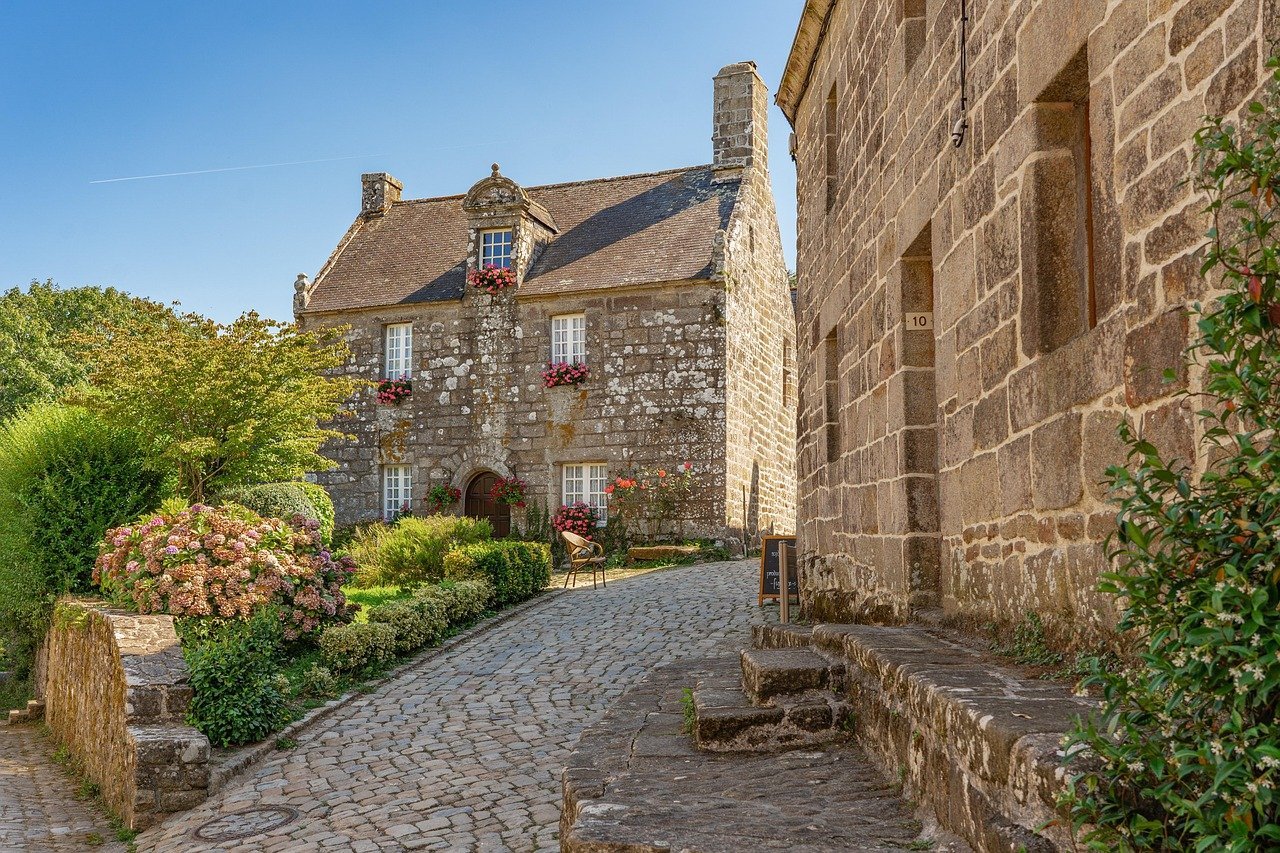
First launched in 2018 to combat depopulation, the €1 house project in Ollolai offers abandoned homes in the historic centre for just one euro – on the condition that buyers commit to renovating the properties within three years. The village became something of an international celebrity after it appeared in a Dutch reality show, turning the entire town into an open-air set for a time.
The initiative is now gaining renewed international attention, particularly from Americans seeking a slower-paced lifestyle, with interest surging after the 2024 U.S. presidential election. After Donald Trump’s election, the municipality of Ollolai posted a direct message: “Want to leave the United States after Trump’s victory? Then come to Ollolai, where you can even get homes for €1.” Bold. Effective. Thoroughly Italian.
5. Trentino – Up to €100,000 for a Mountain Renovation Dream

The northern Italian region known as Trentino, or officially the Autonomous Province of Trento, will pay residents of Italy or Italians living abroad to renovate one of the many abandoned houses in the region where the Dolomites meet the Alps. This is one of the largest and most generous schemes in the entire country, and it is still very much active in 2026.
The €100,000 must be put towards renovating an abandoned house – specifically €20,000 to help purchase the property and €80,000 for the renovation works. You need to live in the property for a minimum of 10 years, or rent it out at a moderate rate, to avoid having to repay the grant. The 33 towns being considered for the project are all on the brink of extinction, with the number of empty and abandoned houses outnumbering those that are inhabited.
6. Molise – Monthly Payments for Moving to Italy’s Forgotten Region

The Molise region pays up to €27,000 – distributed as €700 to €900 per month over three years – for relocating to villages with populations under 2,000, such as Fornelli, Pizzone, or Castel del Giudice. Think of it like a salary just for showing up and staying. Molise is often described as the region of Italy that Italians themselves forget exists – a truly hidden corner of the country.
Recipients must live in the region for at least five years after relocation and are expected to start a small business or work in an in-demand field such as agriculture. Here’s the thing – in some regions like Molise, most new residents left as soon as the payments stopped, which raises a fair question about whether monthly incentives create genuine communities or just temporary visitors chasing cash.
7. Tuscany’s Mountain Villages – Grants for Remote Workers and New Residents

Under the local “Residenzialità in Montagna 2024–2025” program, foreigners can receive grants ranging from €10,000 to €30,000 for moving to mountain towns in Tuscany with populations under 5,000, such as Garfagnana or Apennine villages like Abetone. This is a different kind of deal than the €1 house schemes – it is a direct cash incentive tied to the purchase and renovation of a property, or covering relocation costs.
Radicondoli, one of the participating Tuscan villages, says it has high-speed broadband, a green energy programme, and financial aid earmarked for students – which is actually quite forward-thinking for a medieval hilltop town. The council of Radicondoli also announced it will cover half of the first two years’ rent for new tenants arriving before early 2026. Honestly, for remote workers especially, that is a genuinely compelling package.
8. Zungoli, Campania – A Beautifully Restored Village With Strings Attached

In Campania, Zungoli, a medieval town, has opened its empty homes to international buyers. The village is frequently listed as one of the most beautiful in Italy, which gives it a distinct advantage over some of the more obscure depopulating towns. It already had the bones of a showpiece village – it just needed people to fill it again.
Zungoli has joined a €1 home initiative, with a refundable deposit of between €2,000 and €5,000 and a 50% cost claim-back offer, all aimed at revitalizing its historic center and attracting new residents. The headline price is tempting, but it is crucial to understand that these homes are almost always in a state of complete disrepair. A €1 price tag on a crumbling roof, unstable walls, and outdated plumbing is less of a deal and more of a test of your commitment – and your budget.
The Real Catch – What No Headline Ever Tells You
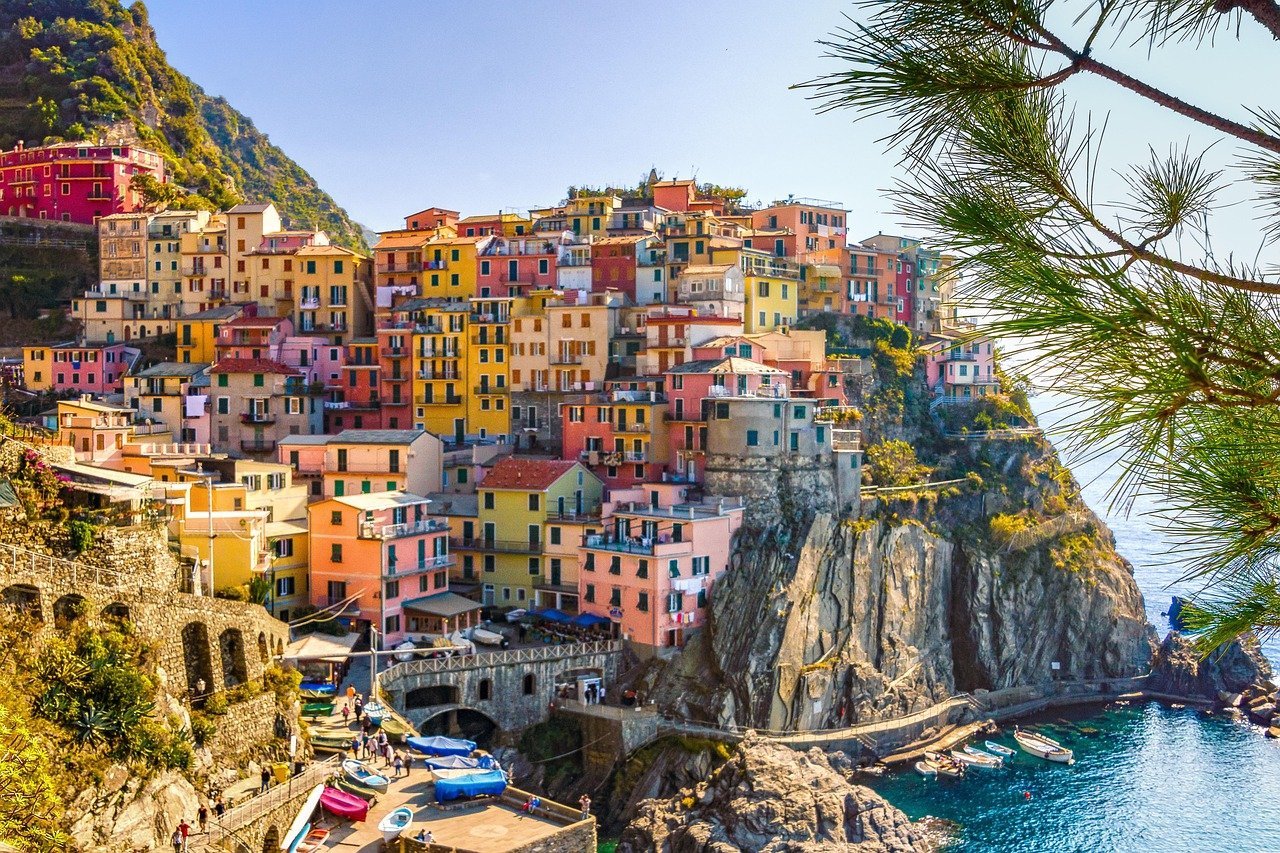
With over 50 municipalities across Italy participating in these schemes as of 2025, from Sicily to Sardinia to the northern regions, it is easy to understand why thousands of hopeful buyers are flooding these small towns with applications. The competition itself is now a catch. Cities with €1 offers that have been featured on YouTube or in television shows see thousands of applications and eager buyers flooding in to purchase a single home.
In most towns, to launch a €1 house program, the municipality invites homeowners to make their properties available. This process can take years, as many owners have long since moved away and some houses have dozens of owners since the property has been passed down through the family – meaning most towns only have a handful of actual €1 houses. The supply is far, far smaller than the dream.
This is not a get-rich-quick real estate scheme. It is a commitment to becoming part of the fabric of a community and contributing to its revitalization. The consequences of depopulation are serious for those who live there: the closure of schools, businesses, and the reduction of basic services such as healthcare. That is the context you are stepping into. Not a postcard. A real and struggling place that needs real people, not just Instagram moments.
Italy’s Ticking Clock – The Bigger Picture

According to ISTAT, Italy’s resident population at the start of 2025 was 58,934,000, down 37,000 from the previous year. With just 1.18 children per woman, this breaks the previous national minimum recorded in 1995. The nationwide population decline reflects uneven regional dynamics, with steeper relative declines in the South and the Islands.
These village programs fall under a 2024 national budget law that created a fund of €30 million to distribute to municipalities with fewer than 5,000 inhabitants that have been identified as suffering economically and socially because of depopulation. It is not a marketing campaign. It is a national emergency response. Small rural towns, even with tax incentives, still struggle to draw sufficient numbers of newcomers. The money is real, the offers are genuine, but the challenge of rebuilding a community from the ground up is something no grant can fully cover.
These eight villages represent something much larger than a quirky real estate trend. They are a window into one of Europe’s most urgent demographic stories. The deals are real, the catches are real, and the need is absolutely real. So the only question worth asking is: could you actually stay?
What do you think – is the promise of a €1 house or a €30,000 grant enough to make you pack your bags and head to rural Italy? Tell us in the comments.