
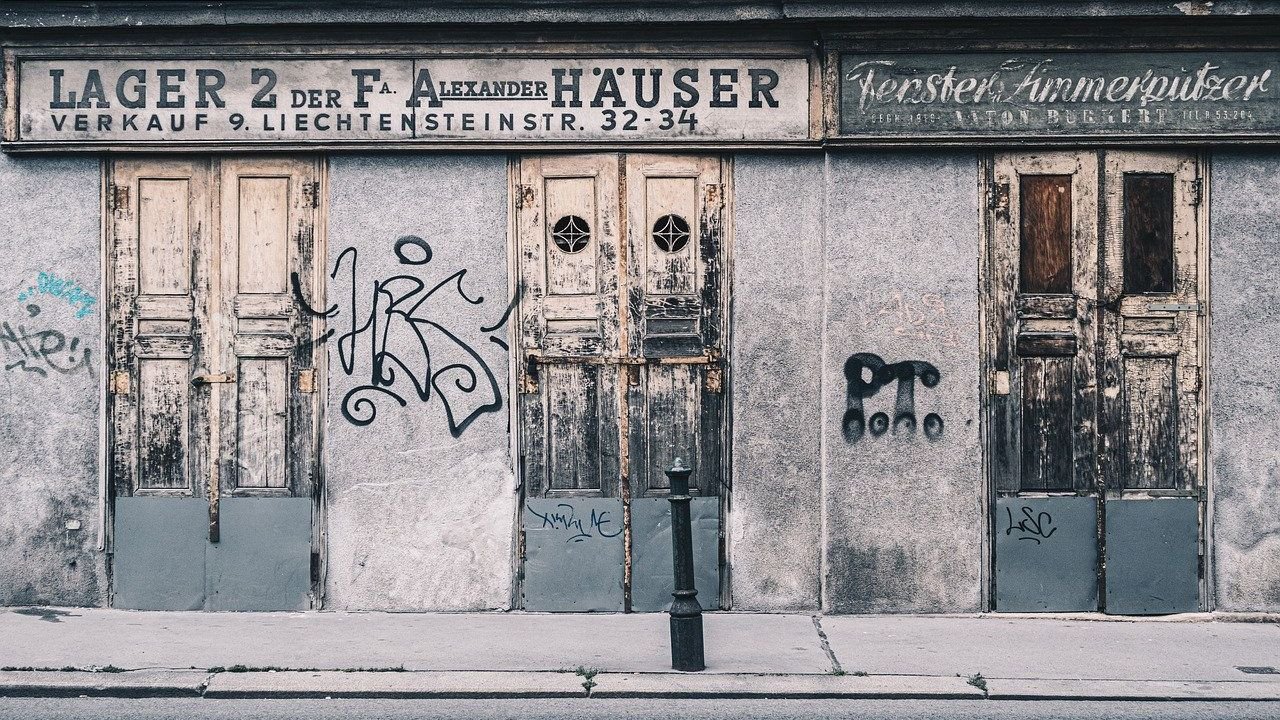
Picture this: vibrant streets buzzing with tourists, iconic landmarks drawing crowds from around the world. Yet recent data paints a starkly different picture for some former favorites. Crime indexes and safety reports reveal a troubling shift, turning dream spots into places many now skip.
Let’s unpack the numbers behind these changes. High crime rates, backed by crowd-sourced stats and official reports, are reshaping travel plans. Stick around to see which ones top the list.[1][2]
Memphis, Tennessee

Transferred from en.wikipedia to Commons by Frokor using CommonsHelper., Public domain, https://commons.wikimedia.org/w/index.php?curid=4794704)
Memphis once lured music lovers to Graceland and Beale Street, its blues heritage unmatched. Now, Numbeo’s 2026 Crime Index clocks in at 78.5, one of the highest globally, signaling rampant worries over violent and property crimes.[1] MoneyGeek ranks it second most dangerous U.S. city with a staggering crime cost per capita of $10,074, driven by violent rates over 2,500 per 100,000.[2]
Travelers report steering clear, citing daily muggings and car break-ins that overshadow the BBQ fame. Here’s the thing: even as national crime dips, local stats keep visitors at bay. It’s a tough pill for a city built on soulful vibes.[1]
Baltimore, Maryland
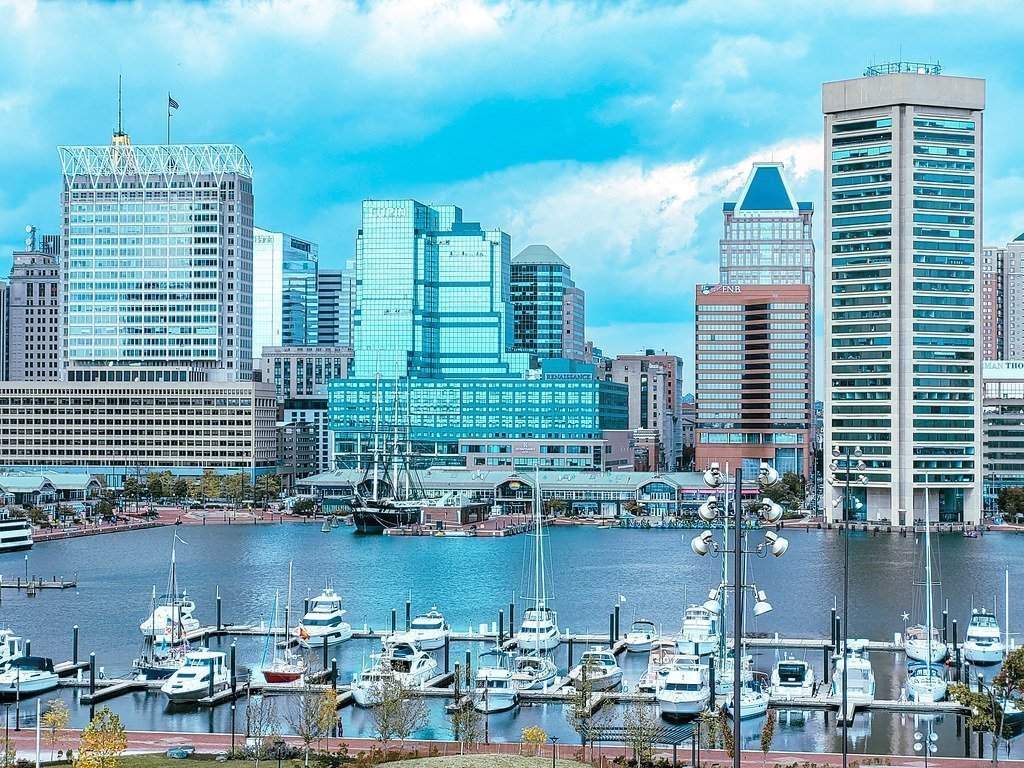
The Inner Harbor sparkled as a family magnet with its aquarium and ships, peak popularity in the ’90s. Fast forward to 2026, Numbeo gives it a 72.0 Crime Index, tied for high risk amid shootings and thefts.[1] MoneyGeek places it fifth, with violent crime at 1,606 per 100,000 and total costs hitting $4 billion citywide.[2]
Folks whisper about no-go neighborhoods encroaching on tourist zones. Property crimes like smash-and-grabs add to the dread. Honestly, the charm feels overshadowed by headlines that scare off crowds.
Detroit, Michigan
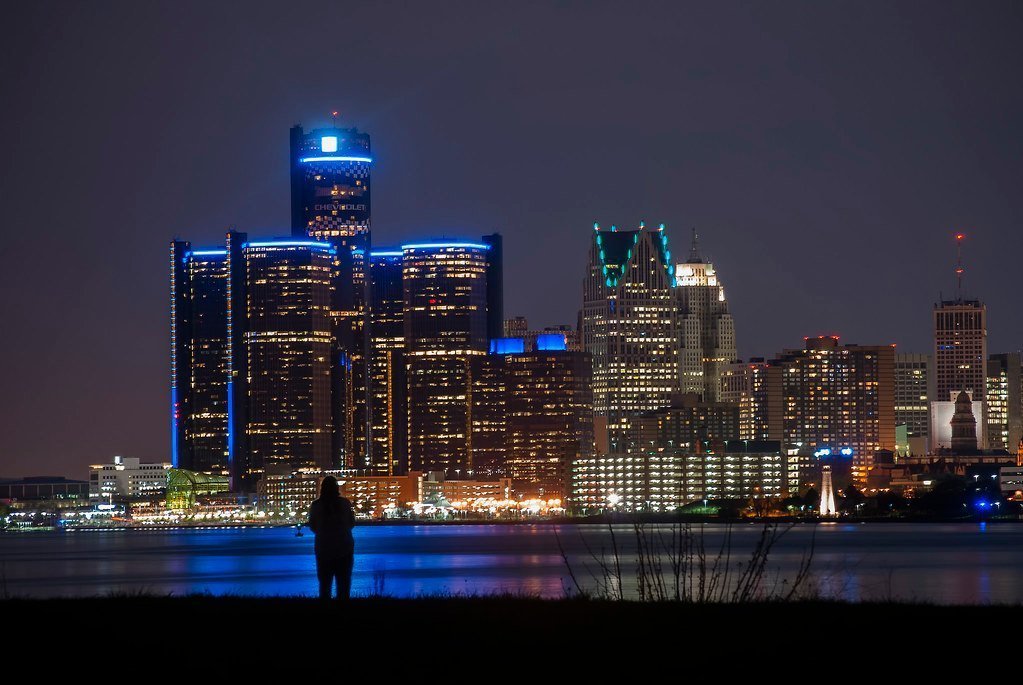
Detroit’s Motown legacy and sports scene packed arenas and riverwalks back in the day. Today, Numbeo scores it 72.8 on the Crime Index, fueled by assaults and robberies in once-bustling areas.[1] MoneyGeek’s fourth spot shows violent crime at 1,781 per 100,000, costing residents and visitors dearly.[2]
Revival efforts clash with stats showing persistent danger after dark. Tour buses thin out as safety apps flash warnings. It’s like the city’s comeback stalled at the security checkpoint.
Car break-ins plague parking near Comerica Park. Still, locals push back, but data doesn’t lie for wary travelers.
Rio de Janeiro, Brazil

Carnival and Copacabana Beach defined Rio as a party paradise for decades. Numbeo’s 2026 rank at 75.2 Crime Index highlights surging beach robberies, up 40% in peak season per reports.[1] Organized “arrastões” sweeps target tourists, turning sun-soaked sands risky.
Favelas loom large in advisories, with muggings even in tourist faves like Ipanema. I know it sounds wild for such an icon, but visitors now flock elsewhere. Data confirms the vibe’s shifted from festive to fraught.[3]
Cape Town, South Africa

Table Mountain and wine routes made Cape Town a bucket-list staple. Yet Numbeo pegs its Crime Index at 73.7, with muggings and carjackings rampant in scenic spots.[1] Safety Index hovers low at 26.3, worse than many peers.
Tourists face daylight attacks near V&A Waterfront. South Africa’s overall 74.5 national score amplifies concerns.[4] Penguins at Boulders Beach? Charming, until stats show the real predators.
Tijuana, Mexico
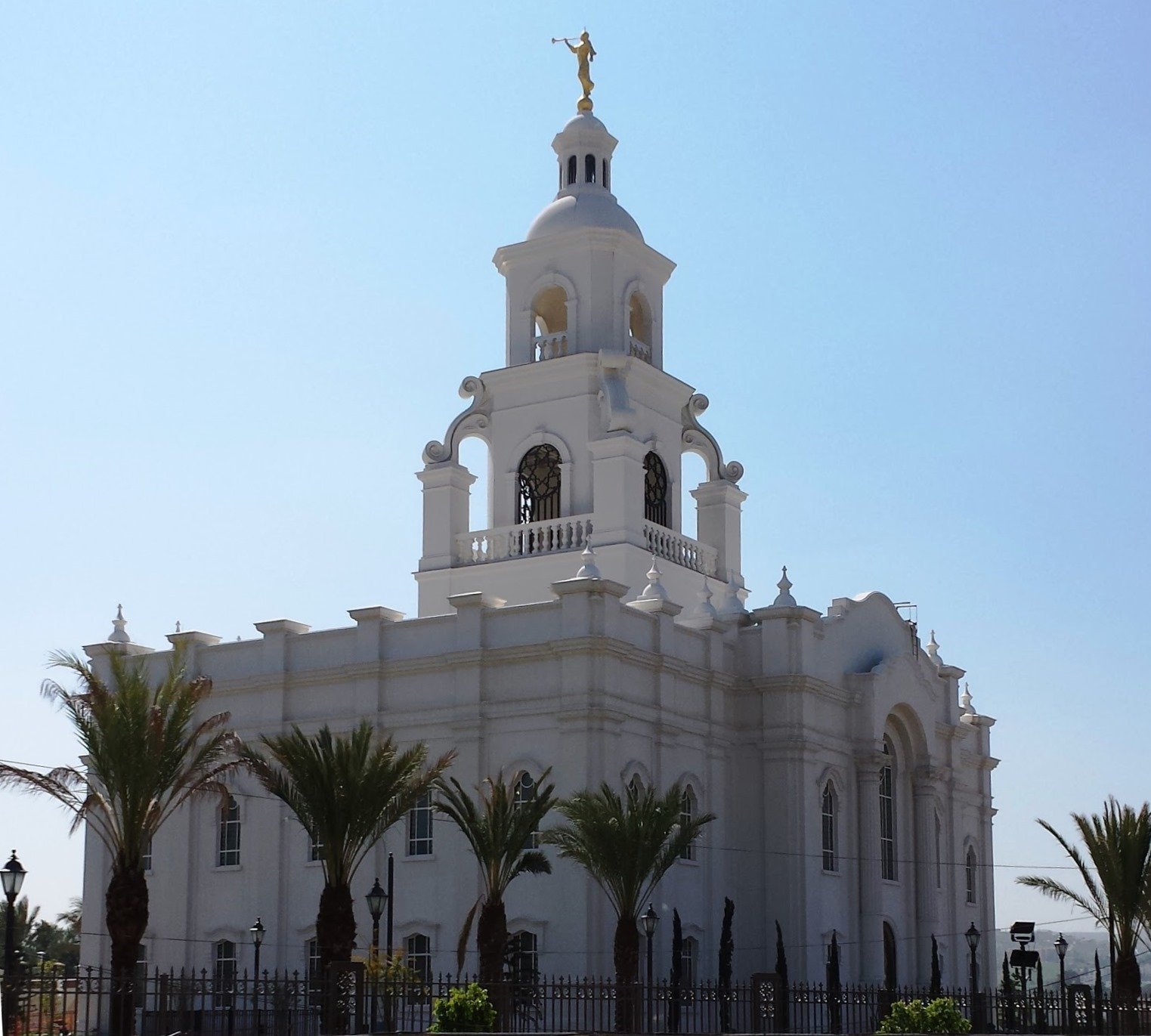
Just across from San Diego, Tijuana boomed with day-trippers for tacos and nightlife. Numbeo 2026 lists 71.5 Crime Index, high for drug-related violence spilling into bars.[1] U.S. advisories warn of kidnappings near the border.
Revolution Avenue, once lively, now sees fewer gringos. Cross-border shoppers dwindle as headlines dominate. Let’s be real: proximity doesn’t equal safety anymore.
Salvador, Brazil
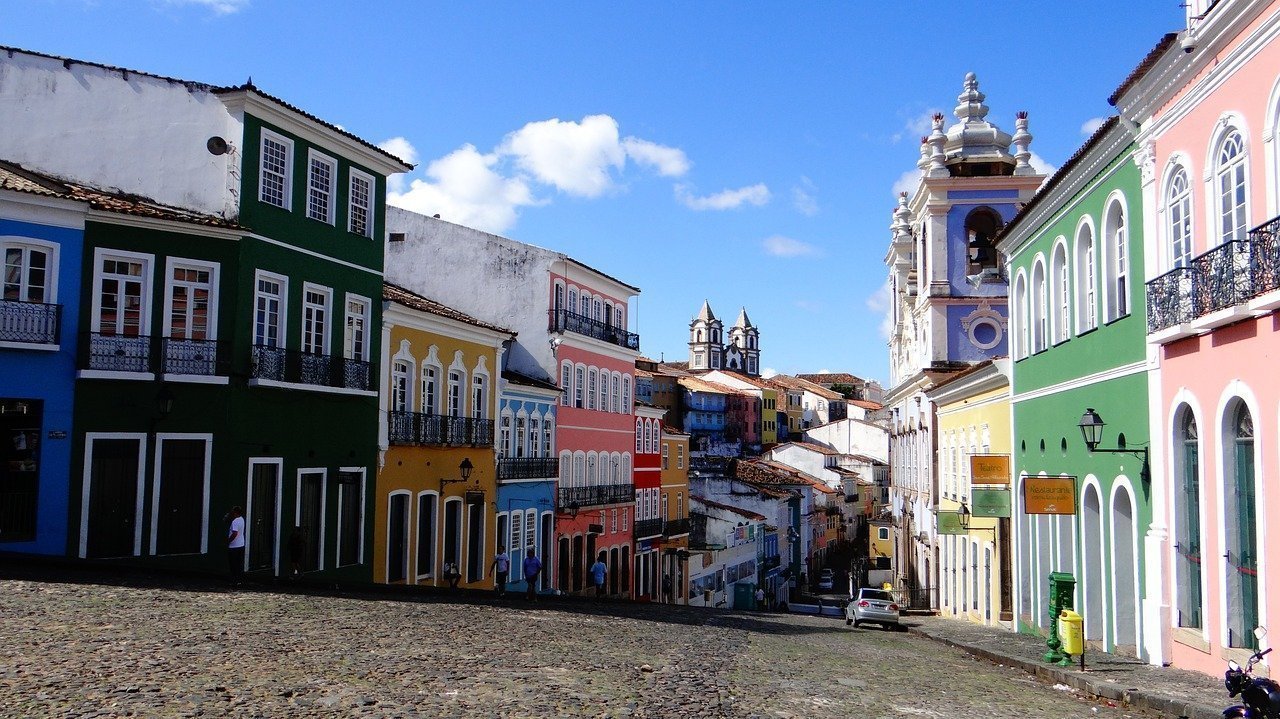
Pelourinho’s colonial charm and beaches drew culture hounds worldwide. At 76.5 Crime Index, Numbeo flags it top-tier dangerous, with violent thefts in historic alleys.[1] Brazil’s carnival hub feels the pinch.
Visitors cut short stays, opting for safer coasts. Stats show assaults up, eroding the UNESCO glow. It’s heartbreaking for such vibrant roots.
St. Louis, Missouri
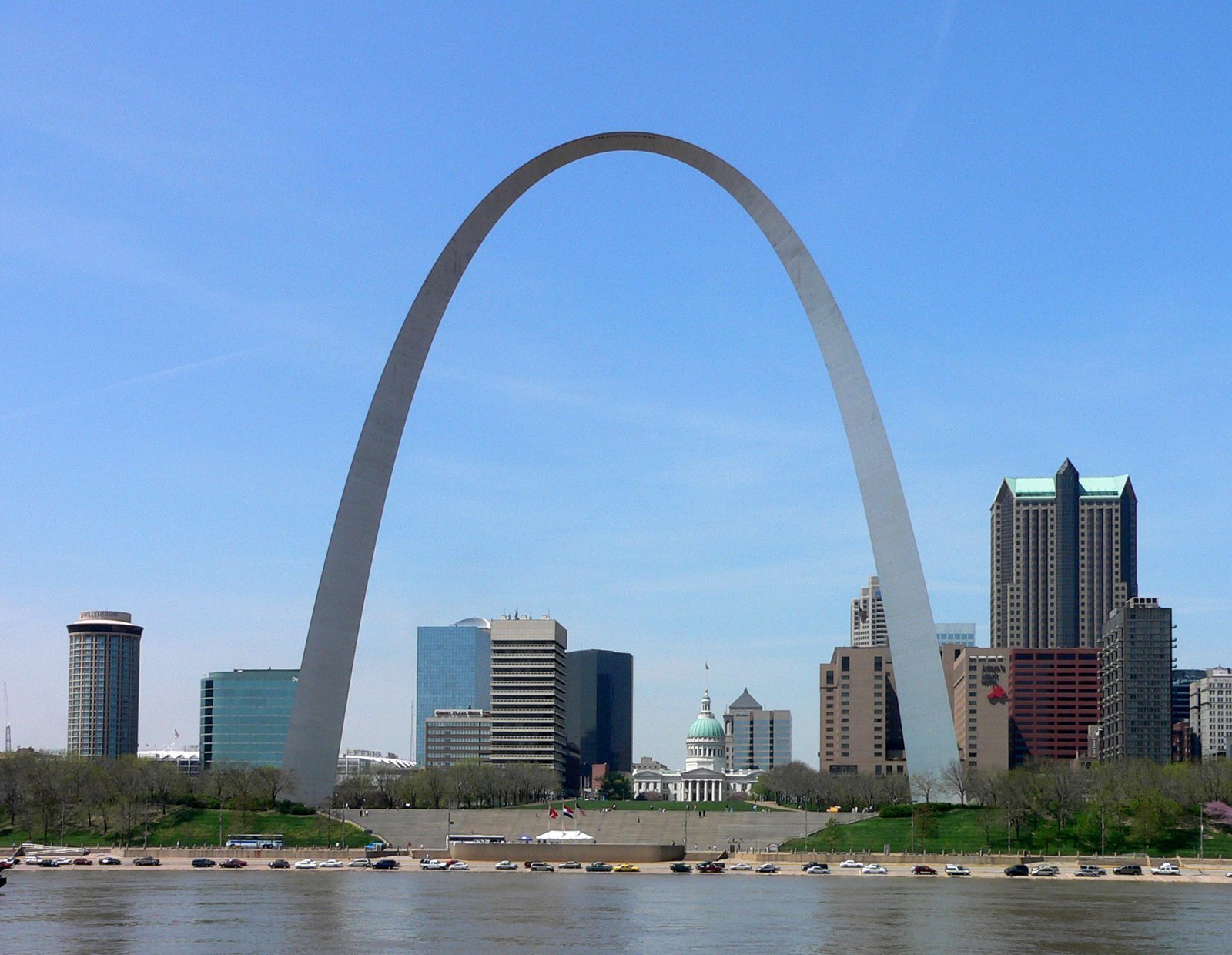
The Gateway Arch symbolized Midwest adventure, pulling families galore. MoneyGeek ranks it third most dangerous U.S. city, crime cost per capita $9,922, violent rate 1,367 per 100,000.[2] Downtown shadows the icon.
Ballpark crowds thin amid robbery reports. Numbeo echoes high risks nearby. Arch views? Spectacular, but ground level tells another tale.[1]