
There’s a moment every American traveler dreads. You’ve just had what seemed like a perfectly pleasant meal, the waiter drops the bill on the table, and your stomach drops faster than the wine you just drank. The numbers don’t add up. You do the mental math three times and come up with the same alarming result. Welcome to the very real world of tourist pricing, where your accent, your sneakers, and sometimes just the way you say “can I get the check?” is enough to trigger a completely different menu experience than the couple sitting two tables away.
It happens more often than most travel guides will admit. Some restaurants keep multiple menus, showing tourists expensive versions while locals get reasonable prices. The phenomenon is global, it’s growing, and Americans in particular tend to carry a certain invisible price tag wherever they go. Let’s get into the eight places where that price tag gets slapped on especially thick.
1. Mykonos, Greece – Where the Bill Can Reach Truly Staggering Heights
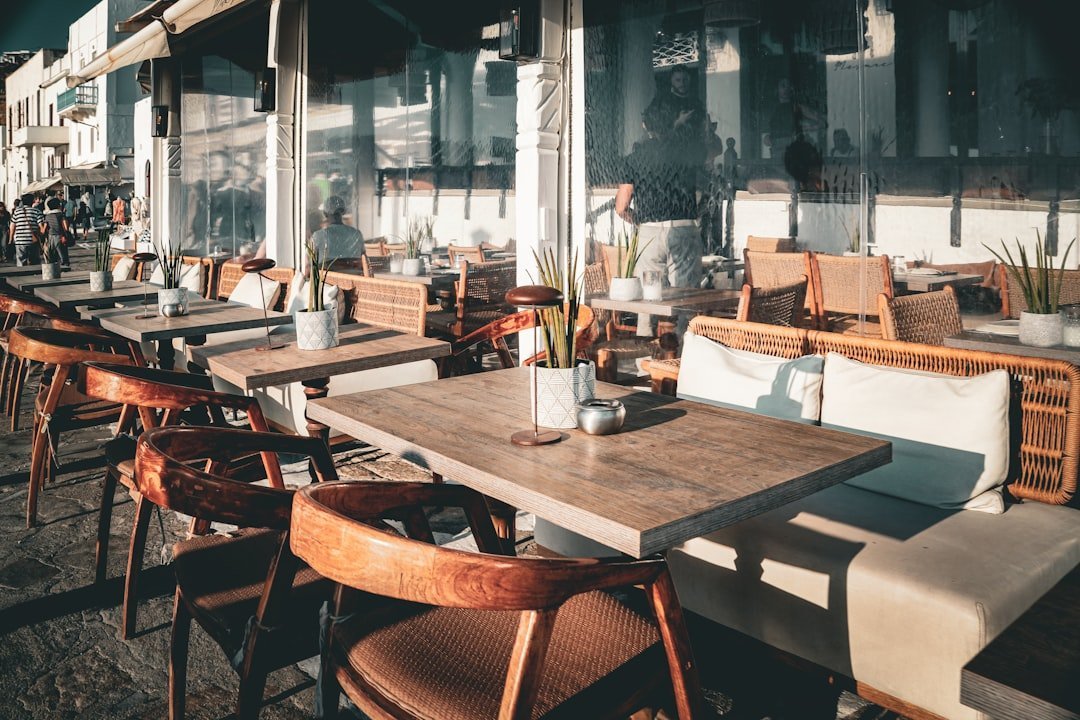
Let’s be real: Mykonos has a reputation, and it is not entirely unfair. The Greek island has become almost synonymous with a specific kind of tourist overcharging that goes well beyond what you’d call “expensive.” DK Oyster in Mykonos has charged tourists up to €1,000 for three dishes, including €350 for a single fish. That’s not a typo.
The Mykonos beach restaurant DK Oyster has gone viral repeatedly for alleged epicurean extortion, with one US couple charged over $550 for a dozen oysters and four drinks. The stories that follow are almost always the same: confusion, a bill that makes no sense, and staff that is not particularly interested in a polite discussion about it.
While DK Oyster’s menu lists seafood prices at €24.80 per 100g, multiple tourists allege they were not made aware of the full cost until the bill arrived, with some claiming they were charged based on the weight of the fish without prior explanation. That is the kind of fine print that turns a dream vacation meal into a financial emergency. DK Oyster received a £25,000 fine following an audit by the Cyclades Regional Tourism Agency, triggered after two American tourists complained about being charged over £500 for mojitos and crab legs.
2. Rome and Venice, Italy – The Beautiful Trap With a Bill to Match
Italy is one of those places you arrive at believing the food alone will justify the trip. Honestly, it often does. But Rome and Venice in particular have earned a darker reputation alongside their stunning piazzas. A Rome restaurant was accused of grossly overcharging customers, with one customer paying $345 for a plate of fish. That kind of bill is not an anomaly.
Tourists have reported being charged more than the listed menu price, or facing unreasonable added charges like a fee for cutting a sandwich in half, reported near Lake Como. These feel like joke scenarios until they happen to you. In Venice, a coffee at a table can cost four times more than the same coffee at a bar just ten feet away.
Venice has long struggled with overcrowding, and starting in 2025, visitors must pay a €5 entry fee during peak hours between 8:30 am and 4 pm, during the months of April through July. That entry fee is just the beginning. Visitors may also notice a significant increase in prices across the city, particularly in popular tourist areas. Speaking English loudly near the Colosseum or the Rialto Bridge is essentially a financial signal flare.
3. Bali, Indonesia – Paradise With a Price Tag That Keeps Climbing
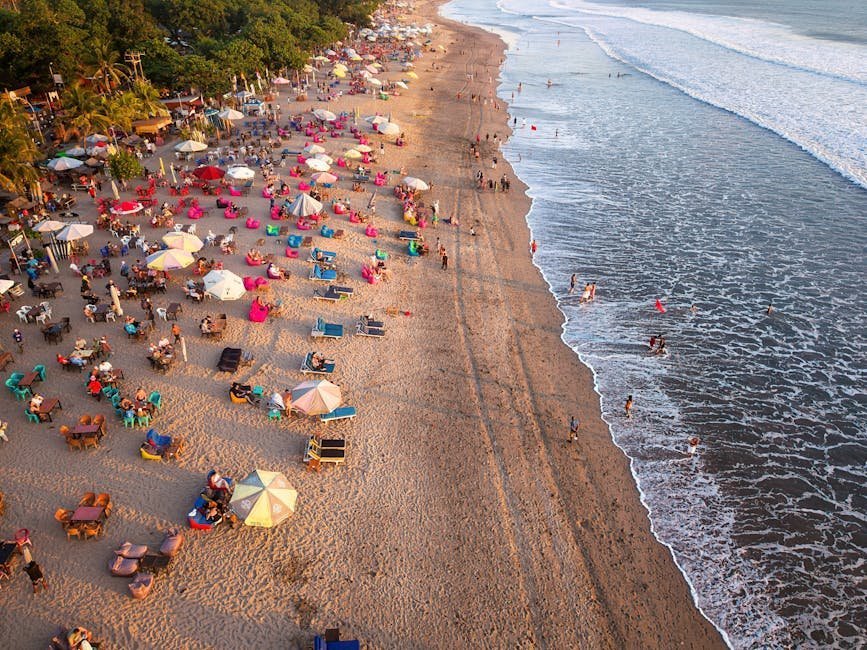
Bali has long been marketed as a budget paradise. The reality in 2025 is considerably more complicated. Bali has remained a magnet for global tourists, welcoming more than six million international visitors annually, but rapid tourism has changed the island’s character, with near-constant traffic congestion in Canggu and Ubud and overcrowded beaches.
Bali introduced the Bali Tourist Levy on February 14, 2024, requiring all international tourists to pay a fee of 150,000 rupiah, roughly US$9, upon arrival at I Gusti Ngurah Rai International Airport or via the Love Bali app. That is the official fee. The unofficial restaurant markup for English-speaking tourists, especially those who do not speak a word of Bahasa, is a whole different matter.
In some countries, it is common to find tourist menus with higher prices than those charged to locals, or food placed on the table that visitors assume is free, only to discover it is later added to their bill. Bali’s tourist-facing restaurants near Seminyak and Kuta are well-documented practitioners of this art. Think of it like ordering from a secret premium menu you never agreed to.
4. Paris, France – Where Your English Gets You an Upgrade You Never Asked For
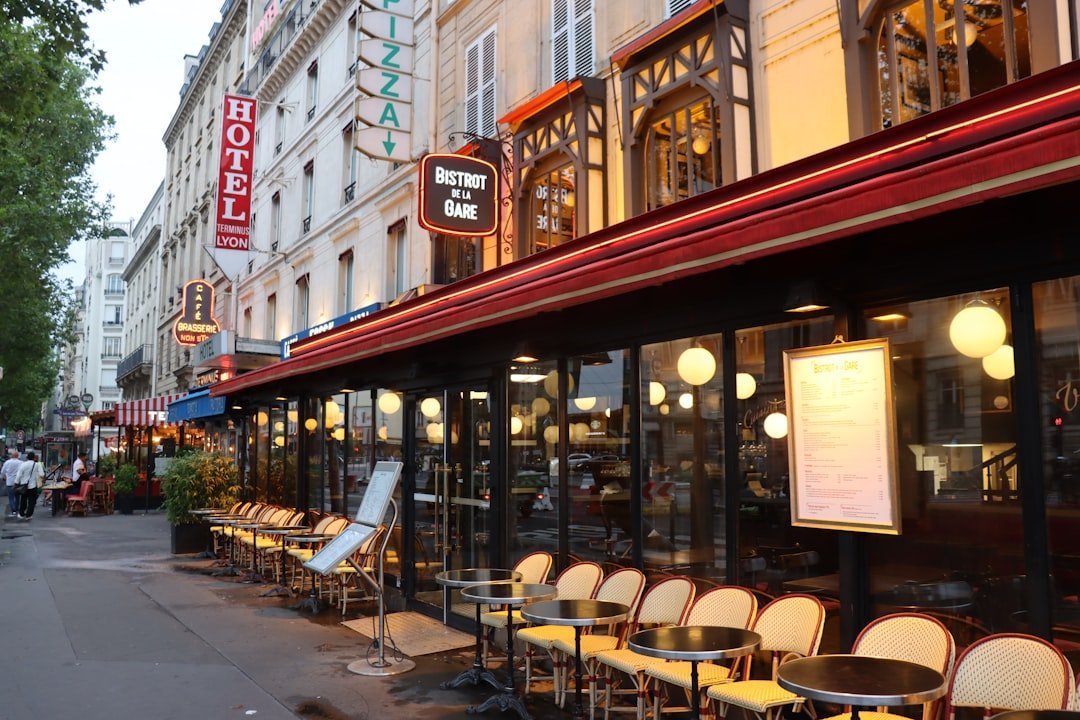
Paris is one of those cities where the relationship between American tourists and local hospitality is, let’s say, layered. The city has a very long memory when it comes to who tips, who complains, and who walks in demanding service in English. In countries like France, volume is considered part of etiquette, and loud voices in restaurants can be seen as intrusive or disrespectful to others who value calm conversation.
Redditors have been onto the English menu trick for a while, with one person recalling dining in Kyoto only to find that everything on the English menu cost more than the local-language version. The same dynamic plays out in Paris. Restaurants near the Eiffel Tower and the Champs-Élysées are notorious for keeping an “English version” of menus that conveniently lacks the affordable lunch specials and set menus locals know to ask for.
If you are handed a full English menu but spot a local-language version floating around, ask for that instead. Not only might it have better options, but there is a good chance it will also have cheaper prices. The French are not always ripping you off out of malice. Sometimes the system simply rewards those who make an effort to engage on local terms. Still, the markup for doing nothing is real.
5. Bangkok and Tourist-Heavy Thailand – The Two-Price System in Action
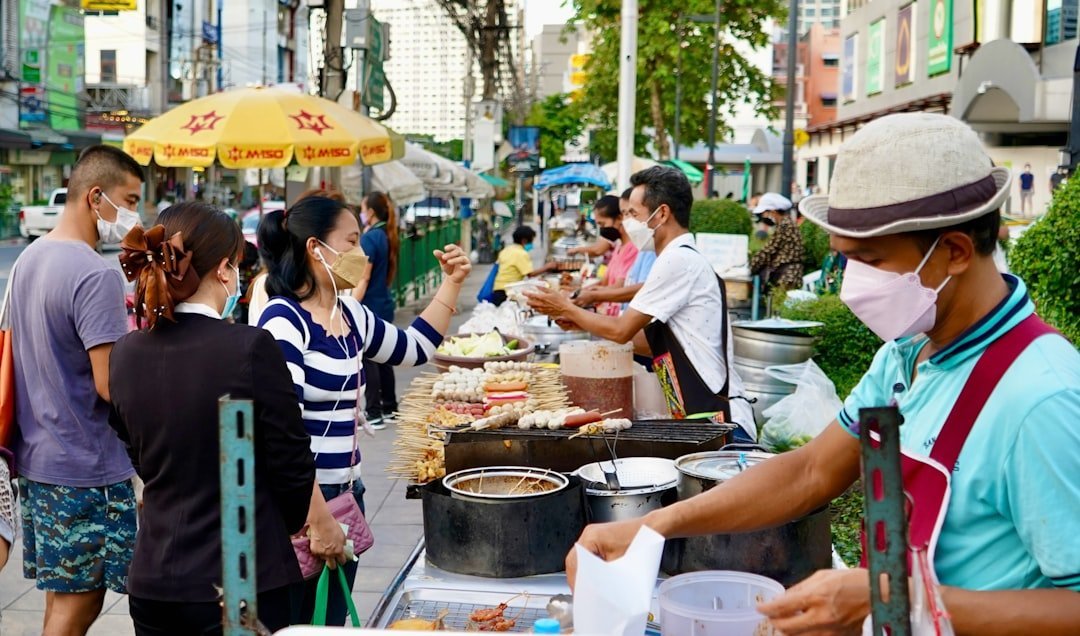
Thailand is one of the most visited destinations in the world, and its tourist-heavy hotspots have refined the dual-pricing model to something approaching an art form. If you are traveling to a tourist-heavy area, it is safe to say you will likely be overcharged for food. If the restaurant is central to the sights you want to see, you might not mind a slightly higher price, but some restaurants geared towards tourists can feel more like a trap than a treat.
The English-menu problem is especially vivid in Bangkok’s street food and riverside restaurant areas. Some restaurants keep multiple menus, showing tourists expensive versions while locals get reasonable prices, and others simply hope you will not remember the original costs after a few drinks. That combination of social disorientation and alcohol is, frankly, the secret weapon of overcharging restaurants everywhere.
Thailand also proposed a travel tax for mid-2025, estimated at around £6.87 for those arriving by plane. Add that to inflated restaurant prices and the picture becomes clear. Visitors who arrive in Bangkok speaking only English, carrying a large camera, and sitting near tourist landmarks are paying a different rate for their pad thai than the office worker who eats there every Tuesday.
6. Kyoto and Tokyo, Japan – The Polite Markup
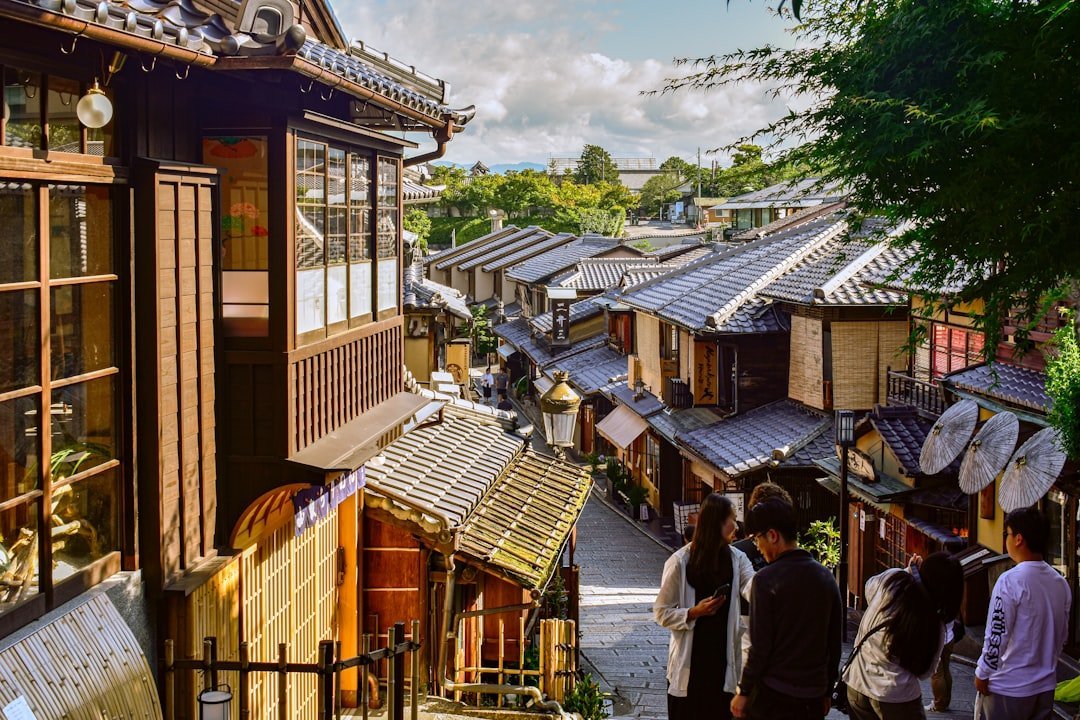
Japan is fascinating because the overcharging dynamic here is less aggressive and far more subtle than in places like Mykonos. Nobody is surrounding your table or threatening you. The gap simply exists, quietly, in the menu itself. One person on Reddit recalled dining in Kyoto only to find that everything on the English menu cost 200 yen more, while another swore by the Japanese menu for its superior deals, noting that it included sets and lunch specials completely absent from the English version.
Kyoto has experienced social tensions from overtourism, going as far as banning tourists from entering private alleys in the Geisha district due to misbehaviour. That growing friction between overwhelmed locals and arriving tourists has created a quiet but measurable pricing divide. In Japan, where tourist arrivals fueled by the weak yen were expected to set a new record in 2024, Kyoto banned tourists from certain alleys.
The math is simple: Japan’s tourist boom brought millions of English-speaking visitors who were happy to pay whatever the menu said. Restaurants noticed. The English menus reflect that. It is not malice exactly, it is economics, and honestly it is hard to argue with the logic even if the result stings. Always ask if there is a Japanese-language version, then use your translation app. The savings can be surprising.
7. Barcelona, Spain – Overtourism Has a Price and You’re Paying It
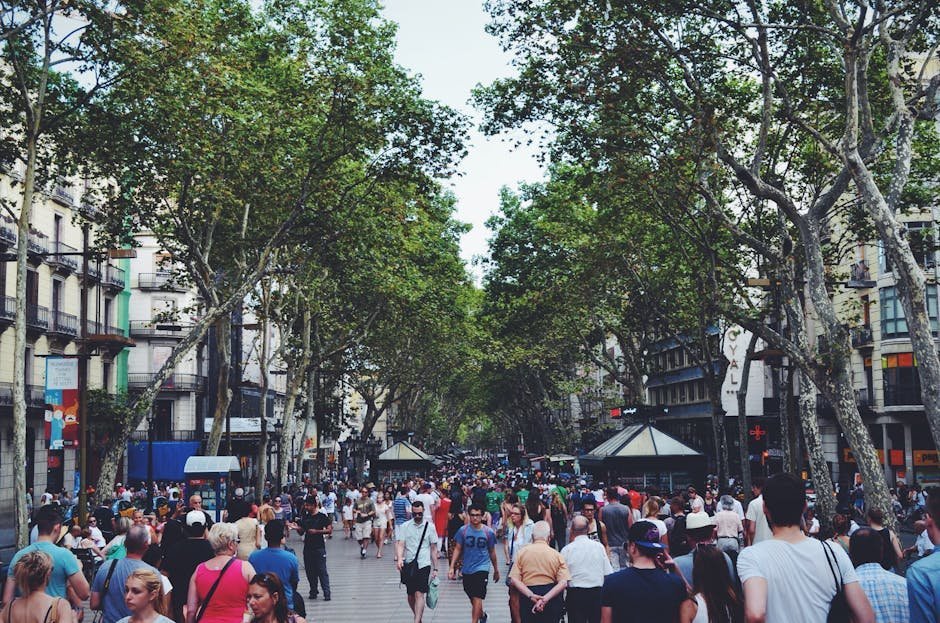
Barcelona has become a cautionary tale about what happens when a city becomes too popular for its own good. Spain welcomed 94 million visitors in 2024, a record number, but also a social breaking point. Locals are exhausted by the crowds, the noise, and the way tourist money has inflated the cost of living for everyone.
Barcelona suffered from severe overtourism, which resulted in 3,000 residents protesting in July 2024, demanding reduced tourist numbers and fairer economies. In that environment, American tourists who wander into restaurants near La Sagrada Família or Las Ramblas and immediately ask for an English menu are essentially waving a flag that says “I’ll pay what you charge me.” The restaurants near those tourist corridors price accordingly.
Sure, tourists should expect to pay more for some things. Cities like Barcelona, Venice, and Amsterdam slap visitors with tourist taxes to curb overtourism, so you can expect to shell out extra for your hotel stay and attraction visits. The restaurant bill is just the part nobody warns you about in advance. It is worth knowing that the further you walk from the main tourist drags, the closer prices get to something resembling local reality.
8. Istanbul, Turkey – Inflation Plus the Tourist Factor Equals Shock

Istanbul is a city of genuine wonders, and it is also currently experiencing an economic situation that makes the restaurant pricing conversation uniquely complicated. In Turkey’s largest city, prices for restaurants and hotels increased by 35.5 percent year-on-year, with the category seeing a 23.5 percent rise compared to the end of 2024. That is a baseline before the tourist markup even enters the picture.
In global destinations like Istanbul, taxi overcharging is one of the most common tourist complaints. But restaurants near Sultanahmet and the Grand Bazaar play the same game. Menus designed for English-speaking visitors tend to present higher prices, and portions of tourist-facing menus often disappear or inflate after a simple “do you have English?” is spoken at the door.
Certain places are notorious for ripping off foreign tourists with common vacation travel scams, like seemingly free items at restaurants that you will have to pay for later. Istanbul’s more tourist-saturated areas have their own version of this: complimentary bread, appetizers, and tea that are anything but complimentary when the bill arrives. Smart travelers do not just budget. They protect their money by using fee-free cards, asking for menus with prices, and always paying in the local currency. In Istanbul, that advice is worth printing and carrying with you.
How to Protect Yourself Wherever You Go

The uncomfortable truth is that being identifiably American abroad does carry a financial signal in many parts of the world. Americans have a built-in mechanism to tip everyone as a way to show appreciation, tending to tip more and more frequently than their European counterparts, not just at home but also abroad, which has earned them a reputation for being generous. Generous, in the eyes of some restaurant owners, translates directly to a higher starting price.
Take photos of menus before ordering, especially if prices seem unusually low for the location. Research typical meal costs online beforehand, and do not hesitate to question discrepancies. These are not paranoid habits. They are basic self-defense in cities where tourist pricing is baked into the business model.
After dining out in a foreign country, remember to double check the bill for unauthorized or hidden costs to avoid being scammed. Traveling abroad can often be expensive, but you can reduce unnecessary costs by remembering to double check the bill after eating out. The best thing you can do is walk a few blocks away from the main tourist corridors, point at what the locals are eating, and try your best to say “one of those, please” in the local language. You might be surprised how much cheaper the exact same meal suddenly becomes. What would you have guessed the difference was? Tell us in the comments.