
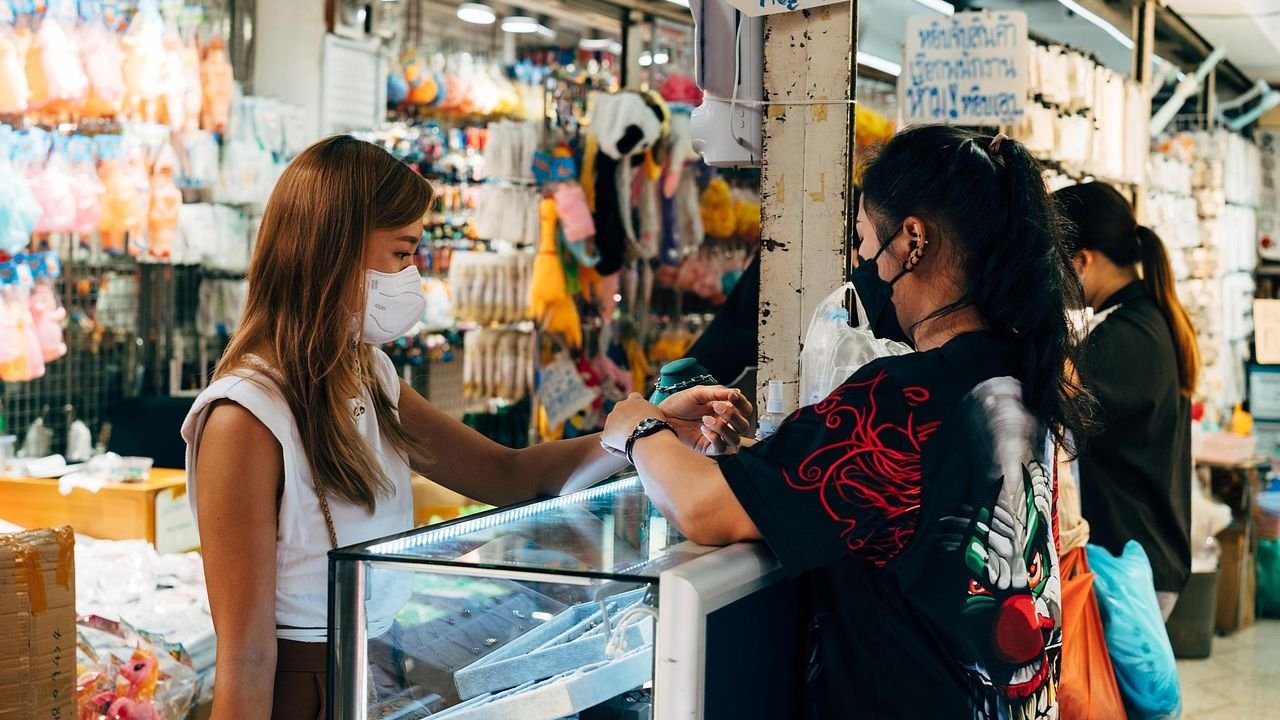
You walk into a vibrant local market, colorful stalls stretching out in front of you, the smell of spices in the air, street food sizzling nearby. It feels magical. It feels authentic. Then you reach into your wallet and somehow end up paying three times what the person standing right next to you just paid.
Sound familiar? The so-called “tourist tax” in local markets isn’t an official fee. It’s informal, instinctive, and honestly, a little bit your own fault. Vendors read visitors in seconds, and certain behaviors practically scream “charge this person extra.” Let’s dive into exactly what those behaviors are.
1. Pulling Out a Thick Wad of Cash Before You Even Ask for a Price
Let’s be real: the moment you flash a bulging wallet or count out a stack of bills in plain sight, you’ve just told every vendor within a ten-meter radius exactly how much leverage you don’t have. It’s like walking into a car dealership and announcing you just won the lottery. Negotiating a fair price is an important element of many tourist transactions, especially in destinations with loose market regulations, where price negotiation has become the dominant means of price setting for tourists.
Vendors in markets from Marrakech to Bangkok are experts at reading body language, and visible wealth is the loudest signal of all. Keep your cash organized and discrete. Pull out only what you need, only when you need it. A thin fold of bills or a simple tap-to-pay device signals nothing about your budget, which is exactly how you want it.
2. Refusing to Haggle Because You Think It’s Rude
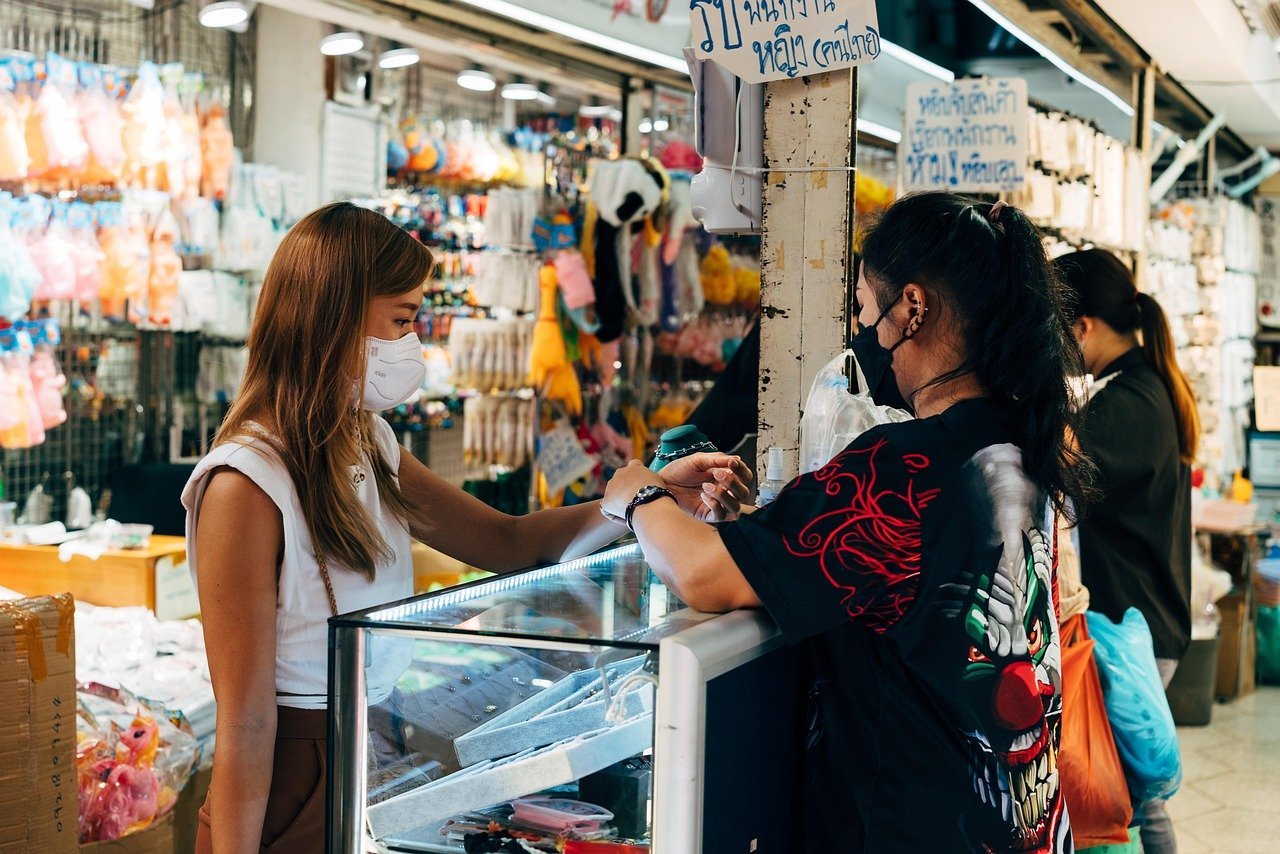
Here’s the thing: in most traditional local markets around the world, bargaining isn’t just acceptable, it’s expected. Refusing to engage in price negotiation doesn’t make you polite. It makes you a vendor’s dream client. The negotiation process generally begins with the seller asking a high opening price, followed by the buyer trying their best to lower it until a compromise is reached.
Tourists who are unwilling to haggle can drive up the cost of food and essential items, running the risk of causing prices to be elevated for locals too. Think about that for a second. Your politeness isn’t neutral, it’s actually economically harmful to the community you’re visiting. If you set out to make every negotiation a win-win situation, then haggling can be a great way to interact with locals and learn about another culture, with the real trick being to figure out what a fair price actually is.
3. Starting Your Offer Way Too High
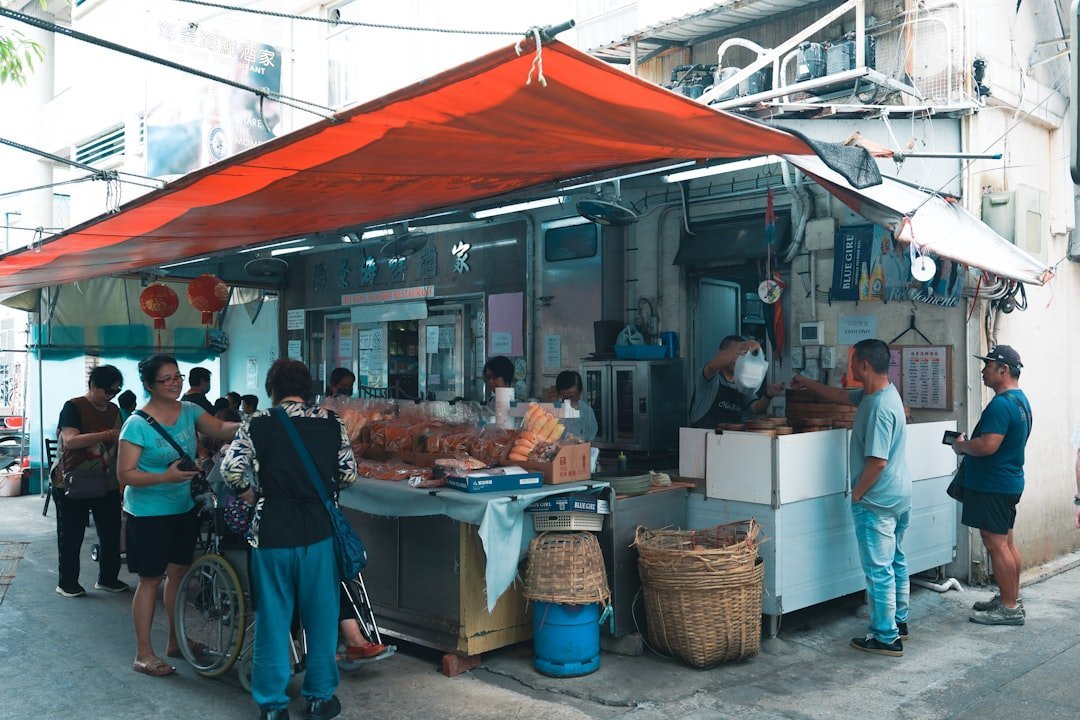
Many tourists who do attempt to bargain still make a critical mistake: they open with an offer that’s already near what the vendor wants. Many shopkeepers are perfectly aware of percentage-based haggling tactics and will first offer an absolutely ridiculous price, knowing that in tourist areas it is quite common for a moderately skilled bargainer to still pay below a quarter of the initial asking price.
Just as vendors often start with absurdly high prices, buyers should start with a low initial offer. For example, if you think an item is worth around $100 and the vendor asks $500, offer $20. This gives you negotiating room. I know it sounds aggressive, but it isn’t. It’s the dance. A vendor who named an inflated price is not offended by a low counter-offer. They’re playing the same game, just from the other side of the table.
4. Showing Too Much Excitement About a Product

You spot a handwoven basket, your eyes light up, you gasp a little, you reach for it immediately and say “Oh wow, I love this!” Congratulations, you’ve just surrendered every ounce of negotiating power you had. You want to haggle in a manner that’s both assertive and respectful, keeping in mind that the objective is not just to get the lowest price possible, but to ensure both parties feel they’ve struck a fair deal.
Showing excitement before agreeing on a price is the single fastest way to lock yourself into paying full tourist price. Browse casually. Touch multiple items. Show polite curiosity rather than obvious desire. Think of it like poker: the moment your opponent knows you want the hand, you’ve already lost a big portion of your bet. Seasoned local shoppers rarely react visibly to anything until after a price is agreed upon.
5. Not Knowing Even a Rough Local Price Before You Shop
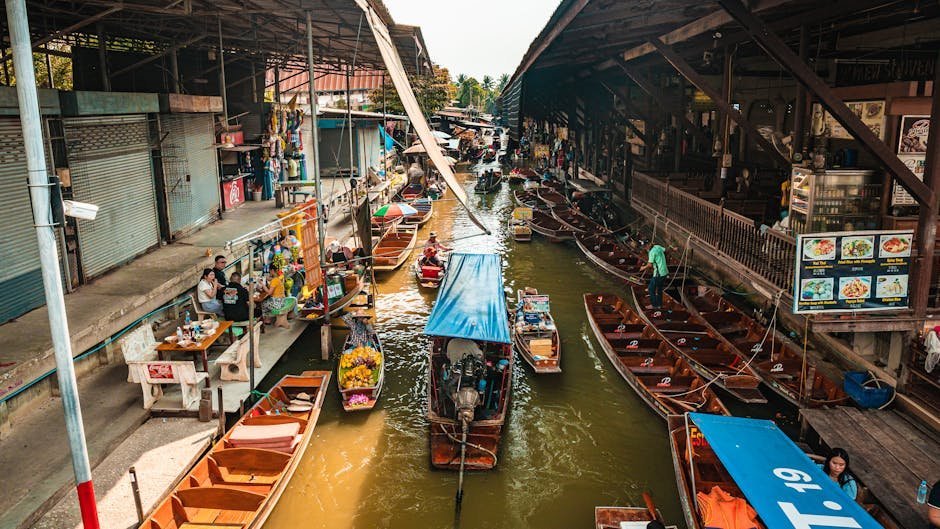
Walking into a local market with zero knowledge of local price ranges is basically handing vendors a blank check and asking them to fill it in. Talking to locals, your tour guide, or hotel staff about how much you should expect to pay for common items, and reading travel forums or checking prices at similar stalls in the market, are all smart ways to prepare before you buy.
This matters enormously. There’s a reason items at markets across Guatemala have no price tags. It costs whatever the vendor thinks you might pay. The same logic applies in souks across North Africa, floating markets in Southeast Asia, and artisan stalls in Latin America. Arriving with even a rough benchmark price completely transforms your ability to negotiate. Vendors can smell ignorance the same way a shark smells blood in the water.
6. Traveling Visibly as Part of a Large Tourist Group
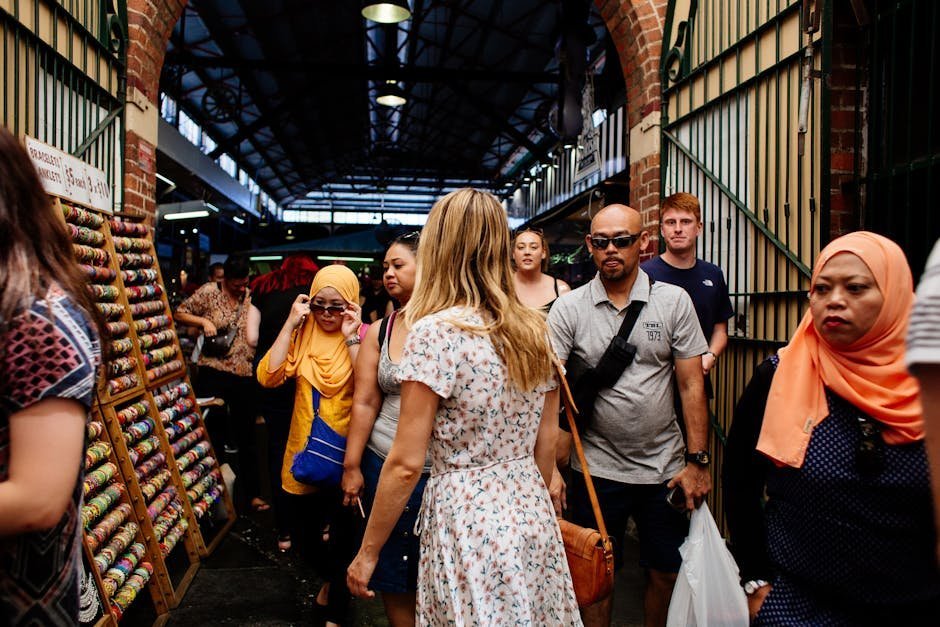
There is something almost mathematical about the way vendor pricing shifts the moment a group of tourists rolls up together, all wearing matching resort hats and pulling wheeled luggage. Tourists’ bargaining power is heavily influenced by their travel characteristics, with tourists traveling with companions who have travel information from friends and media tending to have stronger-than-average bargaining power compared to uninformed group visitors who arrive without any local pricing context.
The optics of a large tour group signal urgency, limited time, and willingness to overpay for the sake of convenience. Vendors know group tourists are on a schedule. They know you can’t spend forty minutes negotiating when the tour bus leaves in fifteen. Bargaining is an integral part of daily life in many places around the world, especially in India, Southeast Asia, Central America, and Africa, and doing it alone or in a small group almost always yields better prices.
7. Accepting the First Price Without Flinching
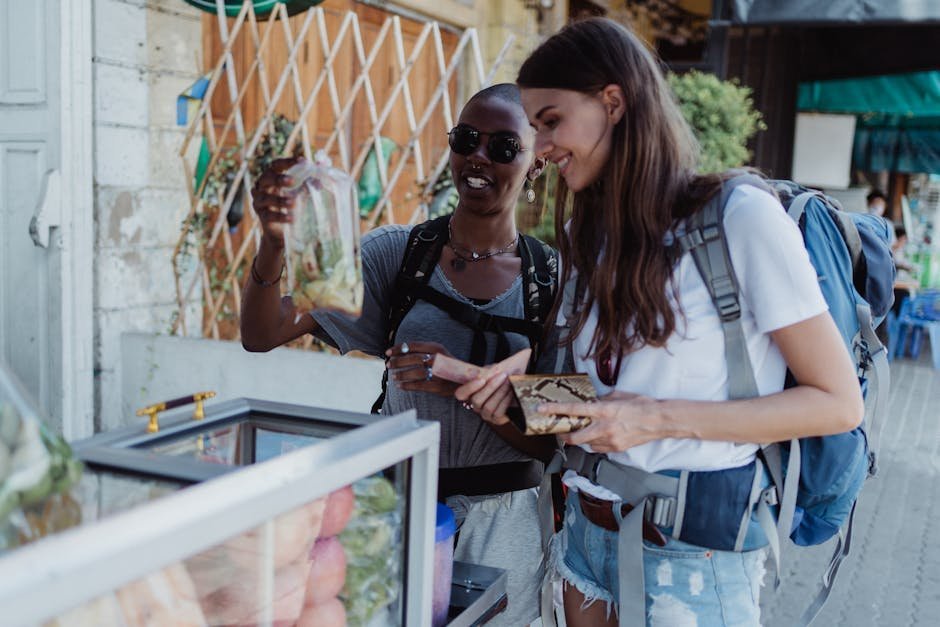
Imagine you ask the price of a silk scarf and the vendor says fifty dollars. You nod quietly and reach for your wallet. That quiet nod just cost you thirty dollars. A common tactic in haggling is to bid the vendor farewell and start walking off, after which you will usually get at least two lower offers as you walk away. Accepting the first price without any pushback signals that you have no awareness of local market dynamics at all.
In tourist areas, it is quite common for a moderately skilled bargainer to pay below a quarter of the initial asking price, and a starting offer of around a tenth of the asking price is not unusual. That’s a dramatic gap between asking price and fair value. Honestly, vendors aren’t being malicious. They’re doing business. The system is built around the assumption of negotiation, and the tourist who skips that step simply pays the full markup without question.
8. Overpaying Conspicuously and Setting a New Market Standard
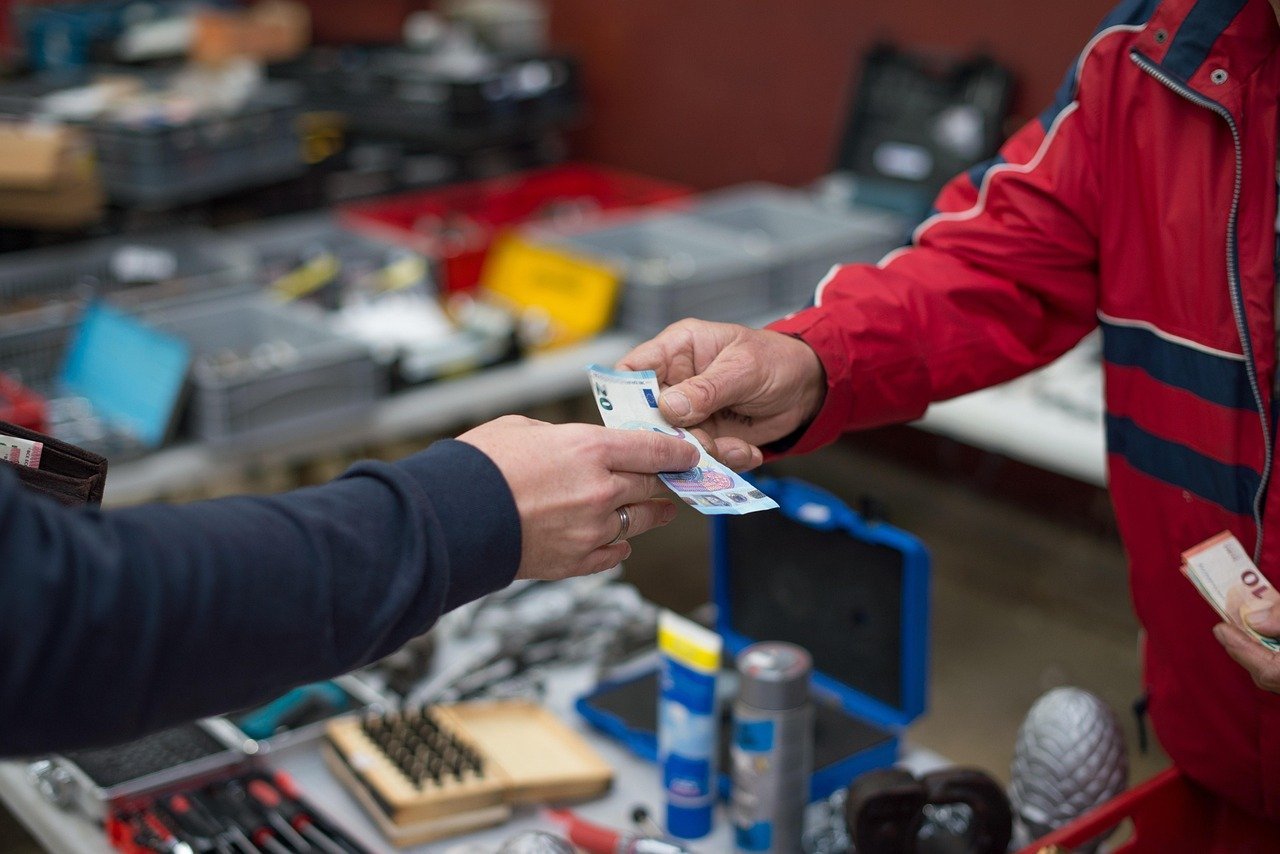
This one might surprise you. Paying dramatically over market price doesn’t just hurt your wallet, it actually disrupts pricing for everyone else, including locals. If a merchant can sell a tourist a mango for $5, they are less likely to sell it to a local for 20 cents. Once a vendor establishes in their mind that foreign visitors will pay a certain elevated price, that figure becomes the new baseline for every tourist who visits their stall after you.
A better strategy is to negotiate a fair price and then either give the merchant a tip, or let them keep the change rather than simply accepting an inflated opening price. This approach is both culturally respectful and economically sustainable. Travellers want to support local economies and the people they meet, but if their money isn’t truly supporting those local economies in a balanced way, businesses cease to be solvent and travel ceases to be sustainable. Paying fairly isn’t about being cheap. It’s about being thoughtful.
The “tourist tax” at local markets is real, it’s widespread, and in a lot of cases, it’s entirely avoidable. In 2024, travel and tourism’s contribution to global GDP totalled over $10 trillion, representing roughly 10% of the global economy, which means the dynamics between tourists and local vendors have never mattered more on a global scale. The good news is that most of these eight behaviors are completely fixable with a bit of preparation, cultural awareness, and a willingness to engage with markets on their own terms rather than yours. Do your homework, stay calm, embrace the negotiation, and you might be surprised just how much the price suddenly drops. What do you think? Have you ever caught yourself doing one of these without realizing it? Share your experience in the comments.