
Explore these iconic museums to journey through the rich tapestry of human history and uncover the world’s greatest stories.
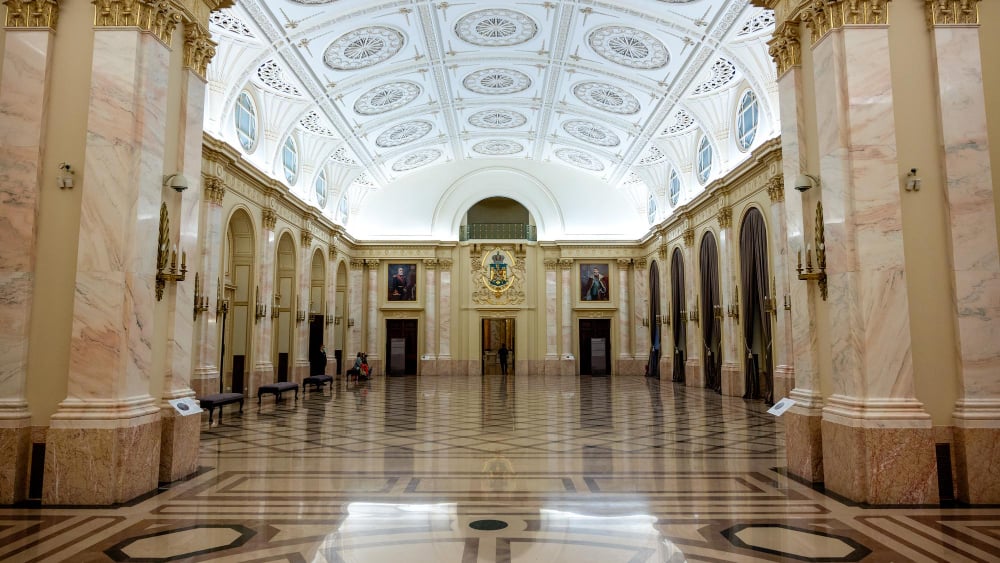
If history fuels your passion and wanderlust, prepare to be captivated by some of the world’s largest history museums. Each destination on this list offers an immersive experience into the past, bringing ancient artifacts, iconic art, and untold stories to life.
From Asia to Europe and beyond, these massive museums are more than just buildings; they are time machines that any true history enthusiast must visit.
1. The Louvre Museum – Paris, France
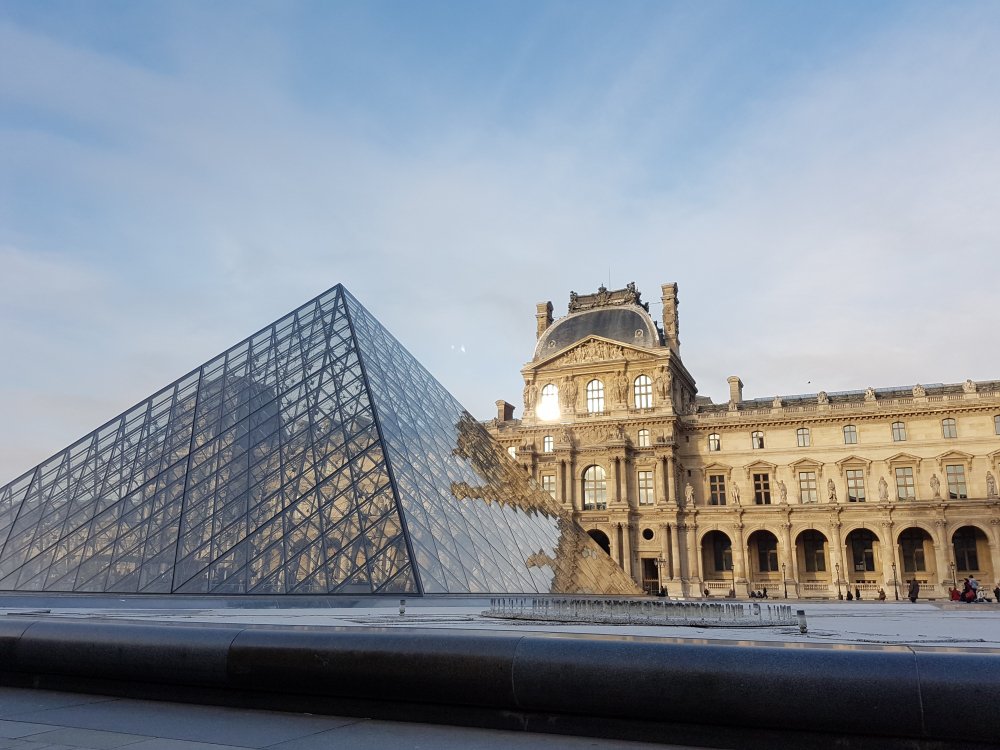
The Louvre Museum, an architectural marvel and historic landmark, is home to over 380,000 masterpieces, including the famed Mona Lisa and Venus de Milo. With galleries covering 652,300 square feet, the museum’s vast collection spans multiple periods and cultures, including ancient Egyptian artifacts, Greco-Roman sculptures, and Islamic art. Visitors can journey through humanity’s artistic evolution, gaining a deep understanding of world history. Its unique blend of art and architecture makes the Louvre an unmissable experience for history lovers worldwide.
2. The British Museum – London, United Kingdom
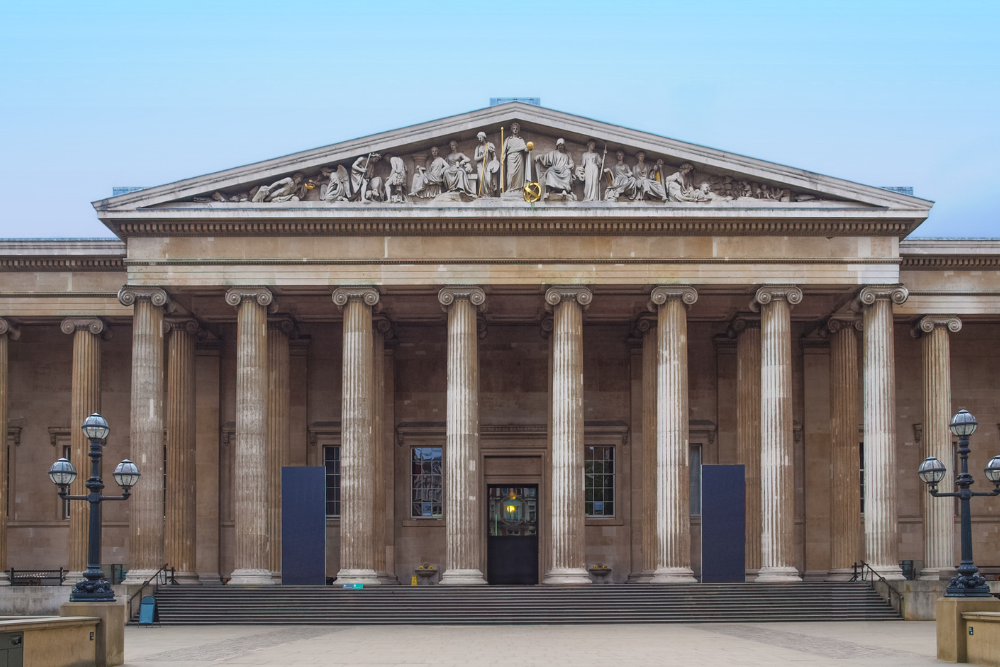
With a collection of more than eight million objects, the British Museum is a treasure trove of global history. Famous for its Egyptian mummies, Assyrian wall carvings, and the iconic Rosetta Stone, this London museum offers a journey through ancient civilizations. Each gallery provides an immersive exploration of cultures from ancient Mesopotamia to the Roman Empire. For history enthusiasts, the British Museum offers a unique opportunity to witness the artifacts that have shaped human civilization over thousands of years.
3. The Metropolitan Museum of Art – New York City, USA
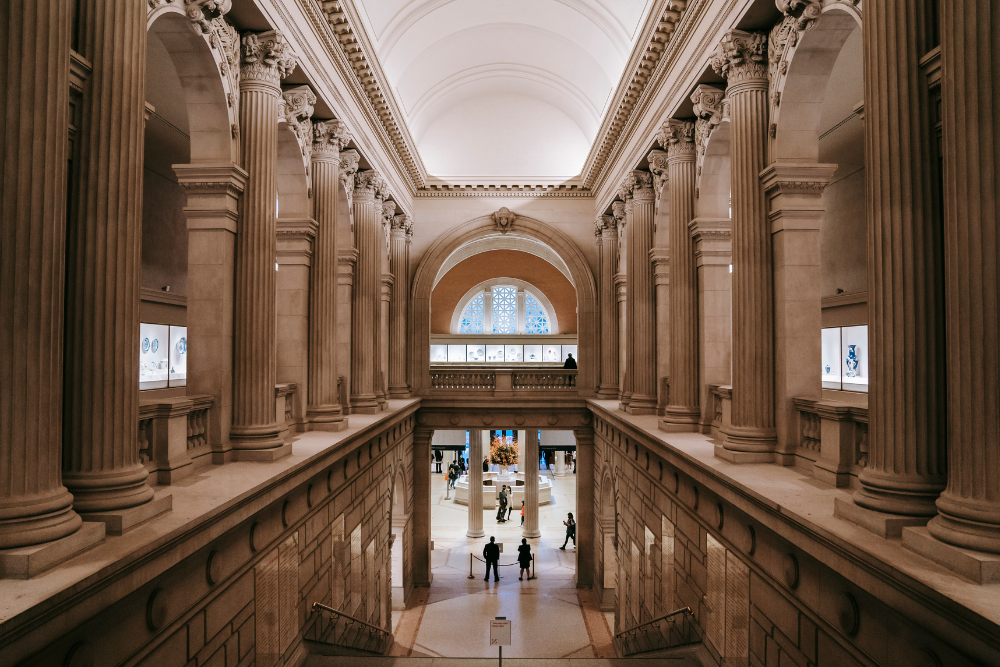
The Metropolitan Museum of Art, or “The Met,” holds over two million works that span 5,000 years, making it the largest museum in the Americas. Located in New York City, this world-renowned institution showcases ancient Egyptian relics, medieval armory, and American art. With exhibits featuring works by artists like Van Gogh and Rembrandt, The Met’s extensive collection illuminates diverse cultural and artistic expressions. Each exhibit offers visitors a meaningful glimpse into humanity’s artistic heritage across millennia.
4. State Hermitage Museum – St. Petersburg, Russia

Founded by Catherine the Great in 1764, the State Hermitage Museum in St. Petersburg is one of the world’s largest and oldest museums, boasting over three million artifacts. Housed across six buildings, including the historic Winter Palace, its collections feature Egyptian antiquities, Western European art, and Russian imperial treasures. Highlights include masterpieces by Michelangelo, Rembrandt, and da Vinci. With each step, visitors gain insight into both Russian heritage and global history, making the Hermitage a must-see for culture and history enthusiasts.
5. National Museum of China – Beijing, China
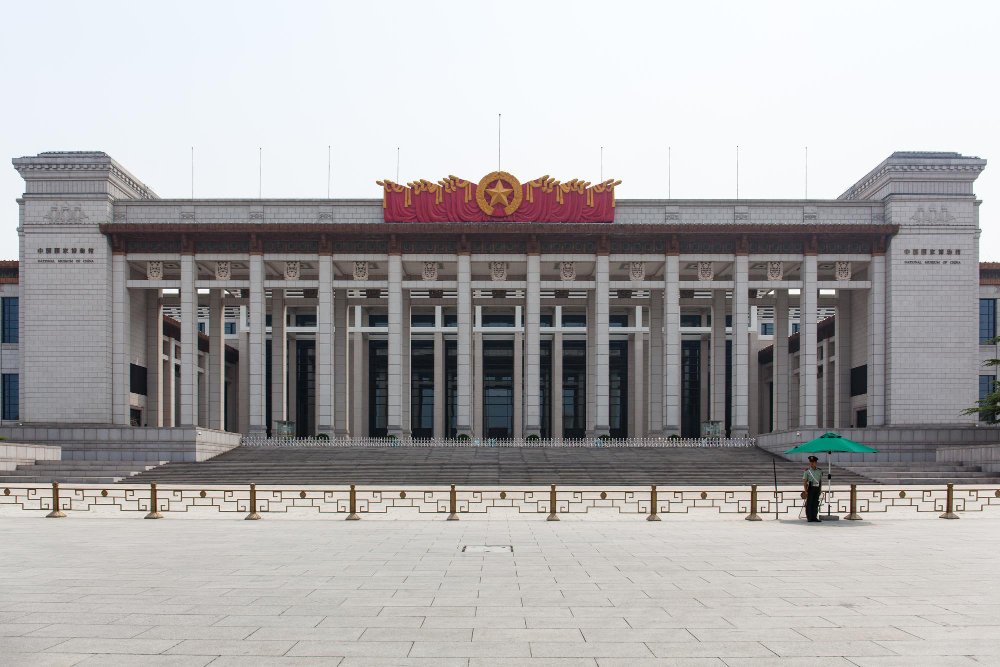
The National Museum of China, overlooking Tiananmen Square, presents nearly two million artifacts representing China’s extensive history and culture. From prehistoric pottery to imperial treasures and revolutionary relics, this museum’s exhibits chronicle China’s development over thousands of years. Notable highlights include ancient bronzes, jade carvings, and the life-sized Terracotta Warriors. Visitors can explore China’s cultural legacy in depth, gaining an appreciation for its profound influence on global civilization and its rich contributions to art, science, and philosophy.
6. Vatican Museums – Vatican City
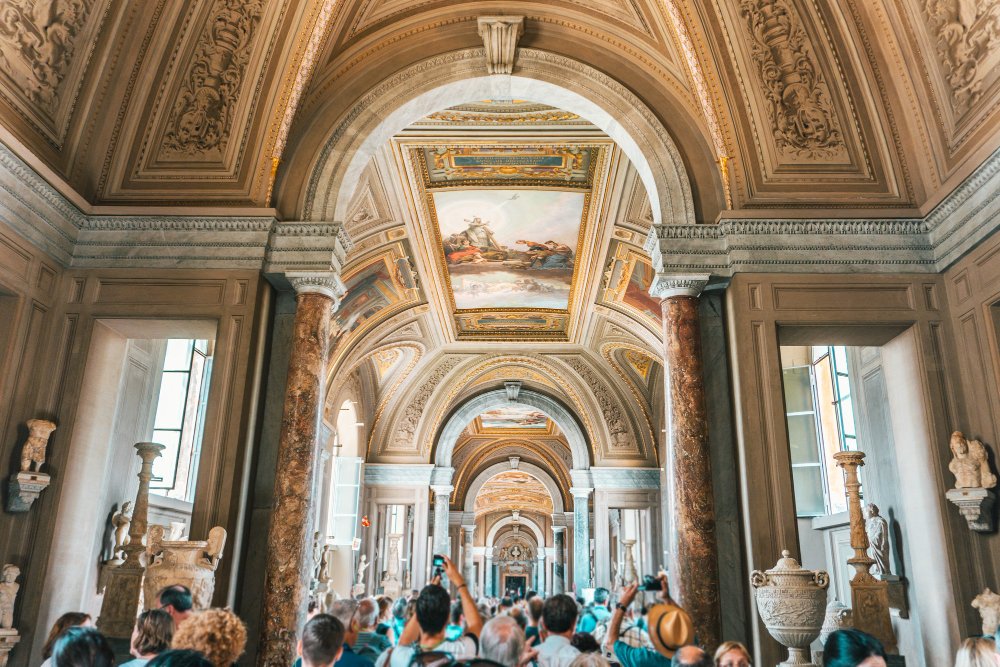
The Vatican Museums, encompassing 54 galleries, offer a journey through religious and artistic history. Home to Michelangelo’s Sistine Chapel and Raphael’s masterpieces, the museum houses a wealth of sacred art collected by the Catholic Church over centuries. With classical sculptures, Egyptian mummies, and Renaissance paintings, the Vatican Museums are a testament to the Church’s influence on Western art and culture. Visiting these museums allows enthusiasts to witness the convergence of history, religion, and artistic genius within a sacred and historic setting.
7. Smithsonian National Museum of Natural History – Washington, D.C., USA

The Smithsonian National Museum of Natural History, with its collection of over 145 million specimens, is a hub for understanding the natural world and human origins. Highlights include the Hope Diamond, ancient fossils, and an expansive hall dedicated to human evolution. Its exhibits on ancient civilizations provide insight into humanity’s early history, while its extensive taxidermy and geological displays showcase Earth’s biodiversity. This museum offers an engaging exploration of both natural wonders and human history, making it a favorite among history buffs and scientists alike.
8. Tokyo National Museum – Tokyo, Japan
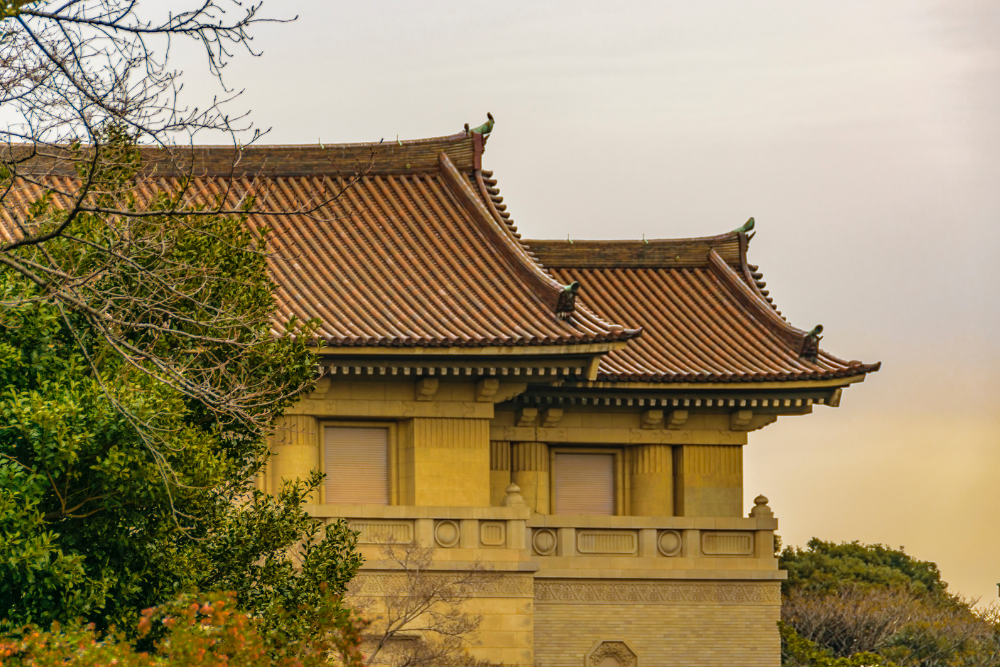
The Tokyo National Museum, Japan’s oldest and largest, holds over 110,000 artifacts, preserving the nation’s cultural heritage. Highlights include exquisite samurai armor, intricate ceramics, and Buddhist statues dating back centuries. Its galleries trace Japan’s history from prehistoric times through modernity, offering a unique glimpse into Japanese society’s evolution. Visitors can explore exhibits showcasing traditional crafts, weapons, and religious art, gaining a profound understanding of Japan’s artistic achievements and cultural legacy within Asia and beyond.
9. Museo Nacional de Antropología – Mexico City, Mexico
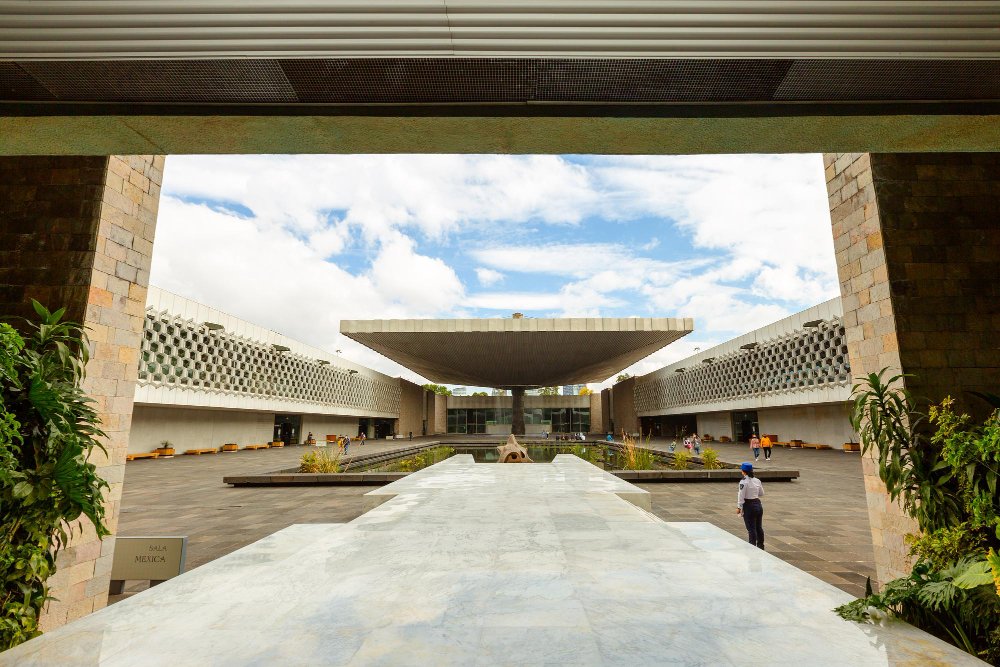
The Museo Nacional de Antropología in Mexico City is a centerpiece of Mesoamerican history, displaying artifacts from ancient cultures like the Maya and Aztec. Notable exhibits include the famous Aztec Sun Stone and the reconstructed Mayan temples. Each gallery tells the story of indigenous civilizations and their contributions to art, astronomy, and architecture. As the largest anthropology museum in Latin America, it offers a powerful immersion into Mexico’s pre-Columbian heritage, providing insights into the rich and complex histories that shaped modern-day Latin America.