
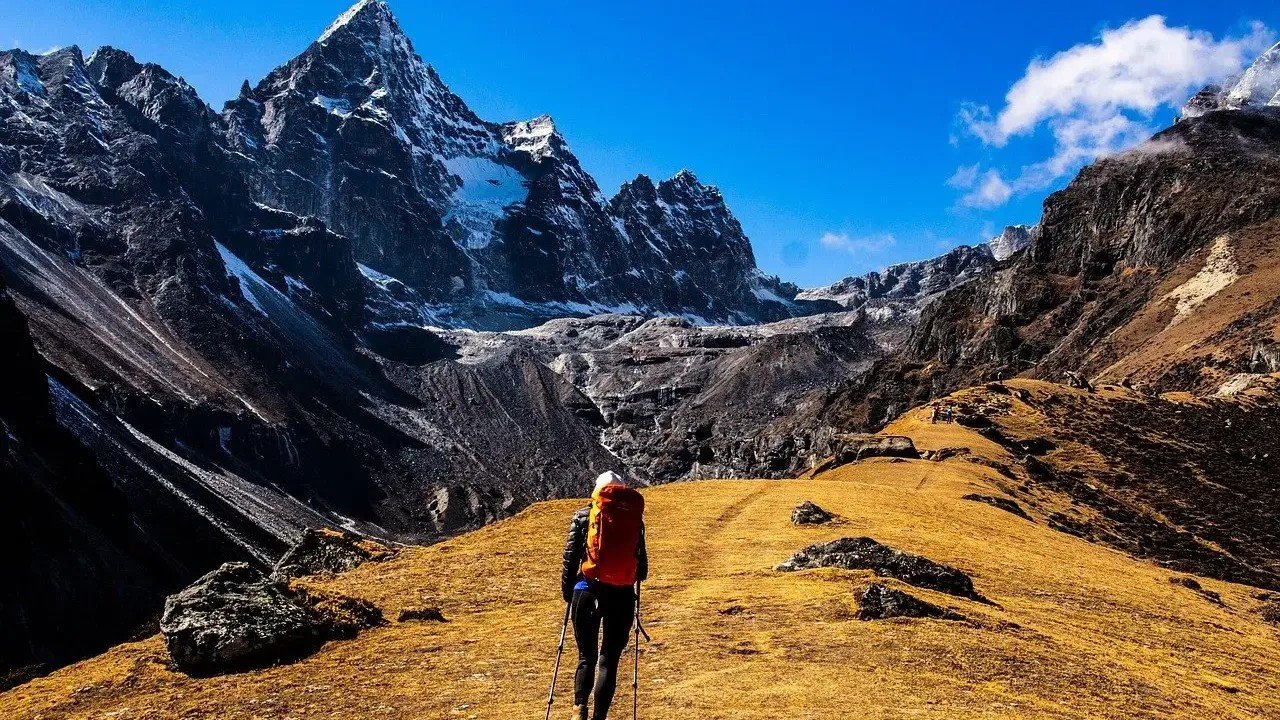
Picture this: crystal-clear lakes fringed by sandy beaches, ancient rock churches carved into mountainsides, and gorilla treks through misty forests. These spots sound like dream escapes, right? Yet they sit in some of the world’s poorest nations, where a modest budget unlocks adventures most travelers only imagine.[1][2]
Despite low GDP per capita figures hovering under $1,200 in many cases, these places draw hundreds of thousands of visitors yearly for their raw beauty and culture.[3][2] Here’s the thing, poverty doesn’t dim their allure, it often amplifies the authenticity. Let’s explore nine standouts.
Malawi
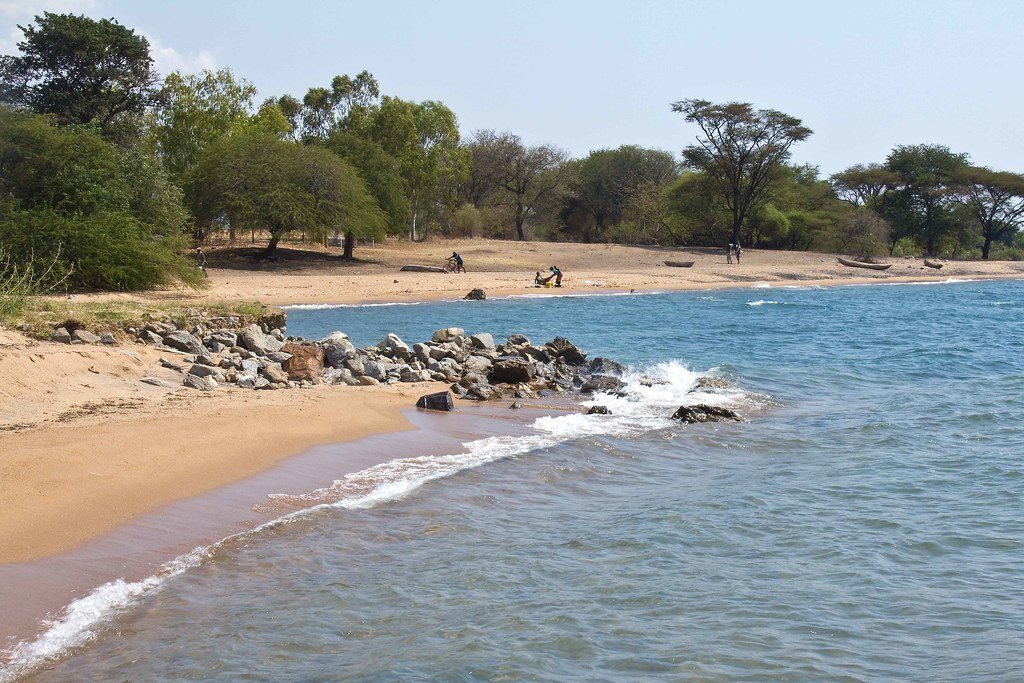
Malawi ranks among the bottom five globally with a GDP per capita of just $580 in 2025 IMF estimates.[3] Lake Malawi dominates the scene, a vast freshwater expanse perfect for swimming and snorkeling amid colorful cichlid fish. Simple guesthouses dot the shores, making it a backpacker haven where days blend relaxation with village chats.
Protected areas keep things sustainable, drawing repeat visitors who rave about the laid-back vibe. Honestly, it’s like stepping into a living aquarium without the crowds. Local boat hires and community tours add that personal touch.[1]
Madagascar
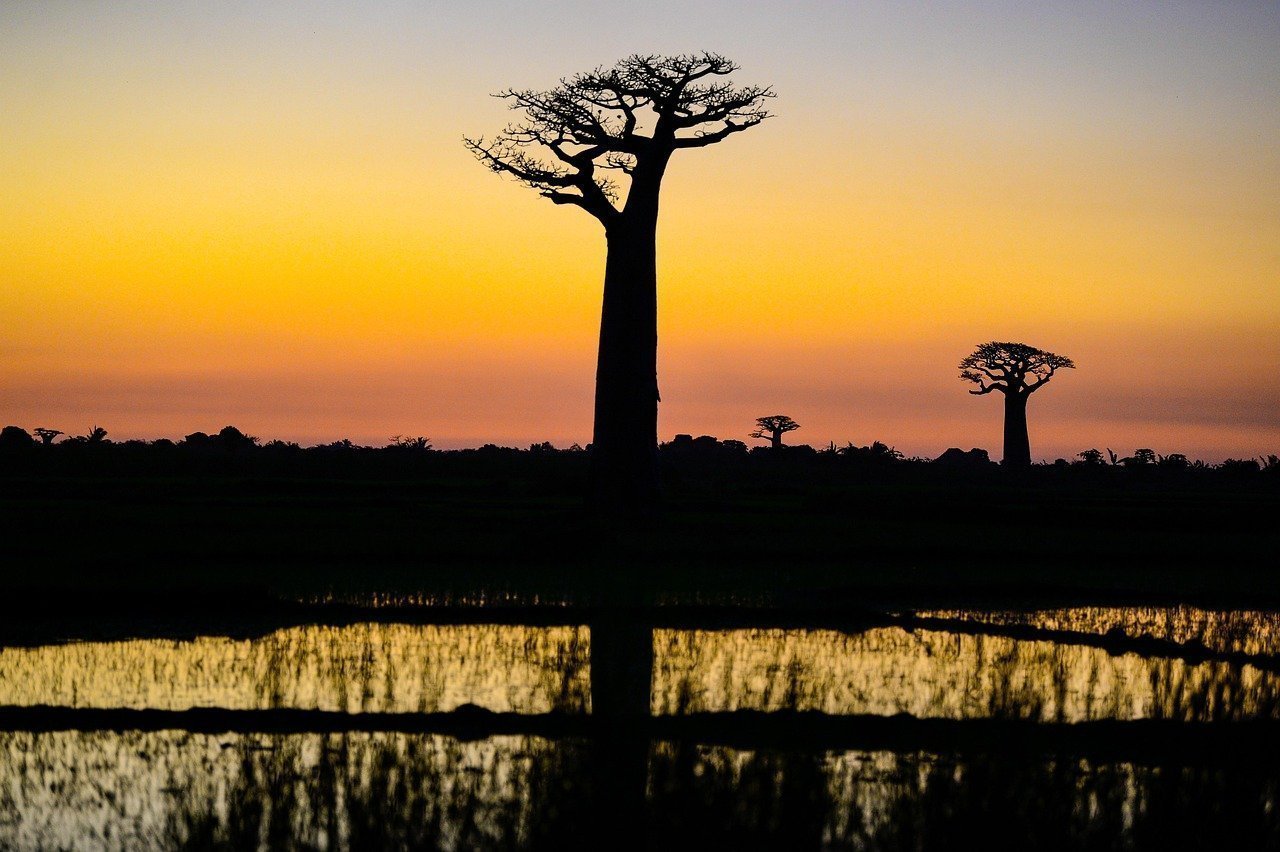
Clocking in at $595 GDP per capita, Madagascar sits sixth on the 2025 poorest list.[3] The Avenue of the Baobabs steals the show, those massive trees glowing at dawn like something from a fantasy tale. West coast itineraries mix this with mangrove rides and lemur spotting in unique national parks.
No permits needed for the baobabs, just a local guide and your camera. It anchors trips for wildlife lovers, supporting craftspeople nearby. I know it sounds wild, but this island’s biodiversity feels otherworldly.[1][4]
Mozambique
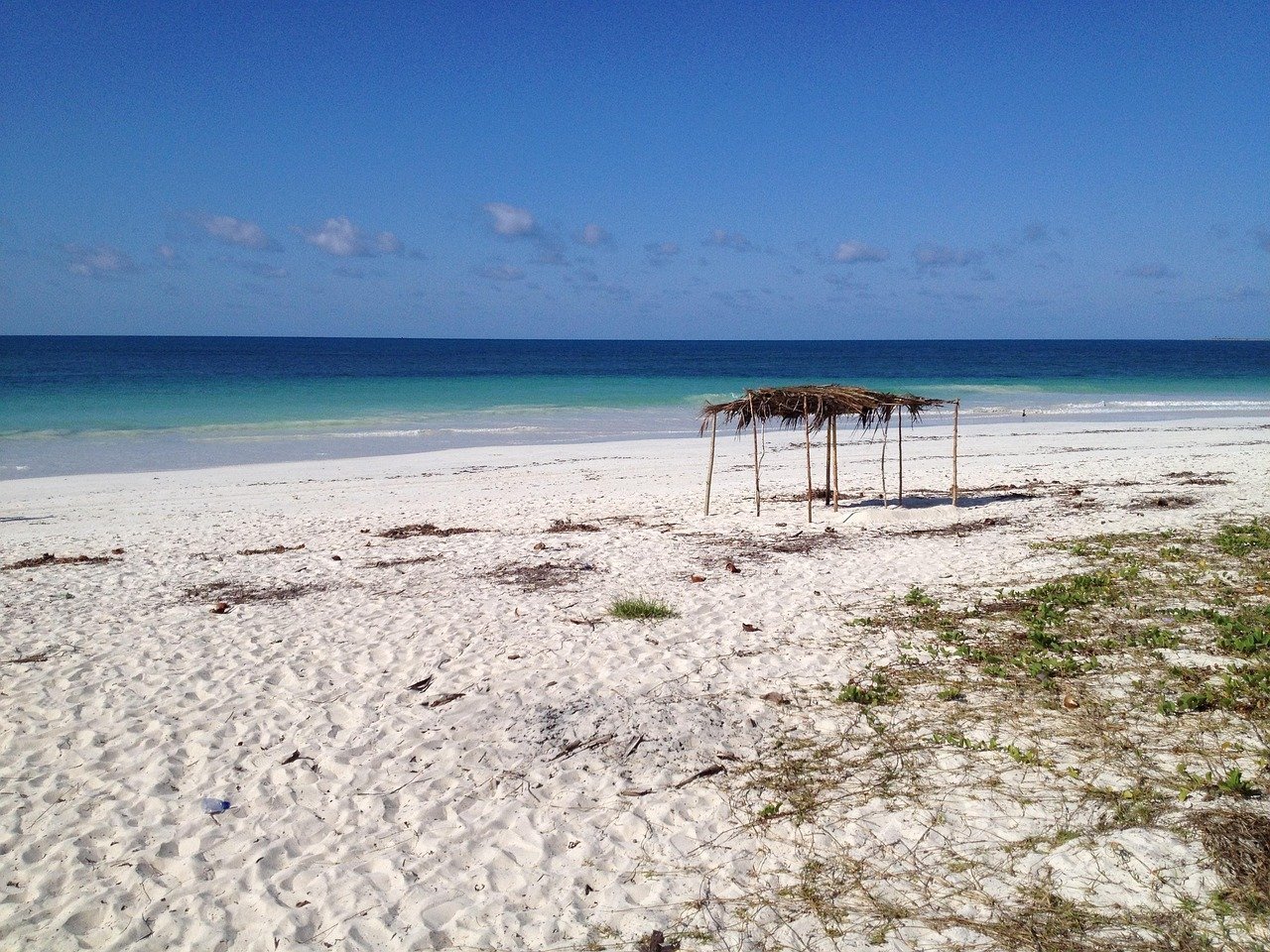
Mozambique’s $663 per capita places it eighth poorest worldwide per IMF 2025 data.[3] The Bazaruto Archipelago shines with pristine diving spots, coral reefs teeming with fish, and quiet beaches. Resorts and local operators make marine adventures accessible via short flights from the mainland.
Seasonal big game sightings amp up the thrill for snorkelers. It’s competitive in the region, pulling in divers who prioritize unspoiled waters. Though challenges persist, coastal safety has improved for tourists.[1]
The Gambia
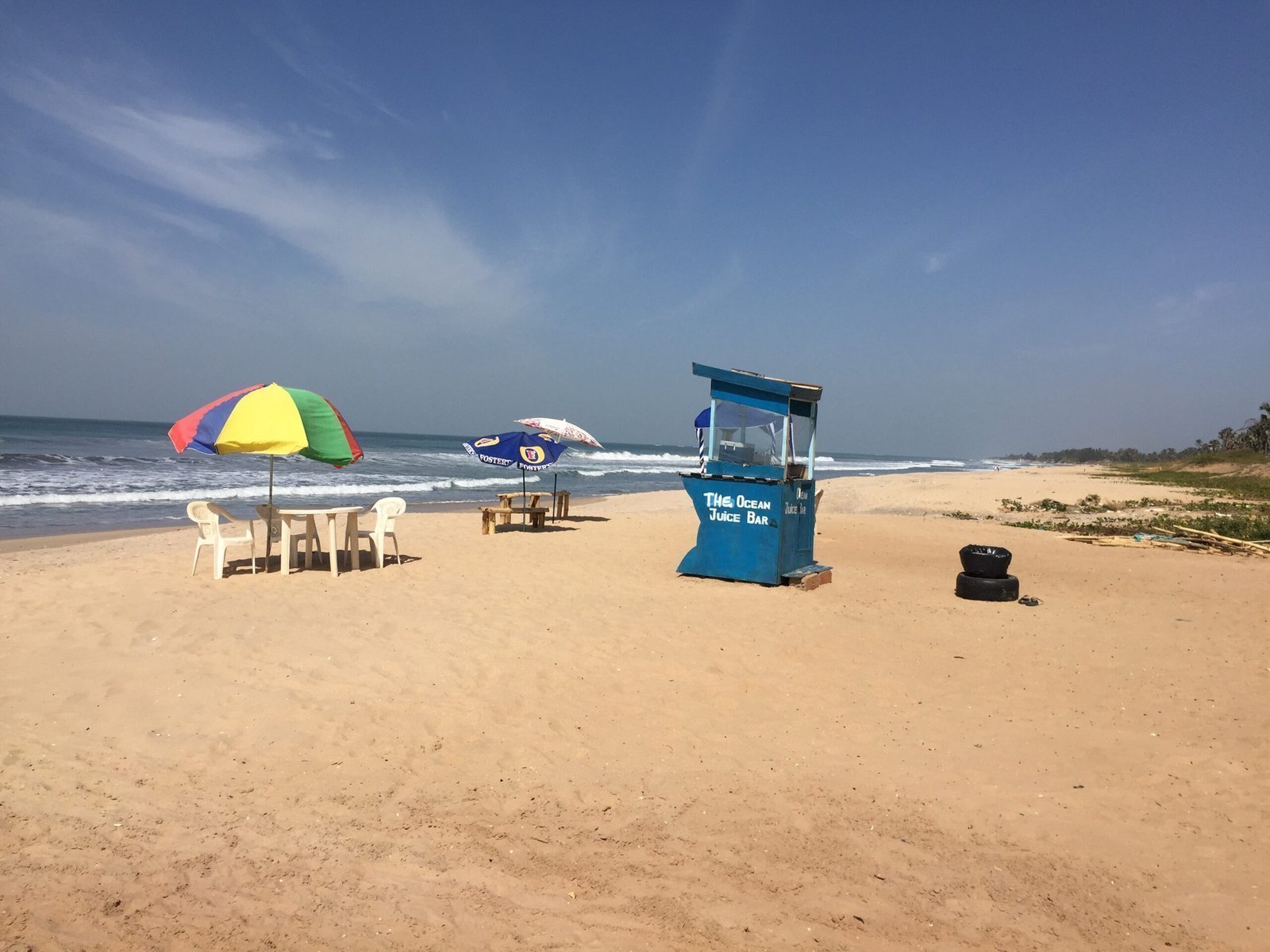
With GDP per capita around $871, The Gambia counts as one of Africa’s poorest yet draws beachgoers steadily.[2] Kunta Kinteh Island offers a poignant slave trade history tour, paired with Atlantic sun and village immersion. Over 232,000 tourists arrived in the 2024/25 season, many extending beach stays with heritage day trips.
Boat rides to the fort feel straightforward and guided well. Diaspora travelers love the cultural depth. Let’s be real, it’s winter sun with a side of reflection.[1][2]
Uganda
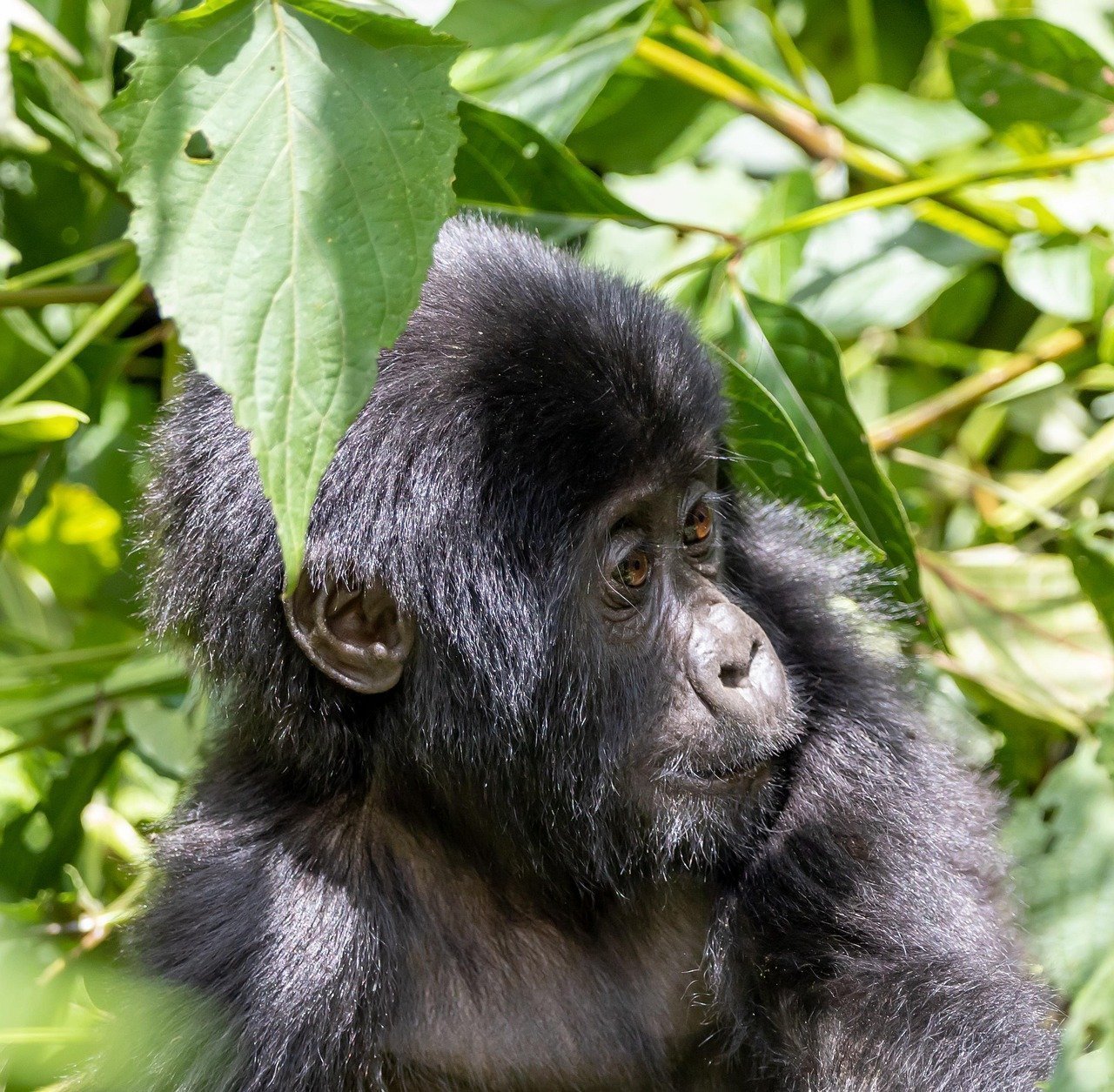
Uganda’s roughly $1,073 GDP per capita marks it poor, hosting 1.37 million visitors in 2024.[2] Bwindi Impenetrable National Park rules for gorilla trekking, with strict daily caps ensuring intimate encounters. Rough roads lead to simple lodges, but the payoff in forest magic is huge.
Fees fund communities, blending adventure with impact. Crater lakes and the Nile add variety. It’s raw, rewarding travel at its best.[1]
Rwanda

Rwanda, a low-income standout, thrives on Volcanoes National Park’s gorilla permits that book out fast. Day trips from Kigali make it doable, with golden monkey hikes as bonuses. Safety logistics shine, keeping groups small and views epic.
Volcano backdrops elevate the experience. Guides and drivers stay busy year-round. No wonder it punches above in adventure tourism.[1]
Ethiopia
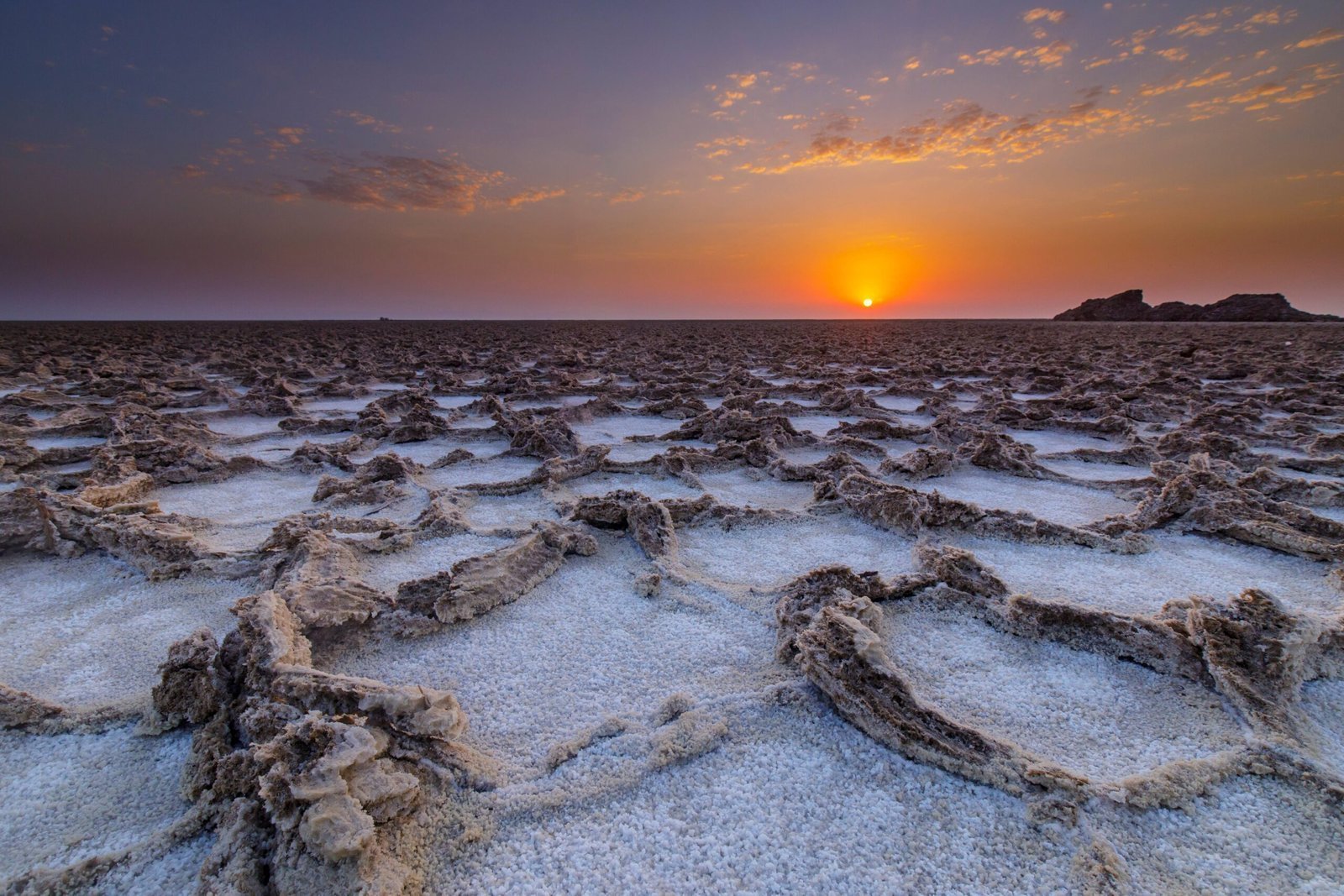
Ethiopia, flagged as ultra-poor, boasts Lalibela’s rock-hewn churches, active worship sites linked by tunnels. Feast days surge crowds, but guides unpack the history smoothly. It’s a Horn of Africa must, fitting cultural itineraries easily.
Local hotels support visits without fuss. The architecture stuns like few places can. Cultural depth meets accessibility here.[1]
Tanzania
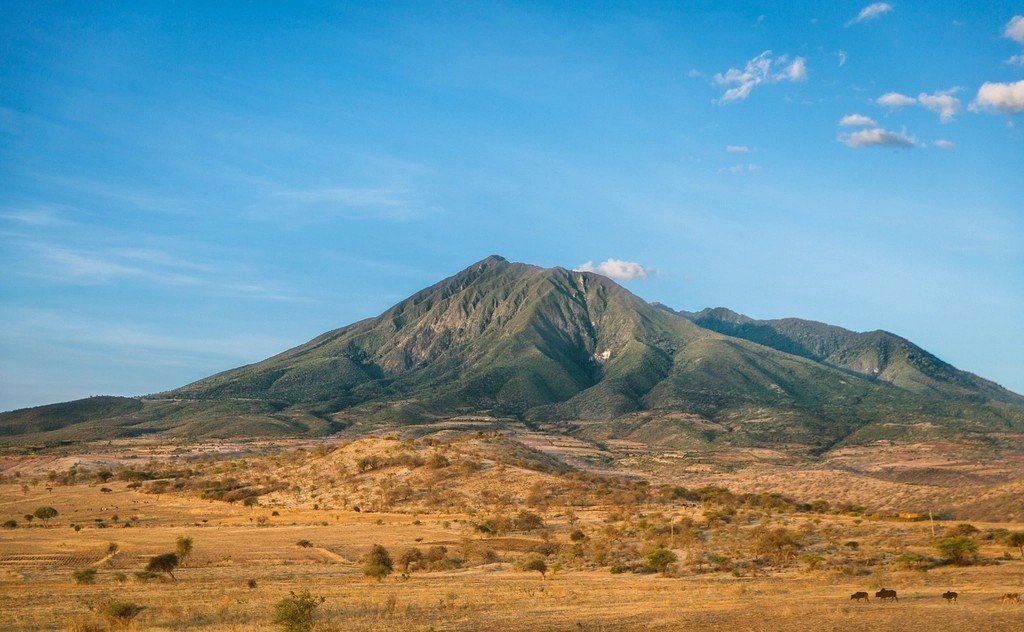
Tanzania’s $1,186 per capita saw 2.14 million arrivals in 2024, fueled by Serengeti safaris and Zanzibar shores.[2] Ngorongoro Crater offers wildlife in a caldera, quieter than big parks. Beaches provide downtime after game drives.
Smaller lodges keep it intimate. The combo of plains and coast hooks safari fans. Value shines through.[2]
Nepal
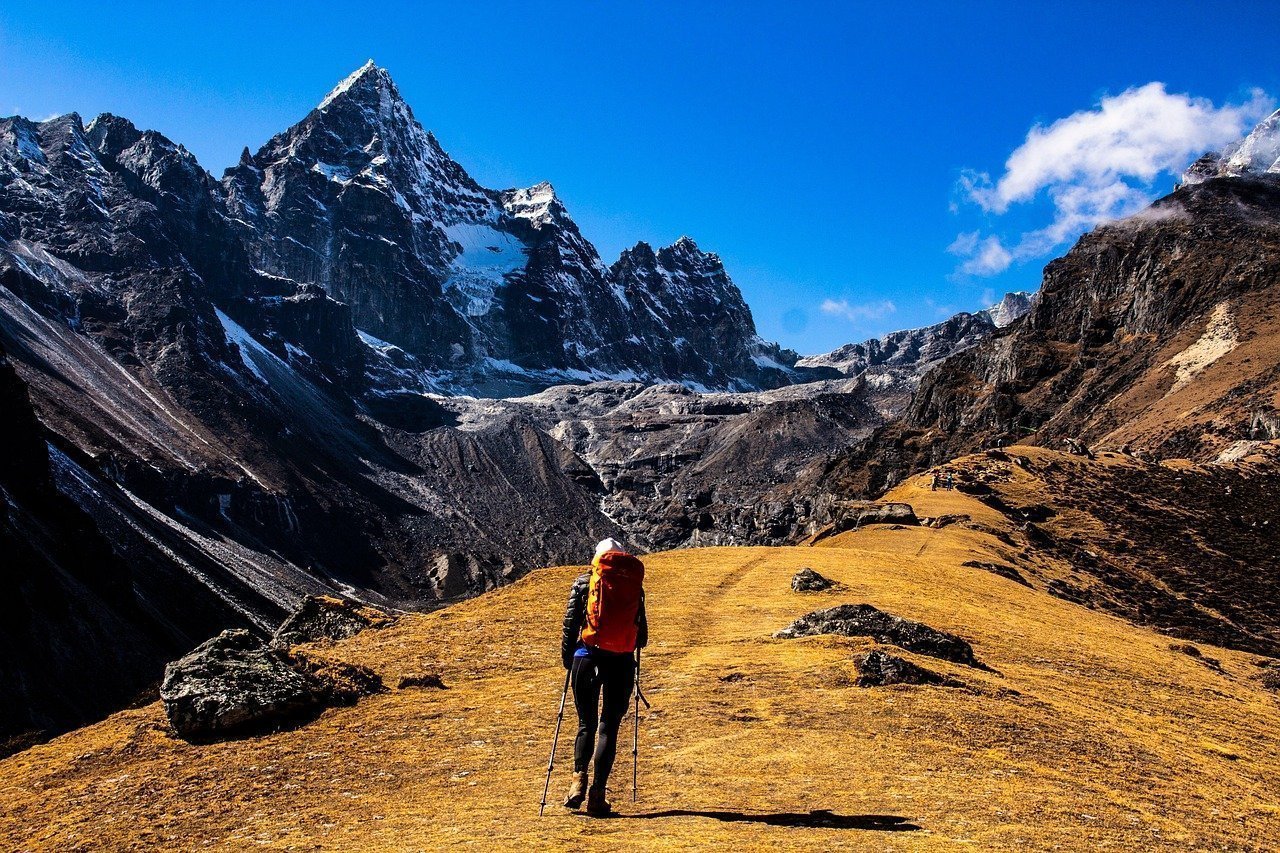
Nepal, at about $1,447 GDP per capita, welcomed 1.15 million tourists in 2024 amid Himalayan trails.[2] Trekking routes and heritage cities like Kathmandu pull adventurers and pilgrims alike. Budget stays mix with epic views.
Prayer flags and peaks create magic. It’s tough but transformative. Poverty fades against those mountains.[2]
These destinations prove stunning experiences don’t require deep pockets. Your trip could change perspectives on both travel and resilience. Which one calls to you first?