
Some places are so full of traffic, chatter, and background noise that it’s hard to truly hear yourself think.
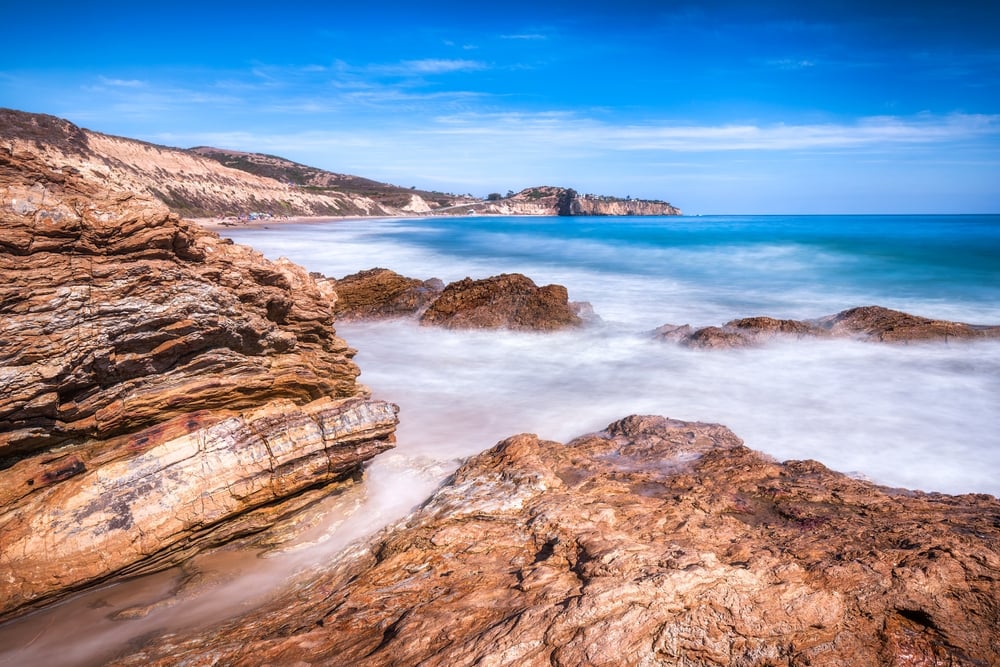
That’s where the concept of “quiet parks” comes in—natural sanctuaries where sound is protected as much as the landscape. These rare escapes allow you to listen to birdsong, flowing water, and even the wind without the interruption of engines or human noise. In a busy, overstimulated world, they offer a rare kind of peace.
Across the United States, conservation groups and communities are working to preserve these pockets of silence. They aren’t always remote wilderness areas either—some are tucked surprisingly close to towns and cities. Whether you’re seeking a contemplative hike, a meditative sit by the water, or just a chance to reset, these quiet parks are designed to give you breathing room. Here are nine serene places where you can truly hear yourself think.
1. Zabalo River–Inspired Quiet Park in Olympic National Park.
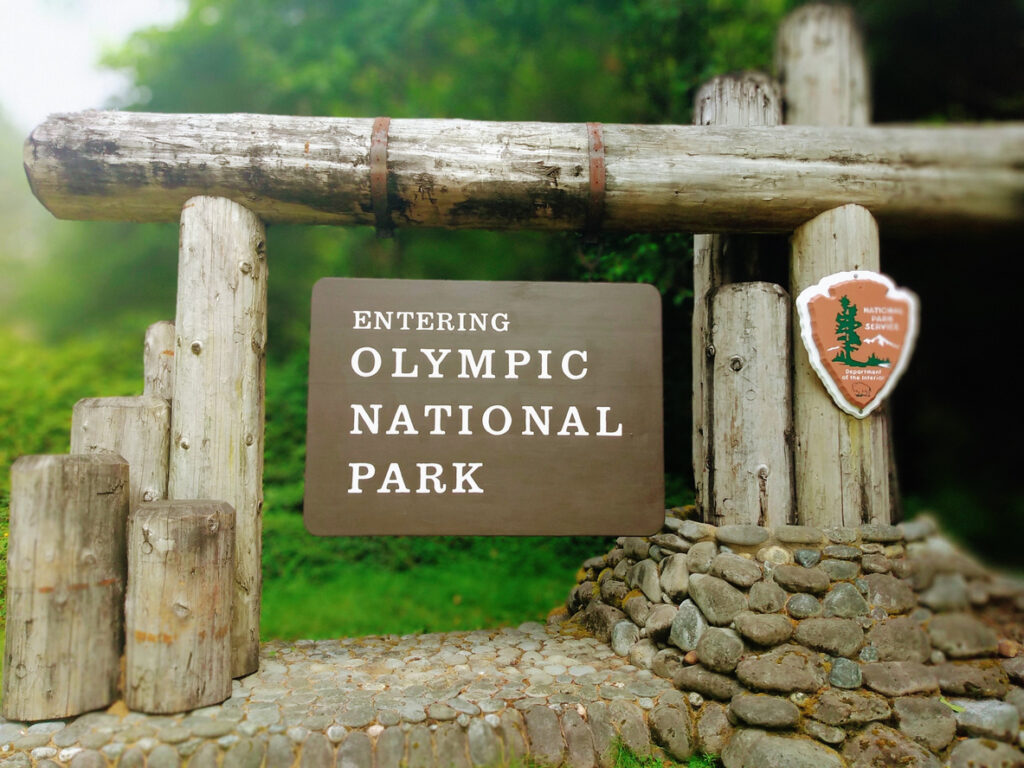
Though Ecuador’s Zabalo River earned the first official “Quiet Park” status, Olympic National Park in Washington carries the movement forward in the U.S. The park protects some of the country’s last true soundscapes, including forests where human noise is virtually absent. Within its borders lies the famous “One Square Inch of Silence,” a symbolic site dedicated to preserving natural quiet. With glaciers, alpine ridges, and ocean beaches, Olympic offers an unmatched variety of hushed experiences. Visitors who sit still in its rainforests often hear only dripping moss, distant birdcalls, or the rustle of deer moving through ferns, as shared by Outside Magazine. It’s a reminder that silence can be as restorative as any view, and worth protecting for future generations.
2. Hoh Rain Forest, Washington.
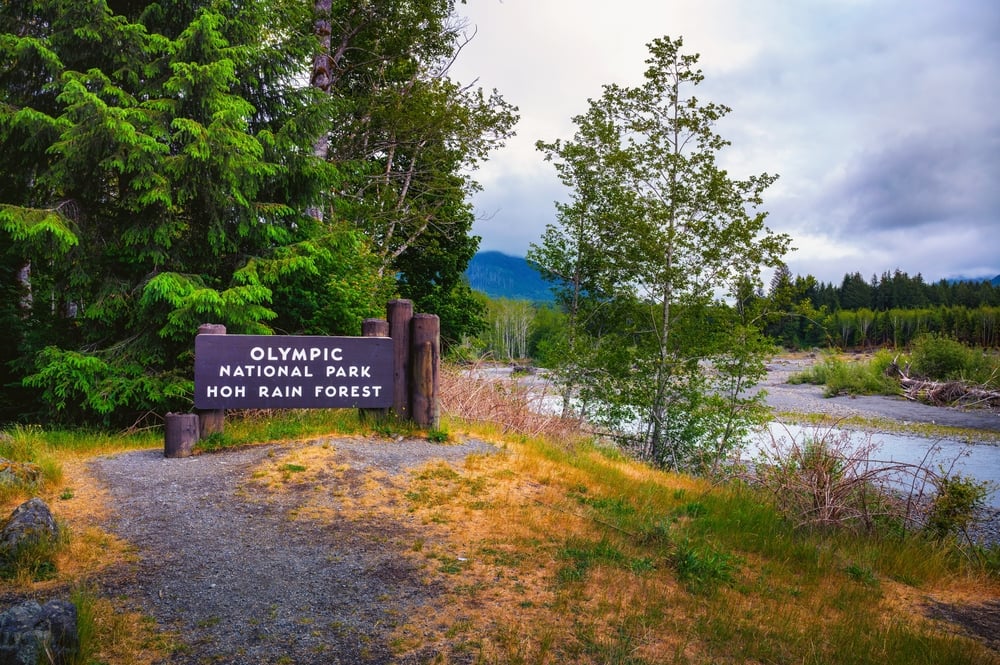
Inside Olympic National Park, the Hoh Rain Forest stands out as one of the quietest places in North America. Its thick canopy and heavy moss absorb sound, leaving visitors wrapped in a cocoon of stillness. Walk the Hall of Mosses trail and you’ll notice how the dripping leaves and damp earth create a soft acoustic blanket. Many hikers pause simply to listen—sometimes hearing their own heartbeat or breathing more clearly than ever before. Wildlife thrives in this peaceful setting too. From Roosevelt elk moving silently through the trees to the occasional call of a raven overhead, the Hoh offers a rare chance to experience nature on its own terms, unspoiled by human noise or distraction, as shared by Travel + Leisure.
3. Great Sand Dunes National Park, Colorado.
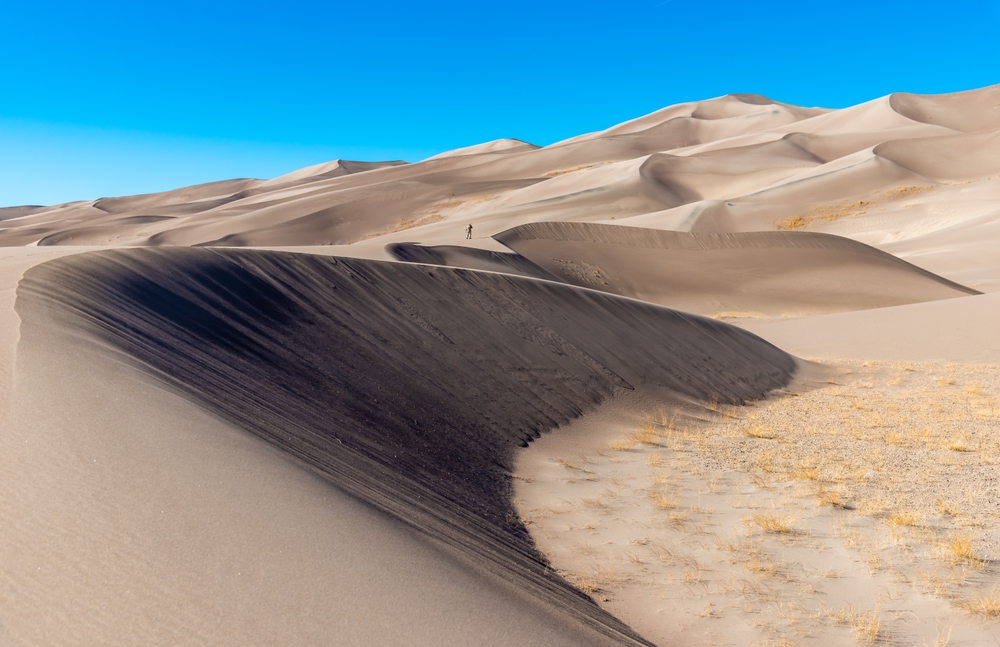
The tallest dunes in North America provide more than a striking visual landscape—they also offer a rare kind of quiet. As you climb away from the visitor center, the soft sand swallows footsteps and muffles conversation. On calm days, the only sounds are the breeze sliding over the dune ridges and the faint crunch of sand grains shifting beneath your feet. The isolation is profound, especially at night under the Milky Way, when silence deepens across the dunes. Occasionally, you may hear the “singing” of sand, a natural phenomenon where dunes hum with vibration, Los Angeles Times reported. It’s a haunting reminder of how alive the land is, even in stillness, and why this park is cherished for its quiet solitude.
4. Haleakalā Crater, Hawaii.

Rising above Maui at over 10,000 feet, Haleakalā’s volcanic summit feels like another planet. The enormous crater stretches silently in every direction, its barren slopes absorbing sound. Sunrise here is legendary, but it’s the silence that lingers long after the sun crests the horizon. With thin air and sweeping openness, every noise seems to dissolve instantly. Visitors often describe the atmosphere as spiritual, as if the mountain itself demands stillness. The occasional call of a nēnē goose or the wind brushing over lava rock is all you’ll hear. Whether you’re hiking down into the crater or simply gazing across its expanse, Haleakalā offers the kind of profound quiet that makes you feel both small and deeply connected to nature.
5. Boundary Waters Canoe Area Wilderness, Minnesota.
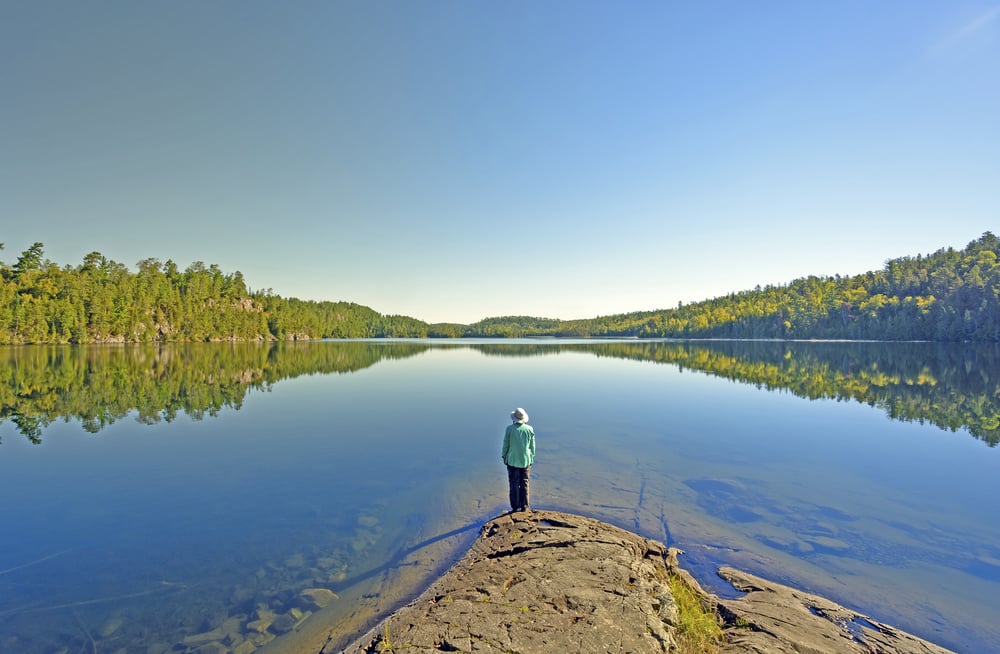
A vast network of lakes and forests, the Boundary Waters is one of the most acoustically untouched regions in the United States. Motorboats are banned in much of the area, so paddlers glide across mirrorlike waters in near total silence. The dip of a paddle, the call of a loon, or the distant howl of wolves at night often become the only sounds for miles. Campers who spend several days here report an almost meditative calm, their senses heightened by the absence of constant noise. Even wind moving through pines feels amplified in this serene environment. For those seeking true wilderness quiet, the Boundary Waters delivers not just solitude but a soundscape that feels timeless, wild, and healing.
6. Congaree National Park, South Carolina.
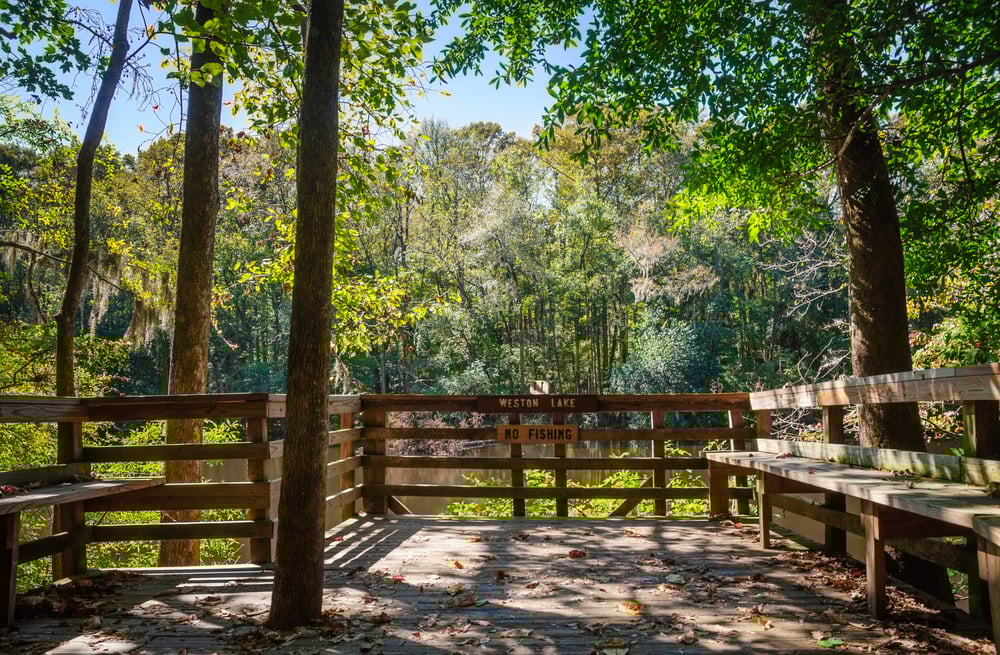
Known for its towering loblolly pines and ancient cypress, Congaree is a hidden gem of quiet in the Southeast. The dense forest canopy creates a natural sound barrier, muffling outside noise and amplifying the subtler rhythms of the swamp. Walk along its boardwalk and you’ll hear woodpeckers echoing through the trees or frogs chorusing after rain. Yet, between these moments, you’ll find long stretches of stillness where the forest seems to hold its breath. This park’s unique hush makes it feel worlds away from nearby cities. Many visitors come for the solitude as much as the scenery, finding that the quiet offers a chance for reflection and a deeper appreciation of this rare old-growth forest.
7. Big Bend National Park, Texas.
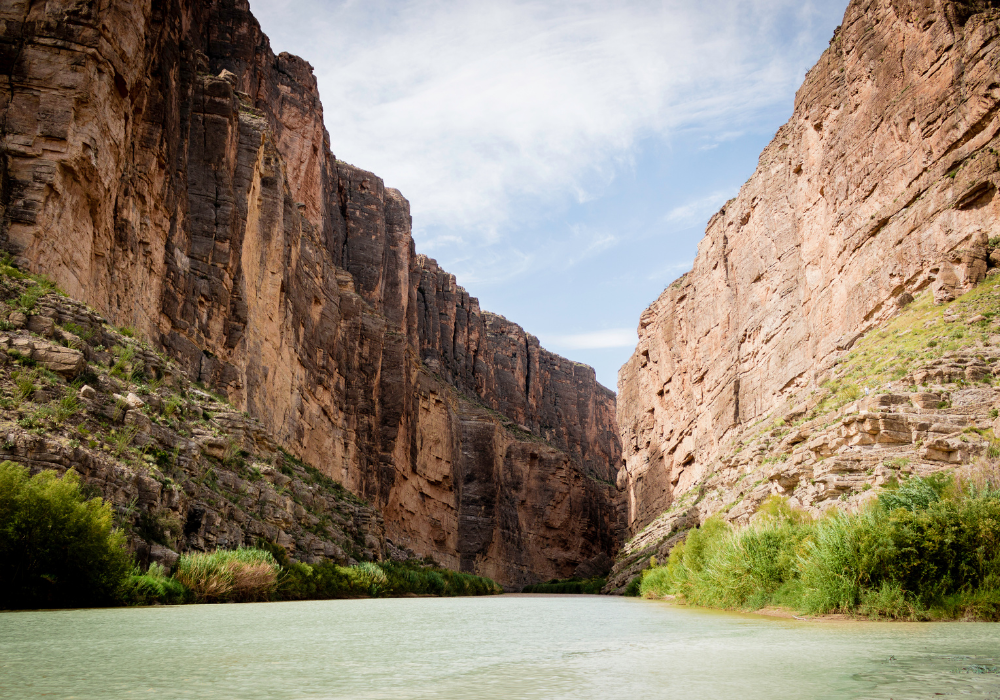
In a state known for its wide-open spaces, Big Bend delivers some of the deepest quiet you can experience. Its remoteness keeps crowds small, and the Chisos Mountains shield large areas from outside noise. Wander into Santa Elena Canyon and you’ll find the Rio Grande flowing quietly between sheer walls, magnifying the sense of isolation. Desert nights here are especially striking—the absence of sound pairs with some of the darkest skies in the country. Campers often remark how silence wraps around them, broken only by coyotes calling in the distance. In Big Bend, solitude isn’t just part of the scenery—it’s a defining part of the experience, making it a sanctuary for those craving quiet.
8. Lassen Volcanic National Park, California.
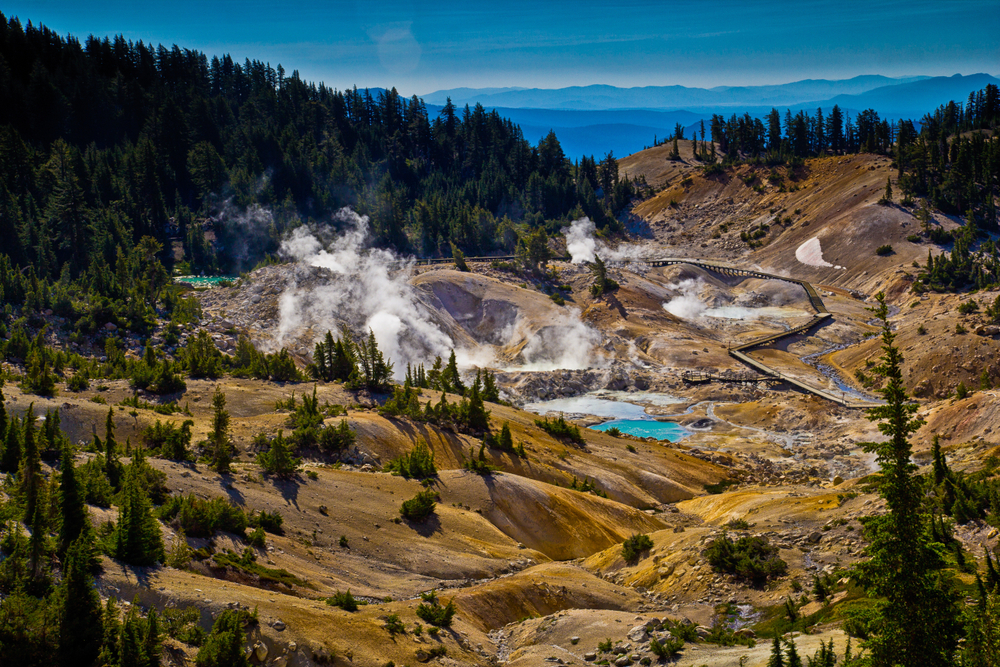
Less crowded than California’s famous parks, Lassen offers a surprising blend of geothermal activity and tranquil spaces. While mudpots bubble and fumaroles hiss in certain areas, vast stretches of alpine forest and clear lakes remain profoundly still. Hike around Manzanita Lake or into Lassen’s backcountry, and you’ll discover pockets of silence that feel untouched. The contrast between volcanic energy and natural quiet is striking, giving the park a unique rhythm. Visitors often find that the quiet invites slower exploration—pausing to watch dragonflies skimming the water or clouds drifting across Lassen Peak. For anyone seeking a peaceful alternative to California’s busier wilderness areas, Lassen offers both solitude and unexpected serenity.
9. Denali National Park, Alaska.
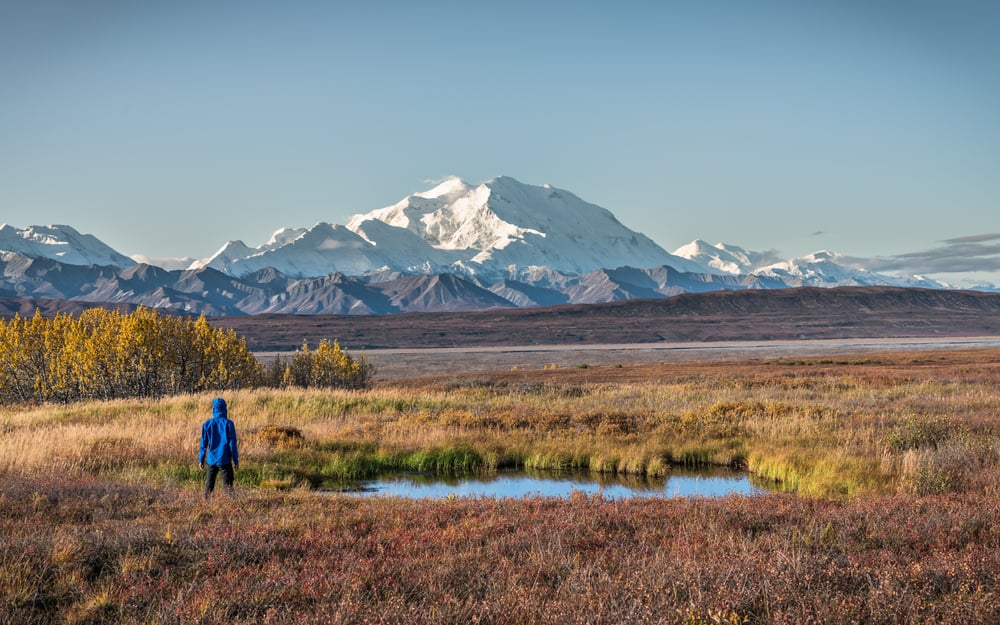
Few places embody wilderness quiet like Denali. Spanning six million acres, the park holds vast tundra, towering peaks, and remote valleys where human presence is minimal. Visitors frequently experience hours without hearing a single artificial sound. Instead, the land speaks in subtle ways—the rustle of caribou moving across the tundra, a raven’s wingbeats, or the whisper of wind funneling down a glacier. At night, the silence deepens under skies alive with the northern lights. This immense quiet can feel humbling, even overwhelming, yet it’s also grounding. Denali offers not just a glimpse of untouched nature but a rare chance to experience what true silence feels like in one of the last wild frontiers.