
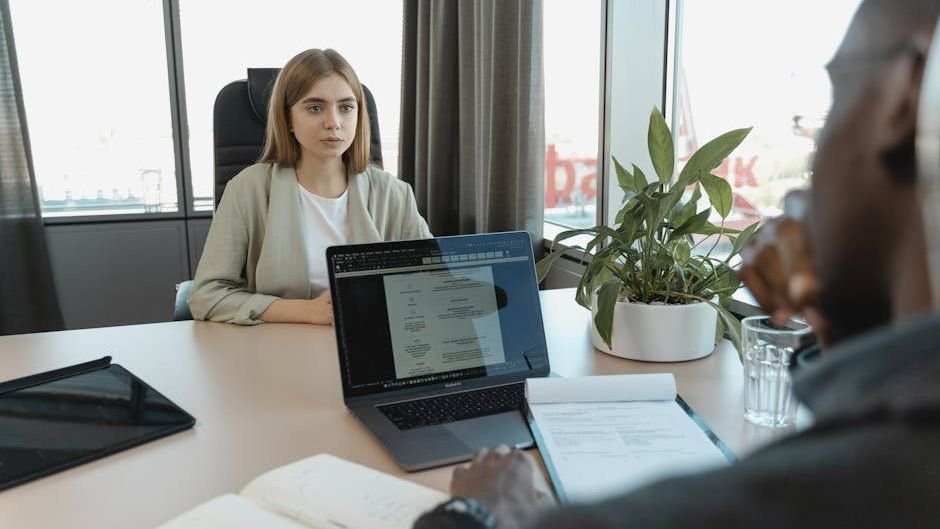
You’ve polished your resume, rehearsed your answers, and researched the company inside and out. Then you walk into the room wearing the wrong outfit. Game over – sometimes before you’ve said a single word. Your qualifications and experience may land you an interview, but your first impression sets the tone for the entire conversation, and the way you present yourself, especially your attire, plays a crucial role in how hiring managers perceive you.
Here’s the thing most job seekers don’t want to hear: your clothes are already talking. Research published in the Journal of Applied Social Psychology found that clothing directly shapes how interviewers perceive a candidate’s competence, forcefulness, and overall suitability for management positions. So yes, it really does matter what you pull out of that closet. Let’s dive in.
1. Overly Casual Clothing (Hoodies, Leggings, Yoga Pants)
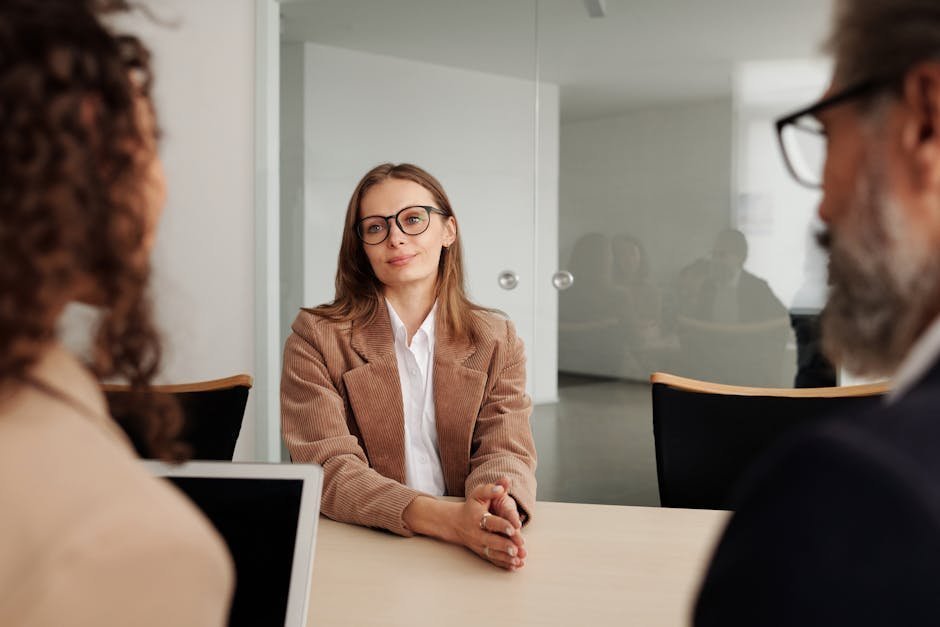
Walking into an interview in overly casual clothing can instantly send the wrong message, suggesting a lack of preparation and seriousness. Think about it this way: you wouldn’t show up to your first day at a new school wearing pajamas. An interview is no different. Items like hoodies, graphic T-shirts, leggings, athletic wear, shorts, crop tops, casual sundresses, or anything you’d wear for weekend activities should all be avoided.
According to one report, roughly three out of four recruiters say job candidates dress too casually. That’s a staggering number. Wearing overly casual clothing can convey a lack of seriousness and professionalism, and it is important to dress in business or business-casual attire to show that you respect the opportunity and the company.
2. Jeans – Even the “Nice” Ones
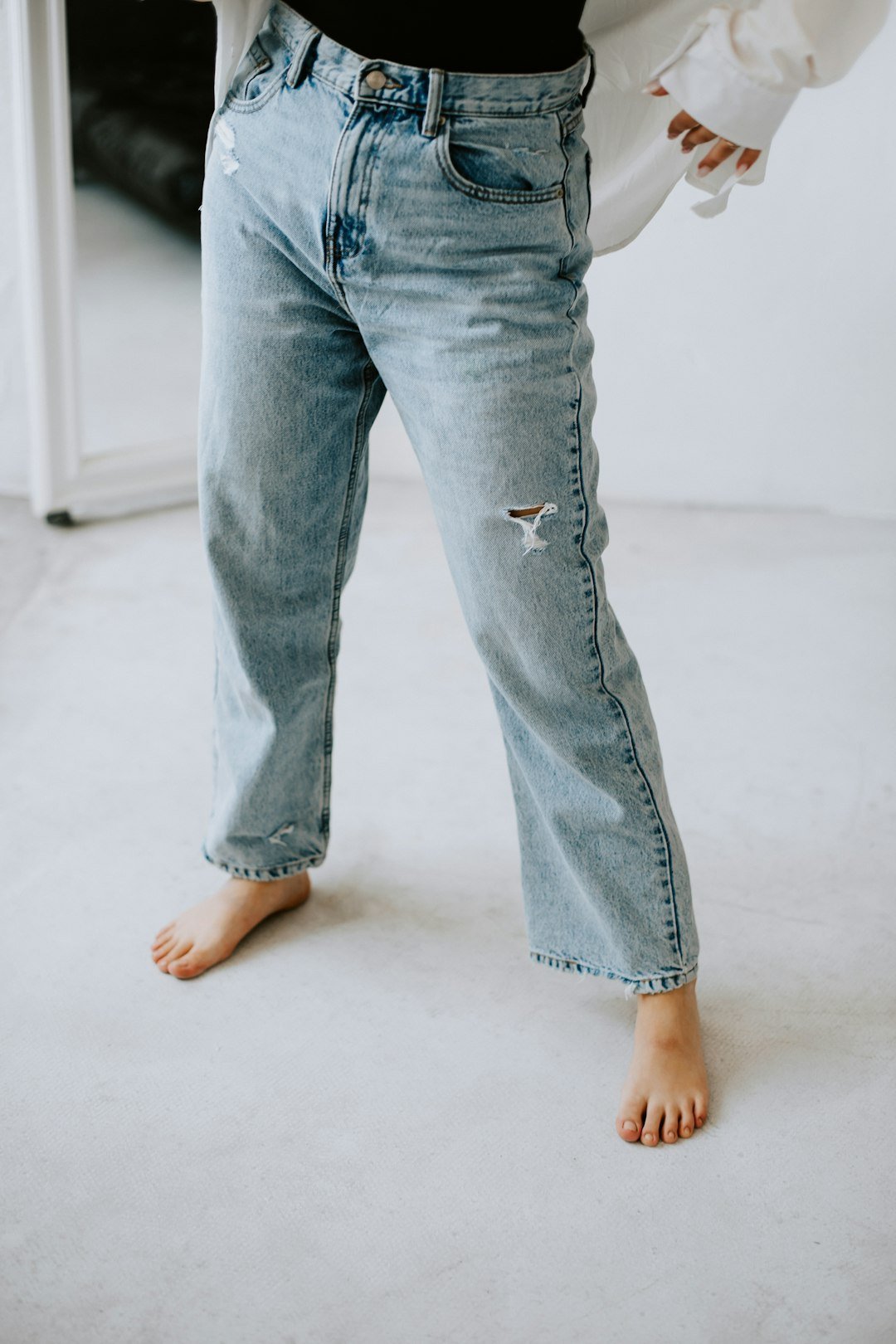
Wearing denim to an interview is a common mistake. Even if it is a pristine dark wash or black denim that resembles dress pants, denim is inherently less formal. Jean jackets, chambray shirts, and denim dresses or skirts may signal a too-casual attitude rather than a professional approach.
Honestly, I know it sounds like overkill, but there is a real perception gap at play here. Even when your interviewer might be wearing jeans, candidates are still expected to dress more formally. Arriving in jeans may signal that you cannot distinguish between employee privileges and candidate expectations. Save your favorite pair for when you actually land the job.
3. Wrinkled, Stained, or Worn-Out Clothes
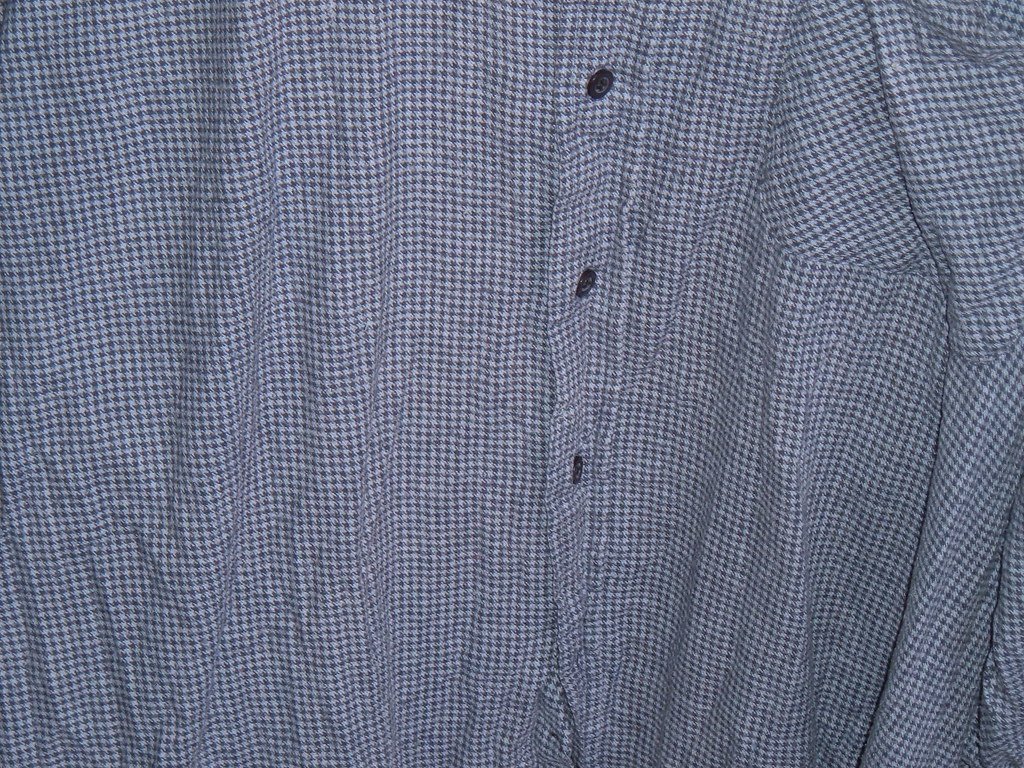
Even minor issues like a small coffee stain or loose button can catch the eye of an experienced interviewer. Wrinkled shirts, loose threads, and worn fabrics may seem insignificant, but they suggest carelessness that might overshadow your qualifications. Imagine hiring a surgeon who showed up to their interview with a noticeably untidy appearance. You’d have second thoughts, right?
Visible wrinkles, stains, or loose threads suggest carelessness, and survey data consistently shows that hiring managers associate well-fitted, neat clothing with attention to detail, and sloppy presentation with a lack of professionalism. The fix is almost embarrassingly simple: prepare your outfit the night before and iron everything properly.
4. Overly Revealing or Skin-Baring Attire
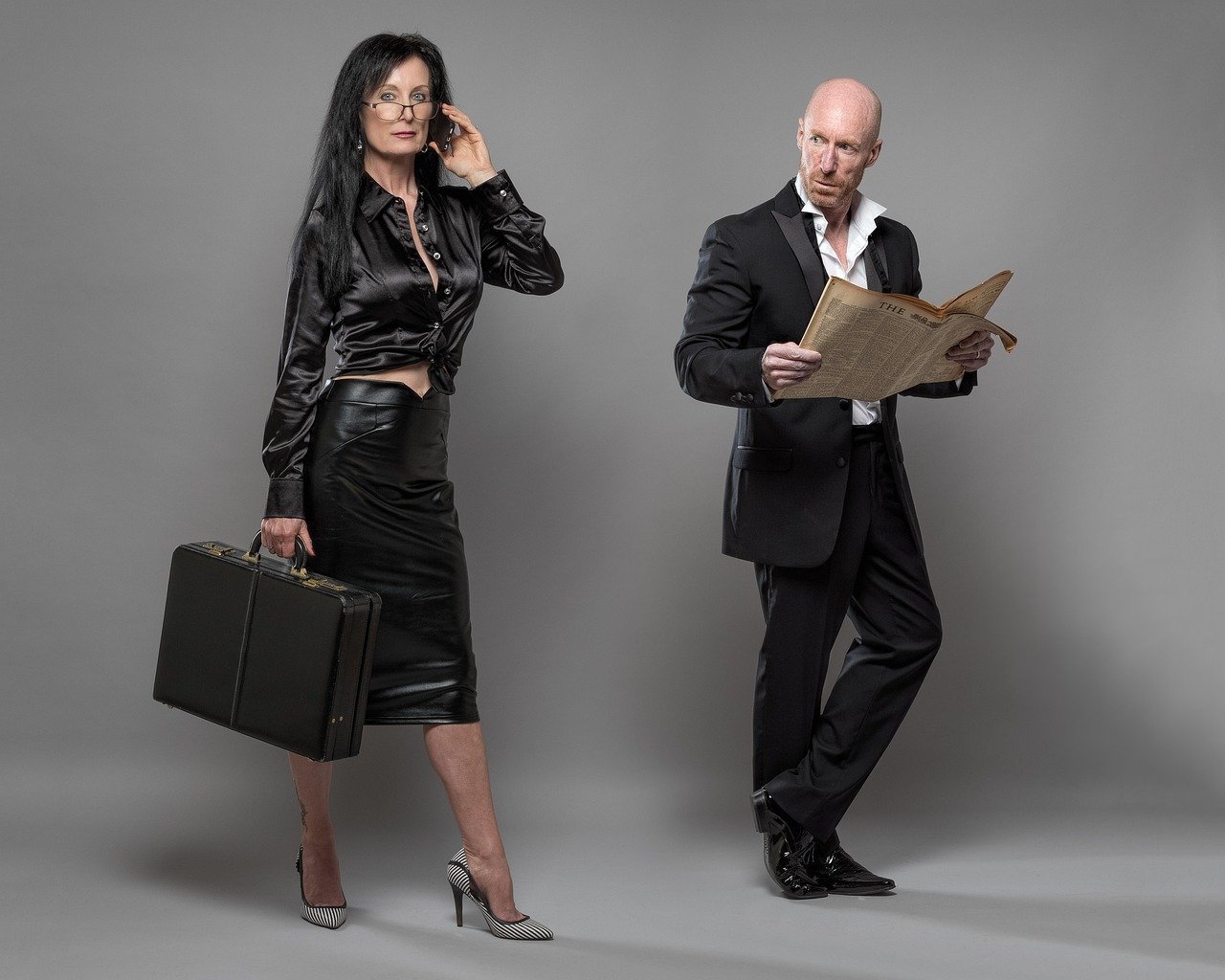
Clothing that is overly revealing may appear unprofessional or inappropriate in an interview. Extremely short skirts, backless clothing, and sheer materials can send the message that you don’t understand how to dress appropriately for the workplace. This one trips people up more than you’d expect, especially when an outfit that looks perfectly fine standing in front of a mirror at home shifts dramatically when you sit down.
It is important to consider how some outfits may shift during an interview. For example, a skirt that hits your knee could ride up much higher when seated, or a blouse might gap when you lean forward to shake hands. Always sit-test your outfit before the big day. Exposed bra straps, visible underwear lines, undershirts with obvious seams, or any other visible parts of undergarments can instantly undermine your professional image.
5. Flip-Flops and Overly Casual Shoes
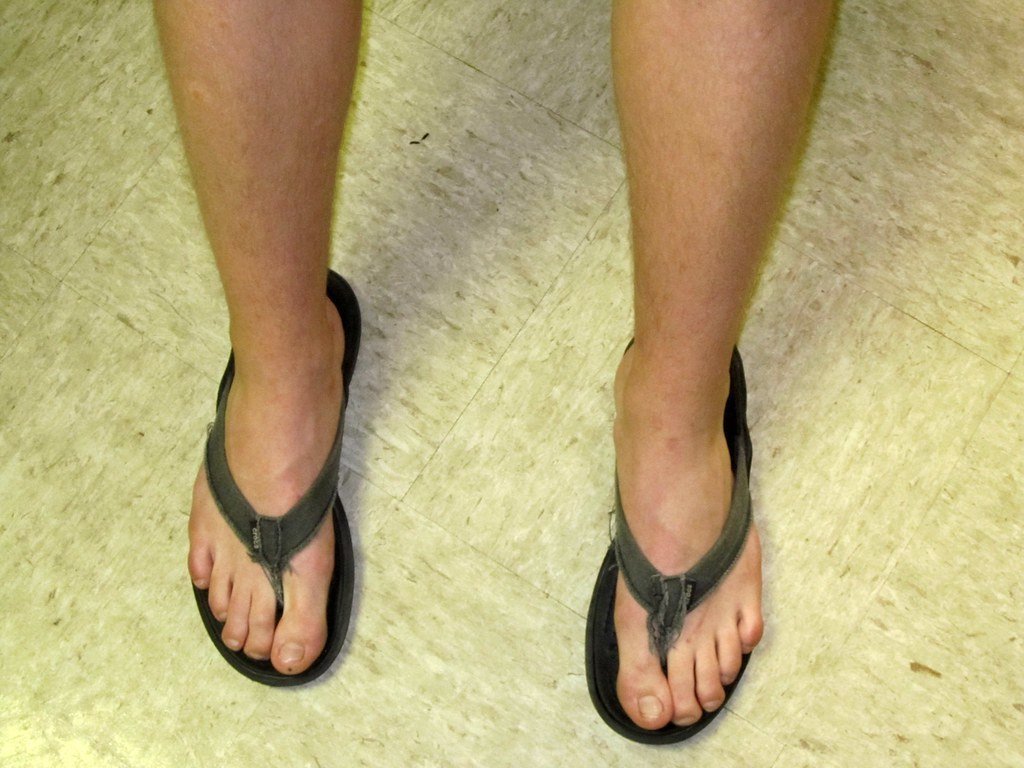
Flip-flops can imply laziness – and that’s putting it gently. Footwear is one of those things people underestimate massively. You can have a beautifully tailored blazer on top, and a pair of beaten-up sneakers or strappy sandals can undo the whole impression in seconds.
Shoes like flip-flops, sandals, and overly flashy shoes are not suitable for interviews. They can appear too casual or unprofessional. Even expensive, branded shoes can be a bad idea if they look unprofessional and are inappropriate for interviews. Save your designer sneakers or statement heels for after you have secured the position. Instead, choose comfortable, closed-toe dress shoes in neutral colors like black, brown, or navy for an understated, professional look.
6. Loud Colors, Bold Patterns, and Neon Shades
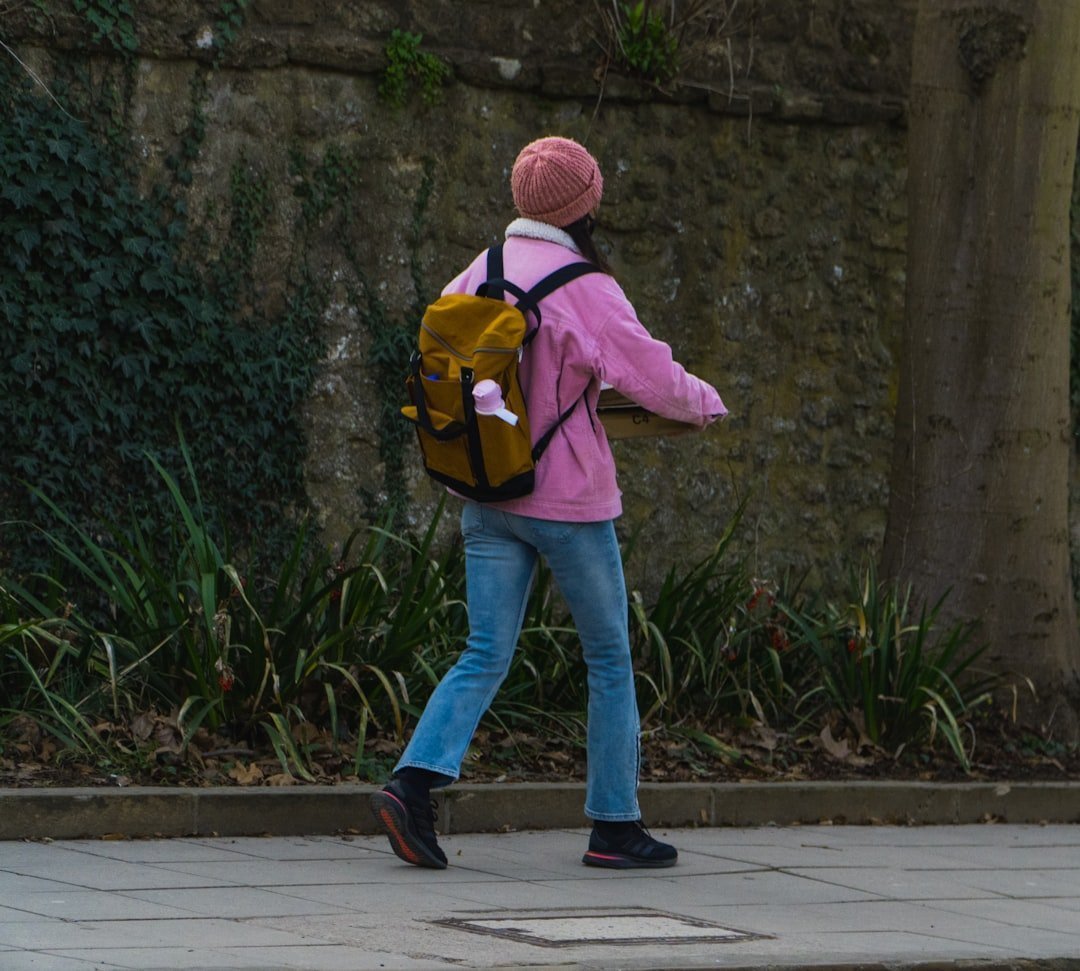
Certain colors can be distracting or send the wrong message in an interview. For instance, bright red can sometimes come off as overly aggressive, while neon shades may seem unprofessional. Unfortunately, pink may be seen as unserious for women. It’s a bit unfair, yes, but it is the reality of perception in professional settings.
Neutral colors like navy, black, gray, and white are generally safe choices. You can add hints of color in accessories if you want to incorporate a bit of personality. Think of it like seasoning food: a little goes a long way. Loud patterns, excessive jewelry, and other distractions can divert attention from your qualifications and what you are saying, so it is best to keep accessories minimal and opt for solid colors or subtle patterns to maintain a professional appearance.
7. Clothing with Logos, Graphics, or Slogans
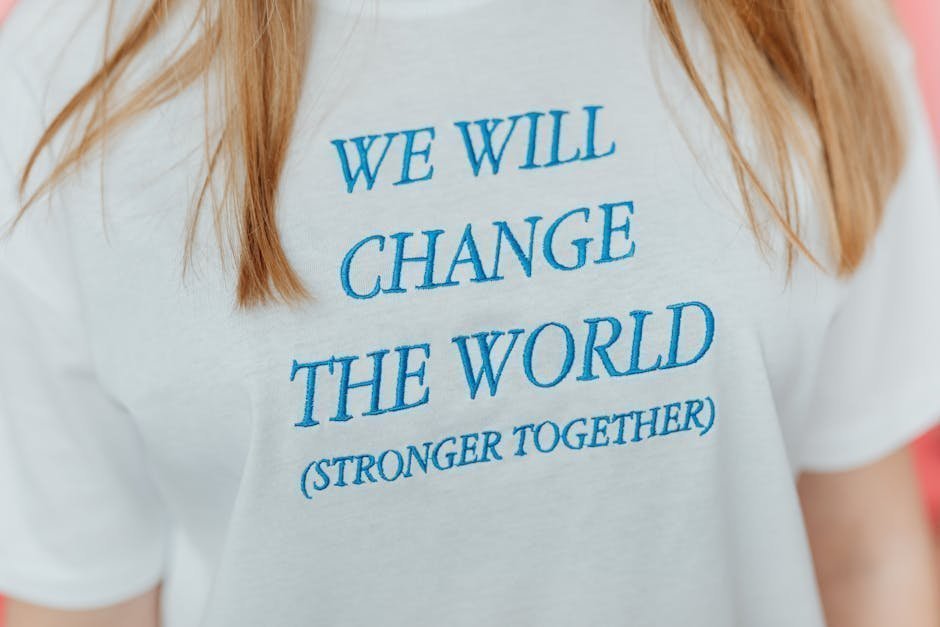
Attire with large logos, graphics, or slogans can appear unprofessional and may distract from your professional image. Let’s be real: wearing a graphic tee with a pop culture reference or a political slogan to an interview is essentially asking the hiring manager to judge your taste in memes before your resume. Not a great trade.
Slogan tees may suggest you are not taking the opportunity seriously. Large logos, slogans, or brand-heavy attire can look unprofessional, regardless of how stylish or expensive the brand in question might be. Keep it clean, keep it neutral, and let your words do the branding.
8. Ill-Fitting Clothes (Too Tight or Too Baggy)
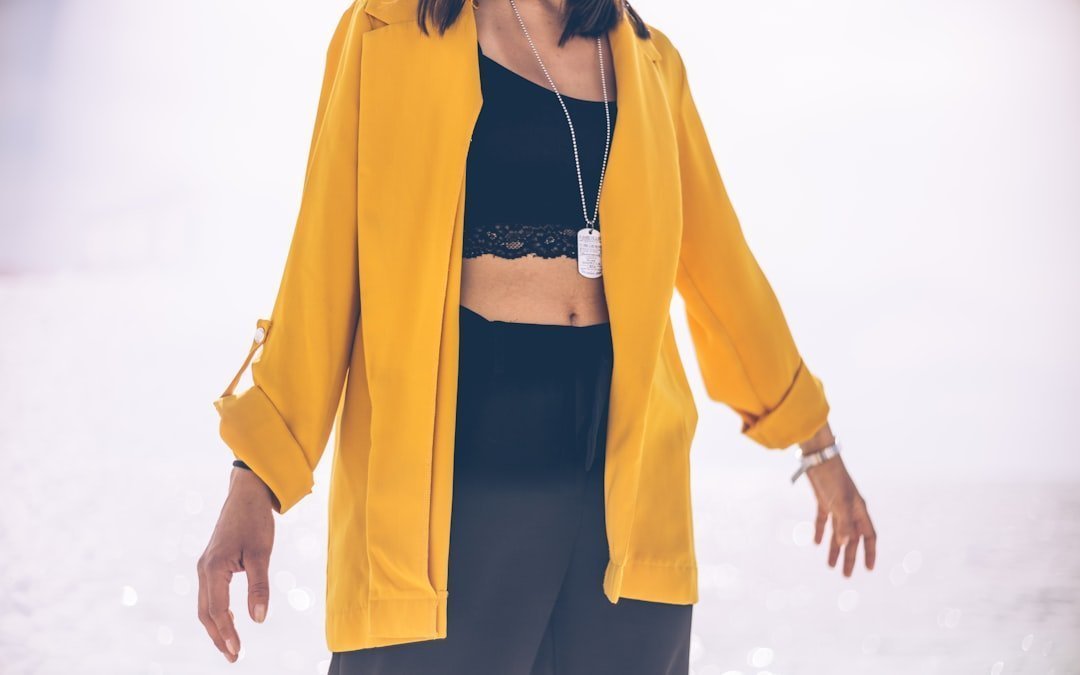
Baggy or overly tight outfits can detract from confidence and look unprofessional. Proper tailoring can make all the difference. There is actual science behind this. A study from Northwestern University introduced the concept of “enclothed cognition,” showing that what you wear actually changes how you think and perform. Candidates who dressed in a way that felt professional reported higher confidence and sharper focus during evaluations.
Choose clothes that fit you comfortably without feeling too tight. Your outfit should allow you to sit, stand, and move comfortably without constant adjustments. If you find yourself tugging, pulling, or fixing your clothing during normal movement, it is not suitable for an interview. Clothes that fit well project confidence even before you open your mouth.
9. Overwhelming Fragrance
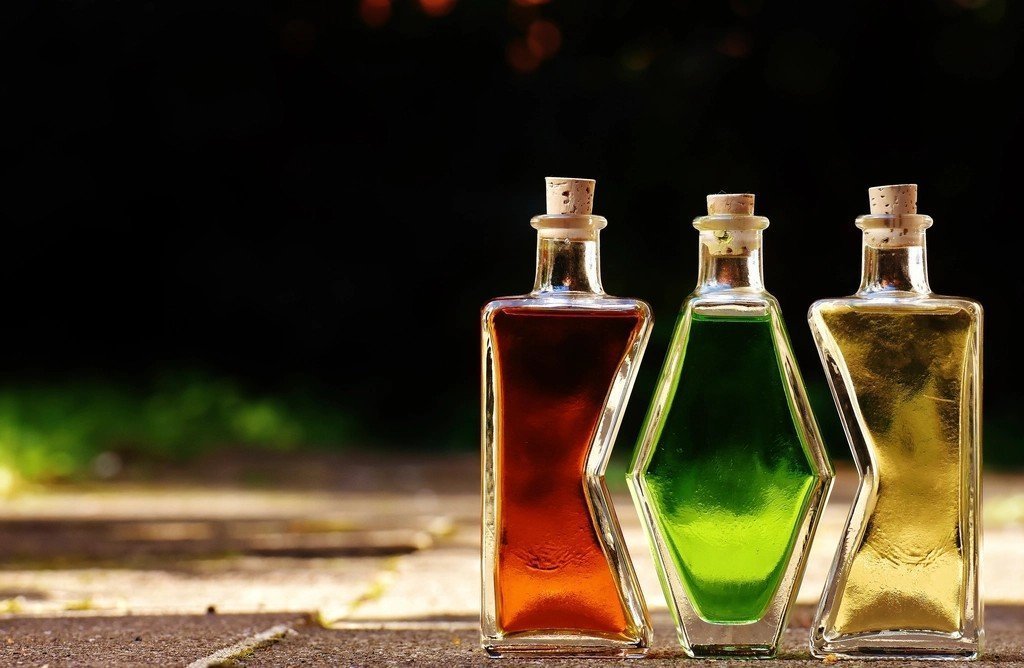
This one surprises people every single time. You take a shower, smell great, and feel ready. Then you overdo the cologne or perfume. Heavy colognes or perfumes can be overwhelming and may even cause allergies. It sounds minor. It really is not.
For a job interview, it is typically recommended to avoid wearing perfume or cologne. Some workplaces have scent-free policies, and interviewers may have scent allergies or sensitivities that can cause discomfort or anxiety. A strong scent could also distract the interviewer from focusing on your answers, and strong scents could be perceived as unprofessional or even inconsiderate, which does not give a good impression in an interview setting. When in doubt, skip it entirely or go extremely light. You want to be remembered for your answers, not your aftershave.
Conclusion
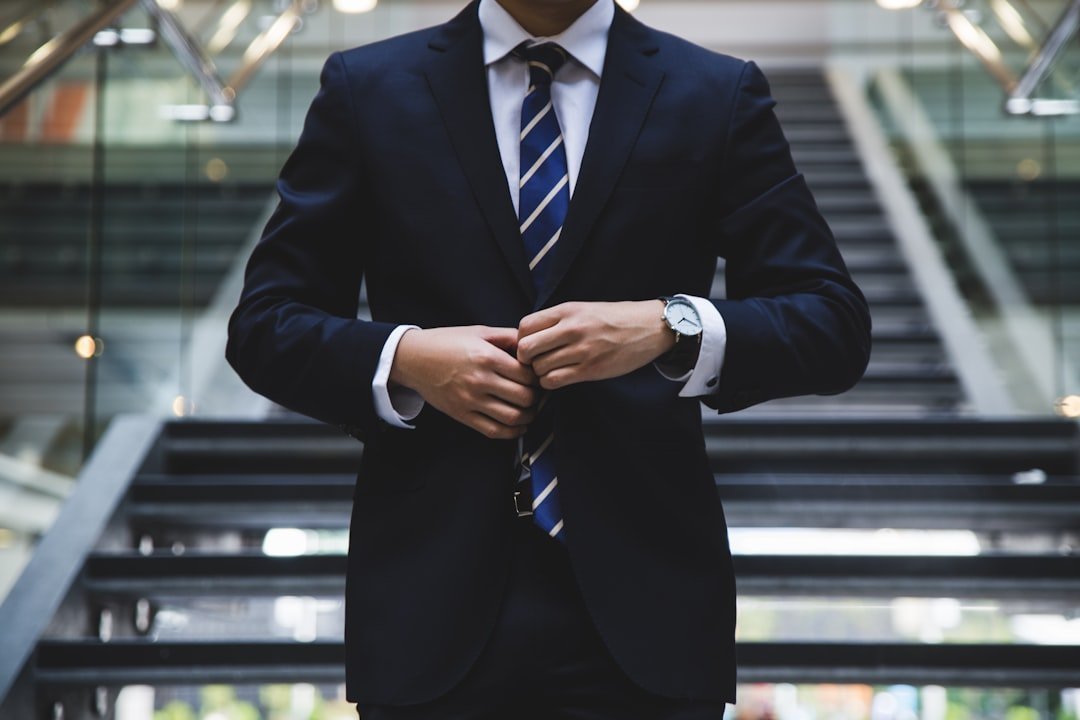
Getting dressed for a job interview is, at its core, an act of communication. Every single choice you make – from your shoes to your scent – sends a signal before you have said a single word. Psychological research on first impressions shows that people form initial assessments within seconds of meeting someone, and those early impressions are surprisingly sticky. A positive first impression creates what psychologists call the “halo effect,” where one favorable quality, like looking well put together, colours how the interviewer perceives everything else about you.
The good news? Every single mistake on this list is completely avoidable with a little preparation. When in doubt, navigating different company cultures and dress codes can be confusing, but the safest and most professional strategy is to always err on the side of being slightly more formal rather than too casual. You’ve already done the hard work of getting the interview. Don’t let a wrinkled shirt or a cloud of perfume be the reason you don’t get the call back.
What do you think – have you ever made one of these mistakes before walking into an interview? Tell us in the comments.