

You’ve done all the research, found a dreamy listing, and finally booked the Airbnb of your dreams. You arrive at the door, key in hand, feeling like a seasoned traveler. What you probably don’t realize is that your host has already started forming an impression of you, sometimes before you even say hello.
With over 150 million users worldwide who have booked more than 1.5 billion stays on Airbnb, the host-guest dynamic has become a finely tuned science. And hosts, experienced ones especially, have developed a remarkable instinct for reading guests fast. Some of what they notice might genuinely surprise you. Let’s dive in.
1. How You Greet Them (Or How You Don’t)
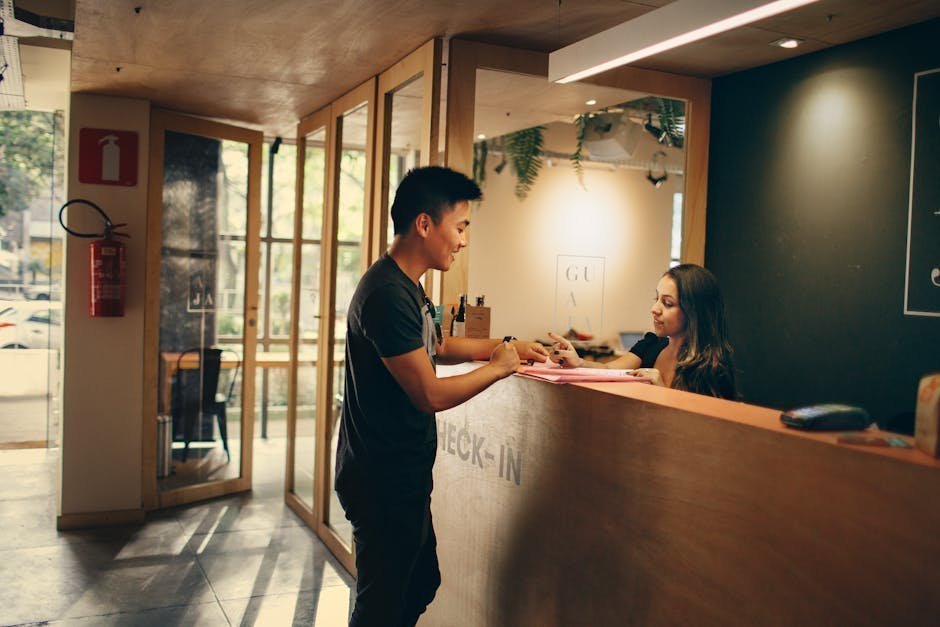
Here’s the thing: the very first second you walk through that door sets a tone for everything that follows. Whether you make eye contact, give a genuine smile, or mumble a distracted hello while scrolling your phone, the host notices all of it. It sounds small, but it isn’t.
Research analyzing Airbnb host-guest relationships found that the characteristics of a good guest operate across three layers: customer-like, guest-like, and friend-like, in correspondence with different types of relationship dynamics. Hosts who operate from a place of genuine hospitality respond warmly to warmth. A dismissive or rushed greeting signals disinterest in the human being who has opened their home to you, and that registers immediately.
Host-guest interactions shape the guest experience and the overall success of hosting, and these interactions have been linked to higher guest satisfaction, ratings, and bookings. So yes, a good first hello genuinely matters, both for you and your host.
2. Whether You Read the House Rules

House rules are crucial for setting boundaries and ensuring both parties are on the same page, covering expectations around noise, check-out times, and property use. Experienced hosts can often tell within minutes whether a guest bothered to read those rules. It shows in questions like “Wait, is there parking?” or “Can we smoke on the balcony?” when the answers were spelled out clearly in the listing.
Some guests simply don’t read the fine print, which leads to issues like extra guests or smoking in restricted areas. These small signals send a loud message to your host about how the rest of the stay might go. Honestly, reading the rules takes about three minutes and dramatically changes the energy of that first meeting.
Guests who repeatedly break standard house rules could be suspended or removed from Airbnb if issues persist, which shows just how seriously the platform treats this. Your host knows this too, which is exactly why they’re watching for early signs of rule-awareness the moment you arrive.
3. The Number of People You Brought With You

This one catches more guests off guard than almost anything else. A host who listed their property for two guests and suddenly sees four people hauling luggage through the door is not happy, regardless of how politely you explain that “they’re just visiting for a bit.” Hosts count heads. Always.
Some guest reviews specifically note confusion about the number of guests staying at the property, with hosts asking guests to ensure the number of occupants aligns with the booking agreement. Exceeding occupancy limits is one of the most common violations hosts report, and it triggers immediate concern about wear, noise, and potential damage to the property.
If guests invite additional unapproved occupants, that’s considered a major violation on the platform. It’s worth mentioning upfront if your group plans changed after booking. Most hosts are reasonable people. Surprises, not so much.
4. How You Handle Your Shoes and Luggage

It might seem like an odd thing to notice, but experienced hosts pay close attention to whether guests kick off their shoes at the entrance or march straight across freshly cleaned floors in muddy footwear. Many hosts include specific guidelines such as shoes off in certain areas, turning off lights when leaving, and no parties or smoking, and watching whether a guest intuitively respects those norms says a lot.
Think about it this way: when you visit a friend’s apartment for the first time, you probably look around to see if shoes are lined up by the door before deciding what to do with your own. That same instinct works in an Airbnb, and hosts notice when guests apply it. It signals situational awareness and basic respect for someone else’s space.
How you handle your bags matters too. Dragging a massive rolling suitcase across hardwood floors with zero care is the kind of thing that gets mentally noted. It’s not about being precious; it’s about whether guests seem to understand they are in someone’s personal property, not a hotel lobby.
5. Your Attitude About Cleanliness From the Start
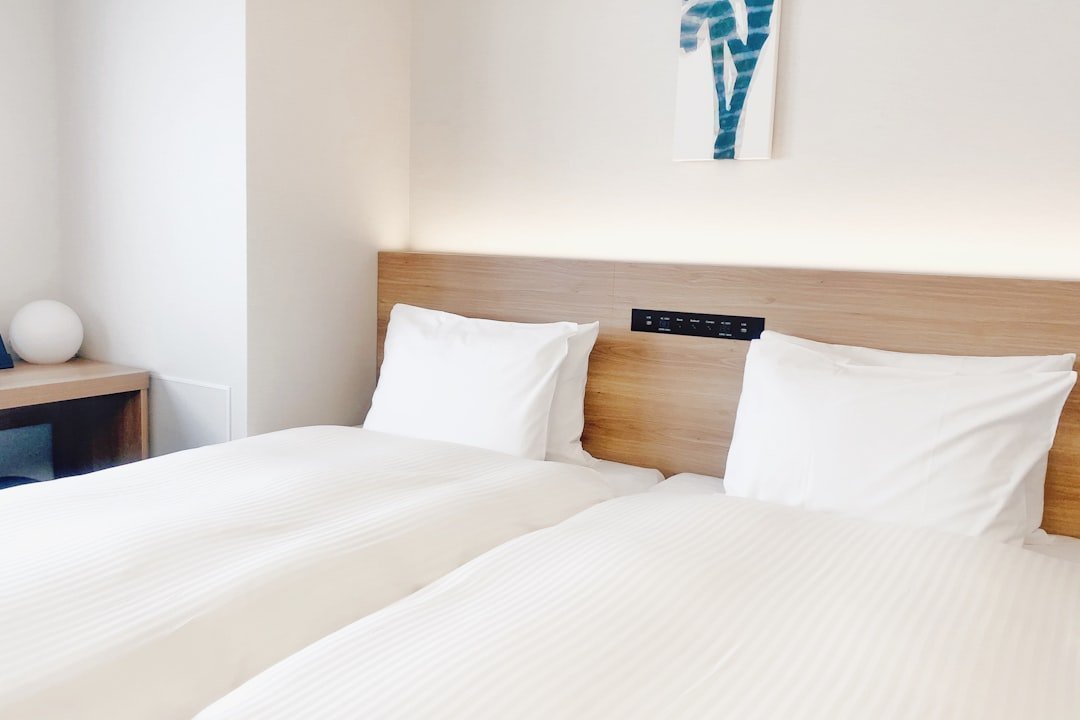
The moment guests step into a property, they begin forming opinions, and hosts know this. A clean, well-maintained space instantly creates a positive first impression, while any signs of dirt, clutter, or neglect can lead to immediate dissatisfaction. But it works both ways. Hosts are equally forming opinions about guests based on what they see and sense from the start.
According to a survey by the American Hotel and Lodging Educational Institute, roughly three quarters of travelers consider cleanliness the most important factor when choosing accommodation. Hosts are acutely aware of this, which is exactly why they’re watching how guests react to the space and how carefully guests seem to treat it from the very beginning.
Cleanliness is often the number one factor that affects guest reviews, so hosts ensure their spaces have fresh linens, a clean bathroom, and a tidy kitchen. When a guest arrives and immediately seems careless, dropping bags on freshly made beds or leaving the entrance messy, it signals trouble ahead for that same cleanliness standard throughout the stay.
6. Whether You’ve Verified Your Profile

Before you even ring the bell, your host has likely already checked your profile. But when you arrive in person, they’re confirming whether the face and energy in front of them match what they saw online. Profile verification matters enormously to hosts.
When a guest submits a booking request, the host can see basic information including the number of verifications completed, such as phone number, email, or government ID verification. Guests who have completed more verifications tend to generate greater trust before the stay even begins. A sparse, unverified profile is a genuine source of anxiety for many hosts.
An Airbnb guest with no reviews or few reviews is considered a higher risk, and arriving in person with an unverified, photo-free profile can make that anxiety spike in real time. Hosts are human beings who have opened up their personal space. A complete, verified profile reassures them that you’re a real person with accountability, and that peace of mind shows in how warmly you are welcomed.
7. Your Previous Guest Reviews

Long before the door swings open, most thoughtful hosts have already read through your guest history. Hosts have access to your previous reviews and ratings as a guest, which helps them understand what type of guest you are and whether you have a history of being respectful and responsible. Think of it like a professional reference check, except everyone can see it.
Hosts can also see a guest’s overall ratings from previous hosts, and these ratings often include guest behavior, adherence to house rules, communication, and similar factors. When you arrive, your host is essentially verifying whether you match the reputation that preceded you. A glowing review history puts hosts at ease almost immediately.
Negative reviews help Airbnb maintain standards and protect other hosts from potentially poor experiences and property damage. So if your review history has any red flags, expect your host to be watching slightly more closely during those first few minutes. It’s not personal. It’s just good stewardship of their own home.
8. Your Communication Style and Tone
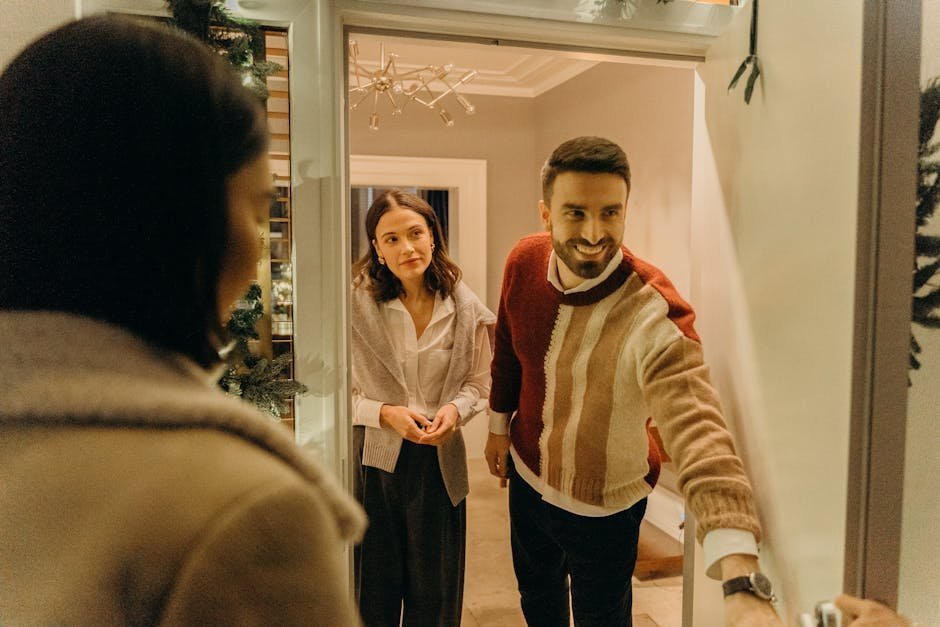
How you communicated during the booking process carries directly into how you show up at the door. A guest who was warm, clear, and responsive in messages tends to walk in with that same energy. Hosts notice the shift when those personalities don’t match.
Research highlights the importance of hosts being responsive and communicative during the pre-stay stage, and that this responsiveness correlates with receiving positive reviews and repeat bookings. The same logic applies to guests. How you communicated before arrival gives the host a strong preview of what they can expect, and they arrive at check-in with that impression already formed.
Research on host wellbeing found that hosts describe real feelings of pleasure when they receive expressions of gratitude from a guest, which suggests how much the emotional tone of an interaction matters. A simple “Thank you so much for having us” at the door costs nothing and lands with more impact than most guests realize. Hosts are people, not concierge staff. That distinction is everything.
9. Whether You Seem to Understand This Is Someone’s Home

Roughly three quarters of Airbnb users say they choose the platform to “live like a local,” highlighting the desire for authentic and immersive travel experiences. Yet there’s a meaningful gap between wanting a local experience and actually treating the space with the respect that comes with staying in someone’s personal home.
Guests need to realize that when staying in someone’s house, a little more thoughtfulness and respect for the space is required, especially since short-term rental hosts don’t have huge budgets to fix or replace things. Hosts sense immediately whether a guest has that awareness. It comes through in a dozen subtle ways, from how carefully the door is closed to whether guests ask before moving furniture.
Research has found that guest behavior can create negative social interactions that reduce a host’s wellbeing, and that hosting through Airbnb can either enhance or diminish that wellbeing, even when hosts offer entire properties for rent. A guest who enters with genuine appreciation for someone else’s space, who looks around with curiosity rather than criticism, and who treats the whole experience as a privilege rather than a transaction? That guest gets remembered. That guest gets the glowing five-star review that opens every future door.
Conclusion: First Impressions Are Everything in the Sharing Economy

The Airbnb ecosystem is fundamentally built on trust. More than 100 five-star reviews are posted on Airbnb every minute, which tells you just how much the community values mutual respect. Your host has invested time, money, and genuine care into creating a space for you. The least a guest can do is walk in ready to honor that.
None of these nine things require any special skill or effort. They’re basic human courtesies, many of which we instinctively apply in other settings but sometimes forget when we’re in travel mode. Your Airbnb host is watching, yes. More importantly, they’re hoping you’ll be the kind of guest they’ll look forward to hosting again.
What do you think, could any of these surprise you? Drop a comment below and let us know which one you hadn’t thought about before.