
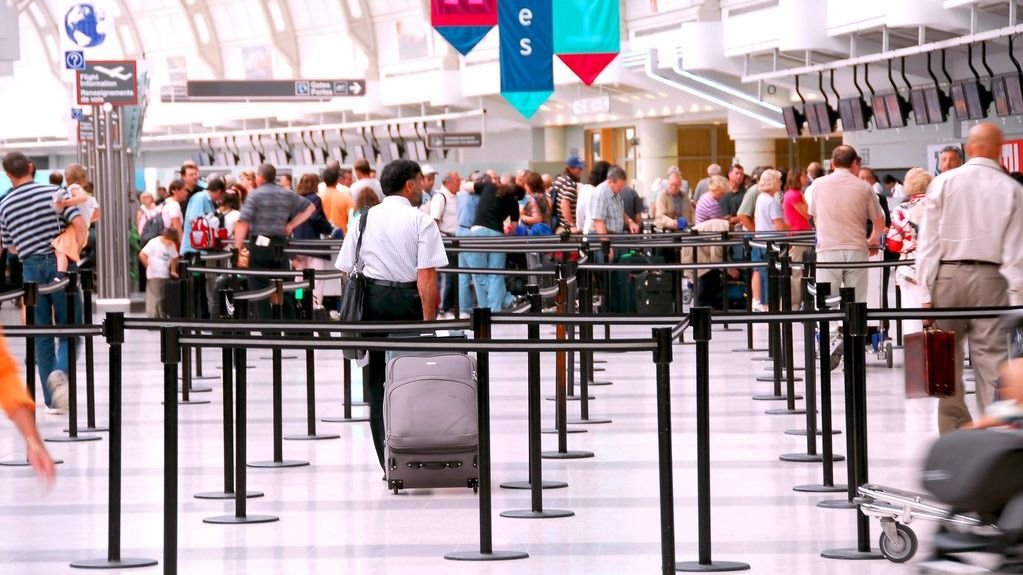
If you’ve ever stood at a boarding gate and felt a quiet, collective frustration ripple through the crowd, you’re not imagining it. Airports are strange social experiments. Hundreds of strangers, all stressed, all carrying bags, all heading somewhere different, funneled into a single narrow corridor and expected to behave like civilized human beings.
Here’s the thing: most of the tension at the gate comes not from delays or cancellations but from small, thoughtless behaviors that snowball fast. The unwritten rules of the boarding gate are real, they matter, and honestly, more people are breaking them than they’d ever admit. Let’s dive in.
1. Crowding the Gate Before Your Group Is Called
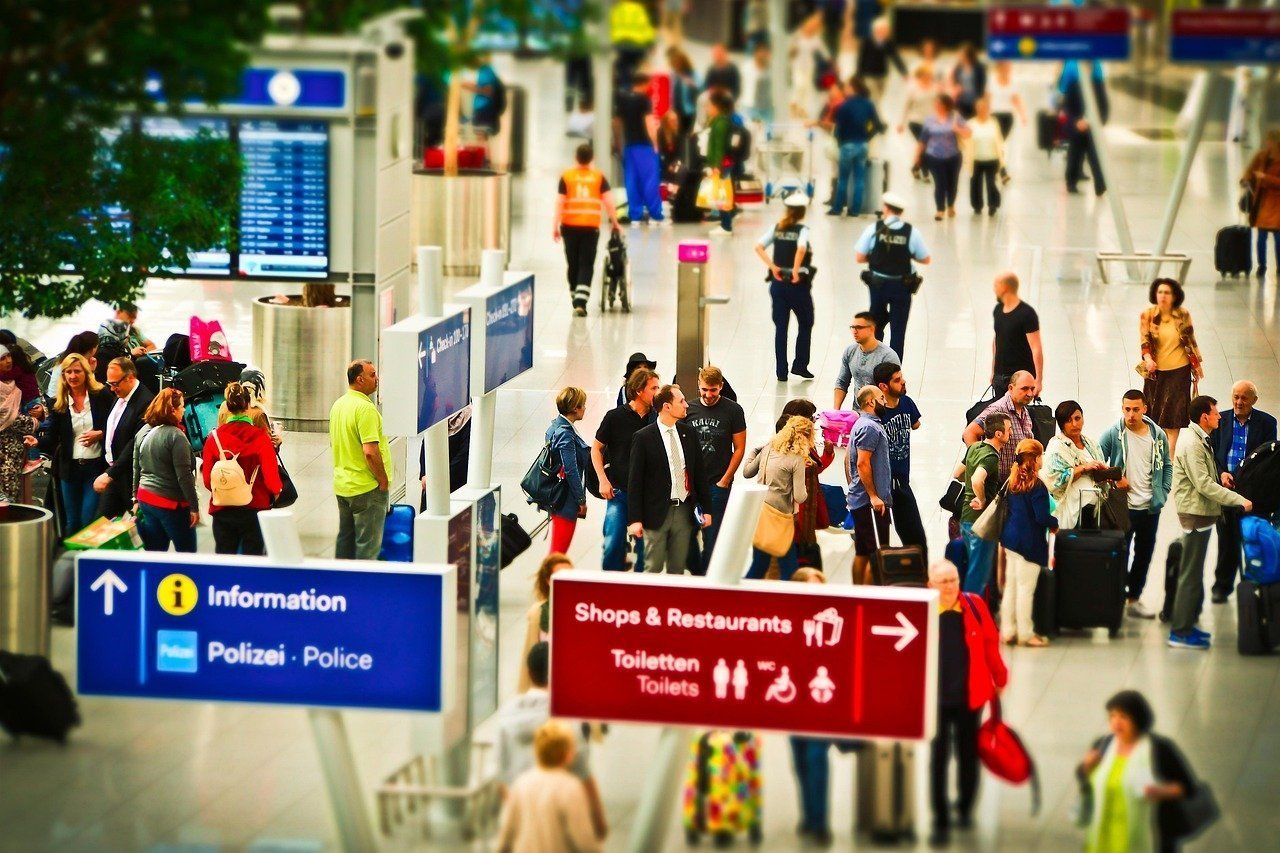
Let’s start with the big one. You’ve probably seen it. The gate agent announces boarding for Group 1, and suddenly half the plane is already standing, bags in hand, forming a wall of impatience. This behavior even has its own name: “gate lice,” a pejorative term used to describe passengers who gather in front of boarding gates before their designated boarding time.
It might feel harmless, but swarming the gate can lead to congestion, confusion, and longer wait times. Airlines have now started taking this seriously on an industrial scale. In 2024, American Airlines spent millions of dollars developing software that blocks people from boarding before their zone has been called.
After piloting a system in October, American Airlines said the technology expanded to more than 100 airports across the country. If you thought jumping the line was harmless, the airlines now disagree. Loudly, with a beep.
2. Pretending You Didn’t Hear Your Boarding Zone
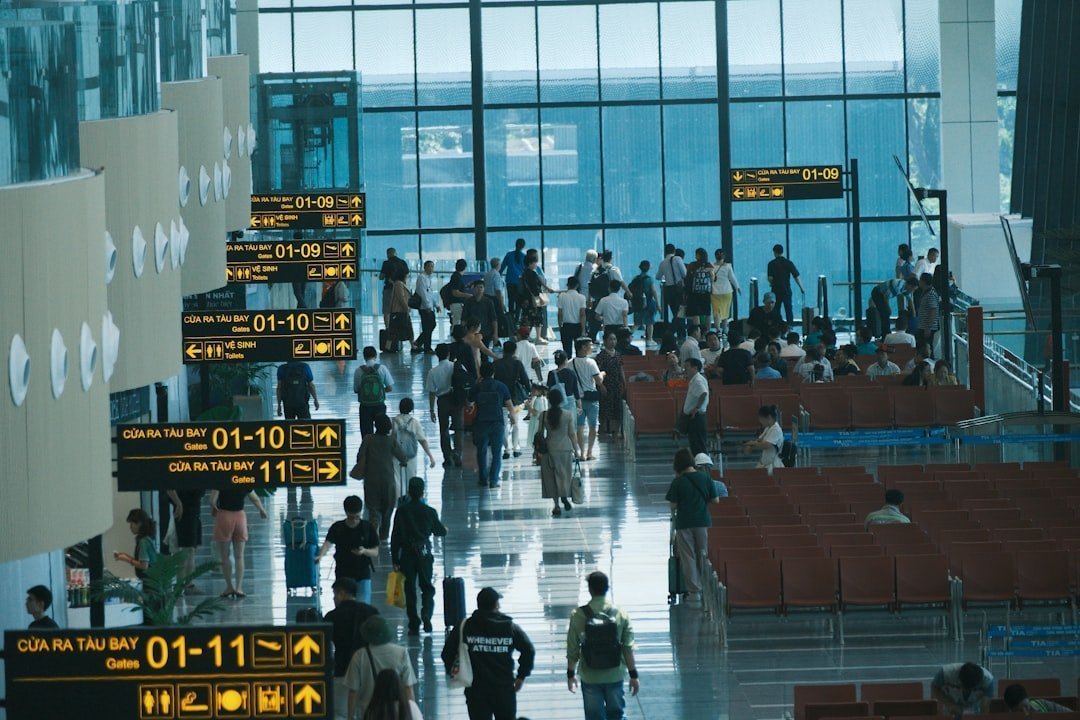
Not only do passengers line up before they’re called, but many passengers have figured they can get away with jumping ahead in the process since boarding enforcement is left up to busy and often overworked gate agents. That era is ending. The International Air Transport Association (IATA), which represents 330 airlines worldwide, noted the phenomenon of queue jumping at the gate has become so pervasive that airlines have given it the semi-official name of “skip boarding.”
Baggage fees play a role, as some passengers seek to board early to secure overhead bin space and potentially avoid fees. Totally understandable motivation, honestly. Still not okay. More seriously, interlopers can also make it difficult for disabled people with mobility problems to safely board. That should give anyone pause.
3. Hoarding Seats With Your Bags at the Gate
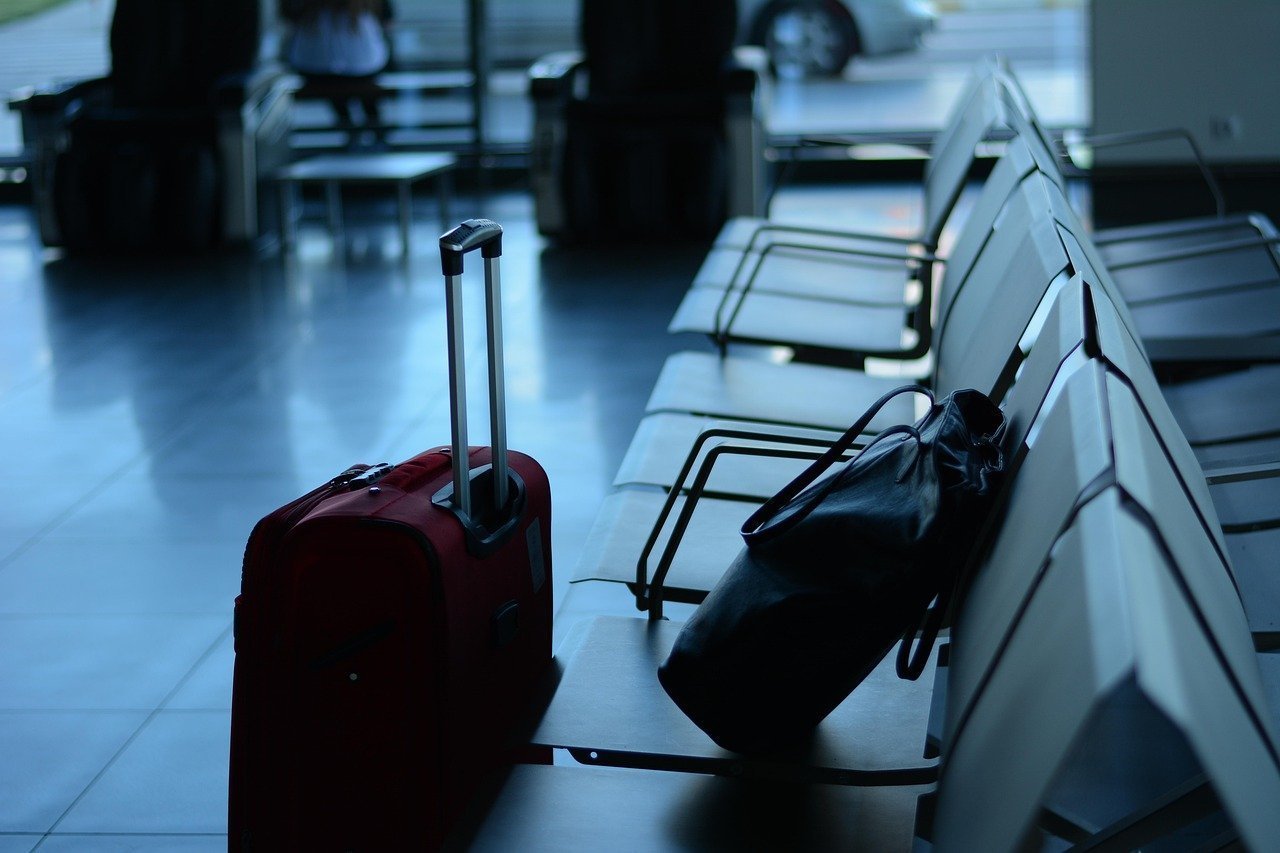
You’ve seen gate campers: bags everywhere, limbs draped over chairs. Maintaining some spatial awareness for those around you means stopping taking up two extra seats with your bags. It sounds obvious, yet here we are in 2026, still having this conversation.
According to Airport Dimensions’ AX24 global research, roughly four in five travelers want to see fewer queues, and nearly the same share want better seating availability. Part of the seating problem is passengers treating the gate area like their personal living room. Airports are crowded by nature, which makes respecting personal space even more important, and blocking walkways by standing in the middle of busy corridors or crowding gate areas when boarding has not yet been called makes everything worse.
4. Not Having Your Boarding Pass Ready
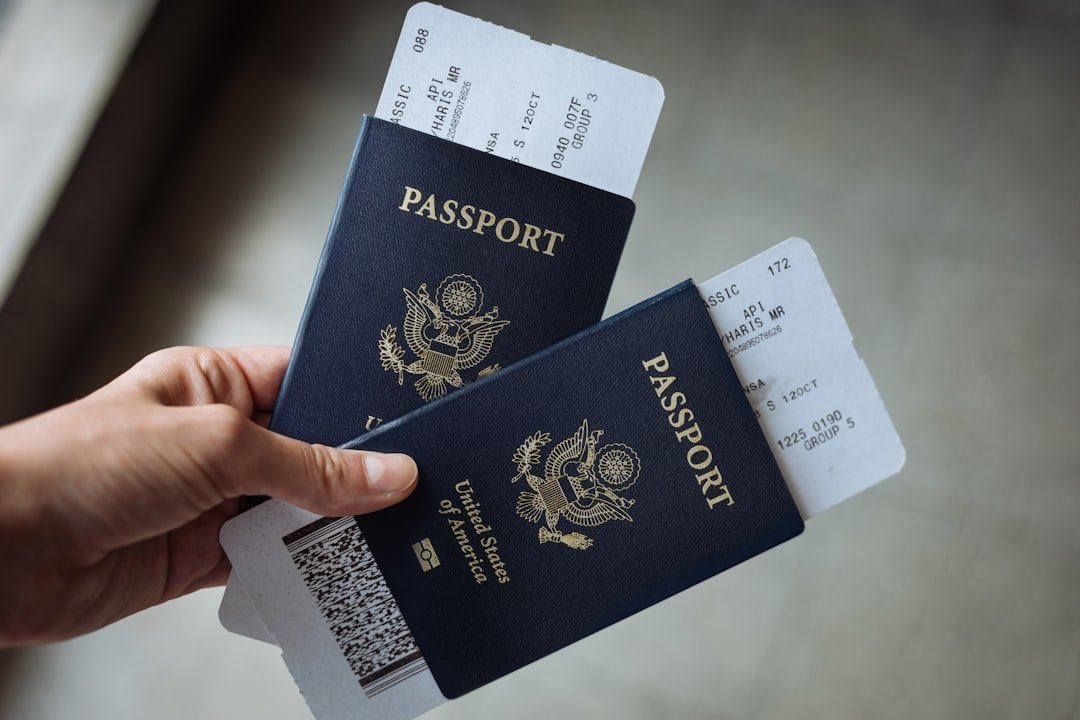
This one seems so small, yet it causes an outsized ripple effect. Keep your ID and boarding pass handy and ready to go so you’re not holding up the line. Every second someone fumbles through their phone or bag at the scanner adds up when multiplied by hundreds of passengers.
In 2023, roughly nine in ten American travelers checked in electronically, a significant jump from 2019, and more than half of flyers now check in using a mobile device, with nearly two-thirds using their mobile device to board the aircraft. So there is absolutely no excuse to arrive at the scanner still searching for your e-ticket. You’ve had the whole flight to find it.
5. Using Your Phone Speaker Loudly in the Gate Area
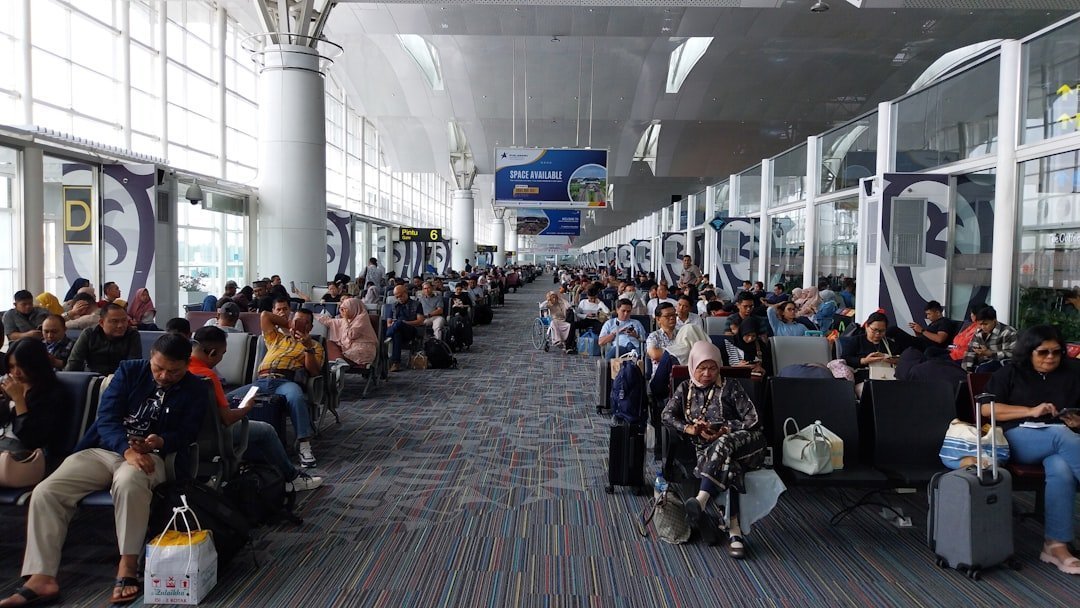
I know it sounds crazy, but the boarding gate area seems to transform some people into the version of themselves who genuinely believes everyone around them wants to hear their phone call, video, or music. Blasting music, podcasts, or movies without headphones makes you one announcement away from becoming a public enemy, and it’s important to be respectful of those around you who may be trying to sleep, read, or even watch their own content.
Using headphones when listening to music or watching videos is basic gate etiquette. Think of the boarding gate like a waiting room at a doctor’s office. You wouldn’t blast a YouTube video there. The same logic applies at 30,000 feet below it.
6. Blocking the Gate Door When You’re Not Boarding Yet
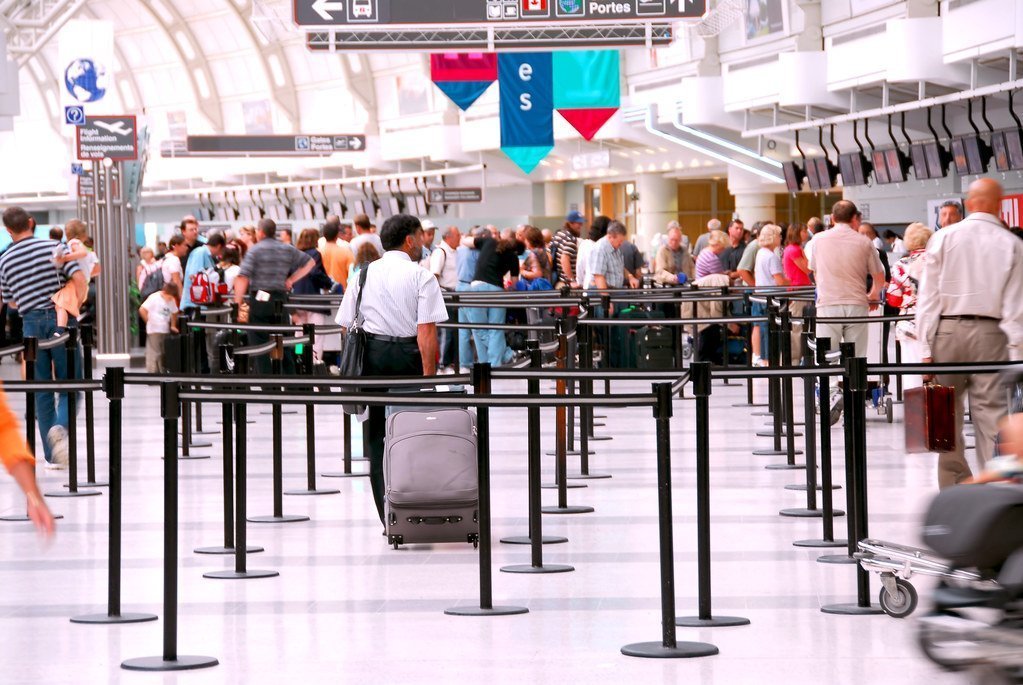
Don’t gather around gates or doors unless boarding has been announced. It’s a remarkably simple rule, yet it’s broken constantly. Avoid blocking walkways by standing in the middle of busy corridors or crowding gate areas when boarding has not yet been called. If you need to stop to check your phone or bags, step to the side.
Think of it like a narrow hallway in a busy office. If you stand right in the middle of it doing nothing, you become a human traffic cone. Crowding the gate doesn’t get you on the plane any faster and it just creates stress for staff and other passengers. Hard truth, that one.
7. Stuffing Oversized Bags Into the Overhead Bin
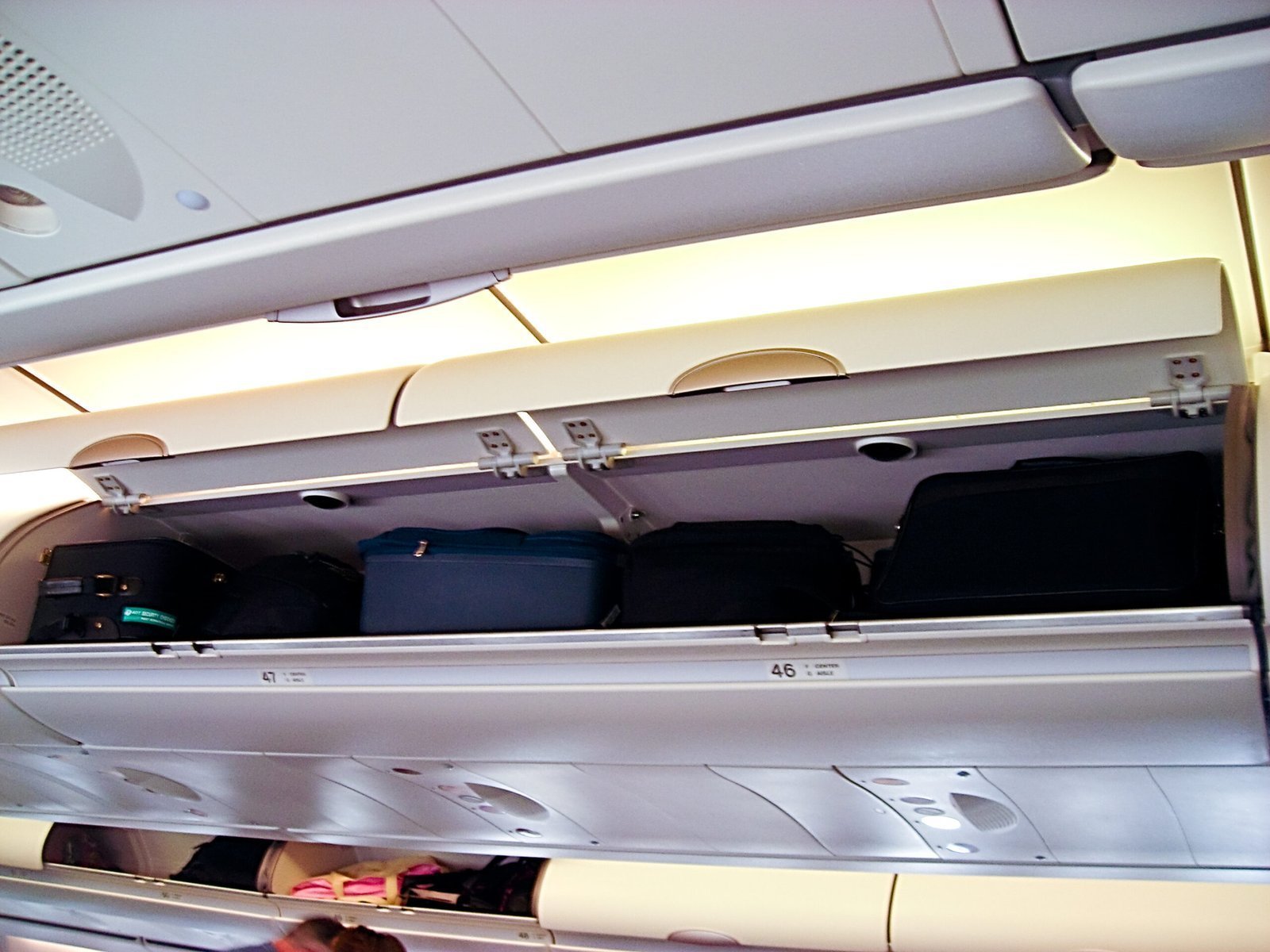
Overhead bin space is one of the most fiercely contested resources in modern travel, and honestly it has become worse over the years. The imposition of fees for checked luggage over the past two decades spurred a trend towards carry-on bags, which can mean there is insufficient room in overhead lockers, with the last people to board generally finding their belongings moved to the hold.
On most flights, overhead bin space is limited. Place your larger carry-on in the bin and keep smaller personal items under the seat in front of you. Avoid spreading out across two bins or stashing coats and small purses overhead when they can easily fit below. This is not a matter of preference. It’s a matter of geometry and fairness. If personal items like bookbags, purses, and coats can fit under the seat, that’s where they should go.
8. Ignoring Power Bank Rules at the Gate and Beyond
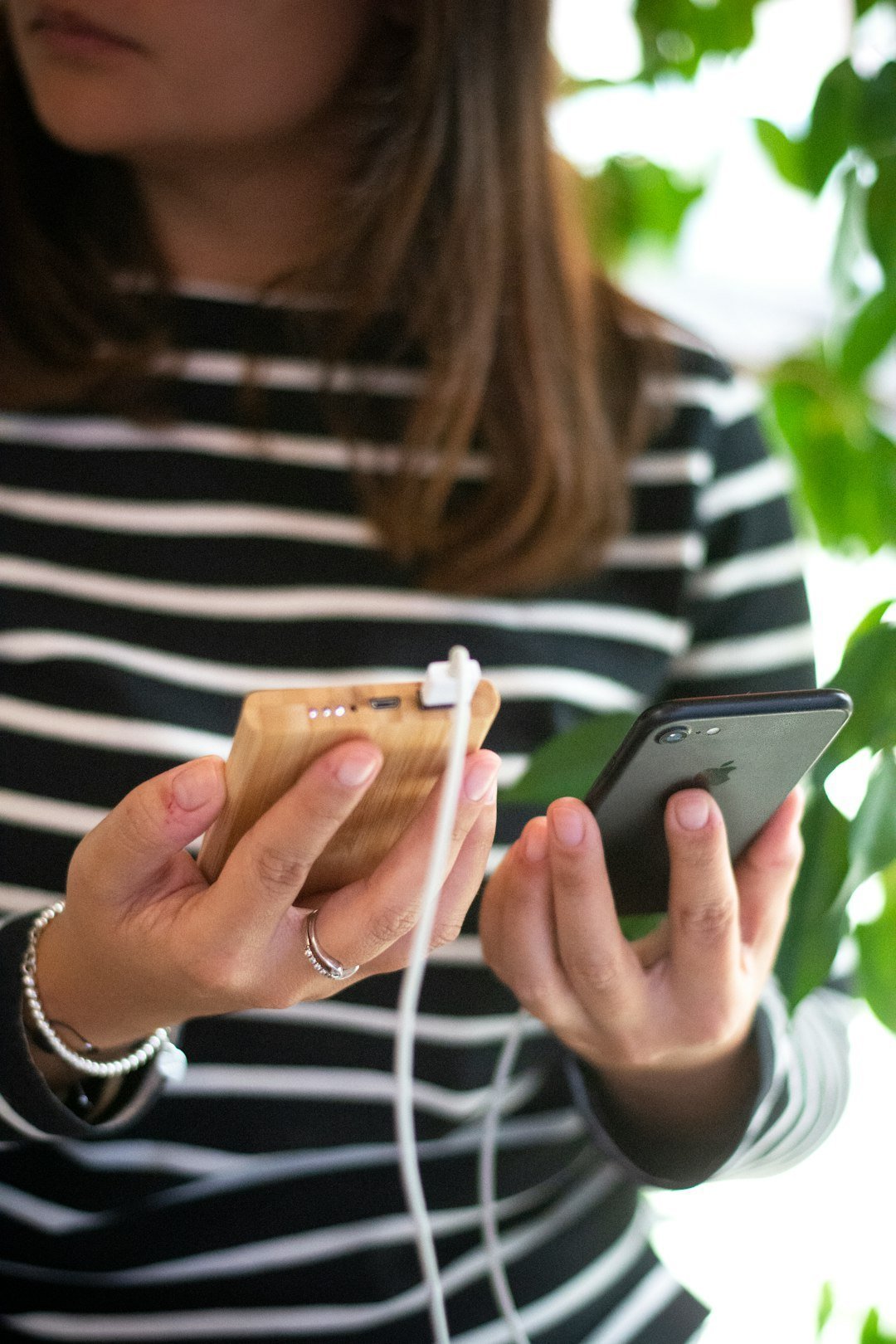
Here’s something that has changed dramatically in 2025 and 2026 that plenty of travelers still don’t know about. The FAA logged 89 lithium battery incidents in 2024, a record high, and by mid-2025, the pace had not slowed, with 38 incidents recorded through June 30 alone. This is serious stuff.
On January 28, 2025, an Air Busan Airbus A321 was destroyed by fire on the ground at Gimhae Airport in South Korea. Twenty-seven people were injured during the evacuation. The fire started in the overhead bin. Investigators identified a power bank as the cause. In response, airlines worldwide tightened rules fast. Airlines are banning in-flight power bank use in 2026, and Lufthansa, Japan Airlines, Emirates, and over 20 carriers now restrict its use. Checking your airline’s current policy before you even get to the gate is no longer optional.
9. Being Rude to Gate Agents When Things Go Wrong
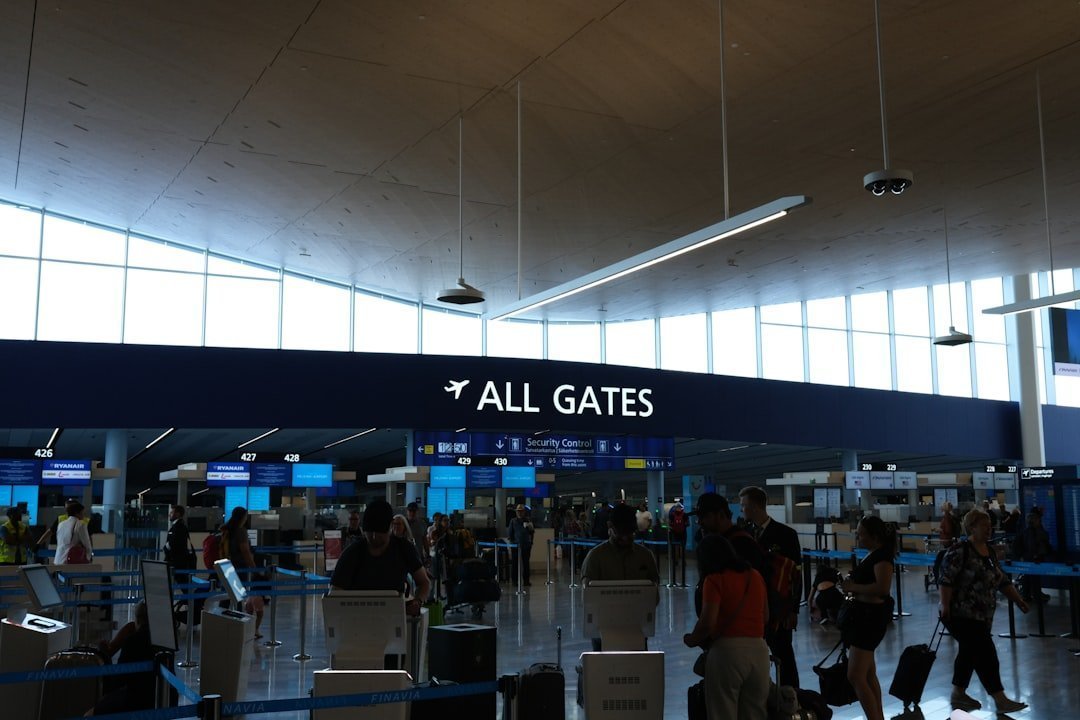
Delays, cancellations, gate changes. They happen. Flight delays, weather issues, or cancellations are often outside of the staff’s control, and politeness goes a long way, especially if you need help rebooking or resolving an issue. Gate agents are not the architects of your misfortune. They are often the only people who can actually help you.
According to the ACI World 2024 Global Traveller Survey, the most stressful touchpoints for travelers occur during the pre-boarding phase, with stress levels decreasing once these processes are completed. In other words, everyone at the gate is already wound up. Delays and cancellations are part of travel. If you are rebooking at the gate, have your information ready so the process goes quickly. If you need to make phone calls or vent, step away from crowded areas. Everyone around you is experiencing the same inconvenience, and patience goes a long way.
Conclusion: The Gate Is a Test of Character
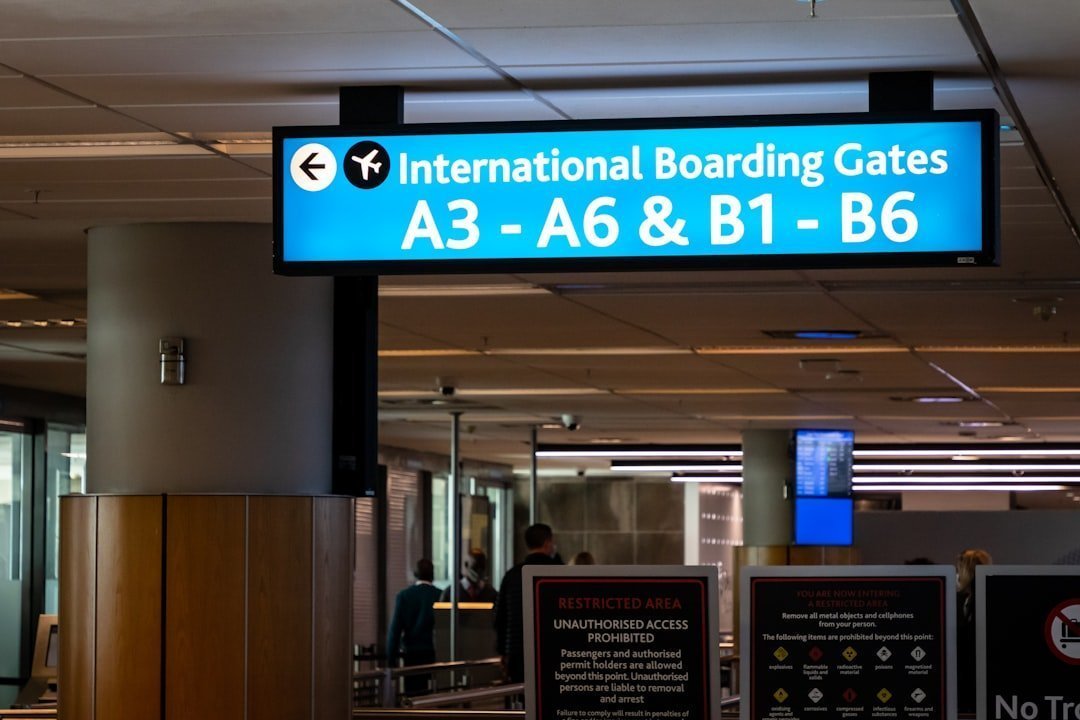
Honestly, how someone behaves at a boarding gate says a lot about how they move through the world in general. The rules above aren’t complicated. They don’t require special training or an elite travel status. They just require a basic awareness that you’re sharing a finite, stressful space with other human beings who are just as tired and just as eager to get somewhere as you are.
The boarding gate is not a competition. You’re all going to the same plane. The overhead bins will sort themselves out. The zones will be called. Just breathe, keep your boarding pass ready, and maybe put in those headphones. Your fellow passengers will silently thank you for it.
How many of these are you guilty of? Be honest with yourself, and let us know in the comments.