
These breathtaking sites were crafted by nature’s hand alone.

Our planet is filled with landscapes so spectacular they seem to defy description, raw expressions of geological force and biological beauty. While ancient civilizations built their own wonders, nature has been crafting its masterpieces for millennia. The most famous list of these natural marvels, compiled by CNN and the Seven Natural Wonders organization, highlights a collection of sites that inspire awe and humility.
Each one is a testament to the planet’s power and artistry, from the highest peaks to the deepest canyons. They are places that remind us of the incredible world that exists beyond our own creations.
1. Arizona’s vast canyon is a colorful record of geological time.
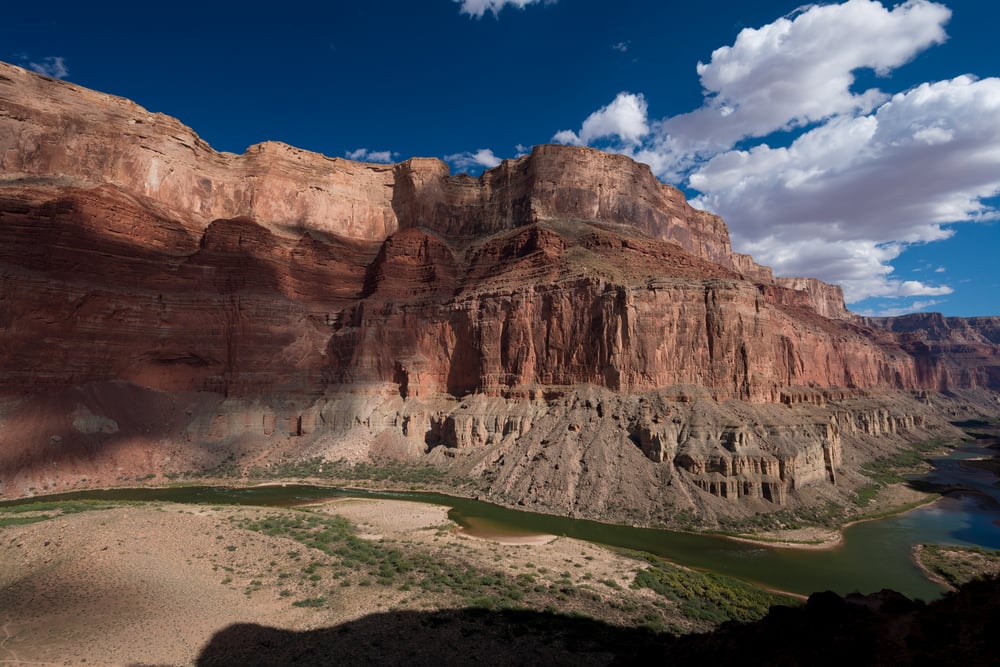
The Grand Canyon is an overwhelming spectacle of size, color, and layered rock that speaks to two billion years of Earth’s history. Carved by the relentless power of the Colorado River, this immense chasm stretches for 277 miles and sinks more than a mile deep in some places. Its sheer scale is difficult to comprehend, even when you’re standing right on the rim, looking out at the endless maze of buttes and mesas.
What makes it a wonder is not just its size but its intricate beauty. The shifting light throughout the day paints the canyon walls in a constantly changing palette of red, orange, and purple,Zest in a Tote shared. It’s a living textbook of geology, with each layer of rock revealing a different chapter of the planet’s past, creating a visual experience that is both humbling and profound.
2. The world’s largest living structure can be seen from space.
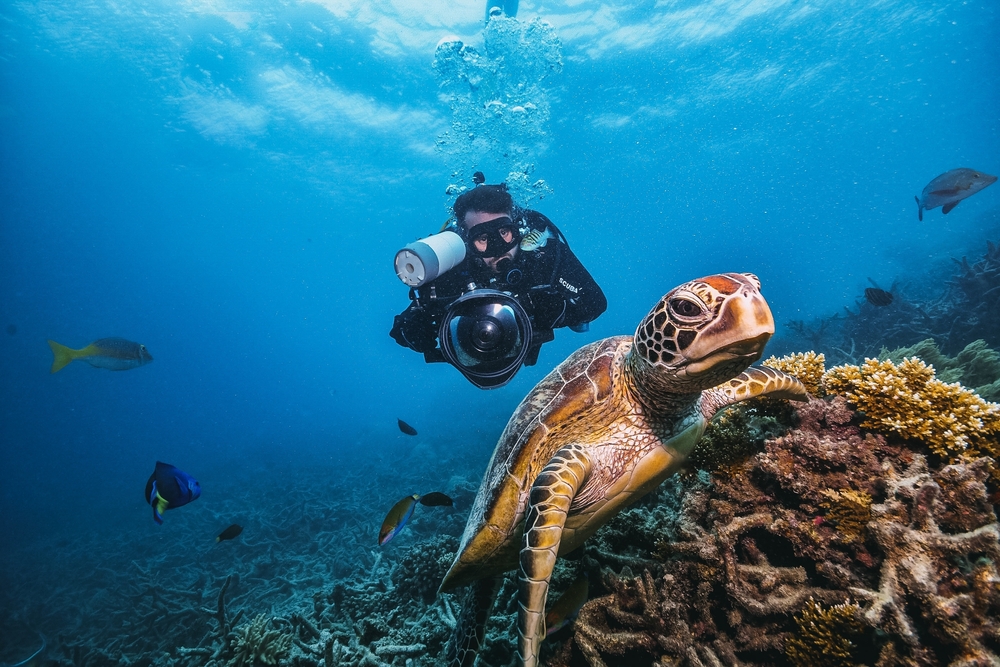
Stretching for more than 1,400 miles off the coast of Queensland, Australia, the Great Barrier Reef is the single largest structure made by living organisms on Earth. This incredibly complex ecosystem is composed of over 2,900 individual reefs and 900 islands, providing a home to a dazzling array of marine life, including countless species of fish, corals, and turtles. Its vibrant colors and biodiversity are simply breathtaking.
Tragically, this natural wonder is facing a severe threat from climate change, with rising sea temperatures causing widespread coral bleaching events. As of 2025, conservation efforts are more critical than ever to protect this fragile underwater paradise, as reported at PlanetWare. The reef serves as a beautiful yet stark reminder of the delicate balance of our planet’s ecosystems and the urgent need to preserve them.
3. A stunning Brazilian bay is surrounded by unique mountains.

The Harbor of Rio de Janeiro, also known as Guanabara Bay, is considered a natural wonder because of its spectacular setting. It’s not the size of the bay itself but its dramatic surroundings that capture the imagination. The harbor is dotted with granite monolith mountains that jut out of the water, including the iconic Sugarloaf Mountain and the towering peak of Corcovado, topped by the Christ the Redeemer statue.
This unique fusion of water and distinctively shaped mountains creates one of the most beautiful and recognizable natural cityscapes in the world, according to Britannica. The view from the top of Sugarloaf Mountain, looking out over the bay as the sun sets, is a truly unforgettable experience. It’s a perfect example of geology creating a landscape that feels like a work of art.
4. The highest point on Earth continues to challenge humanity.
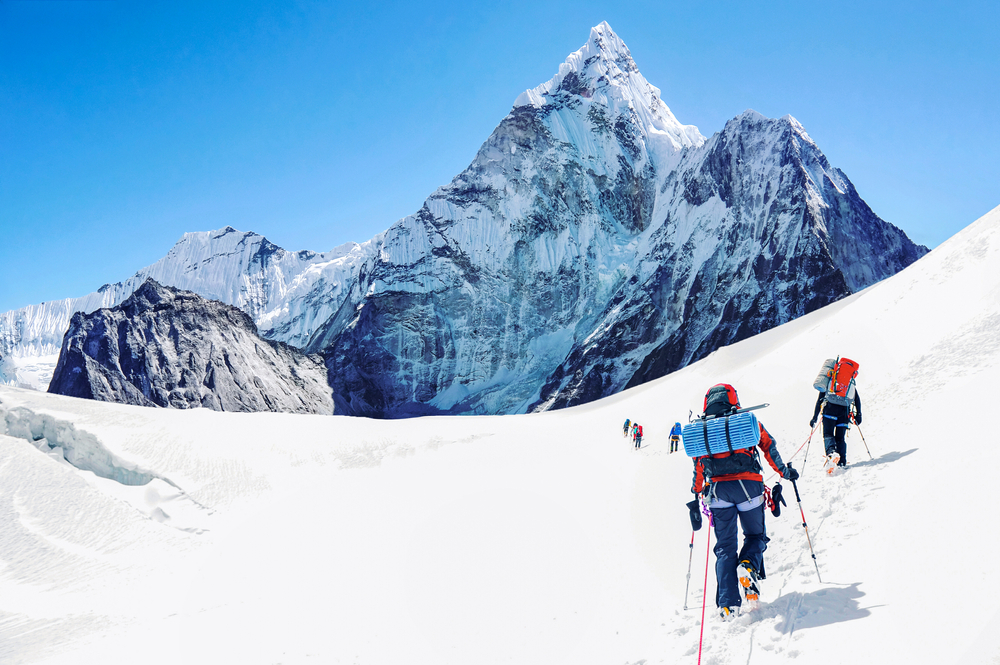
Soaring to a height of 29,032 feet (8,849 meters) above sea level, Mount Everest is the planet’s highest mountain. Located in the Himalayas on the border of Nepal and China, its majestic, snow-covered peak has long been a symbol of ultimate challenge and human endurance. The mountain’s sheer scale and the extreme weather conditions near its summit make it one of the most formidable environments on Earth.
Its status as a natural wonder comes from its superlative status as the “roof of the world.” The physical and mental fortitude required to climb it has created countless stories of triumph and tragedy. For most people, however, simply witnessing its imposing presence against the sky is a powerful and humbling experience.
5. An ethereal light show dances across the polar skies.

Unlike the other wonders, the Aurora Borealis (Northern Lights) and its southern counterpart, the Aurora Australis, are not fixed places but transient, celestial phenomena. These spectacular curtains of light, shimmering in shades of green, pink, and violet, are created when charged particles from the sun collide with atoms in the Earth’s upper atmosphere. The planet’s magnetic field funnels these particles toward the poles, creating the light show.
The aurora’s wonder lies in its otherworldly beauty and its ephemeral nature; no two displays are ever the same. Watching the lights dance silently across the night sky is an experience that feels magical and deeply connects us to the powerful, invisible forces that shape our solar system.
6. The largest waterfall on Earth is known as “the smoke that thunders”.
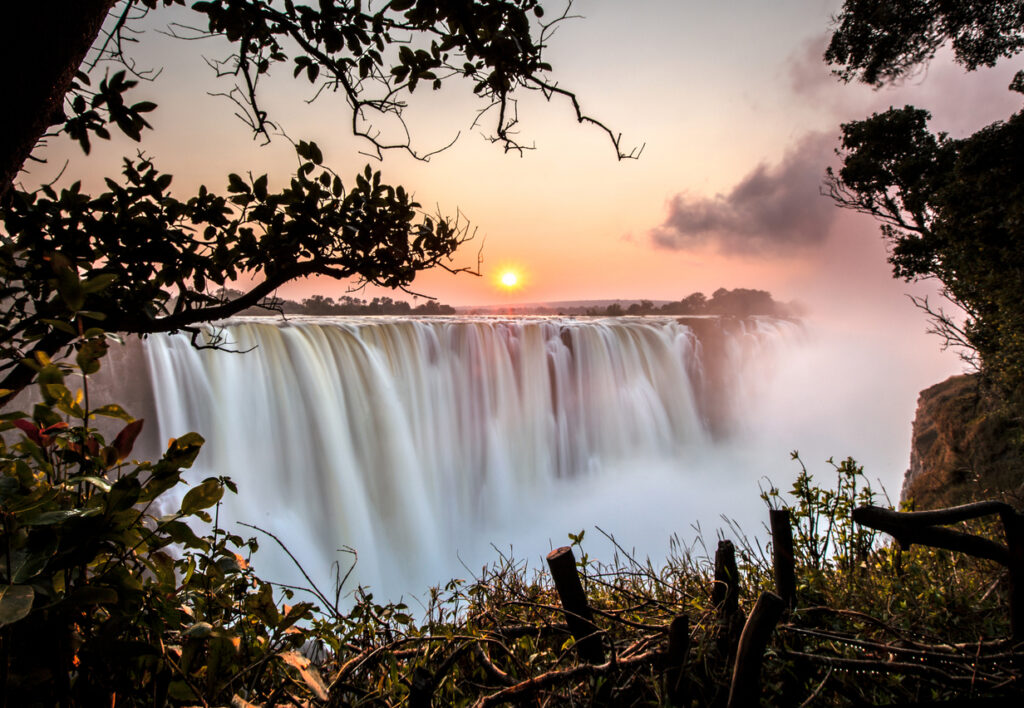
Located on the border of Zambia and Zimbabwe, Victoria Falls is not the world’s tallest or widest waterfall, but it is the largest single sheet of falling water. At the height of the rainy season, more than nineteen million cubic feet of water from the Zambezi River plummet over its 355-foot-high cliff every single minute. The resulting spray can be seen from 30 miles away.
This immense power and volume are what make it a wonder. The local name for the falls, Mosi-oa-Tunya, translates to “The Smoke that Thunders,” which perfectly captures the experience of being near it. The deafening roar and the constant, drenching mist create a visceral encounter with the raw force of nature.
7. This Mexican volcano was born in a farmer’s field.
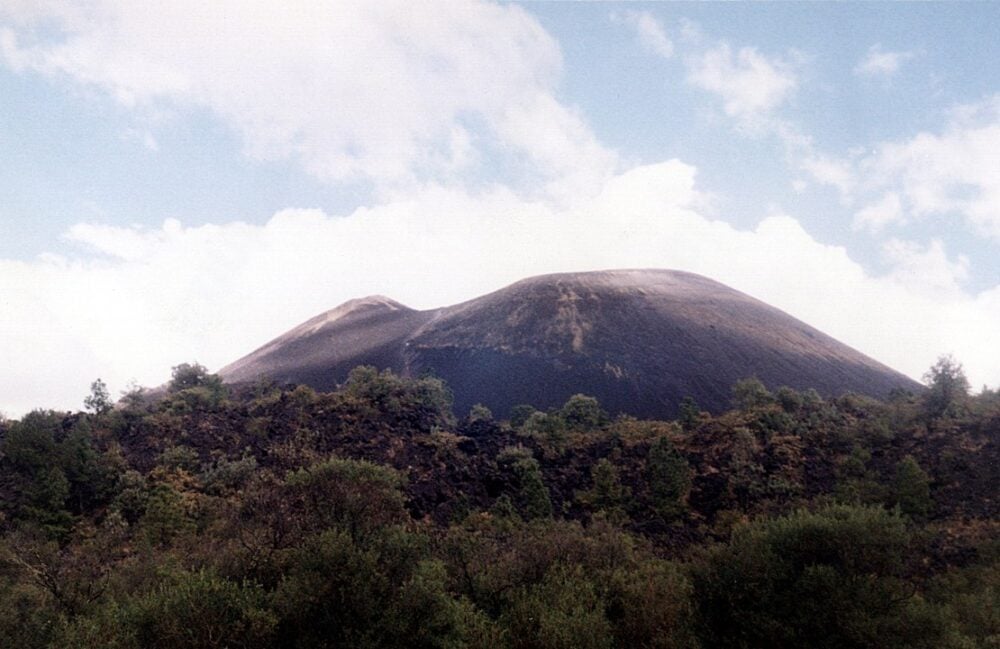
The Parícutin Volcano holds a unique place on this list because its entire life cycle, from birth to extinction, was witnessed by modern science. In 1943, a farmer in Michoacán, Mexico, was horrified to see the ground in his cornfield crack open and begin spewing ash and stone. Within a day, a cone 160 feet high had formed. Over the next nine years, it grew to a final height of 1,391 feet.
This event gave scientists an unprecedented opportunity to study the formation of a cinder cone volcano from its very beginning. It is a wonder because it’s a direct and recent example of the powerful geological forces that are constantly shaping our planet, a reminder that the ground beneath our feet is anything but static.