
Tourist attractions often showcase the pinnacle of human achievement, beauty, or culture, but some are built on sites tainted by calamity.

These locations have become important for education and remembrance, shedding light on past events that shaped the present. You might already have been to some of these landmarks without fully realizing the somber history beneath their surface. Knowing the background adds depth to your experience and a new perspective on what you’re seeing. Walking through exhibits that recreate the ship’s decks and explore the human stories behind the tragedy gives visitors a deeper connection to the past.
1. The Titanic Belfast museum stands on the tragic shipyard where the ill-fated vessel was built.
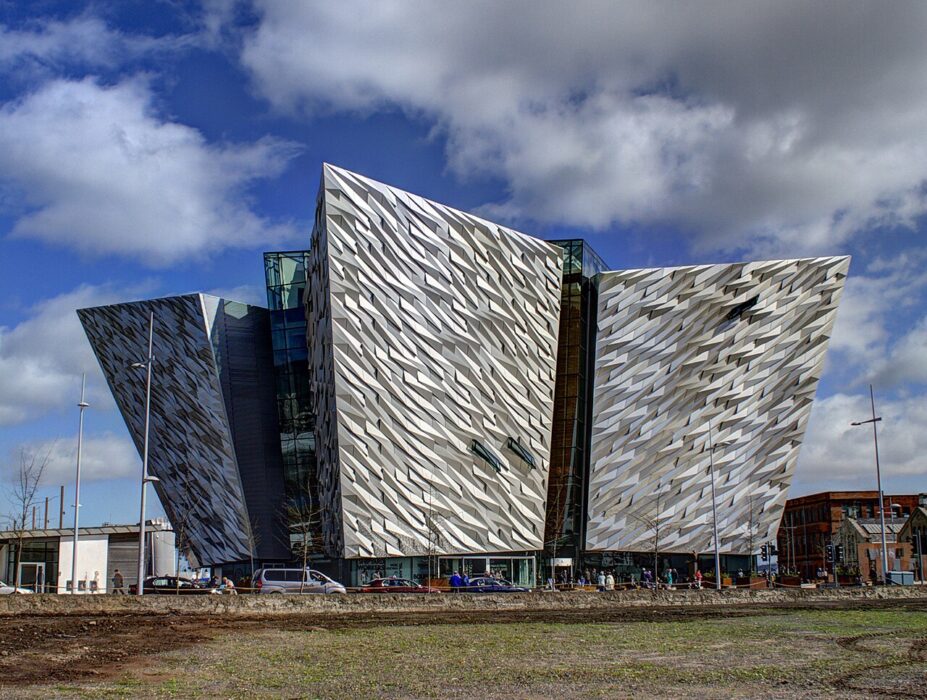
Walking through exhibits that recreate the ship’s decks and explore the human stories behind the tragedy gives visitors a deeper connection to the past. You can almost imagine the hopeful excitement that filled the air during Titanic’s launch, mixed with the heartbreak that followed its demise. It’s a place where history and tragedy merge in an unforgettable way, as mentioned in National Geographic. The museum delves into the events leading up to the attacks, through powerful artifacts and personal stories.
2. The 9/11 Memorial and Museum in New York pays tribute to one of America’s darkest days.
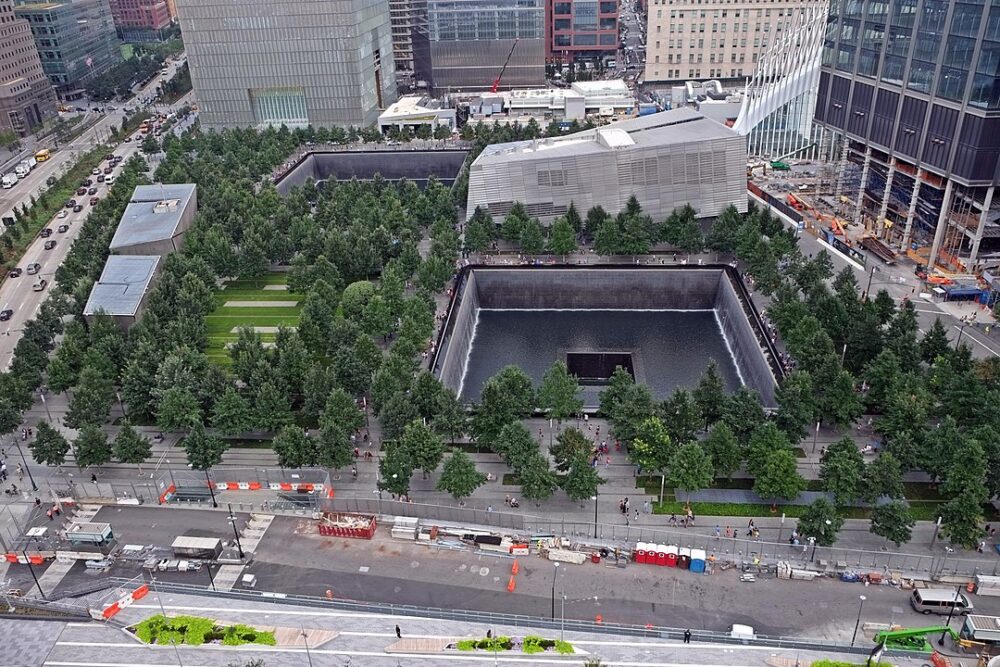
The museum delves into the events leading up to the attacks, through powerful artifacts and personal stories. You can hear video testimonials, see remnants of wreckage, and gain understanding of the global impact of that day. It is more than a tourist stop—it’s a place for frank reflection and collective memory, according to The Travelling Dane. Tour guides often share survivor stories that personalize the horrors beyond cold statistics.
3. Auschwitz-Birkenau remains a somber reminder of the Holocaust’s horrors.
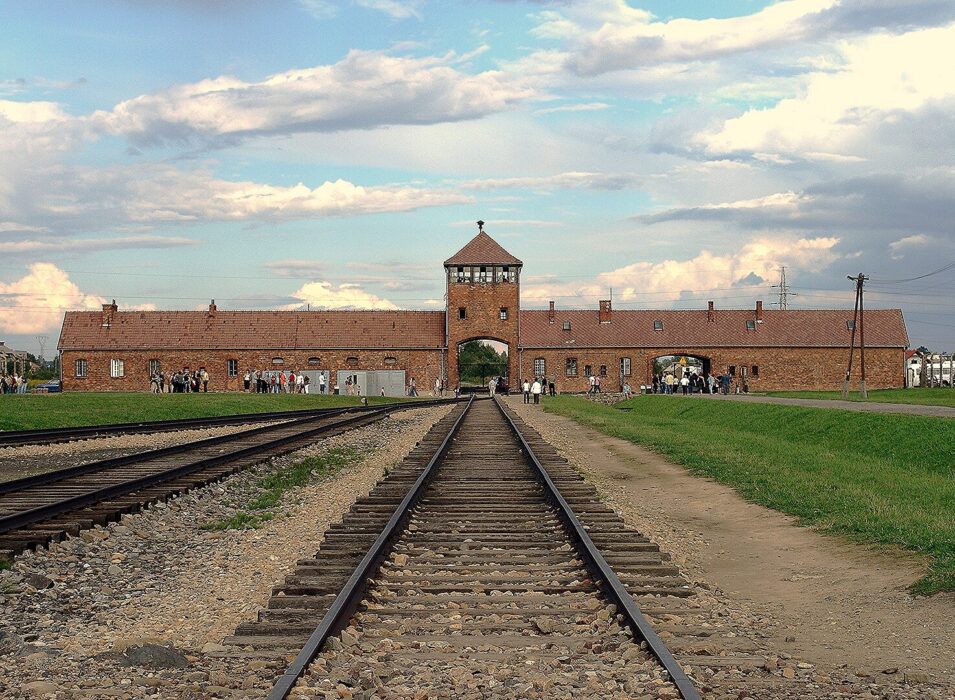
Tour guides often share survivor stories that personalize the horrors beyond cold statistics. Artifacts like prisoners’ belongings and remnants of gas chambers emphasize the human cost. This site demands respect and sober reflection, making it a unique and impactful kind of tourist destination that educates and honors simultaneously, as reported at CNBC. Tour operators ensure safety while delivering immersive storytelling about the heroism and tragedy of those involved in containment efforts.
4. Chernobyl’s exclusion zone attracts curious visitors to a nuclear wasteland.

Tour operators ensure safety while delivering immersive storytelling about the heroism and tragedy of those involved in containment efforts. The eerie silence of Pripyat, the nearby deserted town, enhances the feeling of stepping into an apocalyptic scenario. It’s a unique travel experience mixing history, science, and poignant human drama. Visitors often find the park’s monuments, museums, and quiet gardens deeply moving, as they tell stories of pain, survival, and a global appeal for nuclear disarmament.
5. The Hiroshima Peace Memorial Park preserves the site of the atomic bomb attack.
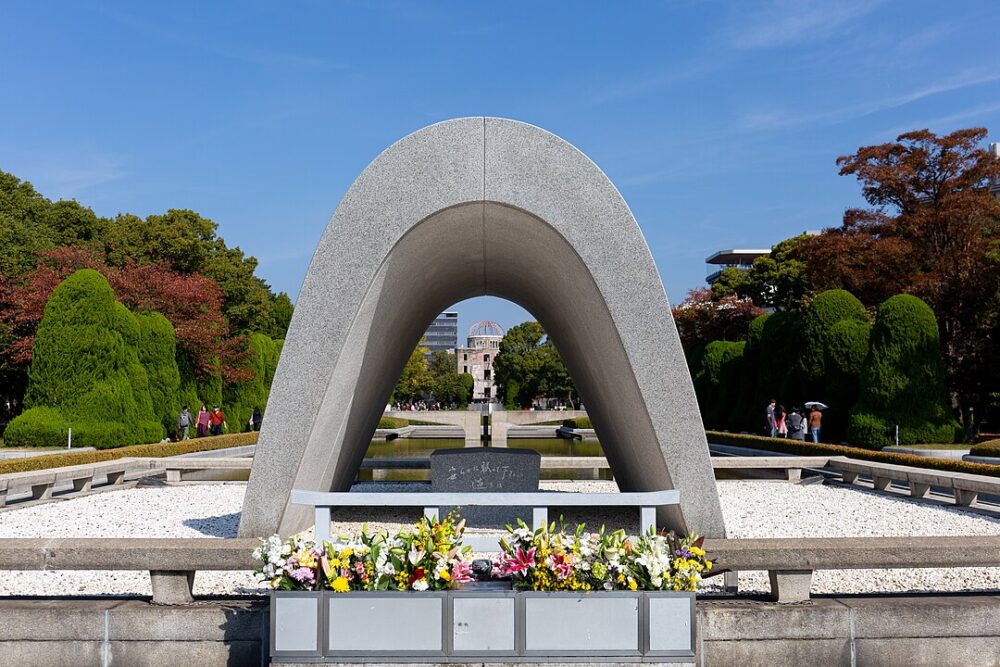
Visitors often find the park’s monuments, museums, and quiet gardens deeply moving, as they tell stories of pain, survival, and a global appeal for nuclear disarmament. The park invites contemplation, making you think about the devastating consequences of war and the strength needed to heal afterward. Visitors can see preserved skulls, bones, and memorials that serve as a stark call to remember and prevent such atrocities.
6. The Khmer Rouge Killing Fields in Cambodia reveal dark legacies of genocide.
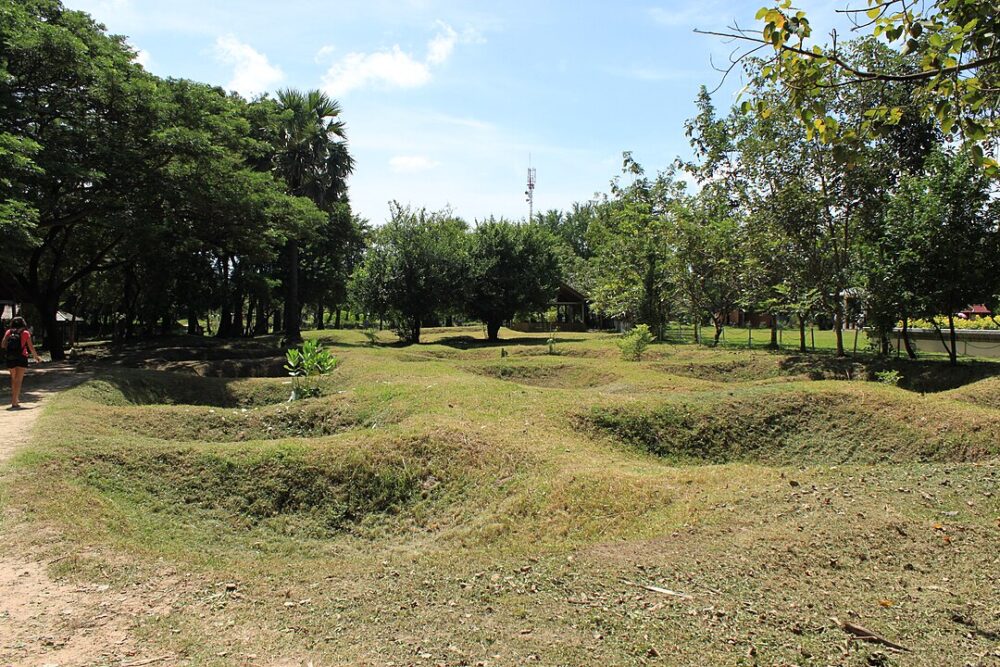
Visitors can see preserved skulls, bones, and memorials that serve as a stark call to remember and prevent such atrocities. Local guides share haunting accounts that personalize the tragedy. Walking through this field of remembrance encourages reflection on the importance of justice and humanity. Exhibits within the adjacent museum provide heartfelt stories and artifacts from survivors and first responders.
7. Ground Zero in Oklahoma City memorializes the devastating bombing that changed the city forever.

Exhibits within the adjacent museum provide heartfelt stories and artifacts from survivors and first responders. The memorial is a powerful symbol of communal healing and determination to overcome tragedy. It’s a spatial experience that blends sorrow with hope and resilience. Southampton was the ship’s departure point, and visiting the memorial alongside maritime museums offers insights into the broader story of seafaring in the region.
8. The Titanic Memorial in Southampton honors lives lost at sea.
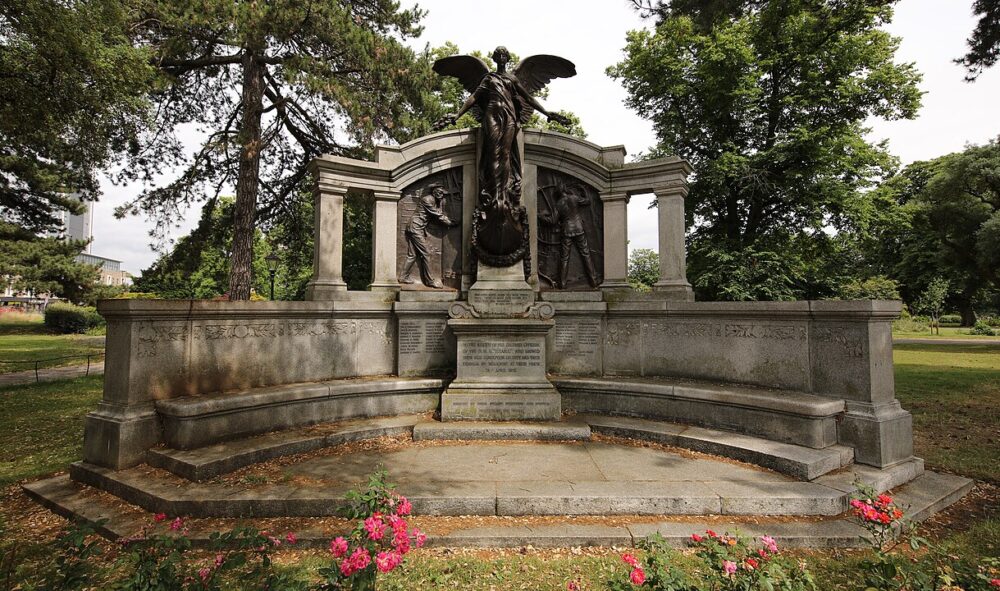
Southampton was the ship’s departure point, and visiting the memorial alongside maritime museums offers insights into the broader story of seafaring in the region. The memorial’s poignant imagery resonates deeply with those aware of the lives behind the statistics, connecting modern visitors to the past. The memorial includes a stone cairn inscribed with the names of all victims, and nearby towns have embraced the memory through annual ceremonies.
9. The Lockerbie Memorial in Scotland commemorates victims of the 1988 bombing.
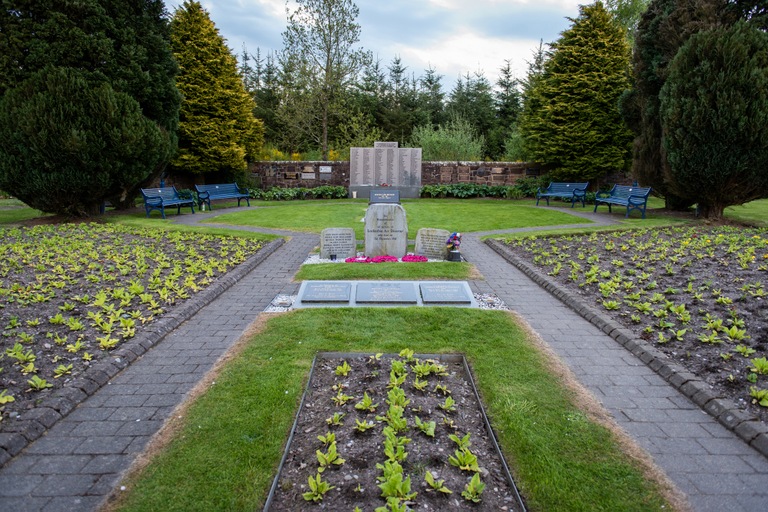
The memorial includes a stone cairn inscribed with the names of all victims, and nearby towns have embraced the memory through annual ceremonies. This place embodies the sorrow and solidarity that arise after sudden tragedy, offering travelers a reflective stop on their journey through Scotland’s landscapes. The site’s haunting plaster molds of people caught in mid-action bring a tragic intensity to the experience.
10. The Pompeii archaeological site showcases a city frozen by volcanic disaster.
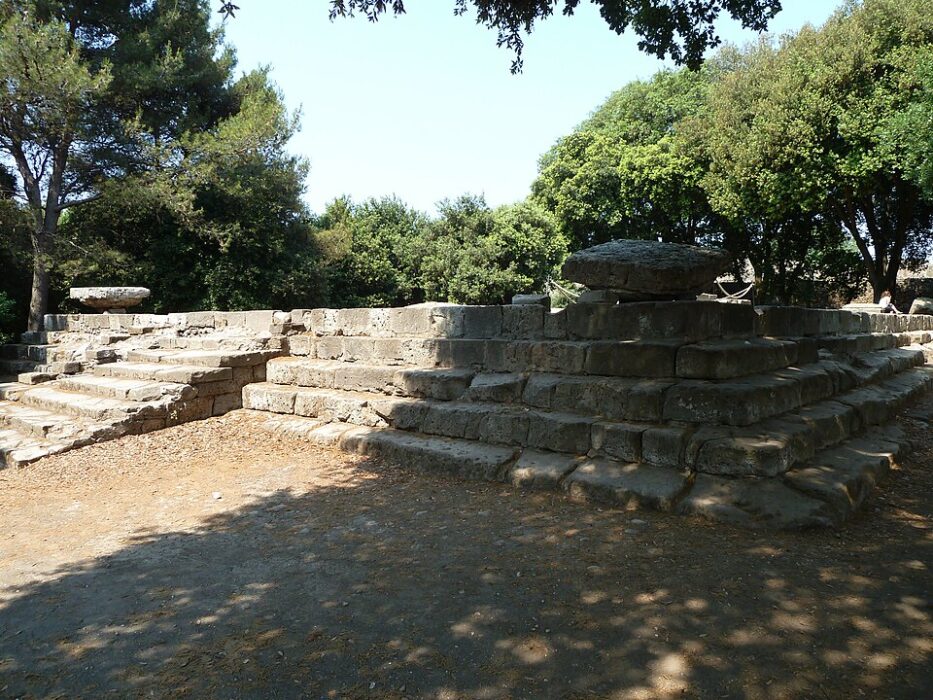
The site’s haunting plaster molds of people caught in mid-action bring a tragic intensity to the experience. Archaeologists continue to uncover new details about daily life and the eruption’s horror. It’s a vivid reminder that beneath the beauty of ruins lies a story of catastrophe and loss. Tour guides share accounts of prisoner resilience, violence, and suffering that paint a gripping picture beyond the walls.
11. The Alcatraz Island prison stands as a memorial to harsh incarceration and loss.

Tour guides share accounts of prisoner resilience, violence, and suffering that paint a gripping picture beyond the walls. The island is also a symbol of Native American activism, adding another layer of historic tragedy and cultural significance. Visiting here is both educational and emotionally powerful. Visitors can see statues, plaques, and battlefield artifacts that paint a vivid picture of the march’s horrors.
12. The Bataan Death March memorial in the Philippines remembers a World War II atrocity.
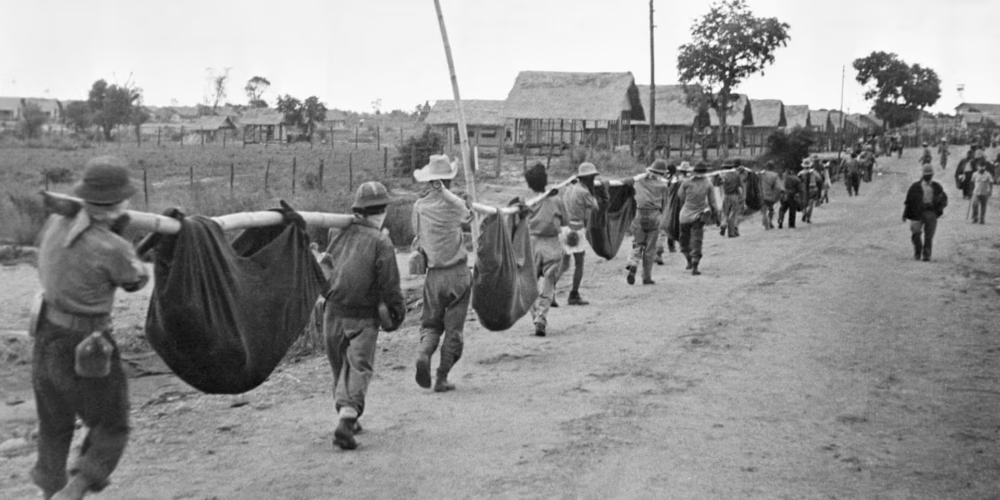
Visitors can see statues, plaques, and battlefield artifacts that paint a vivid picture of the march’s horrors. Local veterans often share stories of survival and heroism, giving life to the memorial’s somber message. It serves as a powerful testament to endurance amidst unimaginable suffering. Visiting the memorial gives insight into the emotional impact on families and communities and the struggle for recognition and reform that followed.
13. The Hillsborough Memorial in Sheffield honors soccer fans lost in a tragic stadium disaster.

Visiting the memorial gives insight into the emotional impact on families and communities and the struggle for recognition and reform that followed. It’s a poignant location where sport’s power to unite is forever shadowed by the sorrow of loss, inviting reflection beyond celebration.