
Discover how ancient cities hidden beneath today’s urban landscapes reveal rich histories and cultural heritage.
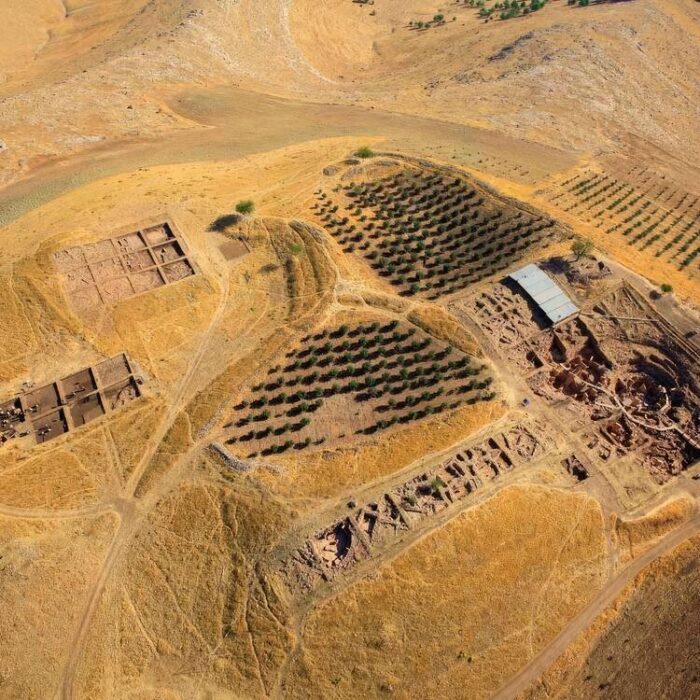
Ancient cities beneath modern metropolises refer to buried historical settlements found beneath today’s urban environments. Through urban archaeology—the study of these layered historical sites—researchers uncover ruins, artifacts, and structures that tell stories of past civilizations. Excavation and preservation efforts carefully balance revealing history while respecting the needs of vibrant contemporary cities.
Understanding these hidden ancient cities is crucial for appreciating cultural heritage and informing sustainable urban development. As modern infrastructure grows, recognizing the coexistence of old and new layers helps protect invaluable archaeological discoveries while supporting safe and mindful city planning.
1. Discovering intricate underground tunnels connecting ancient city sections.
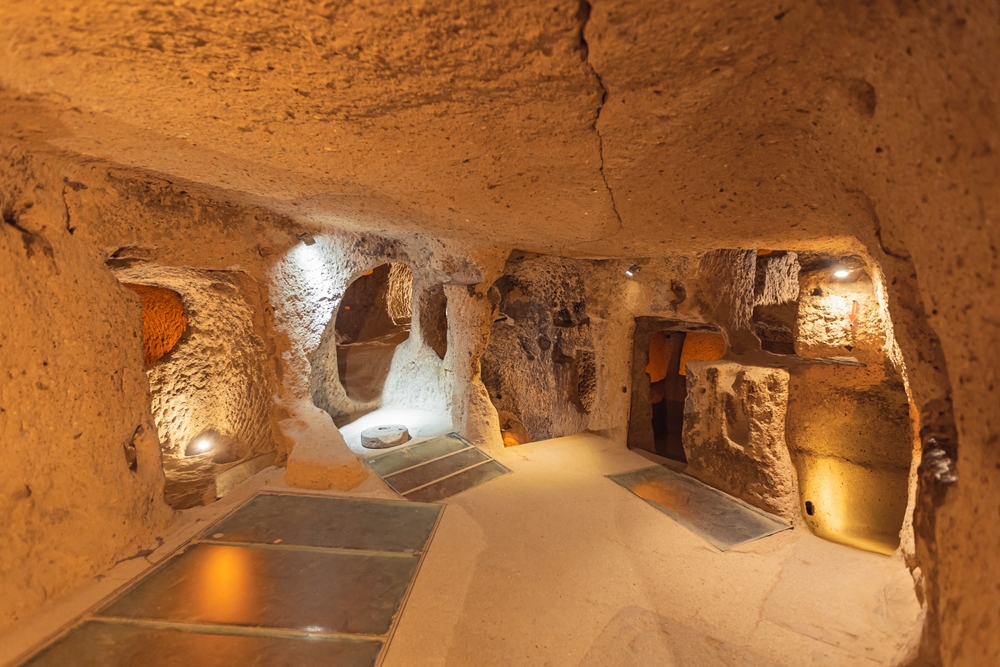
Underground tunnels in ancient cities are passageways that linked neighborhoods, workshops, and civic spaces beneath later streets. Urban archaeology finds them through a mix of remote sensing, ground penetrating radar, documentary research, and careful trenching. Excavation reveals construction methods such as stone vaults, timber linings, or cut bedrock and shows how tunnels fit into historical layers of the settlement and its growth over time.
These tunnels matter because they disclose patterns of movement, trade and social interaction that modern streets may obscure, NPR reports. A practical rule of thumb is to involve archaeologists and structural engineers early when tunnels are discovered to assess stability and conservation needs. For safety and preservation consult a qualified professional before entering or altering subterranean structures.
2. Examining well-preserved murals that reveal daily life in the past.
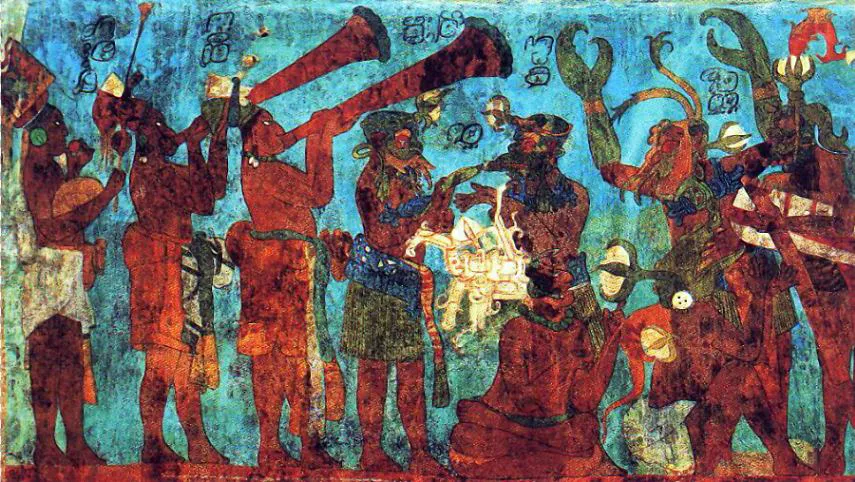
Well preserved murals are painted or plastered wall surfaces that survive under later construction or buried contexts. Urban archaeology reveals them by exposing walls carefully during excavation, recording pigments and techniques, and using conservation methods to stabilize fragile surfaces. Analysis can identify themes, materials and workshop practices and link artistic styles to social or ritual functions in the ancient city.
Murals matter because they provide direct visual evidence of daily life, belief systems and material culture that text alone cannot convey, as mentioned in BBC. Practical guidance is to document murals with high resolution photography and noninvasive analysis and to limit direct contact. Preserve murals by consulting conservators and avoid exposure to uncontrolled humidity or light during study.
3. Uncovering ancient marketplaces that once thrived beneath the streets.
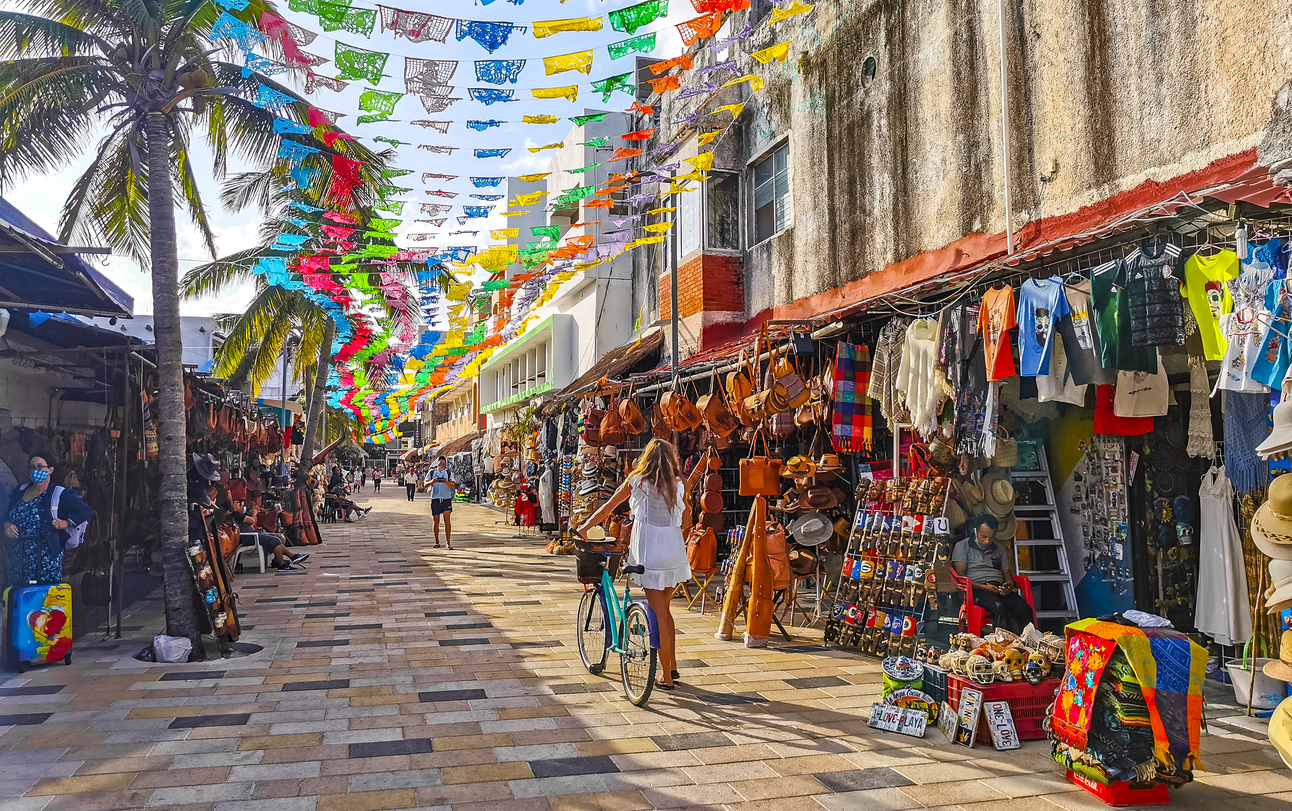
Ancient marketplaces are clusters of stalls, paved surfaces, storage rooms and goods traces located beneath modern streets and plazas. Archaeologists identify market areas through artifact concentrations, specialized architecture, channels for goods movement and spatial patterns revealed in excavation and geophysical survey. These finds show trade networks, goods diversity and economic organization of past communities coexisting beneath the modern metropolis.
Understanding ancient marketplaces matters for appreciating urban economies and how public space evolved. A practical tip is to map artifact distributions and note trade indicators such as foreign pottery or weight systems, according to National Geographic. When planning development, require archaeological assessments to minimize destruction and document finds. Consult heritage professionals for guidance on recording and preserving commercial layers.
4. Revealing architecturally advanced drainage systems hidden under modern roads.
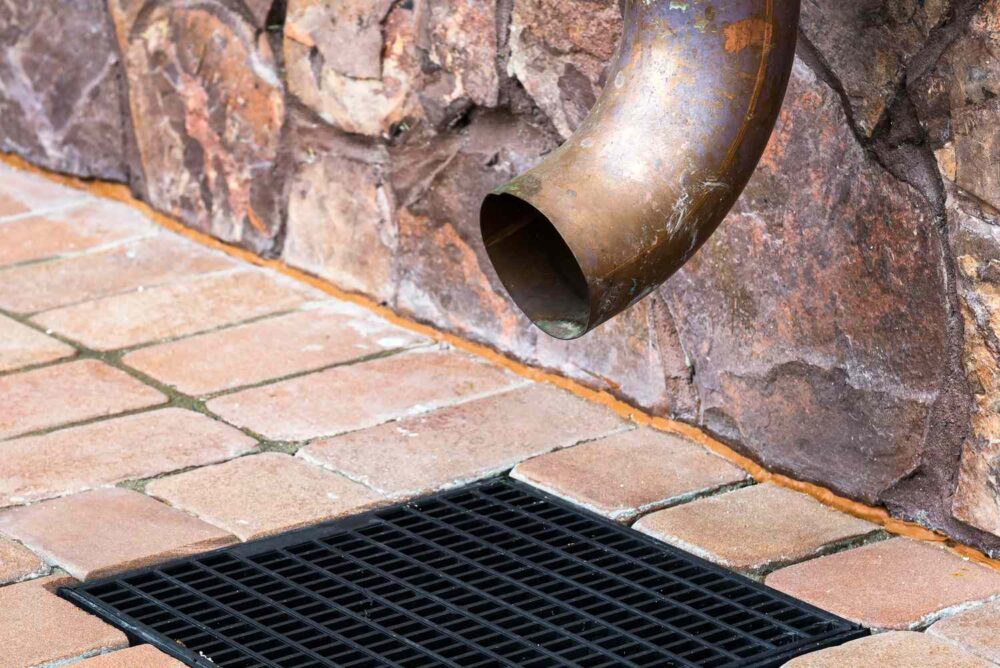
Hidden drainage systems are engineered conduits, channels and culverts designed to carry water away from streets and buildings and are often buried under modern roads. Urban archaeologists uncover them by following alignments found in plans, remote sensing or surface depressions and by carefully freeing masonry or terracotta pipes during excavation. These systems demonstrate sophisticated hydraulic knowledge and adaptations to local climate and topography.
Drainage systems matter because they reveal ancient urban planning and affect modern flood risk and infrastructure stability. A practical checklist item is to record dimensions, materials and flow capacity and to test connections with contemporary sewer systems. When discovered, coordinate with engineers and conservationists to balance preservation with public safety and functionality.
5. Identifying ceremonial temples tucked beneath contemporary buildings.
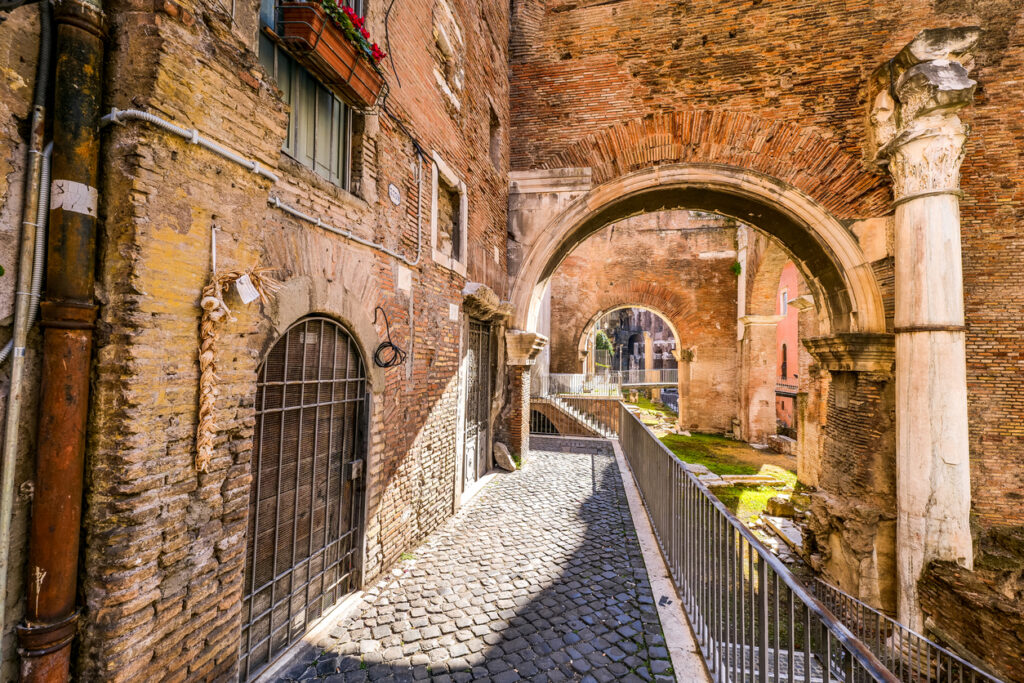
Ceremonial temples tucked beneath contemporary buildings are ritual structures that were later overlain by urban development. Archaeologists recognize them by architectural features such as altars, sanctuaries, ritual deposits and associated offerings, often documented through stratigraphy and material analysis. Excavation can reveal layout, cult objects and construction phases, illuminating religious life and civic identity of the ancient community.
These temples matter because they are central to cultural heritage and collective memory. A practical rule of thumb is to treat such discoveries as sensitive and engage heritage authorities and local communities in decisions about excavation and display. For specialized interpretation and conservation consult qualified archaeologists and conservators to respect both spiritual and scientific values.
6. Exploring remnants of defensive walls surrounding the ancient settlement.
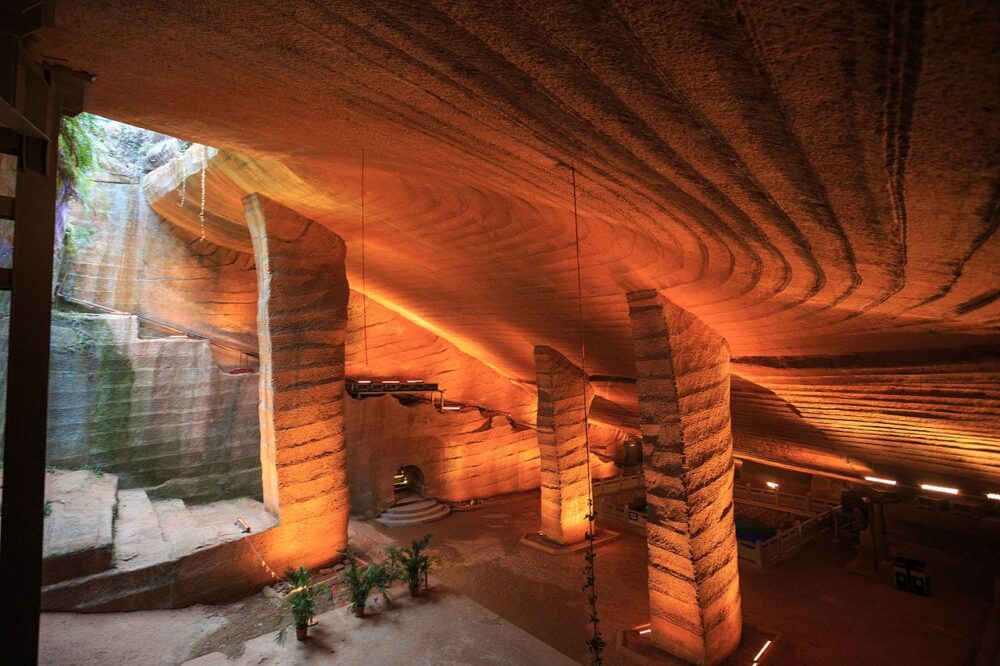
Remnants of defensive walls are fortifications that once encircled the settlement and can survive as buried stone foundations, ditches or watch platforms beneath modern development. Urban archaeology maps their courses using historical plans, aerial imagery and subsurface detection methods before test excavation. Revealed construction techniques and repairs tell stories of conflict, urban expansion and changing defensive priorities across several historical layers.
Studying defensive walls matters because they shaped city boundaries, movement and social organization. A useful tip is to integrate archaeological findings with urban planning to protect stretches of wall and interpret them publicly. Consider a preservation-first approach where feasible and document any unavoidable impacts thoroughly with professionals present during works.
7. Noting artifacts that showcase the culture and craftsmanship of residents.
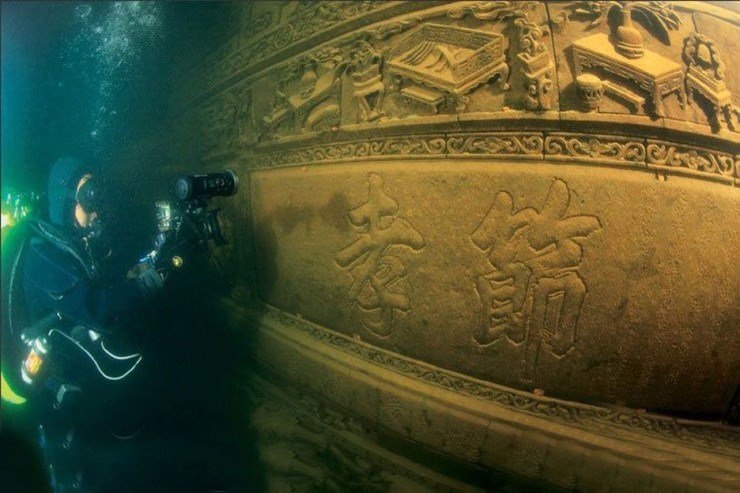
Artifacts that showcase culture and craftsmanship include pottery, metalwork, tools, textiles impressions and personal items recovered from subterranean deposits. Urban archaeologists classify these finds, conduct material analyses and connect them to production methods, trade links and daily practices. Artifact assemblages across different strata reveal shifts in taste, technology and economic conditions within the layered city.
These objects matter because they make past lives tangible and inform reconstructions of social roles and household economies. A practical checklist is to record findspot context precisely, conserve delicate materials quickly and consult specialists for dating and provenance studies. Museums and local archives are useful partners for storage and public interpretation.
8. Investigating burial sites and rituals conducted in subterranean chambers.
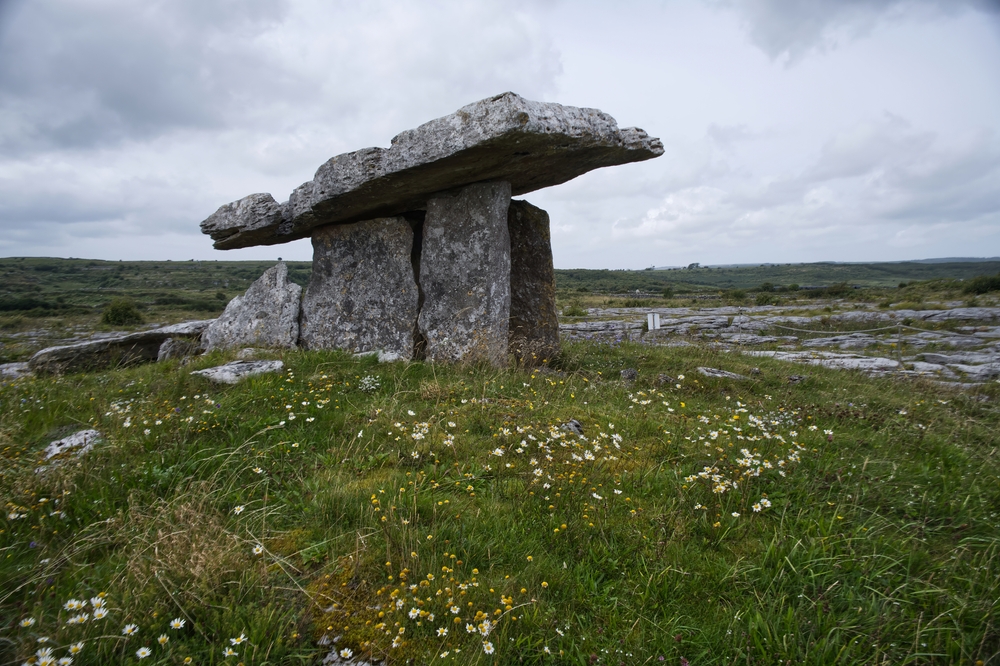
Burial sites and subterranean ritual chambers are places where ancient communities interred their dead or conducted commemorative practices, often preserved beneath newer construction. Archaeologists locate them using noninvasive surveys, human osteology and careful excavation that respects funerary contexts. Study of grave goods, body treatment and spatial organization helps reconstruct beliefs about death, kinship and social status across historical layers.
These sites matter for cultural memory and ethical stewardship and require sensitive handling. A practical rule of thumb is to involve community stakeholders and follow legal and ethical guidelines for human remains. Consult qualified professionals for excavation, conservation and reburial decisions and treat discoveries with dignity and cultural respect.
9. Studying ancient inscriptions preserved on stone tablets underground.
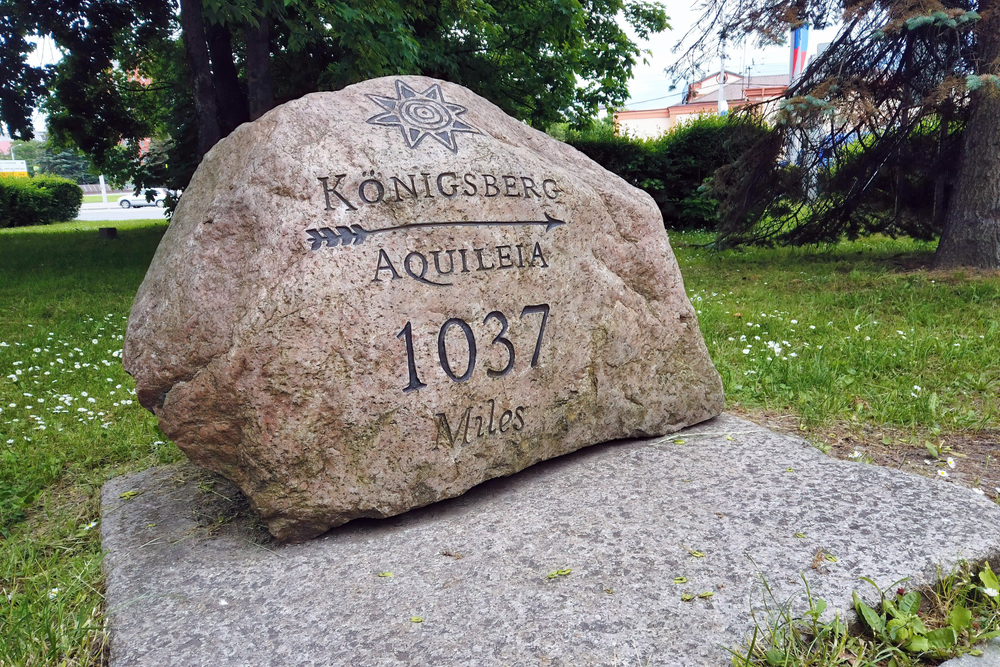
Ancient inscriptions on stone tablets, walls or architectural elements are written records preserved in subterranean contexts that record laws, dedications, transactions or historical events. Urban archaeology recovers them by exposing stable surfaces, recording text with photography and rubbings and conducting epigraphic analysis to interpret language, script and meaning. These inscriptions help anchor chronological frameworks and reveal administrative or religious aspects of the old city.
Inscriptions matter because they provide primary evidence about governance, identity and daily affairs. A practical tip is to document inscriptions in situ with multiple imaging techniques and to consult epigraphists for translation and context. Preserve original stones in controlled conditions and avoid cleaning methods that can damage inscriptions without expert oversight.
10. Mapping out ancient residential quarters beneath bustling urban centers.
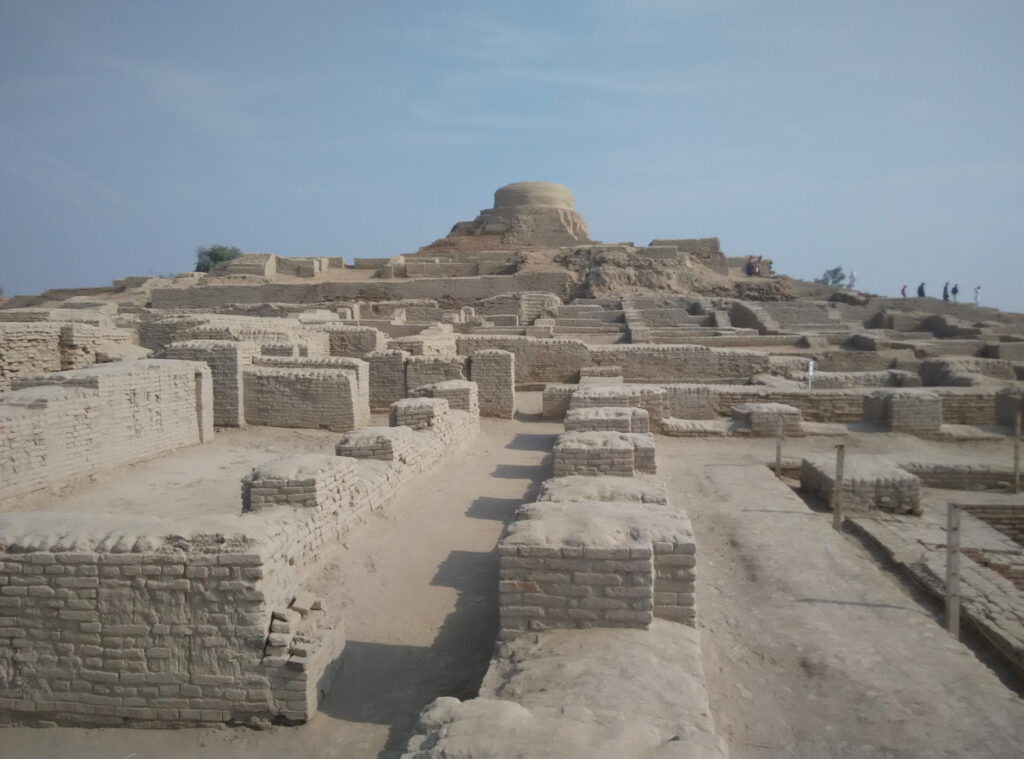
Mapping ancient residential quarters beneath modern centers involves identifying house plans, courtyards, workshops and service spaces preserved under streets and buildings. Urban archaeologists integrate geophysical surveys, excavation data and artifact distributions to reconstruct neighbourhood layouts, household economies and patterns of occupation. Analysis of spatial organization reveals how families lived, worked and adapted to urban pressures across successive historical layers.
This matters because residential mapping connects the public to everyday past lives and informs urban planning decisions. A practical guideline is to use precise stratigraphic recording and create accessible maps for planners and the public. When development is proposed prioritize archaeological assessments and seek mitigation strategies that preserve representative samples of domestic areas.
11. Observing how natural caves were integrated into city planning.
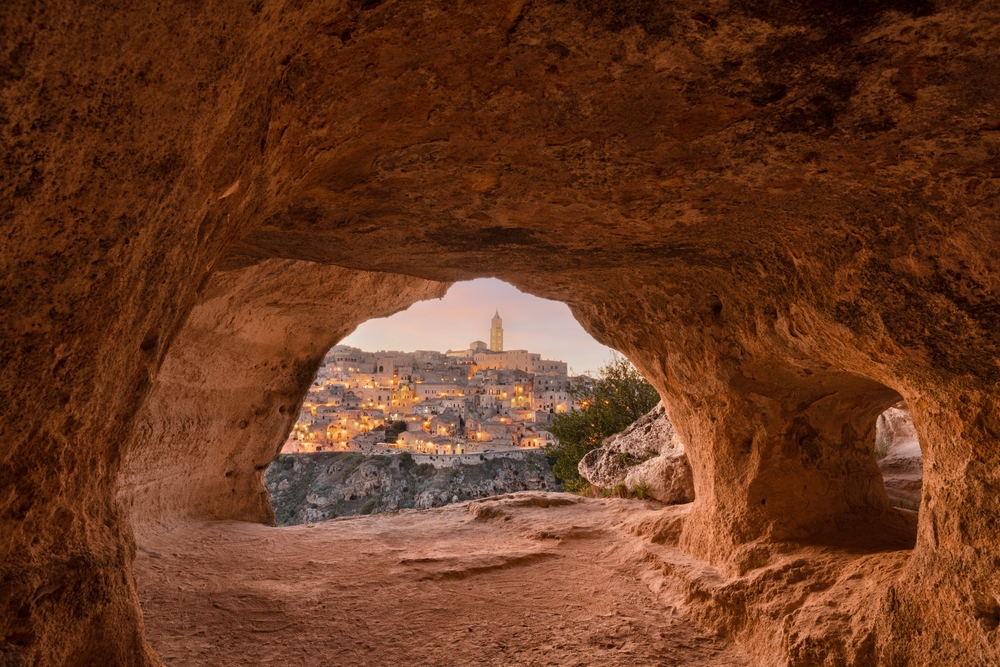
Natural caves integrated into city planning are limestone or rock shelters that ancient builders adapted for storage, worship or domestic uses and later became part of urban fabric. Archaeology documents cave use through surveys, excavation of entrance areas and study of modifications such as carved steps, seals or lining. Caves show adaptability to local geology and sometimes preserve organic materials that do not survive in open contexts.
Recognizing cave integration matters because these features affect modern construction and heritage values. A practical tip is to assess structural stability and microclimate before any intervention and to involve speleologists and conservators for safe investigation. For safety do not enter caves without professionals and proper equipment.
12. Understanding the coexistence of the ancient city with modern infrastructure.
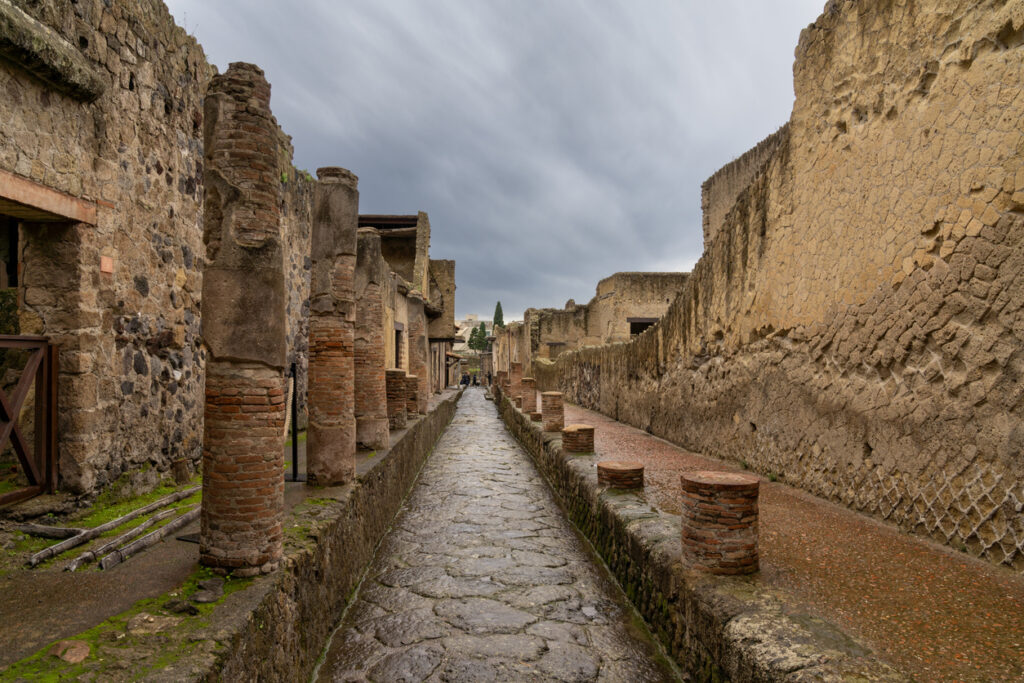
Understanding how ancient cities coexist with modern infrastructure is about recognizing overlapping historical layers and making decisions that balance preservation with contemporary needs. Urban archaeology studies show where buried foundations, conduits and cultural sites intersect with roads, utilities and buildings and propose strategies like avoidance zones, targeted excavation and adaptive reuse. This interdisciplinary approach informs both heritage management and urban development planning.
This coexistence matters because choices affect cultural heritage, public safety and city growth. A practical checklist is to require preliminary archaeological assessments for major projects, involve heritage specialists in planning, and favor solutions that document and preserve significant elements in situ. For complex cases consult qualified professionals to guide mitigation and stewardship decisions.