
These eight countries are becoming top food tourism destinations with authentic culinary experiences.
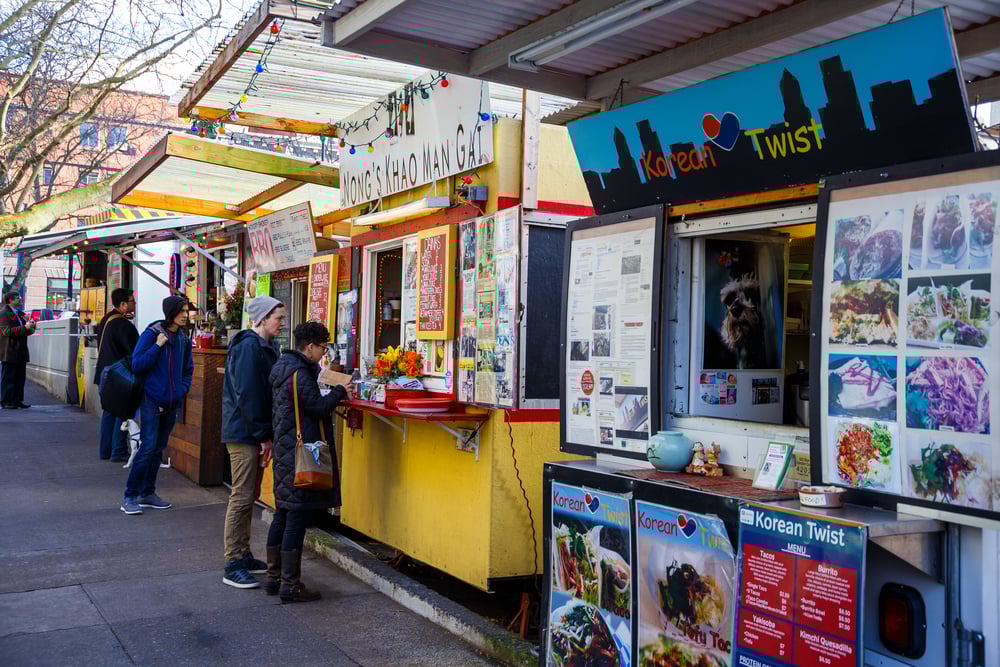
Food tourism is growing rapidly as travelers seek authentic culinary experiences that highlight local culture and traditions. Many countries are investing in food tourism infrastructure to attract visitors eager to explore diverse cuisines and unique food cultures. Understanding where food tourism is flourishing helps travelers plan meaningful gastronomic journeys centered on genuine tastes and cultural insights.
Recognizing the economic and cultural impact of food tourism is essential for both visitors and local communities. By focusing on destinations with rich, diverse cuisines and sustainable practices, travelers can enjoy rewarding experiences while supporting authentic food cultures and environmentally responsible tourism development.
1. Japan offers a diverse culinary scene blending tradition and innovation.

Japan’s food tourism is a fascinating fusion of age-old traditions and contemporary innovation. The country is celebrated not only for its sushi but also for a wide range of culinary delights such as ramen, tempura, and kaiseki. Japanese cuisine emphasizes balance and aesthetics, showcasing meticulous preparation techniques and presentation styles that have evolved over centuries. Visitors can indulge in region-specific dishes that vary greatly from the rich umami flavors of Hokkaido to the delicate tastes found in Kyoto, Future Market Insights shared.
Food lovers visiting Japan will benefit from the country’s well-developed infrastructure, including organized tours and food festivals that highlight seasonal ingredients. It’s ideal to seek experiences in local izakayas or markets where authenticity thrives, providing insight into the genuine taste and cultural importance of Japanese food. Remember to respect local customs, such as not tipping in restaurants, and be open to trying new and unconventional delicacies.
2. Italy is renowned for its regional specialties and authentic flavors.

Italy’s reputation as a premier destination for food tourism is unmatched, with its deeply rooted regional specialties and commitment to authentic flavors. The country offers an array of culinary wonders from the hearty pasta dishes of Bologna to the fresh seafood along the Amalfi Coast. Each region boasts its own distinctive staples and traditions, creating a varied gastronomic landscape that attracts food enthusiasts from around the globe.
Travelers to Italy can enhance their culinary journey by sampling local cheeses, wines, and olive oils unique to each region. It’s beneficial to dine in family-run trattorias where time-honored recipes are cherished and passed down through generations. Engaging with local food producers and participating in cooking classes can provide deeper insights into Italy’s gastronomic heritage, according to Travel Insights. Always be mindful of promoting sustainability by supporting establishments that prioritize local sourcing and traditional farming practices.
3. Mexico invites travelers to explore rich spices and street food culture.
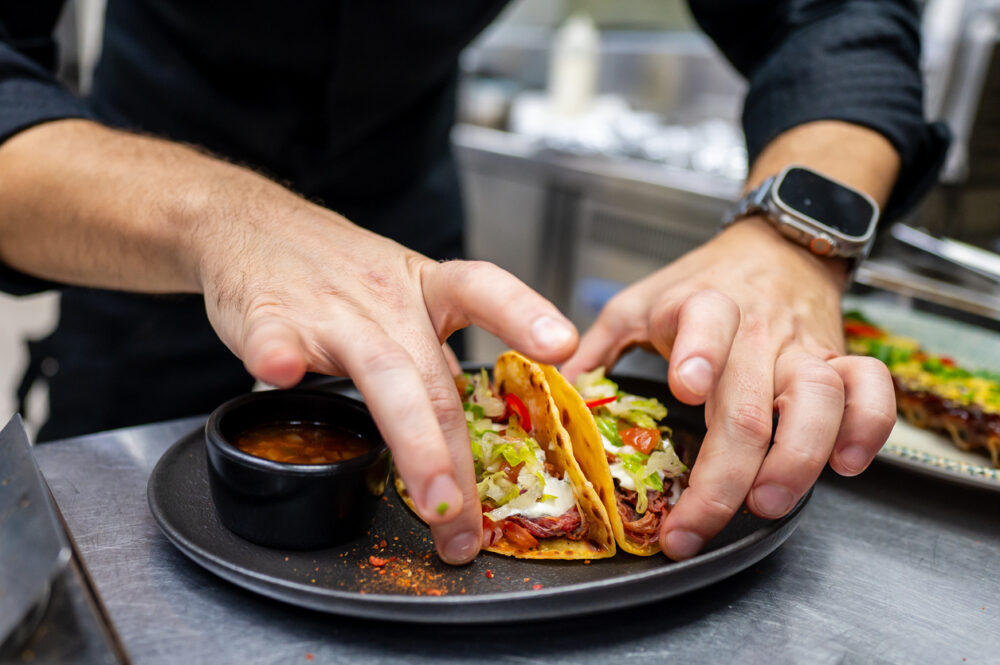
Mexico stands as a vibrant food tourism hotspot renowned for its bold flavors, rich spices, and street food culture. From the bustling taco stands of Mexico City to the seafood specialties of the coastal regions, Mexican cuisine offers an explosion of taste and colors. The country’s culinary scene is steeped in tradition, with influences from indigenous ingredients and Spanish colonial history.
Adventurous eaters exploring Mexico should not miss the chance to sample authentic street food such as tacos al pastor and elotes, which embody the cultural diversity within Mexican food. To fully appreciate the depth of Mexican cuisine, consider attending food festivals or joining culinary tours that highlight local markets and cooking techniques, as stated by TravelCheck. It’s critical to choose venues that emphasize hygiene and sustainable sourcing to ensure both safety and environmental responsibility.
4. Thailand provides vibrant markets full of aromatic and flavorful dishes.

Thailand’s culinary offerings captivate visitors with vibrant, aromatic, and flavorful dishes that are unique to its bustling markets and diverse street food scene. Known for its perfect balance of sweet, sour, salty, and spicy elements, Thai cuisine features iconic dishes such as pad thai, green curry, and tom yum soup. The usage of fresh herbs and spices plays a significant role in crafting the distinctive taste profiles that Thai food is famous for.
Travelers can make the most of their Thai food journey by exploring local markets where authentic street food is abundant and affordable. Participating in cooking classes can provide valuable insight into making these dishes at home. It’s advised to respect local customs by eating with a spoon and fork when dining. Always ensure food is freshly prepared and served hot to avoid health risks, and consider the environmental impact by reducing plastic waste while exploring.
5. Spain features diverse tapas and seasonal local ingredients to savor.
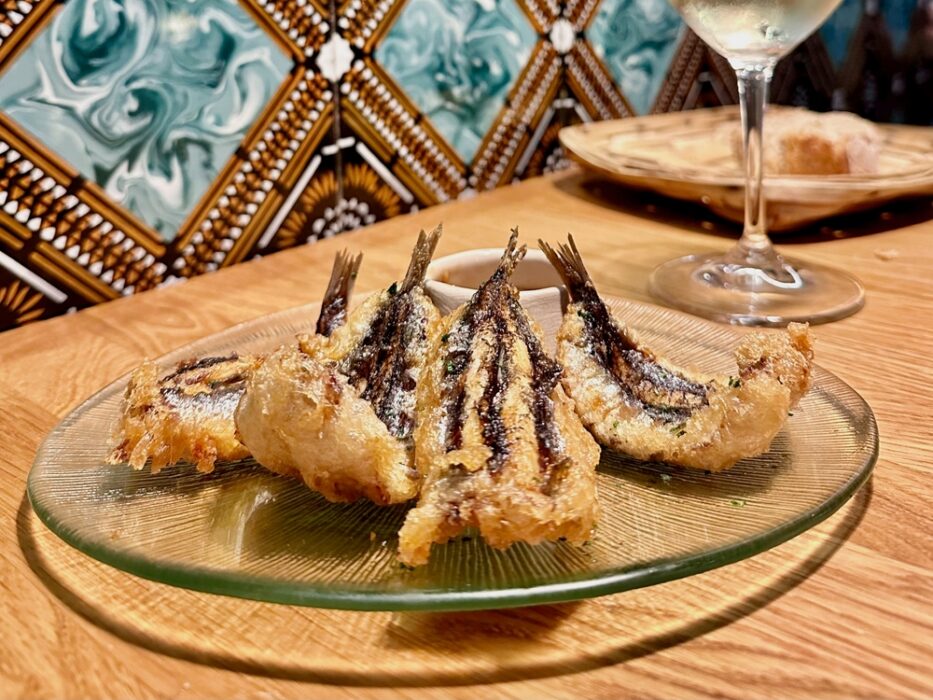
Spain’s culinary landscape is rich with diversity, celebrating both its famed tapas culture and reliance on seasonal, local ingredients. Spanish cuisine is known for its simplicity yet tremendous flavor, with many dishes originating from specific regions such as the seafood paella from Valencia or the spicy chorizo from Galicia. The country’s dining experience is deeply social, emphasizing shared plates and communal enjoyment.
Visitors to Spain can maximize their experience by engaging in tapas crawls, moving from bar to bar savoring small plates with local wines. Immerse yourself in the variety of Spain’s gastronomic offerings by attending local food fairs or participating in olive oil or wine tastings. It’s important to opt for venues that support sustainable fishing and farming practices to ensure that your culinary adventures have a positive impact on the local environment and economy.
6. Vietnam showcases fresh herbs and bold tastes in every dish.
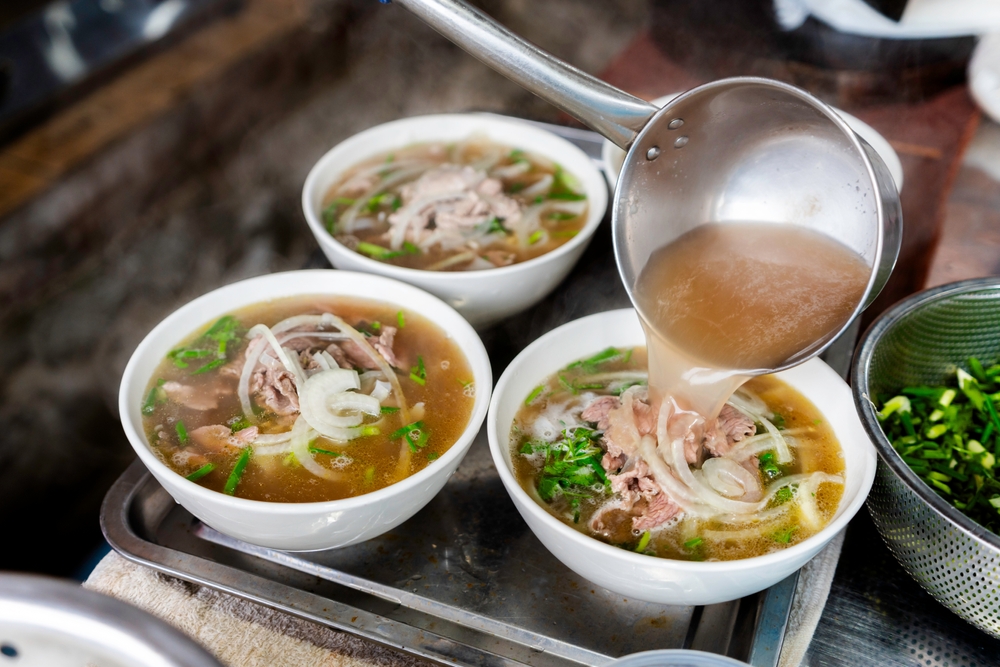
Vietnam provides a culinary journey filled with fresh herbs, bold tastes, and a harmony of flavors in every dish. The cuisine reflects the country’s rich history and regional diversity with iconic dishes like pho, banh mi, and spring rolls. Vietnamese meals often incorporate a balance of textures, colors, and contrasts, making it both flavorful and nutritious.
While exploring Vietnam’s food scene, consider engaging with local vendors at street markets to experience the true essence of Vietnamese dining. Guided food tours can offer insights into traditional cooking methods and introduce new dishes that might be overlooked otherwise. To enhance the experience, it’s wise to inquire about any unique regional dishes and understand the common use of fish sauce and herbs in the cuisine. Always prioritize markets and eateries that demonstrate a commitment to hygiene and eco-friendly practices.
7. Peru combines indigenous ingredients with modern culinary techniques seamlessly.
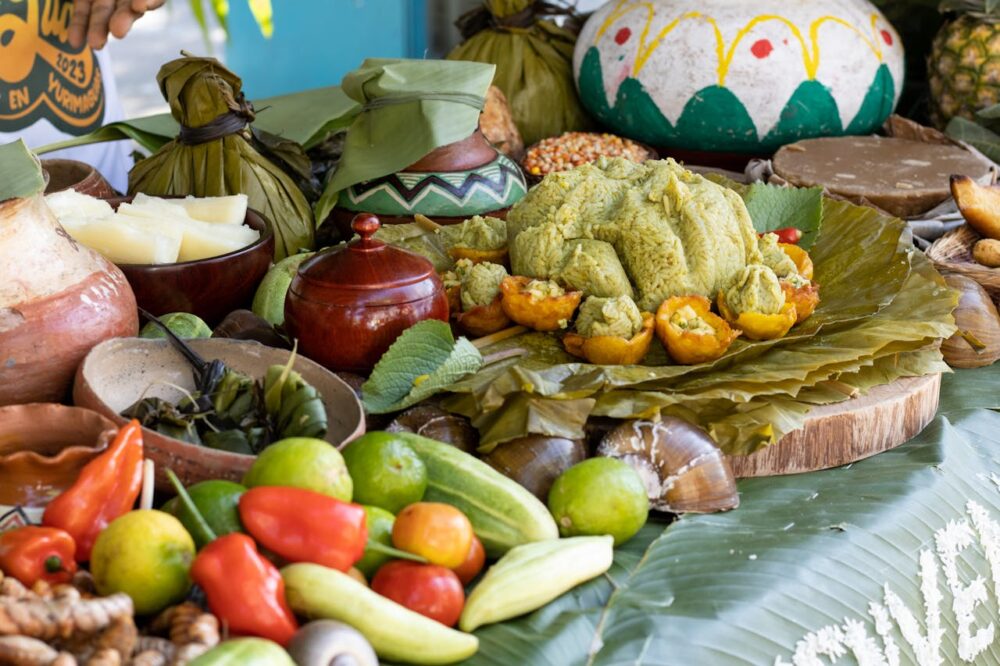
Peru is an exciting destination for food tourism, renowned for blending indigenous ingredients with modern culinary techniques. The Peruvian palate favors bold flavors, brought to life by a variety of dishes, from ceviche and lomo saltado to the more adventurous cuy. The country’s diverse geography—from coastal regions to the Andes—provides a rich array of produce that shapes its distinct culinary identity.
For those keen on authentic Peruvian cuisine, exploring local food markets and dining at restaurants led by innovative chefs can offer a comprehensive taste of Peru’s gastronomic evolution. Take advantage of opportunities to attend culinary festivals where ancient and modern culinary practices intersect. It’s advisable to consider venues that are aware of their ecological impact and promote sustainable consumption, ensuring your food ventures support both the environment and local communities.
8. Turkey boasts unique blends of Mediterranean, Middle Eastern, and Central Asian cuisine.
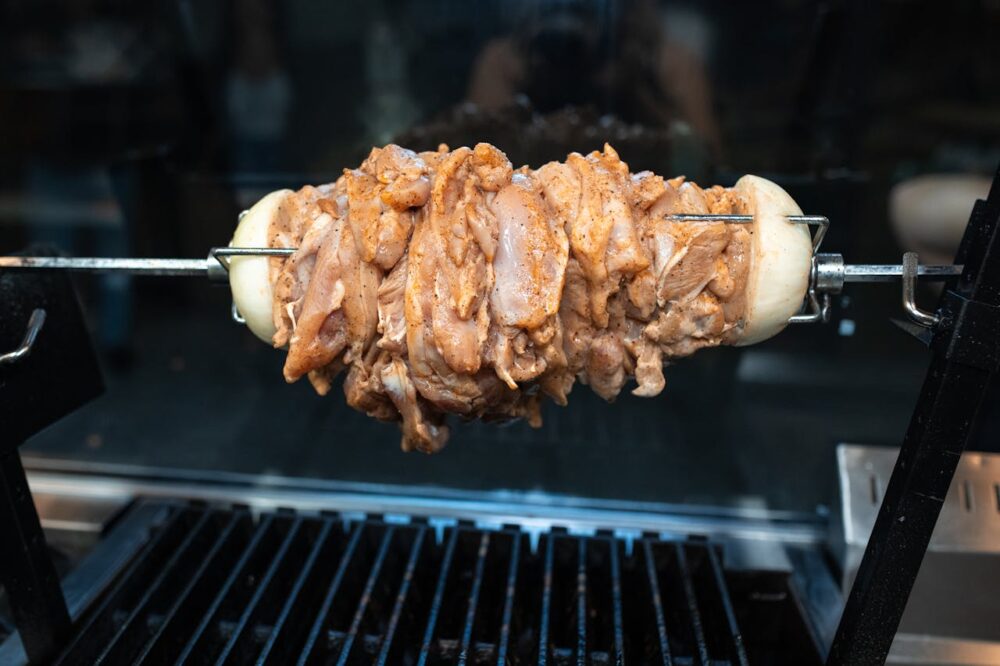
Turkey’s vibrant culinary offerings are a unique blend of Mediterranean, Middle Eastern, and Central Asian influences, making it a captivating destination for food tourism. Traditional Turkish dishes combine rich aromas and vibrant spices, with staples such as kebabs, mezes, and baklava reflecting a deep-rooted cultural heritage. The diverse regional cuisines across Turkey contribute to a wide range of food experiences waiting to be explored.
Travelers looking to savor Turkey’s culinary delights should frequent local eateries and street vendors that serve time-honored recipes. Participation in cooking classes or tasting tours can enhance understanding of Turkish methods and ingredients. It’s beneficial to embrace the communal way of dining, sharing dishes in the spirit of Turkish hospitality. Always be conscious of a restaurant’s sustainability practices, as supporting establishments that prioritize local sourcing and eco-friendly initiatives is crucial for responsible tourism.