
There’s something deeply strange about watching a great American city slowly empty out. Streets that once buzzed with ambition and industry now tell a quieter, more complicated story. Some of these places were once the economic engines of an entire nation. Others were cultural magnets, drawing millions with the promise of opportunity. So what happened?
By 2025, the American urban landscape is undergoing a major transformation, with several cities experiencing significant population declines. While the overall U.S. population continues to grow modestly, that growth is uneven, and recent data shows that nearly half of American cities have seen population decreases in recent years. If you’re planning a visit, a relocation, or just want to understand where America’s urban story is heading, these are the cities you need to know about. Let’s dive in.
1. Detroit, Michigan: The Motor City Still Running on Fumes
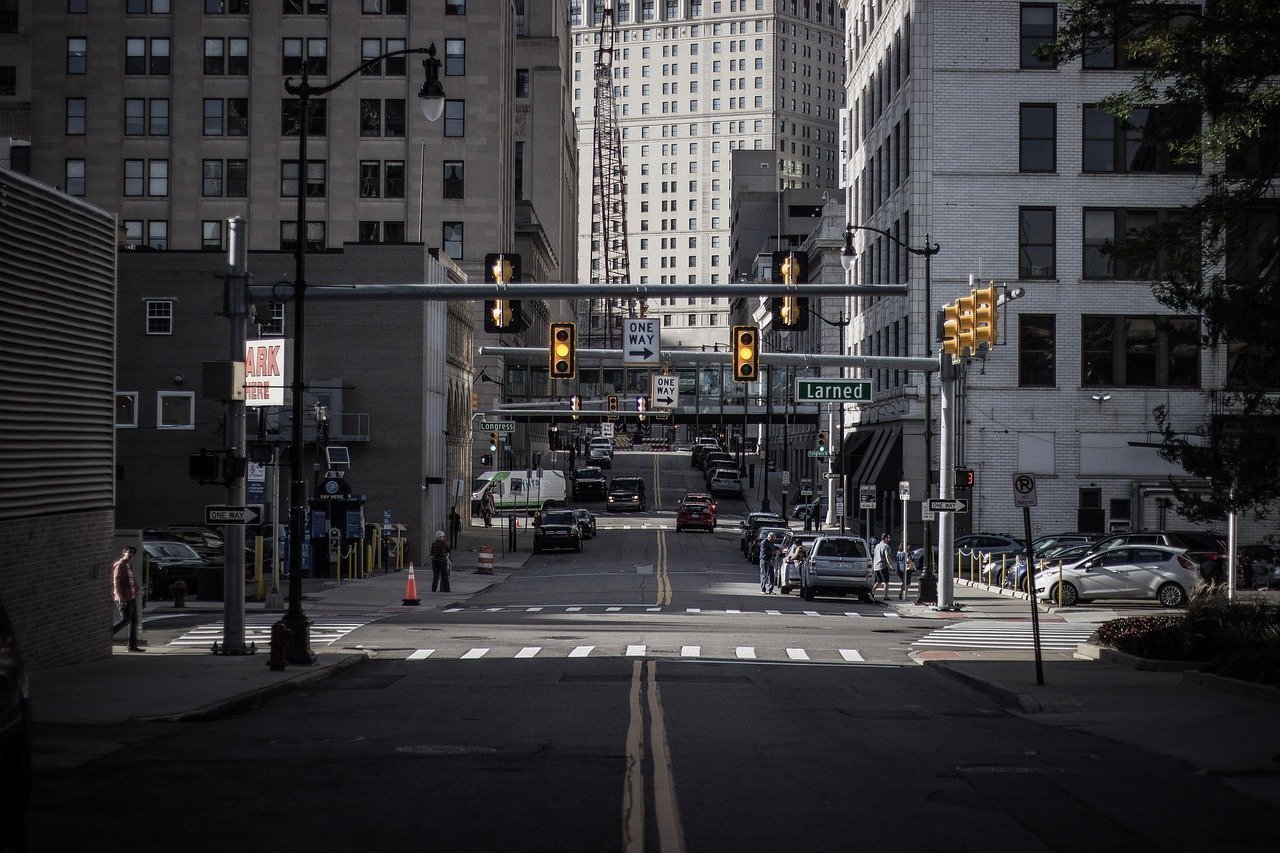
Detroit is probably the most iconic entry on this list. From its peak population of 1.8 million in 1950, Detroit’s population fell by over 60%, dropping to 713,000 by 2010 and continuing to decline to 631,524 in 2024. Think about that for a second. A city that was once the fourth most populous in the entire country has lost roughly two thirds of its people over seven decades. That’s not a blip. That’s a transformation.
The city filed for bankruptcy in 2013, facing $20 billion in unpaid bills, the largest municipal bankruptcy in U.S. history. The roots of the decline go back even further, tied almost entirely to the collapse of auto manufacturing. According to the urban regeneration nonprofit Detroit Future City, there are more than 100,000 vacant lots that have become symbols of urban blight.
Here’s the thing though. Not everything is grim. In 2024, the United States Census Bureau reported that Detroit experienced a slight population increase in its 2023 estimates, marking the city’s first recorded growth since 1957. 2025 found the U.S. Census Bureau reporting that the population of Detroit had grown for the second straight year, beginning the long process of reversing the decline of the city’s population. Tiny gains, yes. Still, after decades of nothing but losses, even a small uptick feels like a turning point.
Detroit has the highest assault rate of all major cities, which remains a real barrier for anyone considering a move there. While the rate of population decline has slowed, projections estimate Detroit’s population may drop to 610,000 by 2030 before stabilizing. It’s a city on a knife’s edge, with signs of life competing against decades of structural damage.
2. St. Louis, Missouri: America’s Most Rapidly Shrinking Big City
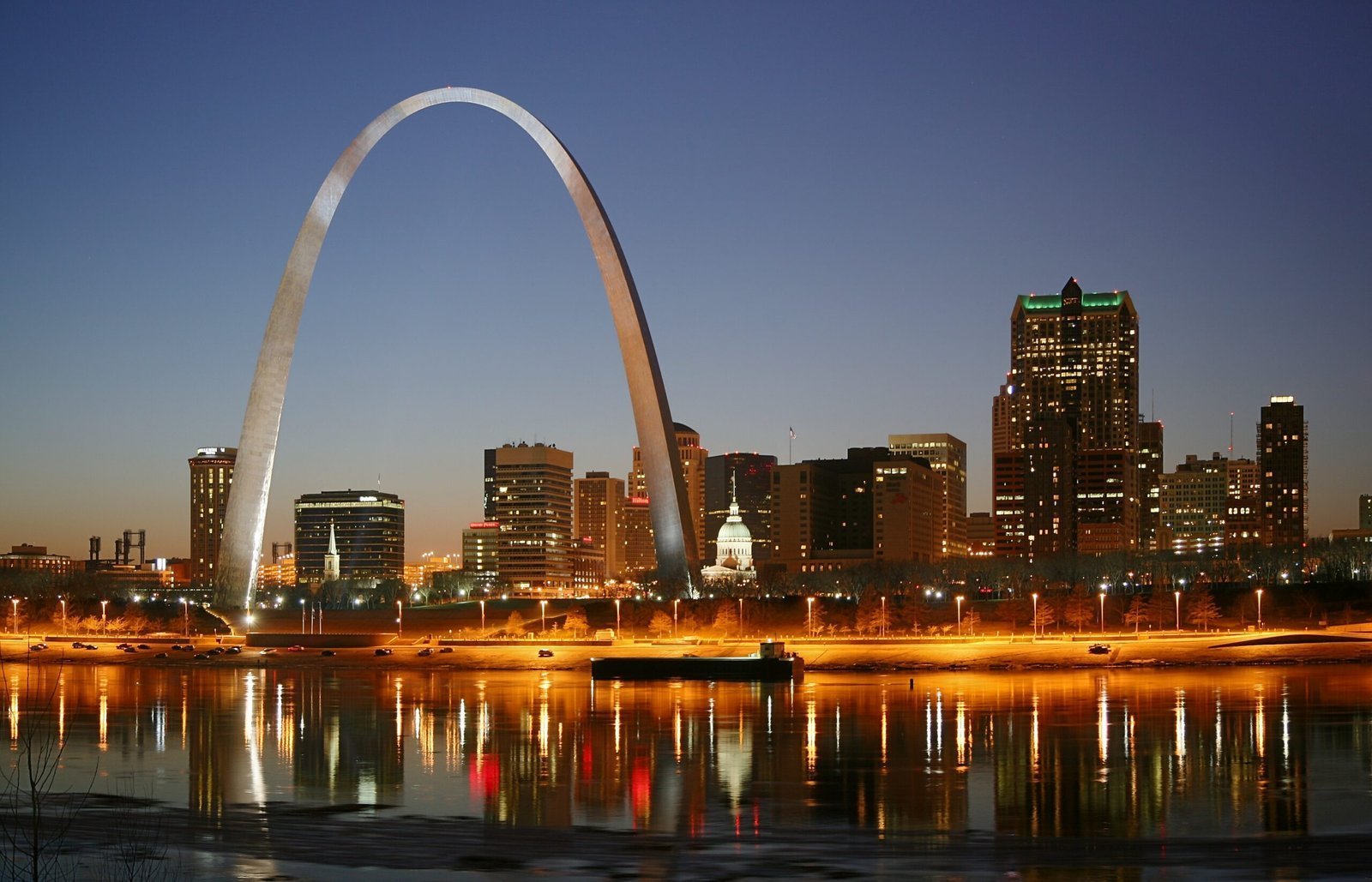
At its peak in the 1950s, St. Louis had nearly 900,000 people living in the city. Now, the population stands at just under 280,000. That’s a drop of about 65%. If you need a metaphor, imagine a full stadium slowly emptying over seventy years until barely a third of the seats are taken. That’s St. Louis.
Unlike Detroit, the city is shrinking at an accelerated rate. According to St. Louis Public Radio, 2024 U.S. Census data showed that St. Louis had the most severe population decline of any American city, losing more than 20,000 residents in just four years. That’s not historical decline anymore. That’s an active, ongoing crisis.
Between 2020 and 2024 alone, the city lost about 21,700 residents, the sharpest drop among large American cities. Affordable housing isn’t the problem. It’s jobs, public safety, and disinvestment in too many communities. Younger residents are disproportionately more likely to relocate to larger metropolitan areas, such as Nashville, Dallas, or Denver.
The 2024 homicide rate in St. Louis was 48.6 per 100,000 people, which remains one of the highest of any city in the country. The gap between St. Louis and its neighboring city is striking. On the other side of the state, Kansas City saw the opposite trend and is now Missouri’s leader for population growth, with an estimated 516,032 residents, up about 8,600 from 2020.
3. San Francisco, California: Too Expensive to Stay
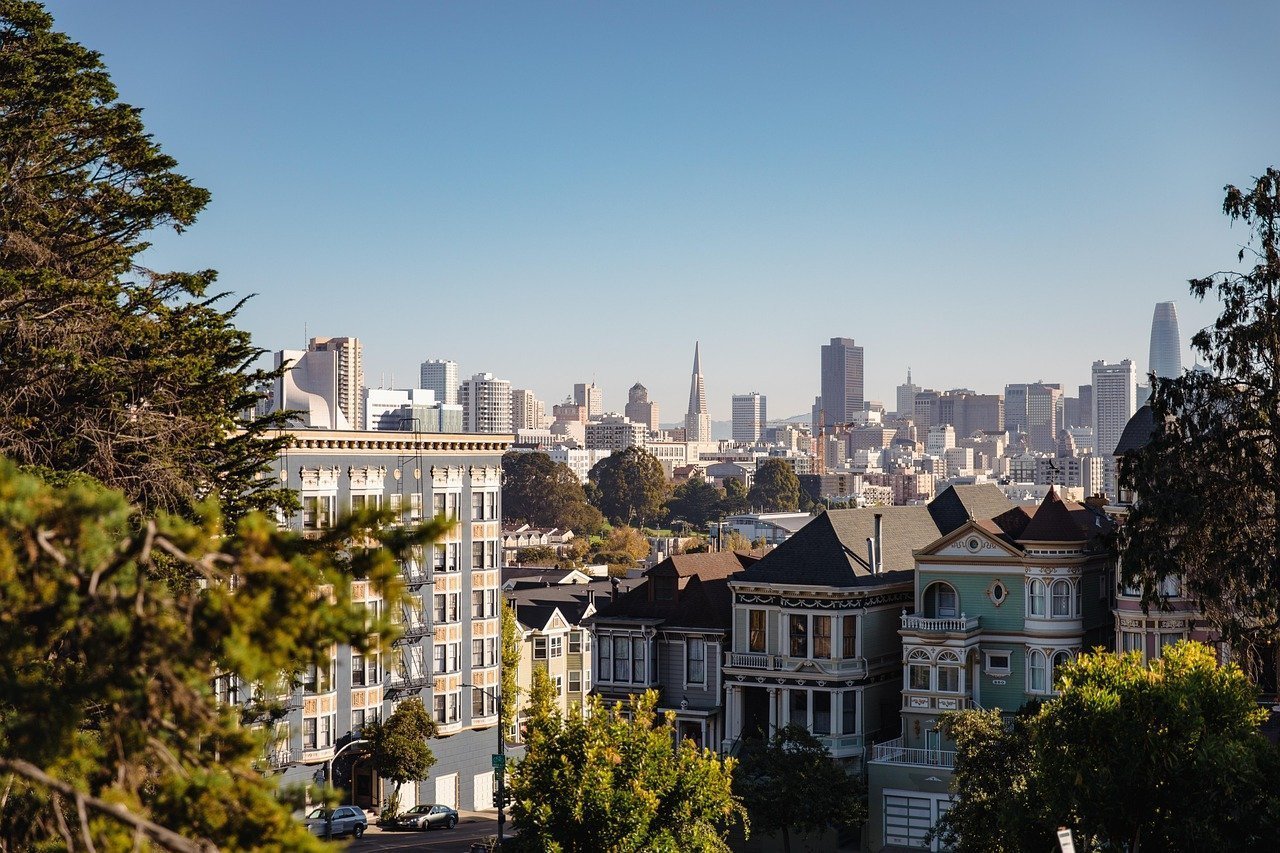
San Francisco feels like a different kind of decline than the Rust Belt cities. It didn’t lose its wealth. It priced its residents out of existence. San Francisco continues to lose its residents. Between January 2024 and January 2025, it lost around 3,300 residents, leaving it with a population of approximately 842,000.
Census estimates indicate that San Francisco is below its 2020 baseline, and analysts often cite high housing costs and remote work as key factors contributing to domestic out-migration. The loss has been steady rather than sudden, signaling a long-term shift rather than a temporary dip. Remote work broke the core bargain of San Francisco. You no longer had to live there to access the tech economy.
Housing costs are out of sight, property taxes and living costs are gigantic burdens. Remote work and pandemic-driven shifts prompted many to relocate, especially to more affordable areas. Domestic out-migration is a key factor; overseas migration has helped, but it hasn’t fully offset the losses. Honestly, when a one-bedroom apartment costs more than some people earn in an entire year, it’s hard to argue with those who pack their bags and leave.
4. Chicago, Illinois: Nine Years of Consecutive Decline
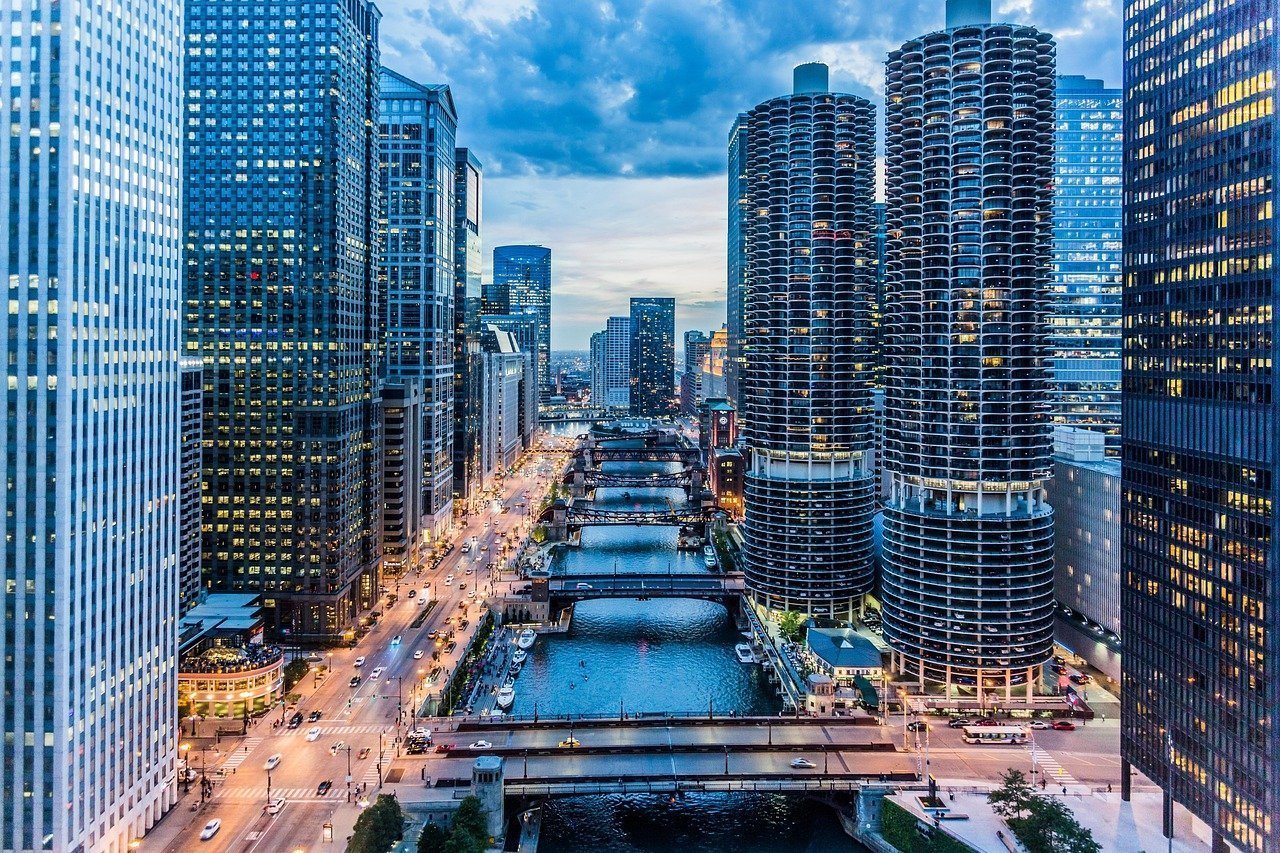
Chicago is in a peculiar spot. It’s still a world-class city in many ways, still full of culture, architecture, and extraordinary food. Yet the numbers don’t lie. Chicago has been on a steady decline. In 1920, Chicago boasted a population of 2.7 million. A century later, the city’s population stands at 2.66 million, down by 128,034 after nine consecutive years of decline. Residents often cite high taxes, crime issues, and a desire for more affordable housing in surrounding suburbs as their primary reasons for leaving.
Chicago recorded increases in rape, aggravated assault, burglary and larceny-theft between 2023 and 2024. While the overall violent crime rate was lower in 2024 than in 2023, the property crime rate rose slightly. The homicide rate declined modestly from 18 to 17 per 100,000 residents. That’s progress, but it’s incremental.
Research shows that the “donut effect” hollowing out central business districts since the pandemic continues to cause economic decline in the 12 largest American cities. Chicago’s downtown has been particularly affected by this phenomenon, with office vacancies climbing and former retail hubs struggling to find their footing. Stalwart patterns continue to show an exodus from once-popular hive-like megacities, where skyrocketing costs of living and population densities are the norm, in favor of smaller, more breathable cities and towns with lower costs of living.
5. Baltimore, Maryland: Poverty, Politics, and a Complicated Recovery
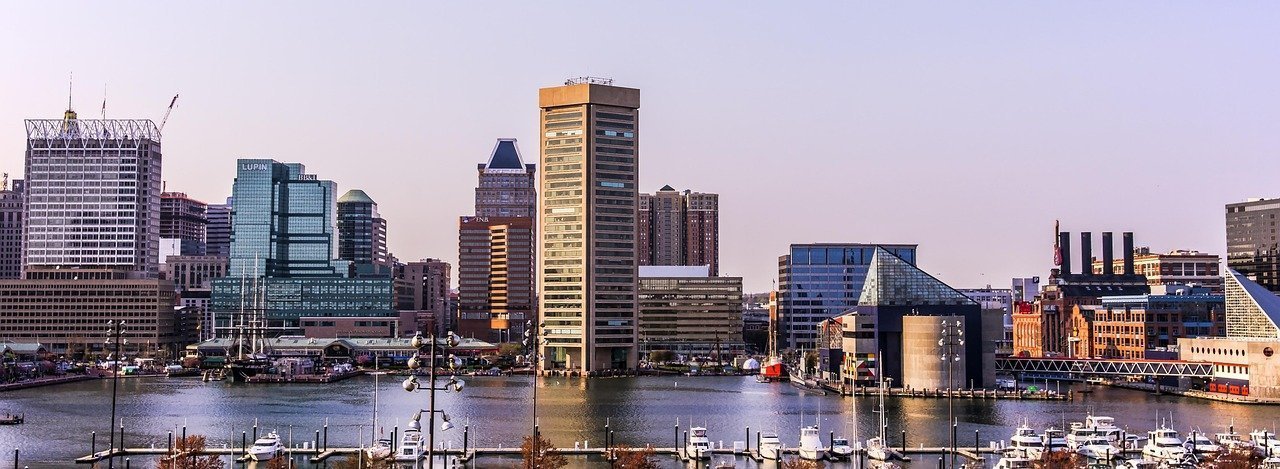
Baltimore has been at the center of national conversations about urban decline for years. It carries the weight of deep poverty, historical disinvestment, and a crime reputation that has stuck. Baltimore recently surpassed Detroit as the deadliest large city among those over 500,000 people, posting the highest per-capita murder and robbery rates in its category. That’s a sobering headline for any city to carry.
In 2024, Baltimore’s homicide rate was 35.2 per 100,000 people, which remains alarming by any national standard. Yet there are genuine signs that things are shifting. Baltimore has experienced a drop in crime, with homicides and rapes down 25% or more in the first half of 2025, compared to the same period in 2024. Homicides were also down for three straight years through 2024 and were 35% lower when compared to 2018.
Over the period from 2019 to 2025, Baltimore had the largest decrease in homicide rate of any city in the study, at 56%. That kind of reduction is genuinely significant. The problem is the perception of the city is still running about ten years behind the reality, and catching up reputationally is one of the hardest things a city can do. Rising crime levels, tilted public services, and school system issues are fueling the exodus. Most residents commute to surrounding Maryland counties or even into Pennsylvania. City leaders are attempting to attract more young residents, but the outflow still exceeds the inflow.
6. Memphis, Tennessee: High Crime, Fading Influence
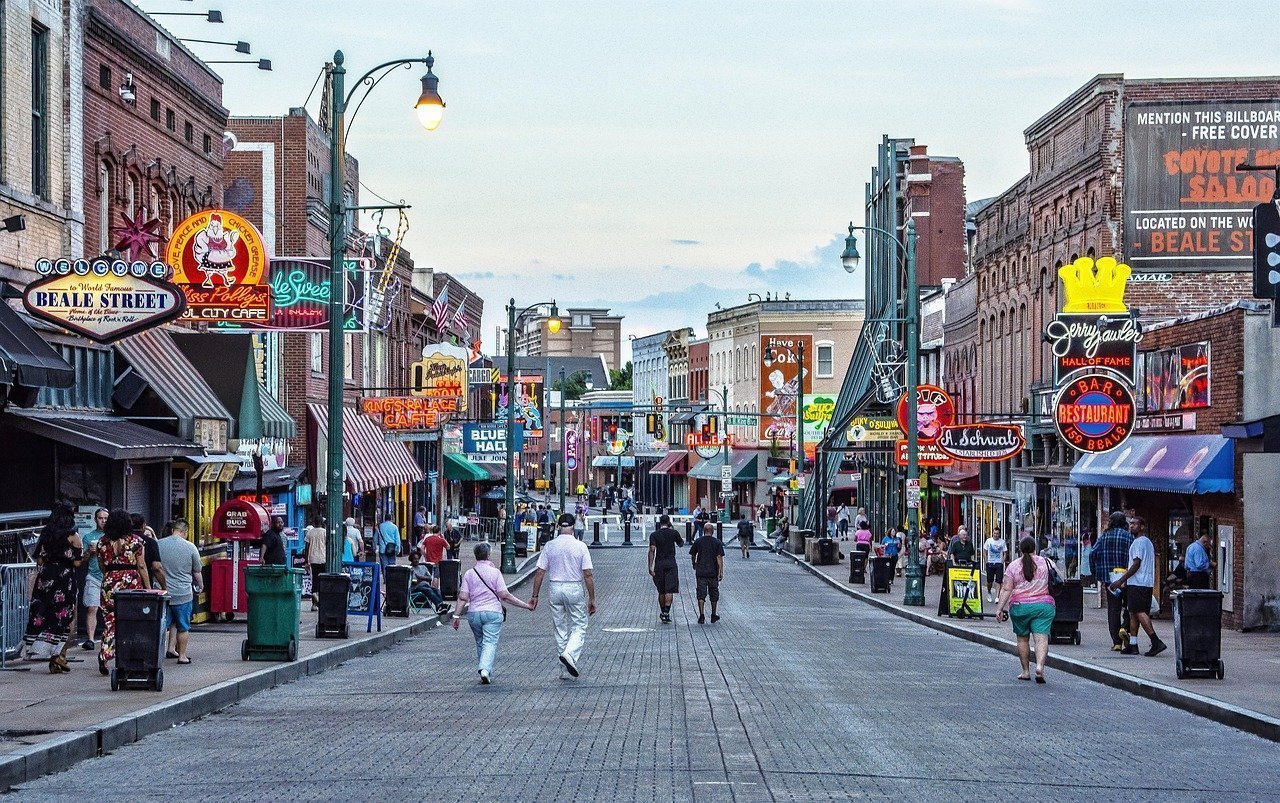
Memphis is a city of contradictions. It has extraordinary cultural roots, giving the world blues, soul, rock and roll, and one of the most celebrated culinary scenes in the American South. It’s also consistently ranked near the top of the most dangerous cities in the United States. Memphis once again tops the list, with a violent crime rate nearly six times the national figure.
In 2024, Memphis recorded the highest violent crime rate among major U.S. cities with populations over 250,000 at 2,501 incidents per 100,000 residents, according to FBI data. That number is startling. For context, the national average hovers far, far below that figure. It’s the kind of statistic that shapes every decision a family or business might make about coming to or staying in the city.
To be fair, things are improving. Memphis saw a 30% decrease in homicides by the end of 2024, with overall crime dropping to a 25-year low across major categories. Local police data shows homicides during the first eight months of 2025 are at a six-year low, and overall crime is at a 25-year low. That’s real progress. Whether it’s enough to reverse the population trends and economic decline is still an open question.
7. Flint, Michigan: A Cautionary Tale Still Unfolding

Flint, Michigan, is perhaps the most heartbreaking city on this list. Its water crisis, which came to national attention around 2015 and 2016, became a symbol of governmental failure and urban neglect that went far beyond anything related to population statistics. But the numbers matter too. Flint has lost nearly 17% of its population over the past five years due to long-term economic challenges tied to the decline of manufacturing.
Several key factors contribute to population decline in cities like Flint: the loss of manufacturing jobs and major industries limits employment opportunities; increasing housing prices and taxes make cities unaffordable for many, especially younger and working-age residents; and issues like high crime rates, poor schools, and inadequate healthcare access influence relocation decisions. All three of these forces have hit Flint simultaneously and relentlessly.
Declines in a community’s population can result in a decreased demand for businesses, housing and services. This could potentially lead to higher per capita costs among the remaining tax base for maintaining infrastructure and even the closure of local amenities. Additionally, an aging or shrinking population can affect the local job market and culture. That’s the vicious cycle Flint is trapped in, fewer people means less tax revenue, which means worse services, which means even fewer people.
Interestingly, the working-age population in Flint has begun to stabilize and even grow slightly, pointing to potential signs of recovery. Cautious optimism is warranted, but this is a city that has been waiting on its recovery for a very long time.
The Bigger Picture: A Nation Reshuffling Itself

Of roughly 29,000 cities with available data, 14,000 experienced population declines over a recent period, as more and more of the population concentrated in major metro areas in the Sun Belt. That’s not a footnote. That’s a fundamental restructuring of where Americans choose to live and why. The gravitational pull toward the South and Southeast has been extraordinary.
Stalwart patterns continue to show an exodus from once-popular hive-like megacities, where skyrocketing costs of living and population densities are the norm, in favor of smaller, more breathable cities and towns with lower costs of living, easier access to the outdoors, and vibrant, self-contained cultural scenes. It’s hard to argue against those instincts. People vote with their feet, and they’ve been voting loudly for years.
Of the 40 cities that lost the most residents from 2013 to 2023, 16 are in the South, 13 are in the Midwest, nine are in the West, and two are in the Northeast. Some are losing residents to long-declining manufacturing sectors, while others may be pushing residents away with high cost of living or growing climate risk. The reasons are different city by city, but the pattern is unmistakable.
Why the “Donut Effect” Is Accelerating Urban Decline

Research shows that the “donut effect” hollowing out central business districts since the pandemic continues to cause economic decline in the 12 largest American cities. Imagine a donut: the center is hollow and empty, the outer ring is where the life is. That’s what’s happening to many downtown cores across America right now. Offices sit vacant. Retail that once depended on commuters has vanished.
Remote work changed the equation in a way that nobody fully anticipated. When people no longer need to be near their offices, the logic of paying a premium to live in a dense, expensive city dissolves almost overnight. The continued population loss in major cities is reshaping America’s urban landscape. Once-dominant population centers now face shrinking influence and economic weight. These declines highlight long-term shifts in where Americans choose to live.
Some cities are responding creatively, converting office towers into housing, investing in parks and bike lanes, trying to attract younger populations with quality of life improvements. Others are struggling to even identify the right strategy. It’s hard to say for sure which cities will successfully adapt and which will continue to hollow out, but the urgency of that decision has never been greater.
Signs of Hope: Where Decline Is Slowing or Reversing

Let’s be real. This article isn’t meant to be all doom and gloom. Recent data shows that nearly half of American cities have seen population decreases in recent years, and these declines are especially pronounced in parts of the South and Midwest. But there’s a flip side, and it’s worth noting.
Many population growth rates reversed or saw major changes between 2023 and 2024. Cities in the Northeast that had experienced population declines in 2023 are now experiencing significant population growth, on average. In fact, cities of all sizes, in all regions, showed faster growth and larger gains than in 2023. That suggests the picture is more fluid and more hopeful than the hardest-hit cities might suggest.
There are signs that Buffalo is recovering some of its old spark. Online real estate company Zillow has named Buffalo as America’s hottest property market in 2025. There are signs that Cleveland is rebounding. In 2024, the city celebrated the fact that it had not lost more residents, with the population plateauing at about 360,000. Stability, even without growth, can be its own form of progress.