
Stay safe on the trails by recognizing these critical health warning signs that signal it’s time to stop or slow down.

Hiking is a rewarding way to connect with nature, but it’s not without risks. Ignoring your body’s warning signs can lead to serious health issues—or even emergencies—on the trail. From dehydration to altitude sickness, recognizing when to stop and address a problem can save your life.
In this article, we’ll explore 9 essential health warning signs every hiker needs to know and how to respond to them safely.
1. Persistent dizziness could indicate dehydration or heat exhaustion.
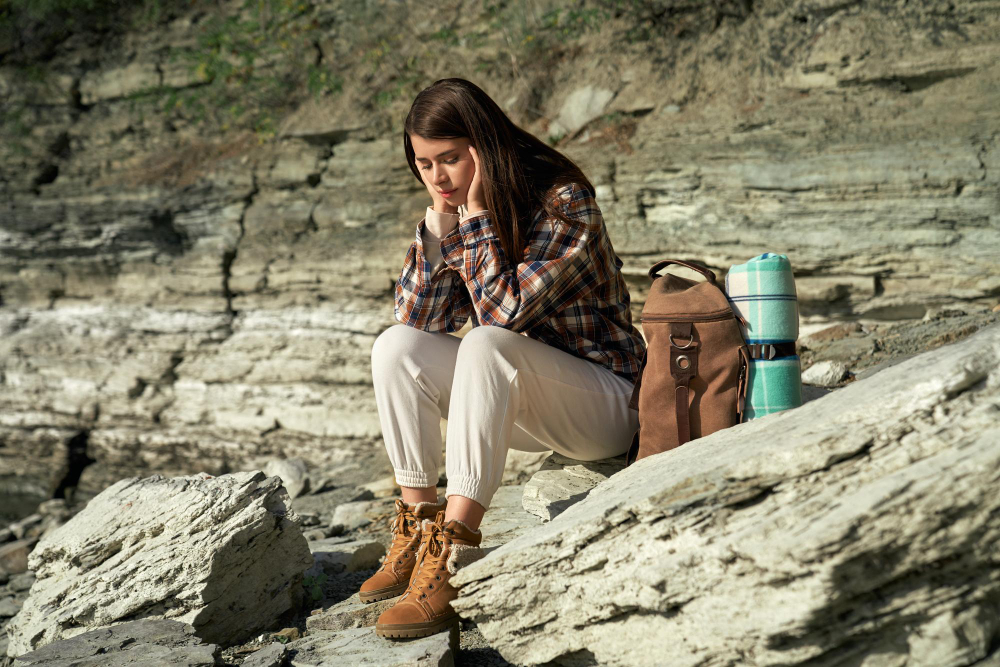
Feeling lightheaded or dizzy while hiking may signal dehydration or heat exhaustion, particularly on hot days. These conditions occur when your body loses more fluids and salts than it takes in, impairing your ability to function. Left untreated, they can escalate to heatstroke. To prevent dizziness, drink water regularly, take breaks in shaded areas, and consume electrolyte-rich snacks. If symptoms persist despite rehydration, stop hiking immediately and seek medical attention.
2. Shortness of breath at high altitudes may signal acute mountain sickness.
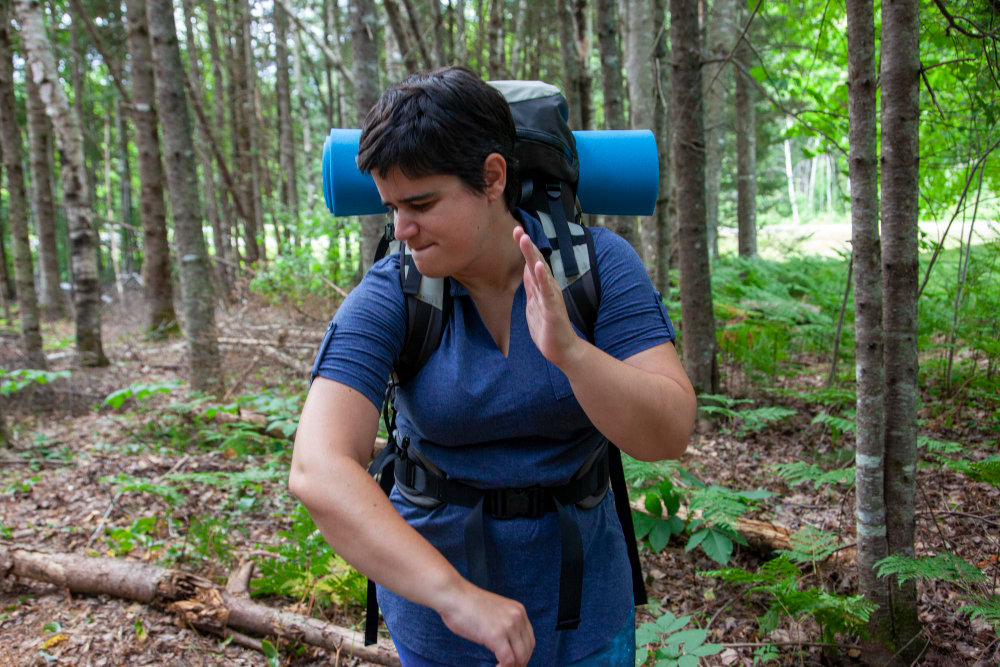
Hiking at high altitudes can reduce oxygen levels, causing shortness of breath, headaches, or nausea—symptoms of acute mountain sickness (AMS). This condition can progress to life-threatening complications like pulmonary or cerebral edema if ignored. To minimize risk, ascend gradually and allow your body time to acclimate. If you experience breathing difficulties or worsening symptoms, descend to a lower altitude immediately. Carrying supplemental oxygen or consulting a doctor beforehand can further safeguard your health.
3. Severe muscle cramps are often a sign of electrolyte imbalance.

Muscle cramps during a hike can result from dehydration or an electrolyte imbalance, especially in hot or humid conditions. These painful spasms occur when your body loses essential salts through sweat. Prevent cramps by drinking fluids with electrolytes and eating snacks rich in potassium and sodium, such as bananas or trail mix. If cramps persist, take a break to stretch and rehydrate. Ignoring them can lead to further strain or injury.
4. Persistent nausea could be a warning of heat illness or altitude sickness.
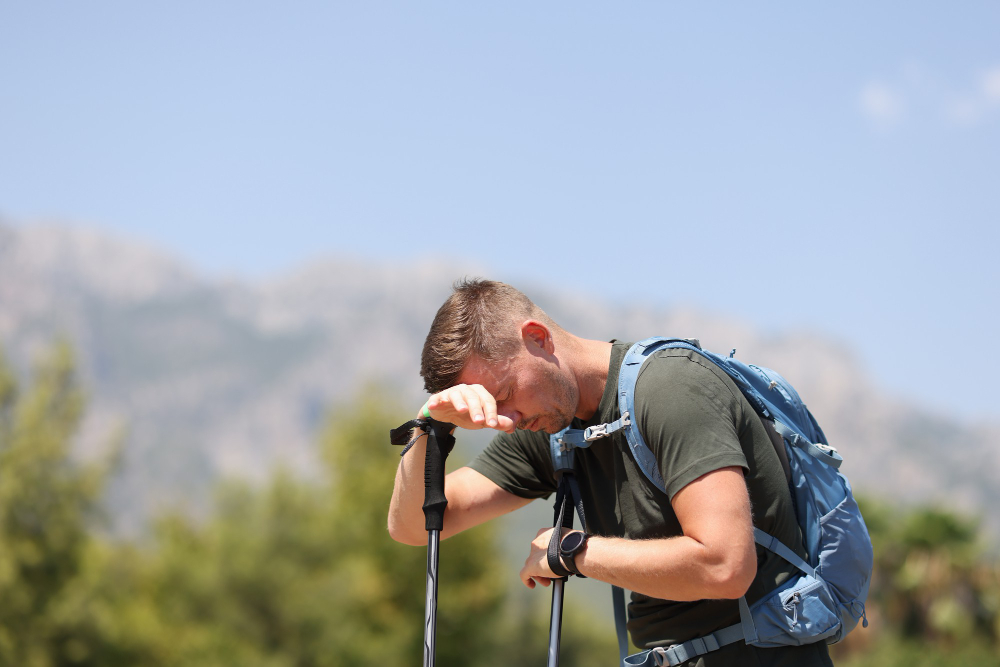
Nausea while hiking might indicate heat exhaustion, altitude sickness, or even overexertion. This symptom often precedes more severe conditions, such as heatstroke or acute mountain sickness. If nausea arises, stop hiking, rest in a cool area, and sip water slowly. Avoid pushing through the discomfort, as it can worsen the underlying issue. If the feeling doesn’t subside or is accompanied by other symptoms like dizziness or vomiting, it’s crucial to seek help promptly.
5. Blurred vision could be a sign of blood sugar issues or dehydration.

Blurred vision on the trail is a red flag that could stem from low blood sugar, dehydration, or even fatigue. These conditions impair your ability to navigate safely, increasing the risk of falls or getting lost. Address this issue by consuming a quick source of sugar, such as a granola bar or fruit, and drinking water. Rest until your vision clears, and if the problem persists, cut your hike short and seek medical advice.
6. Chest pain is a serious warning that should never be ignored.

Experiencing chest pain while hiking is a potential sign of a cardiac issue, such as a heart attack, and requires immediate attention. Symptoms like pressure, tightness, or pain radiating to the arms or jaw should not be dismissed. Stop hiking immediately and alert someone nearby. If you’re in a remote area, call emergency services or use a satellite communication device. Knowing your limits and pacing yourself can help prevent overexertion on strenuous trails.
7. Tingling or numbness could signal nerve compression or dehydration.
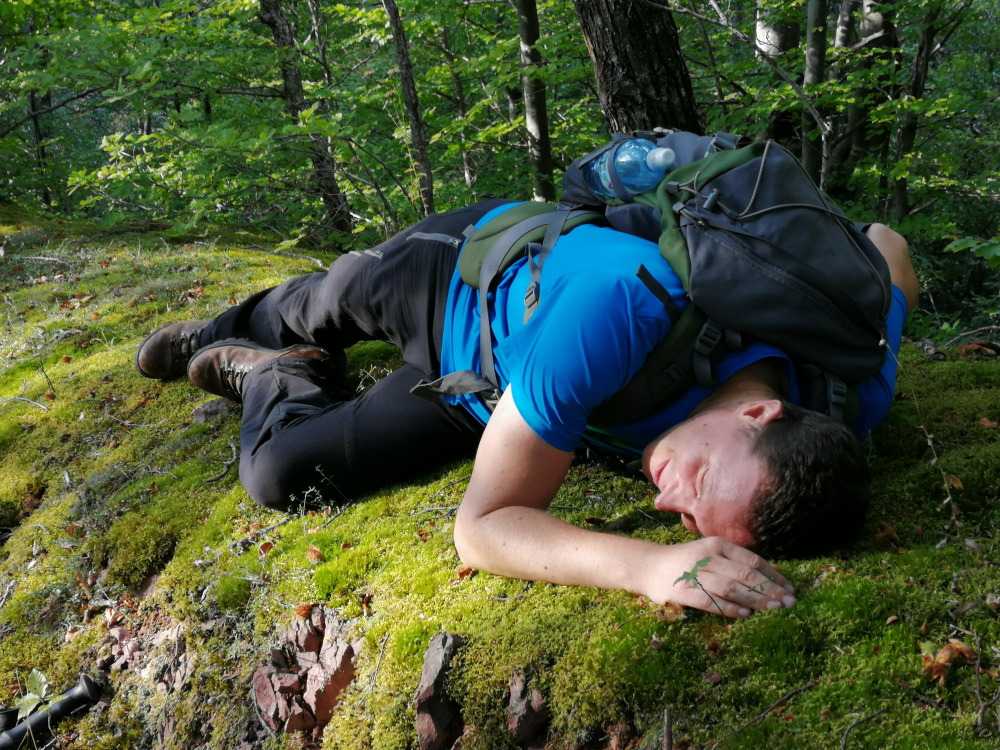
Tingling or numbness in your hands, feet, or limbs may indicate nerve compression, improper circulation, or dehydration. Tight backpack straps or poorly fitted boots can exacerbate these sensations, making it essential to adjust your gear during breaks. Rehydrate and stretch to improve blood flow, and pay attention to persistent or worsening symptoms. Ignoring tingling or numbness could lead to reduced mobility or more severe issues requiring professional care.
8. Uncontrollable shivering is a sign of hypothermia in cold conditions.

Hiking in cold weather can expose you to the risk of hypothermia, especially if you’re wet or underdressed. Uncontrollable shivering is an early warning sign, signaling that your body is losing heat faster than it can generate. Stop hiking immediately, add warm layers, and consume hot liquids or snacks to restore your body temperature. Seek shelter from the elements, and if symptoms worsen or include confusion, seek emergency help immediately.
9. Extreme fatigue could lead to serious injuries on the trail.

Feeling overly fatigued on a hike is more than just being tired—it can impair judgment, balance, and reaction times, increasing your risk of accidents. Fatigue may result from overexertion, inadequate nutrition, or dehydration. Listen to your body and take frequent breaks to rest, rehydrate, and refuel with high-energy snacks. Pushing through extreme fatigue can lead to injuries or leave you stranded in dangerous conditions. Knowing when to stop ensures your safety on the trail.