
Every single day, millions of people pack their bags with the best of intentions and still manage to bring something they absolutely should not have on a plane. It happens more often than you’d think. Some of it is genuine forgetfulness. Some of it is wishful thinking. Some of it, honestly, is just someone pushing their luck a little too far.
The rules around what you can and cannot bring into an aircraft cabin have only gotten tighter in 2025 and into 2026. New fire risk data, updated FAA guidance, and a string of jaw-dropping security checkpoint catches have made TSA officers sharper than ever. So before you zip up that carry-on, you really need to read this.
Let’s dive in.
1. Loaded Firearms (Yes, People Actually Try This)
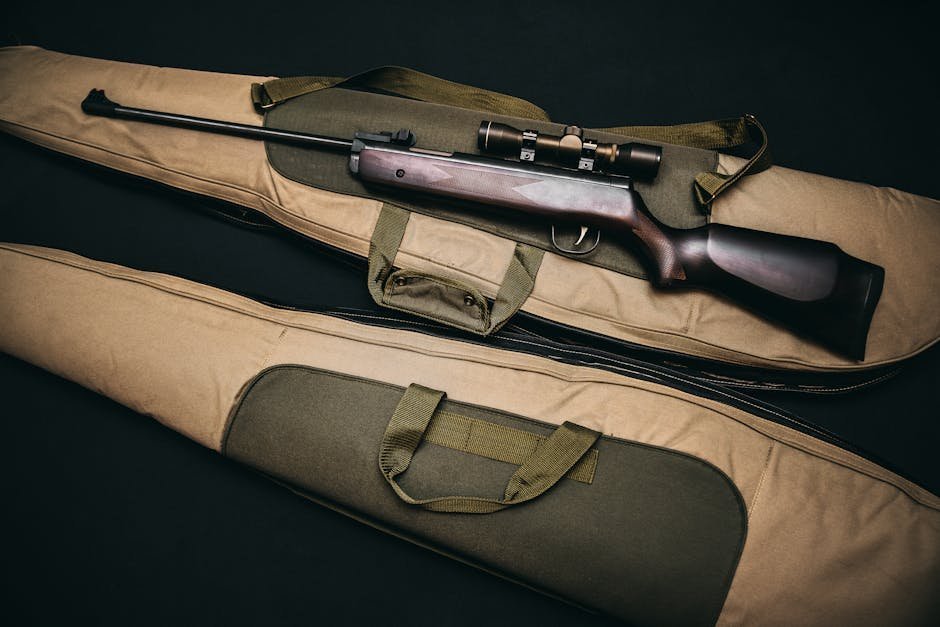
Here’s a number that will make your jaw drop. The TSA intercepted 6,678 firearms at airport security checkpoints in 2024, and a staggering 94 percent of them were loaded. That’s not a rounding error. That is thousands of people arriving at airport security with a loaded gun in their carry-on bag.
In addition to potential criminal citations for bringing a firearm in carry-on luggage, TSA can levy a civil penalty against the traveler of up to $14,950. Even if a traveler has a concealed weapons permit, firearms are not permitted in carry-on luggage. The permit means nothing once you step into that security line.
Firearms can be transported on a commercial aircraft only if they are unloaded, packed in a locked, hard-sided case, and placed in checked baggage. Honestly, “I forgot” is not an excuse that flies, pun intended, when a loaded weapon is involved. Individuals who violate rules regarding traveling with firearms will have Trusted Traveler status and TSA PreCheck expedited screening benefits revoked for a period of time.
2. Knives of Almost Any Kind
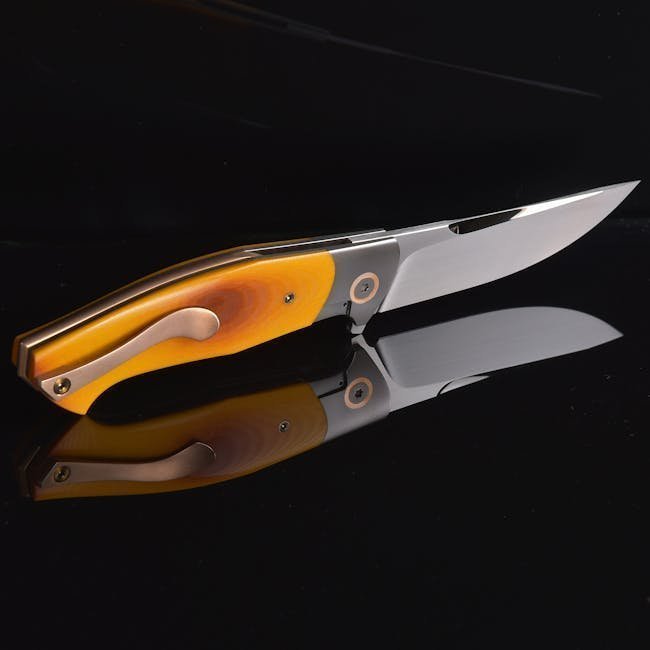
All knives, except blunt butter knives, and sharp tools such as box cutters, ice picks, and dart tips are banned from carry-on. These can only go in checked luggage, properly sheathed or wrapped. This catches people off guard constantly, especially those who carry a pocket knife every single day and forget it’s even there.
In 2024, TSA’s best catches included some genuinely creative concealment attempts. At Williamsburg International Airport in Virginia, a pocketknife was found shoved inside someone’s shoe. The individual claimed they didn’t know the knife was there. Sure. At Seattle-Tacoma International Airport, a four-and-a-half-inch knife was found inside of a laptop. These X-ray machines see everything.
Scissors are allowed in carry-on only if the blade is under four inches. So your tiny craft scissors? Probably fine. Your kitchen shears? Absolutely not. The rule is simple enough to follow if you actually think about it before packing.
3. Fireworks (All of Them, Every Single One)
Let’s be real, most people assume sparklers or small party poppers are harmless enough. They are wrong. The traveling public is reminded that fireworks, which are a type of explosive, are never allowed on board an aircraft in carry-on or checked luggage. That means not a single type of firework, regardless of size.
The most dramatic example of this happening in recent memory came from LAX in December 2024. The carry-on bag contained a gamut of prohibited items: 82 consumer grade fireworks, three knives, two replica firearms, and one canister of pepper spray. Eighty-two fireworks. In one carry-on. Fireworks are considered explosives and can pose a very serious threat to the safety of everyone in airports and especially airplanes.
Fireworks are expressly banned year-round. It doesn’t matter if it’s the Fourth of July, New Year’s Eve, or any other celebration. The overhead bin is not a firework storage locker, and the FAA is not amused.
4. Marijuana and THC Products
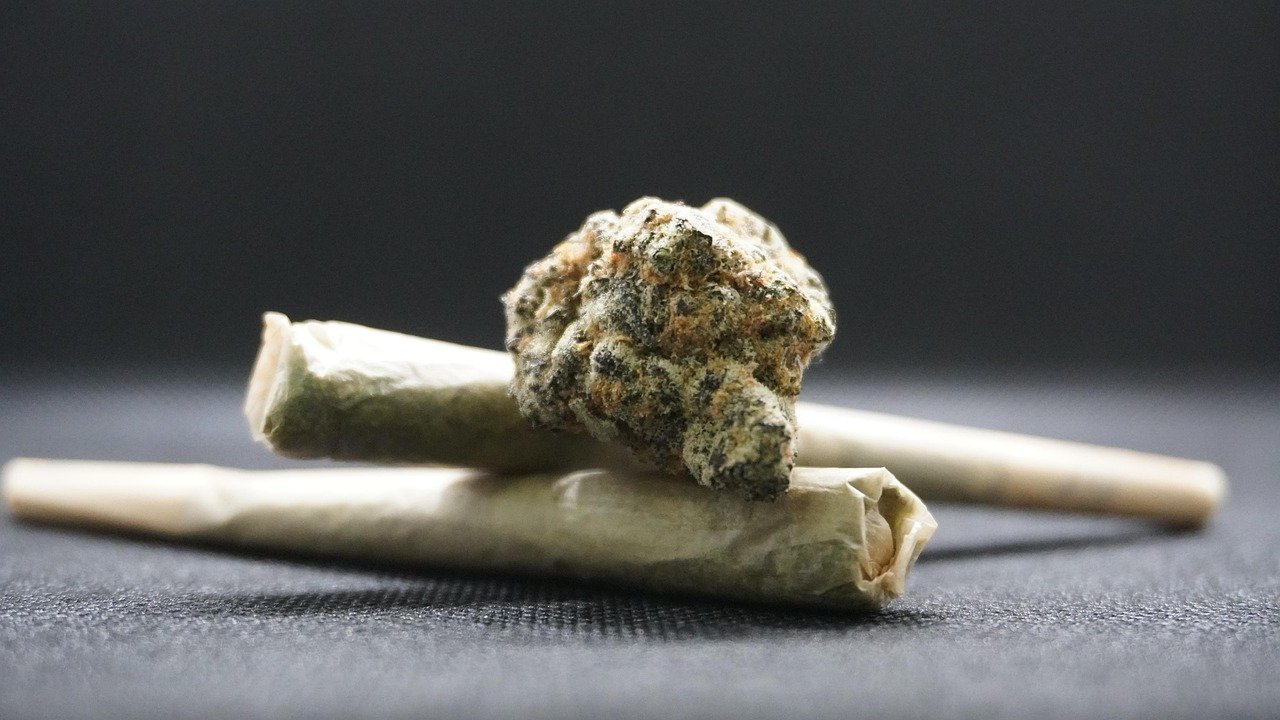
This is perhaps the most misunderstood item on this entire list. So many travelers think that because their state has legalized cannabis, they can carry it onto a plane. THC is still an illegal drug under federal law, even though dozens of states now allow cannabis products. The moment you enter airport security, you are operating under federal jurisdiction, full stop.
Although American Airlines is aware of various state laws that allow recreational or medical marijuana possession, the TSA has stated that possession of marijuana, even medical marijuana, is illegal under federal law and that it will refer passengers traveling with marijuana to law enforcement authorities. Flying from Colorado to California may feel like a safe bet, but the airspace above both states belongs to federal regulators.
If TSA uncovers a loaded THC vape pen, they must alert local police. In some states, you could face fines or legal penalties, or at the very minimum, a very unpleasant situation that can put a stain on your vacation. The risk simply isn’t worth it, no matter how well you think you’ve hidden it.
5. Pepper Spray and Mace
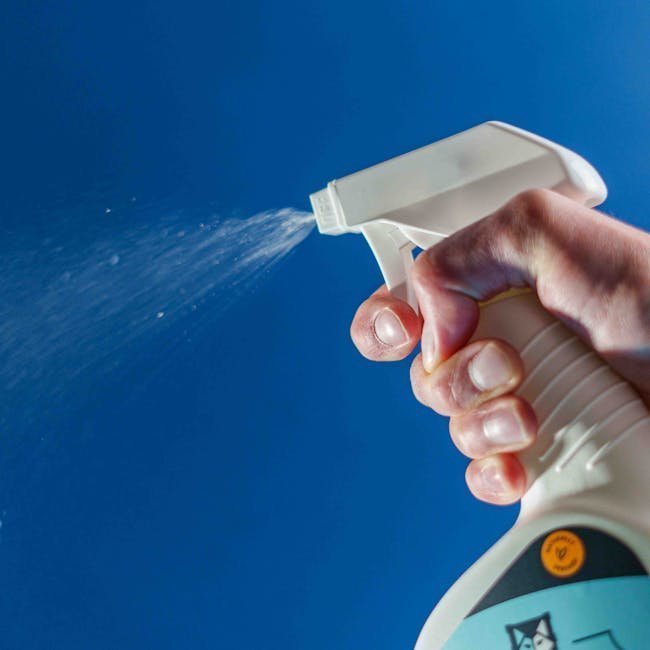
You cannot take pepper spray, mace, stun guns, or tasers in carry-on. This surprises many travelers who carry pepper spray as a personal safety item every day. It feels natural to want to have it with you, but the cabin of a pressurized aircraft is the absolute worst place for an accidental discharge of any chemical spray.
You may pack one container, up to four fluid ounces or 118 mL, in checked baggage only if it has a safety cap. So there is a legal path, just not through the carry-on. Pepper spray, tactical pens, and self-defense keychains are among the most frequent confiscations.
Pepper spray and mace are not allowed in carry-ons. This rule applies globally across virtually every major airline. If you’re traveling internationally, many household hazardous materials including aerosols like bear spray cannot even be checked. Double-check before you pack anything spray-related.
6. Replica and Toy Firearms
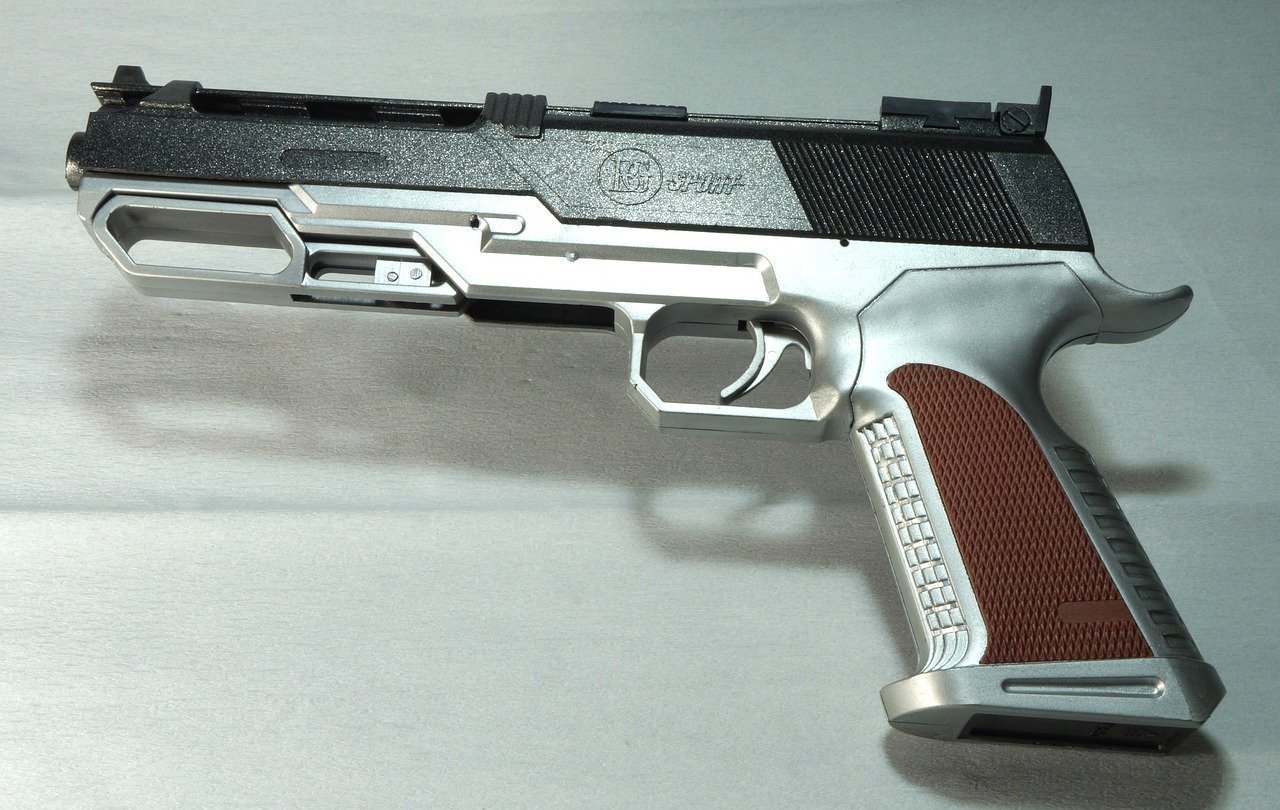
Here’s something that surprises parents especially. That realistic-looking toy gun your kid loves? It can absolutely get you stopped at security. Squirt guns, Nerf guns, toy swords, or other items that resemble realistic firearms or weapons are prohibited. And it’s not always immediately obvious what counts as “realistic looking” in the eyes of an X-ray operator.
Imitation firearms, such as toy guns, are banned from carry-ons entirely. Any type of replica firearm is prohibited in carry-on baggage and must be transported in checked luggage. Think of it this way: if it could be mistaken for a real weapon on a grainy X-ray screen, it’s probably going to cause a problem.
Replicas of explosives, such as hand grenades, are prohibited in both checked and carry-on baggage. That last one is easy to overlook for collectors or costume enthusiasts. No matter how convincingly fake or inert, grenade replicas don’t fly, literally or figuratively. TSA officers have the discretion to prohibit any item through the screening checkpoint if they believe it poses a security threat.
7. Large Liquids Beyond 3.4 Ounces

I know it sounds crazy, but this is still one of the top reasons people get held up at security checkpoints in 2026. The 3-1-1 rule has been in effect for years and yet it still catches a shocking number of travelers off guard. The 3-1-1 rule still applies in carry-ons: containers must be 3.4 oz (100 mL) each, all in one clear quart-size bag.
Large bottles of shampoo, drinks, or aerosol cans such as hairspray and whipped cream must go in checked luggage. That full-size conditioner, your beloved giant hand lotion, the fancy olive oil you bought at the farmers market and thought was a solid food, all of it is subject to scrutiny. Larger bottles of shampoo, conditioner, and other toiletries greater than 3.4 oz or 100 mL are only allowed in your checked luggage and cannot be brought through security into the cabin.
The only real exceptions are medications and baby formula, and even those come with conditions. While there is talk of loosening liquid restrictions under future reforms, no change has taken effect yet, so don’t count on leniency. Pack your travel-size bottles and move on. It truly is that simple.
8. Spare Lithium Batteries in Checked Luggage
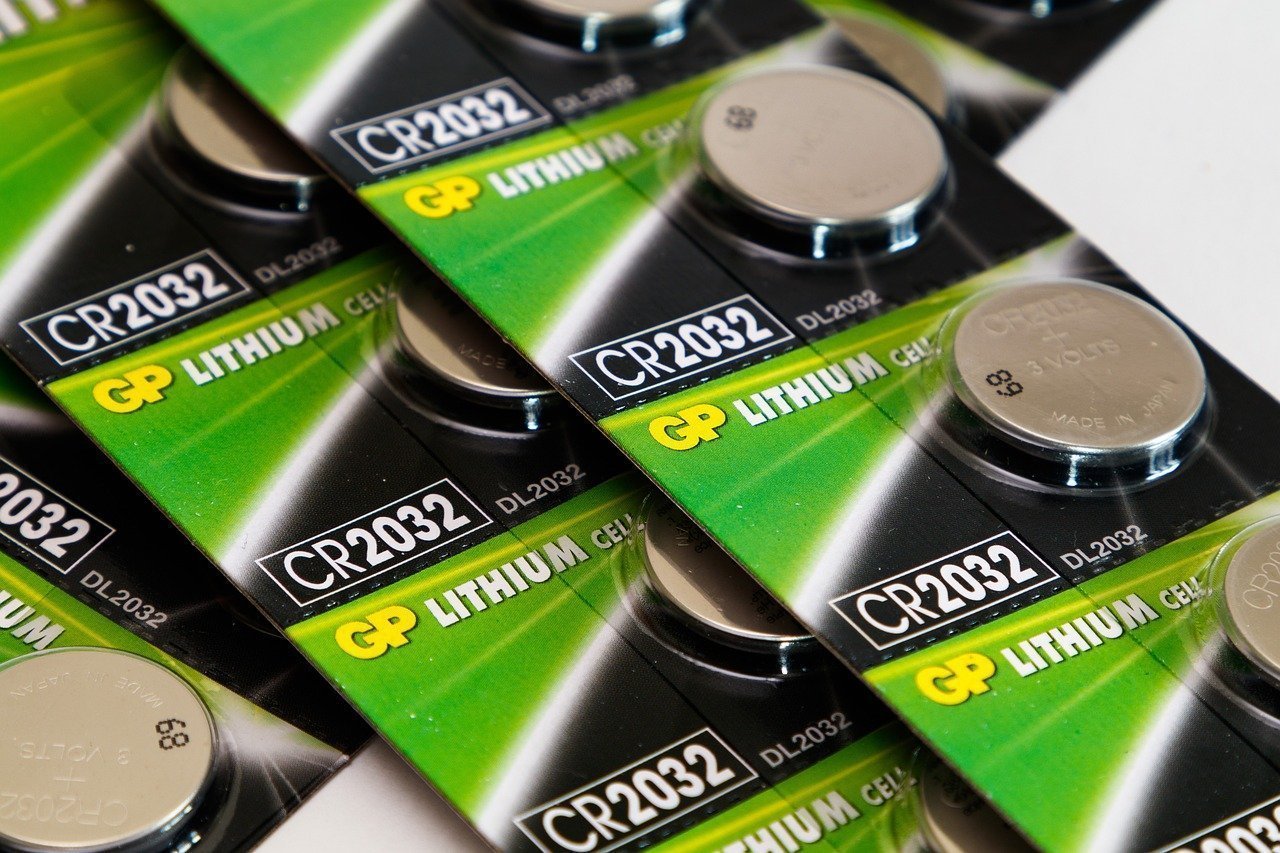
Wait, this one is counterintuitive. The issue isn’t just about what you bring, but where you put it. In 2024, 89 incidents caused by lithium-ion batteries overheating or catching fire were recorded on commercial and cargo flights by the Federal Aviation Administration, the highest-ever number. That is what’s driving the increasingly strict enforcement around batteries.
All spare lithium batteries and power banks must be carried in the cabin; they cannot be placed in checked luggage under any circumstances. This might seem backwards to some people. Wouldn’t you want the fire risk out of the cabin? The logic is actually the opposite: if a battery ignites in the cargo hold, nobody can get to it. In the cabin, crew can respond immediately.
In May 2025, Southwest Airlines unveiled a new policy that portable chargers must remain in sight if they are being used in-flight, and charging in the overhead bin is prohibited. New for 2025: spare lithium-ion and lithium-metal batteries, including power banks and phone-charger cases, are no longer allowed in checked bags. The overhead bin is fine for your bag. Your battery pack charging inside it in the dark? That’s a different conversation entirely.
9. Stun Guns, Tasers, and Brass Knuckles
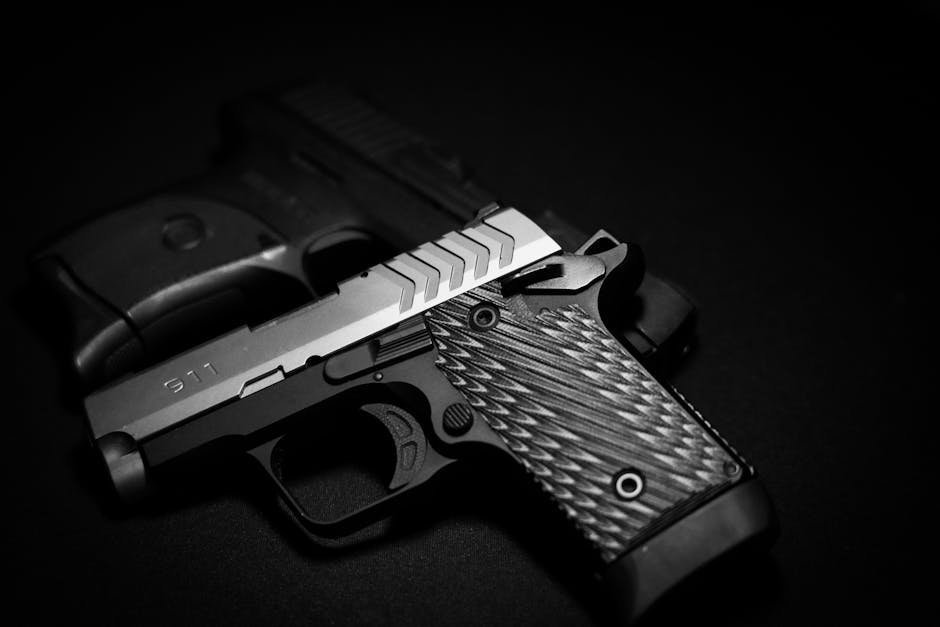
Self-defense is a deeply personal choice, and many people carry these items daily without thinking twice. The problem is that airports operate under a completely different set of rules. Other weapons such as tasers, stun guns, and brass knuckles are generally banned from carry-on and often from checked luggage. It’s not just a carry-on restriction.
Throwing stars, nunchucks, brass knuckles, and similar items will not pass the checkpoint. If you travel with a stun gun, you can travel with stun guns or shocking devices in checked bags only if transported in a manner that renders the device inoperable from accidental discharge. Even then, not every airline allows it, so you need to check with your specific carrier before you even think about packing one.
The fines for getting this wrong are not trivial. You will be in violation of U.S. Federal Law if you don’t declare any dangerous items. This means you could face up to five years imprisonment and a fine of $250,000 under federal statute 49 U.S.C. 5124. That is not a slap on the wrist. That is a life-changing consequence for a packing mistake.
10. Flammable Liquids and Lighter Fluid
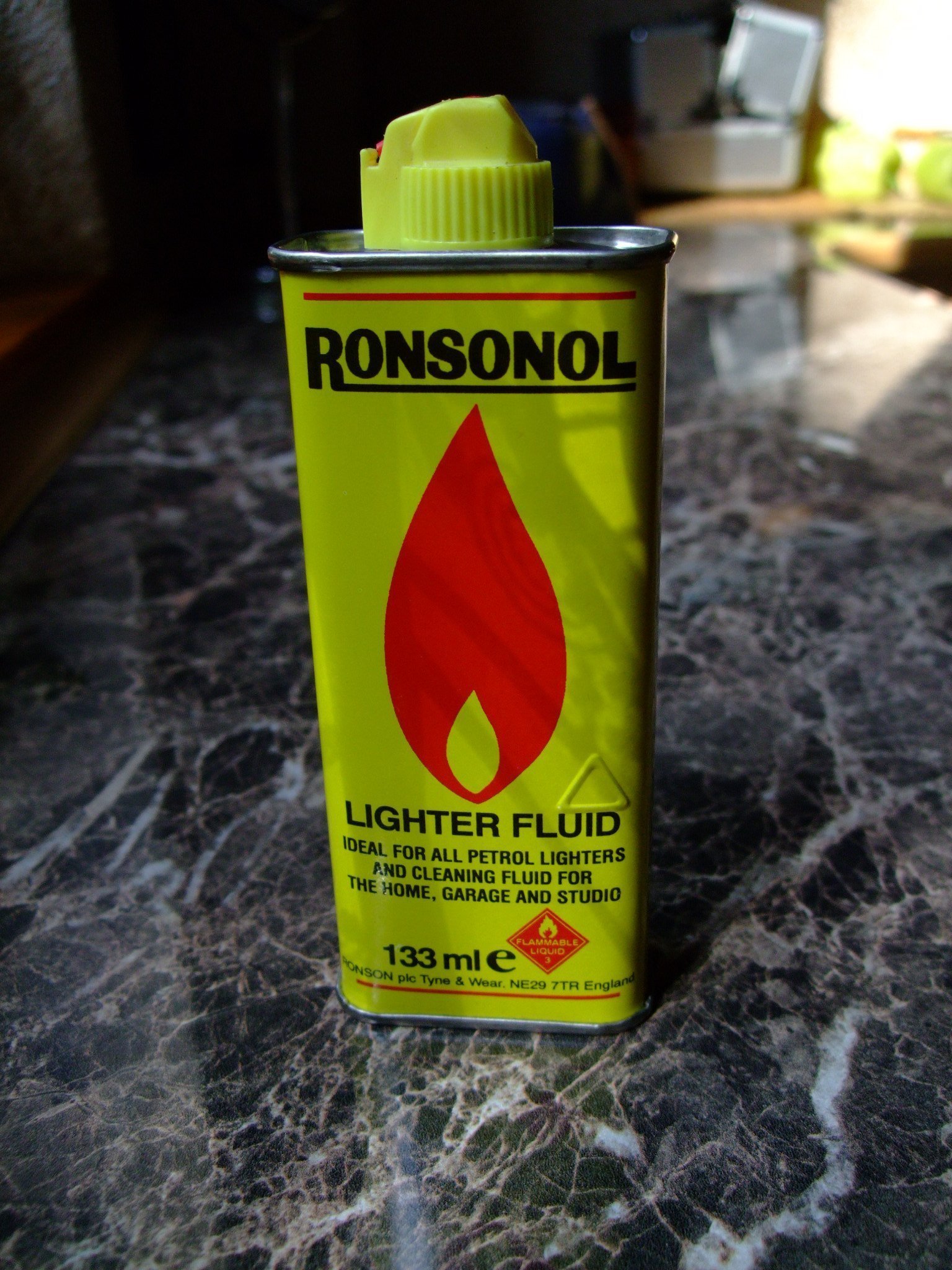
Here’s the thing: most people know not to bring gasoline on a plane. What they don’t realize is just how broad the category of “flammable liquids” actually is. Gasoline, lighter fluid, alcohol over 70 percent, paint thinners, and any highly flammable solvents are banned. That bottle of high-proof spirits you picked up as a gift? Check the percentage before you pack it.
Gasoline, lighter fluid, camping fuel, fireworks, and other explosives are prohibited in any luggage. That includes both carry-on and checked bags. Camping fuel in particular is a common mistake among hikers and outdoor enthusiasts who simply forget to empty their gear before heading to the airport.
Think of it like this: the cargo hold of a commercial aircraft is essentially a sealed, pressurized metal tube traveling at 35,000 feet. A single source of ignition in the wrong place is catastrophic. Gasoline, lighter fluid, alcohol over 70 percent, paint thinners, and any highly flammable solvents are banned entirely. There are no “small amounts” exceptions and no good excuses once you’re standing at the X-ray machine.
11. Improvised Explosive Devices and Their Components
It sounds extreme to include this on a list aimed at average travelers, but the reality of what TSA catches in 2024 and 2025 makes it entirely necessary. Coming in at number two on TSA’s best catches of 2024, at El Paso International Airport, an improvised explosive device was discovered in a passenger’s carry-on bag. That is not a hypothetical. That actually happened.
Anything that resembles an explosive, whether inert, active, or a replica, is never allowed in carry-on or checked baggage. This matters even for movie props, Halloween costumes, art projects, or collector items that are entirely inert. The shape and appearance alone is enough to trigger a full security response and potentially criminal investigation.
Explosives such as dynamite, grenades, and blasting caps are strictly banned in checked baggage. Individuals who commit certain violations of federal security-related regulations, including bringing a firearm, explosive, or other prohibited items to an airport or on board an aircraft, are denied expedited screening for a period of time. It’s hard to say for sure just how many people are unaware of how serious the consequences can be, but the TSA checkpoint catches tell the story clearly enough.