

Remember when travel blogs and forums were absolutely packed with “genius” tricks that promised to save you hundreds of dollars and make your trip a whole lot smoother? Back in 2019, some of those tips felt like finding money on the street. Fast forward to 2026, and a whole bunch of them have quietly crossed a very dangerous line, from clever workarounds to something that can get you fined, banned, or even dragged into a courtroom.
The travel industry has changed dramatically. Airlines are smarter. Border authorities have new tools. Hotels are watching more closely. What once slipped through the cracks now triggers alarms. If you’re still carrying around that old playbook, it’s time to put it down.
1. Skiplagging: The “Hidden City” Ticket Trick
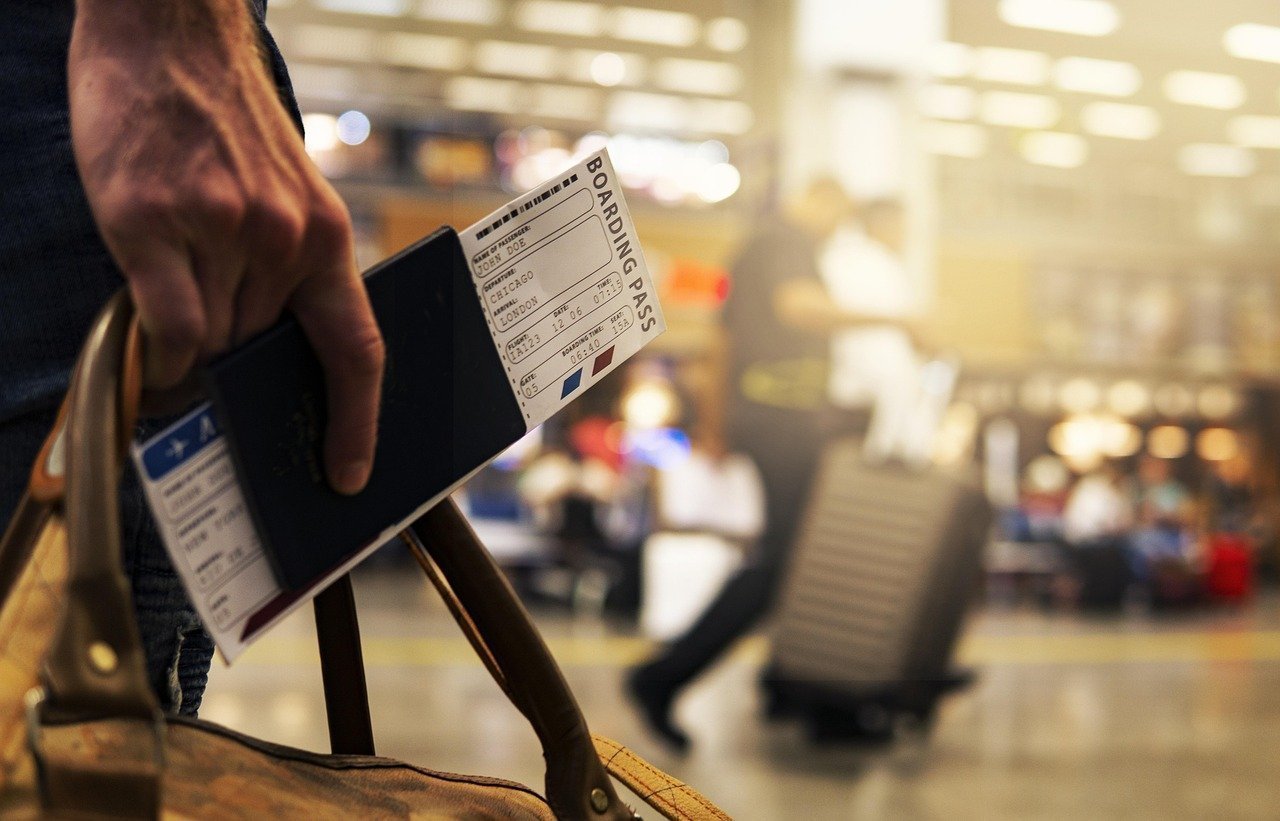
Back in 2019, skiplagging felt almost heroic. The idea was brilliantly simple: book a flight with a layover at your actual destination, then just walk off at the stopover and skip the final leg, since the connecting fare was cheaper than flying direct. Thousands of budget travelers swore by it. Travel bloggers called it a loophole. It wasn’t.
Skiplagging, also known as hidden city ticketing, has airlines cracking down hard, and what once seemed like a clever workaround is now a fast track to being flagged, fined, or even banned by airlines. The consequences are real and growing. Some passengers have been banned for years, frequent flyers risk losing miles and elite status, and airlines have billed passengers for the difference in fares.
In 2024, American Airlines won a $9.4 million lawsuit against a website that helped people find these hidden-city fares, accusing the platform of violating its rules and profiting from routes designed to exploit its system. That is not a slap on the wrist. That is a warning shot aimed directly at every traveler still thinking about trying this.
Airlines are using tracking software to detect suspicious booking patterns, especially when the layover city matches the traveler’s home address. They know. They are watching. And they’re not letting it slide anymore.
—
2. Stuffing a Pillowcase to Dodge the Carry-On Bag Fee

Record in source catalog
DPLA identifier: 7b66835f0256a3168818383844dbd8e1
Science History Institute identifier: padig:SHI-152smnh, CC BY 4.0)
This one spread like wildfire on social media around 2019. The idea? Cram all your extra clothes, shoes, and whatever else into a pillowcase and carry it on board claiming it’s a pillow, since most airlines do not charge for personal items like pillows. It sounds absurdly creative, until you realize airlines have seen it all before.
A now-viral TikTok video shot by a traveler at Orlando International Airport showed others exactly why the pillowcase travel hack is not a great idea, with police and gate agents trying to diffuse a situation with a Frontier Airlines passenger. The passenger allegedly had filled a pillowcase with items that were clearly not a pillow, and though no one noticed when passing through security, eagle-eyed agents at the gate quickly caught on, Frontier Airlines called in police officers who reportedly escorted the passenger out of the gate area, and the man was not allowed on the flight.
Honestly, the risk-reward ratio here is laughable. You could lose your entire flight over a bag fee that probably costs less than thirty dollars. Gate agents in 2026 are trained specifically to spot these attempts, and the consequences range from denied boarding all the way to a formal airline ban.
—
3. Buying a Refundable Ticket Just to Access Airport Lounges
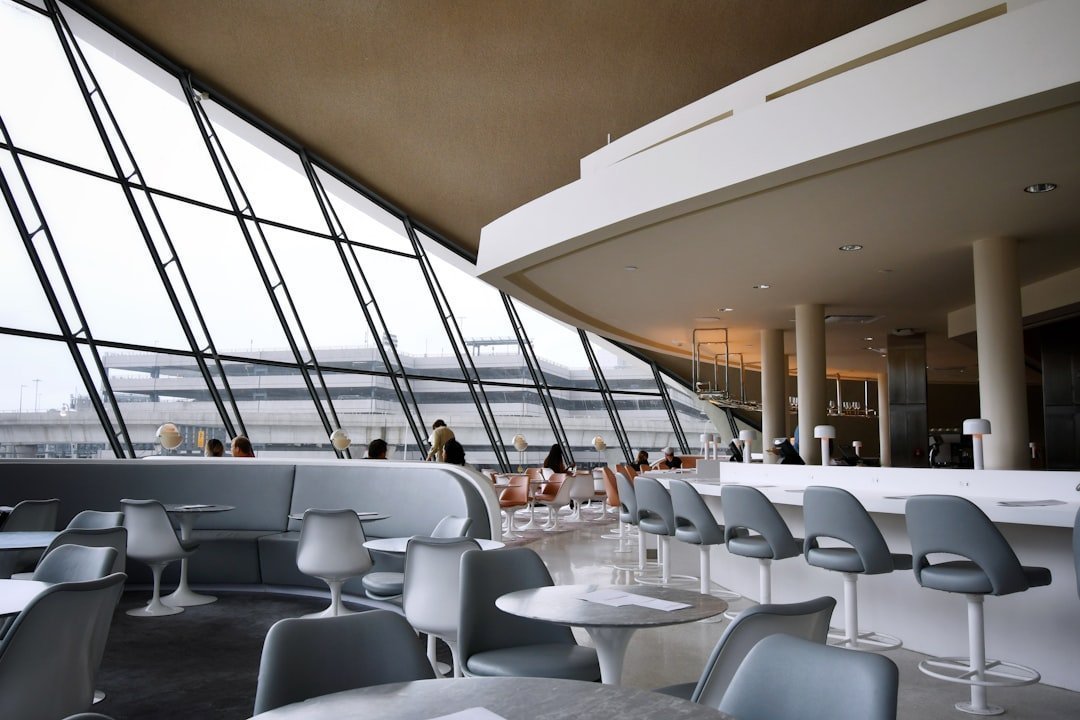
This one was practically a sport in 2019. Travel hackers discovered that purchasing a refundable business class ticket gave you access to premium airport lounges. Then, once you’d eaten and freshened up, you’d cancel and get your money back. Clever? Sure. Allowed? Absolutely not.
American Airlines explicitly states: “Reservations made to exploit or circumvent fare and ticket rules are prohibited,” and the airline specifically lists “buying a ticket without intending to travel, including to gain access to our airport lounges or other facilities” as a prohibited practice. This language was not in most terms of service back in 2019. Now it’s crystal clear, and they mean it.
If evidence is found that a traveler is using a prohibited practice, the airline reserves the right to cancel any unused part of the ticket, refuse to let the passenger fly and check bags, not refund an otherwise refundable ticket, and charge you for what the ticket would have cost if you hadn’t booked it fraudulently. That “free lounge snack” could end up costing you a full business class fare. Let that sink in.
—
4. Using an Expired Student ID for Discounts
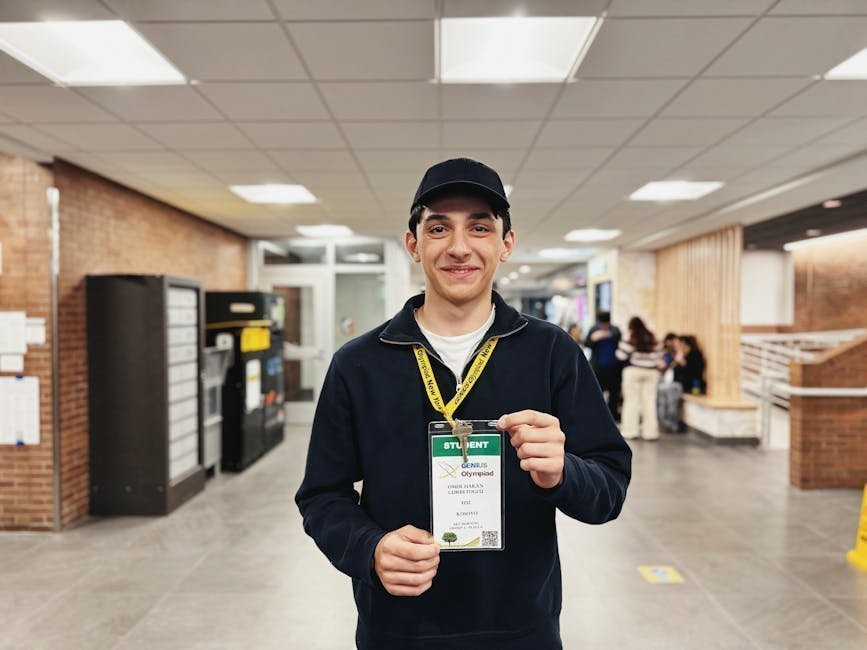
In 2019, plenty of travelers used old student IDs, sometimes years past their expiration date, to score discounts on trains, museums, and attractions. It felt harmless. It felt like a victimless trick. It isn’t either of those things anymore, especially in Europe.
The European rail and museum sector has significantly upgraded ID verification in recent years. Many venues now use digital verification systems that cross-check student status in real time. Any attempt to alter or falsify official travel documents can result in hefty fines or even imprisonment. An expired student ID used to claim a discount can, in certain jurisdictions, be treated as document misrepresentation.
Presenting a document you know to be invalid to obtain a financial benefit is fraud, full stop. It doesn’t matter that the card is real and once belonged to you. Using it to claim a status you no longer hold crosses a legal line that was rarely enforced in 2019 but is now actively flagged in countries like Germany, France, and the UK.
—
5. Using Fake Hotel Bookings for Visa Applications

Submitting a “dummy” hotel reservation or a fabricated booking confirmation to support a visa application was practically an open secret in 2019 travel forums. Travelers would either create fake documents or pay sketchy websites a few dollars to generate realistic-looking confirmations. It was risky then. It is genuinely dangerous now.
It is a criminal offense to use forged or manipulated documents for a visa application, as it would simply result in denial of the visa, and hotels are occasionally called by embassies to confirm reservations, which is why an authentic booking must be made. Embassy staff in 2026 routinely verify bookings directly with hotels and via digital databases.
Creating or using a fake hotel booking is considered fraud. In the U.S., it can lead to charges of wire fraud or insurance fraud, with penalties including fines and imprisonment. In the UK, it may fall under the Fraud Act 2006. Those are not theoretical punishments. Travel insurance providers are seeing a surge in suspicious claims related to these documents in 2025, with fraudsters submitting fabricated confirmations to collect reimbursements for trips that never existed, and these scams add up to millions in false payouts each year.
—
6. Deliberately Overstaying Your Visa to “Stretch the Trip”
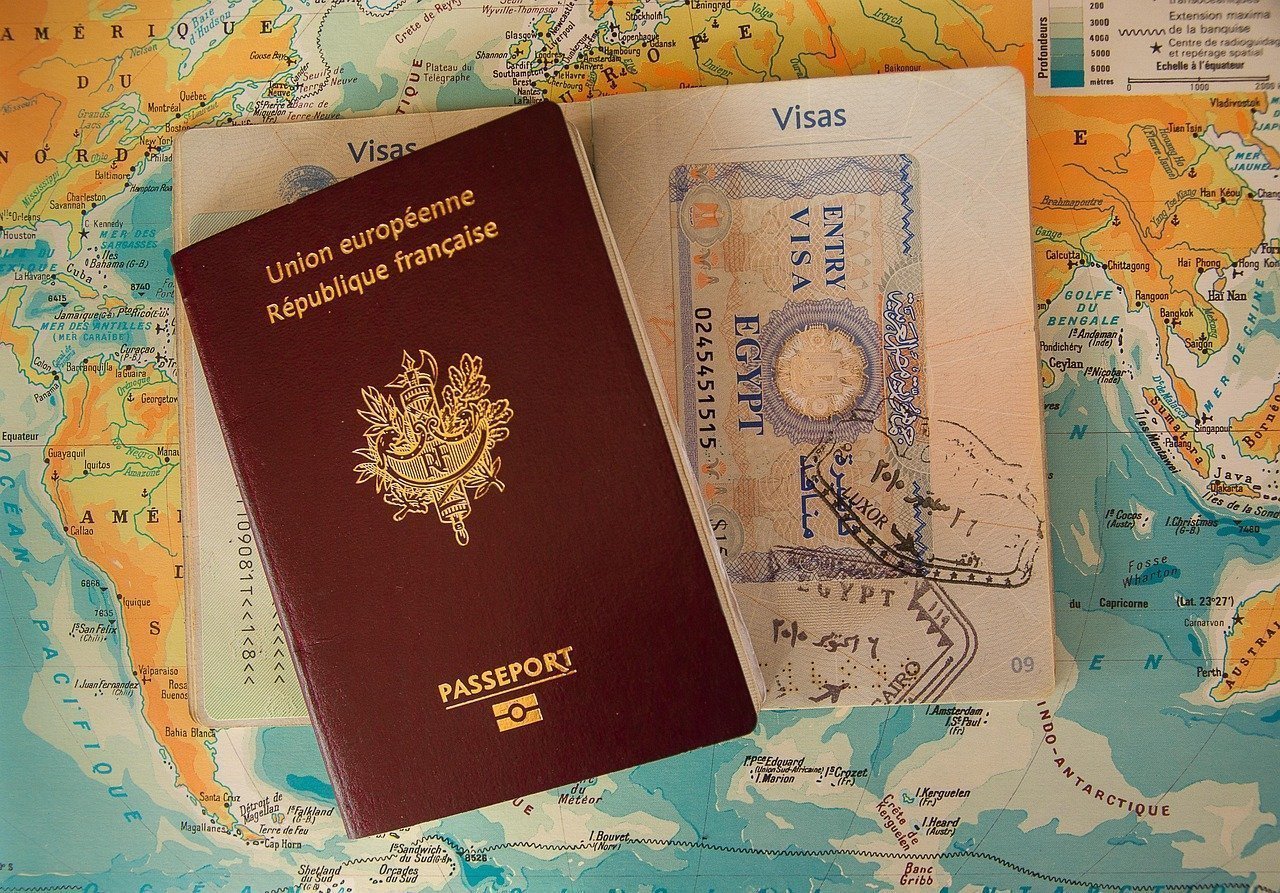
Here is a hack that was never really a hack, just wishful thinking dressed up as travel wisdom. Back in 2019, some travelers bragged online about overstaying tourist visas by a few weeks, assuming border officials either would not notice or would not care. The logic was: what’s the worst that can happen? The answer, in 2026, is a lot.
A fine is the most common penalty for overstaying and is dependent on the member state where the overstay is discovered, with fines sometimes associated with an entry ban, and bans are generally applicable to those overstaying, with the ban being issued for a period of three years or more depending on the length of overstay. In the Schengen area alone, this can shut you out of twenty-seven countries simultaneously.
According to the Department of Homeland Security, more than 565,000 individuals overstayed their visas in Fiscal Year 2023. That number prompted serious legislative action. New proposed legislation in the U.S. aims to classify visa overstays as a criminal offense on par with illegal border crossings, imposing up to six months of jail time for first-time offenders and up to two years for repeat offenders, while dramatically increasing civil fines.
—
7. Sneaking Alcohol Onto Flights in Toiletry Bottles

The old “fill a GoToob with vodka and sneak it through security” trick was all over budget travel blogs in 2019. People thought it was hilarious. Some airlines thought it was a compliance crisis. Today, it is treated as a serious safety and legal issue on aircraft across the globe.
Consuming alcohol not purchased and served by the airline is explicitly prohibited under aviation safety regulations in multiple countries. Flight crews are trained to identify intoxicated or self-medicating passengers before and during a flight. Air passengers breaching these rules are now subject to hefty fines which can reach €10,000, and this includes obstructing the performance of the flight crew or the safety mission and refusing to comply with a safety instruction given by crew members.
In the most serious of cases, officials have confirmed that passengers could face boarding bans for a period of up to four years. France is leading the charge on this in Europe, but similar crackdowns are happening across major aviation jurisdictions. What started as a cheeky budget trick can now land you with a four-year ban from flying into or out of French airspace.
—
8. Loyalty Point Manipulation and Manufactured Spending

Miles and points enthusiasts in 2019 were obsessed with manufactured spending, a practice involving buying gift cards, liquidating them, and cycling the money through rewards credit cards to artificially inflate your points balance. Some went further, exploiting glitches and bonus promotions in ways that clearly violated program terms. At the time, many got away with it. Those days are effectively over.
Account takeovers and loyalty fraud are rampant, with hackers using credential stuffing and phishing to break into customer loyalty accounts, and with billions of leaked credentials available, attackers easily test username-password pairs to hijack frequent-flyer profiles and steal miles. Because of this, airlines are now hyper-vigilant about unusual account activity of any kind, including activity that mimics fraud patterns even if the account holder is the one doing it.
Egregious, intentional cases of loyalty program fraud could potentially warrant criminal wire or mail fraud charges, which are federal felonies carrying fines up to $1 million and imprisonment up to 30 years per offense. That is an extreme outcome, but it is a real one. Losing lifetime airline elite status or millions of accumulated points and miles carries a tangible financial impact, and some estimate top-tier frequent flyer status is worth over $20,000 in benefits per year.
—
9. Taking Sand, Shells, or Natural Souvenirs from Beaches and Protected Sites

In 2019, scooping a jar of pretty sand from a Sardinian beach or pocketing a shell from a Greek island felt like nothing more than a harmless keepsake. Travel bloggers even suggested it as a “free souvenir hack.” Authorities across Southern Europe had a very different view, and enforcement has only gotten tougher since.
Tourists love to scoop sand into bottles as keepsakes, but local authorities in places like Sardinia cracked down after coastal erosion became a serious problem, and customs officials now seize sand, shells, even pebbles on your way home. The fines in Sardinia for removing sand can reach several thousand euros. Some tourists have been prosecuted years after returning home when the sand was found during routine customs checks.
Italy, Greece, and Spain have all implemented stricter exit inspections specifically targeting natural materials. What once slipped past in a checked bag now gets flagged by X-ray technology tuned to detect even small quantities of organic material. Think of it this way: that jar of sand could cost you more than your entire flight home.
—
10. Tampering with Drink or Product Supplies on Cruises

Back in 2019, certain cruise “hacks” circulated widely, including refilling purchased water bottles with tap water and resealing the caps to avoid extra charges on board. What felt like sticking it to an overpriced cruise line is now treated as product tampering, and cruise companies are not laughing about it.
One passenger shared a video on TikTok showing how to drink bottled water in a Carnival cabin for free by refilling it with tap water and using glue to re-seal the cap, and while the video raised concerns about how easily bottles could be tampered with to add anything to them, Carnival quickly banned the passenger for life, as confirmed by their Brand Ambassador. A lifetime ban from a major cruise line is not a small consequence.
Guests who were identified fishing off a cruise ship balcony were also banned, and once identified, Carnival wrote to them confirming the ban, proving that if you break a serious rule or show a lack of common sense, you won’t be sailing again. Cruise lines in 2026 have become significantly more aggressive about enforcing conduct policies, and “I saw it on TikTok” is not considered a valid defense at the gangway.
—
Conclusion
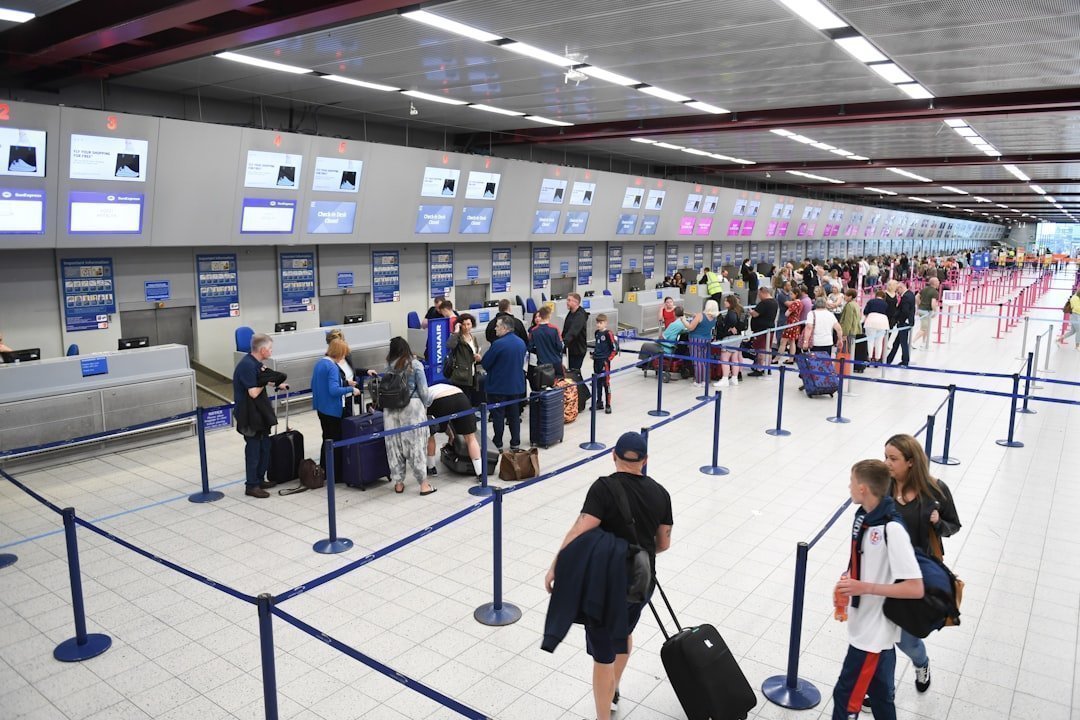
The travel world of 2026 is not the same freewheeling landscape it was back in 2019. Airlines have legal teams. Cruise lines have security databases. Embassies verify bookings. Customs officials are scanning for sand. The gap between “clever traveler” and “fraud suspect” has shrunk to almost nothing for several of these old tricks.
Honestly, the real issue is that most of these “hacks” were always built on bending rules at someone else’s expense, whether that was the airline, a fellow passenger who paid full price, or a coastal environment that can’t replace its own shoreline. The consequences are no longer theoretical.
The smartest travel hack in 2026 is the one that doesn’t put your passport, your frequent flyer account, or your freedom at risk. Travel is extraordinary enough without the drama. What was the most surprising entry on this list for you? Drop your thoughts in the comments.