
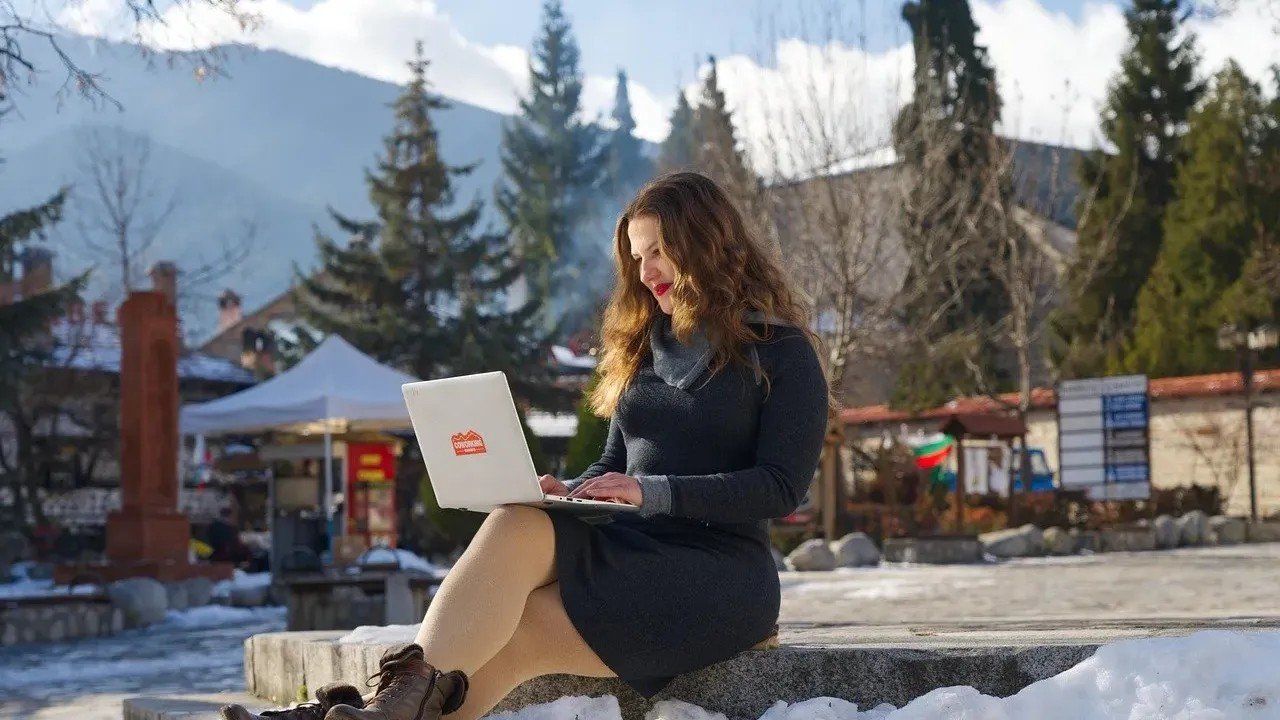
There’s a quiet revolution happening in cities across the world, and it has nothing to do with politics or war. It’s about laptops, Wi-Fi, and the freedom to work from anywhere. Sounds harmless, right? Well, not if you’re a local resident trying to hold onto your apartment.
Globally, an estimated 40 million people were living as digital nomads by 2025, and in the United States alone, that number jumped from roughly 7.3 million in 2019 to 18.1 million in 2024, a staggering 147% rise since before the pandemic. That’s tens of millions of people suddenly competing for housing in cities that simply weren’t built to handle the surge. Locals in some of the world’s most beloved cities are now paying the price – literally. Here’s a look at ten cities where the rent explosion has been most painfully real. Let’s dive in.
1. Lisbon, Portugal – Europe’s Nomad Capital Prices Out Its Own People
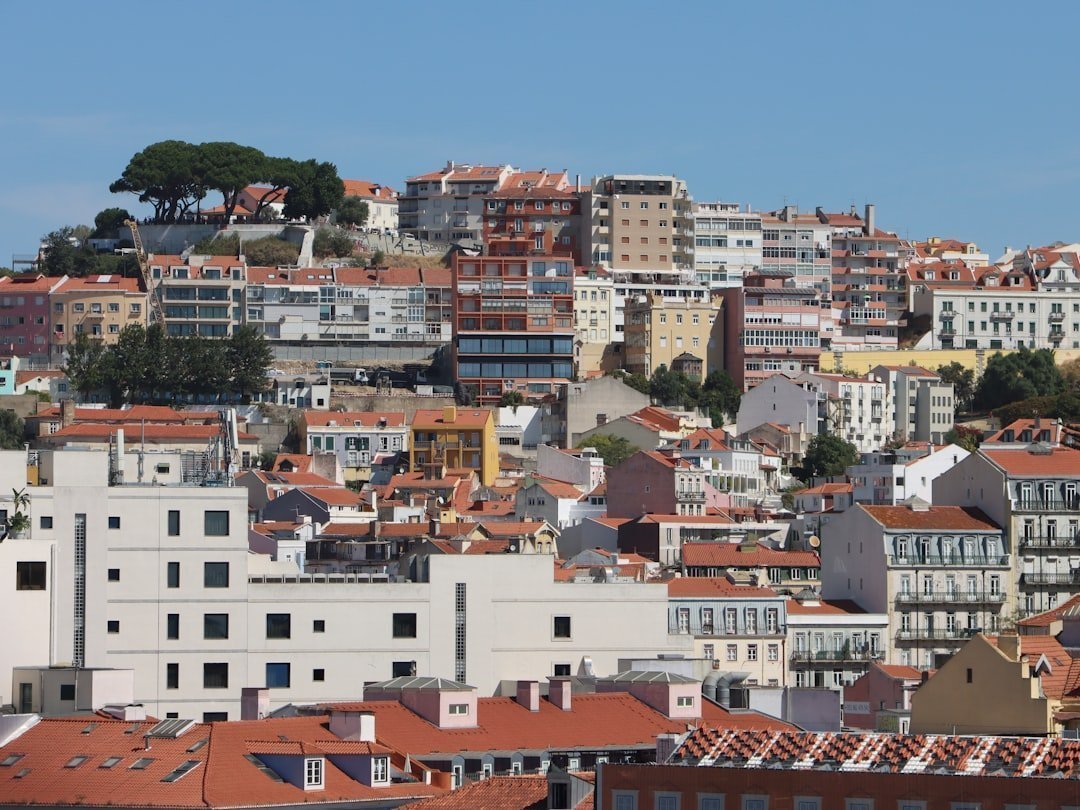
Lisbon went from a charming, affordable European gem to one of the most expensive rental markets on the continent in just a few years. Lisbon’s enormous allure among remote workers has led to sharply increased living costs, particularly in housing, where rental prices have climbed significantly. The speed of that climb shocked even seasoned housing analysts.
The Portuguese capital is in the grip of a full-blown housing crisis. Housing rights activists say the influx is making things considerably worse for local people, pointing out that the foreign population is growing and becoming extremely visible throughout the city. With the average salary in Portugal sitting under US$20,000, the new co-working spaces and creative hubs appearing in traditionally working-class neighborhoods are clearly not aimed at local people.
Lisbon has also seen a recent decline in digital nomad arrivals due to rising prices, a lack of available housing, and changes in government policies, including the end of the non-habitual tax residency scheme in January 2024. Ironically, the city’s own success as a nomad hub has started to undo what made it attractive in the first place.
2. Barcelona, Spain – Protests in the Streets Over Skyrocketing Rents

Digital nomads can greatly enhance local economies, but in cities like Barcelona, their influx has sparked a genuine backlash against tourism, resulting in protests and serious concerns over overcrowding, escalating rents, and the erosion of local identity. This is not a subtle grumble. Residents took to the streets.
While tourism has long been a vital part of Barcelona’s economy, it has placed enormous pressure on infrastructure, housing, and daily life for residents. Locals have expressed concerns about rising rents driven by short-term accommodation demand, and the commercialization of entire neighborhoods. In response, Barcelona implemented stringent regulations on short-term rentals through platforms like Airbnb.
Barcelona has also announced it will eliminate short-term tourist rentals entirely by 2028, a policy that may indirectly affect nomads seeking temporary housing. Honestly, that tells you everything about how serious the situation has become.
3. Mexico City, Mexico – The Gentrification Wave No One Saw Coming
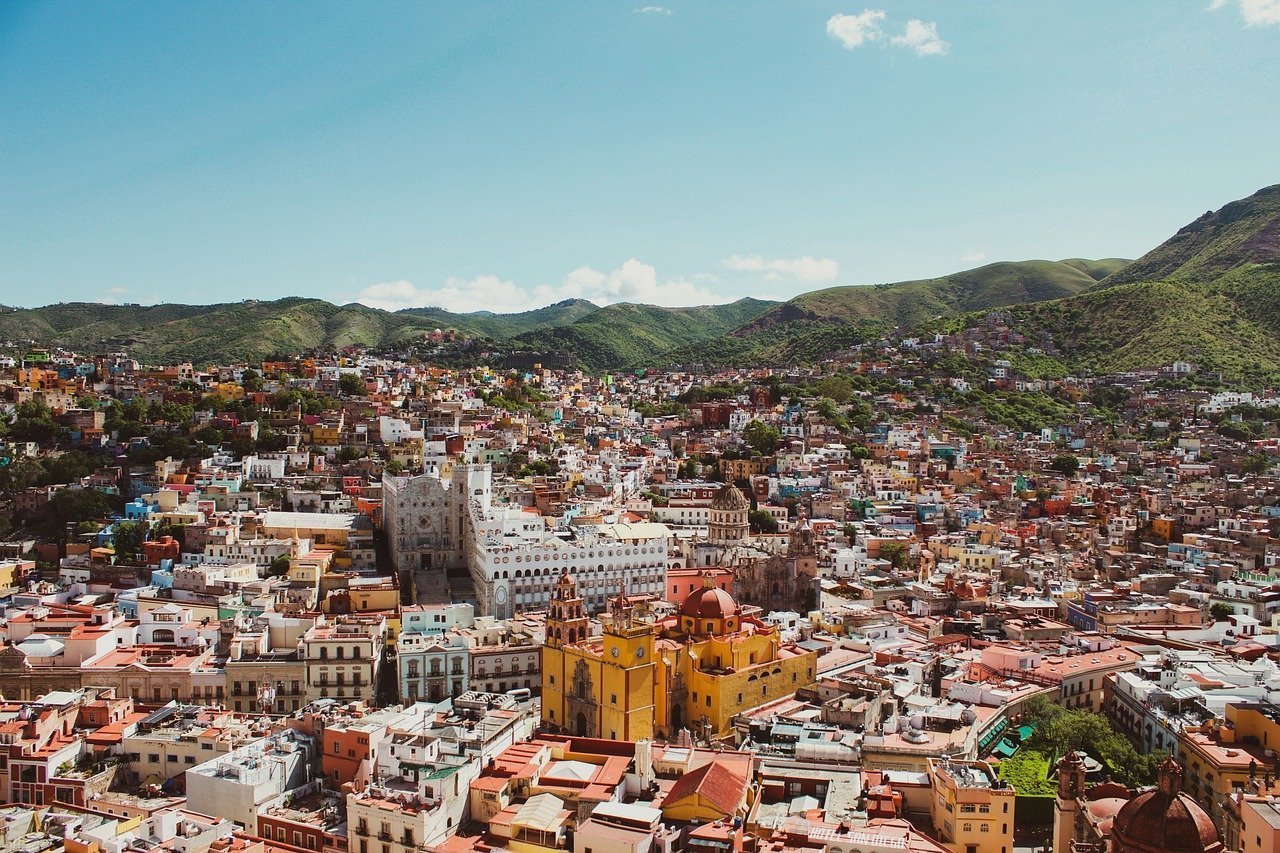
An influx of digital nomads to major cities in Latin America, including Mexico City, has raised serious alarms about increased rents, displacement, and gentrification. For a city of over 22 million people, the pressure from a relatively small but high-spending nomad community has been surprisingly powerful.
In 2022, Mexico City signed an agreement with Airbnb to support tourism in marginalized areas. However, residents took to the streets in protest, alleging the company contributed to ongoing displacement and gentrification. The city’s own urban planning president noted that housing is expensive in part because the city isn’t producing enough new homes to keep up with demand.
Tourist-driven rent spikes in Mexico City and Lisbon are now among the most commonly cited hidden costs that digital nomads themselves report encountering on arrival. So even the nomads are feeling it now. When the people who caused the problem are complaining about the problem, things have gotten complicated.
4. Bali, Indonesia – Paradise Has a Price Tag Now
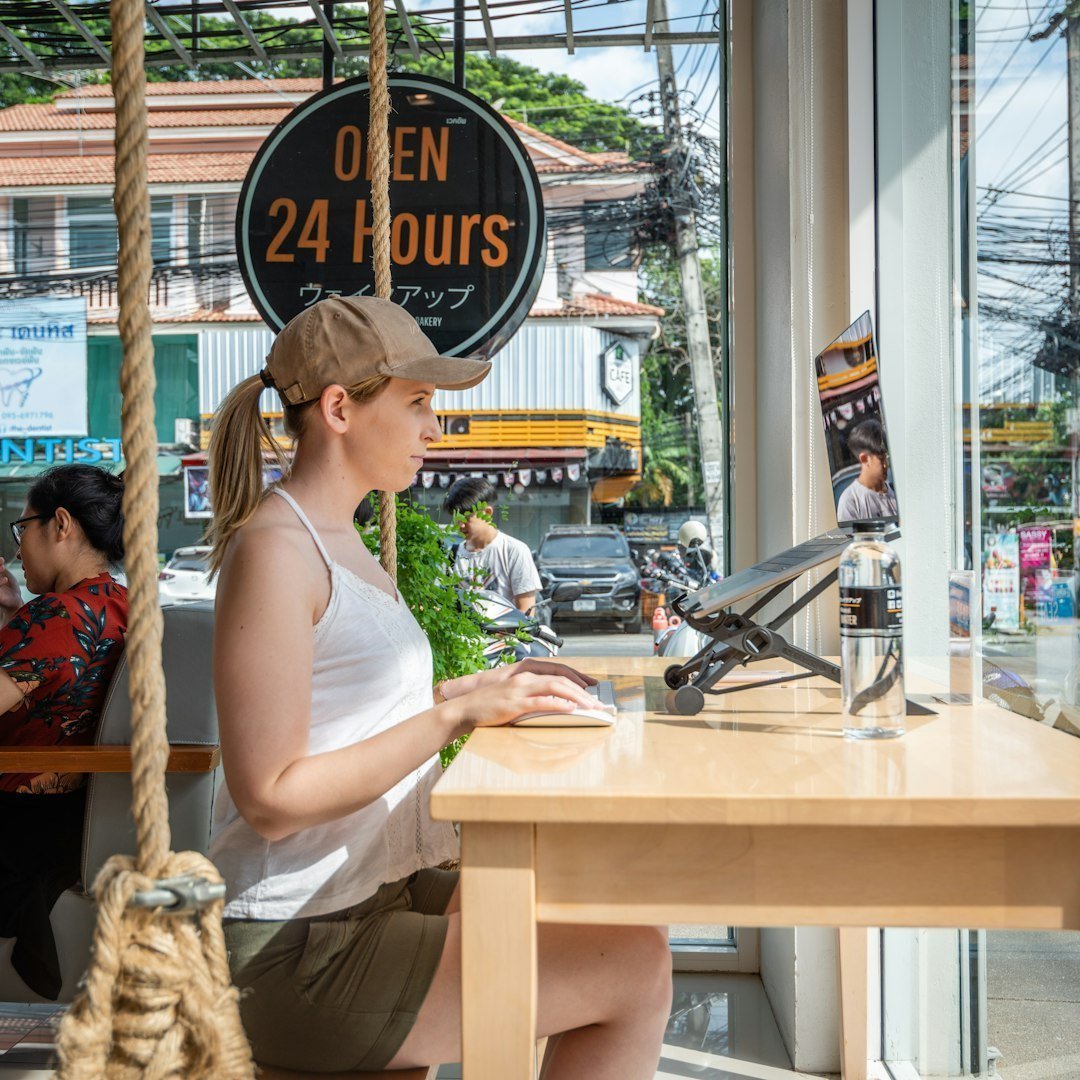
A recent global survey of digital nomad destinations found that roughly more than half of nomads reported higher-than-expected living costs in Bali and Lisbon, mainly due to rising rent prices, inflated café culture, and extra tax implications for long stays. Bali’s transformation from a budget backpacker destination to a premium nomad hotspot has been breathtakingly fast.
Chiang Mai is often dubbed the digital nomad capital of the world, but Bali follows the same pattern. Areas like Nimmanhaemin in Chiang Mai brim with coffee shops, co-working spaces, Airbnbs, and short-term lets that are affordable to people on Western wages but out of reach for many locals. Bali’s Canggu and Ubud neighborhoods have experienced virtually the same phenomenon.
Bali and Lisbon are now popular digital nomad destinations with rising rents and tourist-driven inflation. A flat in Lisbon can cost double what you’d pay in Porto or Belgrade, while meals in Bali’s cafés now regularly rival Western prices. The “cheap paradise” narrative has quietly expired.
5. Medellín, Colombia – The Spring City Heats Up on Housing Costs
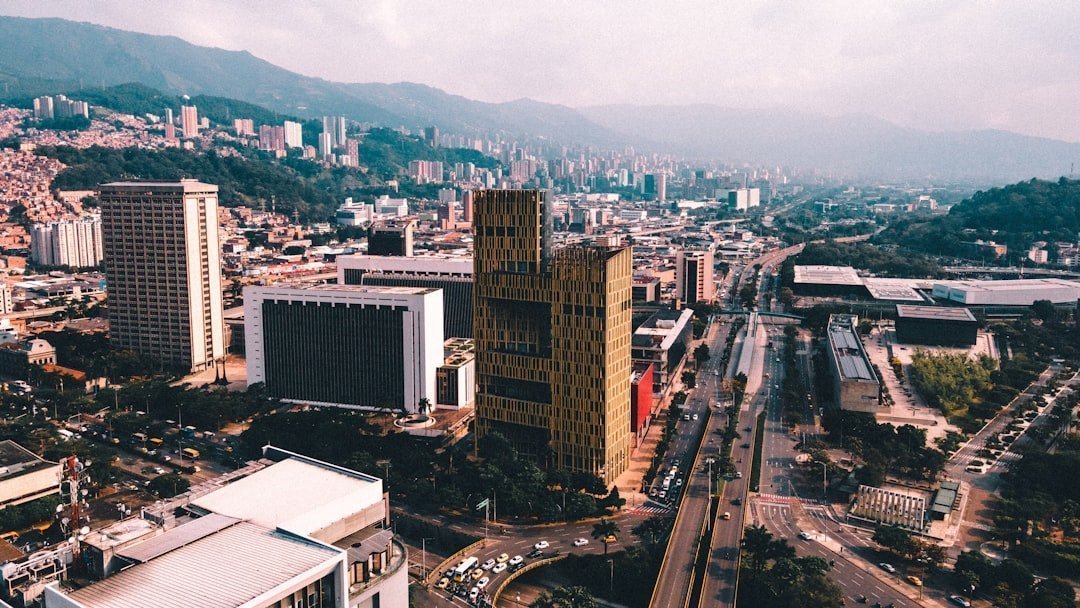
In a post-pandemic world, an ongoing migration of remote workers has brought financial benefits to places like Medellín, a city that has seen significant economic improvement since the 1990s, following decades of drug-related violence. That glow-up story is genuinely inspiring. The flip side is less heartwarming.
Digital nomads usually arrive with much stronger currencies than locals earn in. Nevertheless, many argue that the influx has led to rising rents throughout the region, creating barriers to affordable housing and displacing locals from their homes. The Colombian peso doesn’t go nearly as far for a local teacher as it does for a remote software developer earning dollars or euros.
Think of it like this: if someone earning ten times your salary moves into your neighborhood and starts competing for the same apartments, it’s not a fair fight. As digital nomads flock to destinations renowned for their affordability, they often put serious strain on the available housing stock, driving up rental prices and making it increasingly difficult for residents to find affordable housing.
6. Tbilisi, Georgia – Sudden Stardom, Sudden Rent Shock
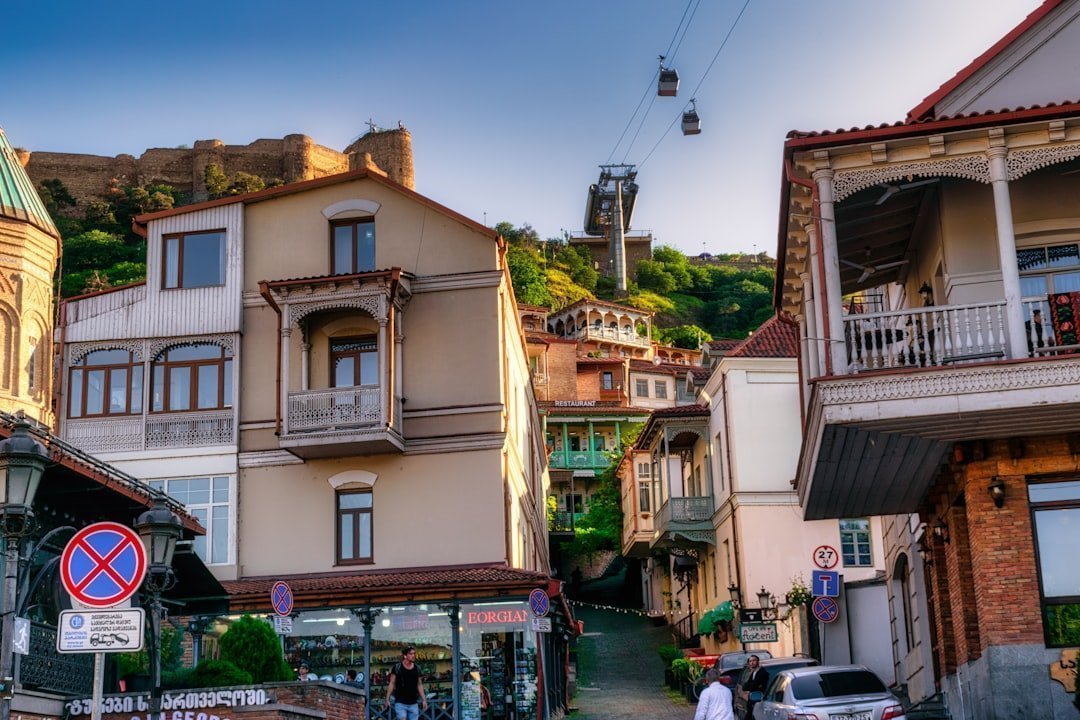
Georgia has quietly emerged as a digital nomad haven, thanks to its low cost of living, iconic architecture, and excellent internet speeds. Georgia has a very liberal immigration policy. Citizens of over 90 countries can travel visa-free and stay for up to a year. That combination turned Tbilisi into a runaway hit almost overnight.
Digital nomads can live comfortably in Tbilisi for somewhere between $800 and $1,500 per month, with apartments starting at around $300 per month. Those numbers are creeping upward, though. The global population of digital nomads is growing at an incredible rate of about 18% annually, according to the Gitnux Market Data Report 2024, and Tbilisi is now firmly on the radar of that growing crowd.
Here’s the thing: a city can go from “hidden gem” to “overrun” faster than you’d believe. Tbilisi was proudly affordable five years ago. Now landlords are acutely aware of what Western remote workers are willing to pay, and local residents navigating that same market are finding the ground shifting under them.
7. Chiang Mai, Thailand – The Original Nomad Capital Feels the Strain

Chiang Mai in northern Thailand is often dubbed the digital nomad capital of the world. The Nimmanhaemin area brims with coffee shops, co-working spaces, Airbnbs, and short-term lets that are affordable to people on Western wages but genuinely out of reach for many local Thai residents. This neighborhood used to be a quiet, traditional district.
Urban sociologist Max Holleran highlights the incredible irony at play: some people are actually becoming digital nomads because of housing prices in their home countries, and then their very presence in less wealthy places tightens the housing market, leading to displacement in developing countries across Asia, Africa, and Latin America. Chiang Mai is perhaps the clearest example of this loop in action.
The problem has been notably aggravated by the rise of companies like Airbnb, which have made it more lucrative to convert properties into short-term rental accommodation catering to tourists and digital nomads rather than local residents. This not only reduces the housing supply available to permanent residents but also contributes to the alienation of residential neighborhoods, transforming them into transient spaces that lack community spirit.
8. Asheville, North Carolina – The American Mountain Town That Remote Workers Discovered
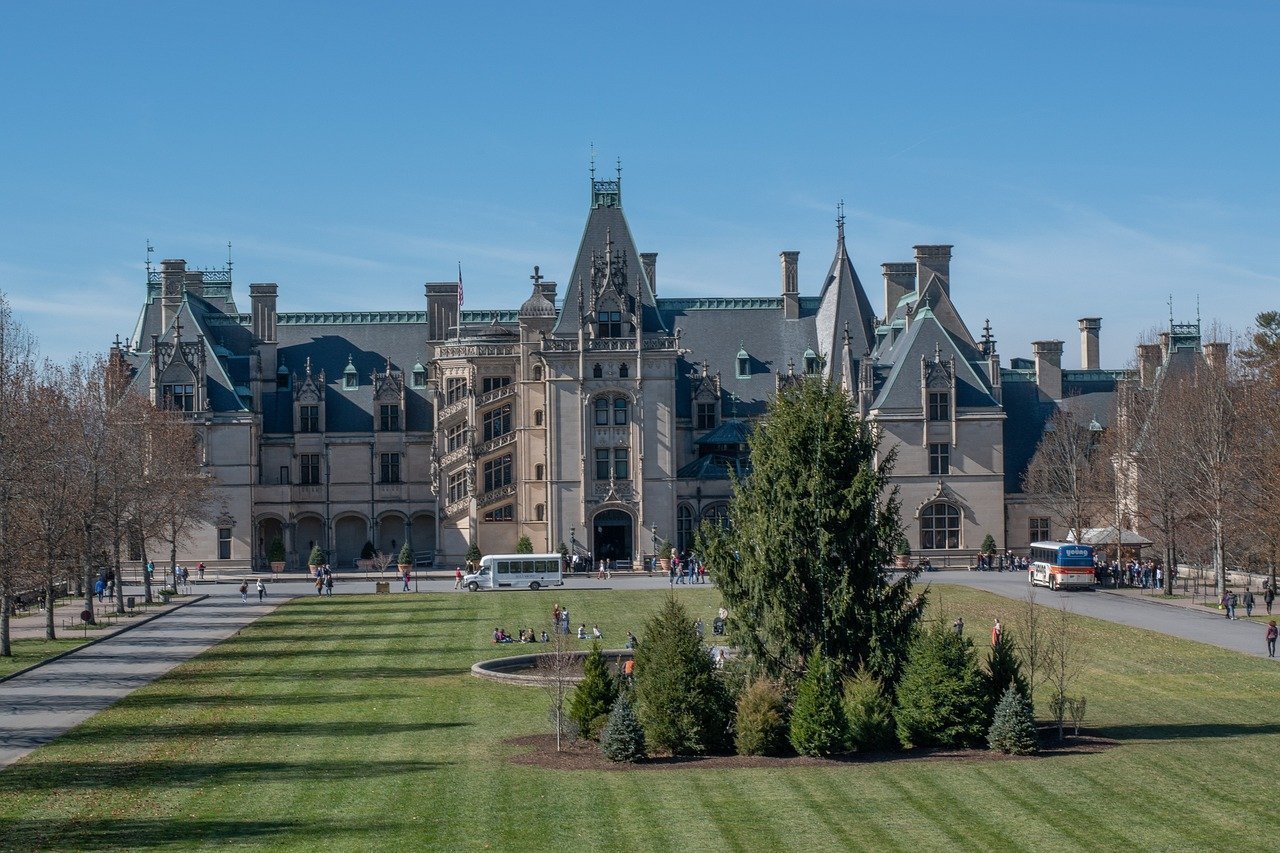
Asheville used to be the kind of place where a barista could afford a comfortable one-bedroom apartment near the craft breweries they loved. That era is basically over. Asheville has seen significant price increases due to high demand from incoming remote residents. The numbers from official housing research are genuinely alarming.
Beginning with a notable spike from 2019 to 2020, fairly-priced rents for one-bedroom apartments in Asheville increased by 30%, and 26% for two-bedroom apartments. The income needed to afford a one-bedroom apartment in the city in 2024 represented a nearly $28,000 increase over what was needed to do so in 2019, according to the National Housing Conference’s Paycheck to Paycheck database.
Half of construction site workers in Asheville now earn less than the $59,840 needed to rent a one-bedroom apartment, and civil engineers earning nearly $100,000 a year find it difficult to afford a home in the city. That’s not a housing market anymore. That’s a housing crisis with a beautiful mountain backdrop.
9. Boise, Idaho – Remote Worker Magnet Turned Unaffordable
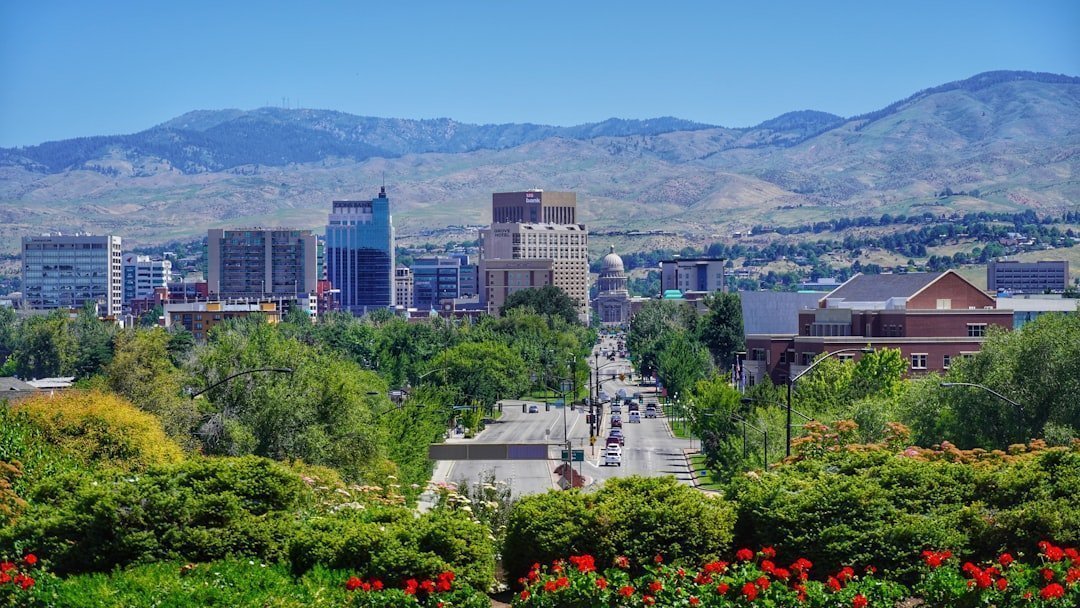
Remote workers from California, Colorado, and Oregon began moving out of state in large numbers in search of a lower cost of living, and many of them landed in Boise, Idaho. Boise had the affordability, the outdoor lifestyle, and the Western charm. Word spread fast on remote worker forums and social media groups.
Boise’s prices rose quickly due to the city’s surging popularity, with rent prices jumping by a striking 30.8% over a single twelve-month period at the peak of the nomad migration wave. In 2025, Boise City, Idaho is forecasted to see rents climb by more than 32% compared to the prior year, one of the sharpest increases of any metropolitan area in the United States.
Consider that analogy: Boise was essentially a quiet neighborhood diner that got discovered by food bloggers. Suddenly the line’s around the block, the prices tripled, and the locals who used to go every Tuesday can barely afford a seat. Rent projections for 2025 show significant growth across the Mountain West, with Idaho leading the nation at an expected 20.3% increase, more than four times the national average.
10. Nashville, Tennessee – The “Affordable Alternative” That No Longer Is
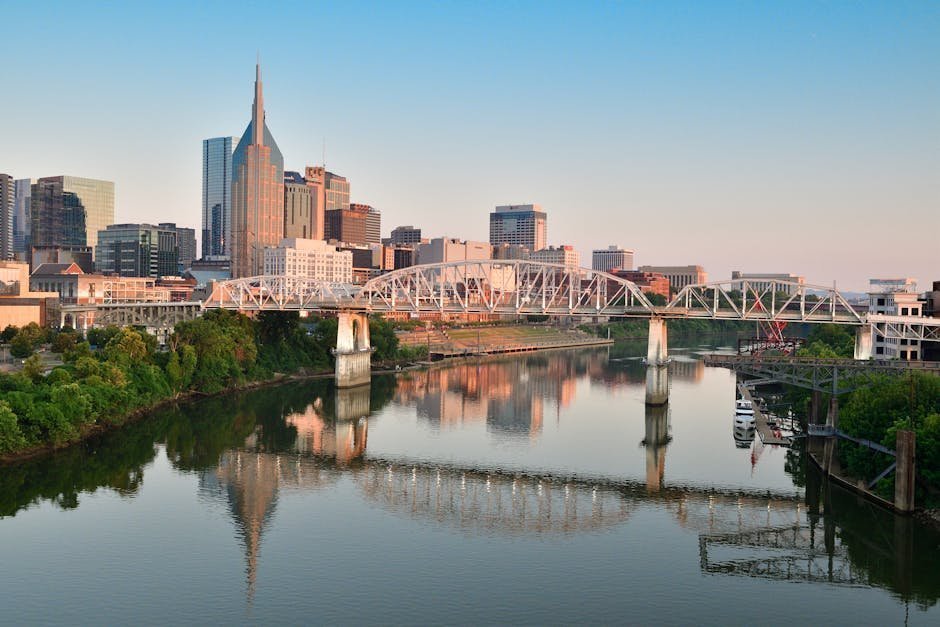
Rents in cities like Nashville, Tennessee, were once significantly lower than in major metropolitan hubs, allowing remote workers to stretch their income further. That selling point attracted waves of relocation-happy nomads. Then Nashville got expensive too.
Rent prices in Nashville have been climbing year over year. In 2024, they went up by 3.2% in just six months, even faster than the previous year’s pace. Back in 2020, the average rent was $1,030 a month. By 2025, it’s sitting at around $1,446. That’s roughly a forty percent jump in just five years, with remote worker migration a significant contributing factor.
The surge in digital nomadism is putting a sustained strain on housing markets, especially in destinations popular with remote workers. As more people adopt flexible work arrangements, cities experience a rapid rise in demand for short-term and affordable rental options. This increase in demand leads to higher housing costs, making it more difficult for long-term residents to find and afford suitable accommodations. Nashville is now a near-perfect case study of exactly that dynamic.
The Bigger Picture: Who Pays the “Digital Nomad Tax”?

Let’s be real about what’s actually happening here. When remote workers and digital nomads set up shop in new locales, they can unintentionally raise housing prices and living costs for locals. While this issue is especially visible in digital nomad hotspots like Southeast Asia and parts of South America, it isn’t inevitable. Still, intent matters less than impact to the families being priced out.
It’s worth noting that the picture isn’t entirely one-sided. The influx of digital nomads into smaller towns and cities can have a positive economic impact. In some places, local businesses have seen roughly a 20% revenue increase, underscoring the potential of these travelers to stimulate local economies. Jobs get created. Cafés thrive. Tax revenues rise.
The uncomfortable truth is that some national and city governments are starting to implement measures aimed at managing the influx of expats and digital nomads, in order to preserve the well-being of their existing residents. Some municipalities have begun to introduce measures including rental caps and mixed-use developments to address the issue. The question of who a city is actually built for has never felt more urgent. What do you think: is the digital nomad lifestyle worth the cost to local communities? Tell us in the comments.