

Every traveler headed to Costa Rica goes through the same ritual: spread everything across the bed, stare at the pile, justify each item, and stuff the bag anyway. The result is almost always an overpacked suitcase dragged through jungle mud, rocky trails, and steamy beach towns. The real culprit hiding in most bags? A pair of jeans. They feel like a sensible, versatile staple at home, but in Costa Rica they become a soggy, heavy, space-consuming nightmare that most travelers quietly regret from day one.
1. Costa Rica’s Climate Makes Denim Your Worst Enemy

As a general rule, pack lightweight, breathable, and quickly-drying clothes, because Costa Rica has a tropical climate with really hot temperatures year-round and it can rain at any time. Jeans are the opposite of all three of those things. Avoid heavy fabrics like denim or thick cotton – in the rainy season they will never dry, and in the dry season denim traps heat. You will be uncomfortable either way, which is a terrible trade-off for something eating up a quarter of your luggage space.
2. The Drying Problem Is Very Real

Do not bother bringing jeans or denim shorts – those do not dry and are heavy. Wear bike-type nylon shorts instead, as they dry better. In a country where afternoon rain showers are routine and humidity sits persistently high, clothes that don’t dry are more than an inconvenience – they start to smell, they stay cold against your skin, and they never seem to be ready when you need them. The chances that your shoes will get wet are quite high, and it is very difficult to get anything to dry in Costa Rica. That’s shoes – imagine denim.
3. The Country Has 27 Microclimates, None of Them Requiring Jeans

The Central American country has a diverse climate and terrain – apparently there are 27 microclimates. Even the cooler highland destinations like Monteverde don’t call for denim. Packing for cloud forests like Monteverde or San Gerardo de Dota requires different thinking due to the high elevation, where it gets cooler and wetter – and the solution is to dress in layers, including a waterproof layer like a poncho, raincoat, or windbreaker. Lightweight moisture-wicking layers handle every microclimate far more effectively than stiff denim ever could.
4. Overpacking With Jeans Complicates Your Entire Trip
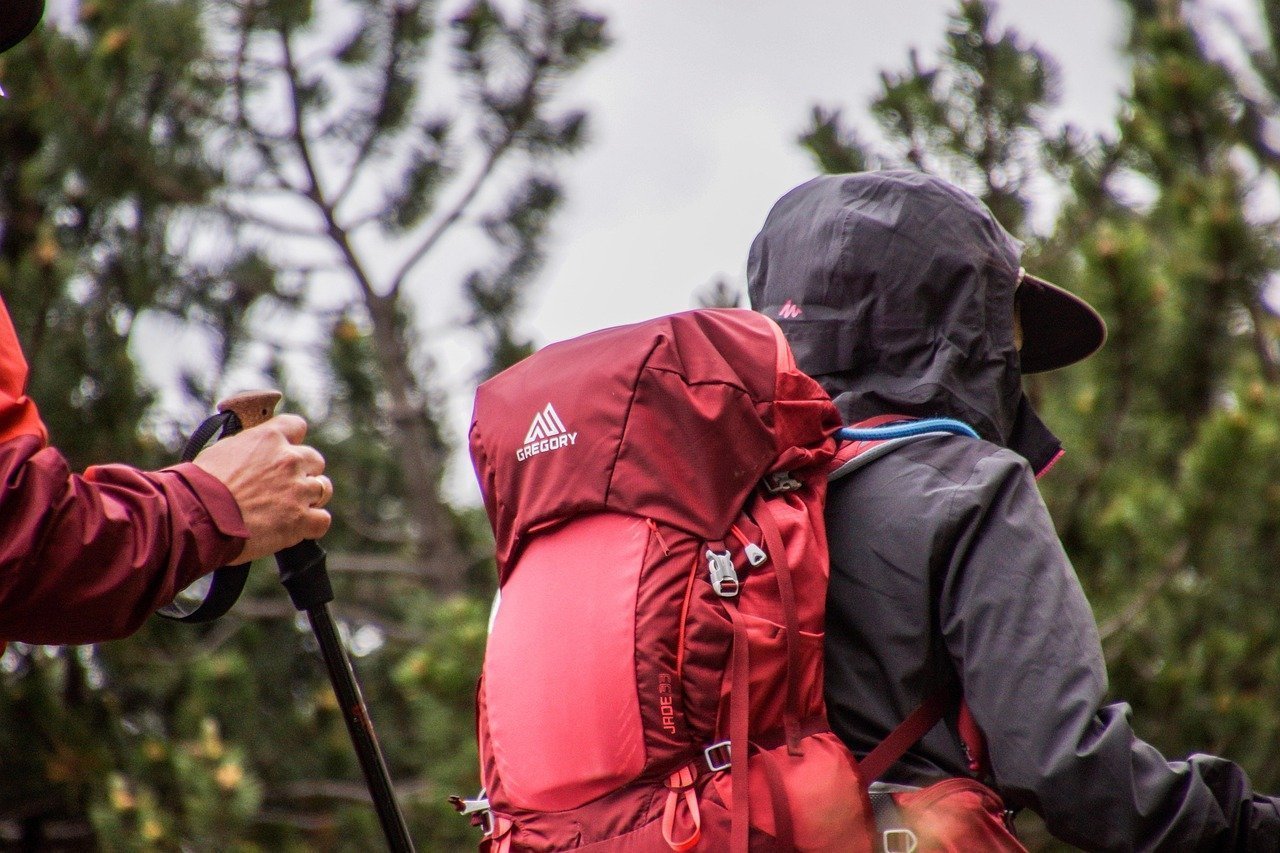
Tourists often bring too much luggage, including unnecessary items, which can complicate travel, especially on smaller domestic flights or in areas with rough terrain. Costa Rica’s landscape is not suitcase-friendly. Dragging around a suitcase is the last thing you want to do in this Central American country – whether you’re wandering in the national park or making your way through a rugged trail in the woods, wearing a backpack is always better. Every extra pound counts, and jeans are among the heaviest and bulkiest items anyone packs.
5. What Actually Fits in That Space Instead
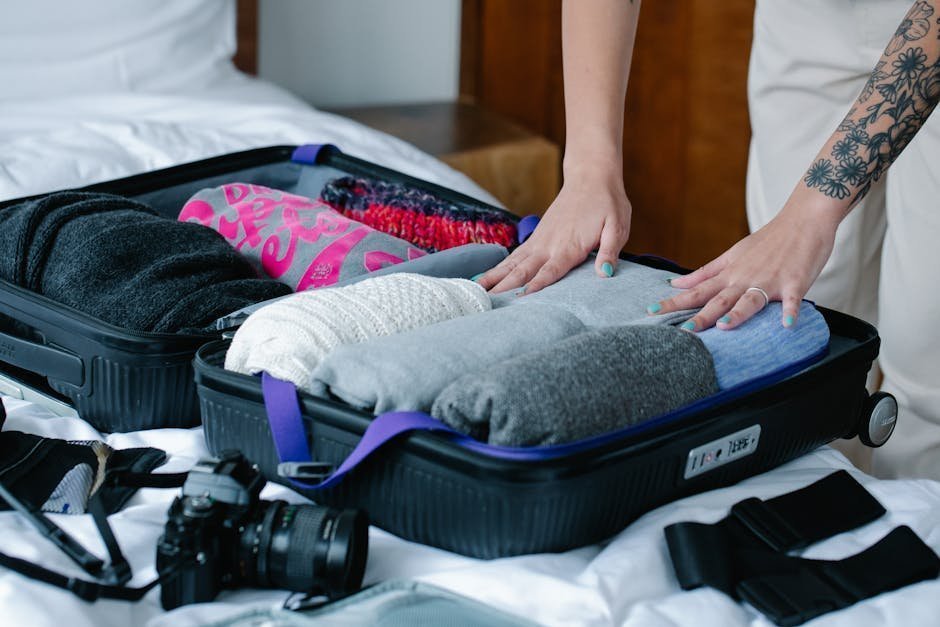
This may look like a long packing list, but you can easily fit it all in hand luggage – travelers have done two weeks as a family of five, each with just a carry-on, and still didn’t use everything they packed. Lightweight quick-dry shorts, moisture-wicking shirts, and a single versatile pair of hiking sandals replace the bulk of most overpacked bags instantly. Pack comfortable and lightweight layers so that you can add and remove them as needed – fabrics that dry quickly are still important, as you may be engaging in water activities or ones that make you sweat. That jeans slot in your bag can hold something that actually serves you.
6. Formal or Dressy Clothing Is Similarly Useless

Jeans often creep into bags under the logic of “going out” clothes, but Costa Rica’s dining culture doesn’t require it. Costa Rica is the land of a casual, laid-back wardrobe – dressing casually with a comfy top, shorts, and sandals can help you blend in well with the crowd. High heels or formal shoes are quite impractical, and versatile sandals or sneakers will suffice for most activities, including dinner out. Even upscale restaurants in beach towns lean into relaxed dress codes – nobody is arriving in stiff denim after a day in the jungle.
7. The Wrong Sunscreen Is Also Wasting Your Space

While jeans are the biggest space waster, the conventional chemical sunscreen many travelers pack alongside them also deserves scrutiny. Awareness is growing and several marine protected areas in Costa Rica encourage or require reef-safe products, with many tour operators throughout the country now requesting guests use only reef-safe sunscreen before entering the water – this is common at popular snorkeling and diving destinations including Caño Island Biological Reserve, the Catalina Islands, and marine areas around the Osa Peninsula. Many conventional sunscreens contain ingredients like oxybenzone and octinoxate – chemicals proven to harm coral reefs and marine life, even in small amounts. Pack the right sunscreen, not just any sunscreen.
8. National Parks Have Sustainability Rules That Affect What You Bring

Costa Rica generates 99% of its electricity from renewables and aims to be carbon neutral by 2050. That environmental commitment extends directly into tourist behavior. Many national parks do not allow single-use plastics inside, including plastic water bottles. Costa Rica was the first country to launch a #StopAnimalSelfies campaign, so visitors should always decline offers of photo opportunities with animals. Packing thoughtfully – skipping jeans, bringing a reusable bottle, choosing reef-safe sunscreen – aligns with the country’s ethos and keeps you from hauling banned or useless items through park gates.
9. What Experienced Travelers Pack Instead of Jeans
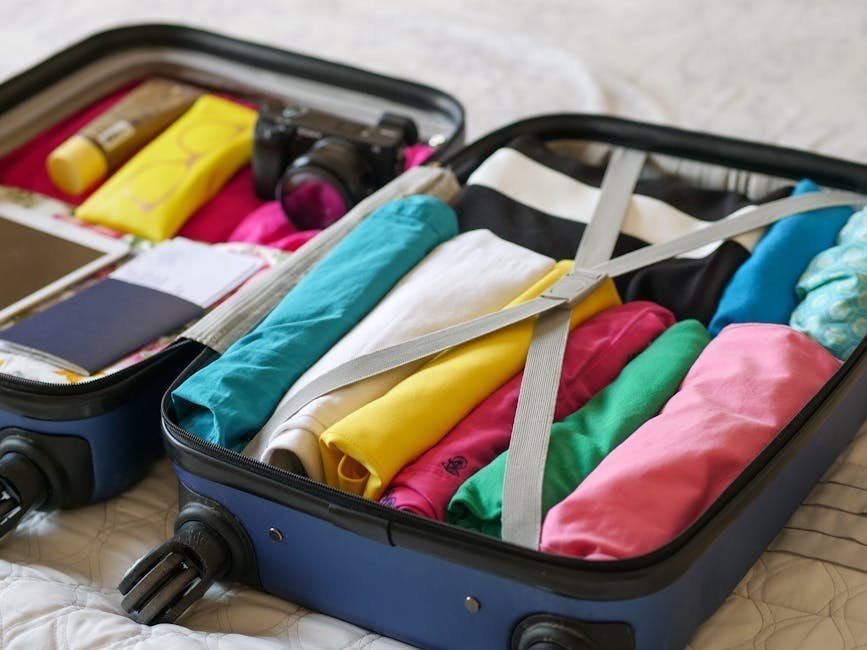
Alongside t-shirts, shorts and flip-flops, experienced travelers pack a raincoat and a fleece or warm jacket, waterproof hiking boots, closed-toe hiking sandals, a rash guard, and lightweight, quick-dry clothing. That’s a complete, functional wardrobe for two weeks that weighs a fraction of a single pair of jeans plus the matching “going out” top travelers squeeze in to justify them. Avoiding checked luggage if possible and sticking with a sturdy carry-on is advisable – pack only what is necessary, including light layers that are easy to wash and dry, and take advantage of hotel washrooms and laundromats along the journey. Smart packing means arriving with energy, not sore shoulders.
10. The Bottom Line on What Stays Home
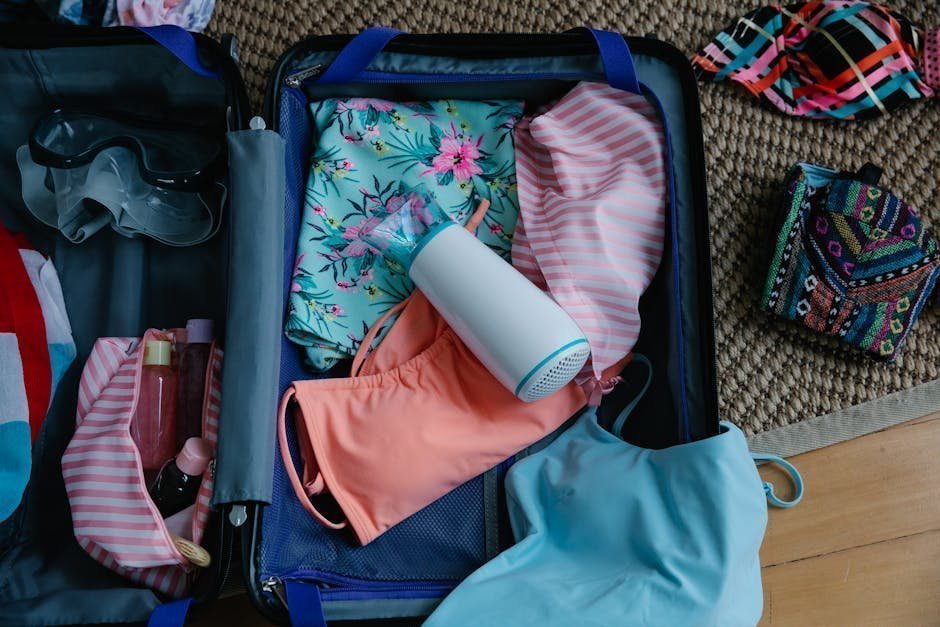
There is no need for a heavy coat or excessive layers – while it can cool down at night, a rain jacket should suffice to protect you from afternoon showers, and leaving other heavy layers at home will save weight and packing room. Jeans fall squarely into that category of items that feel essential at home and become obvious dead weight the moment you land. Overpacking is a common mistake that will weigh you down, slow you down, and leave you with way too much stuff to keep track of – it’s the tropics, and you could probably survive with a swimsuit, t-shirt, and flip-flops. Leave the denim at home and your back, your bag, and your trip will all be better for it.