
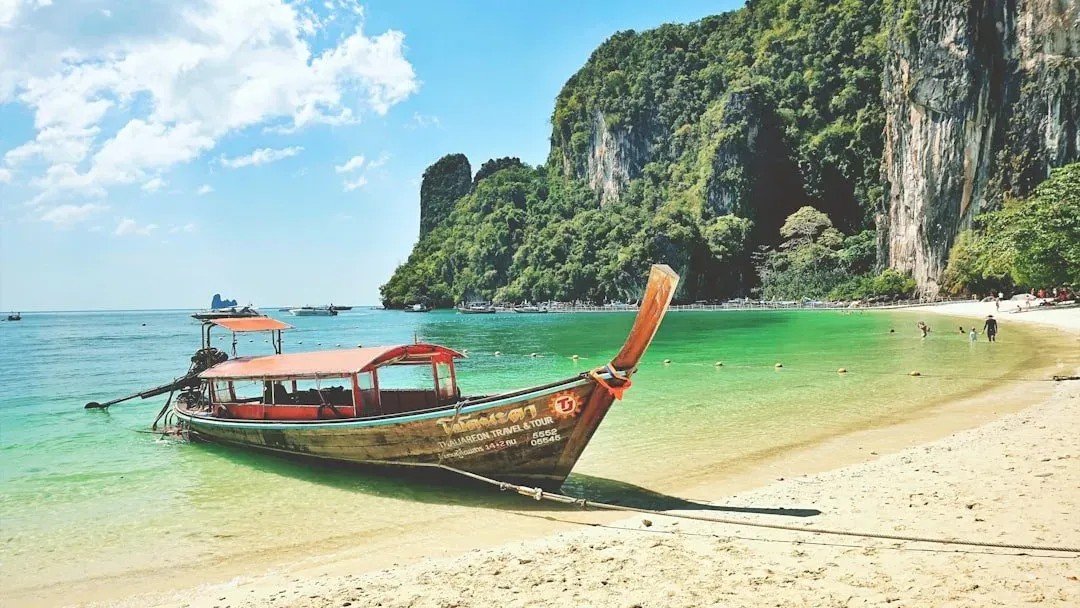
Thailand has well over a thousand islands. Most travelers never make it past the same five. And honestly, that’s fine for those five islands – they’re booming, building, and billing you accordingly. The real question is what you’re missing when you follow the tourist trail without question.
There’s a different Thailand out there. Quiet, unhurried, and astonishingly affordable. Plates of fresh seafood for less than two dollars. Bamboo bungalows where the only alarm clock is a rooster. Beaches where you can count the other tourists on one hand. Many of the cheapest islands in Thailand are smaller, less-developed gems, like Koh Phayam, Koh Mook, Koh Jum, and Koh Yao Noi, with daily visitor costs sitting between roughly twenty and twenty-five USD. That’s the sweet spot this article is hunting for. Let’s dive in.
1. Koh Phayam: No Cars, No Crowds, No Problem
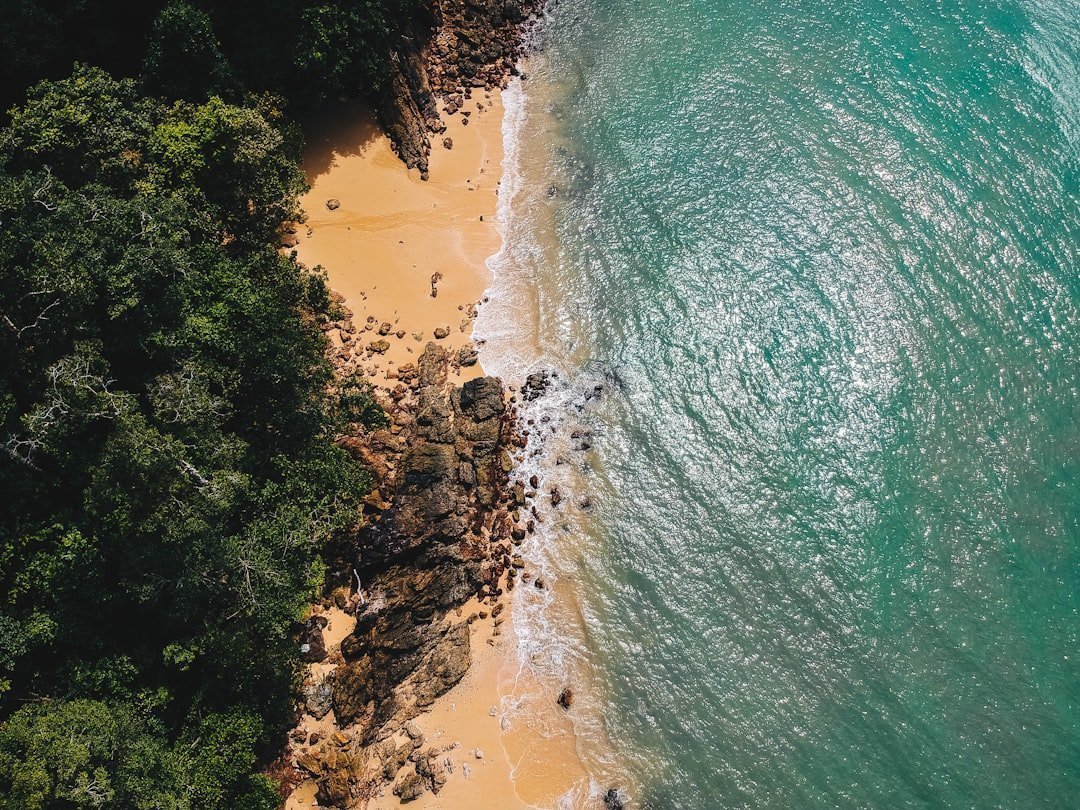
Koh Phayam is one of the last Thai islands where a full digital detox is still genuinely possible. There are no cars here, just motorbikes, bicycles, and sandy footpaths winding through jungle and cashew plantations. The pace is slow, the crowds are thin, and the sunsets over Aow Yai Beach are the kind you remember for years.
Guesthouses and bamboo bungalows start as low as 400 to 600 baht per night, and beachside cafés serve pad Thai for under 70 baht. It is not uncommon to eat fresh seafood right on the sand for less than the price of a cocktail in Phuket.
Located on the west coast of Thailand close to the Myanmar border, Koh Phayam is a nine-hour journey from Bangkok. Along the shoreline you’ll find affordable beach bars and restaurants, and since the island is relatively less traveled, it stays inexpensive and uncrowded. This is the place for people who want to hear themselves think.
2. Koh Jum: The Island That Forgot to Become Famous
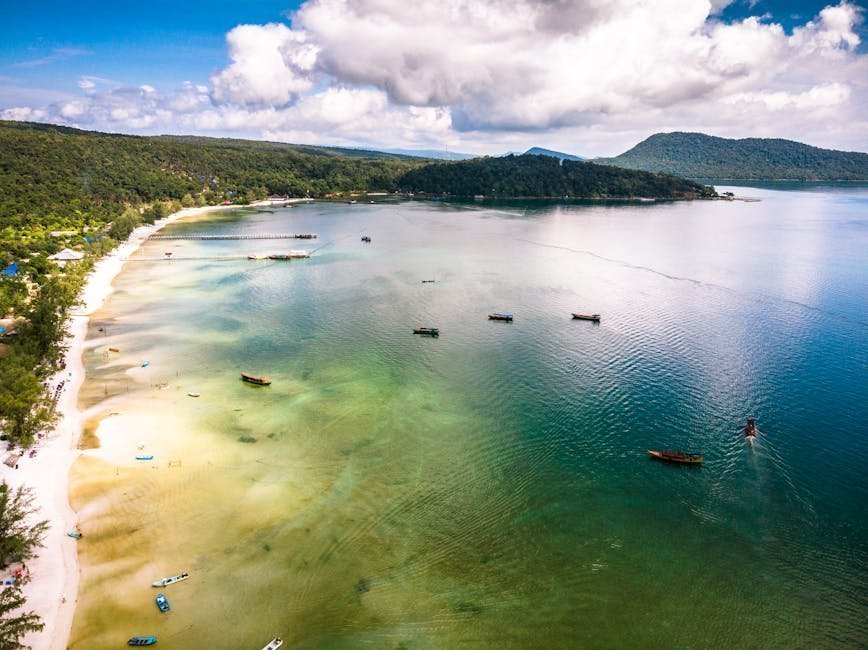
Tucked between Krabi and Koh Lanta, Koh Jum (also called Koh Pu) flies quietly under the radar, which is exactly why people love it. It has golden beaches, friendly locals, and prices that haven’t caught up with Thailand’s more famous islands. Budget bungalows run from 400 to 700 baht, and beachfront meals cost under 100 baht.
There is little in the way of organized tours or nightlife, which helps keep both costs and noise down. Koh Jum is perfect for couples, creatives, or anyone craving solitude and scenery without spending much. You won’t find a 7-Eleven, but you will find hammocks, fresh grilled fish, and a deep sense of calm.
I think there’s something refreshingly honest about an island that hasn’t tried to brand itself. Koh Jum hasn’t reinvented its charm for Instagram. It just exists, quietly and beautifully.
3. Koh Lanta: The All-Rounder That Earns Its Reputation
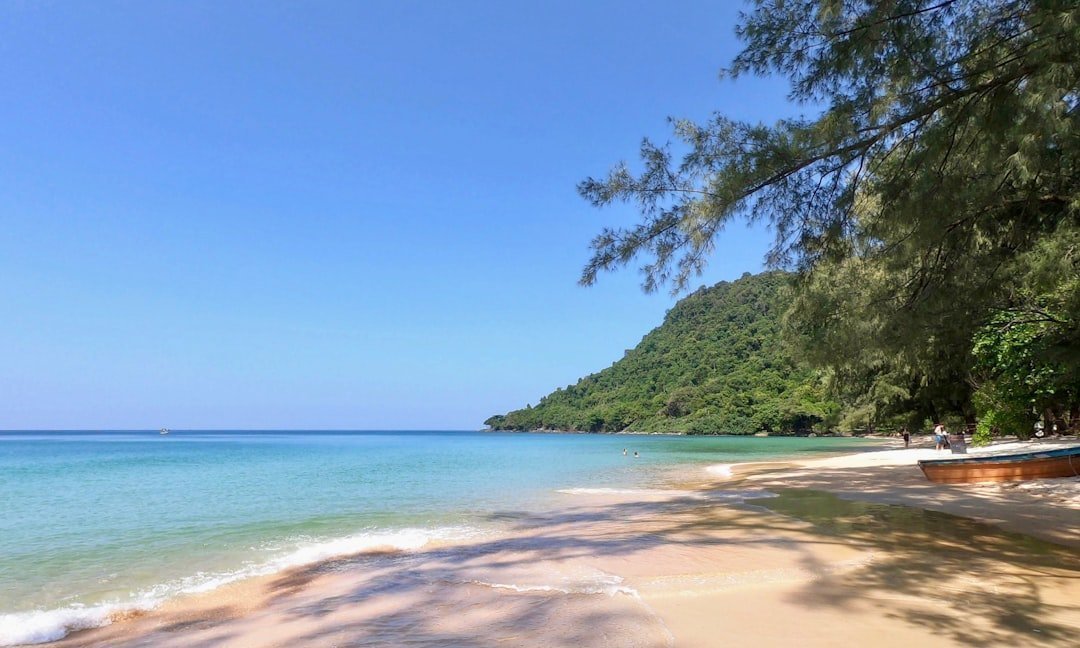
Koh Lanta is known for its long, sandy beaches, calm waters, and peaceful atmosphere, making it ideal for travelers seeking relaxation without excessive costs. A variety of accommodation options are available from around 500 baht per night.
A typical traveler spends roughly sixty-three USD per day on a trip to Koh Lanta, though budget travelers have managed to keep it to around twenty-five USD per day on average. For those who want peace and quiet without spending too much, Koh Lanta is close to perfect. It has long sandy beaches and calm waters, hostels and guesthouses are affordable, and renting a motorbike to explore the island costs very little. Many digital nomads also choose to stay here because of the friendly community.
In places like Koh Lanta, the beaches are wide open and uncrowded. You can bring your own towel, grab a coconut for 30 baht, and enjoy the same view that resort guests pay hundreds for. That’s the kind of value you actually remember.
4. Koh Yao Noi: Limestone Views Without the Luxury Price Tag
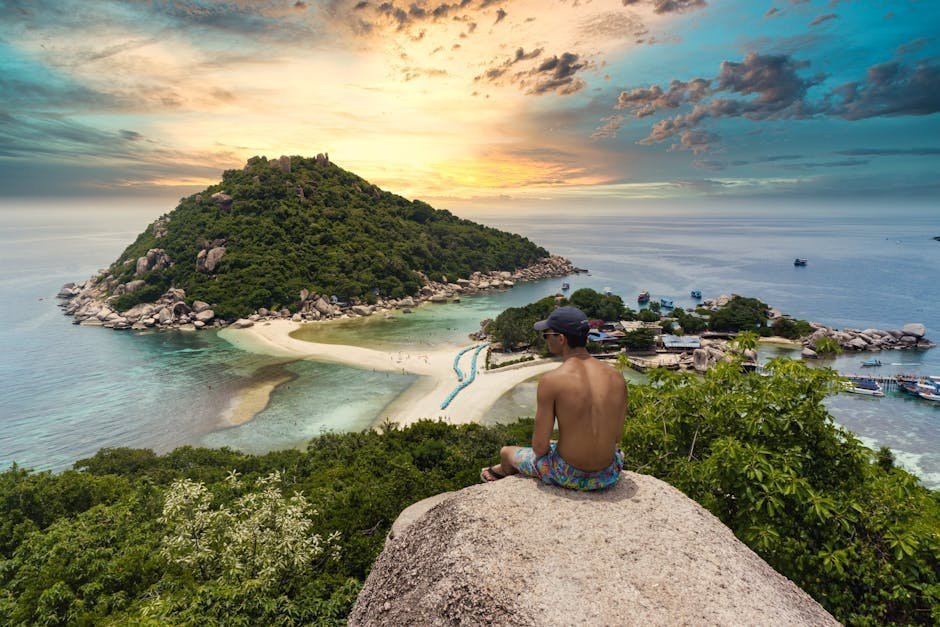
Located in Phang Nga Bay between Phuket and Krabi, Koh Yao Noi offers a rare balance: easy to reach but still blissfully undeveloped. It’s more refined than some others on budget lists, but the prices haven’t followed suit just yet. Homestays and low-key resorts start around 600 to 800 baht, and meals at small noodle shops or night markets rarely top 100 baht.
Often overshadowed by Phuket, Koh Yao Noi is where you get the same views of dramatic limestone cliffs at a fraction of the cost. Many mid-range resorts here feel like boutique luxury spots, offering villas with private plunge pools starting from around 2,500 baht.
Koh Yao Noi offers similar dramatic limestone scenery to the famous karsts of Phang Nga Bay, but without the tourist numbers. The quiet island provides a more authentic glimpse of local life among the bay’s stunning rock formations. Honestly, it’s one of the most underrated spots in all of Thailand.
5. Koh Mook: The Emerald Cave Secret
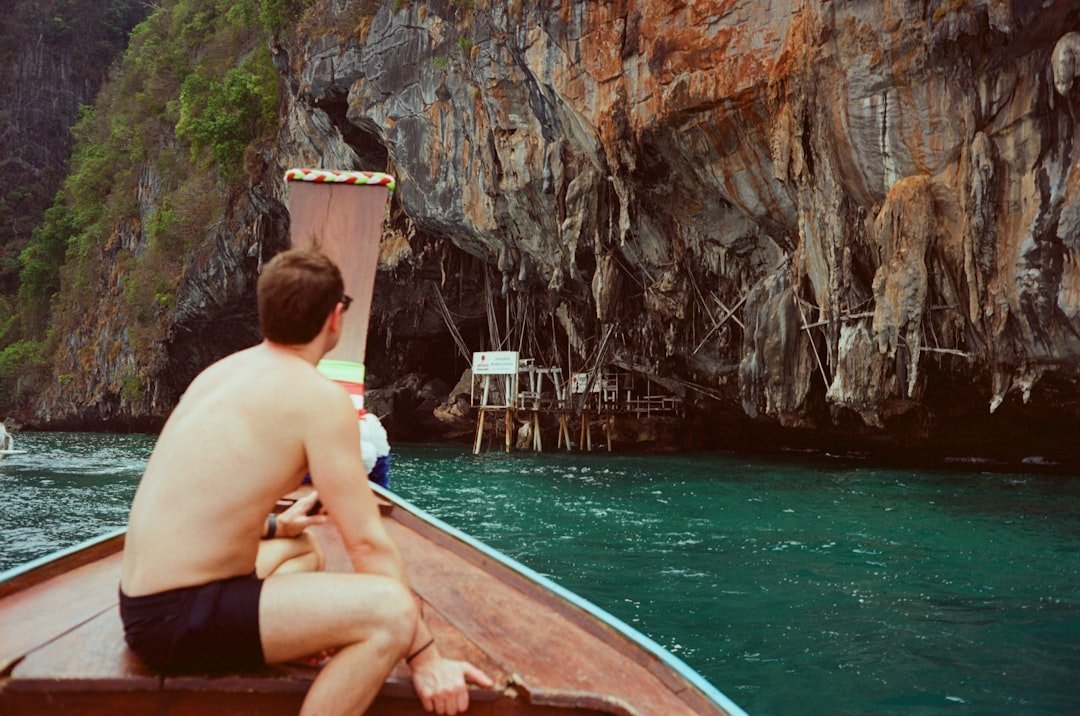
Tucked off the Trang coast, Koh Mook is best known for the stunning Emerald Cave, a hidden lagoon you swim into through a pitch-black sea tunnel. It sounds like something out of a fantasy novel, and remarkably, it still feels that way in person.
Smart travelers head to the Trang Islands instead of the Phi Phi crowd, where limestone cliffs meet crystal waters without the chaos. The laid-back atmosphere of Koh Mook or nearby Koh Kradan offers the same postcard-perfect scenes with a fraction of the visitors.
There are no party strips here. No neon signs. Accommodation is simple and genuinely affordable, and the island’s sleepy charm is the main attraction. Koh Mook gives you access to the Emerald Cave, and Koh Yao Noi offers limestone views you’d typically find on pricier islands, all without the inflated prices or large crowds.
6. Koh Chang: Big Island, Small Budget
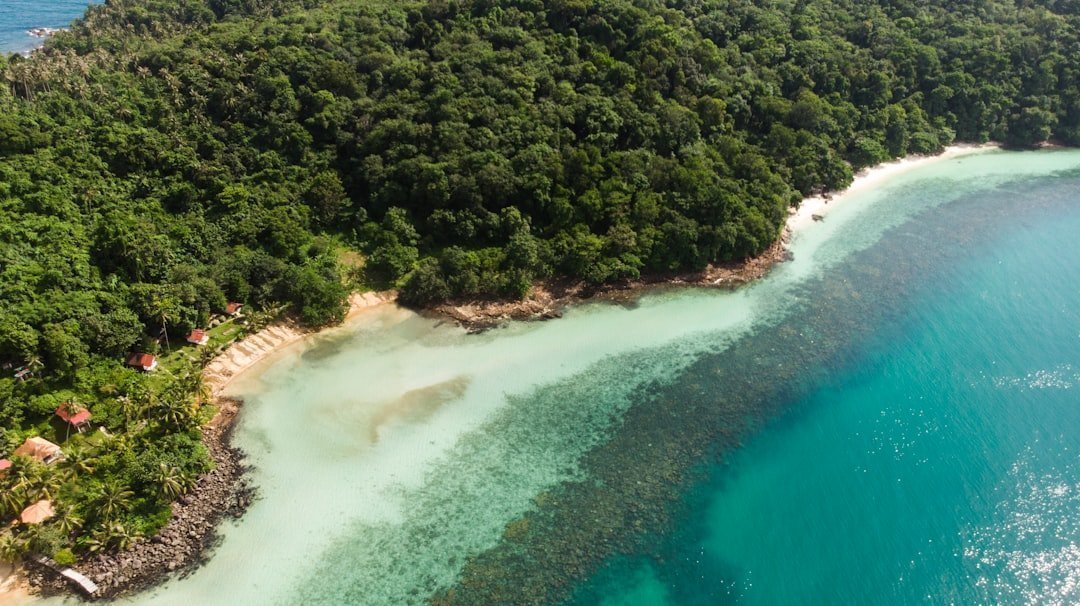
Located near the Cambodian border, Koh Chang is Thailand’s second-largest island, yet it avoids the chaotic crowds of Phuket. It’s a favorite for long-staying Europeans thanks to affordable resorts around 900 to 1,200 baht per night. Hired scooters allow you to explore hidden waterfalls and white sandy beaches at your own pace.
Koh Chang is one of Thailand’s largest islands, but it remains genuinely budget-friendly. Here you can find jungle trekking, waterfalls, and traditional fishing villages. Accommodation is cheaper than on Phuket or Koh Samui, and local markets keep food expenses impressively low.
Food and lodging are both reasonably inexpensive on Koh Chang, with most dishes costing between 30 and 50 baht at basic local restaurants. Ko Chang contains dense, steep jungle, and Mu Ko Chang National Park covers the interior with hiking trails and waterfalls like the tiered Klong Plu. The coast is dotted with beaches and villages including Bang Bao, built on piers.
7. Koh Samet: Bangkok’s Closest Escape
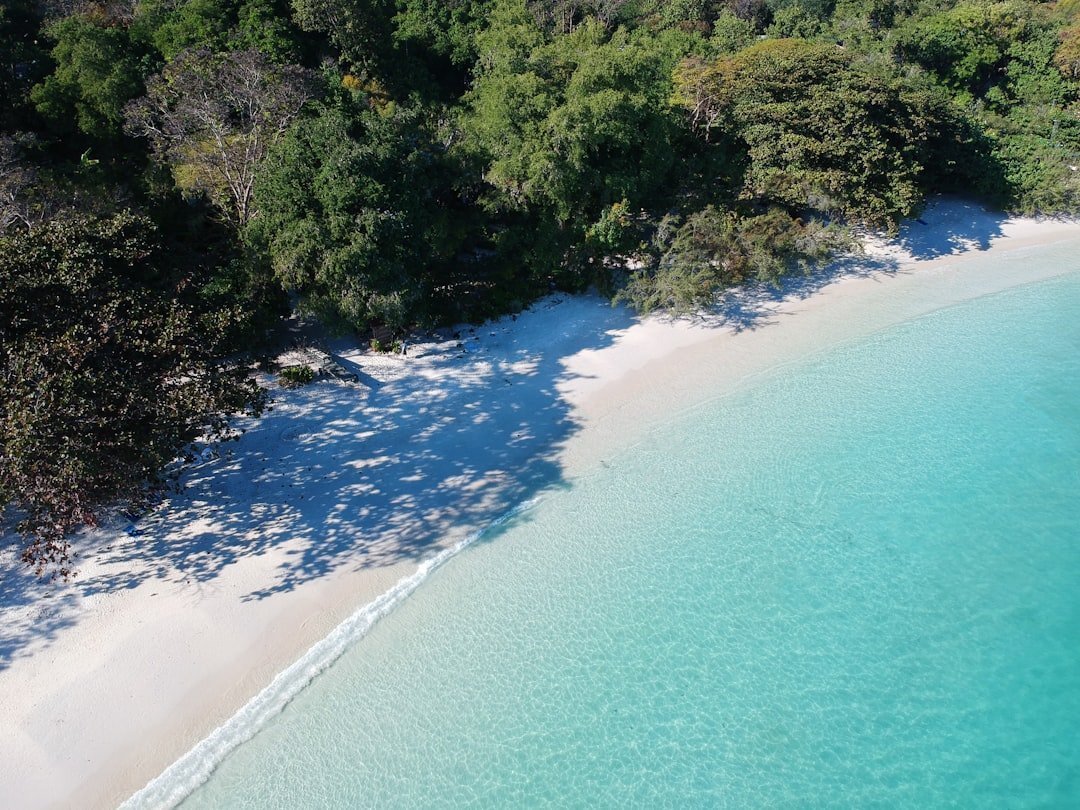
If you’re landing in Bangkok, Koh Samet is just a three-hour journey away, making it perfect for a quick break. Despite being so close to the capital, it offers small affordable resorts starting around 1,000 baht per night where golden sands meet laid-back island life.
The blue pristine water is genuinely tempting and makes you want to immediately take a dip. In a clear night sky, the waves traveling to the shore make the powdery white sand shine bright. The island is easily accessible from Chonburi and accommodation is available at very affordable rates.
Let’s be real: proximity matters enormously when you’re working with a limited vacation window. Koh Samet delivers tropical beauty without requiring a full travel day to reach it, which is something that gets underestimated until you’re actually staring at that turquoise water within three hours of leaving your Bangkok hotel.
8. Koh Tao: Still Cheap If You Skip the Dive Courses
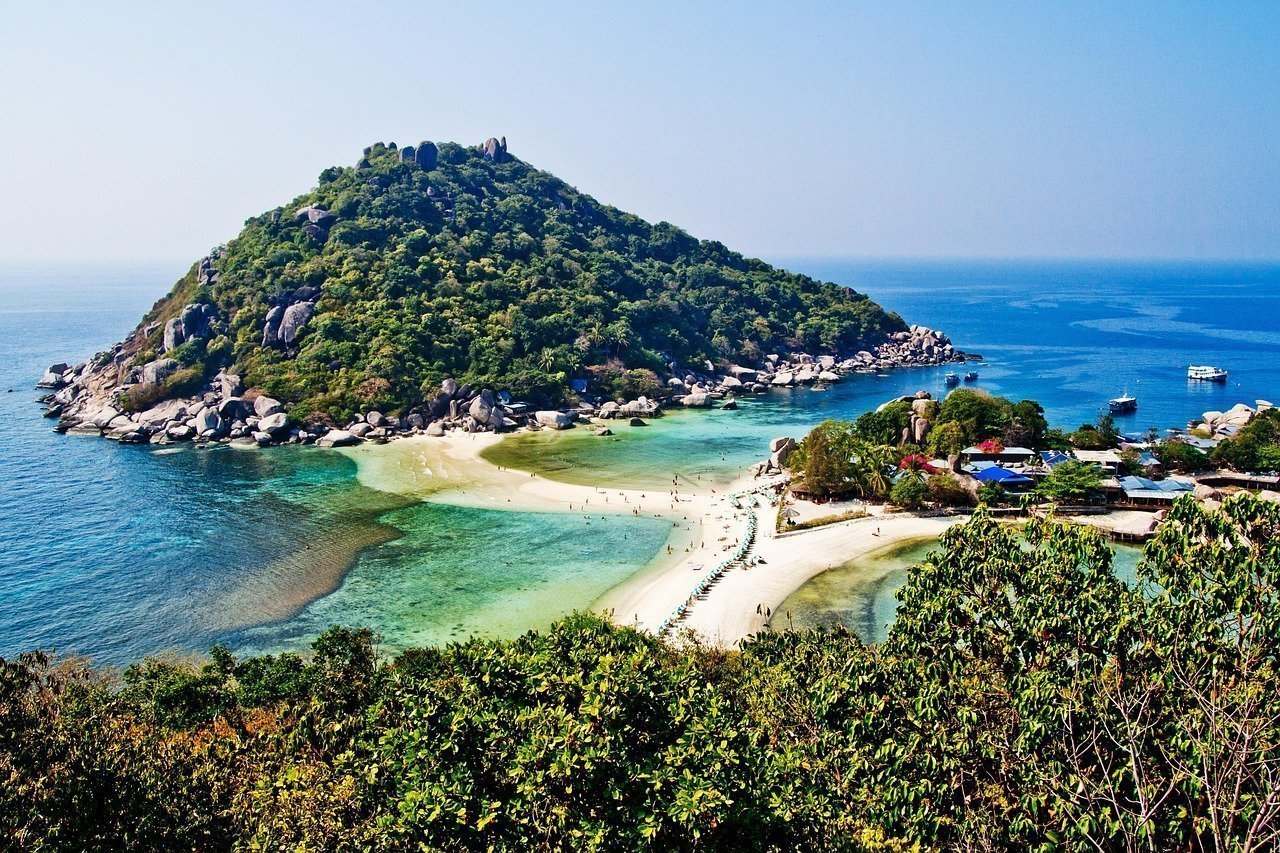
Koh Tao is a small island popular with backpackers and renowned as one of the cheapest places in the world to learn scuba diving. Budget hostels provide affordable lodging, and street stalls and local restaurants offer inexpensive meals.
Known globally as one of the cheapest places to get PADI certified, Koh Tao is a magnet for dive lovers on a budget. You can learn to scuba dive, snorkel with turtles, hike to island viewpoints, or simply relax on Sairee Beach. The estimated daily budget runs to about thirty to fifty USD, significantly less if you skip the diving.
The island has a laid-back vibe and is famous for its beautiful beaches, rocky coves, and scenic viewpoints. Some of the most popular beaches include Sairee Beach, Chumphon Beach, and Shark Bay. The island is relatively small and you can explore most of its attractions on foot, bike, or scooter. Beyond diving and snorkeling, Koh Tao also offers hiking, rock climbing, and kayaking.
Tourist Trap #1: Phuket – The World’s Most Overcrowded Island
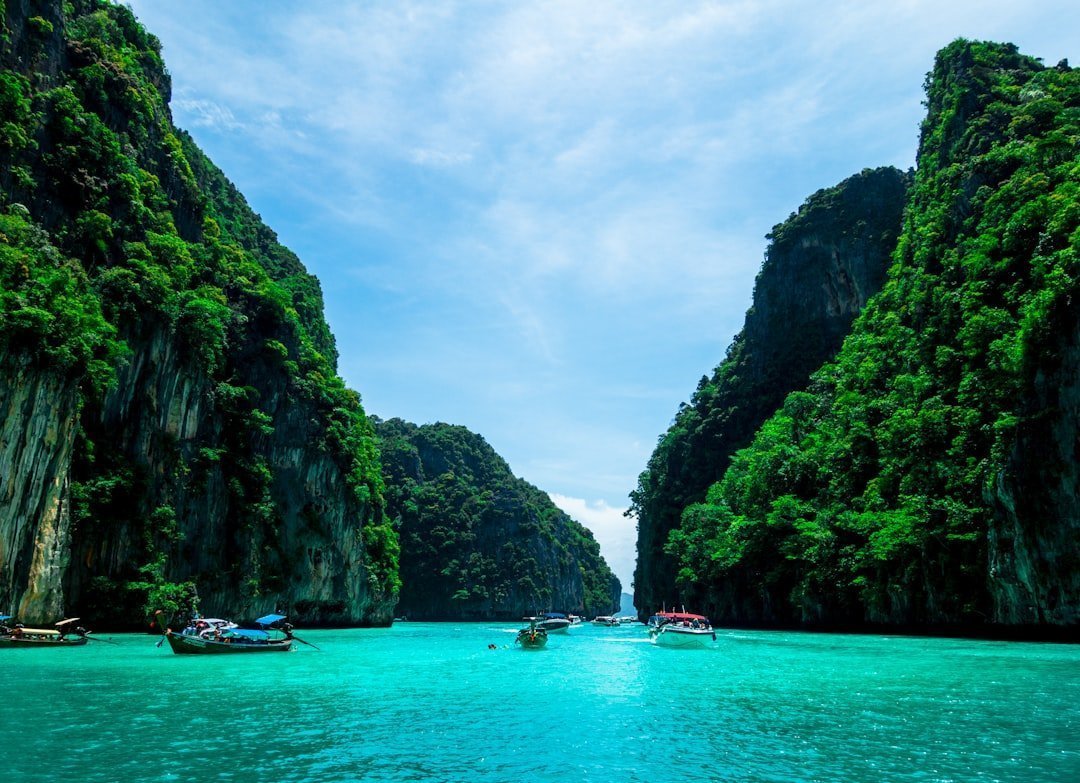
Here’s a number that should give anyone pause. A study by MoneyTransfers.com highlights Phuket as the world’s most overcrowded tourist hotspot. This stunning Southeast Asian island now has an astounding 118 tourists for every local resident, and the overwhelming number of visitors is starting to take a serious toll on the island’s natural beauty.
The sheer volume of visitors, particularly in high-traffic areas like Patong Beach, has resulted in overcrowding and diminished the once-tranquil experience for holidaymakers. While the tourism boom has undoubtedly revitalized businesses, the adverse effects on local infrastructure are undeniable. The island’s roads, water supply, and waste management systems are struggling to keep up with demand.
Known as the Pearl of the Andaman, Phuket holds the crown for both Thailand’s largest island and its most popular. It’s also one of the most accessible with many direct long-haul flights. Sadly, the Pearl has become a perfect example of a tourist trap with overdevelopment, inflated prices, and over-commercialisation.
Tourist Trap #2: Koh Samui – White Lotus Made It Worse
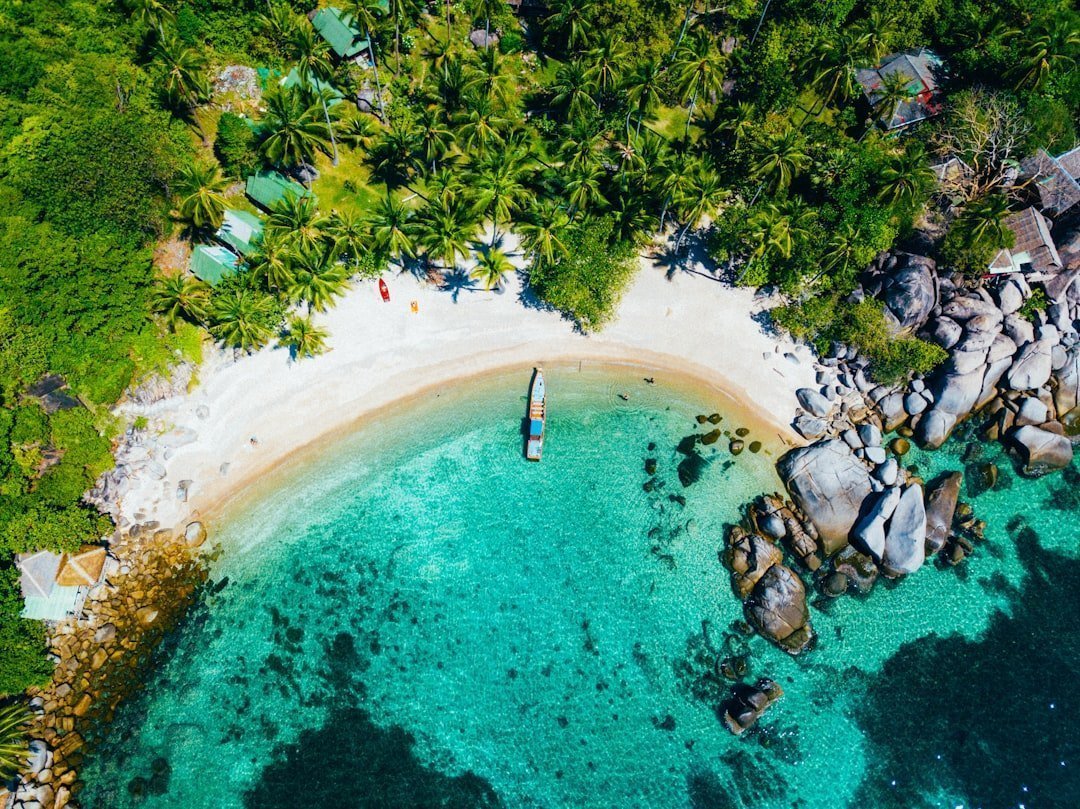
HBO’s White Lotus cast Thai global sensation Lisa and shot in Thailand, inciting a tourism frenzy at the already-inundated islands of Phuket and Koh Samui. Local communities now struggle with soaring rents, water shortages, and waste buildup from overtourism.
Koh Samui faces serious challenges from overtourism. The island earned the dubious distinction of appearing back-to-back on Fodor’s “No List,” which highlights places where tourism is placing unsustainable pressures on the land and local communities. Longtime residents have been displaced inland as property prices along the beaches have soared and been converted into hotels and Airbnbs.
Rapid development has caused environmental concerns, and the island has seen more than its fair share of problems, including overcrowded beaches, plastic pollution, and water shortages. The popularity of White Lotus has exacerbated the problem, creating an even bigger uptick in visitors and putting further pressure on the island’s resources and infrastructure.
Tourist Trap #3: Koh Phi Phi – Beautiful, Overcrowded, and Overpriced
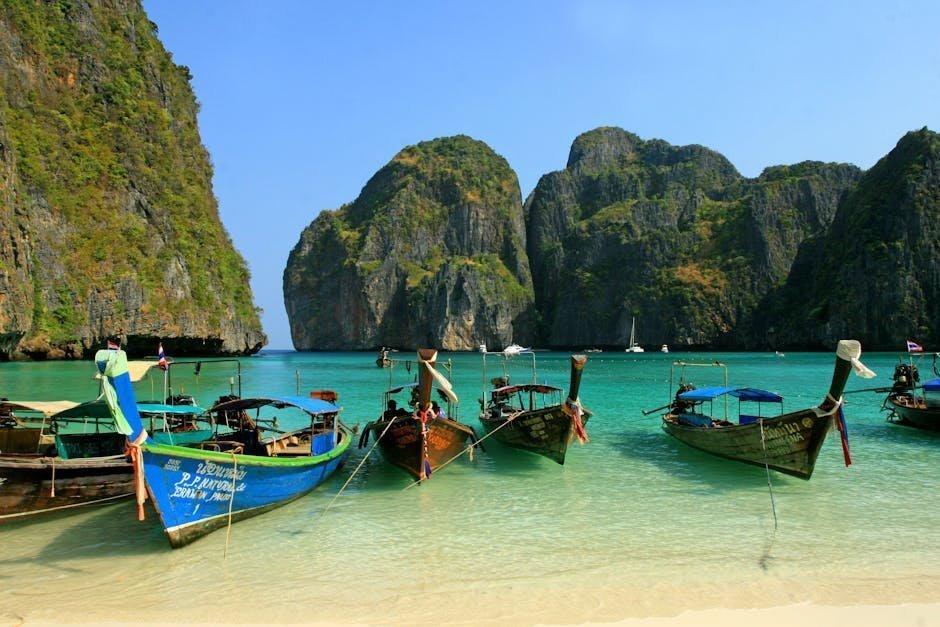
Koh Phi Phi is a small tropical island and one of Thailand’s most famous. After the movie “The Beach” was filmed here in 2000, the popularity of Koh Phi Phi surged dramatically. As a result, the common consensus is that visiting the island for a vacation can be quite costly.
Maya Bay on Koh Phi Phi Lee shot to fame as the filming location of The Beach. Overtourism devastated the small island, and Thai authorities took action. In 2018, Maya Bay was closed to tourists to allow the island a chance to recover from the environmental damage caused by mass tourism. It later reopened under strict new rules to protect the environment.
On Koh Phi Phi, a typical backpacker budget can set you back forty to fifty dollars a day – that’s double what you’d spend on some of the gems listed above. Phi Phi Don is very over-developed and has become a party hotspot, making the Phi Phi Islands particularly popular with a certain type of backpacker crowd. If noise, cocktail buckets, and shoulder-to-shoulder beaches are your thing, it delivers. If they’re not, there are eleven better options in this very article.
The Bigger Picture: Overtourism Is Changing Everything
The good news is that the costs involved in visiting Thailand in 2025 are still relatively low. This remains one of the cheaper destinations in the world, even post-pandemic. Backpackers can experience the joys of Thailand for as little as thirty dollars a day, while luxury can be scored for just one hundred dollars a day.
To save money and avoid crowds, travel during the shoulder seasons of April to June or September to October. Weather can be less predictable, but accommodation and ferry prices drop significantly. This is a genuinely underused strategy that can transform your entire budget and experience.
Thailand still rewards the curious traveler. The ones willing to take a slower ferry to a lesser-known island, to eat where the locals eat, to resist the Instagram hotspot in favor of the bamboo bungalow three islands over. Opting for a cheaper island doesn’t mean compromising on beauty or experience. These islands often offer a more authentic glimpse into Thai culture, less crowded beaches, and a tranquil atmosphere that’s perfect for relaxation and rejuvenation. The question worth asking yourself before booking is a simple one: are you traveling to see Thailand, or to photograph it for someone else? What would you choose if no one was watching?