
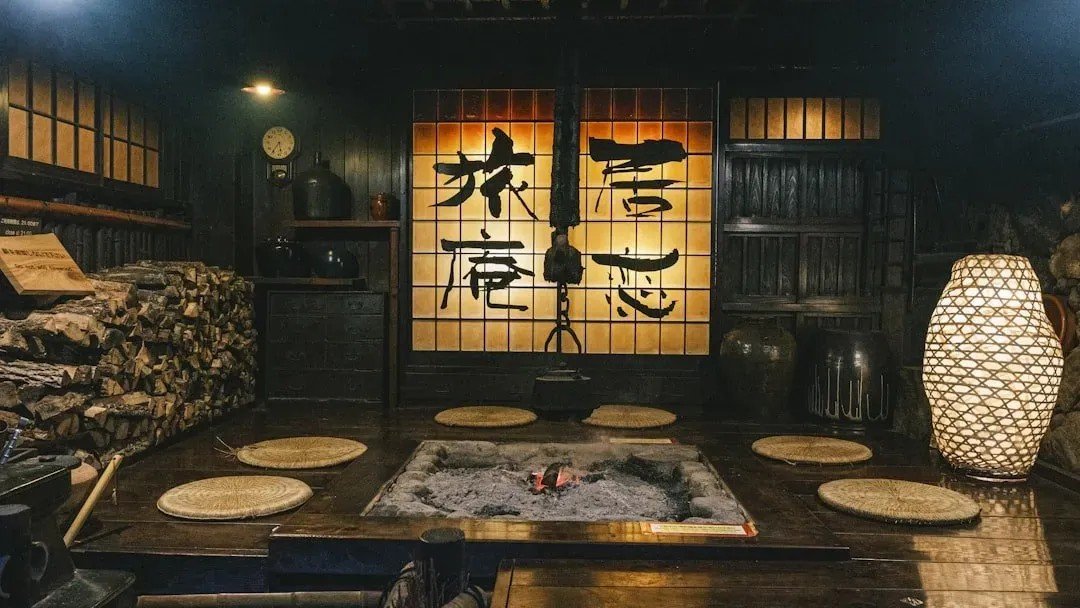
Japan is one of the world’s great bathing cultures, and the onsen is its crown jewel. There are nearly 3,000 onsen towns and well over 27,000 hot spring locations spread across the country. Japan received a record 36.87 million tourist arrivals in 2024, an increase of over 47% from the year prior, and a huge number of those visitors make a point of visiting an onsen. That also means more chances than ever for cultural missteps that get you quietly, firmly, and sometimes embarrassingly escorted out.
The rules of the onsen are not arbitrary. They are centuries old, deeply connected to Japanese ideas of cleanliness, community respect, and shared space. Before you can immerse yourself in this ritual, it is essential to learn onsen etiquette. Onsens are steeped in tradition, and observing rules shows respect for this practice. It also makes the experience enjoyable for everyone sharing the bath. So if you’re planning your first soak, pay close attention. What follows might just save you from a very awkward moment.
1. Skipping the Pre-Bath Shower
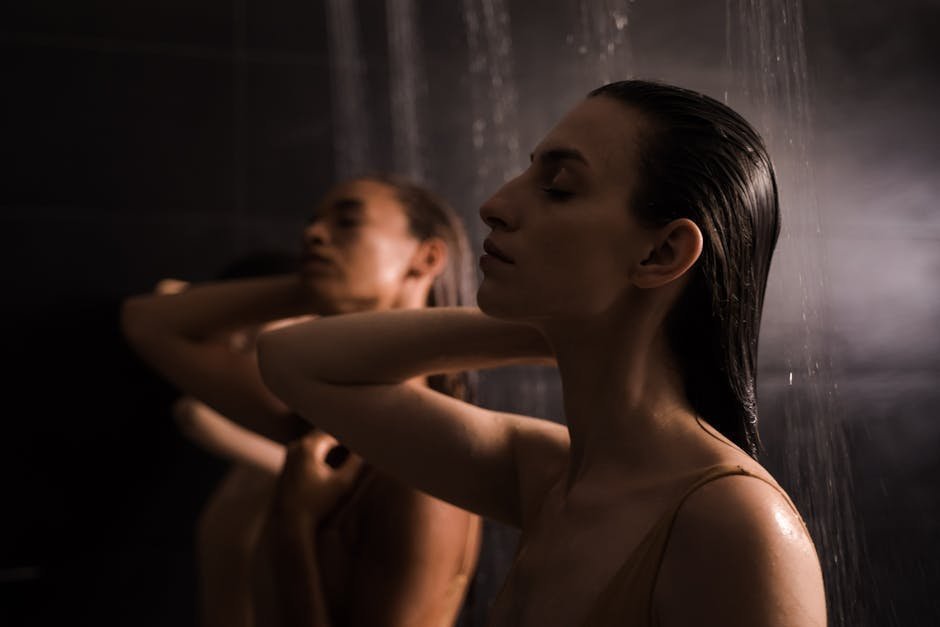
Here’s the thing – the single fastest way to get called out at an onsen is walking past the washing stations and heading straight for the tub. It is simply not done. Entering an onsen with soap, dirt, or sweat on your body is unacceptable and grounds for dismissal from the spring.
Onsen are not for bathing, but rather for soaking, meditating, and relaxing. This is why most are equipped with banquettes of mirrored sit-down showers where you will start the onsen experience by first scrubbing yourself down. In the showers, wash yourself and your hair very thoroughly with the soaps and shampoos provided.
Because some foreigners disregard this rule, it’s not uncommon in onsen changing rooms for members of older generations to watch gaijin (foreigners) closely. A quick rinse might elicit glares from old-timers who won’t hesitate to ask you to re-shower. Think of the pre-bath ritual like boarding a plane – you follow the process before takeoff, no exceptions.
2. Showing Up With Visible Tattoos
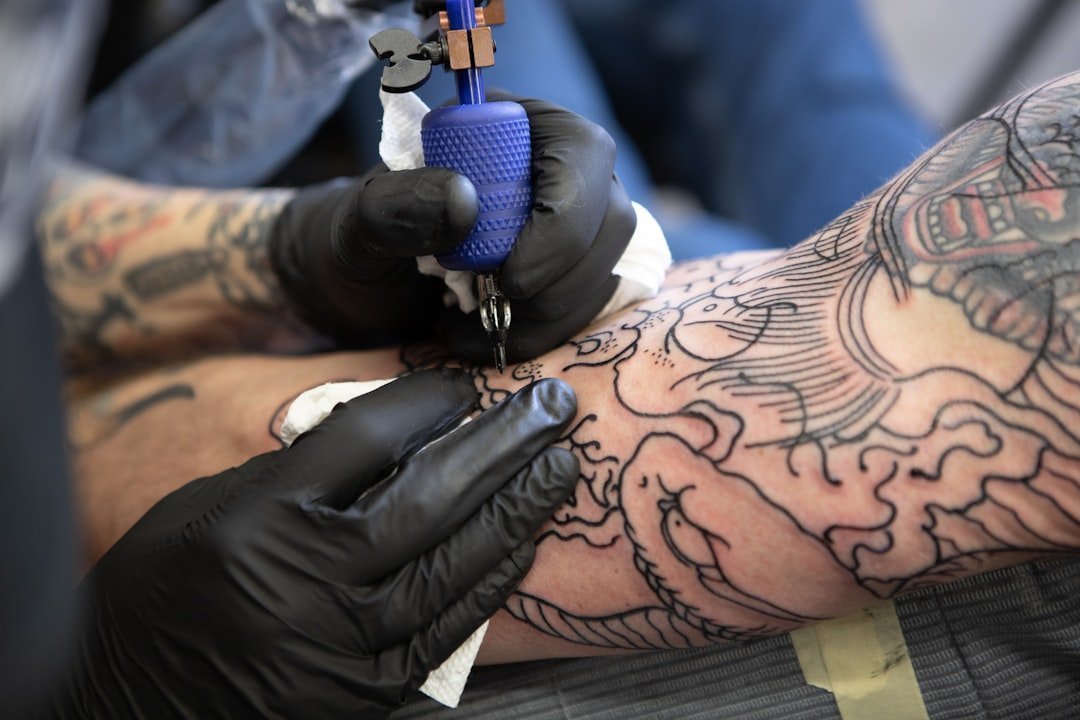
This is probably the most talked-about onsen rule in the world, and for good reason. Tattoos have long carried a stigma in Japan because of their association with the yakuza, the country’s organised crime groups. For this reason, many traditional onsens historically banned anyone with visible ink. The rule wasn’t about art or self-expression, but about keeping the baths as neutral, safe spaces for all guests.
According to a 2023 survey by BIGLOBE Onsen, one of Japan’s leading hot spring portal sites, 44% of respondents said that tattoos should be strictly prohibited in public baths. That’s nearly half of surveyed Japanese people still holding firm on this. Although attitudes are changing in some areas, tattoos are strictly forbidden at most onsen. If a staffer sees your tattoo, you will likely be asked to leave.
Before entering an onsen, cover up any small tattoos with a bandage or waterproof “tattoo sticker.” Travelers with larger tattoos or full sleeves can soak in kashikiri-buro (private baths) or visit a tattoo-friendly onsen. The good news? The Japan Tourism Agency has even published guidelines encouraging onsen to reconsider blanket tattoo bans, and tattoo-friendly onsen towns like Kinosaki Onsen are paving the way to welcome international tourists with ink.
3. Wearing a Bathing Suit or Underwear in the Bath

It sounds obvious once you know, but countless first-timers have walked nervously into an onsen wearing swimwear – and been turned around. Opting to visit a traditional Japanese onsen means understanding that wearing a bathing suit or underwear in the baths is strictly prohibited.
Clothes and bathing suits can bring dirt and soap into the hot spring waters from outside and are therefore considered unhygienic. Instead of bathing suits, people use small towels to hide their private parts whilst manoeuvring the hot spring baths. The nudity can feel shocking at first. Honestly, it does. But the local attitude is matter-of-fact, not voyeuristic.
Bathing nude in an onsen is a deeply rooted part of Japanese culture, and it can actually be a liberating and memorable experience. You’ll quickly realize that no one is paying attention to your body. Everyone is focused on relaxing, and it’s all very matter-of-fact. If full nudity feels like too much, seek out a private kashikiri bath instead of skipping the experience entirely.
4. Dipping Your Towel Into the Water
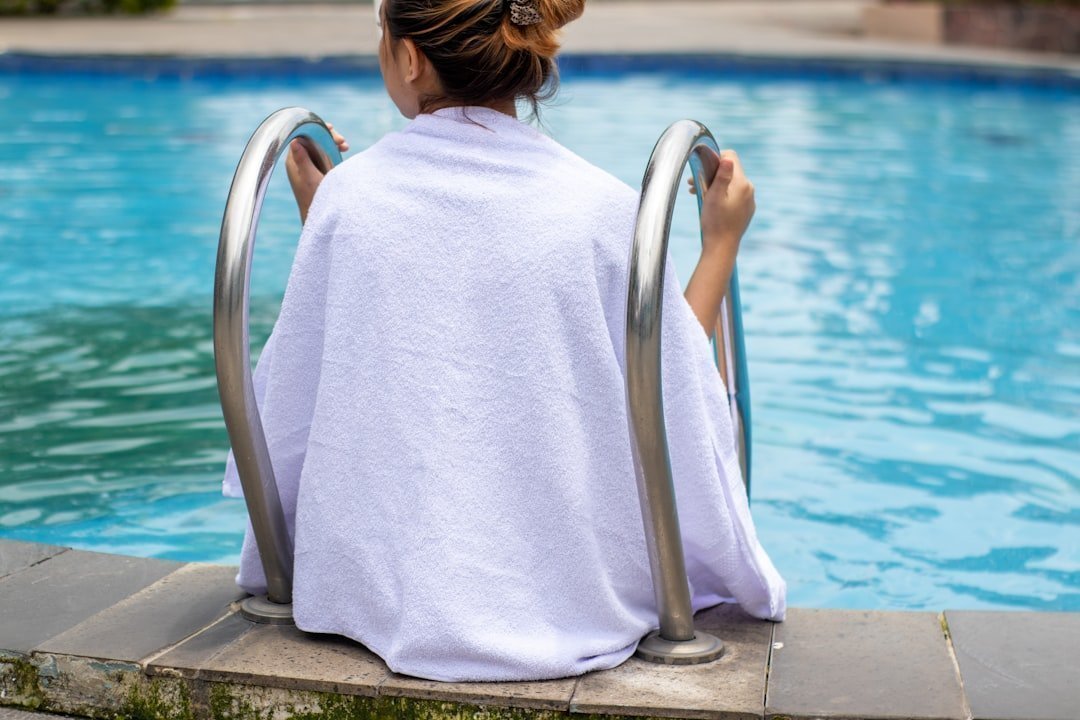
Every onsen visitor gets a small hand towel. It’s handy, it’s modest, and it can be folded neatly on your head while you soak. What it absolutely cannot do is touch the bath water. You will have a large towel for drying, which you leave in the changing room, and a small towel. The small towel can be used for washing and modesty while moving around, but it must never go into the bath water. Instead, you can place it on the side of the bath or on your head, Japanese-style.
The large bath towel is not a “wrappage” for hiding your body, so don’t bring it into the public bath zone. It is for drying your body after your bath. It might seem like a small thing, but other bathers notice. The water is shared, and keeping it clean is treated as a collective responsibility, not a personal preference.
5. Taking Photos or Using Your Phone
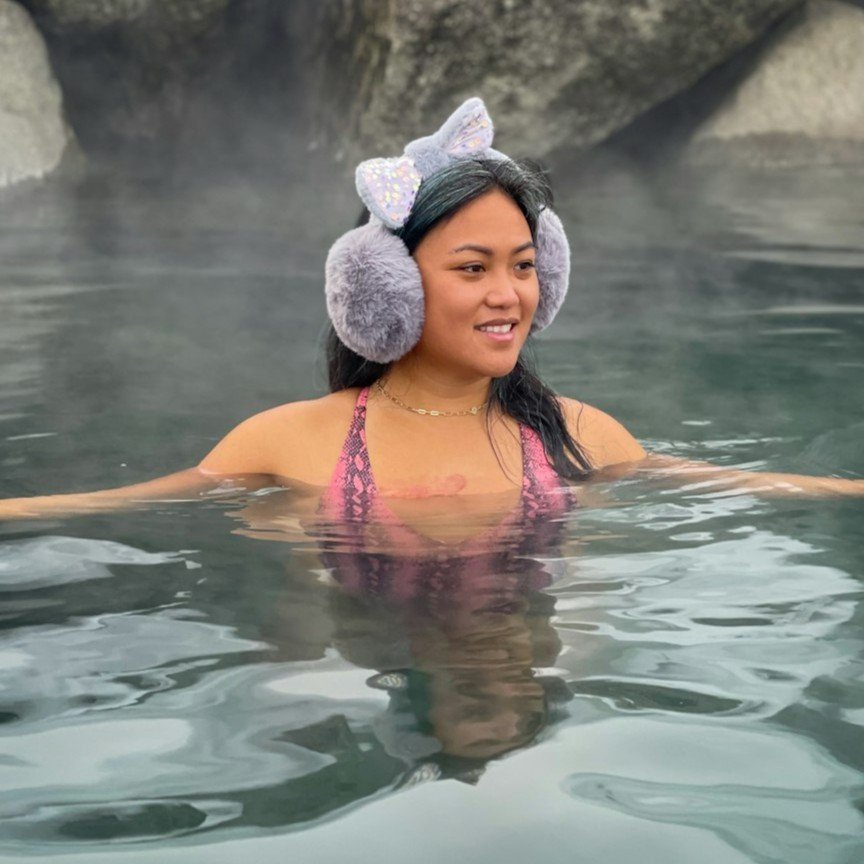
Let’s be real – some onsen settings are absolutely breathtaking. Steam rising over mossy rocks, mountain views, silence. The urge to reach for your phone is understandable. You cannot use phones in the onsens – this is strictly enforced. Phones, cameras, and any filming equipment are banned in most onsens. This is to protect guests’ privacy and to preserve the peaceful atmosphere. Even if the scenery is Instagram-worthy, snapping a photo could make others deeply uncomfortable.
Don’t take photos or shoot videos either in the onsen zone or the dressing room. Even selfies may photograph other people. Remember, everyone in the room is naked. Privacy is not just a preference here – it is a fundamental expectation, and violating it is one of the most serious breaches of onsen etiquette you can commit.
6. Entering the Bath Drunk
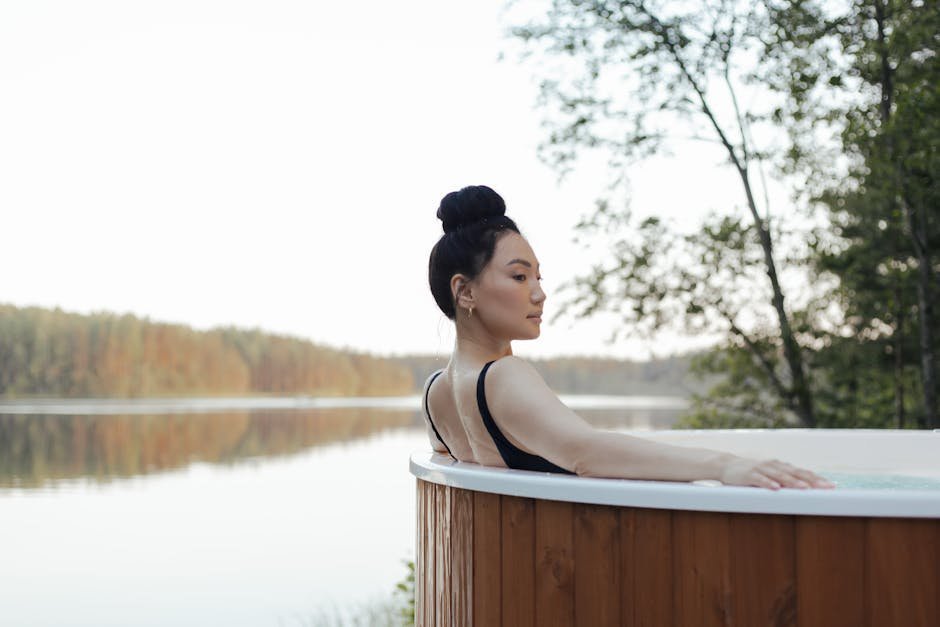
A sake buzz and a steaming hot bath sounds like the dream combination, I know. But in practice, it is genuinely dangerous – and strictly frowned upon. Drinking alcoholic beverages while taking a hot bath can lead to dehydration, impaired judgment, increased heart strain, and heat stroke.
Please don’t go in the hot spring immediately after drinking alcoholic beverages. Blood circulation may become overly effective and overload your heart. This also increases the risk of getting drunk and suffering from cerebral anemia when you leave the water. A hammered person may also cause nuisance to others.
The water in onsens can range from comfortably warm to almost hot, usually between 38°C and 42°C. That’s hot enough to cause real trouble for someone whose judgment is already impaired. Staff at well-run facilities will ask visibly drunk guests to leave, and they will not be apologetic about it.
7. Using Soap or Shampoo in the Main Bath
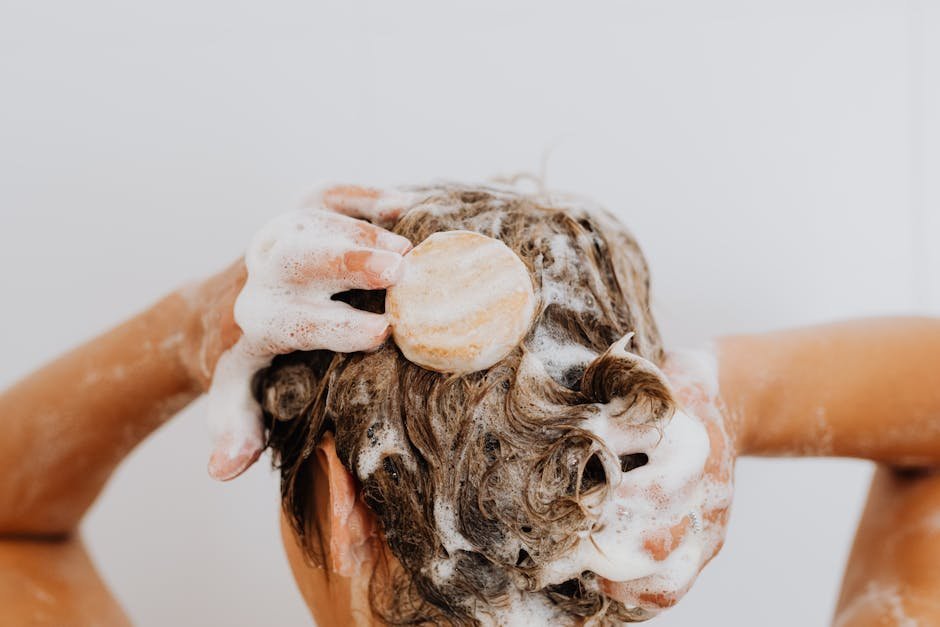
This one surprises a lot of visitors who assume an onsen is just a very large bathtub. It is not. Never use soap, shampoo, or bath products in the main pool. Washing is done before entering, and the onsen water should stay pure.
Before entering the bath, sit on a stool at the washing stations and thoroughly wash and rinse your body. The onsen is meant for soaking and relaxing, not for cleaning. Think of it this way: the mineral-rich spring water is the point. Adding soap is like pouring lemonade into a fine wine glass. It defeats the whole purpose and contaminates a shared resource.
You should not put your towel or any soap into the bathtub. This applies to all personal care products. Even rinsing your hair in the main bath is a violation. The onsen water is not your private shower, and the other guests know the difference immediately.
8. Entering the Wrong Gender Section
This one sounds like it should be easy to avoid, but in the rush and confusion of an unfamiliar environment, it happens more than people admit. While some onsen include places where men and women can rest together while robed, keep in mind that modern Japanese baths are completely gender segregated. If you aren’t guided to a gender-specific one first, please double-check where you’re intended to go before entering to avoid undue humiliation for yourself and others.
Women’s changing rooms are usually marked with a red curtain or sign, while men’s are blue. Blue curtains marked with otoko (男) are for men, and red curtains marked with onna (女) are assigned for women. If the signage is only in Japanese, take a moment. Ask a staff member. Don’t guess. Walking into the wrong section causes genuine distress to other guests and will get you removed, and possibly banned.
9. Being Loud or Disruptive
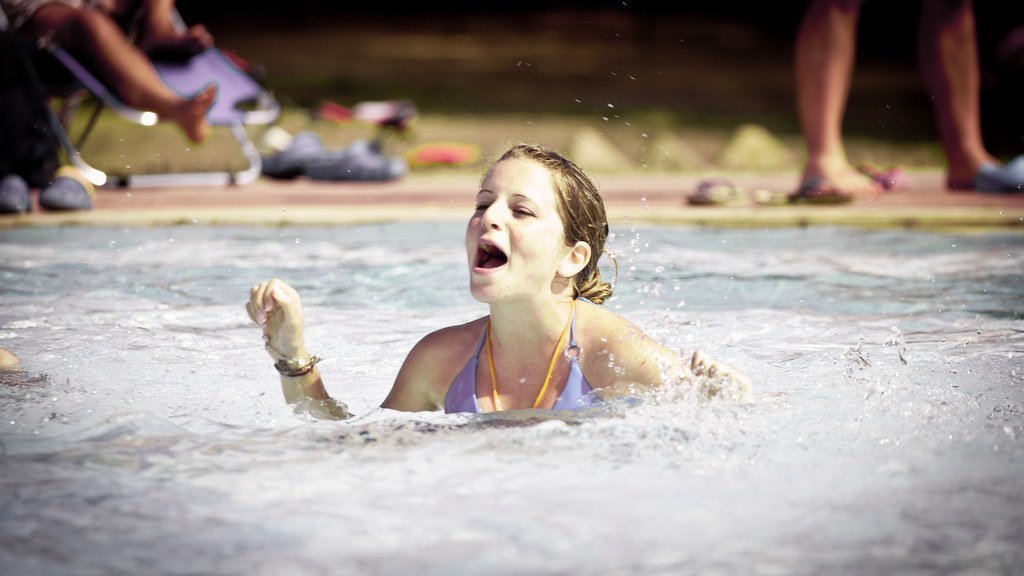
The atmosphere of a Japanese onsen is closer to a library or a temple than a resort pool. Noise is one of the fastest ways to mark yourself as someone who does not belong there. You should not talk loudly in the public bath zone, dressing room or washing space. Please think with others’ minds, let everybody feel comfortable, and spend a graceful time.
Onsens are places of relaxation. Keep conversations low and avoid disruptive behavior to maintain a peaceful environment for all bathers. That means no shouting across the pool, no splashing competitions, no group laughter that echoes off the walls. Even vigorous movement is unwelcome. Enter the bath gently. Sudden movements disturb the still water and can disrupt other bathers who are trying to relax.
Running is also explicitly forbidden. Don’t run in any area. It’s dangerous to other people as well as yourself. The floors are slippery, the space is shared, and the whole point of being there is stillness. Treat it like a moving meditation, not a swim meet.
10. Sitting Near the Water Inlet Gate
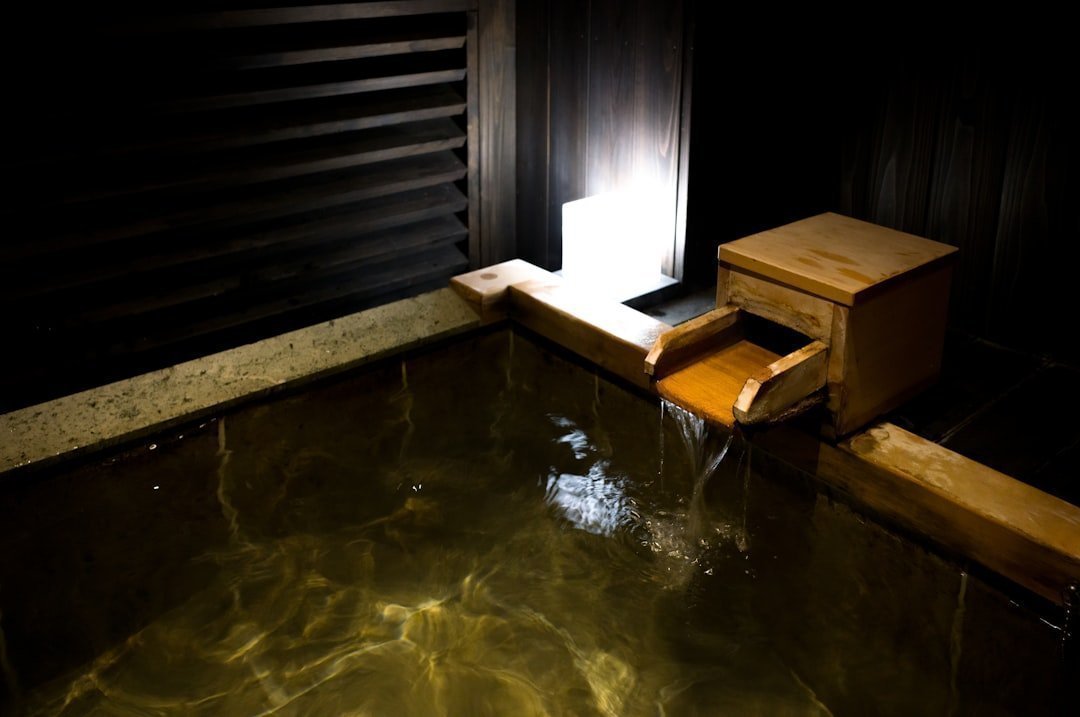
This is one of the lesser-known rules, but locals notice it immediately. The water inlet is where fresh, clean spring water enters the bath. Sitting or lounging right at that spot means every new drop of clean water contacts your body first before it reaches everyone else. The pouring gate is where the new, hot water is coming into the onsen. If you enter or sit there, it means that all the new, clean hot water has touched you. This is considered unpleasant, no matter how clean you are, so try to sit as far as possible from the pouring gate.
It is a subtle point, but it speaks to the entire philosophy behind onsen culture. The bath belongs to everyone equally. No single person’s comfort or convenience trumps the shared experience of the group. We share hot spring water together, so it is important to keep the water clean.
The onsen is genuinely one of the most rewarding experiences Japan has to offer – but only if you respect its unspoken contract with the other bathers. Follow the rules, stay quiet, wash properly, and leave your phone in the locker. You’ll find something surprisingly rare in our modern, connected world: a space where everyone is equal, unguarded, and truly at rest. Would you have guessed that something as simple as where you sit could get you asked to leave?