
There was a time when eating on a plane was just something you endured. Stale rolls, rubbery chicken, plastic cutlery. That era feels almost quaint now. In 2026, the most talked-about tables aren’t in Manhattan or Paris – they’re cruising at altitude, and they’re serving caviar. A quiet but unmistakable cultural shift has been underway in premium aviation, one where the rituals of “old school” luxury dining have become the defining markers of wealth, taste, and social standing. The trolley is back. The champagne flute is back. And the pearl spoon has never been more relevant.
The Caviar Market Is Booming – And Airlines Are a Big Reason Why
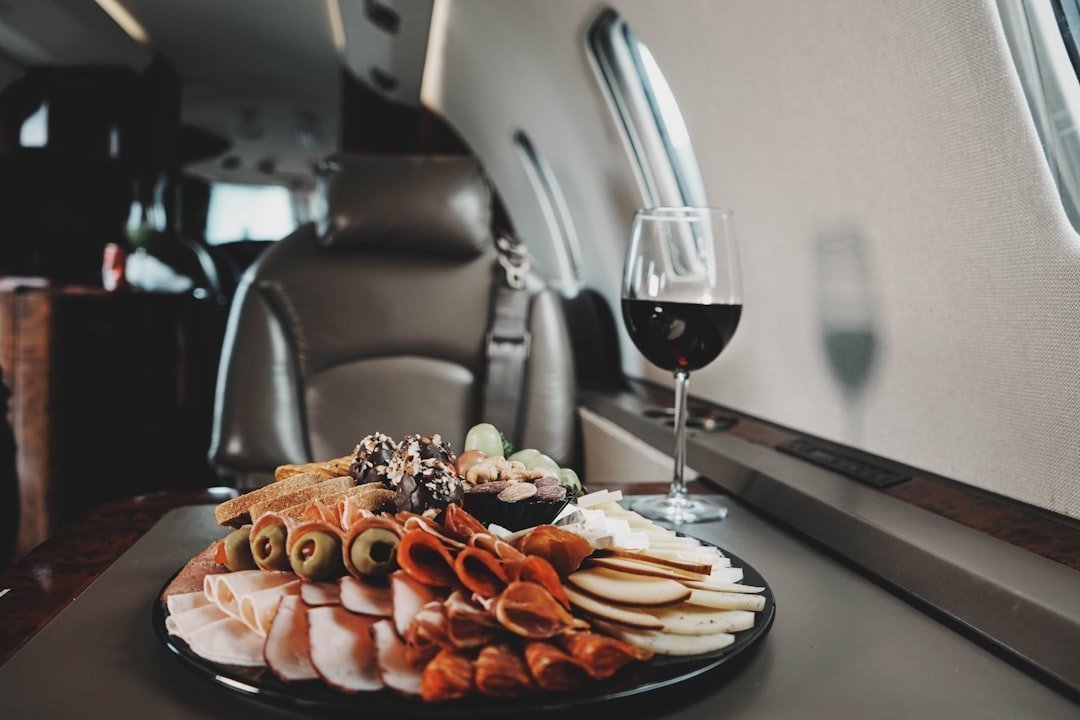
According to Mordor Intelligence, the global caviar market is expected to grow from USD 415.03 million in 2025 to USD 446.90 million in 2026, and is projected to reach USD 664.33 million by 2031. That’s not just about fine restaurants or weekend indulgences at home. The global caviar market is evolving beyond traditional luxury boutiques, supported by advancements in aquaculture systems, cold-chain modernization, and rising demand across hospitality and premium airline segments. Airlines, in other words, are structural drivers of this growth – not just beneficiaries of a trend. The skies have become one of the most reliable and high-visibility venues for caviar consumption in the world.
Emirates Took It to Another Level With Unlimited Caviar
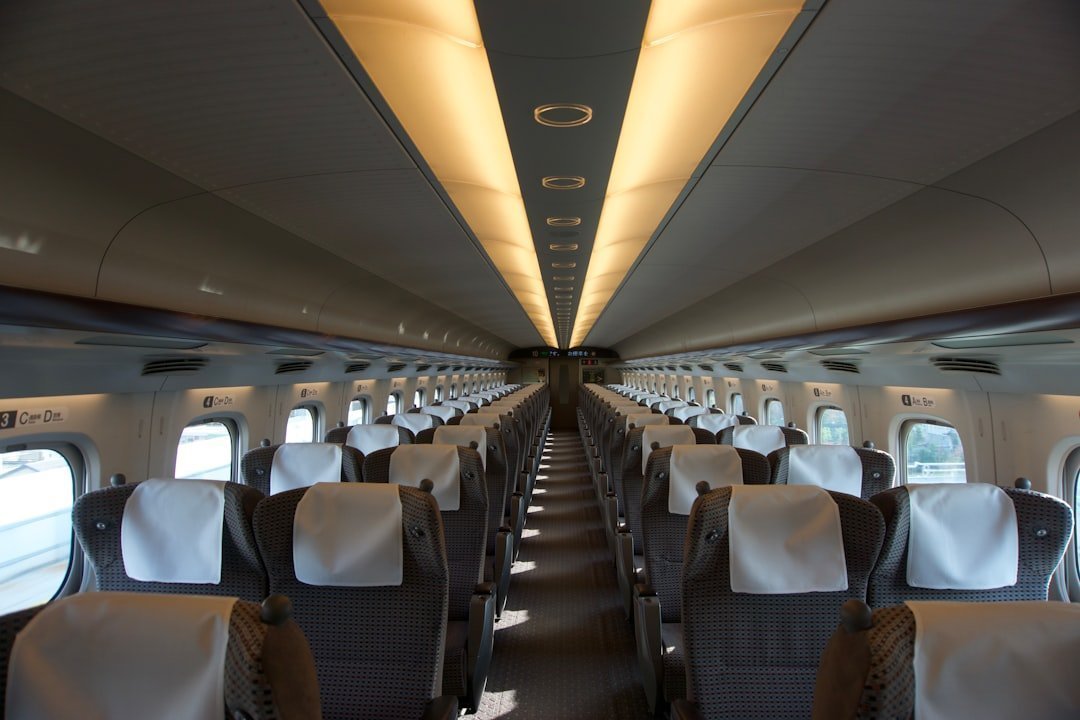
Emirates has redefined luxury in the skies with its exquisite caviar service in first class, and recently elevated its already renowned experience by introducing unlimited caviar service – a move that no other airline has announced. As part of their “Champagne and Caviar Experience,” travelers are treated to premium Persian caviar complemented by Dom Pérignon Champagne, and this unlimited offering allows passengers to enjoy the delicacy multiple times during their flight. In addition to the array of dinner options, Emirates offers a signature caviar experience presented in an engraved Robert Welch bowl with a mother-of-pearl spoon. That kind of ceremonial detail is precisely what turns a meal into a memory – and a status moment.
Lufthansa’s Trolley Has Become an Icon
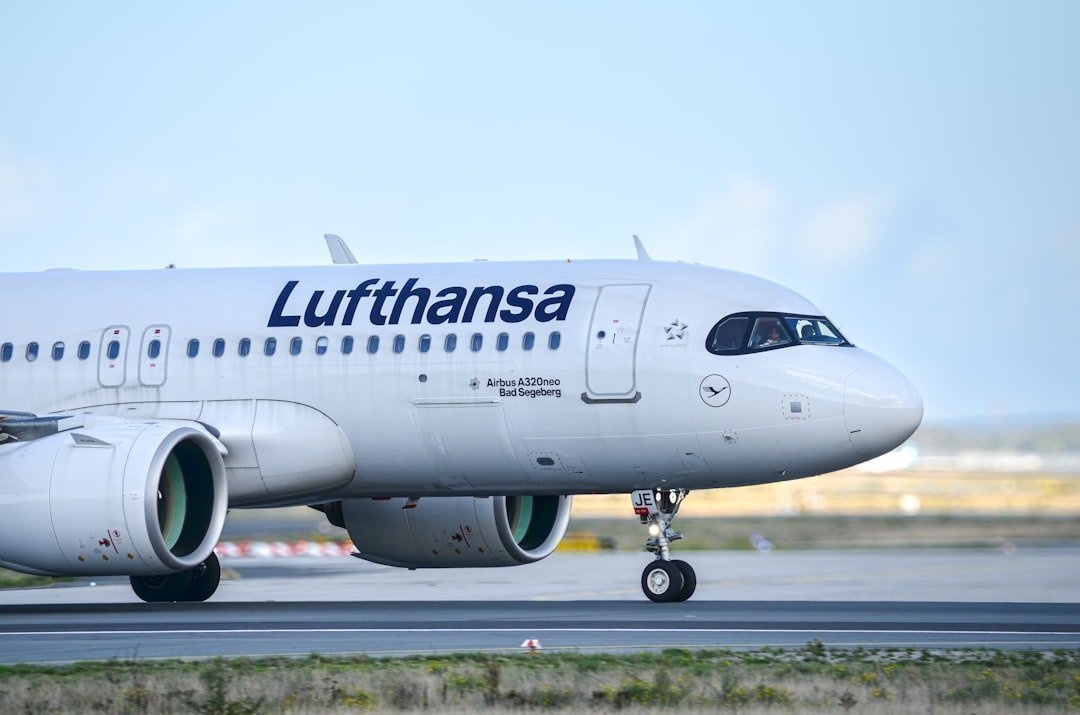
Lufthansa’s first-class cabin combines traditional European service with modern design updates, and one of its most recognizable features is the airline’s signature caviar service, presented from a dedicated trolley during meal service, allowing passengers to enjoy champagne alongside the caviar before continuing with a multi-course meal that often draws comparisons to fine dining. Lufthansa offers two different kinds of caviar – Agroittica Lombarda S.p.A. from Italy and Kaluga Queen – making it one of the world’s largest purchasers of caviar annually. Lufthansa’s newest first class on the A350 has been described as impressive by Condé Nast Traveler, with the Allegris product featuring three suites with full privacy doors, including a middle suite with a double bed, currently operating on routes between Munich and New York. The trolley, rolling slowly down a narrow aisle with the precision of a Parisian maître d’, has become something of a cultural artifact.
Qatar Airways Broke the First-Class Barrier for Caviar
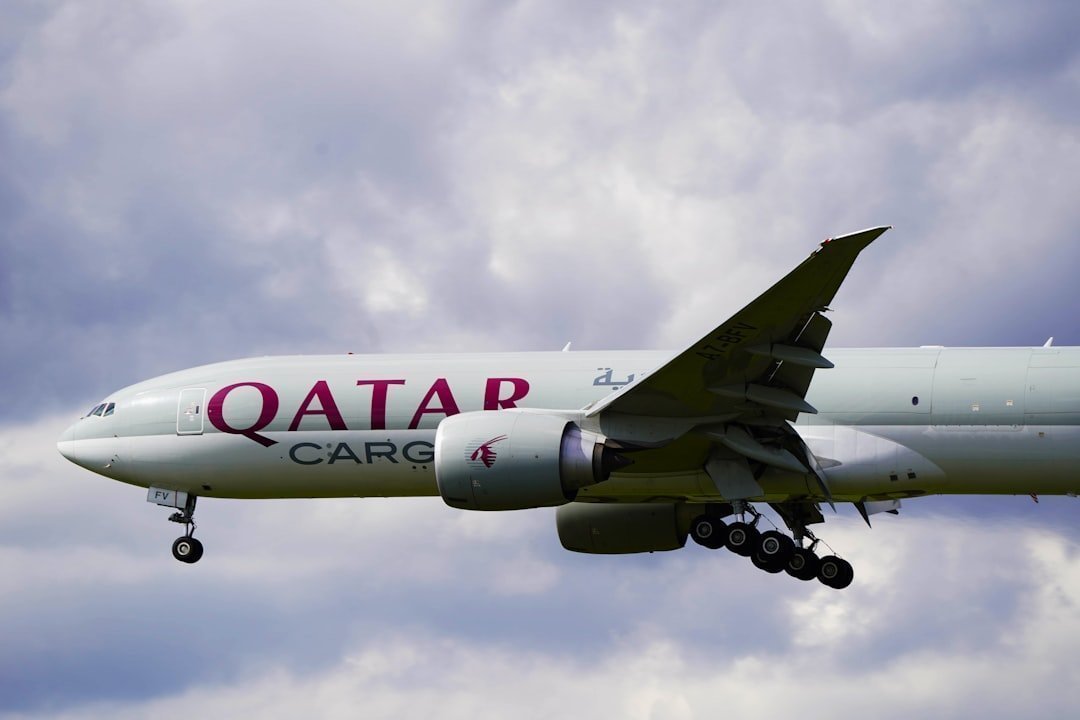
Qatar Airways became the first carrier to serve caviar in Business Class in August 2024, offering a 15-gram portion of Baerii caviar paired with Balik salmon and accompaniments. Qatar Airways has announced that it will introduce caviar as a snack or meal to business class passengers as well, serving it with traditional accompaniments such as blinis and crème fraîche. Qatar Airways is regularly voted as one of the world’s best airlines by Skytrax, having won nine times through 2025. The decision to push caviar beyond first class was a deliberate signal: the old-school luxury of the dedicated caviar course was no longer something only first-class passengers could claim. Business class just got considerably more interesting.
Air France Is Writing the Michelin Playbook for Inflight Dining
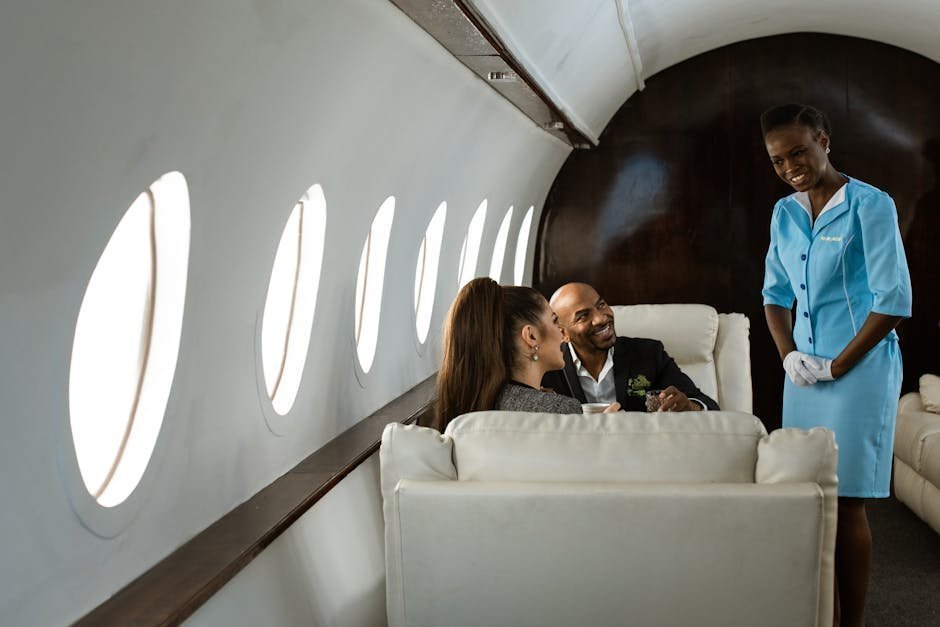
Air France renewed its collaboration with leading French chefs to create exclusive menus for customers in long-haul cabins departing from Paris, with triple Michelin-starred culinary talent featuring across its premium offerings; in the airline’s La Première suites, triple Michelin-starred chef Arnaud Lallement has created four starters and eight main courses for the à la carte menu, working alongside Angelo Musa, recognised as the world’s best pastry chef. From July 2025, Michelin-starred French chef Daniel Boulud joined forces with Air France to create exclusive new dishes for the airline’s La Première and Business customers, alongside Dominique Crenn, a triple Michelin-starred French chef who has been working with the airline since 2024. Air France’s La Première cabin offers a caviar service featuring Sturia caviar, beautifully presented with traditional accompaniments such as blinis and crème fraîche. Air France isn’t just serving food – it’s deploying a culinary identity that few ground-level restaurants can match.
Singapore Airlines and the “Book the Cook” Phenomenon
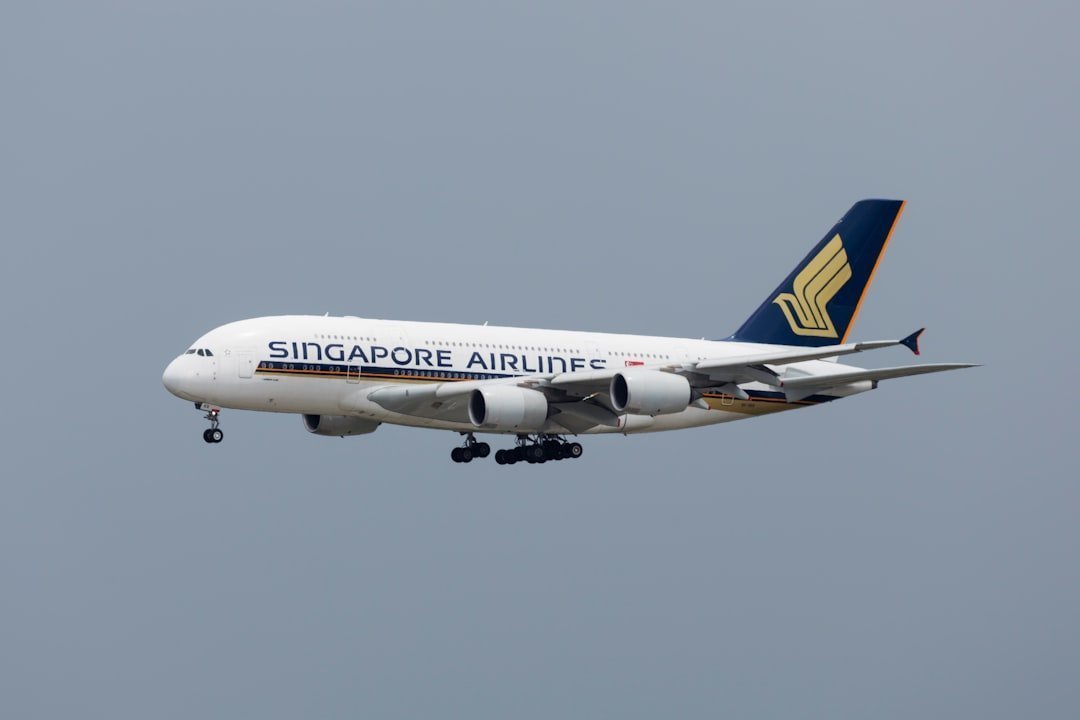
Singapore Airlines leads the way with its first-class food in 2025, with its Book the Cook service letting passengers pre-select from over 60 gourmet options like lobster thermidor, wagyu with truffle jus, or Hainanese chicken rice, depending on the route. Singapore Airlines is in the middle of preparing its next-generation Business Class seats, expected to debut in Q2 2026, and the introduction of caviar could be a strategic soft product enhancement leading up to that launch. If confirmed, Singapore Airlines would join Qatar Airways, THAI Airways, and United Airlines in offering caviar beyond the First Class experience, positioning itself in line with evolving luxury trends at 35,000 feet. It is that convergence – caviar moving from first class to business class across multiple carriers – that signals a genuine shift in what premium travel means in 2026.
American Airlines Goes Retro to Signal Prestige
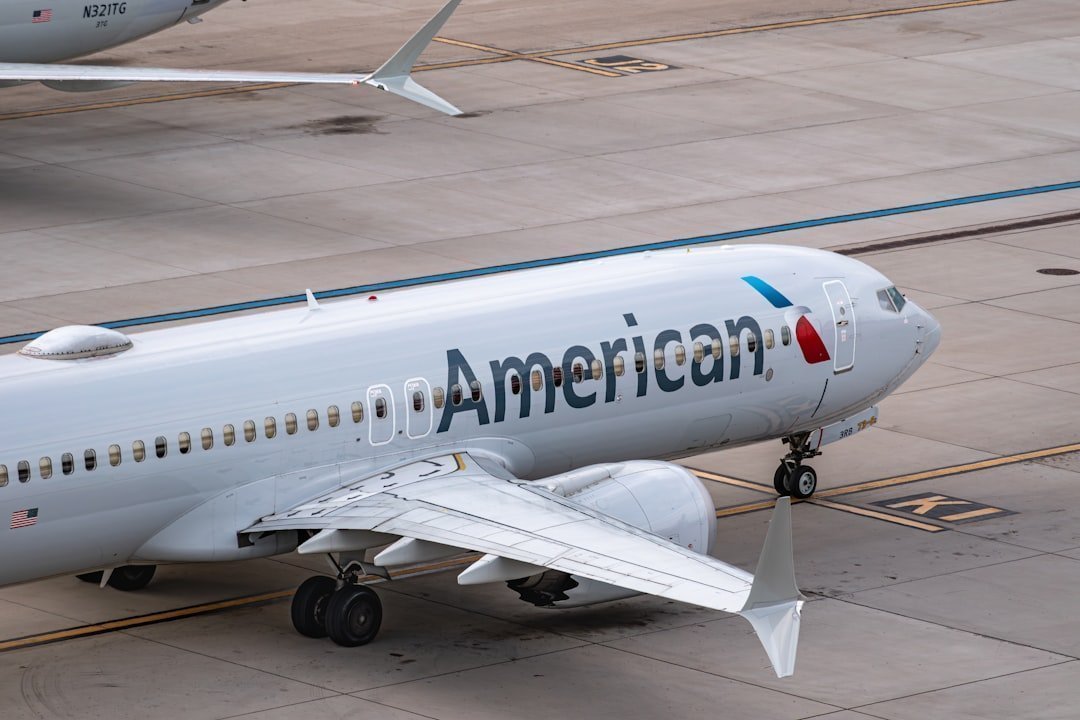
As American Airlines celebrates its 100th anniversary in 2026, the company is marking the milestone with centennial-themed inflight dining offerings; beginning in March for international and transcontinental Flagship First and Flagship Business, the dishes are inspired by the flavors and culinary trends of the 1920s – the decade American first took flight. The airline is celebrating its centennial with 1920s-inspired retro food offerings, including beef Wellington and prawn cocktails on select flights, starting March 2026. The airline designed these dishes to recreate the elegance of early aviation dining while meeting modern catering and service standards. There is something telling about a major airline choosing to look backward for inspiration – the golden age of flight is now the aspirational benchmark, not the futuristic one.
Turkish Airlines Brings a “Flying Chef” to the Skies
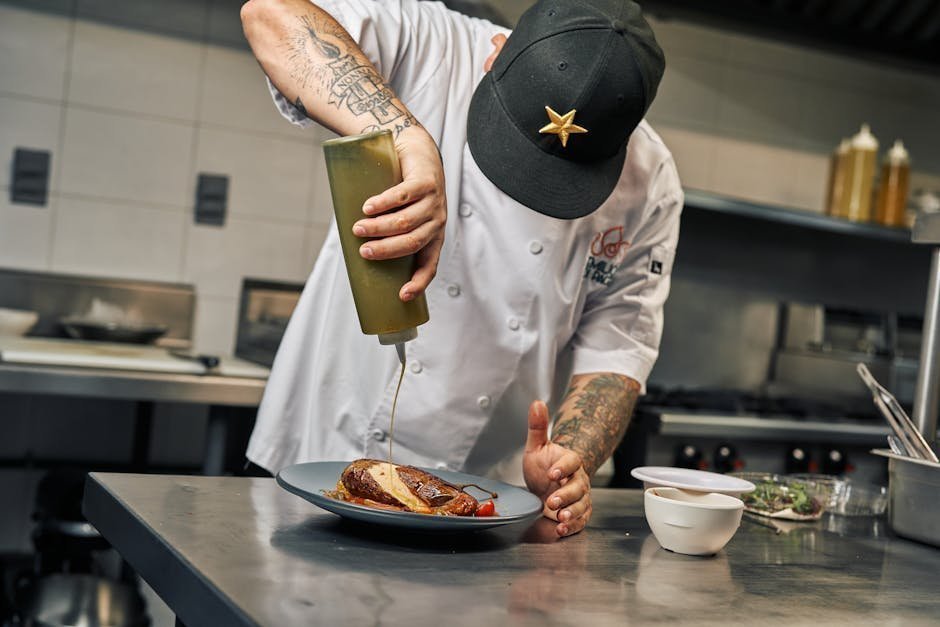
Renowned for some of the best food in aviation, Turkish Airlines serves menus updated frequently to reflect seasonal ingredients and modern culinary trends, with select long-haul flights even including “flying chefs” who prepare dishes onboard; from artisan sandwiches on short flights to multi-course meals on long journeys, the airline excels across all routes. The flying chef concept is perhaps the clearest embodiment of how aviation dining has absorbed the language of the world’s finest restaurants. Airplane food has long been the punchline of travel jokes, but the world’s top airlines have evolved far beyond the stereotype, with carriers investing in seasonal ingredients, regionally inspired menus, and collaborations with world-renowned chefs to elevate meals served at 30,000 feet. A chef preparing your dish while the aircraft hums at cruising altitude is not a gimmick – it is a theatrical declaration of luxury.
The Luxury Travel Market Is Structurally Fueling This Trend
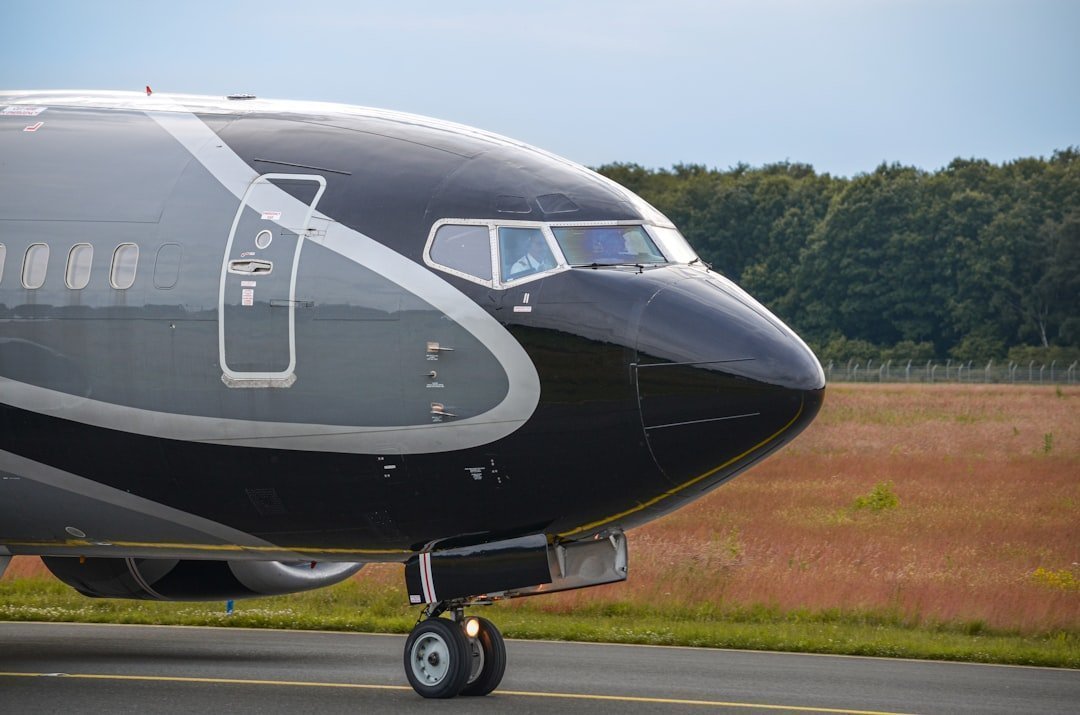
The global luxury travel market size was valued at USD 1.59 trillion in 2025 and is expected to reach USD 3.04 trillion by 2033, growing at a CAGR of 8.5% from 2026 to 2033. Premium and luxury categories and upsells have performed well for the past few years, with airlines and hotels pursuing this strategic opportunity by dedicating more of the plane to premium seats and developing more upscale properties. Leisure-oriented demand for premium travel experiences appears to be here to stay. The numbers make one thing clear: the audience for elevated inflight dining is not shrinking. It is expanding, it is younger than expected, and it is deeply invested in the experience of the meal itself as a marker of identity.
The Dining Ritual Is the Status Symbol – Not Just the Destination
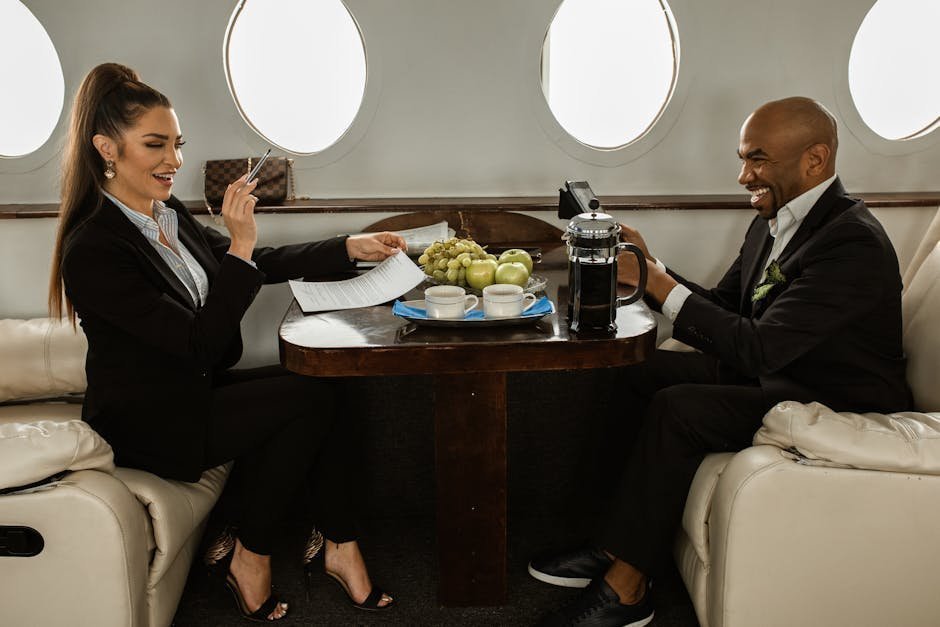
The first class cabin is always seen as the ultimate in luxury with lavish features that many can only dream of, and as business class has evolved into a more extensive product with lie-flat beds and private suites, first class has become more exclusive and somewhat rare on long-haul international flights. Culinary travel and shopping are expected to grow at a CAGR of 9.8% from 2026 to 2033, with the primary purpose of culinary travel being to experience unique food and drink and to understand the culture. Luxury food trends in 2025 reveal that indulgence is no longer one-dimensional or reserved for the ultra-wealthy, with “luxury” now defined not solely by expensive ingredients but by story, sustainability, and sensory experience. What makes caviar at 40,000 feet matter in 2026 is not merely what is in the spoon – it is the ritual surrounding it, the engraved bowl, the paired vintage, and the crew who presents it as if nothing could be more natural than perfection.