
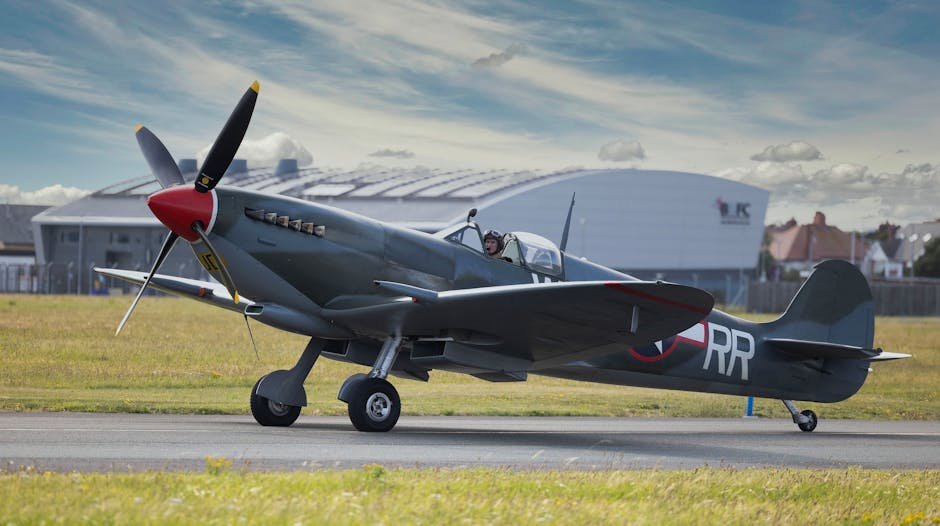
There is a moment, somewhere around 2,000 feet above the Kent countryside, when the roar of a Rolls-Royce Merlin engine drowns out every modern distraction you own. The white cliffs are below. The English Channel shimmers ahead. You are sitting in the rear cockpit of a genuine WWII-era Supermarine Spitfire, and for the next hour, 1945 is very much alive. This is exactly the kind of experience that the world’s wealthiest nomads are now hunting – not another overwater bungalow, not another Michelin table, but something genuinely unrepeatable.
1. The Spitfire Itself: A Machine That Defies Time
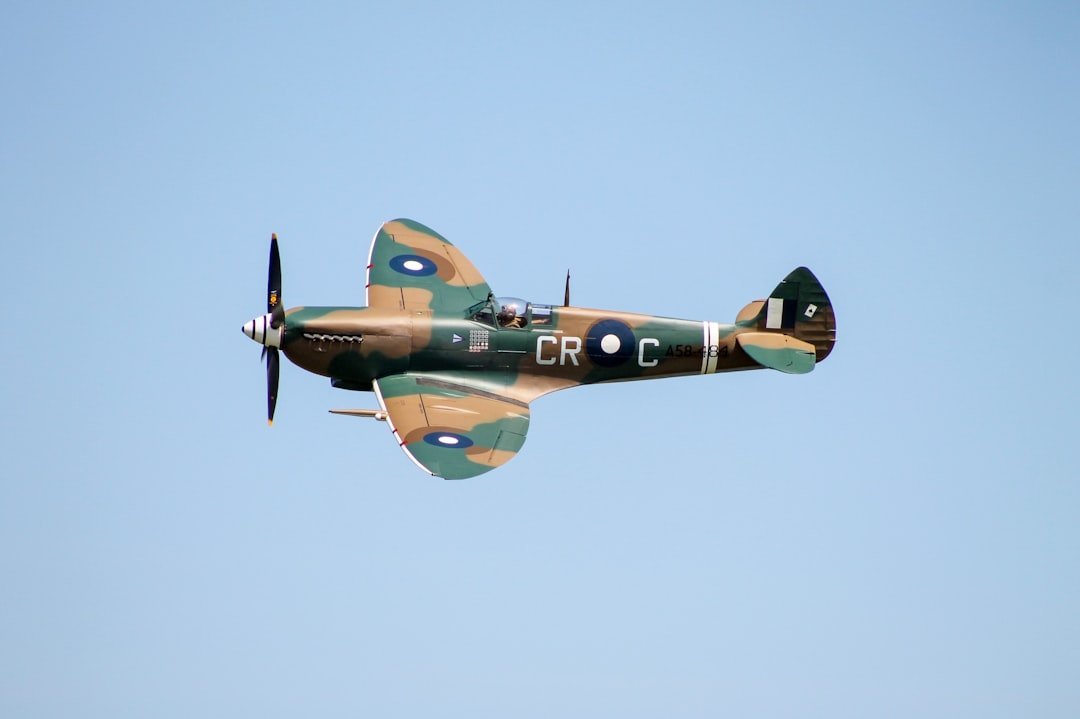
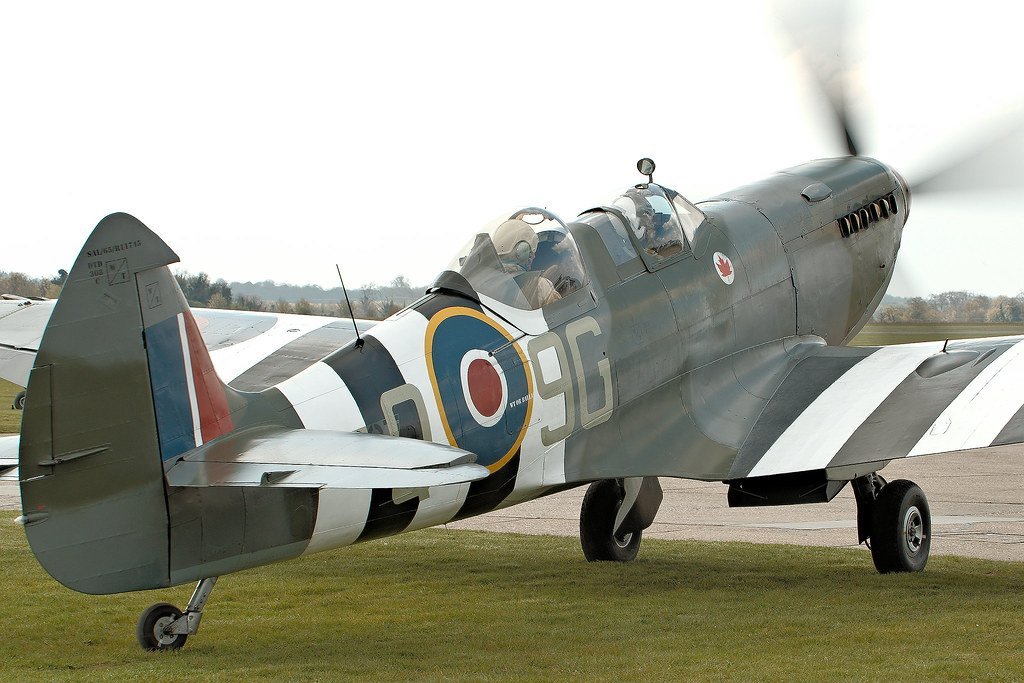
In total, 20,351 land-based Spitfires were built, yet the vast majority were lost to combat, accidents, or post-war scrapping. Approximately 240 Spitfires are preserved as of 2025, including around 70 which are airworthy. The Supermarine Spitfire, the only British fighter to be manufactured before, during and after the Second World War, was designed as a short-range fighter capable of defending Britain from bomber attack and achieved legendary status fulfilling this role during the Battle of Britain. That scarcity is precisely what makes a flight in one feel so extraordinary – you are not sitting in a replica or a simulator, but in a piece of living, flying history.
2. Two-Seat Spitfires: The Rare Access Point for Civilians
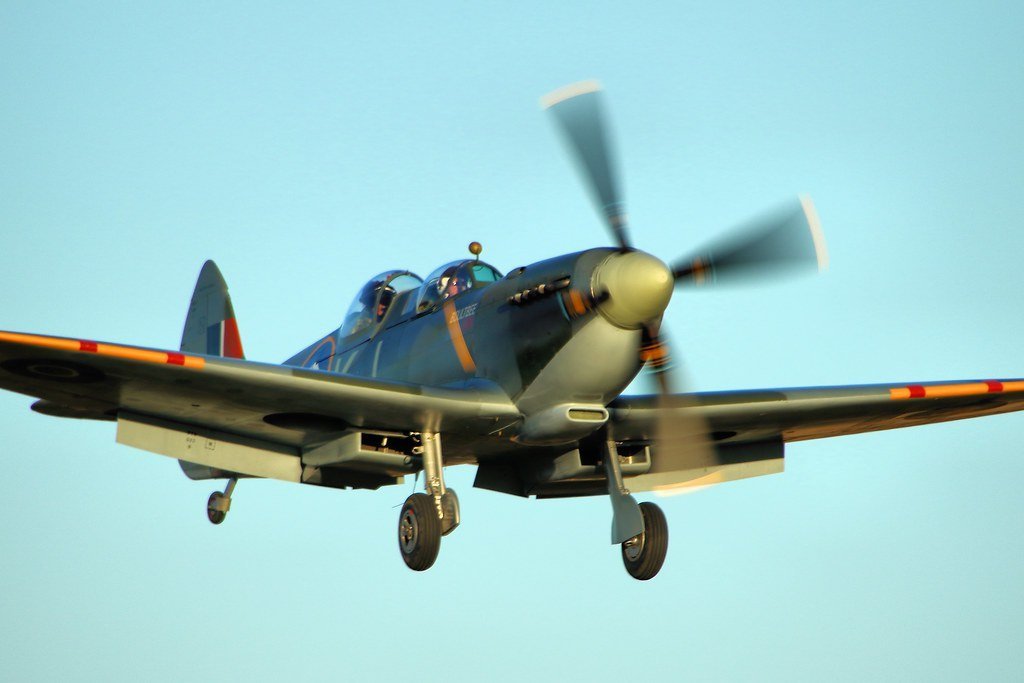
Spitfires with two seats are incredibly rare. Over 20,000 single-seat Spitfires were built, with only a few dozen remaining airworthy today. After WWII, creators Supermarine modified a handful of Mark IX Spitfires into two-seaters, called TR9s. These converted aircraft are the only legitimate gateway for a civilian to actually sit inside a flying Spitfire. There are numerous different experiences available for each aircraft, including two-seat Spitfire passenger flights, Spitfire pilot training, and Spitfire simulator experiences that give non-pilots the chance to sit in and fly the Supermarine Spitfire. The two-seat configuration changed everything for the luxury experience market, turning a museum piece into a personal adventure.
3. Where You Can Actually Do This: The Leading Operators
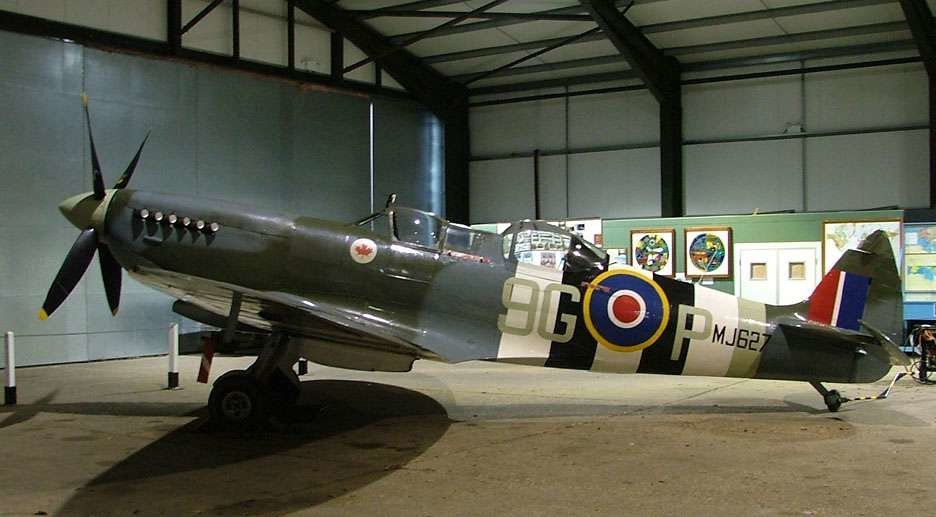
Operating since 1986, Fly a Spitfire has a fleet of two-seat Spitfires and operates from ex-WWII airfields at RAF Biggin Hill, RAF Kemble (Cotswold Airport), RAF Hartford Bridge (Blackbushe Airport), and RAF Horsham St Faith (Norwich Airport). Meanwhile, Goodwood Aerodrome in West Sussex offers its own compelling option. During WWII, Goodwood Aerodrome – then known as RAF Westhampnett – was an active fighter station, home to Spitfire squadrons that defended Britain’s skies. Today, the roar of Merlin engines still echoes across the airfield as restored Spitfires return to the very runways they once flew from. Fly a Spitfire is the largest Spitfire flight provider in the UK, with a wide range of two-seat Spitfire experiences including options over Kent, Sussex, and the White Cliffs of the south coast.
4. What the Experience Actually Looks Like
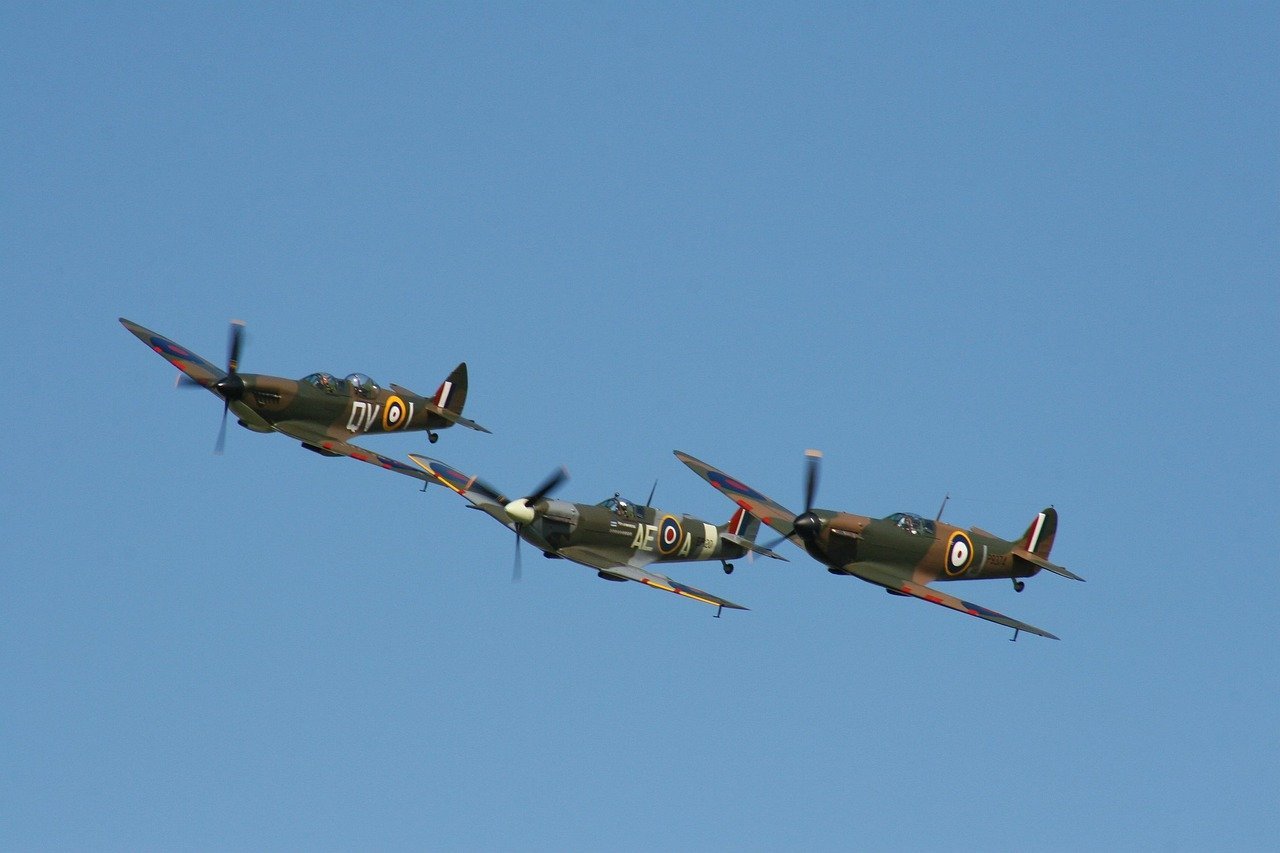
You are seated in the rear cockpit of a genuine two-seat Mark IX Spitfire, taking off from one of the most historic RAF airfields. The flight path takes you over the Kent countryside, often referred to as “Battle of Britain Country”. Passengers are not simply passive observers either. Subject to suitable weather conditions, all passengers are offered the opportunity to experience gentle aerobatic manoeuvres in the Spitfire, including a Victory Roll. Flights can last up to 75 minutes over the English Channel, Leeds, or Scotland, meaning the duration and scenery can be tailored to the individual traveler’s appetite.
5. The Price Tag: What “Exclusive” Really Costs
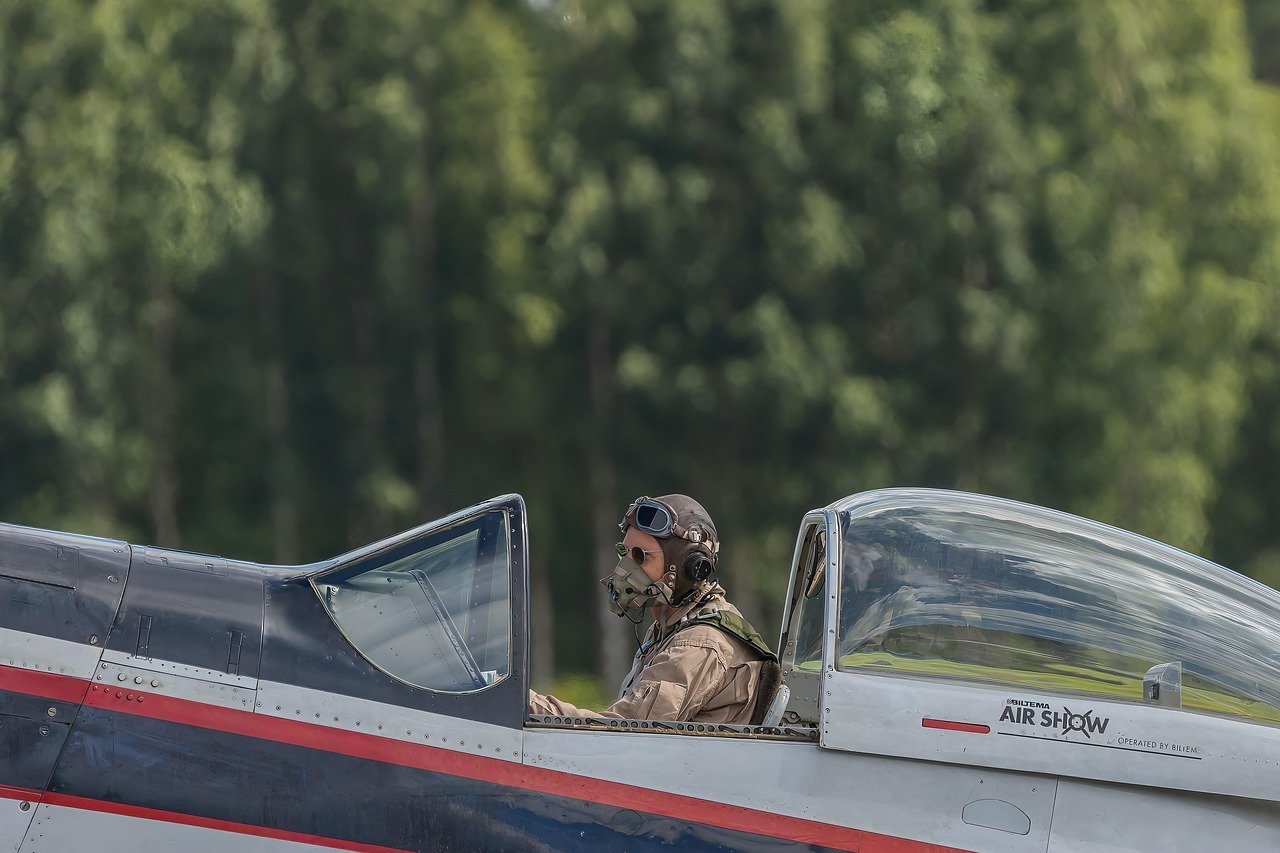
The standard 30-minute flight with a full hangar tour and pilot briefing starts at around £3,250, with longer flights or routes over the White Cliffs of Dover or Beachy Head available at higher prices. For those who want to go further, formation flights are available at Biggin Hill, with costs of £600 for two aircraft or £1,600 for three aircraft, in addition to your chosen Spitfire flight duration. Private group packages push the investment even higher. Bespoke quotations for exclusive hire are available, with costs in the region of £3,500 per hour plus VAT – a figure that barely registers as extreme by the standards of today’s ultra-luxury travel market.
6. Why HNWIs Are Choosing Experiences Over Things
The 2024 report “Evolving Wealth: A New Paradigm for Luxury Travel” by WATG Research examines these shifts, and rather than focusing solely on exclusivity, finds that the new affluent traveler seeks value in meaningful experiences, emotional connections, and environmental responsibility. Billionaires are looking for unique, bucket-list destinations with exclusive experiences that few others can claim. The total net worth of the ultra-high-net-worth class rose by 6.7% to $59.8 trillion at the end of June 2025, and a growing share of that wealth is being channeled directly into rare, story-worthy experiences – a Spitfire flight being a near-perfect example.
7. The “Spitfire Safari” Format: More Than Just a Flight
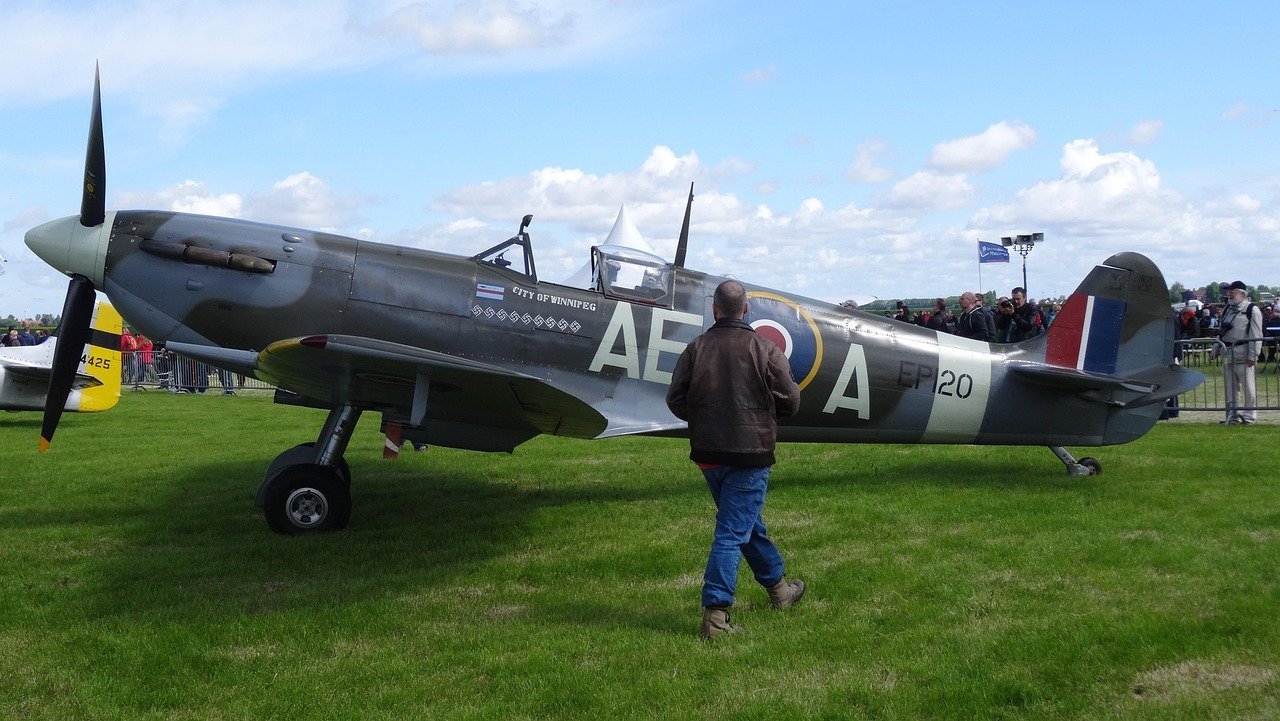
The term “Spitfire Safari” has emerged organically to describe multi-day itineraries that combine a Spitfire flight with visits to WWII-era heritage sites, private hangar tours, and curated countryside stays. At the Biggin Hill Heritage Hangar, visitors can see up to 15 Spitfires on site, alongside a 1940 Hawker Hurricane and Battle of Britain veteran Messerschmitt 109. Expert guides take visitors on tours behind the scenes of the largest centre for Spitfire activity in the world. On coastal Spitfire flights, guests head over the White Cliffs or Beachy Head, following the exact same flight path as Battle of Britain fighter pilots. Curated luxury stays in the English countryside or Scottish Highlands can complete the immersion, creating a trip that blends history, adrenaline, and genuine refinement.
8. The Private Aviation Landscape These Travelers Already Occupy
The private aviation market is experiencing robust expansion throughout 2025, with global private jet activity increasing by 8% year-over-year during the spring months, while the overall market is projected to reach $39.84 billion in 2025. A transformative force in 2025 private aviation is the entry of younger high-net-worth individuals who are fundamentally redefining travel expectations, entering private aviation earlier in life than previous generations and prioritizing different features entirely. For this cohort, a Spitfire experience is a natural extension of a broader appetite for aviation that is personal, physical, and deeply felt rather than merely transactional.
9. The Scarcity Factor: A True Finite Resource
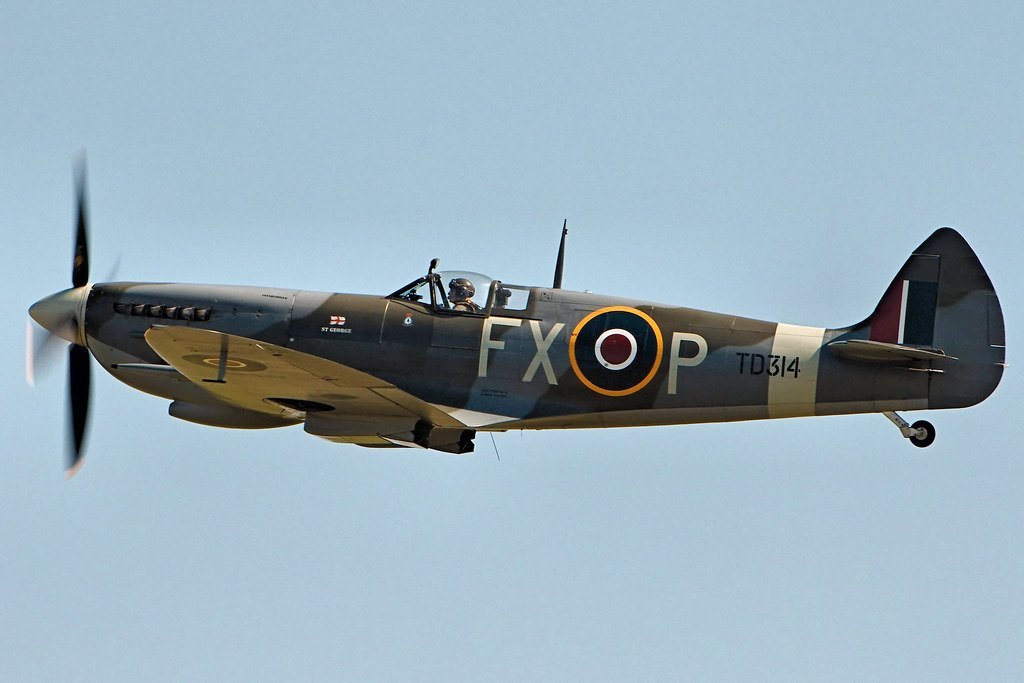
As of November 2025, Australia alone is home to five airworthy Spitfire examples, contributing to global preservation efforts where approximately 60 Spitfires remain flyable worldwide. Restoration projects do continue. One notable aircraft, MJ444, completed its first post-rebuild flight on 6 June 2024, given the name ‘Lady Luck’. Still, the total number of flyable, two-seat Spitfires available for civilian passenger flights is far smaller – making each available flight slot genuinely rare. Booking is recommended well in advance due to high demand and limited flight slots. Scarcity of this kind is something no amount of money can simply manufacture more of.
10. A Broader Luxury Trend That Spitfire Safaris Perfectly Embody
A recent Virtuoso travel report details continued demand for exclusive-use experiences such as VIP transportation, luxury yachts, and private residences, along with itineraries incorporating next-level stimulation and engagement. Requests for these exceptionally high-end experiences have increased for 89% of Virtuoso advisors. Today’s billionaires seek experiential escapes – immersive and secluded adventures, exclusivity, and cultural connection. A Spitfire Safari delivers all three simultaneously: the immersion of flying a legendary warbird, the exclusivity of an experience accessible to almost nobody, and a cultural connection to one of the defining chapters of the 20th century. It is, in a word, an unforgettable journey through history.