
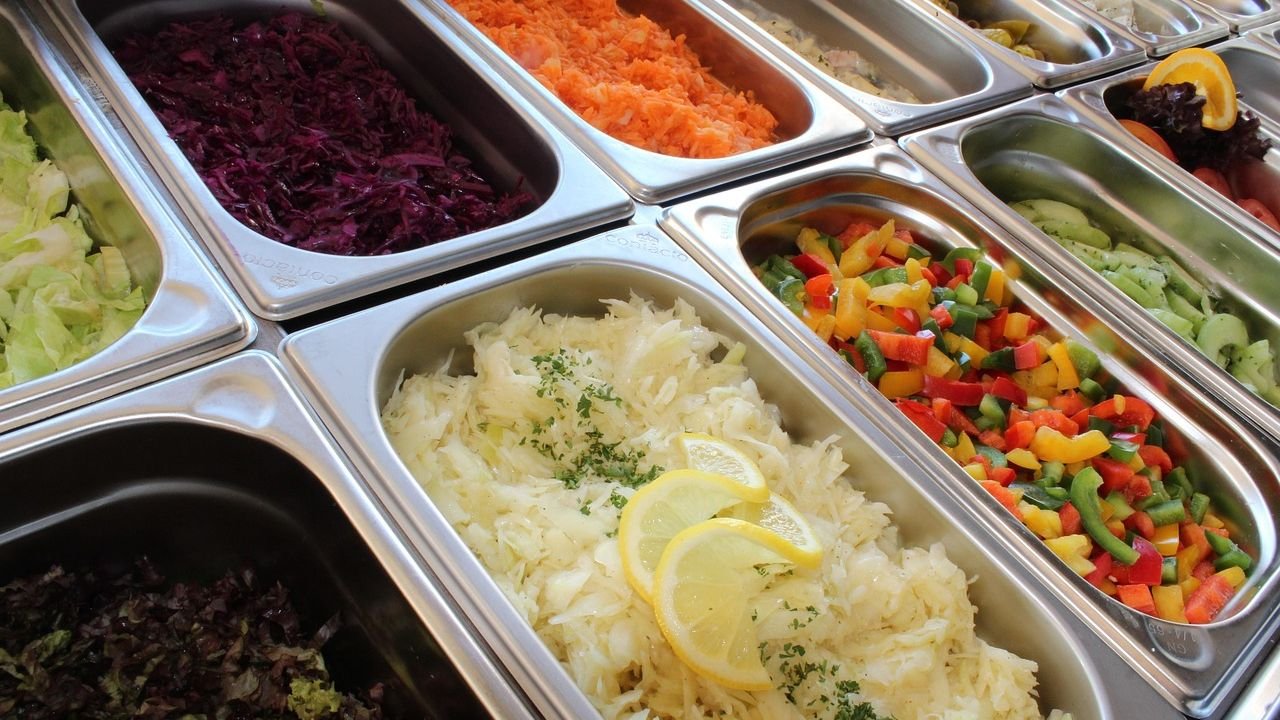
The Maldives. Crystal-clear lagoons, overwater bungalows, and sunsets that look almost too perfect to be real. It’s the kind of destination that makes people save up for years just to spend a week there. And when you finally arrive, the all-inclusive buffet feels like the ultimate reward. Unlimited food, exotic flavors, a feast stretching as far as your plate can carry.
But here’s what nobody tells you before you load up that plate for the third time. There are items on that lavish spread that a seasoned resort manager would never touch. Some for safety reasons, some for quality reasons, some because of what happens behind the kitchen doors. Let’s dive in.
1. Raw Oysters and Shellfish on Ice
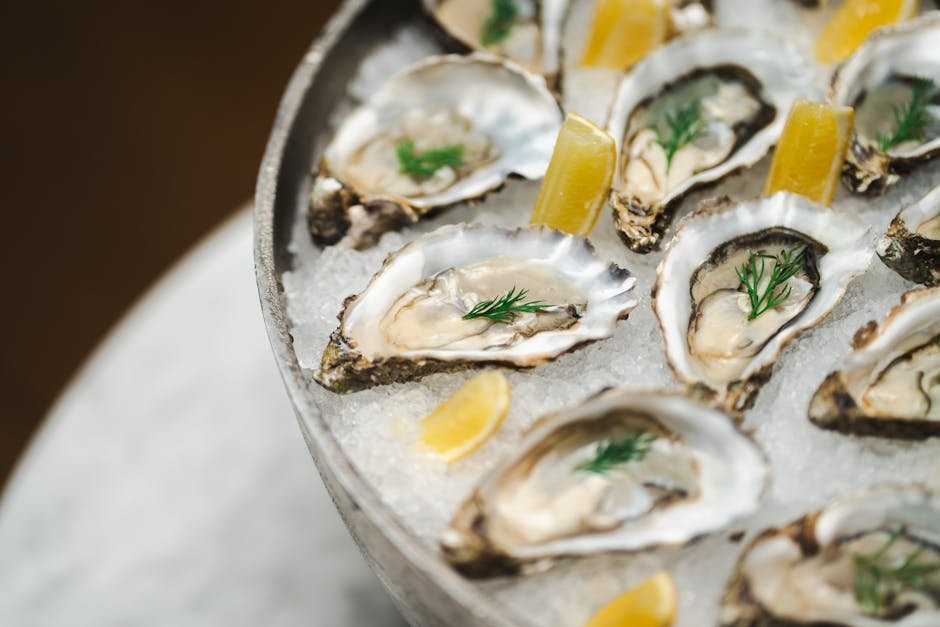
Let’s be real. Oysters sitting on a bed of crushed ice at a tropical resort buffet look absolutely stunning. They’re one of those dishes that screams “luxury vacation.” However, the reality is far less glamorous from a food safety standpoint.
Raw seafood at buffets can be genuinely risky. They may harbor harmful bacteria like Vibrio and Salmonella. Vibrio bacteria, found in shellfish, can cause symptoms like vomiting and diarrhea. In a hot and humid climate like the Maldives, the window for safe consumption shrinks dramatically. Shrimp, raw oysters, sushi or any other seafood that requires constant refrigeration should be avoided if it’s sitting at room temperature in a buffet.
Several guests have reported food poisoning symptoms at all-inclusive resorts after dining at the seafood buffet, where raw seafood options were improperly refrigerated. The ice melts fast under a tropical sun. Once those oysters drift into unsafe temperature territory, the bacteria multiply fast. It’s not worth it.
2. Buffet Sushi That Has Been Sitting Out
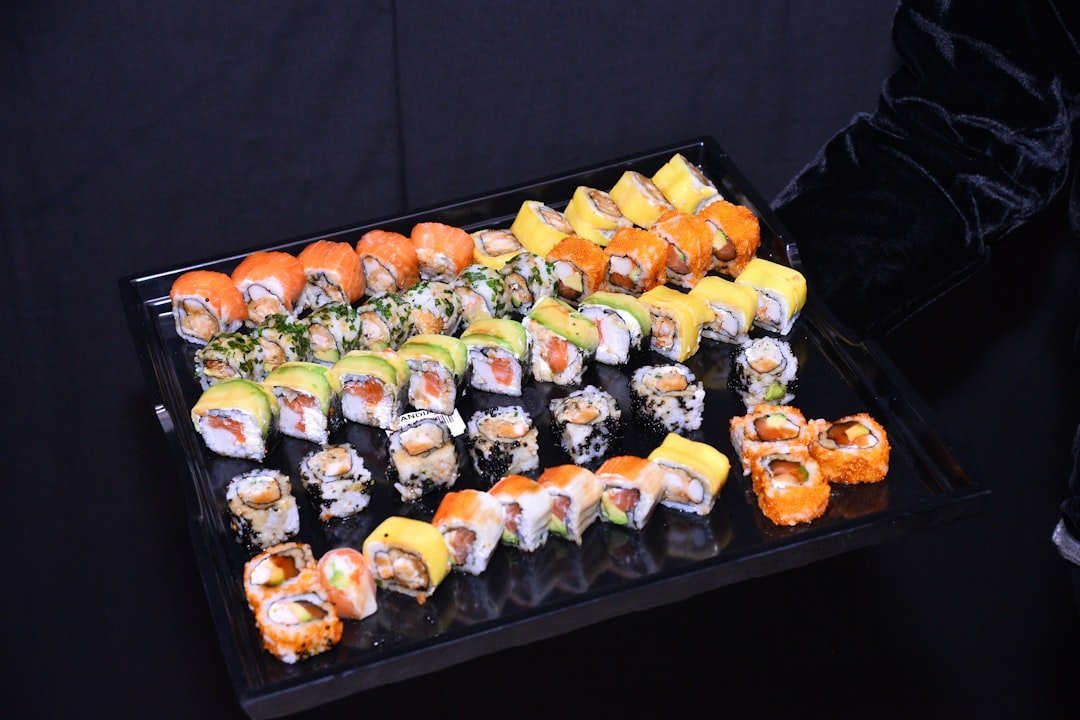
Sushi is a crowd-pleaser at any resort buffet, and chefs know it. Beautifully rolled maki and glistening salmon nigiri get placed out early and replenished throughout service. Honestly, it looks incredible. The problem is what’s happening to it while you’re out on the beach.
Sushi, in particular, must be kept cold and not left out for more than two hours. One of the main food safety challenges at buffets is temperature control. Harmful bacteria multiply rapidly in what experts call the “danger zone,” the temperature range between 8°C and 63°C. If food sits within this range for too long, it becomes an ideal breeding ground for microbes.
In busy all-you-can-eat environments, it’s common for staff to top up half-empty trays instead of replacing them. While this may reduce food waste, it increases the likelihood of contamination, especially during high-traffic service times. Old fish mixed with fresh fish is not a combination anyone wants. When in doubt, skip the sushi station entirely and order it fresh at the à la carte restaurant instead.
3. Mayo-Based Salads and Creamy Cold Dishes
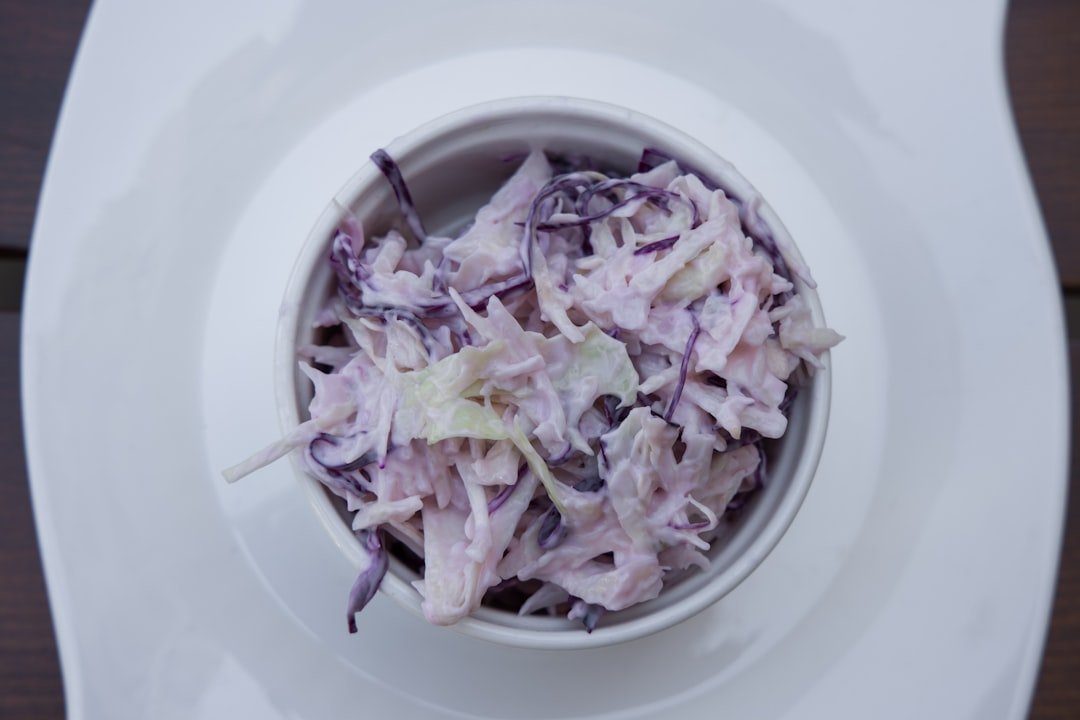
Creamy potato salads, coleslaw, pasta salads drenched in mayonnaise. These items are buffet staples worldwide, and the Maldives is no exception. They look fresh, they’re often colorful and inviting, and yet they’re consistently among the most dangerous items to eat at any resort buffet in a warm climate.
Creamy dishes and mayo-based salads can be risky at buffets. They are perfect places for bacteria to grow, especially when it’s warm. Eating these foods if they’re not stored right can make you very sick. Symptoms like diarrhea, vomiting, headaches, and fevers can happen.
The USDA says to not leave food out for more than one hour if it’s 90 degrees or hotter. Mayo-based salads, with meat, eggs, cheese, and pasta, should be tossed if left out too long. Temperatures in the Maldives regularly exceed 30°C year-round, and the buffet hall is rarely air-conditioned to Arctic levels. Think of mayo-based salads as a ticking clock. One you can’t always see.
4. Pre-Cut Tropical Fruit Left on the Buffet for Hours
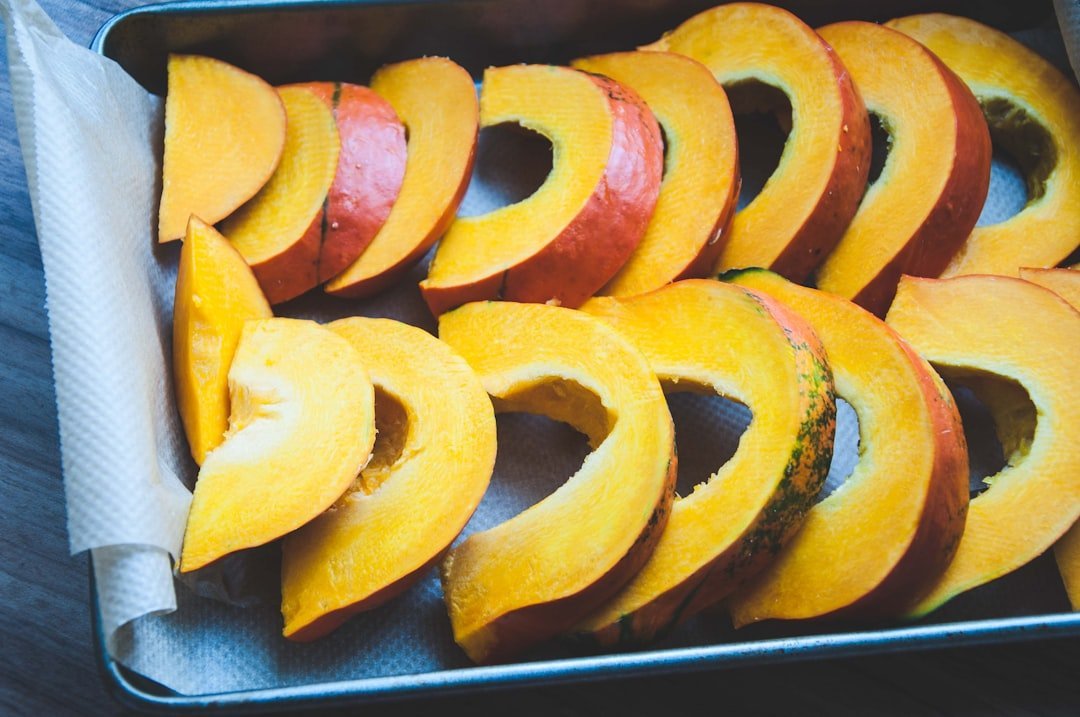
This one surprises people, because fruit feels inherently safe. Natural, fresh, vibrant. And yes, a whole mango or an unpeeled banana is completely fine. The issue is with the pre-sliced watermelon, papaya, and pineapple that’s been sitting out since 7am. The cut surface of tropical fruit is an open invitation for bacteria, particularly in the heat.
Be cautious with raw fruits and vegetables as well; ensure they have been washed in safe water or peel them yourself. Fresh fruit with a thick skin you can peel yourself, such as bananas, oranges and mangos, is generally a safe bet at an all-inclusive. That’s the key insight. Unpeeled is safe. Pre-cut and sitting out? Not necessarily.
Be extra wary of pre-cut fruit and anything with raw eggs. In the Maldives specifically, tourism remains a key economic driver, contributing over 20% to the GDP, with the movement of goods related to food and beverage supply having boosted freight and warehousing needs. With over 1.8 million tourist arrivals in 2023, logistics providers continue to scale up their service networks to remote islands. That means fresh produce travels complex supply routes to reach your plate, and the time in transit adds up.
5. Soft-Scrambled or Undercooked Eggs
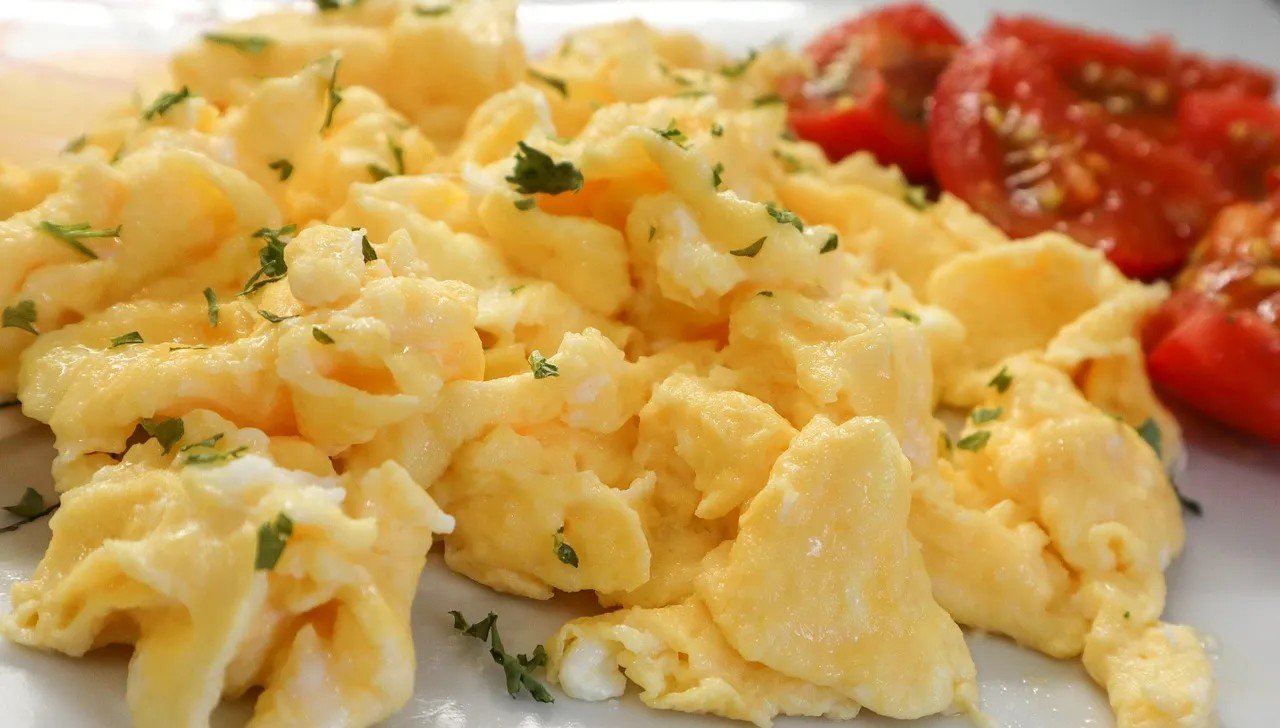
The breakfast buffet is where many guests let their guard down the most. Everything looks familiar, domestic, cozy. But soft scrambled eggs that have been sitting in a bain-marie for thirty minutes, slowly cooling down, are one of the biggest Salmonella risks on the entire spread. I’ve seen it go wrong more times than I’d like to admit.
Undercooked eggs can be a terrific host for Salmonella and other bacteria, so you may want to avoid the buffet’s scrambled eggs, especially if they look less than fully cooked, and go with hard-boiled eggs instead. Boiling the eggs will kill any harmful bacteria. Salmonella is often found in under-cooked poultry, eggs, and dairy products.
Hard-boiled eggs, made-to-order omelettes, and freshly fried eggs are genuinely safer choices. The key is heat. Anything that was cooked and then left to linger in a warming tray is a gamble. Think of it this way: the best breakfast choice is the one that was made minutes ago, not hours ago.
6. Reheated Soups and Recycled Stews
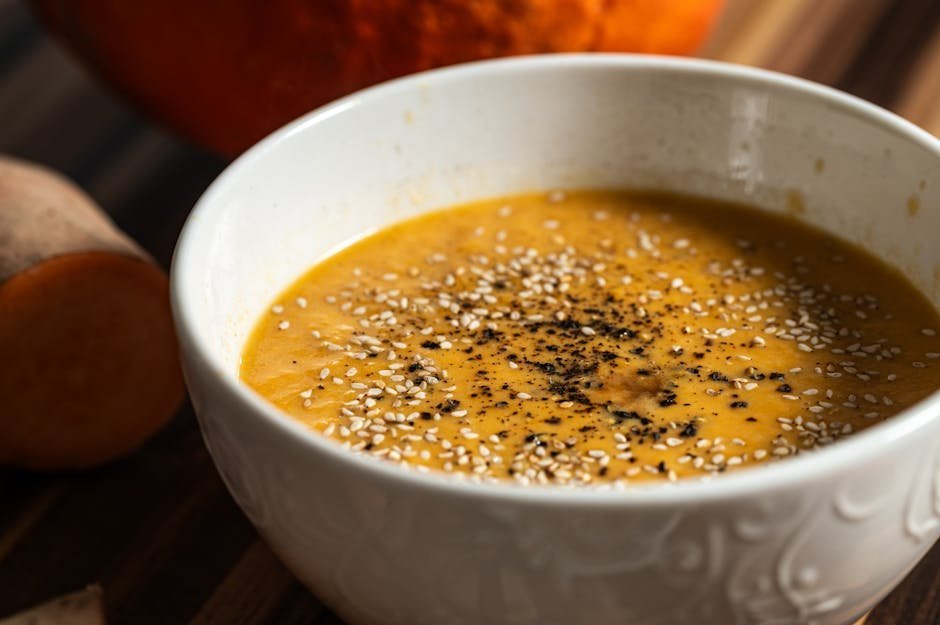
There’s something deceptively comforting about a big pot of soup simmering away at a buffet station. It feels hot, it feels fresh. Here’s the thing though. Not every kitchen is preparing that soup from scratch twice a day. Some operations recycle leftover proteins and vegetables into soup the following morning, and you’d have absolutely no way of knowing.
Some kitchens will reuse leftover meats and vegetables. Yesterday’s beef medallions or chicken breasts could become the soup du jour. Meanwhile, you have no way of knowing how long those leftovers were sitting around at room temperature before being recycled in soups or stews.
After certain time limits, leftover items should be discarded and not mixed with fresh batches. Reusing food that’s been sitting out not only compromises freshness but also risks spreading bacteria from old to new dishes. If the soup looks like it has everything but the kitchen sink in it, that might literally be what happened. Opt for clearly labeled, freshly made hot dishes instead.
7. Undercooked Chicken or Pork at the Carving Station
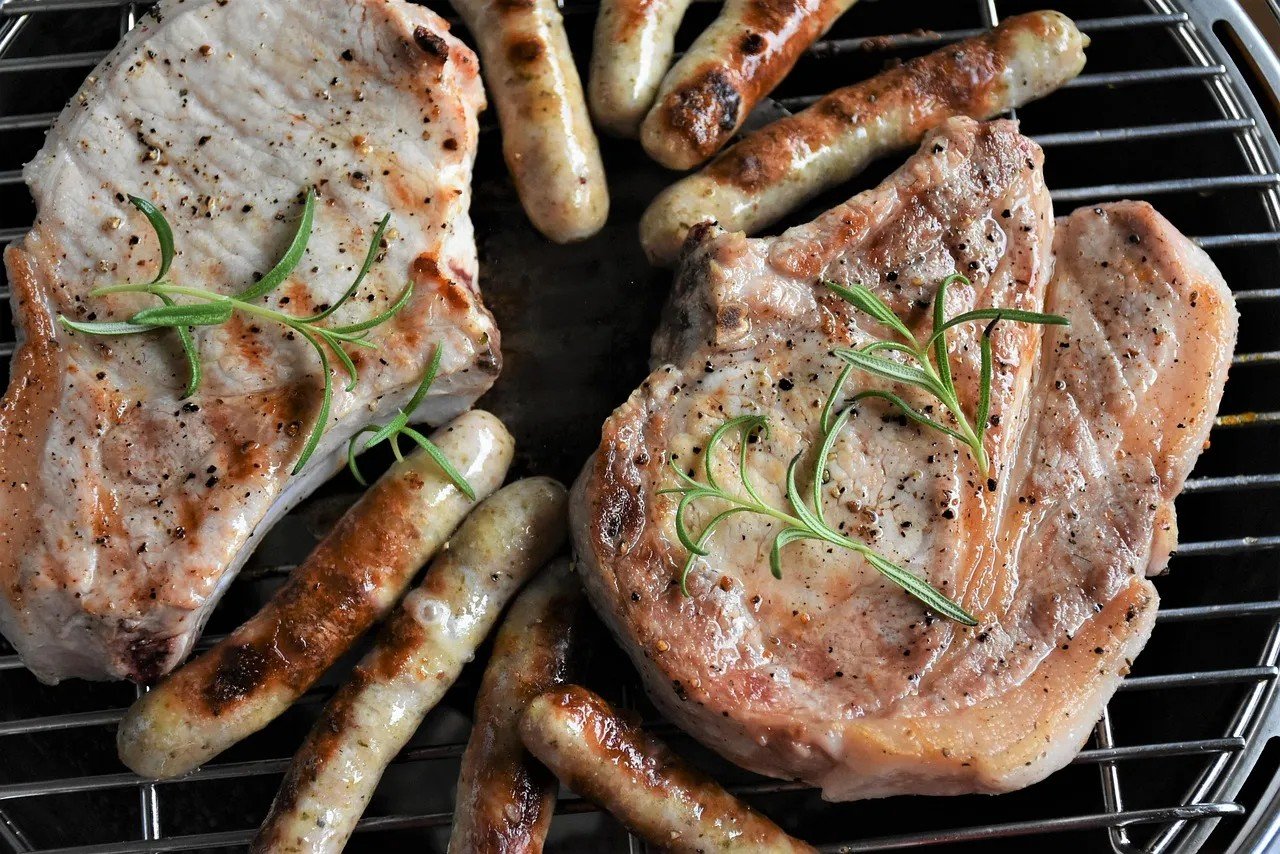
The carving station is a centerpiece at almost every resort buffet. Whole roasted meats, beautifully presented, carved to order. It feels theatrical and impressive. Yet it’s also an area where the risk of undercooked protein is very real, especially at high-volume buffets where kitchen staff may be under pressure to get meat out faster than it’s fully cooked.
Those who enjoy meat on the rare side should be wary of any beef, pork or poultry that’s pink in the middle. If the meat is undercooked, it poses a greater risk of containing foodborne pathogens. Opt for options that are cooked thoroughly to eradicate any bacteria that could lead to illness. Avoid dishes containing raw or undercooked meats and seafood. These items can harbor harmful bacteria like Salmonella, E. coli, or Norovirus, leading to foodborne illnesses.
Pink chicken is never a vacation souvenir you want to bring back to your villa. Worldwide it’s estimated that 600 million people, almost 1 in 10, become ill as a result of eating contaminated food each year, resulting in 420,000 deaths. A large proportion of those cases trace back to improperly handled poultry and pork. This is not a fear to ignore.
8. Dishes with Raw or Homemade-Style Egg Products
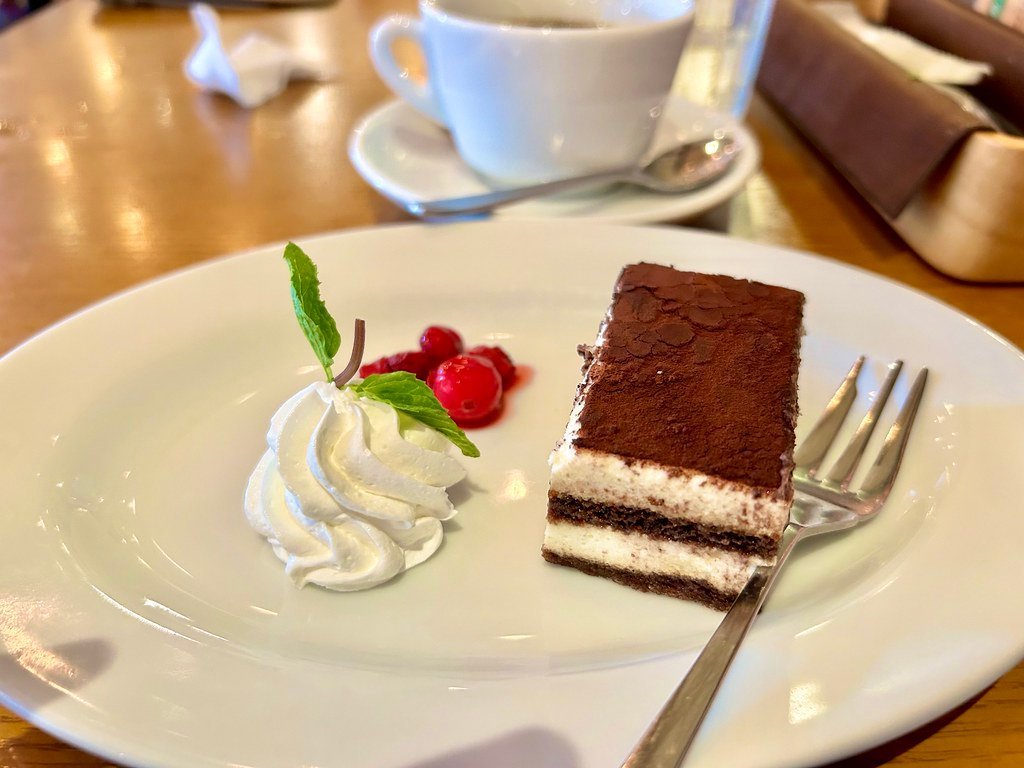
You’ll sometimes see beautiful-looking tiramisu, chocolate mousse, or homemade Caesar dressing on a resort buffet. These classic preparations can be incredible when done properly. However, traditional recipes for all three often use raw eggs. At a resort producing massive volumes of food for hundreds of guests, this is a corner that unfortunately gets cut sometimes.
In particular, avoid dishes with raw or undercooked eggs, such as homemade mayonnaise or mousse, as they can be breeding grounds for dangerous bacteria. To stay safe, always make sure your food is thoroughly cooked and served piping hot.
Hotel buffets present specific food safety and hygiene challenges. As outlined by the Food Standards Agency, these can include temperature control, cross-contamination, and allergen management. Desserts and dressings containing raw egg are rarely flagged or labeled clearly enough for guests to identify the risk. If something looks mousse-like or creamy and cold, it’s worth asking the staff about the preparation method before loading up your dessert plate.
9. Communal Condiments and Dipping Sauces
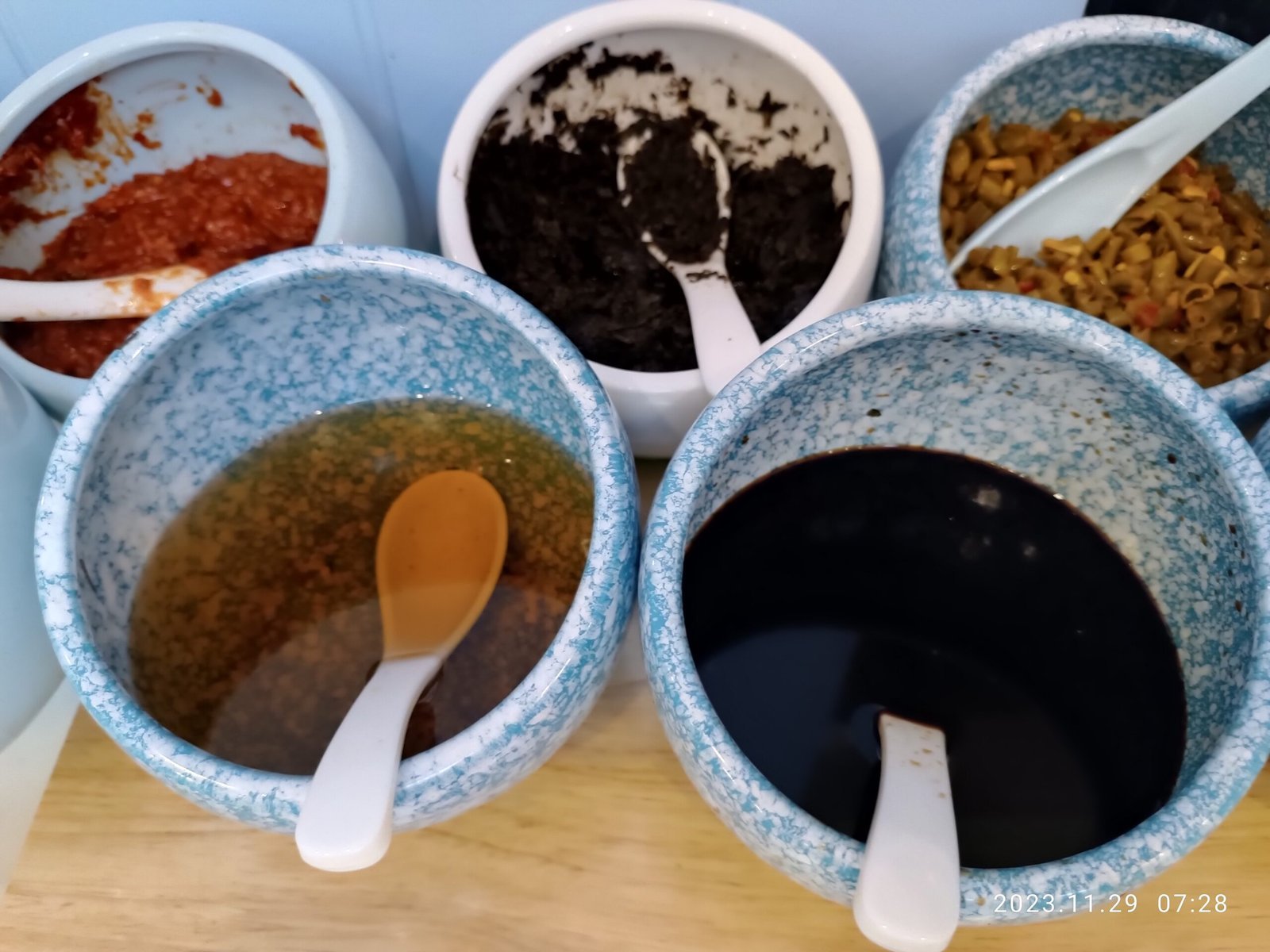
The little bottles and bowls of sauces, relishes, and condiments sitting on buffet tables often get completely overlooked in conversations about food safety. People grab the ladle, dip it in, and move on. Hundreds of people do this across an entire service period. Nobody blinks. It’s one of those low-visibility, high-risk zones at any buffet.
Diners should be cautious about communal serving utensils and condiments that can harbor bacteria. If just one dish becomes contaminated, it can spread to other foods, affecting many people. Sneezes over platters and untrained customers handling food directly all increase the risk. Even something as simple as using the same spoon for multiple dishes can be enough to transfer bacteria.
At a buffet, when you use the same serving spoon as everyone else, your hands have now become exposed to the bacteria from all those other hands. Think of condiment bowls as the handshake of the buffet. Warm sauces left out for long periods without temperature control are particularly risky. Stick to individually portioned sachets or sealed containers wherever available, especially for dairy-based dips and aiolis.
10. Any Food That Looks Like It Has Been Out All Day
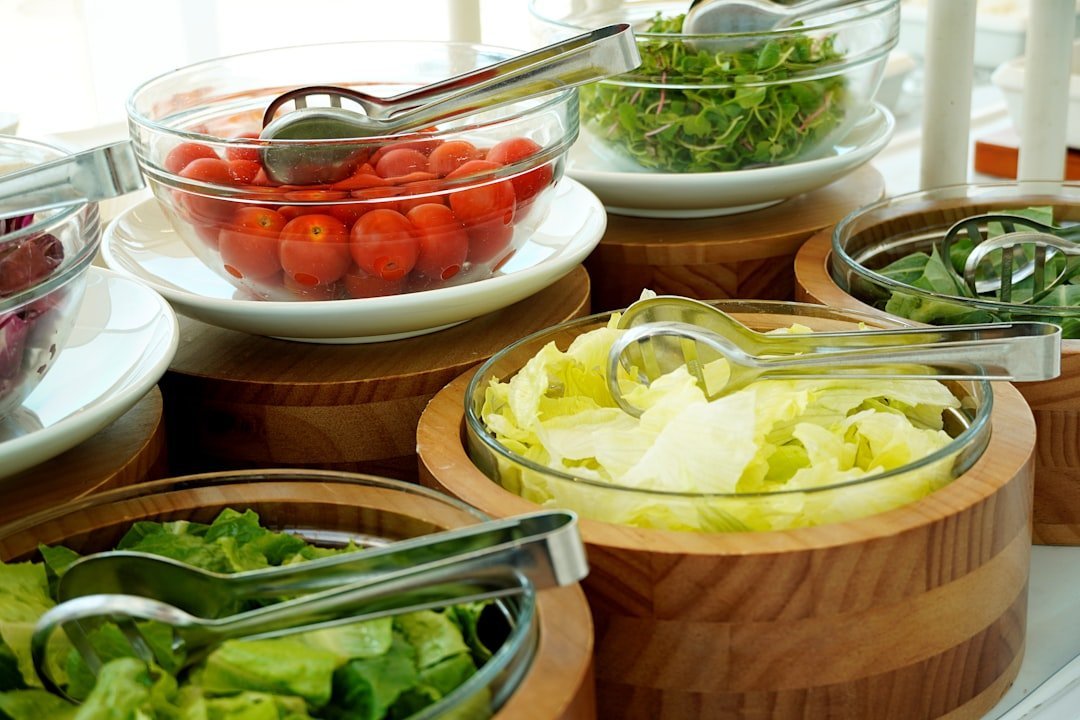
This one sounds obvious, but you’d be amazed how often it gets ignored when you’re hungry and the buffet is right there. A dish of fried noodles slightly shriveled at the edges. A curry with a faint skin forming on top. Desserts that look a little less vibrant than they did three hours ago. These are the silent warnings. Trust them.
The 2-hour rule is critical. Any buffet food left out at room temperature must be disposed of after 2 hours. Buffet-style dining, a hallmark of many all-inclusive resorts, poses specific risks. Food left out for extended periods, incorrect temperature control and repeated handling by guests can all lead to contamination.
Maintaining consistent temperature control is critical for food safety in hotels, but manual checks often fall short. With high volumes of food stored for room service, banquets, and restaurants, any deviation can compromise safety. Improper temperature control contributes to roughly a quarter of food spoilage in the hospitality sector. And remember, tourist arrivals in the Maldives reached an all-time high of 2.05 million in 2024. More guests means more pressure on kitchens to produce at volume, and that pressure sometimes creates shortcuts that end up on your plate. If it looks tired, leave it.
Conclusion: Eat Smart in Paradise
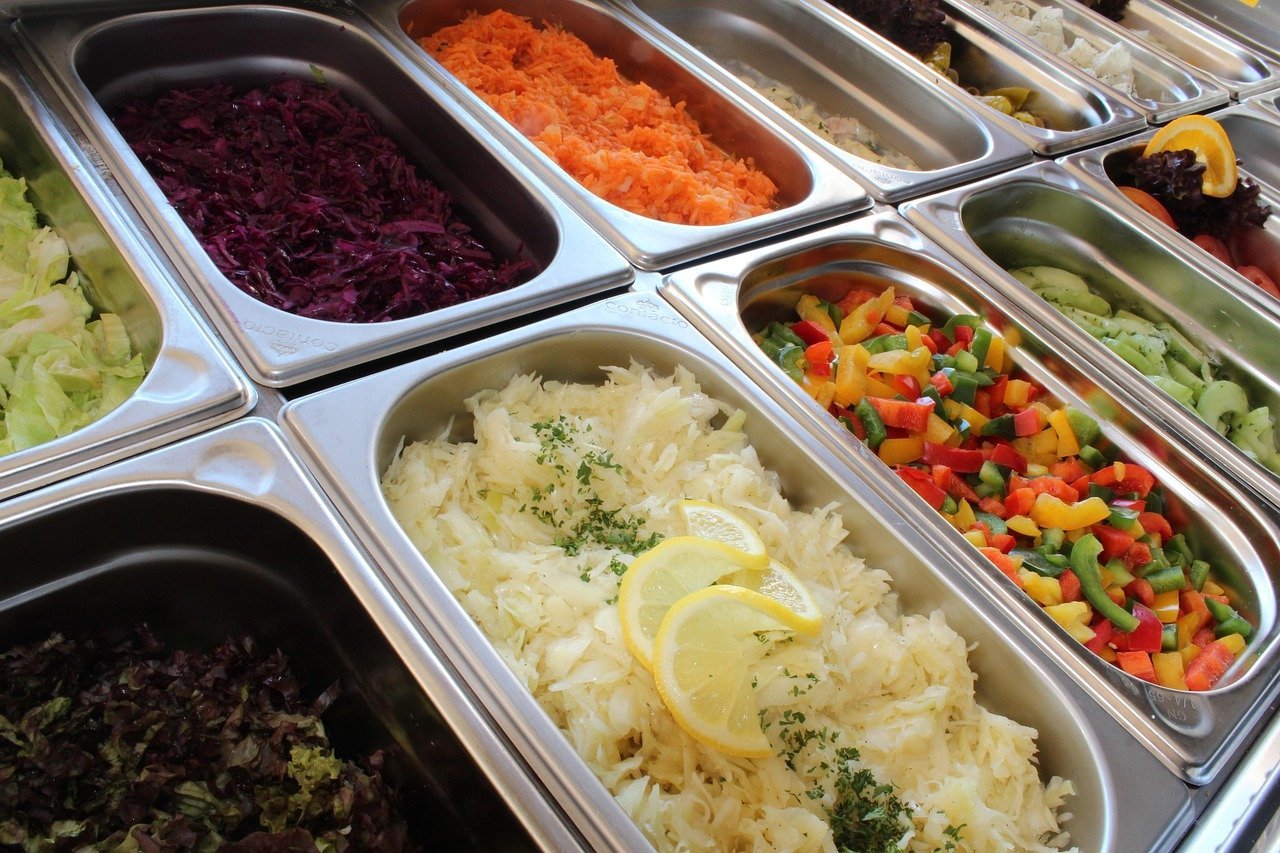
The Maldives buffet experience can genuinely be wonderful. There’s real artistry in the food, real passion in many of the kitchens, and the variety on offer at premium all-inclusive resorts is genuinely impressive. Imagine being on a much-planned vacation and coming down with a foodborne illness, ruining the entire guest experience. That’s not the story you want to bring home.
The rules are simple. Go for food that’s visibly hot and freshly replenished. Avoid anything that’s been sitting in the heat for extended periods. Stick to fruit you can peel yourself. Choose cooked over raw when in doubt. According to the UK’s Food Standards Agency, foodborne illnesses cost businesses £9 billion annually, with 2.4 million cases reported each year. Additionally, roughly six in ten diners state they would never return to a venue after a poor hygiene experience. Those are numbers worth keeping in mind the next time the shellfish station beckons.
The Maldives deserves to be remembered for the right reasons. What would you have guessed was the biggest food safety risk at a tropical resort buffet?