
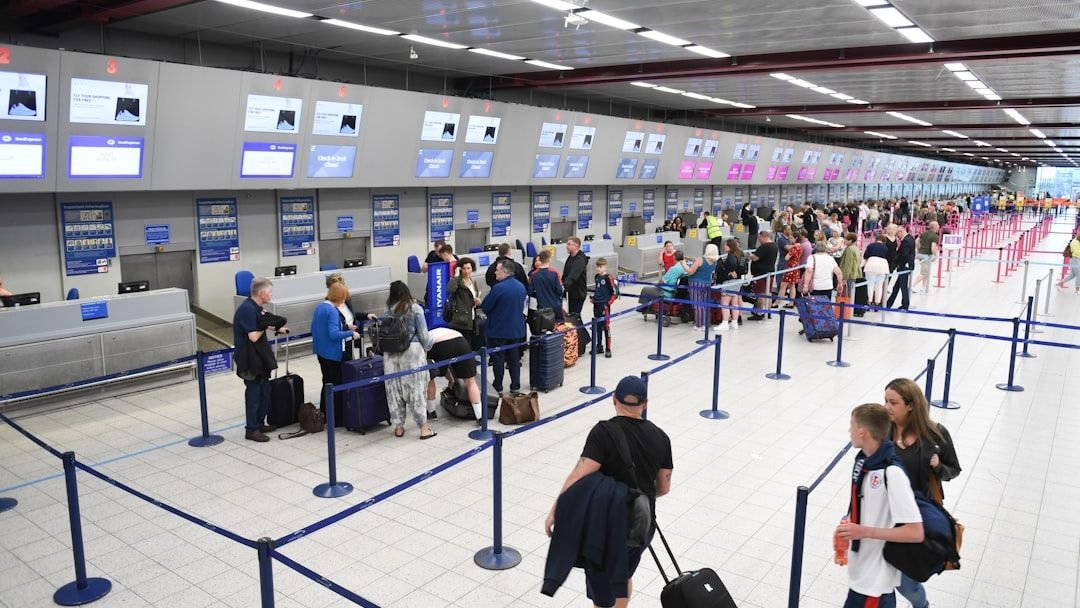
Ten countries. Ten border crossings. Planes, overnight buses, land ports, ferry docks – I did all of it within a single year. Some crossings took minutes, others took hours, and one nearly left me stranded in a foreign country overnight with nothing but a dying phone and a prayer. People always ask what I pack. They expect some high-tech gadget or a cleverly hidden money belt. The answer is far simpler, and honestly, far more powerful than most people expect.
Let’s just say it fits in your pocket, costs roughly the same as a mid-range dinner out, and in 2026 it has become the single most game-changing thing a multi-country traveler can carry. Surprised? Let’s dive in.
The Item That Changed Everything: Travel Insurance Documentation – Always Accessible, Always Organized
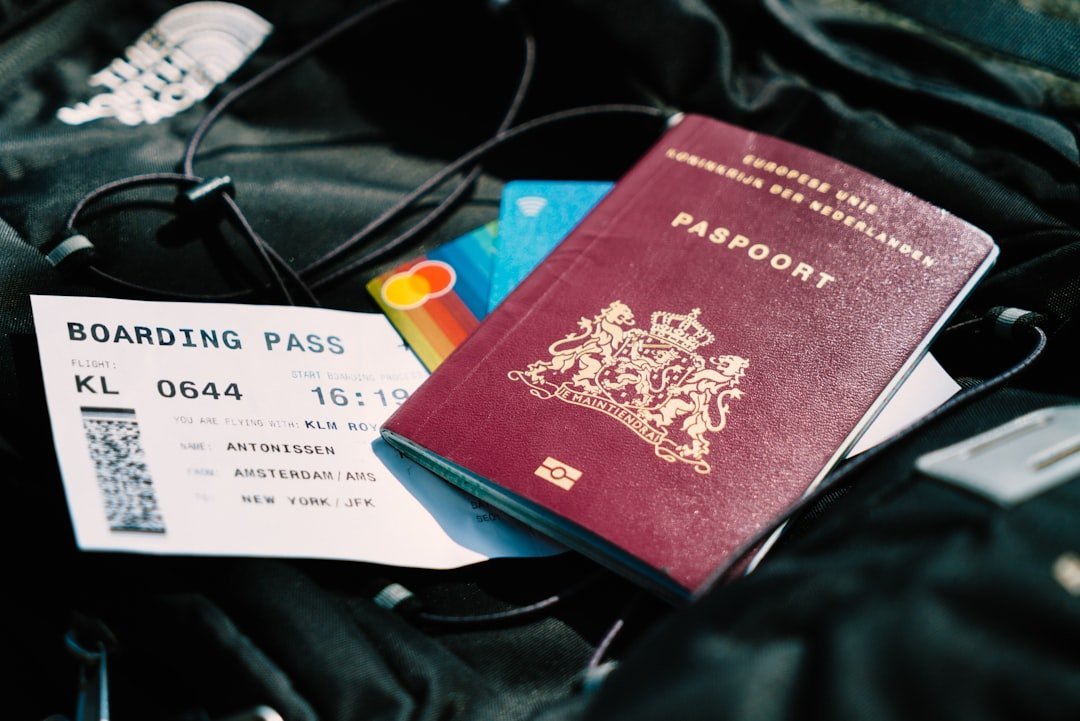
Here’s the thing most people don’t realize about crossing international borders repeatedly in one year. It’s not just about having your passport. Travelers should carry physical copies of essential documents, including their passport, visa, company letter confirming travel purpose, itinerary, and hotel accommodation. That stack of organized, accessible paperwork is what I call the “travel bible,” and it is the single item, in digital and physical form, that has genuinely saved me across 10 border crossings.
I keep mine in a compact, zippered document organizer, alongside a dedicated eSIM-connected phone loaded with every scan, screenshot, and booking confirmation imaginable. Before each border crossing, experienced travelers prepare screenshots of all those documents on a note-taking app so they can easily show them if needed, and having internet connectivity while crossing a border allows you to search for more documents or make a quick call in case problems arise. This was the single reason I sailed through a notoriously difficult land border crossing in Southeast Asia without a hitch.
Why Most Travelers Are Completely Underprepared
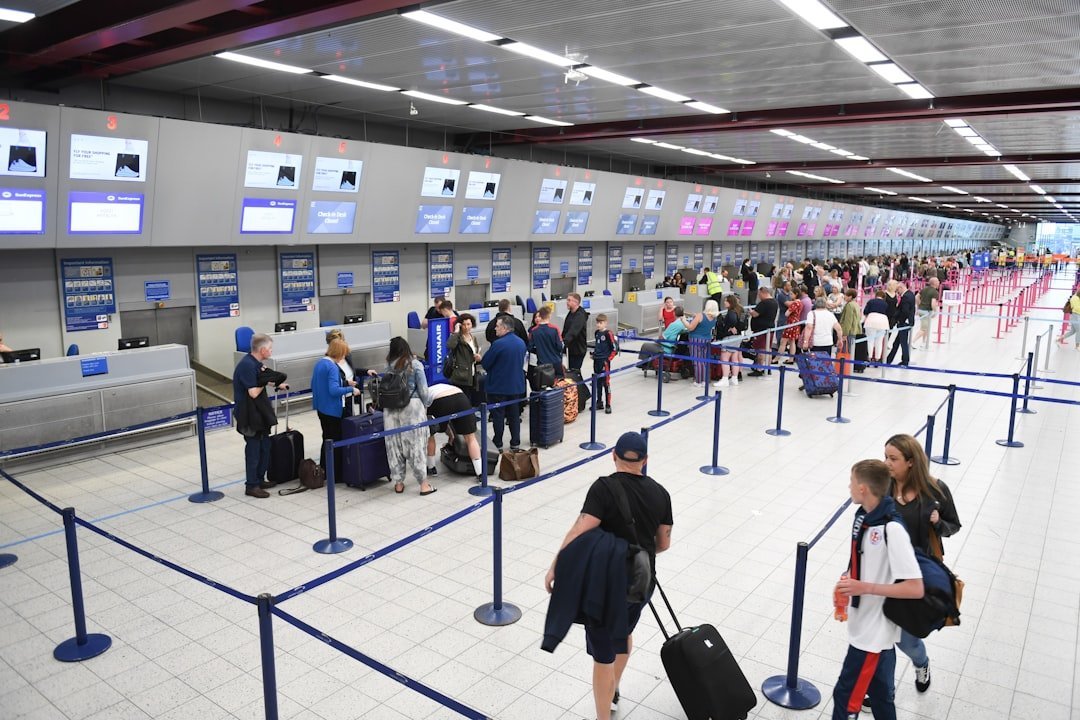
I know it sounds crazy, but the vast majority of travelers still show up at international borders with only the bare minimum. Almost a million individuals enter the U.S. daily, and everyone arriving at a port of entry is subject to inspection by Customs and Border Protection officers for compliance with immigration, customs, and agriculture regulations. Multiply that across every border in the world and the scale of people crossing every single day is staggering.
Yet most of those people are winging it. Some advisories urge travelers to expect scrutiny when crossing the border and warn that refusing to comply involves risks including device seizure, travel delays, or the denial of entry for non-U.S. citizens. Having a complete, organized, instantly accessible document package is your single greatest defense against all of that.
The Passport Problem Nobody Talks About
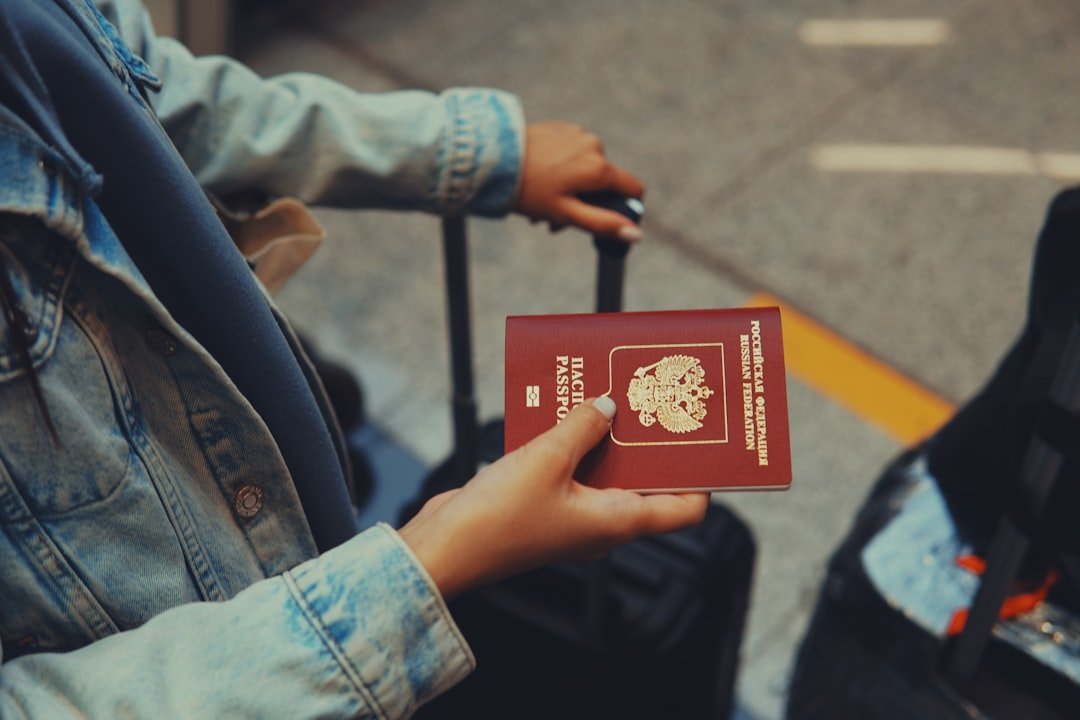
Your passport alone is not enough. This is one of those things experienced travelers know and first-timers absolutely do not. Make sure your passport is still valid for several months, because many countries, especially those that require a visa, will not accept passports that expire in less than six months, and airline staff and border control have the right to refuse access to any customers with a soon-to-expire passport.
I watched a woman in tears at an airport check-in counter because her passport had exactly five months and twenty-eight days left. The airline turned her away. Some countries require a supplementary document known as an international visa, and international visa requirements depend on the destination country as well as the visitor’s passport country of issue, the length, and purpose of their stay. Knowing this before you go, and having all documentation sorted well in advance, is the kind of preparation that separates nervous travelers from confident ones.
The eSIM: The Hidden Superpower Inside Your Document Strategy
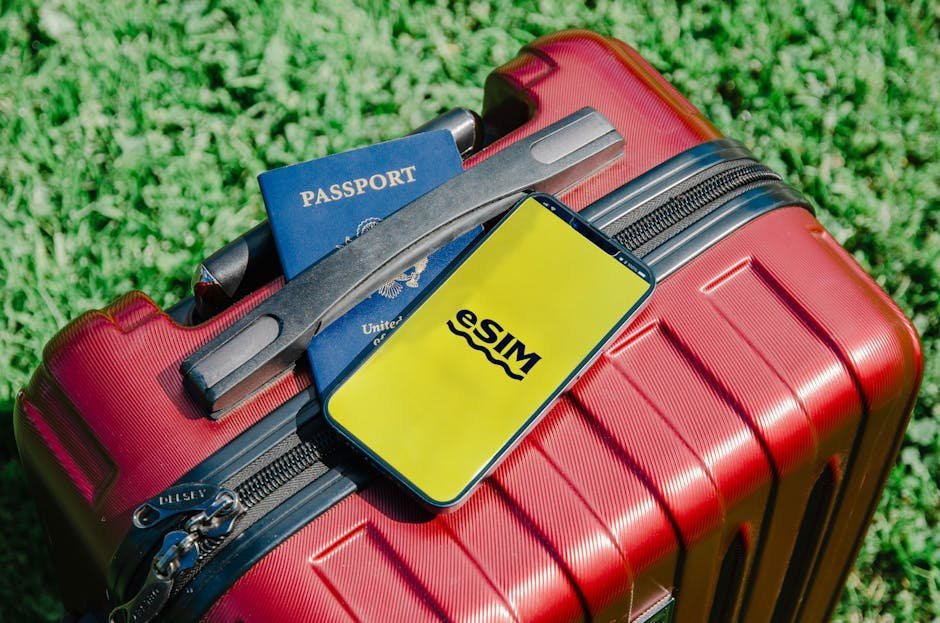
Having your documents organized is only half the equation. You also need to be connected, at every border, in every country, immediately upon arrival. Evolving eSIM technology offers a compelling alternative to traditional SIM cards for international travelers, and as of late 2024, a significant portion of mobile devices now support this technology, making it easier to switch between local carriers without needing to physically swap SIMs, which proves valuable for reducing the hassles and high costs associated with international roaming plans.
Honestly, I cannot overstate this. One of the most compelling aspects of eSIMs is their cost-effectiveness, with eSIM providers often offering plans starting around five dollars per gigabyte or less, which compares favorably to the exorbitant costs of some roaming plans that can easily exceed twenty dollars or more per megabyte in certain locations. For someone crossing borders as frequently as I was, the savings across a full year were substantial.
Travel Insurance: The Real “Save Your Life” Layer

Let’s be real. You can have every document in the world organized perfectly, and still find yourself in a genuine emergency abroad. That’s where travel insurance becomes the final, most critical layer of your document and preparation package. The global travel insurance market was valued at $23.8 billion in 2024, and is projected to reach $132.9 billion by 2034. That kind of explosive growth tells you something important: travelers around the world are finally waking up to just how essential this protection really is.
The most common travel insurance claims are for unexpected trip cancellations and interruptions, while emergency medical expenses remain a top concern, especially for longer or riskier trips. After crossing into a country where I suddenly needed a doctor for a stomach illness, having proof of my insurance policy in my organized document folder meant I was treated immediately, no panicked phone calls required. Emergency medical coverage is crucial, with about nearly four in five policies in 2025 now including medical benefits to offset high healthcare costs overseas.
What the Data Says About Smarter Travelers in 2025 and 2026

The numbers are fascinating, and they confirm what experienced multi-country travelers already know from instinct. Travel habits evolved significantly in 2024, with a surge in insured trips and a growing preference for international destinations, while the demand for travel insurance grew by roughly one in seven travelers in 2024, driven by more expensive itineraries and evolving travel habits. People are spending more, traveling further, and, crucially, protecting themselves better.
Nearly two thirds of millennials were still traveling without coverage in 2025, making them the least likely to insure their trips. That is a genuinely alarming statistic. Meanwhile, three in four travelers prioritize health and safety when choosing an insurance plan in 2026. The gap between intention and action is still wide, but it is narrowing fast as more people understand the real risks that come with multi-country travel.
Border Crossing Reality in 2025 and 2026
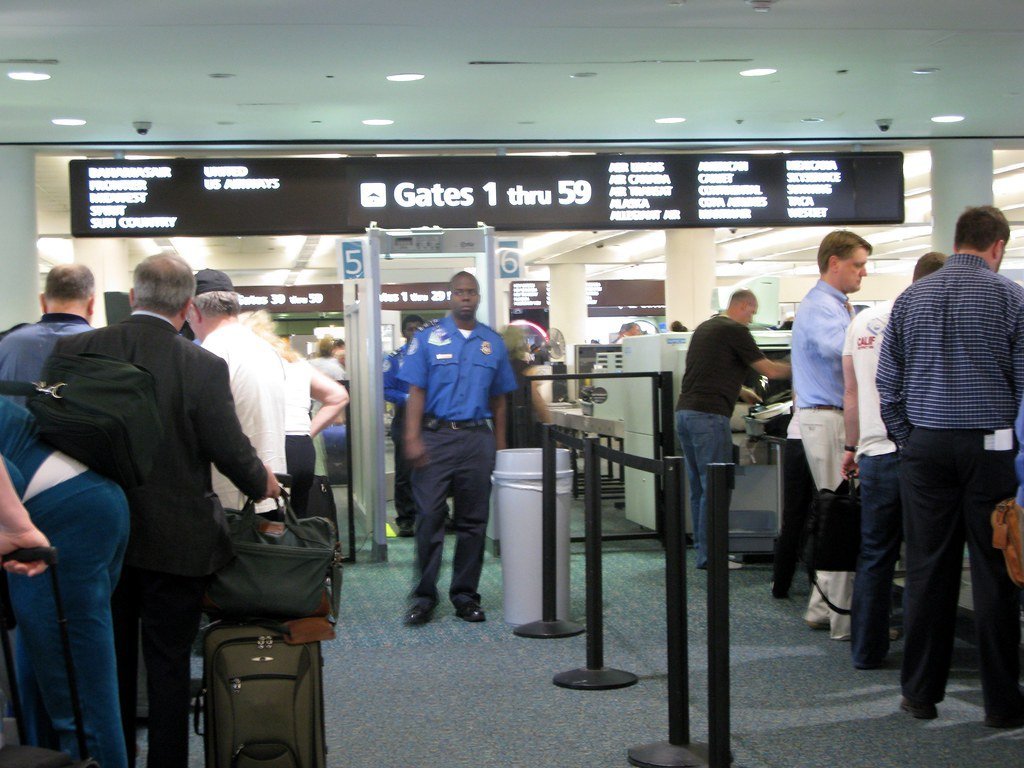
The actual volume of people moving across international borders right now is enormous, and border agencies worldwide are dealing with unprecedented volumes. Pedestrian traffic at U.S. land borders showed steady growth in 2025, increasing by nearly ten percent year over year to 45.1 million crossings. That is an ocean of people, and the more chaotic and crowded a border crossing is, the more critical it becomes to have everything ready and accessible.
The right accessories can keep you organized during the chaos of airport security and immigration lines, and good travel accessories can also help keep you comfortable and relaxed when travel starts to get difficult. That is not a sales pitch. That is the honest truth from anyone who has stood in a sweaty, three-hour land border queue with an impatient officer waiting on the other side. Most border crossings feature Ready Lanes which are roughly a fifth faster than normal lanes, but only if you have the right documents loaded and ready to present instantly.
The Document Organizer Setup That Actually Works

So what does the winning setup actually look like in practice? Here is what I refined across ten crossings this year. A slim, water-resistant document organizer holding a physical passport, one printed hotel booking confirmation per country, one copy of my travel insurance policy summary, and an emergency contact card. Simple.
Depending on where you are traveling, you may also want to consider traveling with printed copies of your emergency contacts, a first aid kit, a reusable water bottle, and printed copies of your passport and visas that may be required. Paired with a fully backed-up phone loaded with digital versions of everything, ensuring that all travel documents including visa, ESTA, passport, invitation letters, and itineraries are valid, accurate, and consistent means you are almost bulletproof at any border. Almost. Because nothing is ever fully bulletproof when you are traveling through ten different countries.
Why Preparation, Not Gear, Is the Real Hero

Here is the final truth about what it means to travel across ten international borders in a single year. No gadget saves you. No travel pillow or noise-canceling headphone makes a border officer wave you through faster. By returning to the fundamentals, which means preparation, awareness, and trusted guidance, travelers can best protect themselves at any border. That is it. That is the whole secret.
Having the right gear with you can make long-haul flights more bearable, sure, but preparation is what makes international travel genuinely safe and smooth. The “one item” that saved me across 10 countries was not a single physical object. It was the habit of total preparation, packaged into a document organizer that never left my side.
The traveler who is turned away at a border, delayed for hours, or left without medical care in a foreign country is almost always the one who assumed everything would work out. I think we all know someone like that. Don’t be that person.
What would you have done differently before your last international crossing?