

There is a fantasy version of island life and a real one. In the fantasy, you sip a coconut on the beach and your laptop runs like a dream. In reality, most people discover too late that paradise and a decent upload speed don’t always come as a package deal. Choosing the wrong island means staring at a spinning wheel while your deadline approaches.
The good news? A growing number of islands worldwide have quietly cracked the code: genuinely low cost of living plus internet fast enough to actually work on. The remote work revolution has pushed these places to invest in their connectivity infrastructure like never before, and the results are impressive. Here’s what the data and real nomad experience actually tell us. Let’s dive in.
1. Koh Phangan, Thailand – The Island That Never Drops Your Call
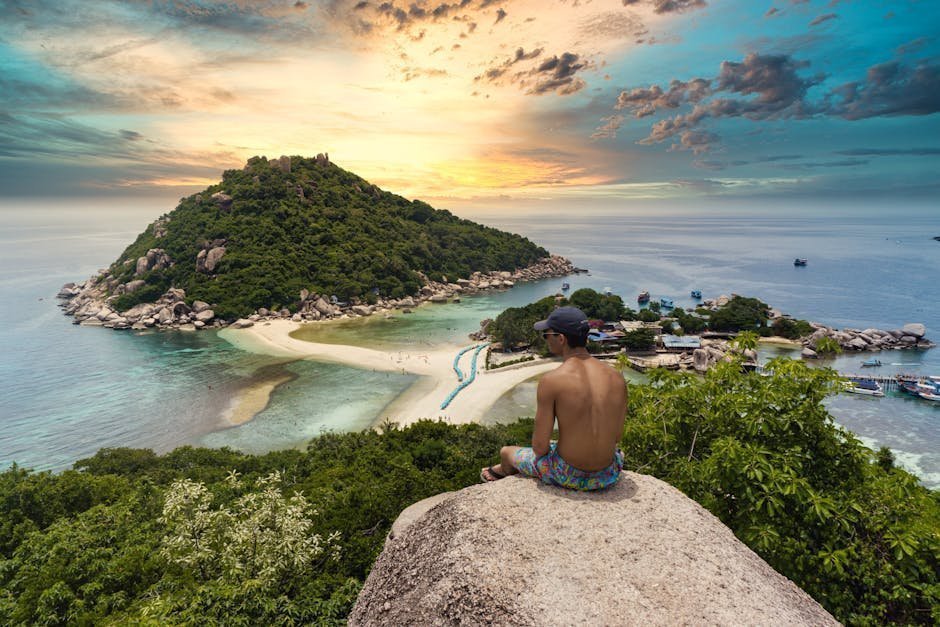
Most people still think of this Gulf of Thailand island purely as a party destination, famous for its Full Moon Party and yoga retreats. Honestly, that reputation is doing Koh Phangan a disservice. Beyond its Full Moon Party reputation, Koh Phangan has developed into a serious nomad destination.
Even though Koh Phangan is a relatively remote island, the internet is easy to get, all cafés and restaurants have wifi and in most cases it’s fast and reliable. Apparently, the whole island uses fiber optic cables. That’s a remarkable infrastructure achievement for what many outsiders still picture as a jungle party island.
Rent on Koh Phangan runs roughly $350 to $700 per month for a basic apartment or small house. Coworking spaces like Beachub deliver internet speeds of around 30 to 50 Mbps. For most remote workers, video calls, file uploads, and client meetings, that is more than enough.
Monthly living costs start around $800 to $1,200, with excellent internet infrastructure in major cities and a massive expat community. Thailand also introduced its Destination Thailand Visa in 2024, giving long-term nomads a legitimate path to staying without the old border-run headaches.
2. Bali, Indonesia – Overhyped? Maybe. Outdated Reputation? Definitely.

Let’s be real: Bali’s old reputation for patchy internet was earned. It was a genuine problem for years. However, things have shifted in a major way. Bali has put a major emphasis on internet access and connection speeds on the island. They have introduced 4G mobile service to most parts of Bali as well as invested in fiber optic cables to connect certain areas to high-speed internet.
Bali has been attracting digital nomads for the past few years, partly thanks to its relatively fast internet and hip coworking spaces. In these shared offices, 100 Mbps fiber-optic connections are the rule, with some places even opting for 1 Gbps symmetrical connections. Think of that for a moment. One gigabit per second on a tropical island.
Biznet is one of the largest providers covering about 80% of Bali. It has a bandwidth of up to 250 Mbps and an unlimited quota. Popular nomad hubs like Canggu and Ubud lead the pack in terms of connectivity and café culture built specifically for remote workers.
With over 17,000 islands to choose from, Indonesia has stunning natural scenery, rich cultural traditions, and one of the lowest costs of living in Asia. Popular destinations like Bali offer world-class coworking spaces and a large community of remote workers. For the budget-conscious nomad, it remains one of the most compelling options on earth.
3. Gran Canaria, Spain – Europe’s Secret Weapon for Remote Workers
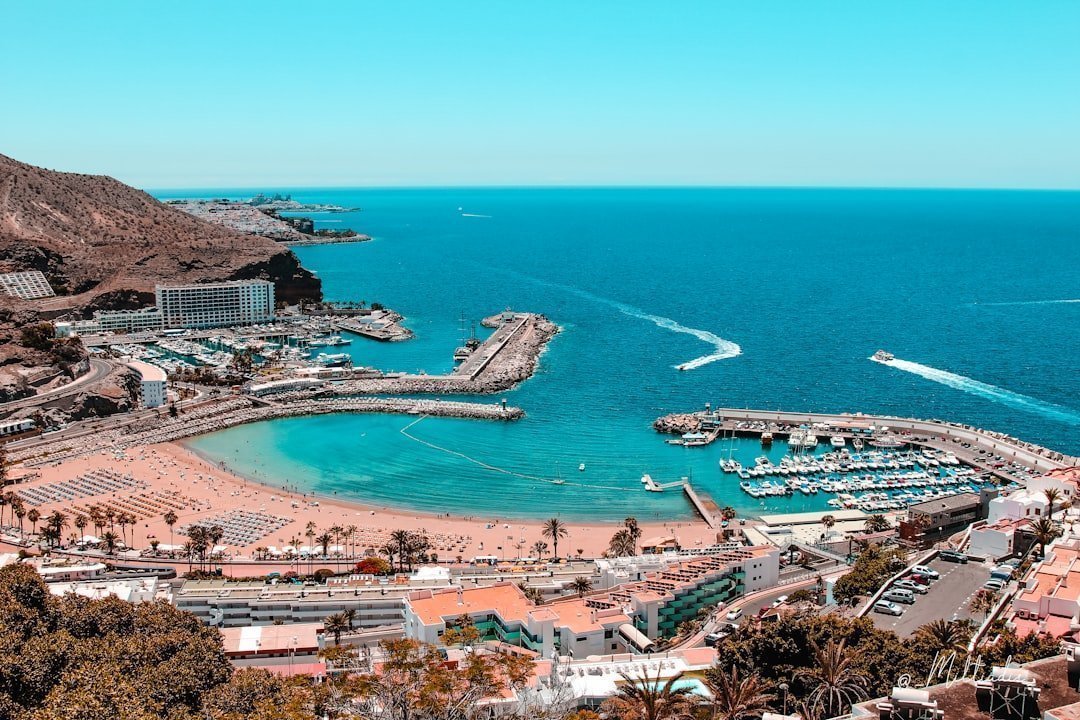
Here’s a place that genuinely surprises people. Gran Canaria is technically Spain, but it sits just off the coast of Morocco, giving it year-round spring-like weather unlike anything on the European mainland. Gran Canaria is a digital nomad powerhouse. Las Palmas feels like a mix of Barcelona, Lisbon, and Rio – but warmer, cheaper, and easier than all three.
The island offers fiber internet speeds between 100 and 600 Mbps, widely available, with an average monthly cost for a solo nomad running between $1,300 and $1,900. For a European base with Mediterranean climate, those are genuinely competitive numbers. Compare that to Berlin or Amsterdam and you’ll feel the difference immediately.
Madeira and Gran Canaria have the most reliable island internet ever tested by experienced nomads – consistent fiber, stable uploads, and latency that won’t kill your calls. That consistency matters more than peak speed. A 600 Mbps line that drops out every afternoon is worth less than a steady 100 Mbps connection.
Las Palmas de Gran Canaria offers the best city-plus-beach combo in Europe for digital nomads, with an unmatched winter climate and a thriving community. There are multiple coworking spaces, coliving options, and active nomad communities – the infrastructure for productive island living is genuinely there.
4. Cebu, Philippines – The Affordable Alternative Nobody Talks About Enough
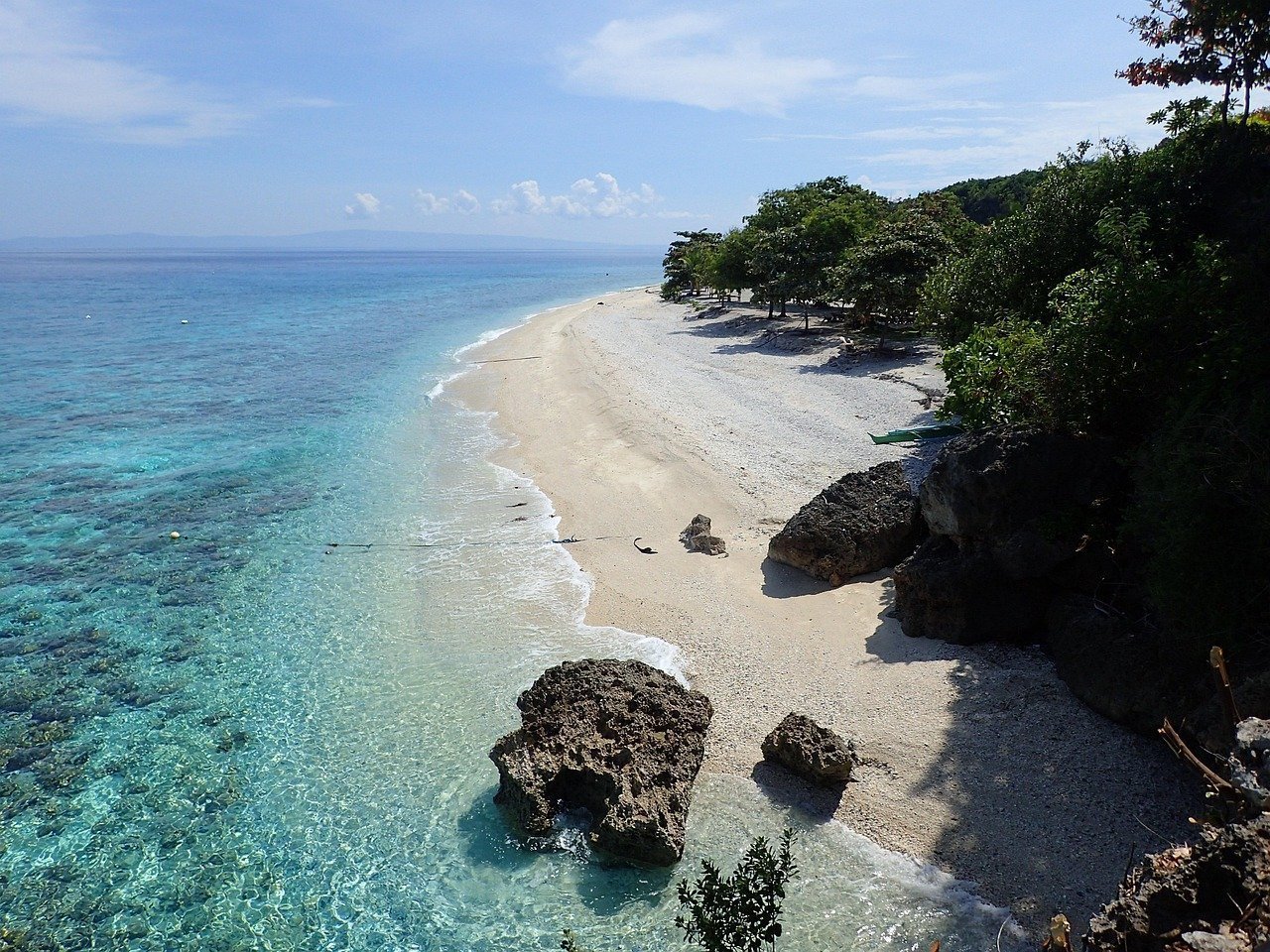
Mention the Philippines and most people picture Siargao. But Cebu is arguably the smarter choice for remote workers who need reliability above all else. It sits in the heart of the Visayas, has an international airport, and has quietly built one of the best connectivity setups in Southeast Asia.
Penang, Cebu, and Koh Lanta are the cheapest islands for digital nomads who still want comfort, good food, and dependable Wi-Fi. That is a strong endorsement from a source that tested dozens of destinations side-by-side. Cebu consistently punches above its weight on connectivity for its price point.
Internet in the Philippines is widely available, costing around $27 to $45 per month depending on the provider and plan. The average monthly cost of a fixed broadband subscription in the Philippines amounted to $35.55 in 2024. That is significantly cheaper than what you’d pay across most of Europe or even Southeast Asian cities like Singapore.
In the Philippines they actually speak English fluently like native speakers. For many nomads, that alone is a massive lifestyle advantage, removing the daily friction of navigating a language barrier when dealing with landlords, doctors, and co-working spaces.
5. Koh Lanta, Thailand – The Quieter, Smarter Thai Island Choice
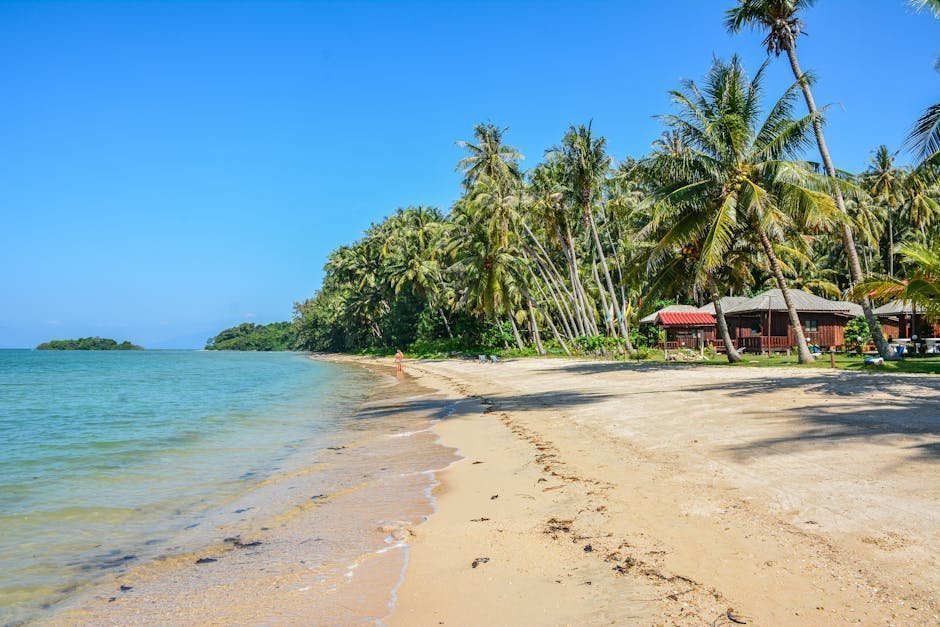
If Koh Phangan feels a little too social and Phuket feels a little too expensive, Koh Lanta sits in the sweet spot. It is laid-back in the truest sense, more family-friendly, and it has a growing nomad infrastructure without the crowding that drives up prices elsewhere.
Co-working spaces are the beating heart of the digital nomad community, and Thailand offers plenty. Vibrant workspaces like Beachub in Koh Phangan and Kohub in Koh Lanta are where you can get your job done and network with fellow digital nomads. Kohub in particular has developed a reputation as one of the best purpose-built coworking spaces on any Thai island.
Koh Lanta offers strong Wi-Fi around 30 to 50 Mbps and a few good coworking spaces. It’s quieter than Phuket, with a relaxed vibe but all the modern amenities you’d need. That quiet, focused atmosphere is worth more than people realize. It’s hard to overstate how much productivity improves when your surroundings aren’t trying to distract you every five minutes.
Thailand’s allure is undeniable with a low cost of living index of just 34.7. This jewel of Southeast Asia boasts cities like Chiang Mai and Bangkok and islands like Ko Phangan and Ko Phi Phi, with an impressive average internet speed of 260.54 Mbps nationwide. Koh Lanta benefits from this national infrastructure push.
6. Mauritius – The Indian Ocean Nomad Visa That Changes Everything
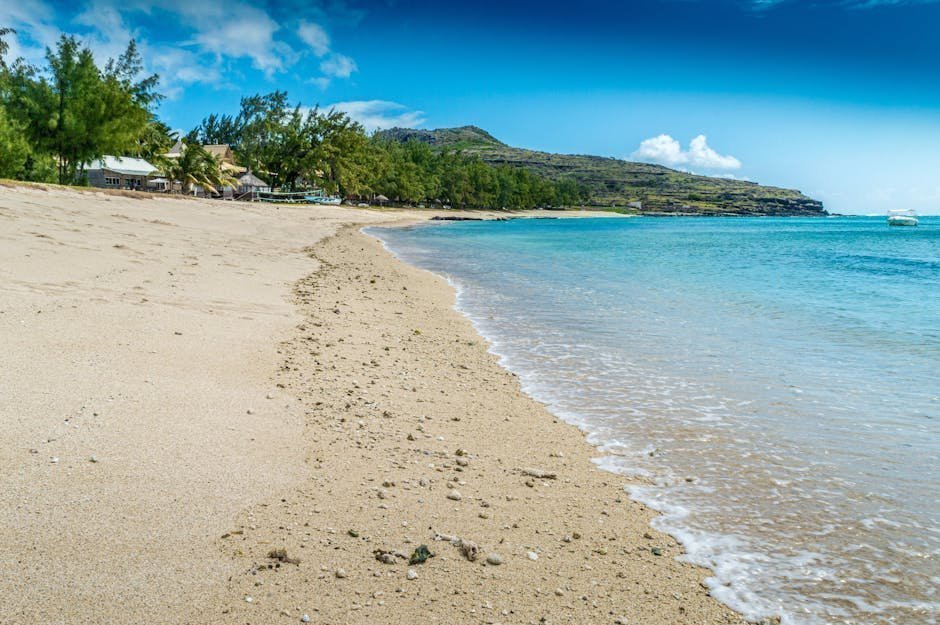
Mauritius is an island most people associate with luxury honeymoon packages. I get it, the imagery is all turquoise water and overwater bungalows. But look past the resort marketing and you’ll find something genuinely interesting emerging here for remote workers.
Mauritius is a tropical island nation combining affordability with scenic beauty. Remote workers can enjoy beachside apartments at reasonable prices, with co-working spaces available in the capital, Port Louis. The country is especially appealing to nomads seeking a peaceful environment, warm climate, and English-friendly communication.
Some of the best islands for digital nomads are also the most visa-friendly, especially places like Malta and Mauritius that actively encourage long-stay remote workers. Mauritius specifically introduced a premium travel visa designed to attract digital nomads, allowing stays of up to one year, which is a serious commitment to building a remote-work community.
Mauritius is the island to recommend when you want peace and a 12-month nomad visa. The island surprised experienced nomads who expected only honeymoon resorts, but there is actually an emerging nomad scene here – and the government wants remote workers. Internet infrastructure is growing rapidly to support that ambition.
7. Penang, Malaysia – Asia’s Most Underrated Island Hub

Malaysia as a whole gets far less nomad attention than Thailand or Indonesia, which is genuinely baffling. Penang in particular is a remarkable island city that combines incredible food culture, solid infrastructure, and a cost of living that makes most Western nomads do a double-take when they see the numbers.
Malaysia’s charm lies in its skyscrapers, bustling cities, charming countryside, and stunning beaches. The DE Rantau Nomad Pass allows foreign remote workers to live and work in Malaysia for 3 to 12 months. The pass allows multiple entries and can be renewed for another 12 months. For those looking to stay long-term, the country also has the MM2H program allowing foreigners to live in Malaysia for ten years.
Penang, Cebu, and Koh Lanta are consistently ranked among the cheapest islands for digital nomads who still want comfort, good food, and dependable Wi-Fi. It’s hard to find a combination that delivers as much value per dollar as Penang does. The food scene alone is arguably the best in all of Southeast Asia, and that’s not a small thing when you’re living somewhere long-term.
Georgetown, Penang’s capital, is a UNESCO World Heritage city packed with street art, hawker centers, colonial architecture, and a genuinely multicultural energy. Connectivity is strong throughout the urban areas, and the cost of renting a comfortable apartment sits well below what you’d pay in Bali or Koh Phangan for comparable quality.
8. Fiji – The Surprising Pacific Island With Shockingly Cheap Internet

This one genuinely surprises people and it surprised me too when I first looked at the data. Fiji is not typically associated with “affordable” anything. It is marketed almost exclusively as a luxury escape. Yet the connectivity data tells a completely different story.
Fiji takes second place globally for cheapest internet, with a price of just $0.09 per 1 GB of internet due to the constant expansion of fiber-optic networks. For context, that puts Fiji among the absolute cheapest places on the planet to access the internet by data cost. The investment in fiber infrastructure has been significant and ongoing.
The key is knowing where to base yourself. The main islands, particularly around Suva and Nadi, offer far better connectivity than the remote outer atolls. Choosing your specific neighborhood on Fiji makes all the difference between a fast fiber connection and a frustrating experience. Think of it like the difference between central Bali and a rural rice paddy – technically the same island, entirely different worlds.
Budget accommodation and local food markets on the main islands bring the overall cost of living down considerably compared to what resort pricing suggests. For digital nomads, the price, quality, and speed of the internet are of immense importance, and Fiji’s investment in its fiber network makes it a genuinely viable and dramatically overlooked option for the Pacific-leaning nomad.
9. Madeira, Portugal – The Atlantic Island That Rewrote the Rulebook
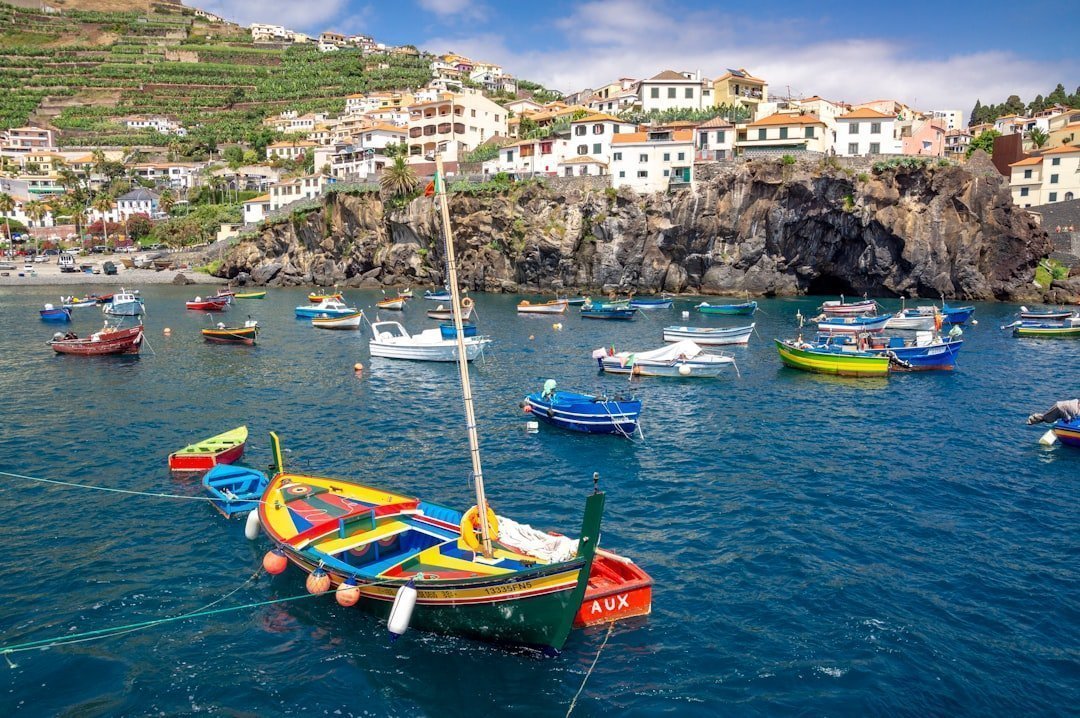
If you’ve been following the digital nomad world at all over the last few years, you’ve heard about Madeira. There’s a reason for that. This Portuguese island in the Atlantic became one of the first places in the world to build an entire village specifically designed for remote workers, and the internet infrastructure followed that vision completely.
Madeira and Gran Canaria have the most reliable island internet experienced nomads have ever tested – consistent fiber, stable uploads, and latency that won’t kill your calls. That consistency has made Madeira something of a gold standard for what island internet can look like when there’s real political will behind the investment.
People don’t realize the Azores and Madeira have fiber internet, because all the marketing is focused on natural scenery. But if you want a quiet island to work, hike, and breathe – this is it. There’s something quietly powerful about a place that gives you forest trails, ocean cliffs, and a fiber connection all in the same afternoon.
Madeira sits within the EU, meaning it benefits from European data infrastructure standards while operating at a cost of living far below Lisbon or Porto. Monthly costs for a single person can come in well under what you’d spend in most Western European cities, particularly if you move away from the Funchal tourist core. The best islands for digital nomads aren’t always the most famous ones – they’re the ones where the Wi-Fi works, life is affordable, and you can actually get work done. Madeira fits that description precisely.
Conclusion: The Island of Your Dreams Is Probably Not the One You Expected
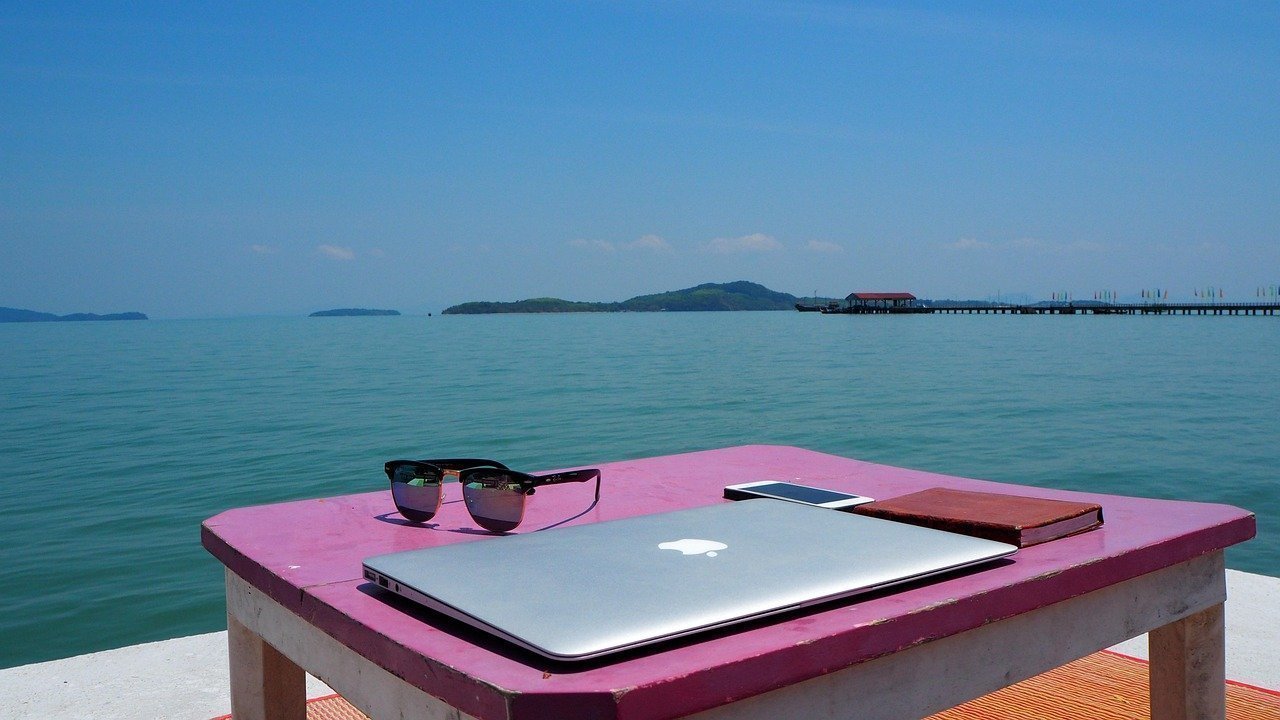
The biggest takeaway from all of this? The islands with the fastest and most affordable internet are often not the ones dominating your social media feed. They’re the places that invested in fiber infrastructure quietly, without the fanfare. Koh Phangan, Gran Canaria, Penang, and Madeira didn’t end up on this list by accident. They made deliberate choices to attract remote workers and built the connectivity to back it up.
In the United States alone, there were 7.3 million digital nomads in 2019. By 2024 that number had risen to 18.1 million – a massive 147% increase. That kind of demand is reshaping islands all over the world, and the places that are adapting fastest are the ones that will dominate the next decade of remote living.
The choice isn’t really between paradise and productivity anymore. It’s about finding the islands that have figured out how to give you both. And as this list shows, there are more of them than most people think. Which one would you pack your bags for first?