
There is something quietly thrilling about landing in a foreign country, pulling out your wallet, and realizing that everything around you costs a fraction of what you’re used to back home. Suddenly, the hotel room that would have drained your savings in New York or Los Angeles is just a casual Tuesday night splurge. Your dollars don’t just go further here. They go to an entirely different dimension.
Several global forces have pushed the US dollar into this position of remarkable strength. Stable interest rates, strong demand for US assets, and inflation differences across economies have all played a role, and for American travelers and expats alike, this means dramatically increased purchasing power in many parts of the world. The map you’re about to explore isn’t theoretical. It’s backed by real exchange rates, real cost-of-living data, and real experiences that are changing how Americans think about wealth and travel. Let’s dive in.
1. Argentina: A Jaw-Dropping Rate Nobody Saw Coming
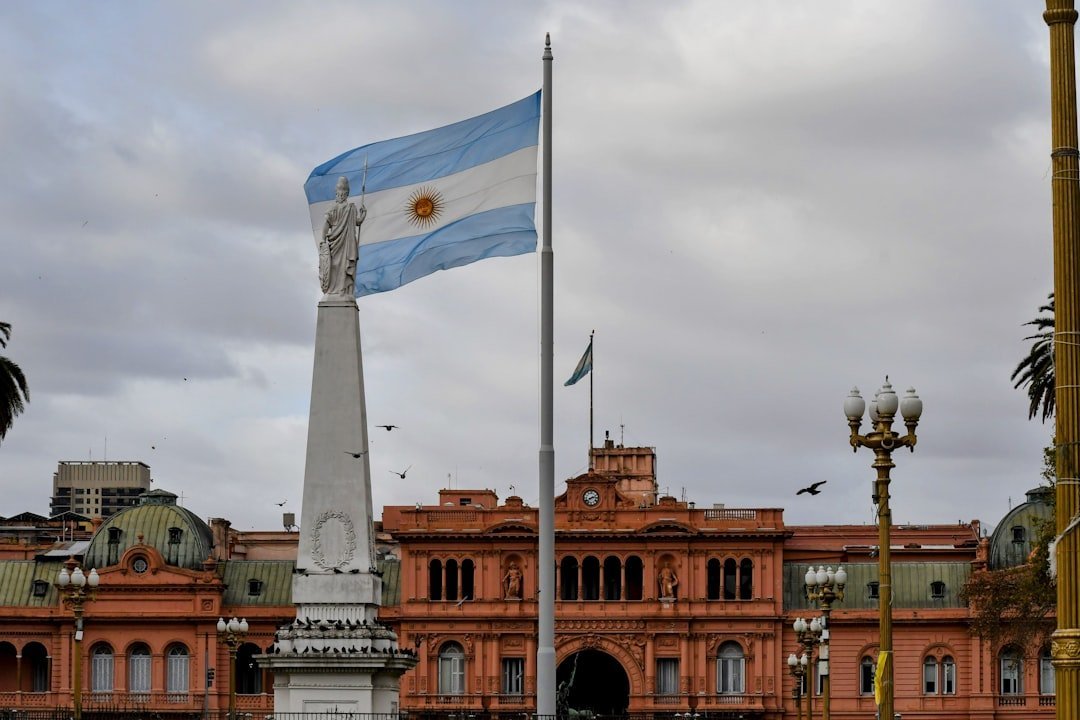
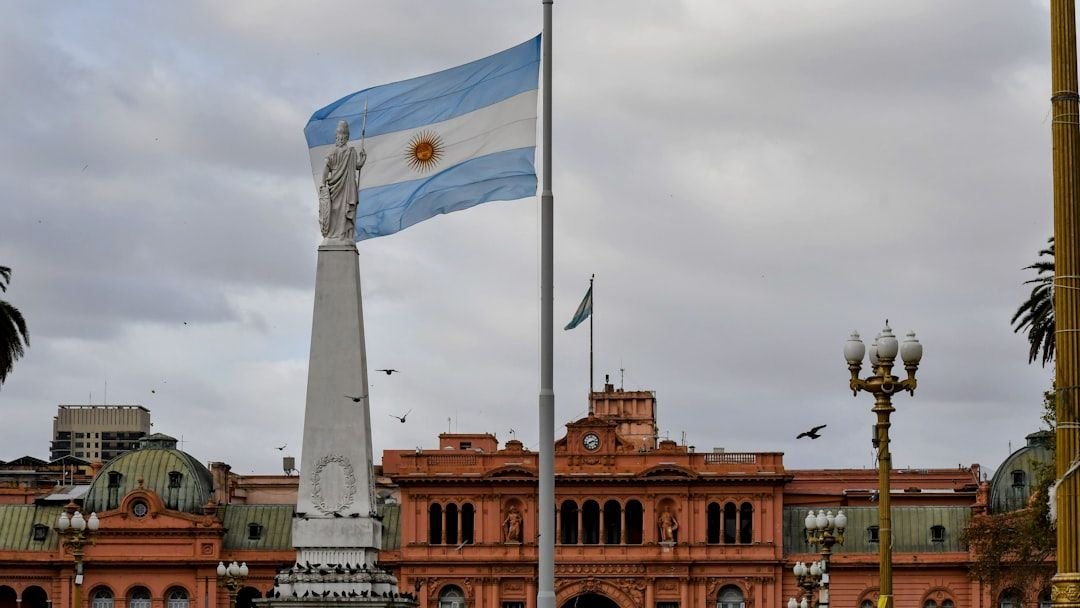
Let’s be real – the sheer scale of what the dollar does in Argentina right now is almost hard to believe. The average US dollar to Argentine peso exchange rate in 2025 was roughly 1,244 pesos per dollar, with the rate peaking at nearly 1,490 pesos to the dollar at its highest point that year. That’s not a typo. That means a single dollar bill commands over a thousand units of local currency.
Persistent economic issues have caused a dramatic devaluing of the Argentine peso in recent years, and the US dollar now stretches as far as the view from Mount Aconcagua. Think about that for a second. World-class steak, legendary Malbec wines, the electrifying streets of Buenos Aires – all at prices that feel like a dream.
Though inflation rates have continued to increase over the years, making life difficult for anyone earning in Argentine pesos, foreigners earning in US dollars and euros from outside Argentina will benefit from the sustained low cost of living and the “Blue Dollar” exchange rate. For Americans, it’s the closest thing to a cheat code in modern travel economics. What would you do with three times the spending power?
2. Vietnam: Where 26,000 Dong Greets Every Single Dollar
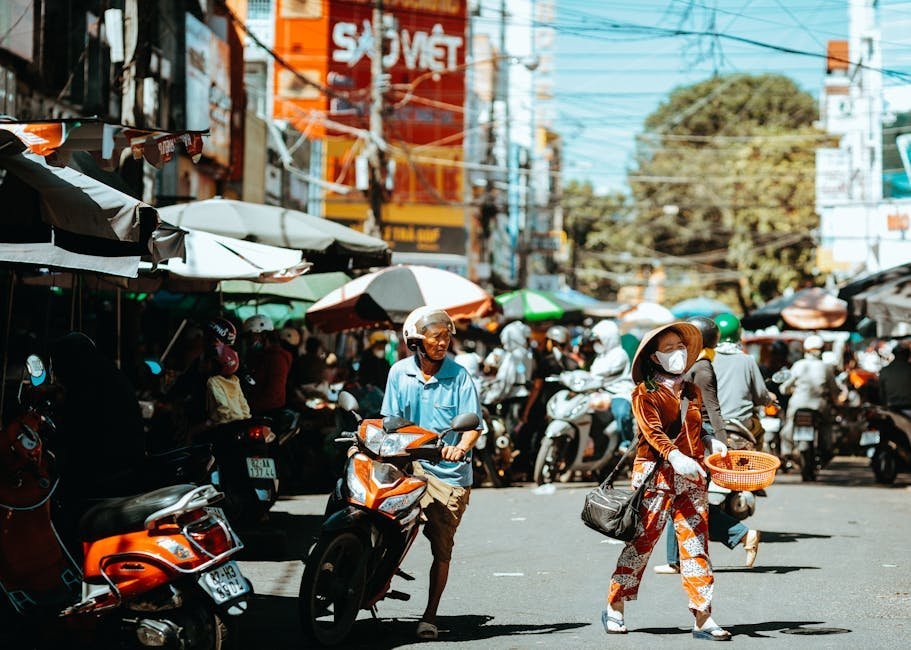
With an exchange rate of roughly 1 USD to 25,700 Vietnamese dong, from street food in Hanoi to the beaches of Da Nang, Vietnam offers tremendous value, and daily expenses like meals and transportation remain remarkably affordable. Honestly, I think Vietnam might be the single most underrated country on this entire list for pure dollar performance.
One of the most reliable measurements is the World Bank’s price level ratio. If a country has a ratio of 0.30, like Vietnam regularly does, it means that, on average, your dollar buys three times as much there as it does elsewhere. That’s not marketing fluff. That’s a verified economic metric, and Vietnam keeps hitting it consistently.
Vietnam keeps popping up on the radar for people who want a more affordable life abroad. Think lively cities, delicious food, and daily costs that feel far more manageable than back home. It’s no surprise that remote workers and families from the US are increasingly curious about what life in Vietnam could look like. The US Treasury’s own exchange rate data confirms a rate of over 26,000 dong per dollar as of mid-to-late 2025, making Vietnam a consistent powerhouse on the dollar-strong map.
3. Turkey: Historic Beauty at Fire-Sale Prices

The exchange rate for the Turkish lira stood at approximately 1 USD to 42.47 Turkish lira, with US Treasury reporting rates showing around 41.57 lira per dollar as of September 2025. That’s an extraordinary shift for a country that boasts everything from the ancient ruins of Ephesus to the surreal white terraces of Pamukkale.
The lira’s downtrend intensified during mid-2025 amid persistent inflation and volatility. Despite policy tightening, market confidence remains fragile, leaving the US dollar comparatively powerful for both residents and visitors. The irony is that Turkey’s economic pain has created an almost absurd travel opportunity for Americans.
Famously straddling Europe and Asia, Turkey has historic, cultural, and natural wonders to rival any spot on either continent, and the country outdoes many of them on affordability. A dinner on the Bosphorus waterfront that would cost $80 in any comparable European city might run you $20 in Istanbul. That math changes everything about how you experience a place.
4. Indonesia: Bali and Beyond on a Budget That Feels Illegal

Indonesia’s extremely favorable exchange rate, along with residents’ knack for simple, low-cost living, add up to one of the most affordable destinations on the globe. Hotels in the Southeast Asian archipelago can be booked for well under $100 per night, and you don’t have to skimp on meals, tours, and spa days either. It’s the kind of place where budget travelers accidentally live like royalty.
With an exchange rate of roughly 1 USD to 16,280 Indonesian rupiah, Bali continues to be a favorite for remote workers and adventurers alike, with Indonesia offering beauty, spirituality, and affordability all in one. And according to Statista, one US dollar was worth over 15,000 Indonesian rupiah as far back as 2024, a figure that has only grown more favorable since.
Bali has long been the country’s tourism capital and is a mainstay on lists of the world’s cheapest travel spots. For a less crowded experience, equally fascinating isles like Sulawesi, Lombok, and Komodo offer adventures involving hidden temples, surfing beaches, monkey-filled forests, and giant lizards – all easy to find and easy to pay for. Think of Indonesia like a buffet where every dish costs a dollar. You just keep going.
5. Egypt: Ancient Wonders, Modern Dollar Dominance

Egypt’s currency has recently weakened against the dollar by about sixty percent due to raised interest rates. In addition to making Nile River cruises and tours of storied ancient sites even more attractive, the favorable exchange rate puts pharaonic luxury within reach at ritzy hotels near monuments and at beach resorts in Sharm el-Sheikh next to the Red Sea. That weakening of the Egyptian pound is genuinely historic in scale.
Floating-rate policies and structural reliance on imports continue to erode the Egyptian pound’s value, with the exchange rate sitting at approximately 1 USD to 47.82 Egyptian pounds. The dollar underpins large-scale transactions, including high-value goods, real estate, and savings decisions. For the American visitor, this translates into extraordinary real-world value at every turn.
Imagine sleeping in a luxury hotel overlooking the Nile, booking a private guided tour of the pyramids at Giza, and still spending less per day than a mediocre hotel room in Miami. That’s not an exaggeration. Egypt ranks among the cheapest countries in the world by cost-of-living index, sitting at around 21.6 on the Numbeo scale, making it one of the most dollar-friendly nations on earth for anyone earning or saving in USD.
6. South Africa: Safari Dreams at a Surprisingly Reachable Price

With an exchange rate of approximately 1 USD to 17.85 South African rand, lodging, dining, and tours are all competitively priced in dollar terms, giving visitors the chance to experience safaris, vineyards, and stunning coastal drives with excellent value. South Africa is one of those places that constantly surprises people who’ve never looked at the exchange rate before booking.
Though airfare to South Africa is usually steep, Americans benefit once they get there from a favorable exchange rate, and midrange hotel rooms often go for around $100 a night or less. When you factor in that a safari experience or a wine-tasting route through Stellenbosch competes in beauty with anything Europe offers at roughly a third the price, the math becomes very compelling.
South Africa hosts some of the world’s most famous safari destinations and has a thriving safari industry. You can enjoy a full-day Kruger National Park safari for an immersive experience. South Africa also offers climbing, hiking, and adventure on the Western Cape’s Garden Route, world-renowned vineyards in Stellenbosch and Franschhoek, as well as cities like Cape Town and plenty of sun-kissed beaches. It’s an entire continent’s worth of experiences packed into one breathtaking country, and the dollar makes it feel almost unfairly accessible.
7. Japan: A Multi-Decade High That Changed Everything
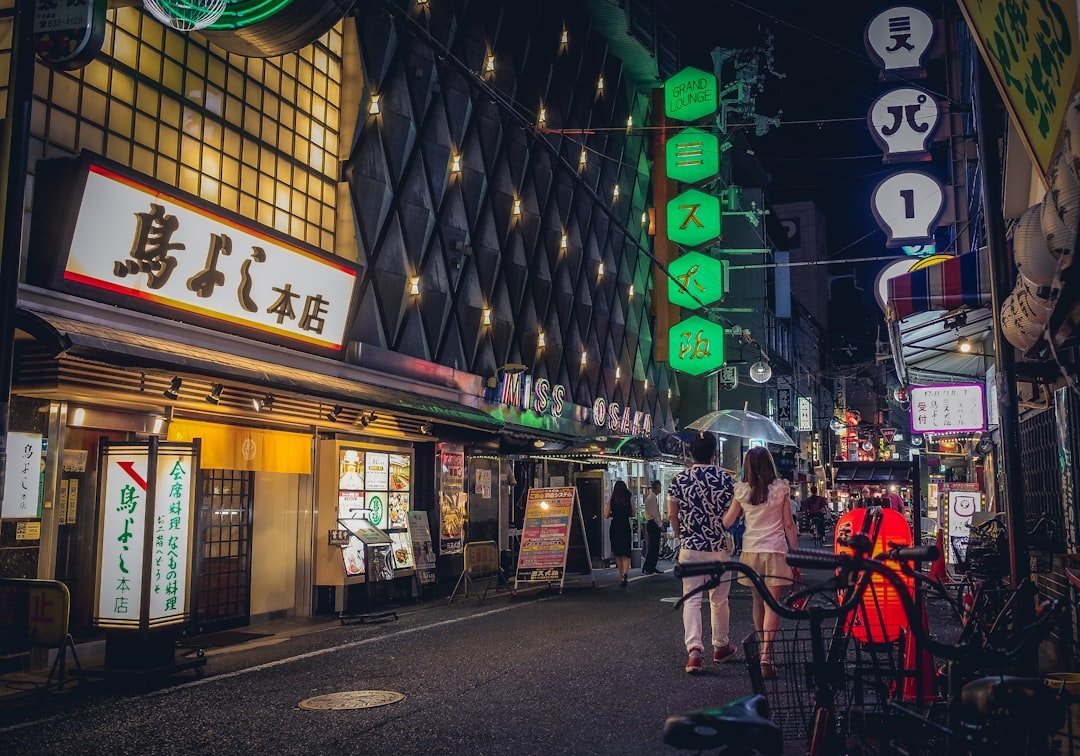
The USD to Japanese yen exchange rate hovered around 155.74 JPY per dollar, with the yen heavily influenced by the Bank of Japan’s accommodative stance. Wide interest-rate differentials between the Bank of Japan and the Federal Reserve continue to favor the dollar, keeping the USD/JPY pair near multi-decade highs. For a country that spent decades being considered expensive, this is a seismic shift.
Japan has been seen as an expensive tourist destination in the past, but a weak yen means American travelers are finding uncharacteristically great deals in places like Kyoto. The country hasn’t changed. The math just finally started working in American travelers’ favor. That purchasing power goes an extra-long way in Japan where transit and food are shockingly affordable.
The Japanese yen has fallen over the past few years, and such a favorable rate has opened up the country to many American travelers, where you can find affordable food, drinks, and souvenirs. Think of it this way – Japan is the same magical country it has always been, with the same bullet trains, the same astonishing cuisine, the same cherry blossom valleys. It’s just that for the first time in a generation, your dollar actually shows up to the party.
8. Poland: Europe’s Best-Kept Dollar Secret
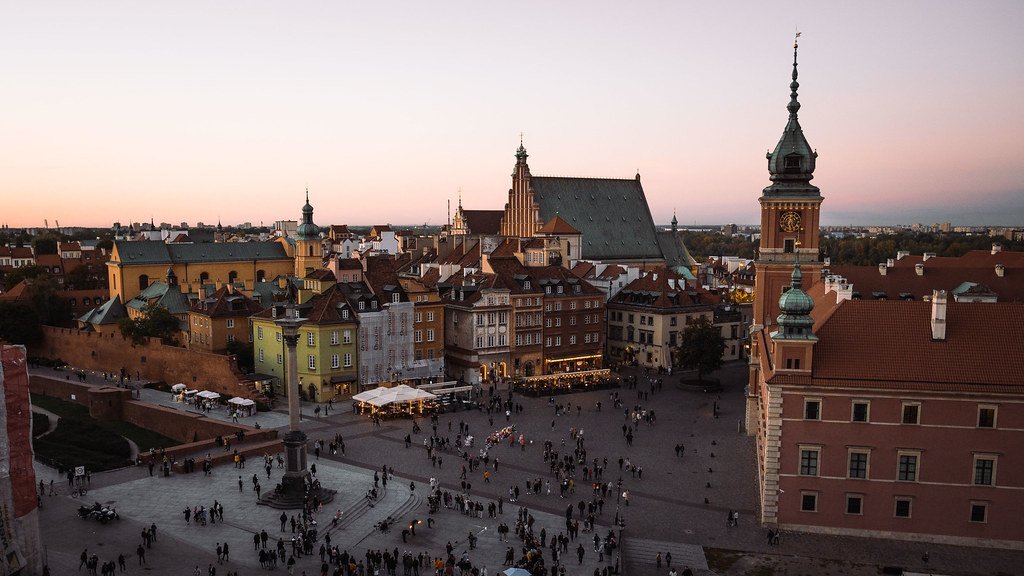
In Poland, three cities ranked in the top ten among Europe’s most affordable places on the 2025 City Costs Barometer compiled by the UK’s Post Office: Warsaw in third, Gdansk in seventh, and Krakow in eighth. All three places make compelling cases for visitors interested in castles, historic squares, and wide-ranging cultural experiences. Most Americans wouldn’t think to put Poland on a dollar-strong list, but the numbers speak loudly.
If Western Europe is a museum you can’t afford to live in, Eastern Europe and the Balkans are the vibrant workshops where the lights are on and the rent is still rational. With Bulgaria and Romania officially integrated into the Schengen Area as of 2025, the convenience has gone up without the prices immediately following suit. Countries like Albania, Bulgaria, Serbia, and Bosnia and Herzegovina remain the last bastions of Old-World affordability.
In 2024, overall consumer price levels in Denmark were 41% above the EU average, while in Bulgaria they were 39% below, according to Eurostat’s Comparative Price Levels data. Poland sits in a similarly advantageous bracket, giving American dollar-holders access to a full European experience – stunning architecture, world-class food, rich history – at a fraction of what Paris or Amsterdam would cost. It’s the kind of destination that rewards the traveler willing to look one country east of the obvious choice.
9. India: Where the Dollar Buys an Entire Lifestyle

The USD to Indian rupee exchange rate hovered at approximately 89.21 INR per dollar, with the rupee touching record lows in 2025 before minor strengthening supported by central-bank-backed liquidity. Although India’s macro environment remains relatively stable, the dollar retains strong purchasing influence across trade and import-heavy sectors. For everyday living and travel, though, the impact is felt instantly and dramatically.
India records a cost of living index score of just 18.9, making it one of the least expensive countries among the world’s largest economies according to the 2026 Numbeo-derived cost of living data. To put that in perspective, the United States sits at 68.8. That gap is enormous. It means your dollar in India buys roughly three to four times the goods and services it would back home.
With a rate of roughly 1 USD to 85.56 Indian rupees, India is one of the best-value destinations globally. Whether you’re exploring Rajasthan’s palaces or Kerala’s backwaters, your budget goes a long way in India. From five-star hotels in Jaipur that cost less than a budget motel in Ohio, to Ayurvedic wellness retreats that would carry four-figure price tags in California, India makes dollar-holders feel almost embarrassingly wealthy.
10. South Korea: Tech, Culture, and a Currency That Tilts Your Way

The South Korean won weakened through 2025 as export concerns and global rate dynamics shifted, with the exchange rate sitting at approximately 1,464 Korean won per dollar. The US dollar remains advantageous for electronics purchases, travel, and capital outflows due to widening rate spreads. South Korea is a fascinating entry because it’s both a highly developed, modern economy and one that’s become noticeably more affordable for Americans in recent years.
With its vast and affordable transit system, wide range of dining options, and abundance of low-cost activities and attractions, South Korea is a relatively inexpensive travel destination. The Discover Seoul Pass, which starts at $61 per adult, offers more than 100 deals, including free admission to more than 70 major attractions. That’s remarkable value for one of the most dynamic, high-energy cities in the world.
Countries with more stable economic conditions like Japan or South Korea offer both value and a generally reliable economic environment. This is the key differentiator for South Korea compared to some others on this list. You’re not betting on economic chaos or political instability to fuel your purchasing power. You’re benefiting from a structural monetary shift in a safe, stable, incredibly modern country where you can eat world-class Korean BBQ for five dollars and take a bullet-fast train across the country for twenty.
11. Mexico: The Dollar-Strong Destination Right Next Door
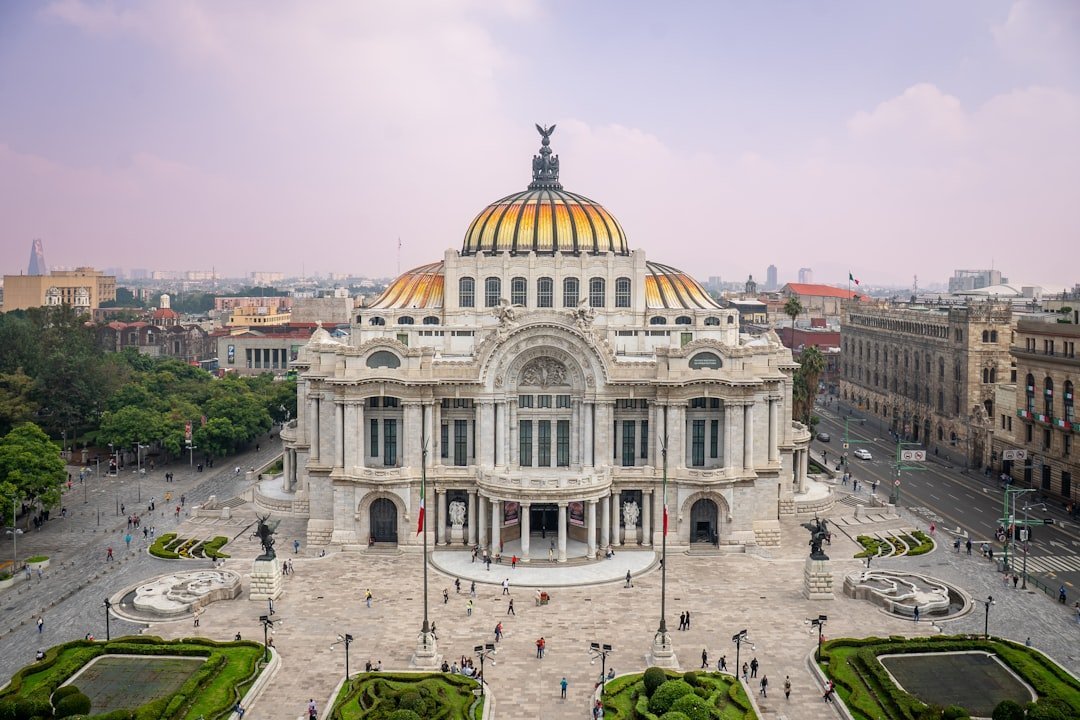
Here’s the thing – most Americans dramatically underestimate Mexico because it feels too familiar, too close. The peso has displayed surprising resilience driven by strong manufacturing and US-linked exports. Nonetheless, the dollar maintains heightened purchasing power in tourist-heavy regions and border economies. The exchange rate has fluctuated but consistently benefits American spenders in real, everyday terms.
With an exchange rate of approximately 1 USD to 19.20 Mexican pesos, Mexico remains a top pick for Americans looking for beaches, history, and rich culture, with easy access and favorable exchange rates. The closeness of Mexico is actually its superpower on this list – no jet lag, affordable flights, and a currency situation that makes every peso-priced meal and hotel feel like a discount.
Traveling as an American tourist to Mexico with a strong US dollar means your money will go much further, allowing for more luxurious experiences at a fraction of the cost compared to traveling within the United States or other high-cost countries. Whether it’s a boutique hotel in Oaxaca, a beachfront villa in the Yucatan, or a cooking class in Mexico City’s trendy Condesa neighborhood, the dollar-to-peso reality opens doors that would otherwise stay firmly shut. It’s not a hidden gem. It’s a gem hiding in plain sight, just waiting for you to notice.
The Dollar-Strong Reality: What It All Means for You
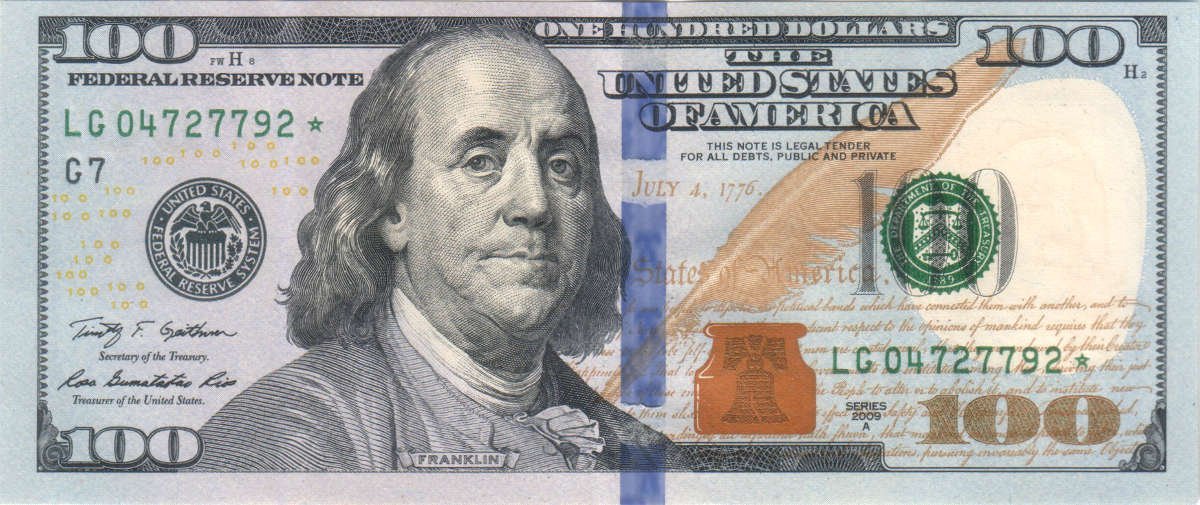
As of late 2025, the US dollar still has significant purchasing power across global markets. Its strength fluctuates significantly because of exchange rates, inflation, economic stability, and geopolitical influences. That means windows of opportunity open and close. Some of the rates described in this article are multi-decade events that may not last forever.
According to TD Bank’s 2024 Travel Survey, nearly ninety percent of Gen Z and millennial travelers say that exchange rates play a role in their vacation decisions. More people are researching which places will allow them to get more bang for their buck, leaning on tools like foreign exchange calculators and resources like fee-free debit cards to limit excessive spending. The smart money is already paying attention.
Some of the most affordable places to live in 2026 are not the ones dominating your social media feed or topping digital nomad lists. In fact, many times, popularity is the enemy of value. The smartest movers are looking for less performative markets where prices remain tethered to local life instead of to international speculation. The 11 countries on this map offer a rare convergence of real exchange rate strength, verified purchasing power data, and genuinely rich life experiences.
Whether you’re a traveler, a remote worker, or someone rethinking where your retirement savings could take you, the dollar-strong map is one of the most powerful financial tools you have right now. The question isn’t whether the opportunity exists. It clearly does. The real question is: what are you still waiting for? Tell us which destination surprised you the most – and drop your pick in the comments.