
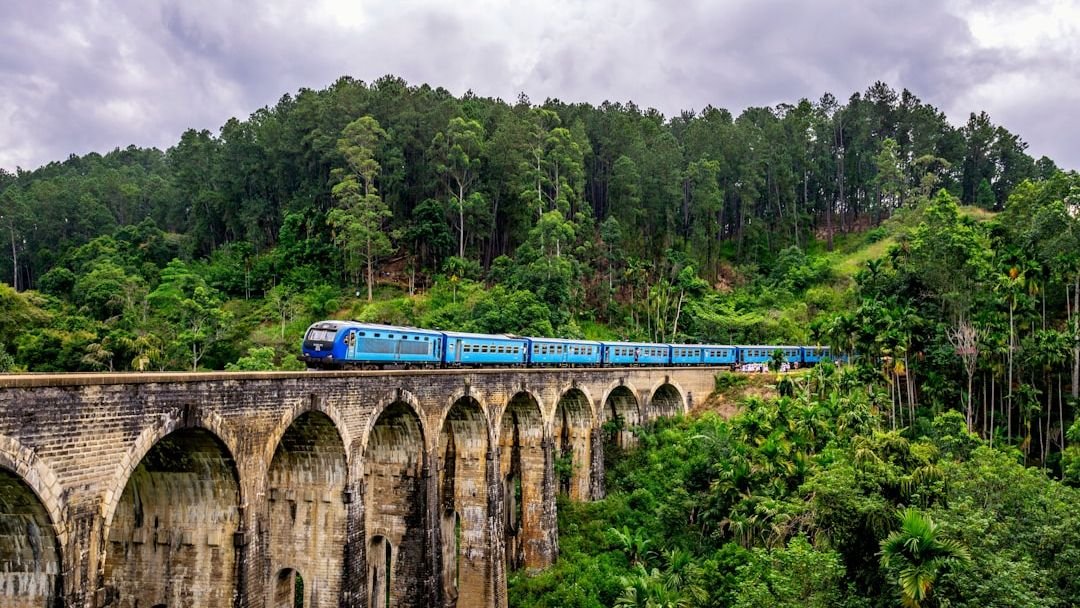
Something has quietly shifted in the digital nomad world. The island that once dominated every “best places to work remotely” list is losing its grip, and a new contender across the Indian Ocean is stepping into the spotlight. The conversations happening in nomad Facebook groups, coworking spaces, and Slack communities all point in the same direction: people are packing up and moving on from Bali.
Sri Lanka has just thrown open its doors in a very official, very intentional way. And the timing could not be better. If you have been on the fence about your next long-term base, what follows might just make the decision a whole lot easier. Let’s dive in.
1. Sri Lanka’s Brand New 2026 Remote Work Visa Is a Game-Changer
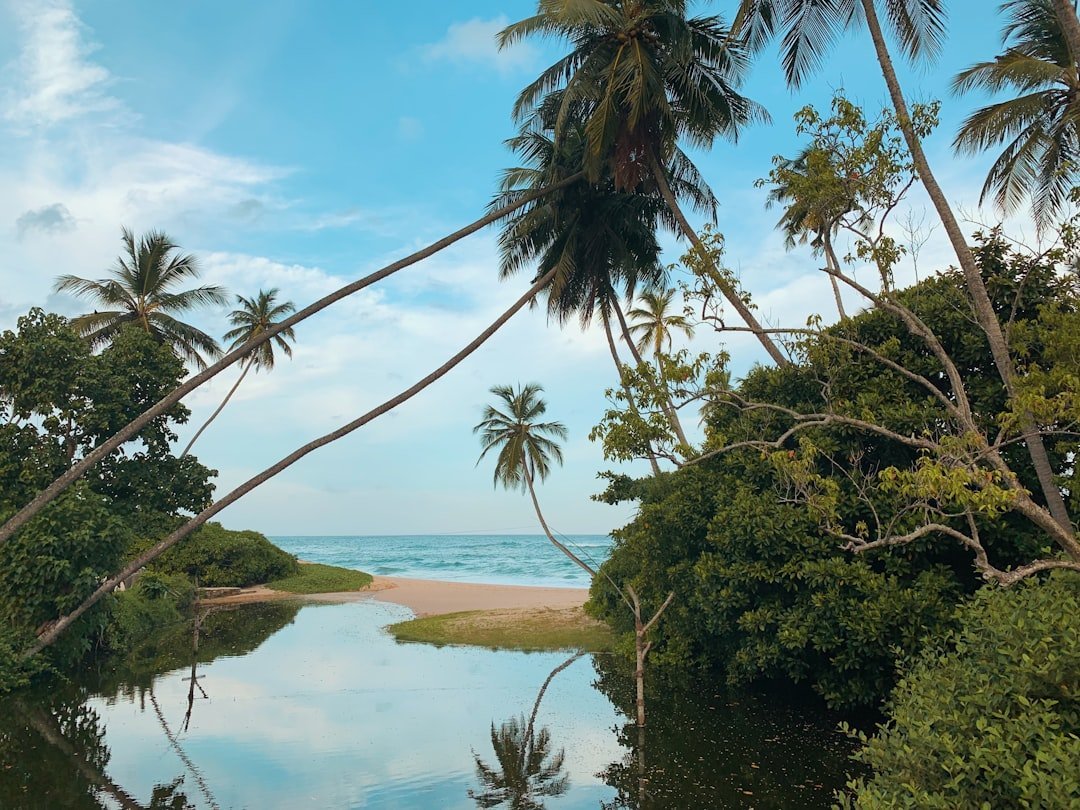
As of February 2026, Sri Lanka officially launched its year-long digital nomad visa, open to individuals aged 18 or older who earn at least $2,000 per month. This is not a tourist visa workaround or a grey-area loophole. It is a purpose-built, government-issued residence visa.
The visa is designed to “attract foreign professionals who wish to live and work remotely from Sri Lanka while serving clients or companies based outside of the country.” In plain language: you can finally live legally on a tropical island without the constant dread of visa runs or unclear immigration rules.
Holders of the visa are entitled to reside legally in Sri Lanka for 12 months, renewable annually, and this makes it possible to stay for an extended period without relying on short-term tourist visas or constant border runs. For anyone who has spent years patching together back-to-back tourist stamps in Southeast Asia, that alone is a revolution.
Sri Lanka is actually the first country in the region with an official digital nomad visa, which puts it ahead of Indonesia and Thailand in this race. That is a remarkable position for a country that was only recently recovering from a severe economic crisis.
2. Bali’s Visa Situation Has Become a Legal Minefield
Let’s be real. For years, working remotely from Bali operated in a legal grey zone that most nomads politely ignored. That era is over. The “classic digital nomad” in Bali typically operated without company registration, no tax ID, and no work permit, staying six months or longer on visa extensions or visa runs.
Despite new digital nomad visas being announced regularly, current visa options for remote workers are expensive and limited, and the local government has been cracking down on misbehaving foreigners, even implementing a hotline that can be used to report people. Think about that for a second: there is an actual hotline to report you.
Even volunteering or looking for a tenant for your room after leaving is seen as working in Bali, leading to dozens of deportations and bans of foreigners every month, and most digital nomads are getting fed up with paying for expensive work permits or worrying about accidentally breaking the rules. Sri Lanka, by contrast, has made the rules crystal clear from the start.
3. The Cost of Living Comparison Is Simply Stunning

Bali used to be the ultimate budget paradise. Those days are fading fast. What used to be an affordable paradise has become financially unsustainable for many, with housing prices doubling in key nomad hubs like Canggu, Ubud, and Seminyak. What once cost $800 a month now easily exceeds $2,000, without significant improvements in services.
Sri Lanka, on the other hand, still feels like a genuine bargain. A realistic monthly budget for a single nomad living comfortably includes accommodation ranging from $400 to $900, a coworking membership between $100 and $180, food around $300, transport around $100, and data and internet for just $30, totaling roughly $930 to $1,510 USD per month.
If you eat locally, rent a basic apartment, and avoid luxury stays, you can easily live under $1,000 a month. That is a figure that would make most Canggu landlords laugh. Honestly, comparing the two feels almost unfair at this point.
4. Bali’s Overtourism Problem Has Hit a Breaking Point

Bali’s rapid growth in popularity has created serious issues with overtourism, with popular areas overrun with traffic jams, pollution, and noise, and locals expressing growing frustration with insensitive tourists and disrespectful behavior from remote workers who treat the island more like a backdrop than a home.
In 2024, the Indonesian government even imposed a moratorium on new hotels and villas in parts of Bali to stem overdevelopment. That is not a small policy tweak. That is a government signal that the model is broken.
Trash accumulation and weak waste management are now daily realities, even in scenic areas, and seasonal crop burning worsens haze and degrades air quality, something longtime residents say becomes harder to ignore over time. Sri Lanka, with far fewer international arrivals and a less saturated nomad scene, still feels raw and authentic in a way Bali no longer does.
5. Sri Lanka’s Affordability Meets Genuine Tropical Beauty
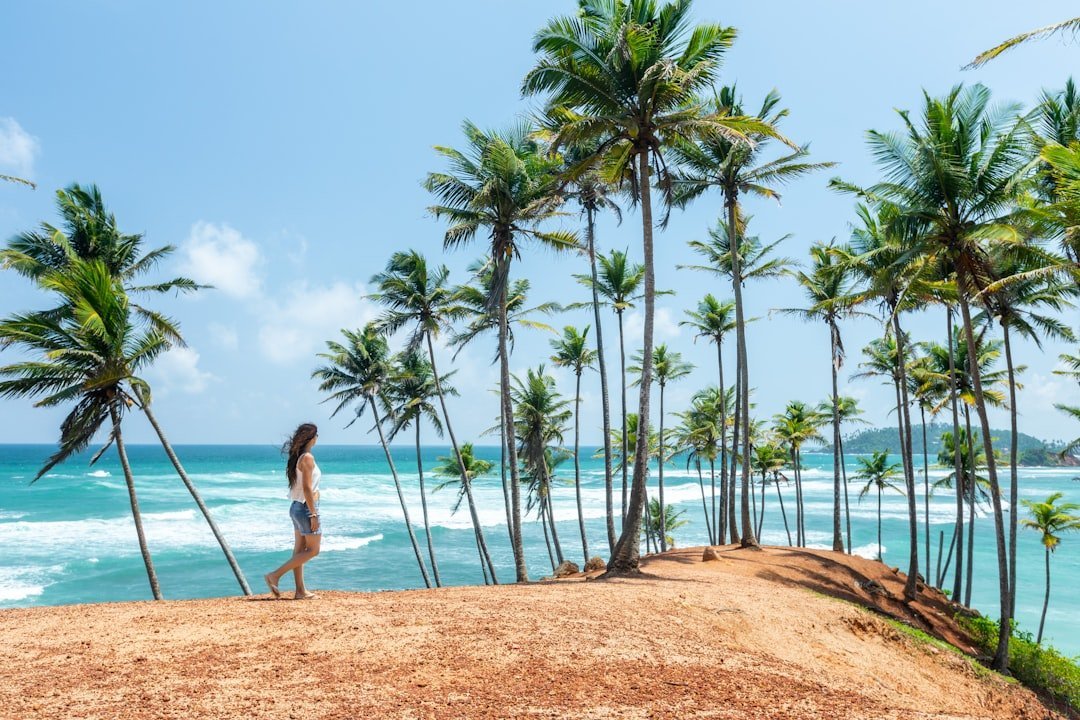
Here is the thing about Sri Lanka that people who have not been there yet tend to underestimate: it is genuinely, jaw-droppingly beautiful. Not Instagram-filter beautiful. Actually beautiful. Known as the “pearl of the Indian Ocean,” the country attracts over 2.3 million international tourists each year, drawn by scenic beauty from the beaches of Mirissa and Unawatuna to the awe-inspiring tea plantations in the hill country.
A digital nomad in Sri Lanka can start the day surfing in Ahangama, take a Zoom call from a fiber-connected cafe in the afternoon, and end the day with a rice and curry feast for less than $3. The island is small enough to traverse in a day but diverse enough to offer misty mountains, dry savannas, and pristine beaches all within a few hours of each other.
Visitors come for the dreamy beaches along the south coast, to see elephants, tigers and leopards at its national parks, and to visit heritage sites like the ancient cities of Sigiriya and Anuradhapura. For a nomad craving variety during the weekends, Sri Lanka delivers on a scale Bali simply cannot match geographically.
6. The Visa Benefits Go Far Beyond Just Staying Longer

What makes Sri Lanka’s new visa genuinely impressive is not just the duration. It is the package of rights that come with it. Holders of the digital nomad visa are permitted to open personal bank accounts in Sri Lanka, enroll their dependent children in international or private schools, and participate in co-working spaces and tourism-related events organized by the government or private-sector entities.
A key feature for travel families is that spouses and dependent children can be included under the same scheme, with the income requirement benchmarked to the primary applicant, making it clear this is pitched at mid- to high-earning professionals who can comfortably support themselves and their families while living overseas.
Instead of constantly hopping between destinations, digital nomads can now settle in for a full year, build routines, and explore the island at an unhurried pace. That ability to build a real routine, rather than living out of a suitcase every 30 days, is something a growing number of nomads are craving as the lifestyle matures.
7. The Coworking and Digital Infrastructure Is Growing Fast

Internet connectivity is the make-or-break factor for any remote worker, and Sri Lanka is improving rapidly. Fiber is the gold standard in dedicated locations, with most dedicated coworking spaces and good hotels having it, and speeds can reach 100Mbps or more.
Mobile data options from Dialog and Mobitel offer 4G and growing 5G coverage in Colombo, with packages that are extremely affordable, and a 50GB data pack costs less than $10. Starlink has also been approved for operation in Sri Lanka as of 2024 and 2025, offering a backup for those in ultra-remote areas.
Sri Lanka’s south coast is where the remote work scene is strongest, with this stretch of coastline home to some of the country’s most beautiful beaches and, more importantly for digital nomads, reliable WiFi, trendy cafés, and a growing number of coliving and coworking spaces. Places like Outpost in Weligama, Verse Collective in Hiriketiya, and Focus Hub in Ahangama are already well-established hubs. It is not Canggu-level saturation, and that is precisely the point.
8. Bali’s “Digital Nomad Community” Has Lost Its Soul
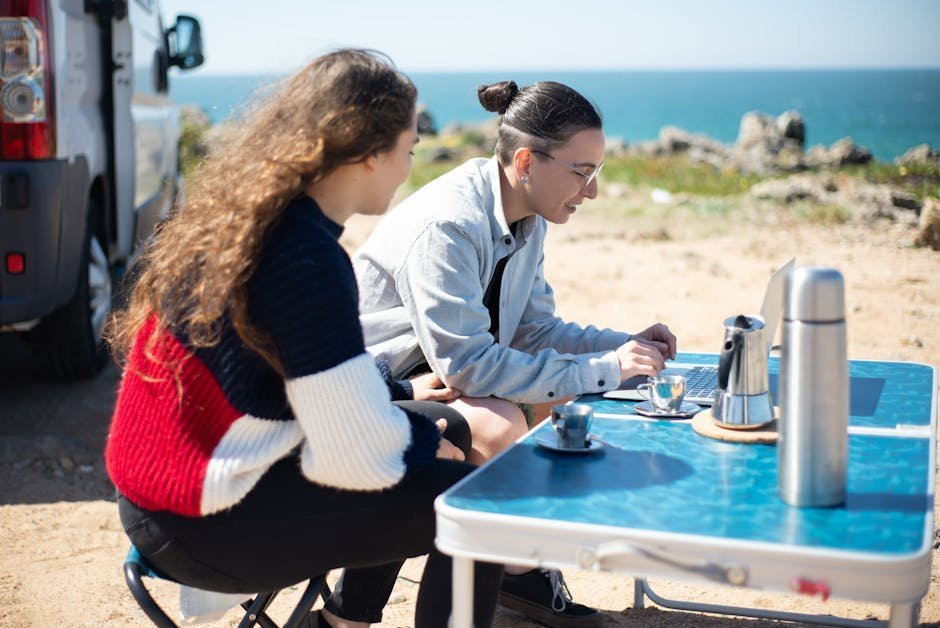
I know that sounds harsh, but it is something nomads themselves are saying out loud. The very popularity that made Bali attractive has become a downside, with many digital nomads reporting burnout from the party-heavy, influencer-driven culture that now dominates places like Canggu, which has transformed from a place for productivity and quiet inspiration into more of a social appearances and noise machine.
Five years on from the pandemic boom, many who arrived during Bali’s surge are finally in search of something more stable: more reliable infrastructure, less transience, and a more practical place that does not feel like an alternate reality. Sri Lanka has not had the chance to get that saturated yet.
The community in Sri Lanka is welcoming, and unlike the cliquey nature of some nomad hubs, Sri Lanka’s scene is collaborative. Weekly community dinners in Weligama, startup pitch nights in Colombo, and sunset gatherings in Hiriketiya are part of the rhythm. Outpost in Weligama even organizes ice baths and family dinners, making it easy to make friends if you are traveling solo. That kind of organic connection is hard to manufacture, and Bali has not had it in years.
9. Sri Lanka’s Tax and Compliance Framework Is Refreshingly Clear

Tax clarity is one of those unsexy but critically important factors most nomads discover too late. Sri Lanka has structured its visa with compliance in mind from the beginning. For visa extensions, applicants must submit proof of tax registration with the Inland Revenue Department of Sri Lanka. This requirement is frequently overlooked but is mandatory for renewal, though tax registration does not automatically mean local income tax is payable.
Currently, digital nomads earning income from overseas are generally not taxed locally on that foreign income, but this can depend on duration of stay and tax residency status. That is a manageable situation, especially compared to the legal uncertainty hanging over workers in Bali who have no formal visa structure at all.
The visa does not permit local employment or income generation from Sri Lankan sources, and all visa holders must comply with Sri Lankan immigration laws, tax obligations, and visa conditions throughout their stay. Clear rules, even strict ones, are infinitely preferable to vague ones that can change overnight. Predictability is its own form of freedom.
10. Sri Lanka Is Still the “Before Bali Got Crowded” Version of Itself
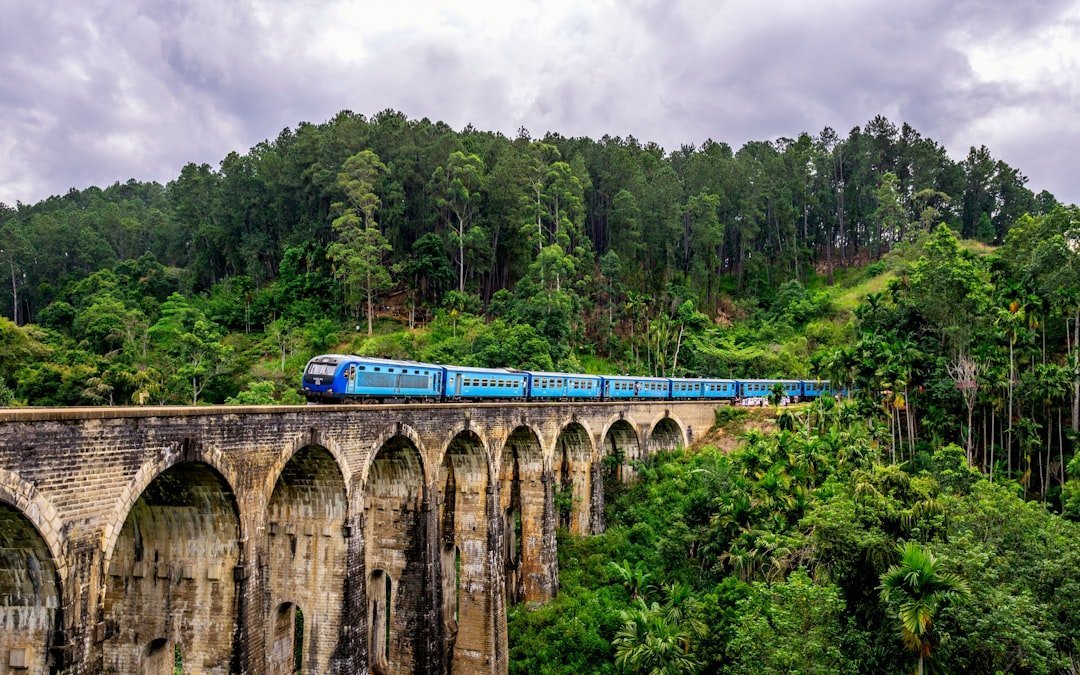
Every digital nomad veteran has a moment when they say “I wish I had gone to Bali five years earlier.” Sri Lanka right now is that exact moment. Sri Lanka is slowly making its mark as a digital nomad destination. With great surf, golden beaches, tropical scenery, and a laid-back lifestyle, some people even compare it to Bali before it became the busy center of digital nomads.
According to data from several focus group businesses in the travel and tourism industry, there has been a roughly 43 percent increase in inquiries about long-term stays from digital nomads in Sri Lanka in the past year, indicating a growing interest in the country as a remote work hub. The wave is building. The question is whether you get on early or fight for space later.
Sri Lanka offers a unique blend of chaos and calm that is addictive to the creative mind. Unlike the polished and often overpriced streets of Singapore or the over-saturated hubs in Bali, Sri Lanka feels raw, authentic, and undiscovered. The new 2026 Remote Work Visa is essentially an open invitation to experience all of that with legal certainty, banking rights, and the ability to actually call the place home for a full year or more.
The nomad tide is turning. Bali had its decade. Sri Lanka is just getting started, and for those willing to move before the crowd, the rewards, both in lifestyle and in sheer cost savings, could be extraordinary. What do you think? Is Sri Lanka your next base?