
Imagine paying zero dollars in tuition for a world-class university education. No crushing student debt. No financial anxiety keeping you up at night. For millions of Americans, that scenario sounds like a fantasy. Yet, for a growing number of savvy students, it is already a reality – just a transatlantic flight away.
Roughly half of all American students now incur debt to complete their education, and the average student loan debt reached $38,451 in 2025 according to the Education Data Initiative. Meanwhile, in 2024/25, average tuition fees at an in-state public college stood at $11,011, and a staggering $43,505 at private colleges. Europe, by contrast, tells a completely different story. Let’s dive in.
1. Leipzig, Germany – The Affordable Arts Capital
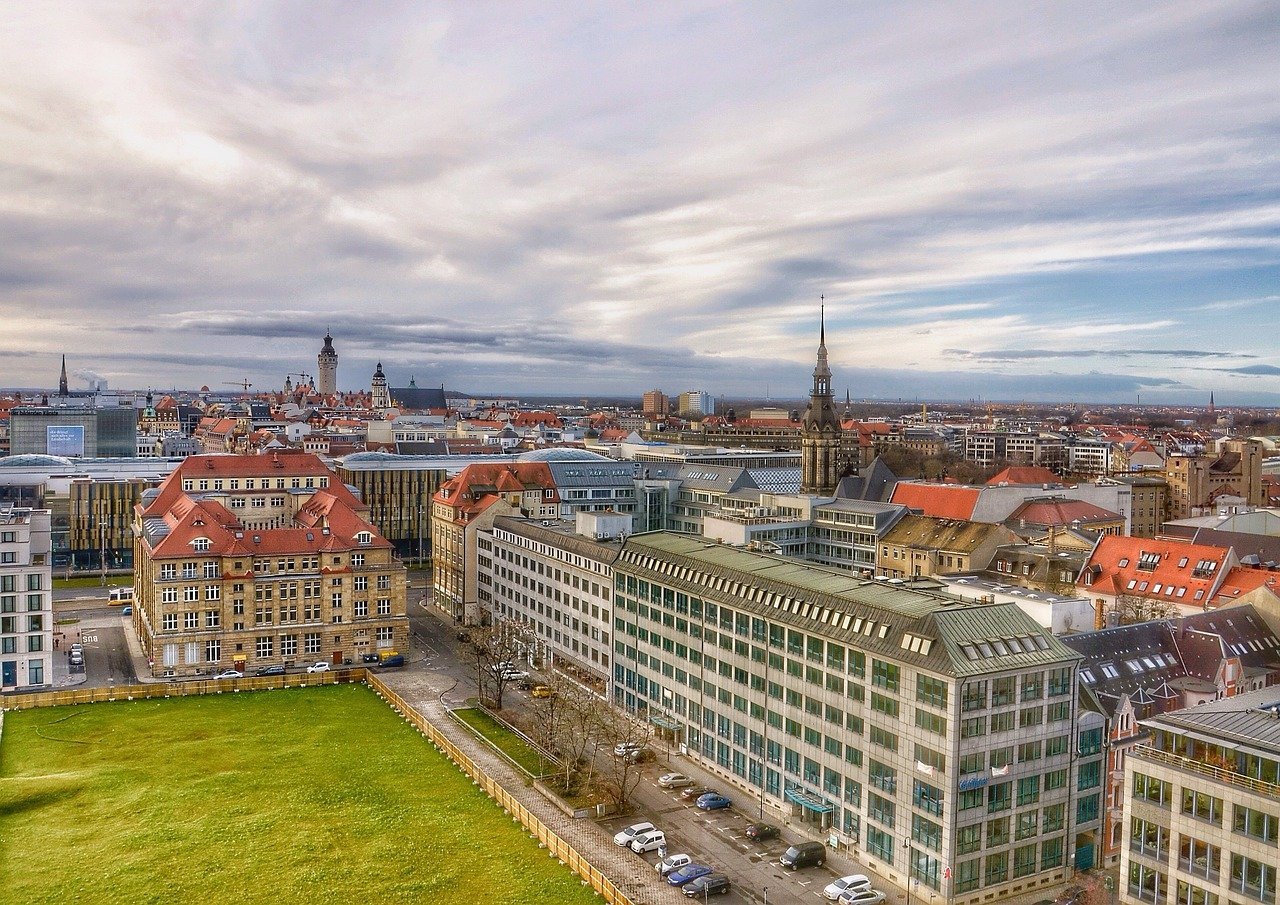
Let’s be real: Germany is the holy grail for budget-conscious American students. Most public universities charge zero tuition for bachelor’s and master’s programs – yes, even for American students. You’ll only pay a small semester contribution of around €150 to €300, which typically includes public transportation. That is, honestly, one of the best deals on the planet.
Leipzig, tucked in eastern Germany, stands out as one of the most affordable and culturally rich student cities in the country. Cities like Leipzig and Dresden tend to be more affordable than larger cities like Berlin or Munich. Student rooms can be found in Leipzig for as little as €165 per month – a figure that would make any American student’s jaw drop.
In January 2025, more than 9,300 US students were fully enrolled at German universities. There are over 1,000 programs taught in English by German universities, meaning language need not be an issue in getting your degree. Leipzig, home to the famous University of Leipzig founded in 1409, offers an energetic arts and music scene that is hard to match anywhere else in Europe at this price point.
2. Toulouse, France – The Pink City With Low Price Tags
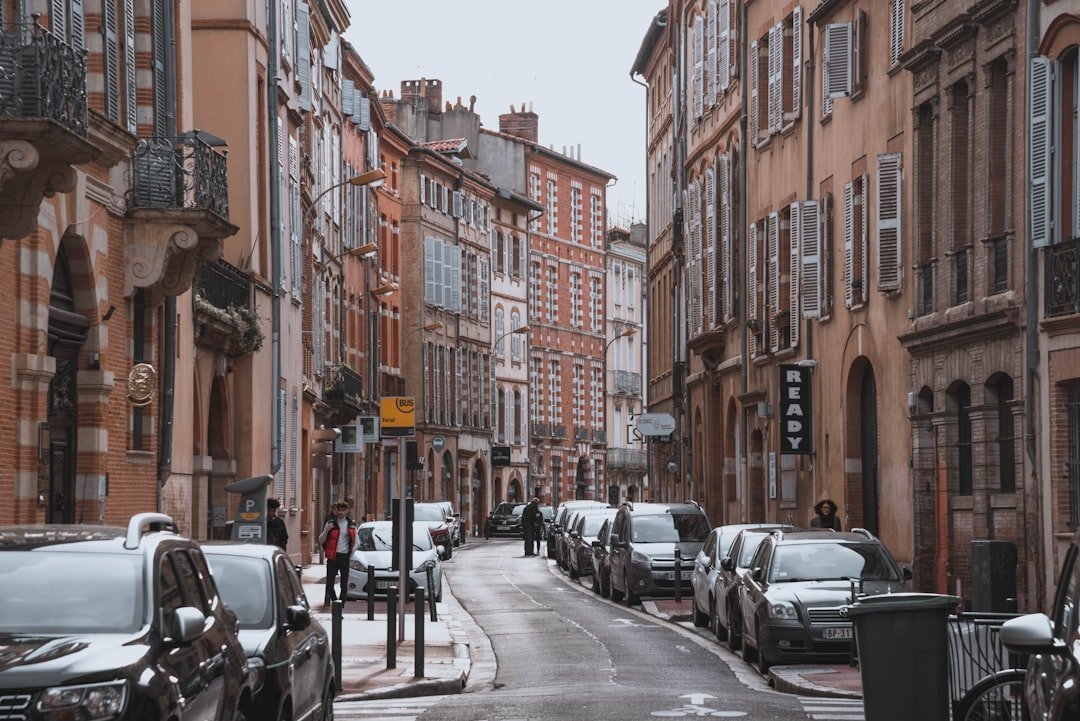
Toulouse is one of Europe’s most underrated student cities, and honestly, it deserves a lot more attention. Ranked second among the most affordable cities in western continental Europe, Toulouse is known for its pink architecture, earning it the nickname “La Ville Rose” or “The Pink City.” The price to attend university for a year in Toulouse is around $400 annually. Four hundred dollars. For an entire year of university.
University tuition fees for non-EU citizens at public institutions incur a fee of €2,850 per year for an undergraduate degree and €3,879 for a master’s. That is a fraction of what a single semester costs at most American universities. Despite France’s reputation as a luxury destination, cities outside Paris like Lyon and Toulouse are quite budget-friendly, with average monthly living costs of €800 to €1,200.
The highest-ranked university in Toulouse is Université Paul Sabatier Toulouse III, followed by Université Toulouse Capitole and Université Toulouse Jean-Jaurès. While thousands of programs are taught in English, learning some French will dramatically improve your experience and job prospects. Many universities offer free or affordable French language courses to international students. It’s a city that rewards effort with an exceptional quality of life.
3. Graz, Austria – Alpine Charm, Surprisingly Low Costs
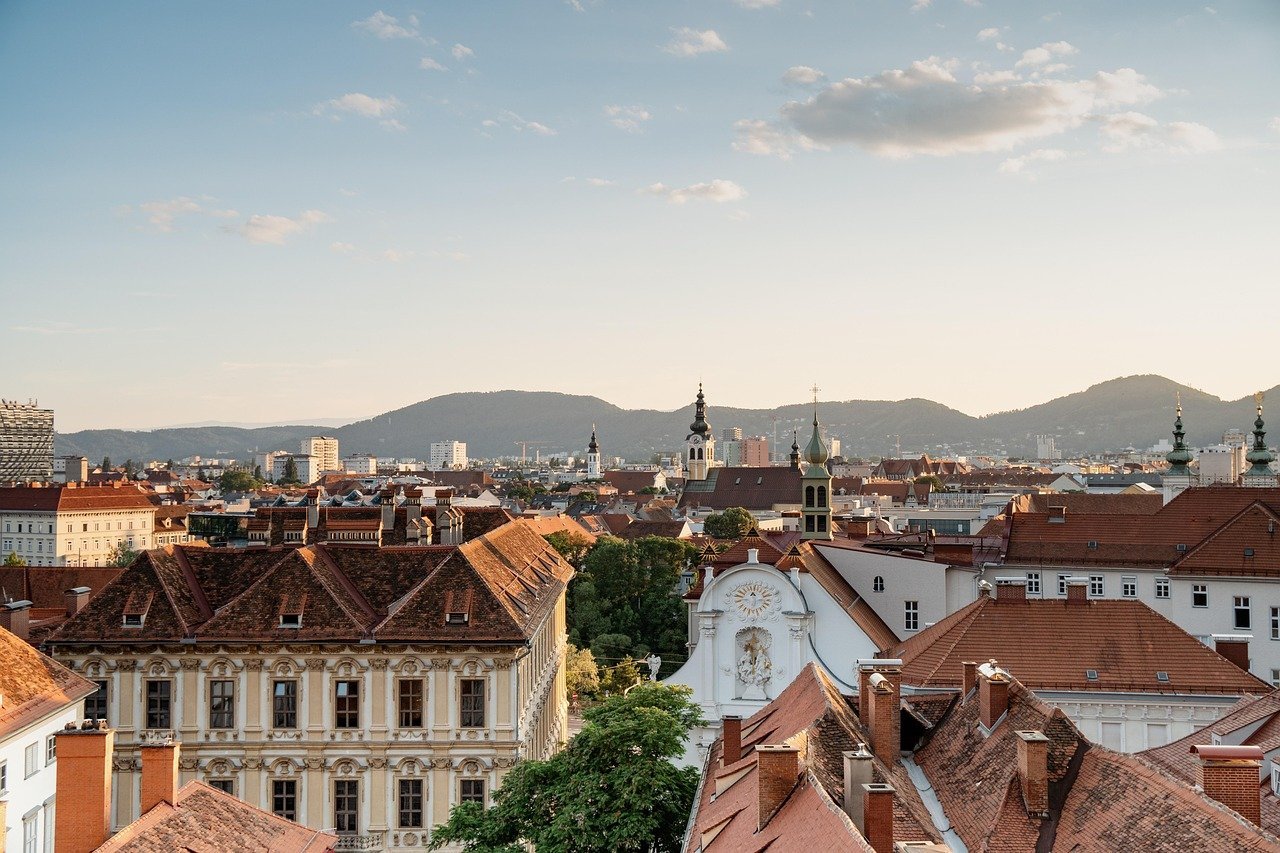
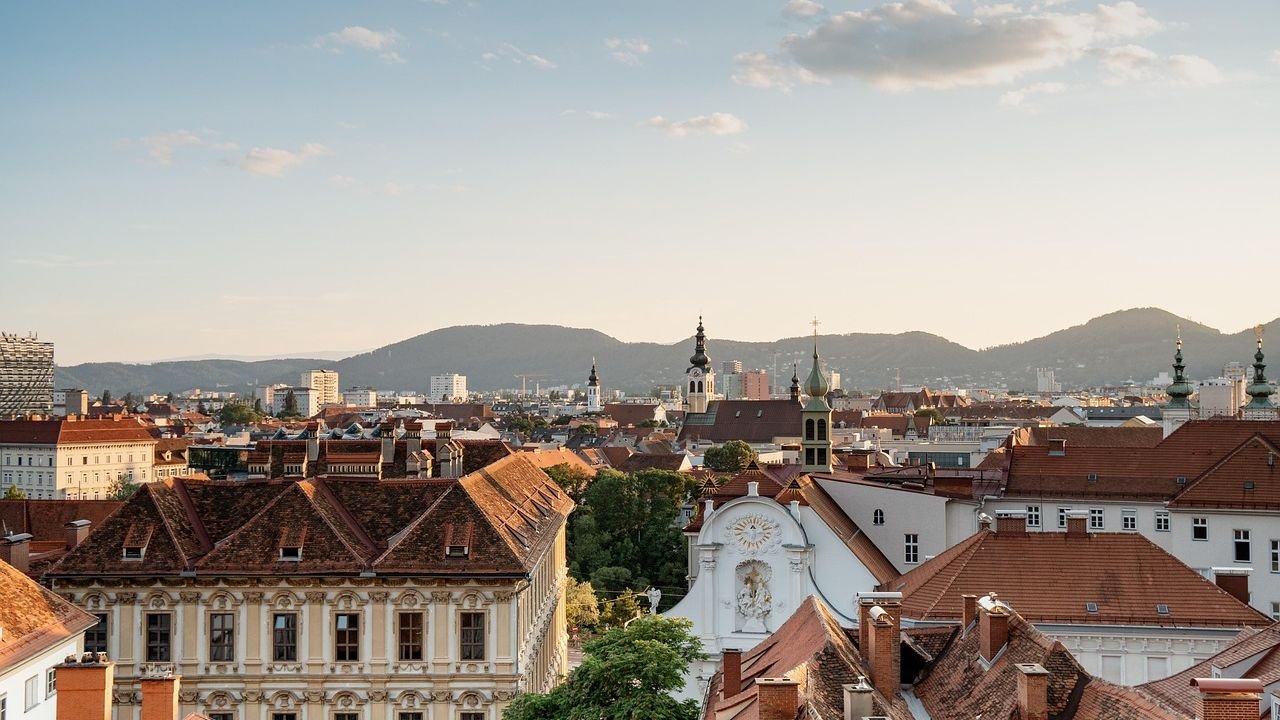
Graz in Austria is one of the best-preserved medieval cities in Europe and ranked as the eighth most affordable city in western Europe. It is the kind of place that looks like it belongs on a postcard, yet somehow remains off the radar for most American students. On average, tuition fees in Graz are around $1,300. The top-ranked universities there are Graz University of Technology and Karl-Franzens-Universität Graz.
For Americans willing to consider Austria, the financial picture is surprisingly attractive. Non-EU students pay around €730 per semester, which is still affordable compared to other countries. Students also pay a small student union fee. Austrian universities offer high-quality education for both local and EU students, and there are programs taught in English.
Living costs in Austria are moderate by Western European standards. Students typically spend around €800 to €1,200 per month, depending on the city, with Vienna being slightly more expensive than smaller student cities like Graz or Linz. Austria is also proactive in offering a range of scholarships and financial aid programs aimed specifically at international students, thus improving affordability and supporting their educational journey. Think of Graz as Vienna’s cooler, more affordable younger sibling.
4. Ljubljana, Slovenia – Europe’s Best-Kept Secret
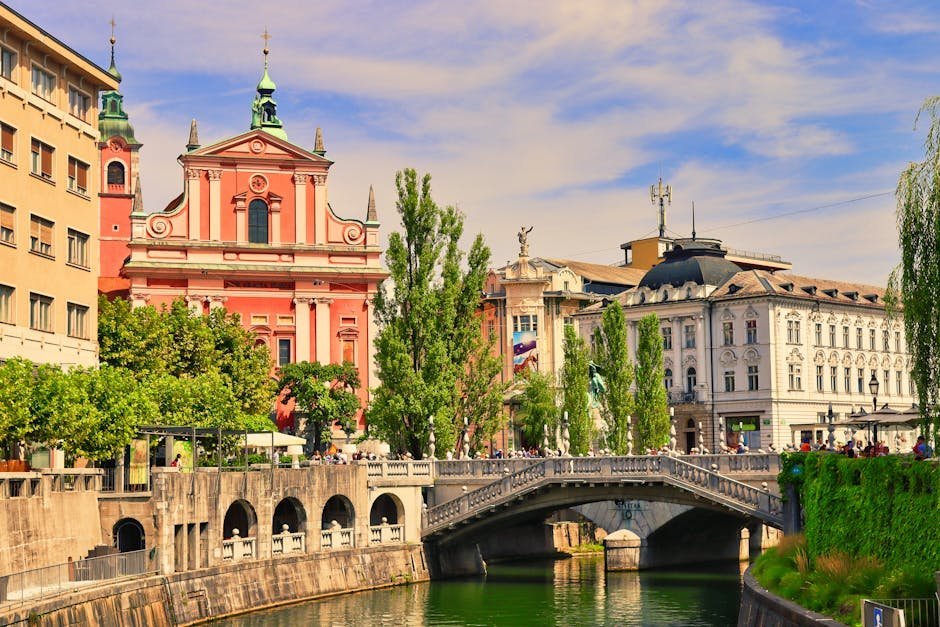
Here is something most Americans have probably never considered: Slovenia. It sounds obscure, but its capital Ljubljana is a genuinely beautiful and deeply affordable place to study. Slovenia has a highly-rated education system considered one of the best in the EU. The University of Ljubljana is considered Slovenia’s main university and is one of the largest colleges in the world.
While American students will still need to pay tuition fees in Slovenia, these are typically a lot lower than in the US. A bachelor’s degree at a public institution can incur a cost as low as $2,000 per year. Another reason to consider Slovenia is that student accommodation is cheap. Private housing starts from $500 per month while a university dormitory is under $400. A coffee is $1.50 and a meal in a moderately-priced restaurant is not more than $15.
Slovenia is 30 to 50% cheaper than living in France, and 20 to 50% cheaper than Germany, making it one of the cheapest countries to study in Europe for international students. Foreign students in Slovenia can find part-time or temporary student jobs through Student Services, individual universities’ career centers, or by going to employers directly. On average, you can expect to earn between €350 and €500 per month working in Slovenia. It’s like getting a full European education at Eastern European prices – an incredible value.
5. Montpellier, France – The Most Affordable Study Destination in Western Europe

If affordability is the top priority, Montpellier deserves serious attention. Montpellier, one of the largest cities in the south of France, has been named the most affordable study destination in western Europe. That is a bold title, and it is backed by real numbers. The city sits near the Mediterranean coast, meaning students get sunshine and beaches alongside their lectures.
The French government has set a fixed tuition fee for all public universities in the country, resulting in some study options being less than 300 EUR per year. In French universities, there are many English-taught programmes for master’s and bachelor’s students. You can discover degrees ranging from history and literature to business and tech. Honestly, it is difficult to argue with that combination of price and variety.
In France, you can work for up to 964 hours per year while studying and stay in the country for up to one year after graduation to explore job opportunities. That post-graduation work window is a significant advantage many American students overlook when planning their futures. Montpellier gives you a Mediterranean lifestyle, a low tuition bill, and a real career springboard all in one package.
6. Pisa, Italy – Historic City, Tuition-Free Prestige
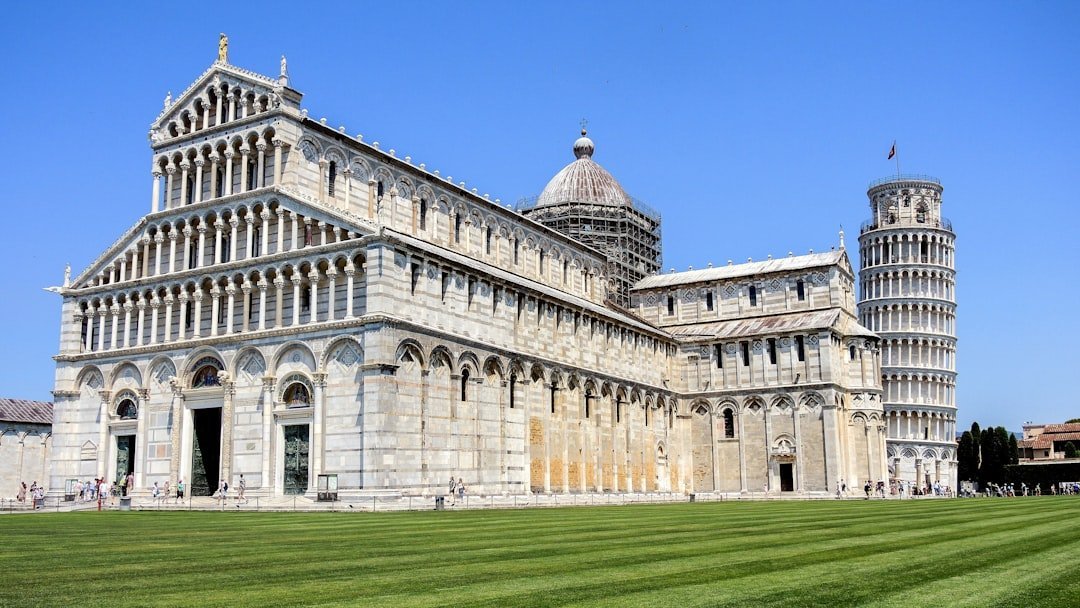
Italy might conjure images of expensive pasta dinners and luxury fashion, but Pisa tells a very different story for students. Scuola Normale Superiore is a top-rated college in Italy and one of the best in all of Europe. The school has three main programs for undergraduate students: humanities, sciences, and political science. The humanities program offers specializations in topics such as paleography, history of art, archaeology, modern literature, and linguistics philosophy.
Scuola Normale is one of the tuition-free universities in Europe for international students. The school also covers living costs such as housing and food. That is an extraordinary offer: zero tuition and covered living expenses in one of Italy’s most iconic cities. Over the last several years, Italy has increased in popularity for American students looking to pursue their higher education in this beautiful country.
Tuition fees for non-EU students in Italy are often more affordable than those in other European countries or the USA. Institutions like the University of Bologna, Sapienza University of Rome, and the University of Milan provide quality education across various disciplines, attracting students from around the globe. Rome came 14th in the living expenses rankings across European cities, whereas other Italian cities like Naples came 105th – so there is a very large difference in living costs in Italy, with the south being cheaper than the north. Pisa sits comfortably in the affordable middle ground.
7. Thessaloniki, Greece – Sun, History, and Low Costs

Greece is not the first country most Americans think of when researching affordable education in Europe. It should be. Tuition costs are generally inexpensive in Greece, with certain state universities providing nearly free education to students from the EU, while overseas students should budget between €1,500 and €2,500 annually. The cost of living is also inexpensive, with monthly expenses ranging from €400 to €700 depending on the area.
Thessaloniki, Greece’s second-largest city, offers a laid-back Mediterranean atmosphere that is almost impossible to replicate elsewhere in Europe at this budget. Institutions like the University of Athens and the Aristotle University of Thessaloniki provide quality education focusing on diverse academic disciplines. The Aristotle University is actually the largest university in Greece and one of the largest in the entire European Union – a fact that surprises most people.
The average monthly cost of living for a student in Greece is around €500 to €700, which includes accommodation, food, transportation, and other expenses. Living costs in smaller cities and towns can be even lower than in major cities like Athens or Thessaloniki. Some universities offer programs taught in English, especially in areas such as engineering, business, and tourism. Warm winters, incredible food, and ancient history – Greece makes a compelling case for any budget-minded student.
8. Prague, Czech Republic – Medieval Skylines, Modern Savings
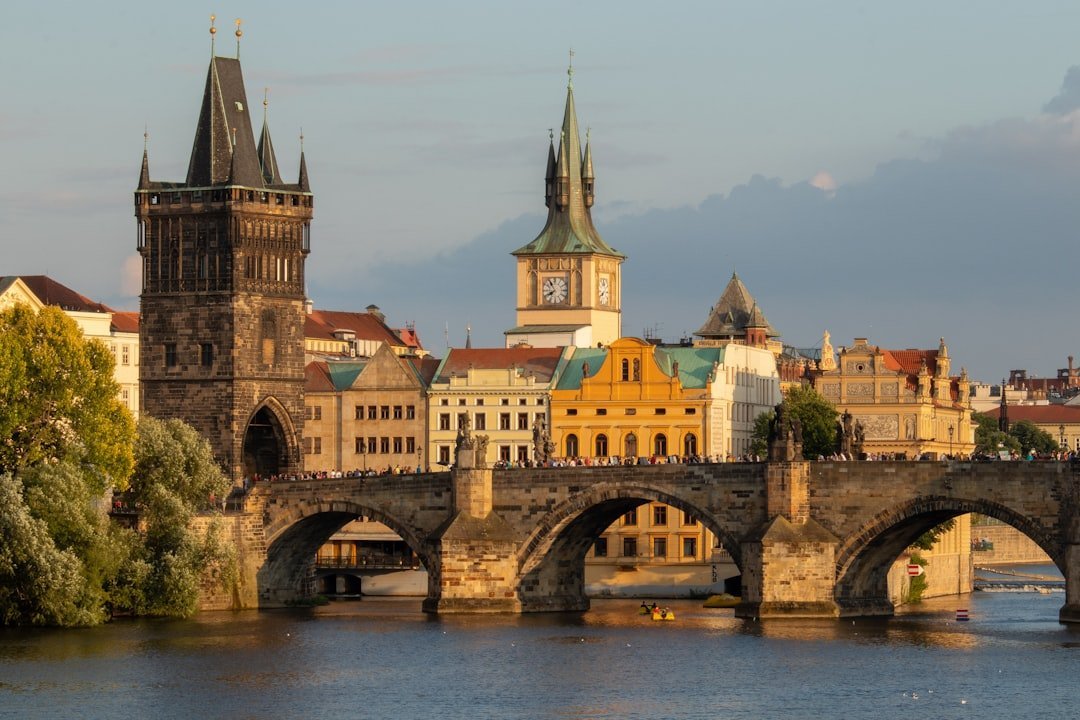
Prague is one of Europe’s most visited cities, but it is also one of the most underrated places to study. If you’re looking for a study abroad destination with high-quality education in Europe but without the high costs, Czechia is a strong option. At public universities, programs taught in Czech are tuition-free for all students, regardless of nationality. Programs taught in English typically cost around €2,000 to €10,000 per year, which is still significantly lower than in many Central European countries.
The Czech Republic offers free education to students who study in the Czech language. Tuition fees for English-taught programs are still affordable, ranging between €3,000 and €6,000 per year. Average monthly living costs sit between €400 and €700. That living cost figure is extraordinary by any Western standard. Prague is one of those rare places where a student can genuinely live well on a tight budget.
It’s hard to say for sure what makes Prague so uniquely magnetic for international students, but I think it’s the combination of Gothic architecture, a thriving English-speaking expat community, and cost figures that feel almost too good to be true. Charles University, founded in 1348, is the oldest university in Central Europe – and it offers programs in English across medicine, law, and social sciences. Think of Prague as a study abroad destination that looks like a fairy tale but costs like a budget hostel.
9. Budapest, Hungary – Eastern Europe’s Most Exciting Student City
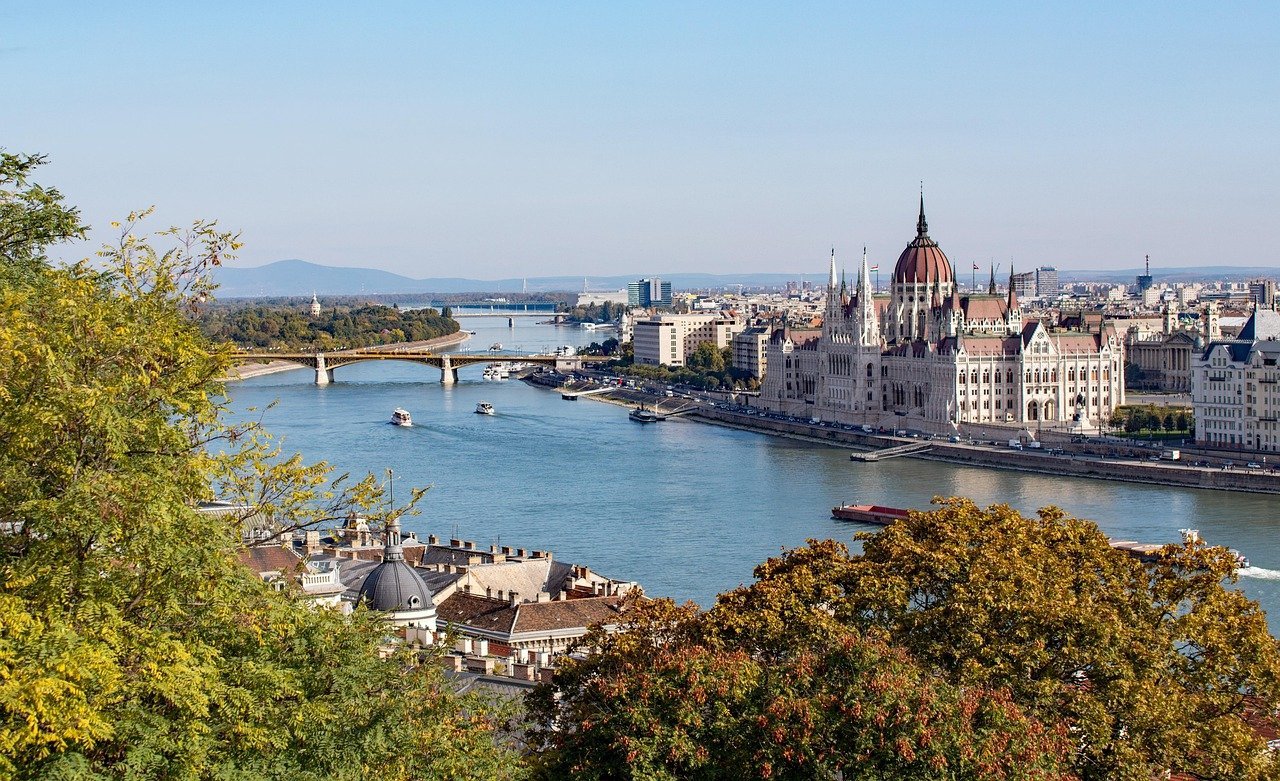
Hungary, particularly Budapest, offers affordable tuition and very low living costs. The country has become increasingly popular for medical, engineering, and business programs taught in English. Budapest is one of those cities that genuinely surprises people when they first arrive – thermal baths, ruin bars, a stunning parliament building along the Danube, and student prices that seem to belong to another decade.
Hungary is an attractive option due to its low tuition fees of €1,200 to €5,000 per year and affordable cost of living. It also offers the Stipendium Hungaricum scholarship, which covers tuition fees and provides a monthly stipend. Best cities for students in Hungary include Budapest with its stunning capital and affordable nightlife, Debrecen as a university city with very cheap costs, and Szeged with its charming, low-cost atmosphere.
Hungary is particularly known for affordable medical and dental programs taught in English, attracting many international students to programs that would cost $50,000 or more per year in the United States. For pre-med American students especially, Budapest represents something close to a miracle. World-class training, a vibrant European city life, and a price tag that does not require a second mortgage on the family home.
10. Krakow, Poland – Eastern Europe’s Crown Jewel for Bargain Seekers
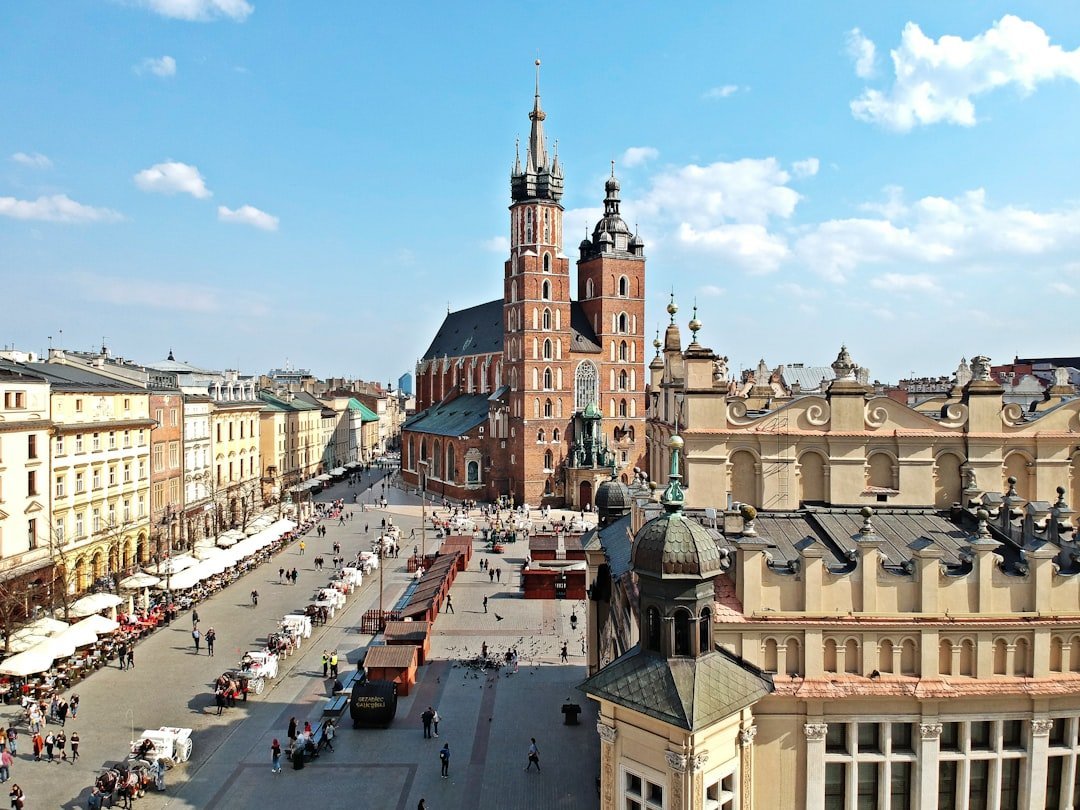
Poland is, without question, one of Europe’s best-kept secrets for affordable education, and Krakow is its crown jewel. Average annual tuition runs at €0 for Polish-taught programs and €2,000 to €4,000 for English programs. If you’re willing to study in Polish, tuition is completely free regardless of nationality. Even English-taught programs remain very affordable compared to Western European countries – and Poland’s cost of living is among the lowest in Europe.
In terms of cost of living, Poland provides a unique environment compared to other European countries, with an average of between €4,000 and €6,000 annually for international students. Student accommodations are particularly budget-friendly, with prices starting at €400 to €700 per month. Students in Poland can work up to 20 hours per week while attending classes or full-time during the three months of summer vacation. That work flexibility can genuinely cover a significant portion of monthly expenses.
Krakow’s Jagiellonian University, founded in 1364, is one of the oldest universities in the world and offers an impressive range of English-language programs. The city itself is spectacularly well-preserved, feels safe, and is packed with museums, restaurants, and cultural life – all at prices that would make students in London or Paris weep with envy. Poland is one of the most affordable European countries to pursue a degree. It has a rich history, a student-friendly atmosphere, and a beautiful culture.
What Every American Student Should Know Before Packing Their Bags

The big picture here is hard to ignore. European countries are the most popular study-abroad destinations for Americans, with 48.7% of study-abroad students going to Europe. There were 241,754 American students in study-abroad programs in Europe in 2025, a 16.5% increase over the previous year according to the Institute of International Education. That trend is only going to accelerate as US tuition costs continue rising.
There are a few practical things to know before you go. While many universities worldwide do not charge tuition fees, they can still charge smaller amounts known as administrative fees. These fees help fund services related to the administration and supervision of students. In Germany, for example, such fees are usually no higher than €250 per semester. Small potatoes compared to American tuition bills, but worth factoring into your budget.
It should be noted that classes in many countries are taught in the country’s native language – universities in Greece, for instance, teach most classes in Greek rather than English – which could introduce a language barrier. That challenge is real but manageable. Learning even the basics of a local language opens doors, builds friendships, and transforms the entire experience from a simple degree into something far more meaningful. The question is not whether you can afford to study in Europe. The real question is whether you can still afford not to.