
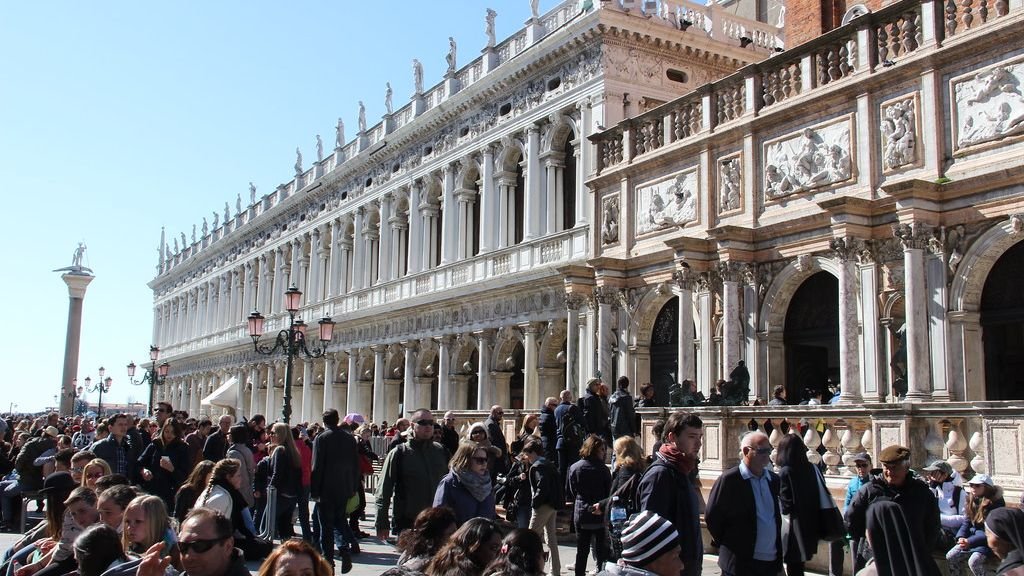
There was a time when visiting Venice, Barcelona, or Kyoto felt like stepping into a living, breathing world with real people going about real lives. A fisherman hauling his catch at dawn. A grandmother hanging laundry across an ancient alleyway. A geisha slipping quietly between wooden gates. Today, in too many of these storied places, those moments feel staged, outnumbered, or simply gone. What replaced them? Selfie sticks. Souvenir shops. Cruise ship hordes.
The UN World Tourism Organization estimated 1.5 billion tourists traveled globally in 2024. That number isn’t a triumph. For some of the world’s most beloved cities, it’s closer to a crisis. Here are nine iconic destinations where the collision between mass tourism and local life has turned something once extraordinary into something hollow. Let’s dive in.
Venice, Italy: A City Watching Itself Disappear
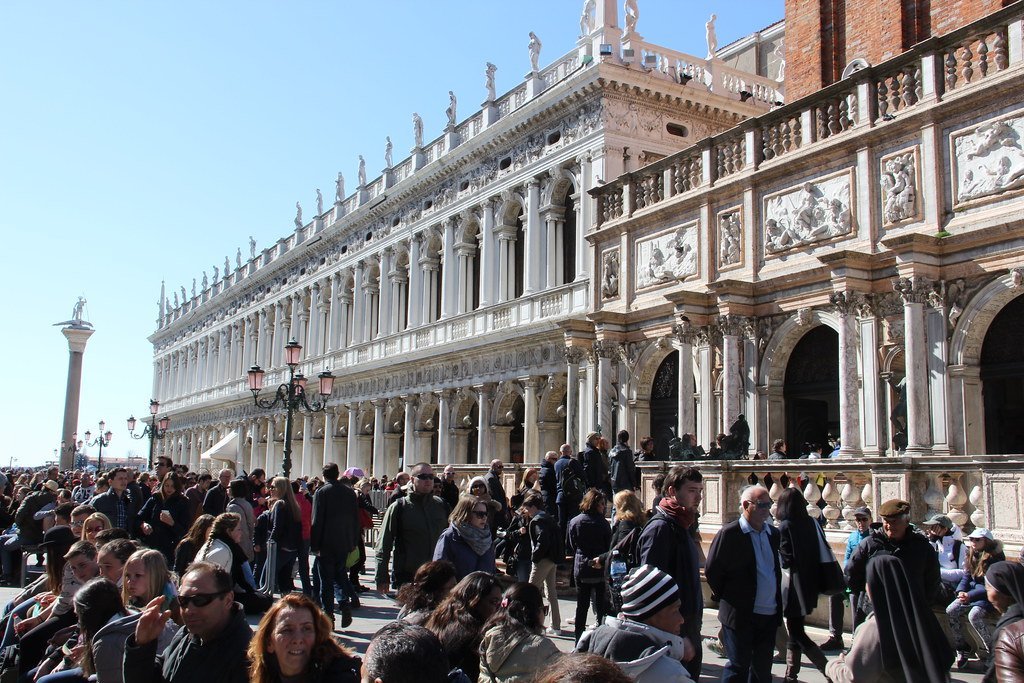
Honestly, Venice might be the saddest story on this list. Not because of the crowds themselves, though they are extreme, but because of what the crowds have done to the people who actually live there. In 1951, the historic center boasted a peak population of 174,808 residents. By 2022, fewer than 50,000 inhabitants remained, marking a staggering 72 percent decrease from the 1950s peak.
The decline hasn’t slowed. Roughly 1,000 residents leave every year. Locals have a name for it: the Venexodus. Six out of ten houses are now considered a tourist-only rental, and many traditional stores and workshops have been replaced by cookie-cutter, often foreign-owned shops.
If the population falls below 40,000, there is concern that Venice will cease to be a viable living city. To fight back, Venice introduced a day-tripper access fee, which is now applied on 54 high-traffic days in 2025, up from 29 days in 2024, mostly on weekends, public holidays, and peak spring and summer times. The fee hasn’t really stopped the crowds. It’s just generated revenue.
Barcelona, Spain: Where Water Guns Became Protest Weapons

In the summer of 2024, protesters in Barcelona made international headlines by spraying tourists with water guns. The message was clear: locals are being priced out of their own neighborhoods. This wasn’t a random act of frustration. It was years of simmering rage finally boiling over in the most visible way possible.
With a staggering 32 million annual visitors and a population of just 1.6 million, Barcelona has become a poster child for overtourism. That means roughly twenty tourists for every single resident annually. The rise of short-term rentals like Airbnb has caused rents to skyrocket, forcing residents to move to the outskirts of the city they grew up in.
In 2024, the city passed new legislation to eliminate all short-term tourist apartment licenses by 2028, a major move to reduce tourist saturation in residential neighborhoods. In 2025, no new licenses were issued, and enforcement on illegal rentals has ramped up significantly. Areas such as La Rambla have witnessed graffiti and protest banners demanding “Tourists Go Home.”
Kyoto, Japan: Sacred Spaces Turned Into Selfie Stations
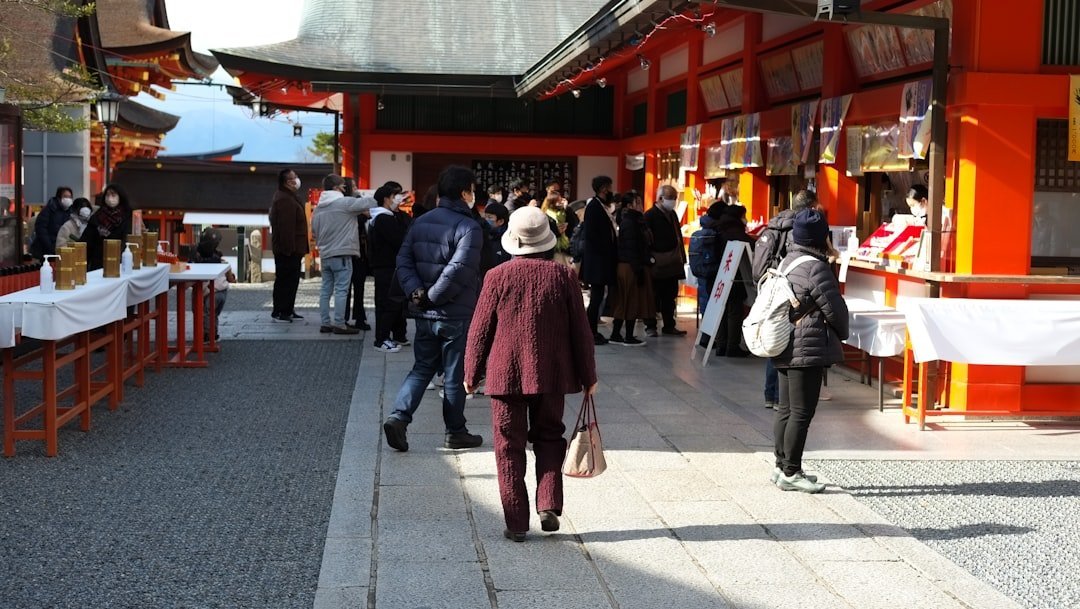
According to Kyoto City officials, a combined total of more than 56 million international and domestic tourists visited the historic city in 2024. For a city of around 1.5 million residents, that is an astronomical number. Japan’s ancient capital has become ground zero for overtourism in Asia.
Roughly 90 percent of the Kyoto residents surveyed by Japan’s Yomiuri Shimbun newspaper complained about overtourism, with one of the biggest grievances being rude or disrespectful behavior by foreign tourists who seem to treat Kyoto like a theme park rather than an old, venerable, and very spiritual city. It’s a deeply uncomfortable thing to read when you consider what Kyoto actually is: one of the most carefully preserved cultural landscapes on earth.
From April 2024, all tourists were banned from entering Gion’s backstreets after repeated incidents of geisha being harassed for photos. Survey data comparing 2023 and 2024 showed the Higashiyama area seeing Japanese tourists drop 12 percent while foreigners rose 66 percent. Even domestic travelers are avoiding the most famous spots because they are simply too crowded.
Santorini, Greece: Paradise Overwhelmed by Its Own Postcard
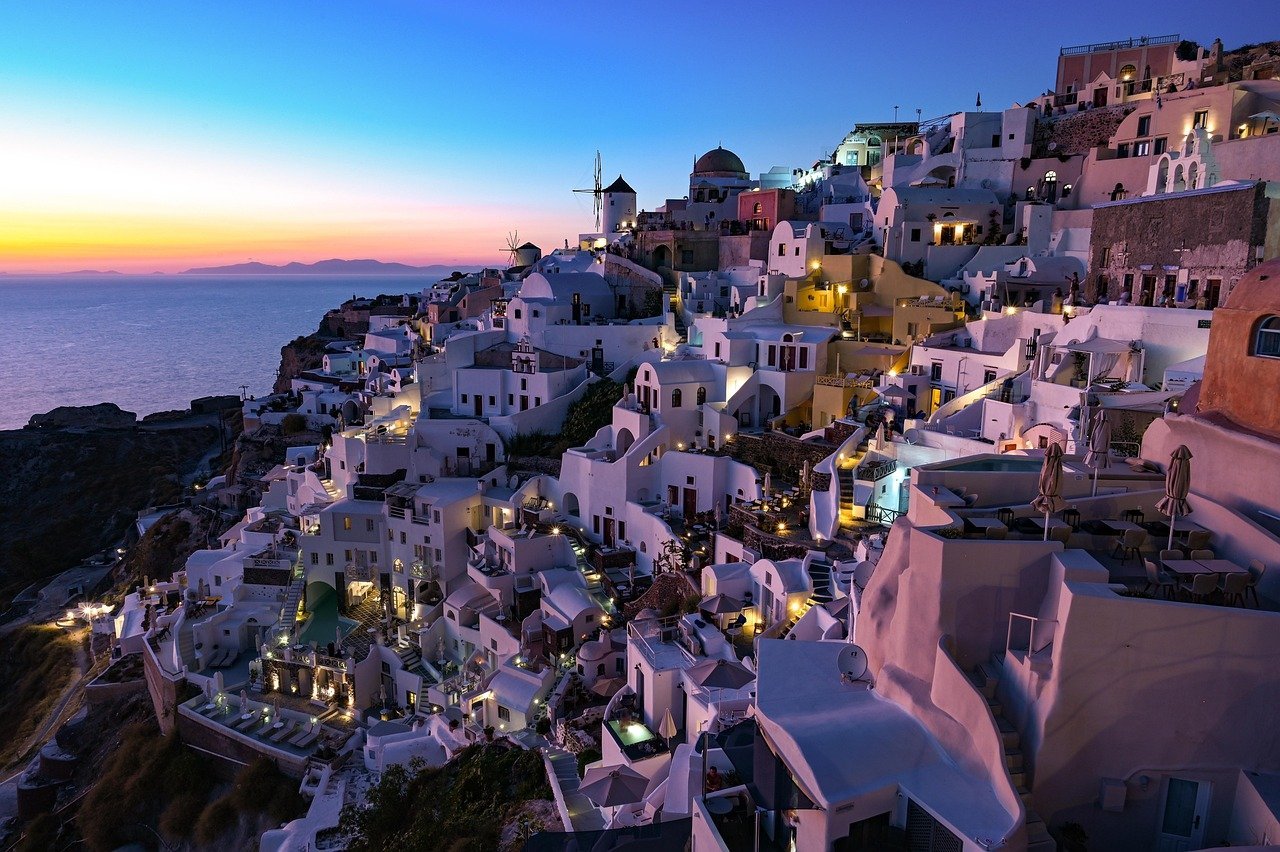
Santorini is the Instagram dream that became an actual nightmare for those who call it home. Renowned for its picturesque views and iconic architecture, Santorini draws 3.4 million tourists annually and is a popular stop for cruise ships. On peak summer days, as many as 17,000 cruise passengers arrive, placing significant strain on an island with only 20,000 permanent residents.
For Santorini, 2024 was the busiest summer yet. Locals described it as “the worst season ever,” as the island contended with overwhelming visitor numbers. Water supply, waste management, and basic infrastructure are all stretched to dangerous extremes during peak season. In places like Santorini, water supply has become a critical issue, as tourist demand for water including pools, showers, and air conditioning can outstrip local supply, exacerbating drought conditions.
The Greek government has responded by limiting the number of cruise ship passengers allowed to disembark each day, but locals still express concern that the island’s natural beauty and way of life are being compromised. The postcard image of Santorini endures. The soul behind it? That’s harder to find.
Amsterdam, The Netherlands: A City That Removed Its Own Welcome Sign
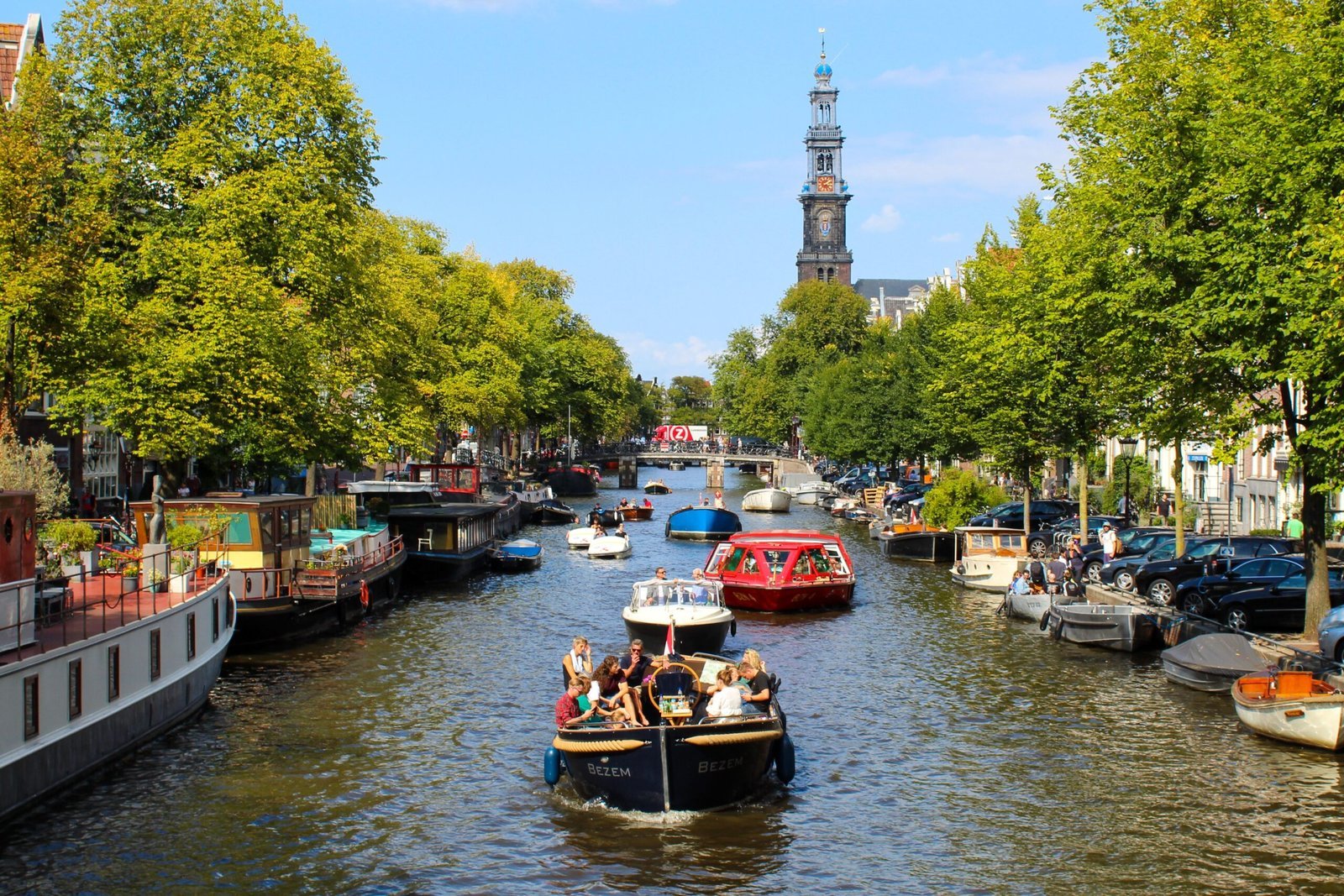
Amsterdam actually took down its famous “I Amsterdam” sign in 2018, and that says everything you need to know about how the city feels about mass tourism. The rise of budget airlines and online rental platforms like Airbnb led to an influx of visitors more interested in nightlife than cultural experiences. This has led to overcrowding, noise pollution, and a loss of the city’s traditional character, particularly in residential areas. In response, Amsterdam banned beer bikes, limited new hotel developments, and removed the “I Amsterdam” sign to discourage overtourism.
Amsterdam’s historic canals and cultural heritage attracted over 20 million visitors in 2023, leading to significant challenges for residents. Daily life has been affected by overcrowded public transport, rising rents, and noise pollution in residential neighborhoods. In 2024, the city enacted a new tourist tax aimed at funding infrastructure improvements and cleanliness initiatives.
No new hotels can be constructed in Amsterdam unless as a replacement, in the city’s fight to ban mass tourism and to cap visitor numbers at 20 million hotel overnight stays per year. Here’s the thing: Amsterdam’s response is among the most proactive in Europe, yet the problem remains stubbornly real.
Dubrovnik, Croatia: A Game of Thrones Set Nobody Wanted to Live In
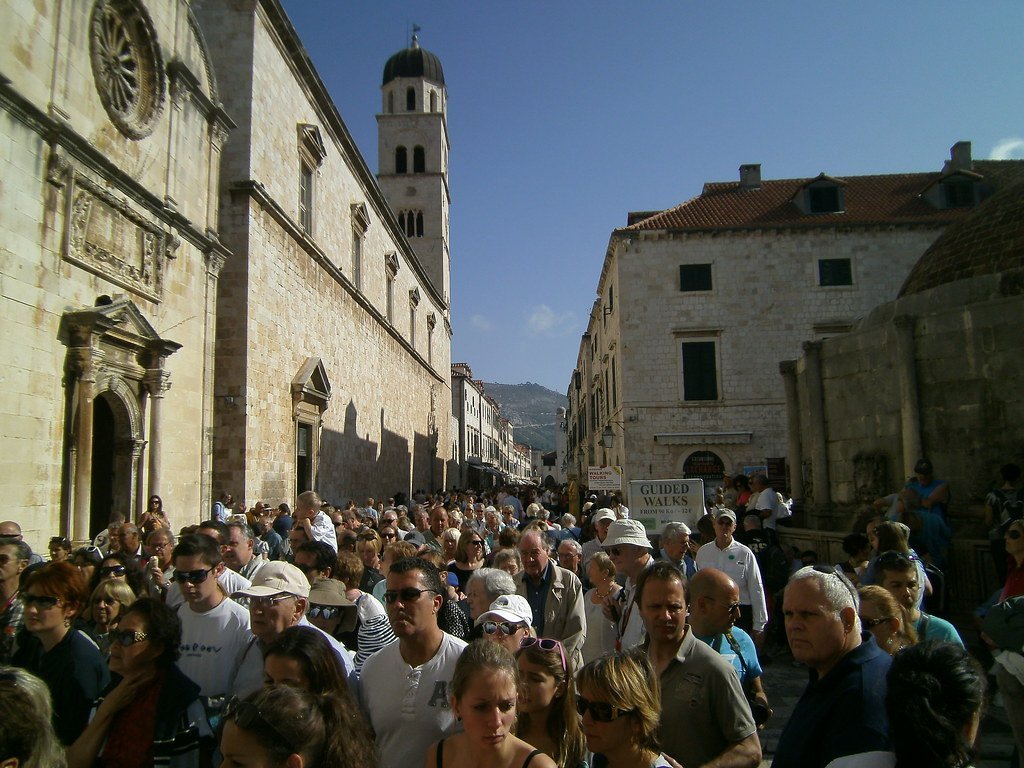
Dubrovnik, Croatia, once a hidden gem, is now a well-known tourist destination thanks in part to its role as a filming location for popular TV shows like Game of Thrones. That pop culture explosion brought global attention. It also brought overwhelming, grinding crowds to a walled medieval city that was never built to handle them.
In cities like Barcelona in Spain and Dubrovnik in Croatia, many residents have been forced to move away due to economic pressures driven by tourists pushing up housing costs. Residents complain that their city has been turned into a fantasy land for visitors, where everyday life for actual inhabitants has become secondary to maintaining the tourist experience. The soul of Dubrovnik, its authentic Mediterranean culture and community, struggles to exist beneath the weight of its own popularity.
In Dubrovnik, authorities now restrict the number of cruise ships that can dock each day, often no more than two at a time, to curb the crush of day-trippers. In 2019, Dubrovnik’s mayor introduced measures to cap the number of daily visitors to the city’s Old Town, but overtourism continues to challenge the city’s infrastructure and local culture. Progress is slow when the economic incentives keep pulling in the other direction.
Bali, Indonesia: When a Spiritual Island Becomes a Party Destination
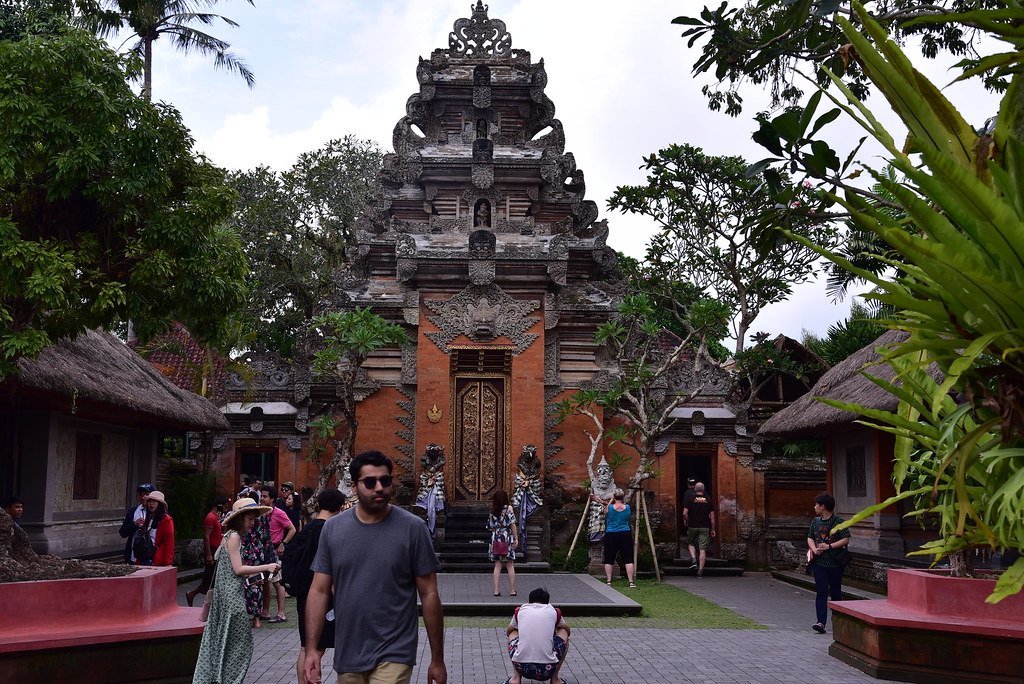
Let’s be real. Bali has a specific problem that other cities on this list don’t quite face: the sheer gap between what the island actually is and what tourists think it is. It’s actually a very, very spiritual destination. People go there and behave badly by taking their clothes off for pictures at temples, or riding around without their shirts on motorbikes, not wearing helmets, that kind of thing that goes down very badly with locals.
Bali’s lush landscapes and spiritual heritage have made it a global favorite among travelers, but the island’s natural and cultural fabric has been increasingly threatened by the volume of visitors. Nearly 15 million tourists arrived in 2024, and many local communities have protested against rapid, unchecked development. The replacement of sacred sites and traditional rice paddies with resorts and beach clubs has sparked widespread concern among residents and activists.
The findings of a 2024 research study reveal that overtourism is not merely a function of high visitor numbers but a symptom of systemic governance failure. Key manifestations include acute environmental degradation, the commodification of cultural heritage, and significant economic leakage that marginalizes local communities. Movements like “Bali is Not for Tourists, Bali is for Balinese” signal growing frustration.
Machu Picchu, Peru: An Ancient Wonder Facing Modern Pressure

It is hard to think of a more powerful symbol of human achievement than Machu Picchu. A 600-year-old Incan citadel built into the clouds above the Urubamba River. Extraordinary by any measure. Overtourism has led to erosion and damage to this ancient Incan citadel, with a quota system and mandatory guides helping preserve the popular South American destination. Yet the sheer number of visitors is still taking a physical toll on the site. The Peruvian government has implemented timed entry and visitor limits, but demand far exceeds the sustainable capacity of the site.
Daily visitor capacity to Machu Picchu has been reduced to 5,000 per day. That sounds like a lot until you understand that before restrictions, the numbers were dramatically higher. Heritage sites like Machu Picchu in Peru have faced deterioration from excessive foot traffic, while local cultures risk being commercialized or overshadowed.
Think of it like letting thousands of people walk across a paper bridge every single day. Eventually, it doesn’t matter how magnificent the structure once was. Since the visitor limit implementation, authorities have reported reduced degradation of the stonework and a better visitor experience. Peru is striving to ensure that popularity doesn’t lead to Machu Picchu’s ruin, setting an example for how to balance access with preservation.
Porto, Portugal: The Quiet Victim Nobody Talks About
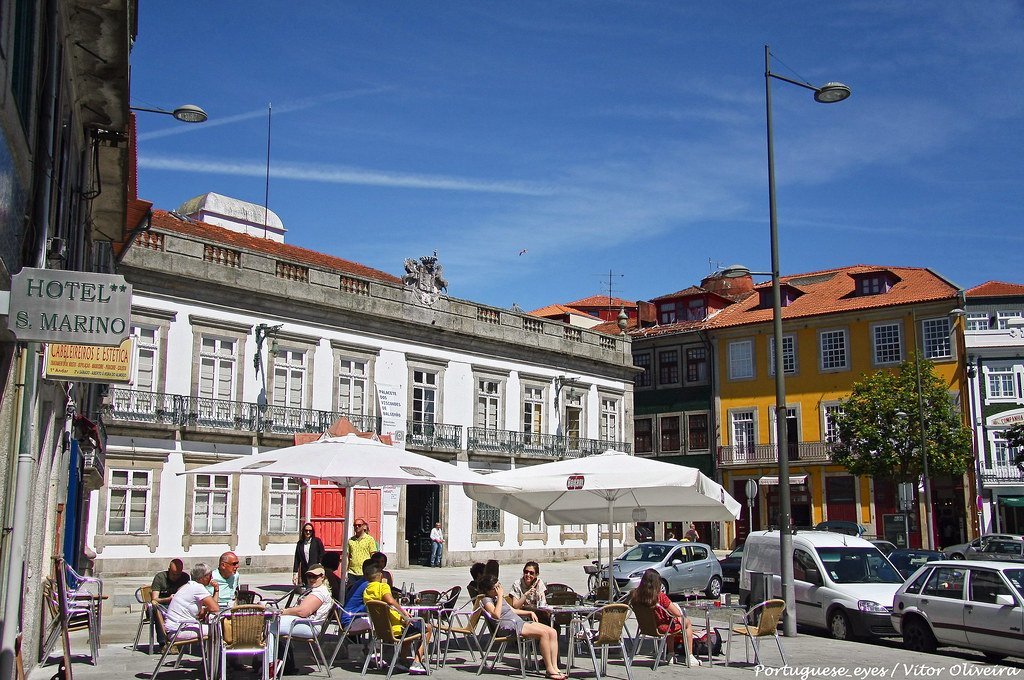
Porto rarely makes the biggest overtourism headlines. It doesn’t have the dramatic protests of Barcelona or the regulatory battles of Venice. It’s more of a quiet displacement, which in some ways makes it more heartbreaking. Porto has seen a sharp increase in tourism in recent years, and in 2023 there were more than ten annual tourists for every resident. Overtourism is pushing out traditional shops in the city center in favor of soulless chains that cater to visitors, while short-term holiday rentals are displacing long-term residents.
It’s the kind of change you notice slowly. One year, there’s a hardware store. Next year, a luggage shop. The year after that, another wine bar with menus printed only in English. The most heartbreaking aspect of overtourism is the displacement of culture. When a neighborhood becomes dominated by souvenir shops and tourist-menu restaurants, the authentic soul of the place dies. Small hardware stores, local bakeries, and community centers are replaced by luggage storage lockers and international coffee chains.
The city council has responded with a strategy of placing rental restrictions only in highly touristed areas, while less-visited districts are being actively promoted. This approach aims to create a more sustainable tourism model while revitalizing neglected neighborhoods. It’s an intelligent idea, honestly. Whether it arrives in time to save what Porto once was remains an open question.
The Bigger Picture: A Crisis That Won’t Fix Itself
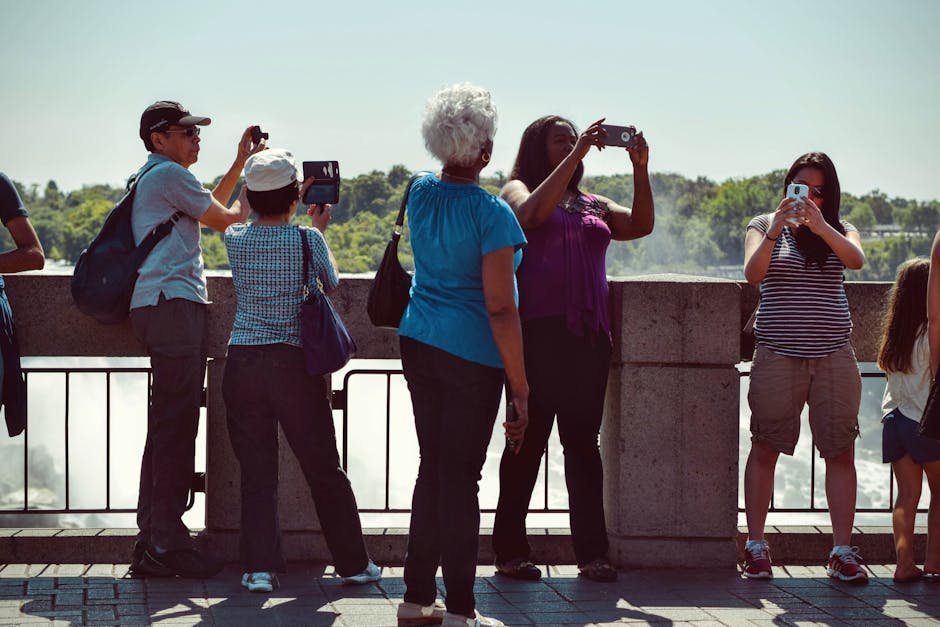
What ties all nine of these cities together isn’t just the crowd counts or the tourist taxes. It’s a fundamental tension between two things that should never be in conflict: the right of people to explore the world, and the right of communities to live undisturbed in their own homes. Overtourism is the tipping point where the number of visitors exceeds a destination’s carrying capacity. Infrastructure can no longer support the crowds, the environment begins to degrade, and the quality of life for local residents plummets.
The UNWTO’s World Tourism Barometer reported that 2025 saw a record-breaking 1.52 billion international travelers, a number representing an increase of nearly 60 million tourists compared to 2024. About 10 percent of the European Union’s GDP comes from tourism, although that figure is higher in some cities. The economic dependence is real and undeniable. Cities can’t simply close their doors.
Much of the recent backlash from locals is because tourism is coming at the cost of a lower quality of life and spiking housing costs. With an uptick in the number of properties dedicated to hospitality, the market for rentals has shrunk, causing home prices to increase. When you visit these places now, the experience often doesn’t live up to expectations because you’re navigating crowds rather than discovering culture. The authentic moments that make travel meaningful are increasingly rare in these overtouristed destinations.
The cities in this gallery don’t need fewer admirers. They need more thoughtful ones. The choice isn’t between traveling and not traveling. It’s between treating a living city as a backdrop, or recognizing that behind every cobblestone, every canal, every ancient alleyway, someone calls it home. What kind of traveler do you want to be?