
You save up. You book the flights. You plan the whole trip around that one moment – the photo, the feeling, the story you’ll tell for the rest of your life. Then you get there. And honestly? Sometimes the reality slaps you across the face like a wet tourist map.
The world’s most famous landmarks have been sold to us through dreamy Instagram filters, glossy travel magazines, and a lifetime of cultural hype. But the uncomfortable truth that nobody posts about? Many of these “must-see” wonders are overcrowded, overpriced, and deeply, almost comically, underwhelming. Let’s dive in.
1. The Mona Lisa – 30 Seconds of Disappointment Behind Bulletproof Glass
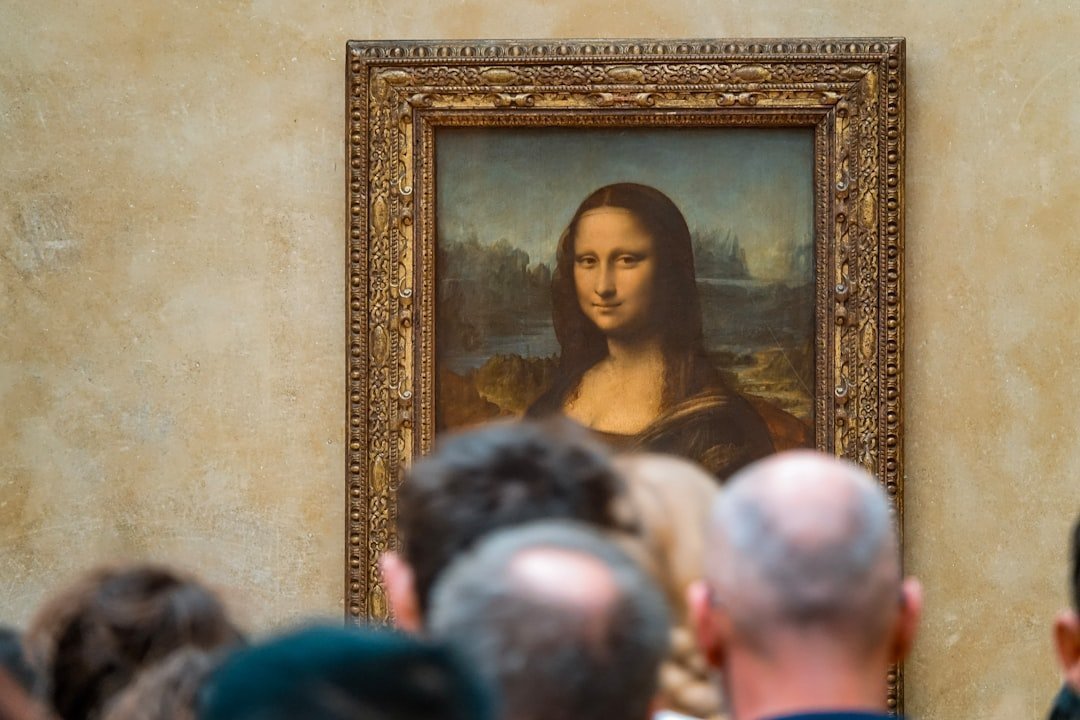
Let’s start with the biggest letdown on earth. Up to ten million people a year visit the Mona Lisa at the Louvre, crowding into the gallery where she gazes out from behind three inches of bulletproof glass – and many visitors queue for up to two hours to spend an allotted 30 seconds in front of the piece, coming away feeling cheated. Think about that for a second. Two hours of your life for half a minute.
Surveyed museum-goers have dubbed the Mona Lisa “the world’s most disappointing masterpiece.” After analyzing more than 18,000 visitor reviews mentioning the work, researchers found that nearly four in ten comments were negative. That number is extraordinary for what is supposedly the greatest painting in human history.
The Louvre Museum even faced an unprecedented closure on June 16, 2025, as its staff staged a spontaneous strike to protest the overwhelming effects of overtourism, chronic understaffing, and deteriorating working conditions, leaving thousands of tourists stranded outside unable to view masterpieces like the Mona Lisa, which alone draws an estimated 20,000 visitors daily. The Louvre director herself acknowledged the problem is so severe that in January 2025 she described the museum as being at “saturation point,” and President Emmanuel Macron announced that the gallery was set to undergo a major renovation with the Mona Lisa set to get a dedicated exhibit.
2. The Great Wall of China – The World’s Most Crowded Walkway
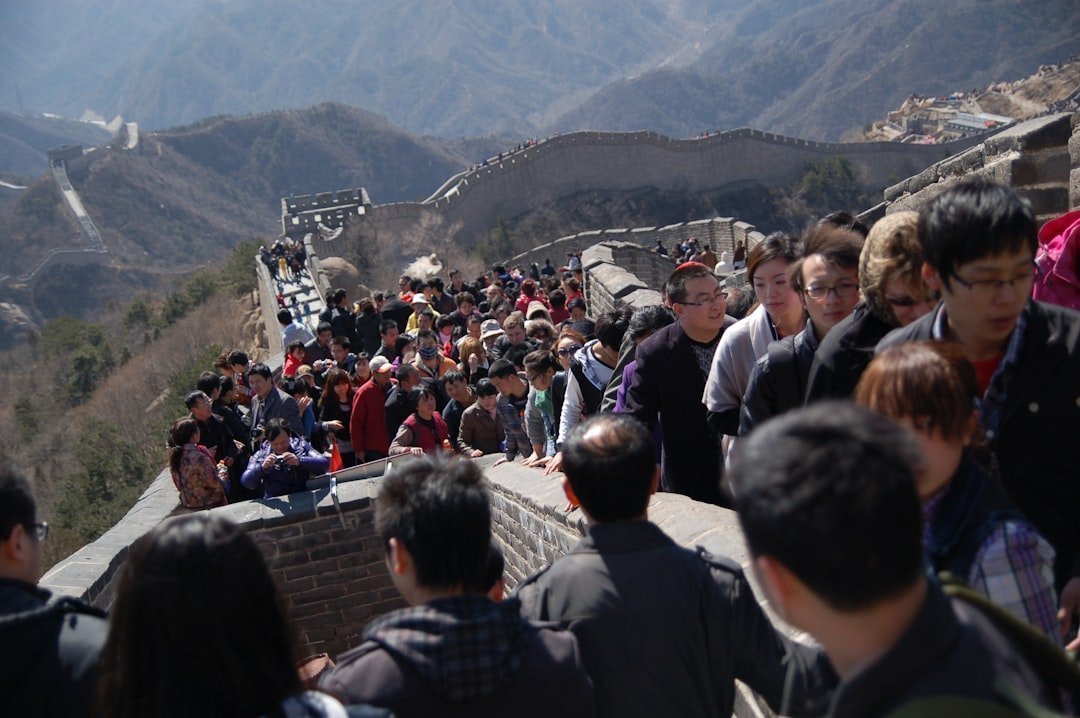
The Great Wall of China is genuinely one of humanity’s most extraordinary achievements. Stretching across mountains and valleys over thousands of miles, it should leave you breathless. At the most visited sections, it often does – but not for the reasons you’d hope. The breathlessness, it turns out, comes from being squeezed between hundreds of sweaty strangers.
The Great Wall received a surprisingly low overall score of 4.43 in the Stasher global analysis, with visitors citing overcrowding and commercialization. Walking along the wall is a dream for many, but the reality at hotspots like Badaling is a crush of humanity. In 2025, travel reports highlighted how jam-packed these sections have become, making it nearly impossible to take in the history.
The surrounding areas have sprouted souvenir shops and fast-food chains, eroding any sense of ancient wonder. Preservationists have raised concerns about the impact of such crowds on the structure itself. Some visitors left feeling like they’d visited a theme park rather than a world wonder. Those in the know now suggest venturing to quieter stretches like Jinshanling, but the mainstream visitor experience remains a letdown.
3. The Pyramids of Giza – History Buried Under Hawkers and Camels

Standing before the Pyramids of Giza should be a moment of deep wonder, but many recent visitors have found the reality jarring. In 2024, complaints about pushy vendors and unofficial guides grew louder, with tourists describing the area as more of a marketplace than a historic site. Aggressive sales tactics made it difficult to simply pause and appreciate the ancient stones.
Photobombing camels, litter, and loosely regulated crowds have detracted from the would-be mystical atmosphere. Preservationists warn that unchecked tourism is putting the monuments at serious risk. It is, if you think about it, one of the strangest paradoxes in travel: a monument that survived 4,500 years is now threatened by people with selfie sticks.
Some savvy travelers now opt for lesser-known sites like Saqqara, where the experience is quieter and more authentic. The Pyramids still inspire awe, but the circus surrounding them leaves many visitors wishing for a completely different kind of adventure. I think that says it all.
4. The Stonehenge – Roped-Off Rocks at Premium Prices

In 2025, Stonehenge welcomed 1,253,405 visitors, an eight percent fall on the previous year and roughly 22 percent below its pre-pandemic peak of approximately 1.6 million in 2019. It slipped to 25th in the Association of Leading Visitor Attractions rankings, behind Windsor Castle and RHS Garden Wisley. When a site is losing visitors in a tourism-booming era, that tells you something real.
Stonehenge is increasingly failing the test of justifying its price. Academic research stretching back almost two decades has identified access restrictions, perceived over-commercialization, and the gap between visitor expectations and reality as persistent weaknesses. Recent years have seen an increase in restrictions around the stones. Gone are the days when you could freely wander among them at your own pace and touch them to feel a connection with the past through your fingertips.
The environment around Stonehenge has not been immune to modern encroachments either. Roads and traffic congestion create a visual and auditory backdrop that is far from the ancient, peaceful plains one might imagine. A 2024 poll by Rough Guides saw the 5,000-year-old stone circle voted the world’s most overrated attraction. Ouch.
5. Venice – A Sinking City Drowning in Tourism

Venice has always been painted as a city of romance and wonder, but for many travelers in 2025, the reality has been far less enchanting. With more than 25 million tourists piling into the city last year, the narrow alleys and iconic squares have turned into rivers of people. Many visitors reported that the crush of crowds made it nearly impossible to enjoy famous landmarks like St. Mark’s Basilica or the Rialto Bridge.
Forbes reported that the problem stems from the sheer number of visitors who flock to the city daily – over 20 million tourists a year for a city with just over 50,000 residents. That is a staggering ratio. Imagine your neighborhood permanently outnumbered four hundred to one by strangers with cameras.
Although new regulations have moved cruise ships further away from the historic center, the city still struggles under the weight of tourists who visit for just a day, adding to overcrowding but contributing little to the local economy. The proliferation of short-term rentals has driven housing costs through the roof, pushing locals out of the city center. This tension has led the city government to impose restrictions, but managing the overwhelming number of tourists remains a challenge.
6. Machu Picchu – The Lost City That Never Really Lost the Crowds
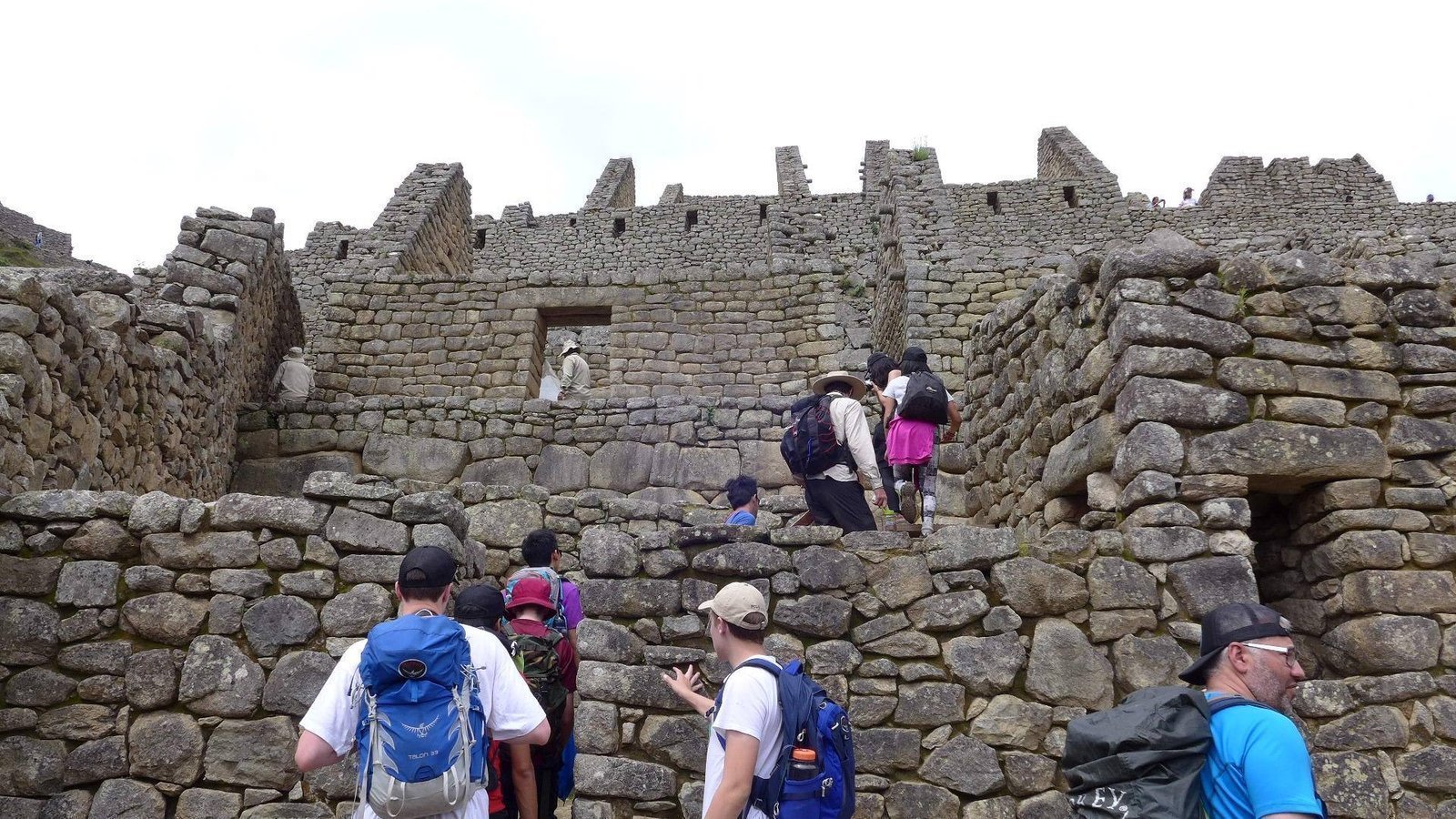
Here’s the thing about Machu Picchu. It really is spectacular. The problem is, you’re almost never alone with it. As one of the world’s most visited archaeological sites, Machu Picchu faces unprecedented challenges from overtourism and environmental degradation. With over 1.5 million visitors annually, this UNESCO World Heritage Site requires a delicate balance between accessibility and preservation.
Machu Picchu generates approximately 14 tons of waste daily, overwhelming local infrastructure and threatening both the archaeological site and surrounding natural environment. Alternative approaches involving open-ended access and flexible timing proved unsustainable during pre-2024 management systems that created severe overcrowding, damaging archaeological structures and diminishing visitor experience quality. The site was simply not built for this.
The most desirable circuit tickets sell out first, and everyone who fails to get one feels they are missing something. They are disappointed before they have even started their trip. In Machu Picchu’s case, the balance between profit and preservation is genuinely hard to keep. That tension comes at the visitor’s direct expense.
7. The Taj Mahal – Seven Million Visitors Can’t All Be Wrong. Or Can They?
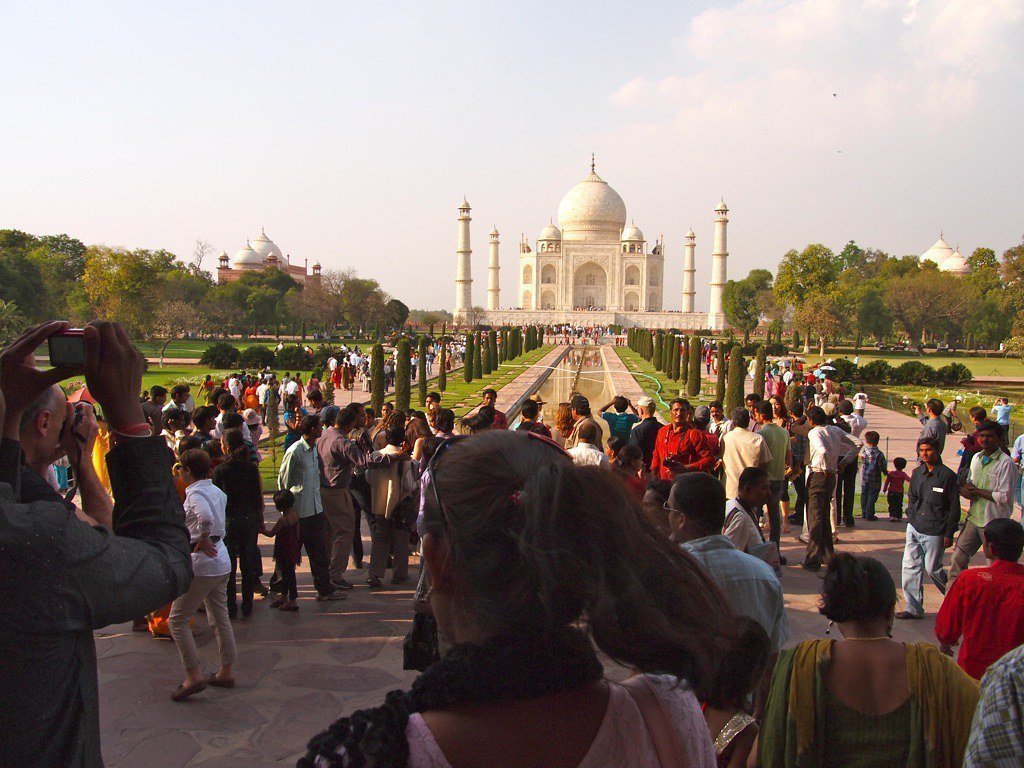
Few sights on earth match the Taj Mahal in pure visual grandeur. Its white marble catches sunrise light in a way that genuinely stops your breath. The problem? You’re sharing that breath with an enormous number of other people. The 42-acre complex draws seven to eight million visitors every year, and if you’re debating whether to catch it at sunrise or sunset, sunrise tends to be less crowded. That detail alone tells you a lot.
Concerns about overtourism and poor management are growing in historic cities and heritage sites worldwide. The 2025 “No List” from Fodor’s highlights destinations under unsustainable tourism pressures. The Taj Mahal, despite its jaw-dropping architecture, is frequently listed among those overwhelmed sites where tourists leave with more crowd-related frustration than reverence.
Honestly, the experience of the Taj Mahal from a distance – say, standing at the reflecting pool – remains genuinely moving. The moment you add the 30,000 other people jostling for the exact same angle, it transforms from a spiritual encounter into something that feels more like a stadium event. The monument deserves better. So do you.
8. Santorini – The Instagram Filter Has Been Lying to You

Santorini’s charm is in its quiet, picturesque villages and crystal-clear waters, but the flood of tourists – many arriving on large cruise ships – has led to severe overcrowding. In peak season, visitors often outnumber the island’s 15,000 residents several times over. This has resulted in traffic jams, overbooked hotels, and overwhelmed restaurants. Popular spots like Oia, where tourists gather to watch the sunset, are packed to the point where it’s nearly impossible to move through the narrow streets.
Santorini’s infrastructure struggles under the weight of so many visitors. There are growing concerns about the island’s water supply, as well as the impact of constant construction to accommodate tourists. The island’s natural beauty and traditional way of life are increasingly at risk of being overshadowed by mass tourism.
The irony is almost poetic. People travel to Santorini specifically because it looks magical and uncrowded in photos. Those photos, of course, were taken at five in the morning by a photographer who waited three hours for a gap in the crowds. The rest of us arrive at noon in matching linen outfits to find a gridlock of elbows and selfie sticks. The view is still extraordinary. The experience around it? Considerably less so.
9. The Trevi Fountain – Rome’s Most Crowded Coin Toss
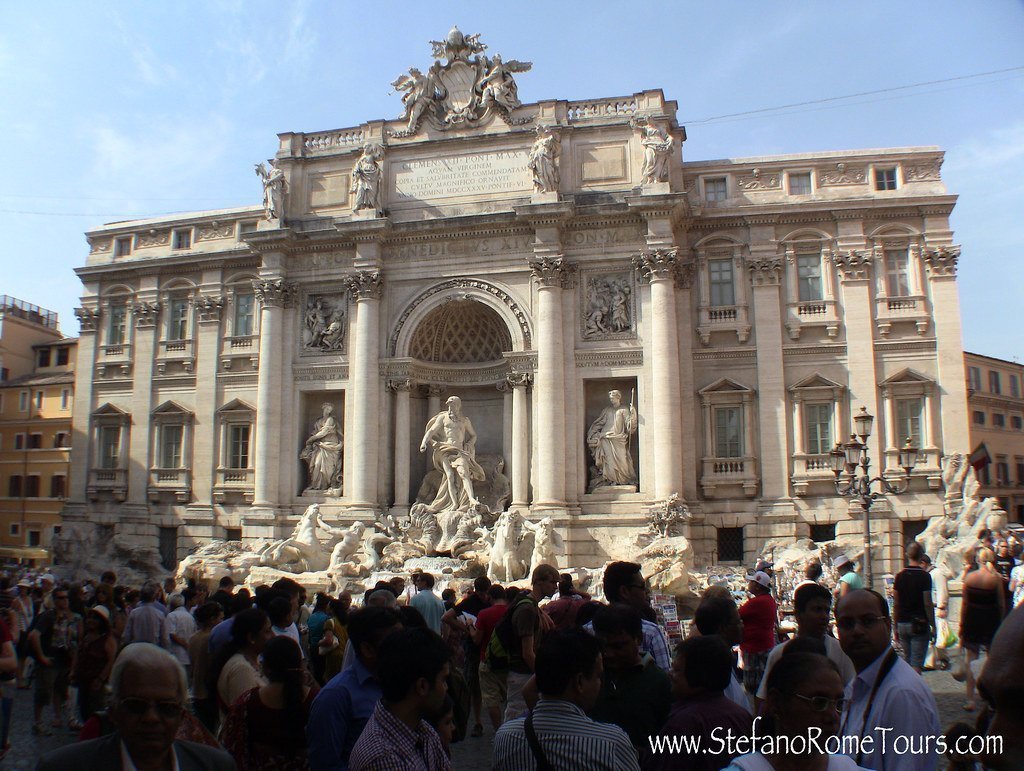
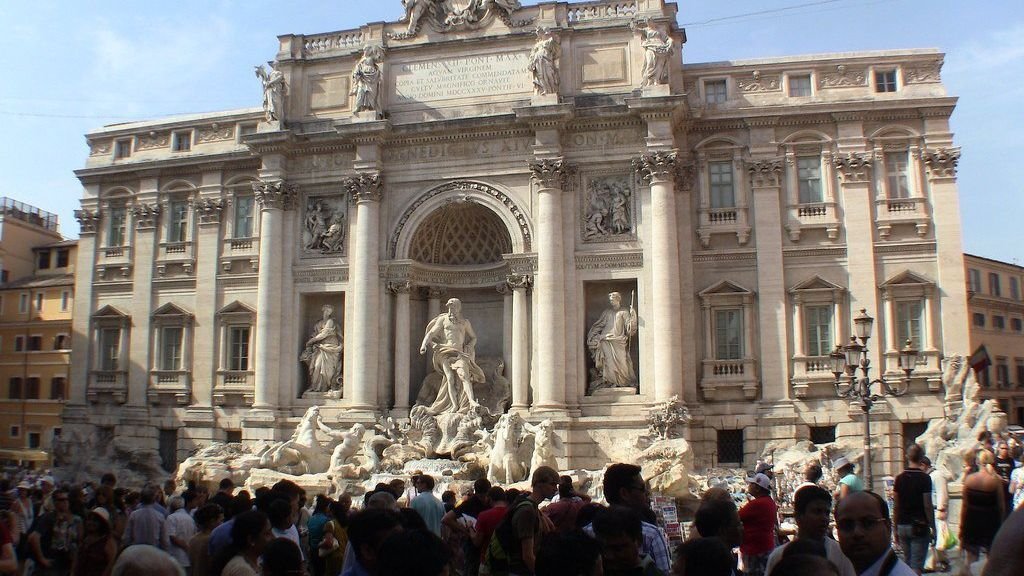
A March 2025 Radical Storage survey named the Trevi Fountain one of the most disappointing tourist attractions, with almost a quarter of people surveyed having a negative experience, and just under 17% citing crowds and restricted mobility as the biggest impediments. Anywhere from 10,000 to 12,000 tourists were known to visit the fountain daily – until a new queuing rule was announced in 2024 to help control the crowds of visitors awaiting their turn to throw an estimated $10,500 per week in “good luck” coins into the fountain.
Common issues included overcrowding, pickpocket warnings, and a persistent sense that the fountain was “underwhelming” in person. What many hoped would be a romantic moment turned into a stressful, hurried photo-op. The fountain itself is genuinely breathtaking baroque architecture. The experience of reaching it, however, resembles trying to merge onto a motorway on foot.
The Trevi Fountain exemplifies the chaos that overtourism can cause. With over three million visitors each year, the site has struggled with congestion and wear. In response, Rome’s authorities are exploring ticketed entry and reservation systems to better manage visitor flow. That is the telling sign of our era: when entry to a public fountain requires advance booking, something has gone seriously wrong with how we travel.
The Bigger Picture: Why the Bucket List Keeps Failing Us
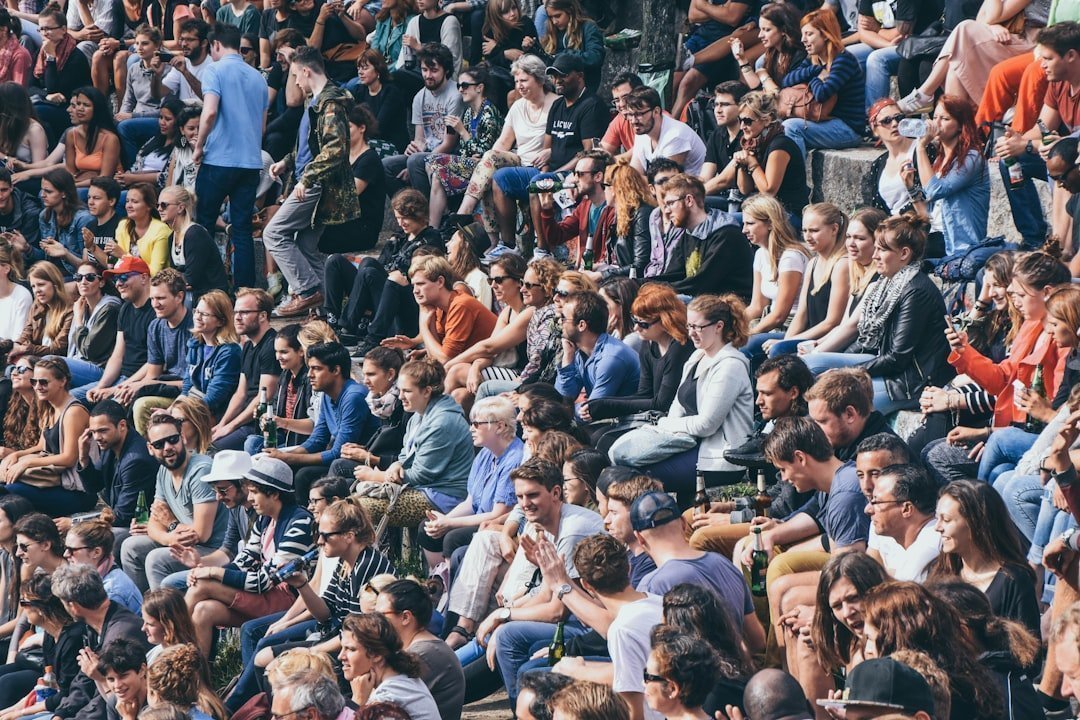
People are traveling more than ever, with international tourist arrivals in the first half of 2024 nearly reaching pre-pandemic levels – and destinations around the world are feeling the pinch. With tiny, historic cities welcoming thousands more people than they were built to hold and picturesque locales littered with waste, concerns about overtourism and poor tourism management are increasingly widespread.
Places can lose their character and way of life through excessive tourism. Crowds can disrespect local customs and overwhelm daily life. Too many visitors can dilute local habits, turning a place into a fantasyland or theme park, in the process losing the very uniqueness that attracted travelers in the first place. It is a self-defeating cycle that no one really wins.
The real issue is not that these places are bad. Most of them are genuinely awe-inspiring, important, and worth seeing at least once. The issue is the gap between the dream and the reality – a gap that is getting wider every year as the crowds grow bigger and the infrastructure stays the same. Sometimes the most memorable travel experiences happen at places no one has heard of yet. That’s worth thinking about the next time you book a flight just to stand in a two-hour queue for 30 seconds of access to a painting behind bulletproof glass. What would you have chosen differently?