
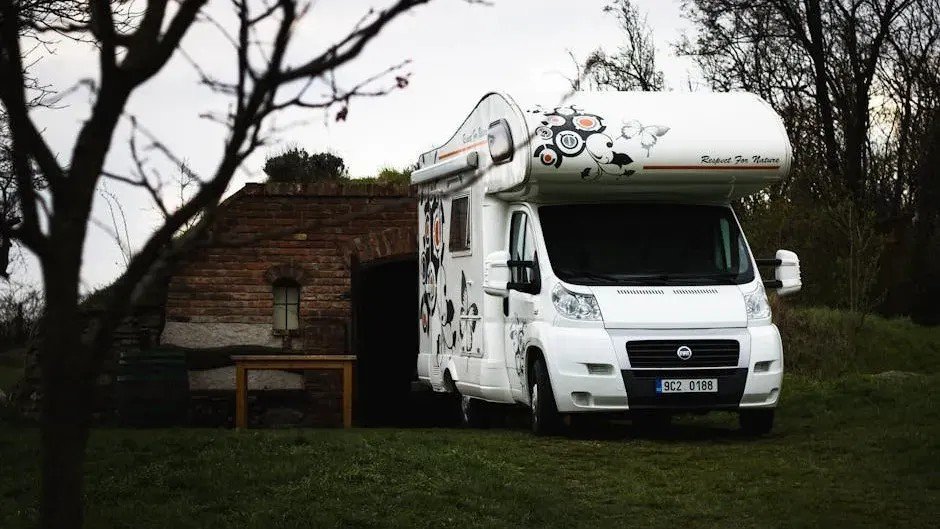
There’s something almost rebellious about pulling into a city, cutting the engine, and calling a parking spot home for the night. No hotel lobby. No checkout time. No room service, sure, but also no bill slipped under the door at 6 a.m. For a growing wave of van lifers across the United States, this isn’t a gap year fantasy. It’s Tuesday.
The tricky part? Most cities do not allow overnight camping or sleeping in vehicles, and others have gone a step further by banning parking on city streets during certain overnight hours altogether. Knowing which cities are actually workable for a quiet night in your van, versus which ones will get you tapped on the window at midnight, is everything. Let’s dive in.
Why Stealth Camping in Cities Is Getting Complicated
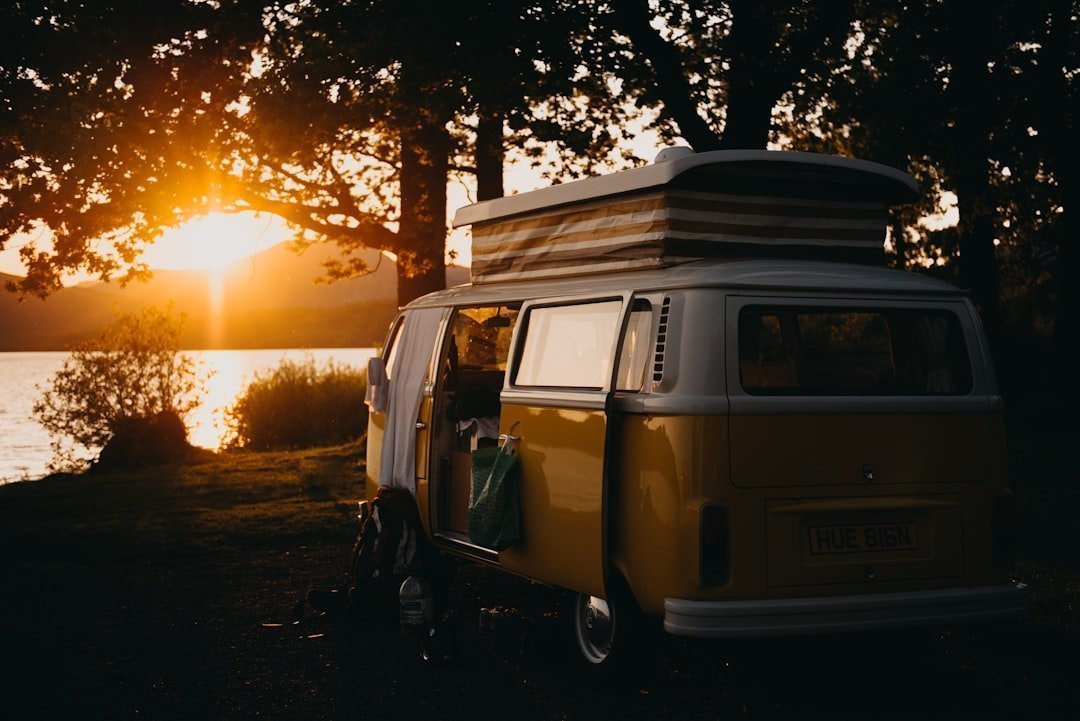
The landscape for van life in urban America has shifted noticeably in recent years. The main reason stealth camping has become illegal in many places stems from people living in vehicles putting strain on local law enforcement agencies, and some cities and county jurisdictions have placed bans on sleeping in vehicles in an effort to combat homelessness.
A 2025 executive order didn’t single out van life directly, but it did put pressure on cities to crack down on encampments and expand police authority, which has ripple effects for anyone living in a vehicle. Honestly, this is the reality check every aspiring stealth camper needs before they roll into a new city blind.
The difference between a stress-free night of sleep and a knock on the window at 2 a.m. usually comes down to city ordinances, campground regulations, and how long you stay in one spot. Each state, county, and municipality can set its own rules, which means what’s perfectly fine in one town could get you ticketed in the next.
Portland, Oregon: The Van Lifer’s Progressive Playground
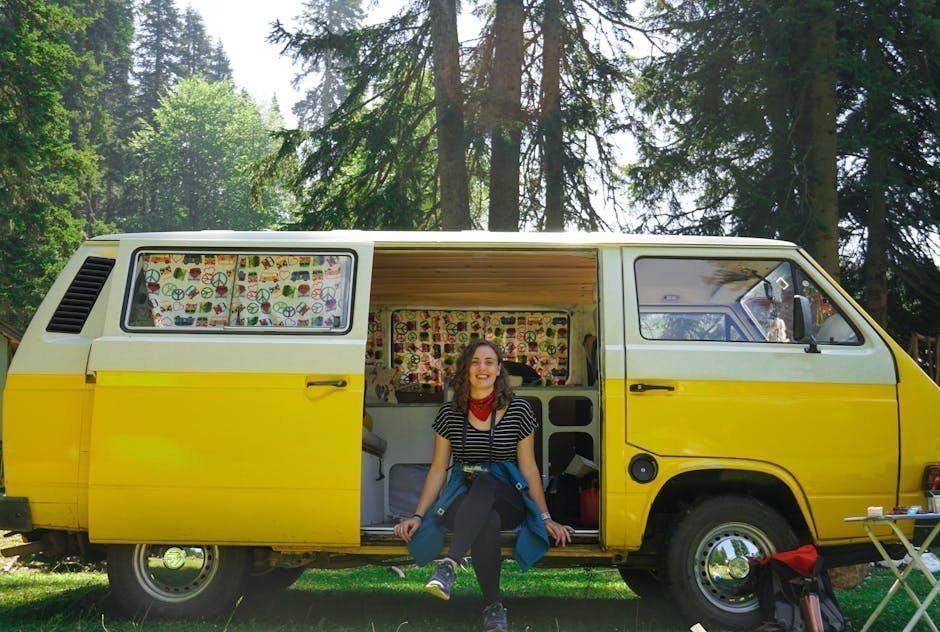
Portland is renowned for its progressive, eco-friendly culture, making it a haven for van lifers. The city boasts a vibrant community with frequent van life meetups, a supportive atmosphere, and plenty of public amenities. If there’s one major city in the US where you’ll feel least judged for living in a white cargo van, it’s probably Portland.
Portland has several overnight parking options, including Walmart and Cracker Barrel lots, as well as friendly neighborhoods. Plus, the city’s numerous co-working spaces are perfect for digital nomads. The nearby Mt. Hood National Forest also means you’re never far from a fully legal, free dispersed camping option if city nights start to wear thin.
Salt Lake City, Utah: Surprisingly Welcoming for Overnight Stays

Salt Lake City doesn’t usually top the van life lists, but it probably should. Overnight street parking is permitted in most areas of Salt Lake City, though certain streets may have restrictions or permit requirements. That’s a genuinely good baseline compared to many major American cities.
Overnight parking is generally allowed when no bans are active, no seasonal winter ban is currently listed, and no residential permit is required. The van life community regularly uses Salt Lake as an urban base while accessing the staggering amount of BLM land and mountain camping just a short drive away. It’s an underrated gem, full stop.
Albuquerque, New Mexico: The Southwest Wild Card
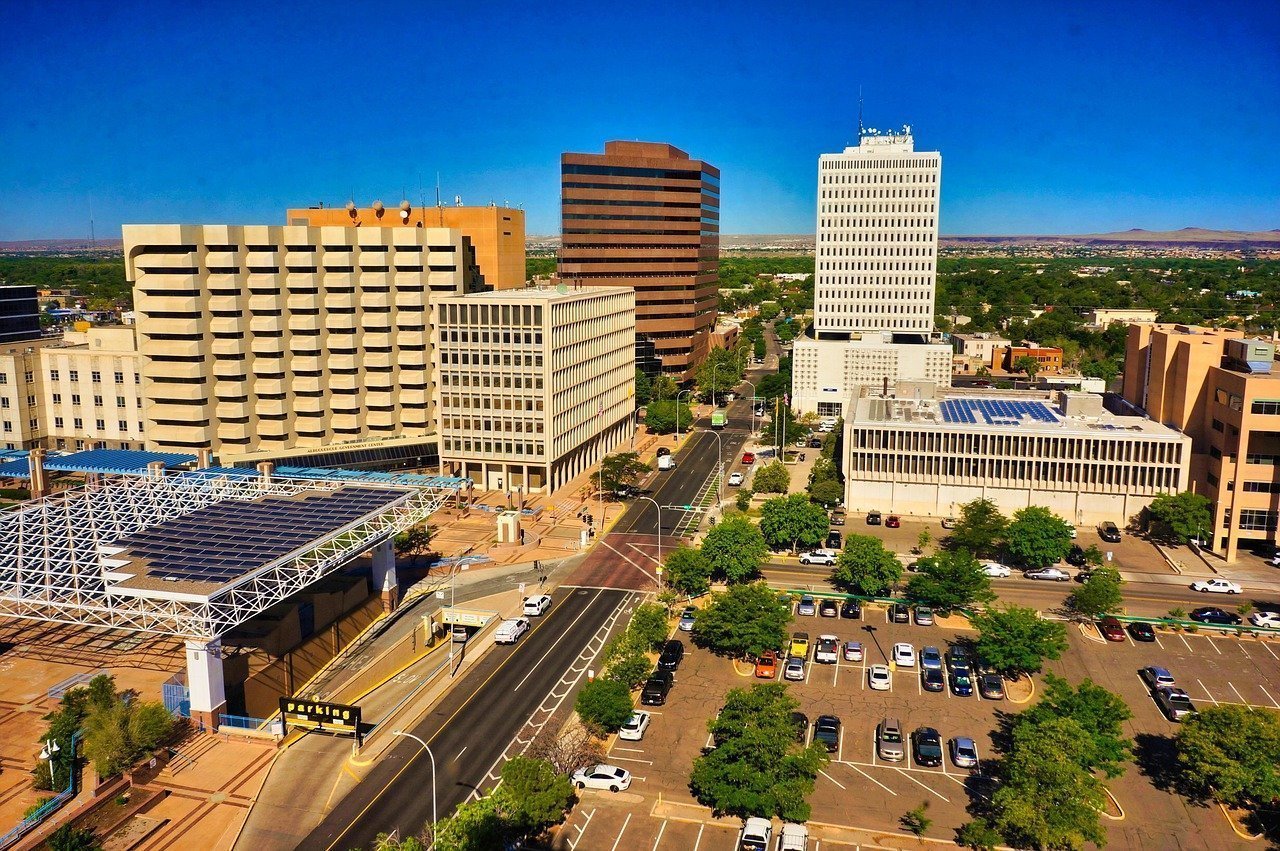
Albuquerque has a laid-back, sun-soaked character that suits van life well. The city sits at the crossroads of enormous stretches of public land and a relatively relaxed urban environment. Long-term RV street parking is generally prohibited in Albuquerque, with a 36-hour limit per city ordinance, so exploring RV parks or storage alternatives is worth considering.
For stealth campers who rotate their spots, that 36-hour window is actually workable. Most cities have time limits on how long you can park in one spot, typically ranging from 24 to 72 hours. Albuquerque’s limit falls right in that sweet spot, and with easy access to surrounding New Mexico desert and national forest land, you’ve got options in every direction.
Asheville, North Carolina: Mountain Town with a Mellow Vibe
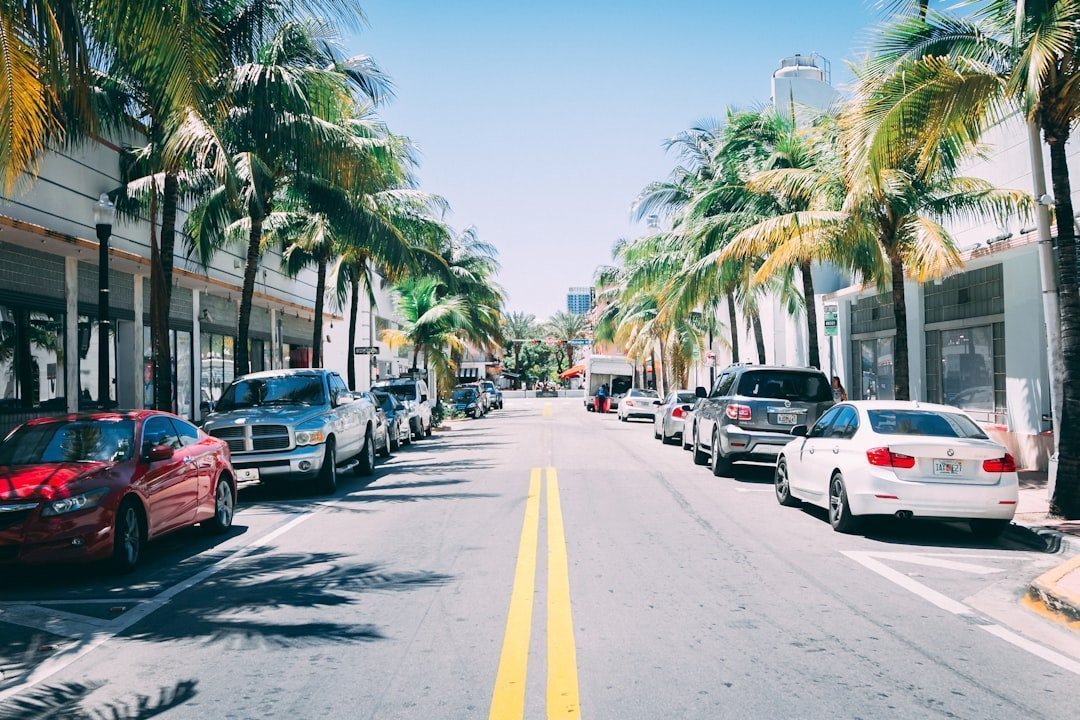
Asheville is one of those towns that just seems to draw free spirits, and that culture extends to how locals and authorities treat van dwellers. The city has a thriving arts community and a famously relaxed outdoor culture that makes it easier to blend in. Street parking is the most common and usually the best option when overnighting in a city, and parking in residential areas is usually a safe bet as long as you follow all posted regulations about street cleaning, vehicle size, permit requirements, and distance from schools.
Asheville’s surrounding Blue Ridge Parkway offers some of the most scenic, free overnight parking in the entire eastern United States. RVers and van lifers still have plenty of legal options for parking and camping, including both private and public campgrounds as well as BLM and National Forest lands that offer free or low-cost dispersed camping. For anyone visiting the east coast, Asheville deserves serious consideration.
Flagstaff, Arizona: High Altitude, Low Enforcement Pressure
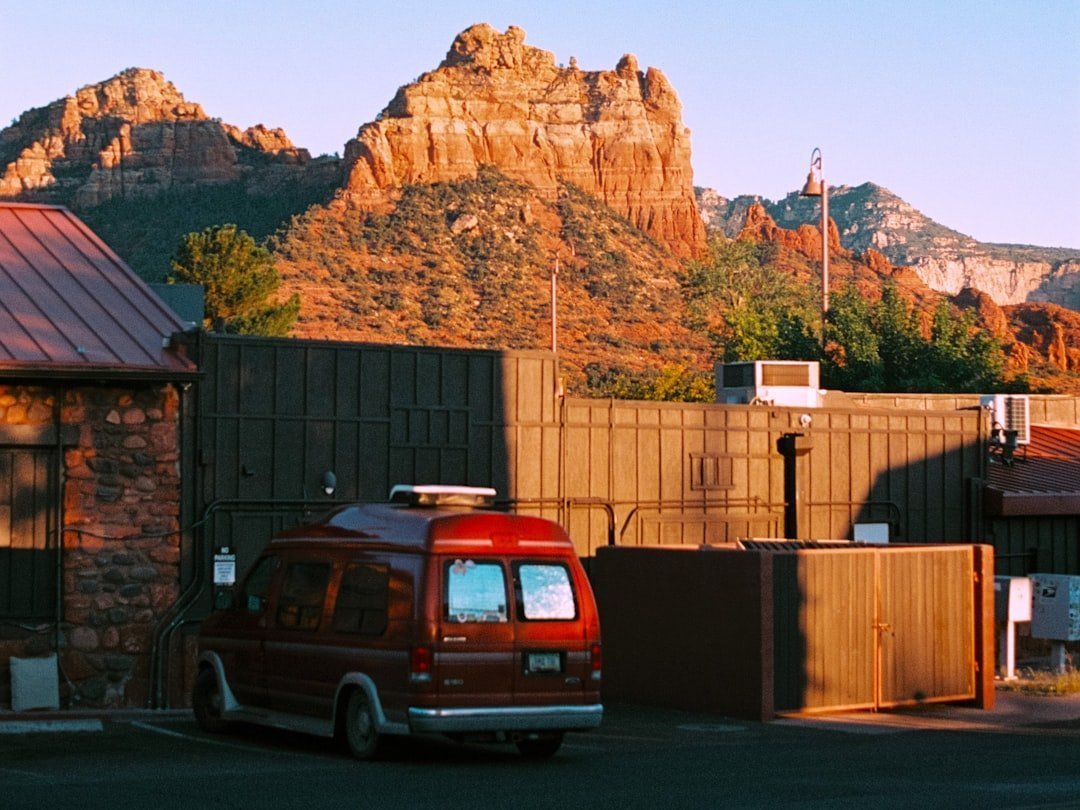
Flagstaff sits at nearly 7,000 feet above sea level and carries a rugged, outdoorsy personality that’s baked into its identity. The city is surrounded by the Coconino National Forest, which means free dispersed camping is essentially on the city’s doorstep. Sedona, Arizona, and some areas in Colorado are considered more van-friendly, and it’s worth familiarizing yourself with the municipal code on overnight vehicle lodging before arriving.
Within Flagstaff itself, industrial zones and commercial areas offer solid options for stealth parking. Folks tend to be bothered less in industrial and mixed-use zones as opposed to residential areas, especially if your van looks like a work truck, though the trade-off is that industrial zones are usually quite noisy early in the morning. A well-maintained plain cargo van fits right into Flagstaff without drawing a second glance.
Boise, Idaho: The Quiet Achiever of the Van Life Scene
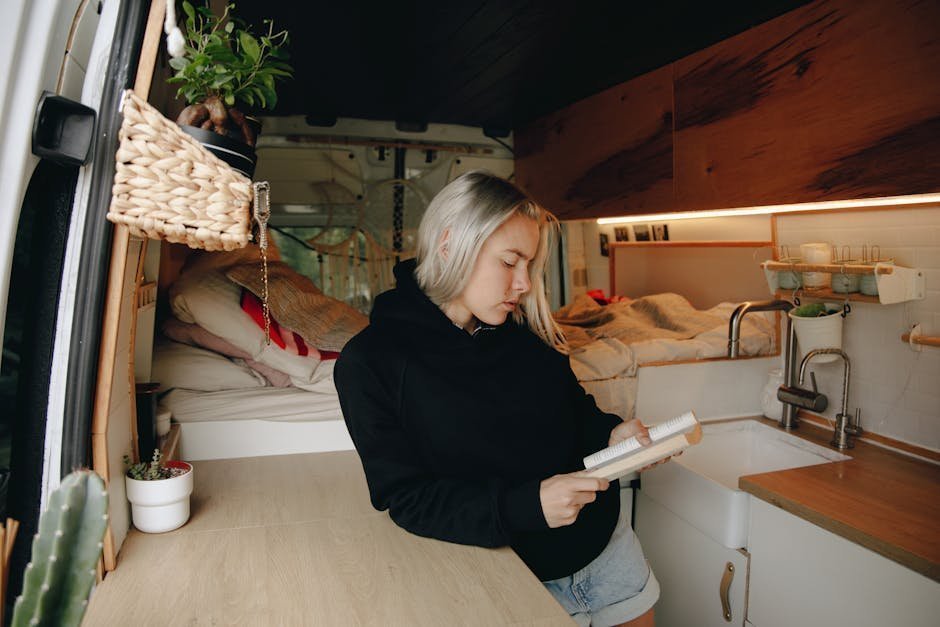
Boise keeps getting discovered by people escaping larger, more expensive western cities, and the van life community is no exception. It’s a mid-sized city with a strong outdoor culture, close access to Bureau of Land Management land, and a local attitude that leans toward live-and-let-live. Stealth van camping is a form of van camping focused on blending in with urban environments. It involves inconspicuous vans, low-profile parking, and quiet, respectful practices to avoid drawing attention, and campers must be aware of local regulations to ensure a smooth experience.
Boise’s layout works in a stealth camper’s favor. Industrial areas tend to be less crowded at night and on weekends and can offer good parking options, though you should always look out for any posted restrictions. Rotate your spots, keep the van clean, and Boise can be a genuinely pleasant overnight city for weeks at a stretch.
Tucson, Arizona: Desert Living with BLM Land Minutes Away
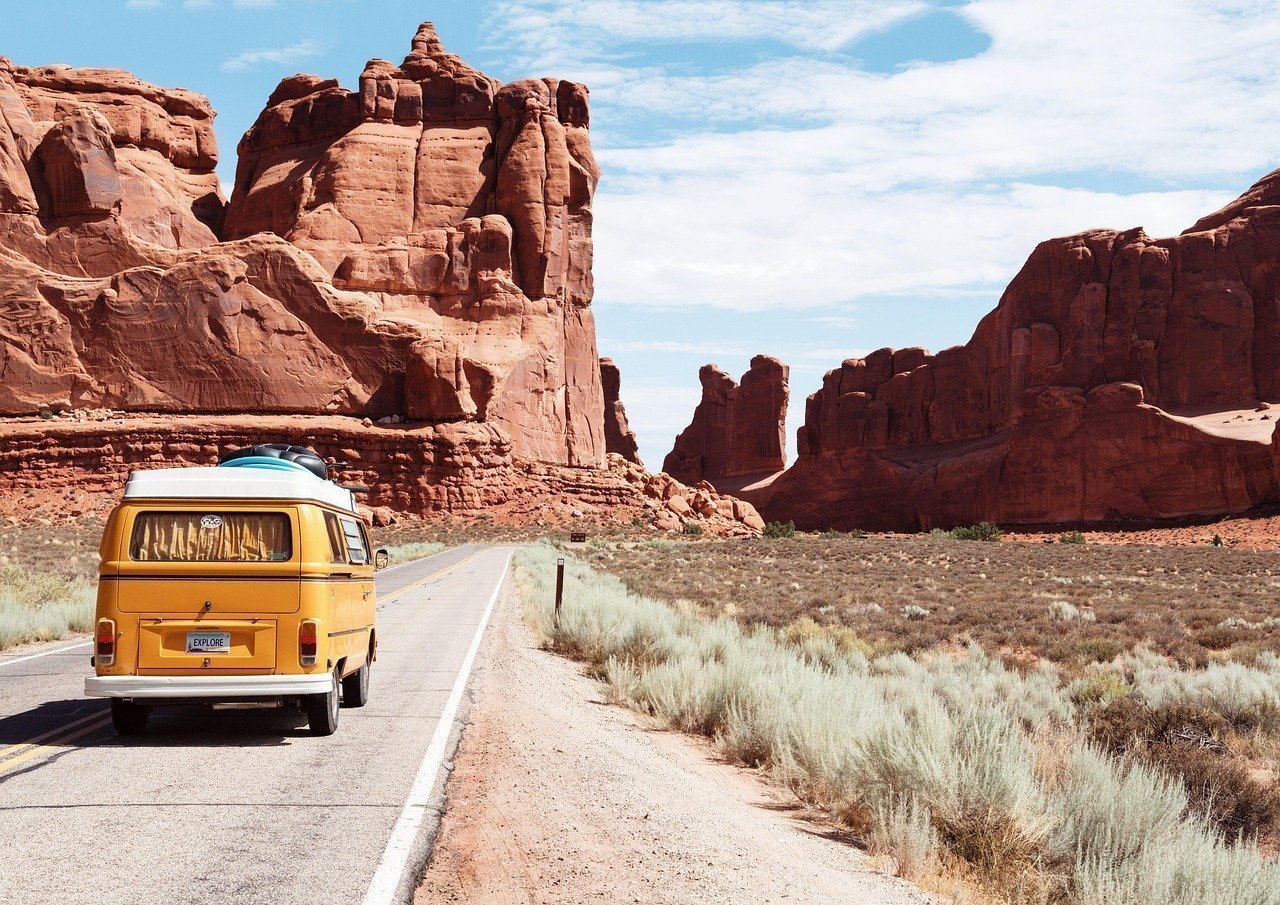
Tucson has a different energy from Phoenix, quieter, grittier, and frankly more welcoming to the van life crowd. Local zoning laws vary by city, and while Phoenix and Tucson both have restrictions on street parking for RVs, the enforcement environment can differ quite a bit in practice. Smaller panel vans fare much better than large motorhomes in Tucson’s neighborhoods.
Industrial and commercial areas often have fewer regulations, making them good options for overnight stays. Even in cities where overnight sleeping in a van is prohibited, fines are uncommon as long as you’re discreet and sensible. The nearby Saguaro National Park and vast surrounding BLM desert give van lifers a natural escape within minutes, which keeps urban pressure manageable.
Milwaukee, Wisconsin: The Underrated Midwest Option
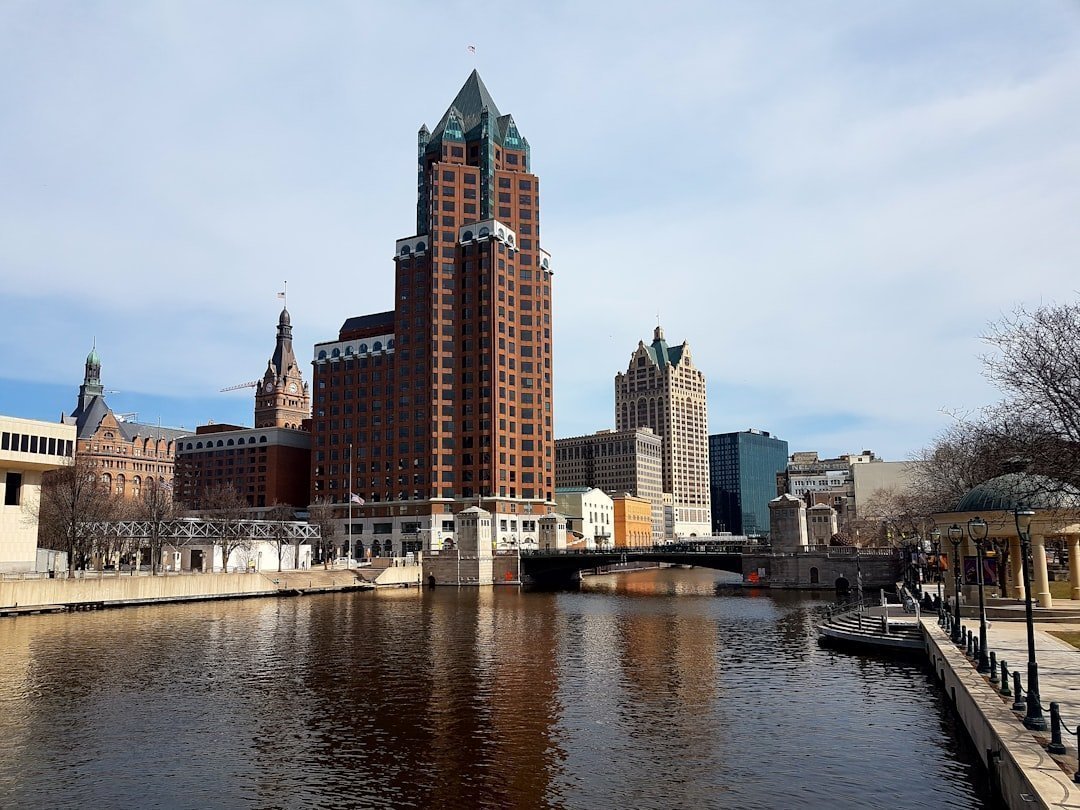
Here’s one that surprises people. Milwaukee rarely makes van life headlines, but experienced nomads know it well. Experienced van life couples have reported successfully parking overnight on city streets in Milwaukee, Wisconsin, without issue. That kind of real-world feedback from people who’ve actually done it matters far more than theoretical law guides.
Milwaukee’s industrial lakefront areas and wide commercial zones give you plenty of elbow room. In most cities it’s totally fine and even advised to park on the street where local residents park their cars. The key in Milwaukee, as anywhere, is looking like you belong. A nondescript work van parked on a quiet commercial block near the lake? Nobody gives it a second thought.
Sedona, Arizona: A Scenic Surprise with Dispersed Camping Access
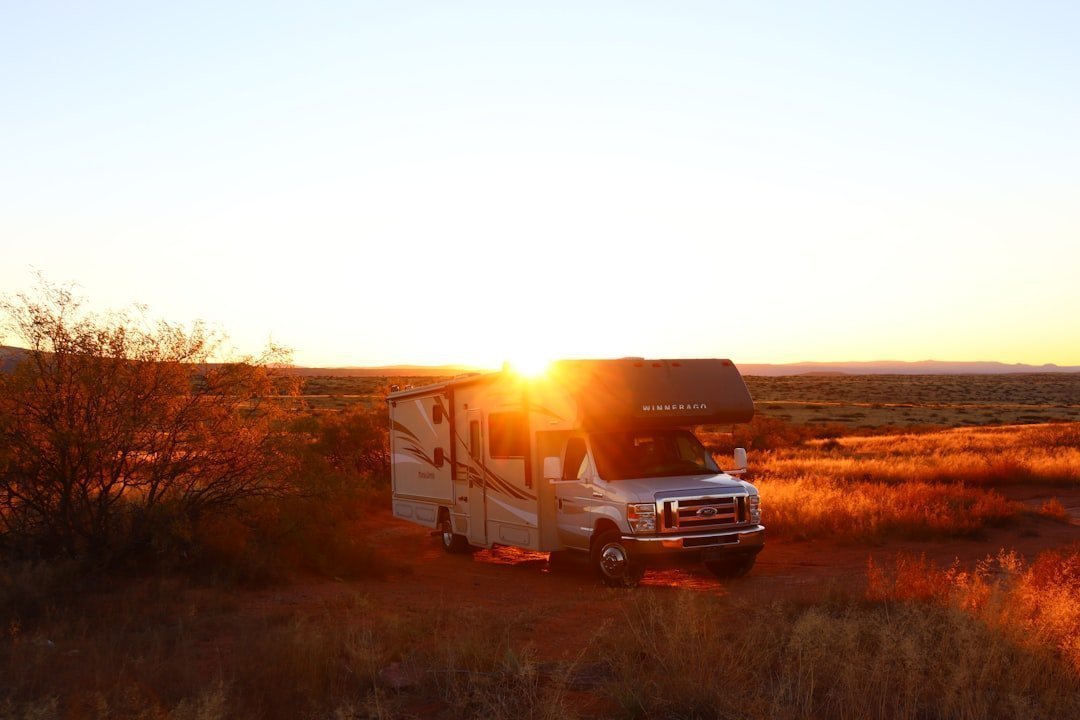
Sedona is expensive and touristy in its center, but the surrounding area is a van lifer’s paradise. Sedona, Arizona, is considered one of the more van-friendly areas in the country. The magic of Sedona for stealth campers lies in how close the city sits to Coconino National Forest and Red Rock country, where dispersed camping is legal and, honestly, spectacular.
The trick is using the town itself primarily as a base for services and groceries rather than a long-term sleep spot. Never park in the same spot two nights in a row. If you’re in an area for an extended time, find several legal overnight parking spots and rotate between them, keeping separate spots for sleeping versus daytime parking. In Sedona, this rotation strategy pairs beautifully with the surrounding forest land.
Key Survival Tips That Apply Everywhere
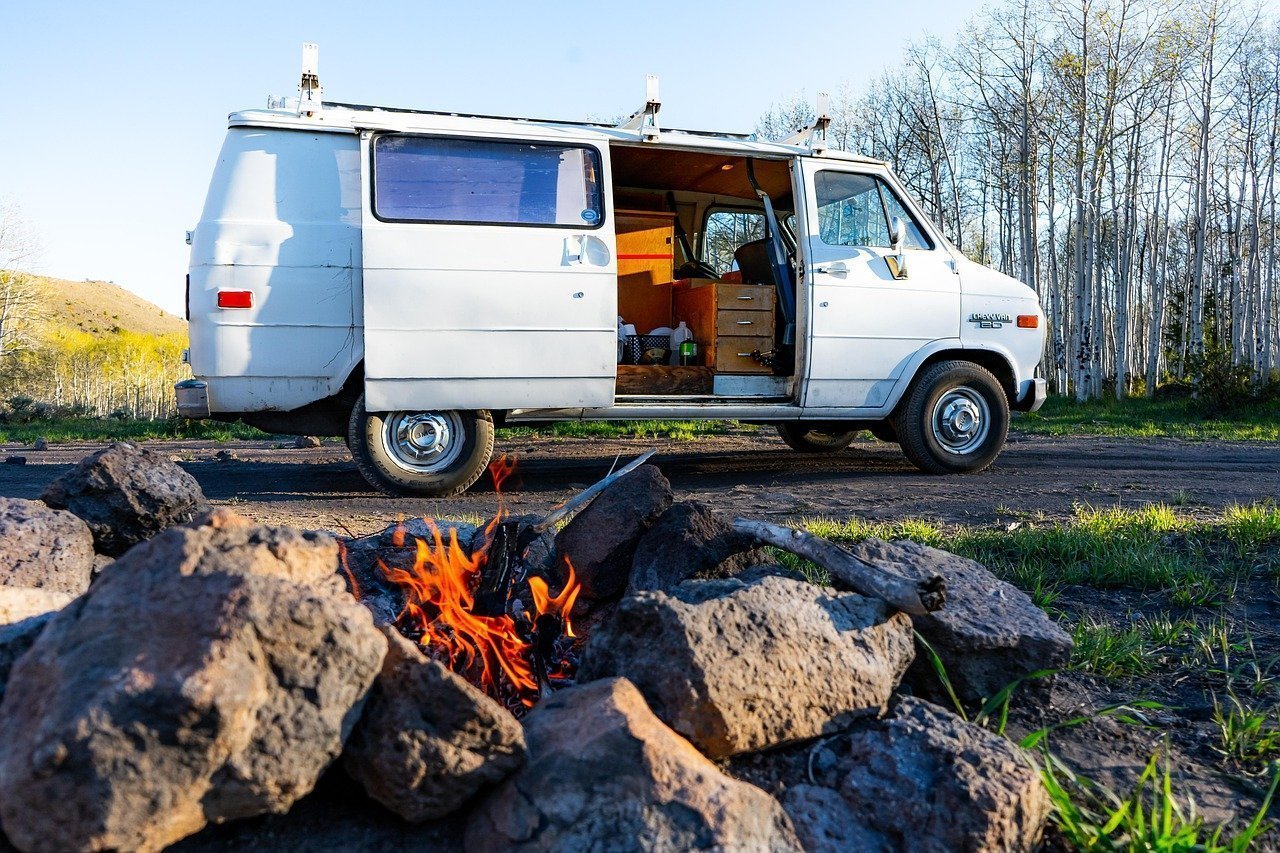
Let’s be real, no list of cities will save you if you ignore the basics of stealth camping etiquette. The best way to blend into your surroundings is by making your van look as unmemorable as possible on the outside. Since plain white cargo vans are so common as commercial work vehicles, living in one gives you immediate urban camouflage.
Apps like iOverlander, Campendium, and Park4Night list legal camping and parking spots, and they’re genuinely indispensable tools in 2026. Beyond apps, choosing well-lit blocks that are calm after business hours makes a real difference. Avoid school zones, hospital access roads, and government buildings where security patrols remain active all night.
Don’t post on social media about your plans to stealth camp. Trust your gut. If a place doesn’t feel safe, leave. Park in a position that allows you to exit quickly, with the front of the van facing an exit route. This isn’t paranoia. It’s just smart living on the road.