
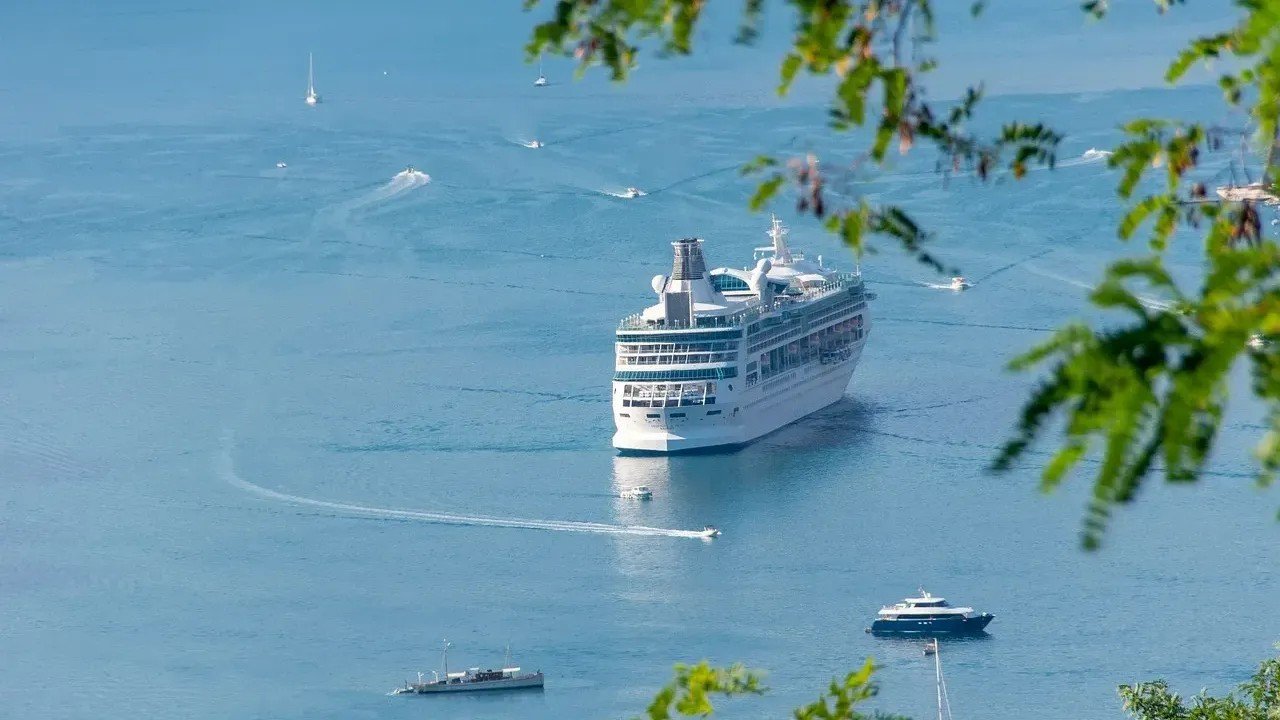
There is something almost absurd about the scale of the Philippines. More than 7,600 islands spread across the western Pacific, each one dangling the promise of turquoise water, hidden lagoons, or a beach so quiet you could hear your own heartbeat. Planning a trip here is not just about choosing where to go. It is about solving a puzzle of boats, planes, weather windows, and timetables that shifts constantly depending on the season, the route, and sometimes just the mood of the sea.
Honestly, that complexity is part of the appeal. The Philippines rewards travelers who dig past the glossy surface. Once you understand how the transport system actually works – which ferries run where, when to fly versus float, and why timing matters more here than almost anywhere else in Southeast Asia – everything clicks into place in a deeply satisfying way. So let’s get into it.
The Scale of the Archipelago and Why It Changes Everything
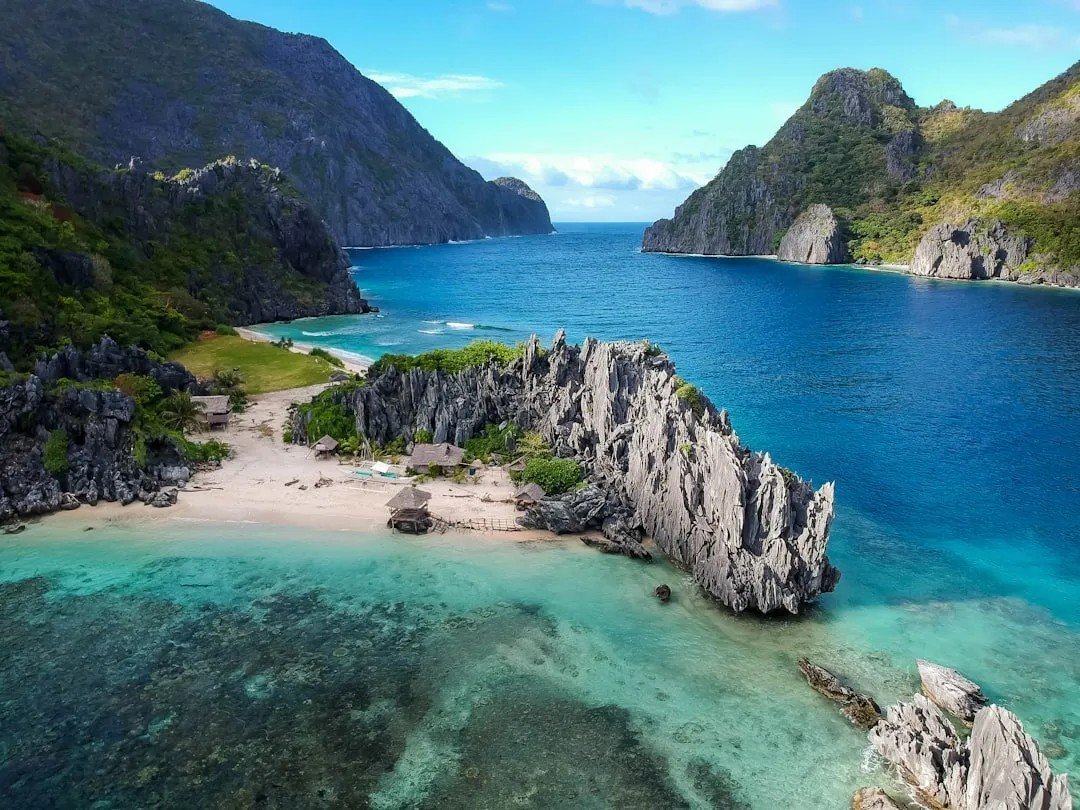
The Philippines sprawls across 7,640 islands, making it Asia’s island-hopping heavyweight. That number sounds exciting until you start planning an itinerary and realize that the distances between major island groups are genuinely enormous. Think of it less like hopping between stepping stones and more like navigating a scattered constellation. The Philippines is not a place where you can easily hop in a boat and cross half the country – distances are bigger than they look on the map.
The Philippines has an extensive network of ferry routes operated by various shipping companies, ranging from small bangka boats to large RORO (Roll-On, Roll-Off) vessels. The geography of the Philippines makes sea travel not just convenient but often necessary, as flying between all islands is not always practical or cost-effective. I think this is the single most important thing first-time visitors fail to grasp. The archipelago demands a multi-modal mindset, and there is genuine joy in leaning into that.
The Four Types of Ferry You Will Encounter
There are four types of ferries in the Philippines available to you. Which one you pick comes down to the distance you are traveling, the level of comfort you desire, and whether you are traveling with a vehicle. The humble bangka is the one most travelers remember longest. Bangkas are the cheapest form of ferry transport and only ply short-distance routes. Also known as pump boats, bangkas are glorified water taxis made of traditional building materials like wood and bamboo.
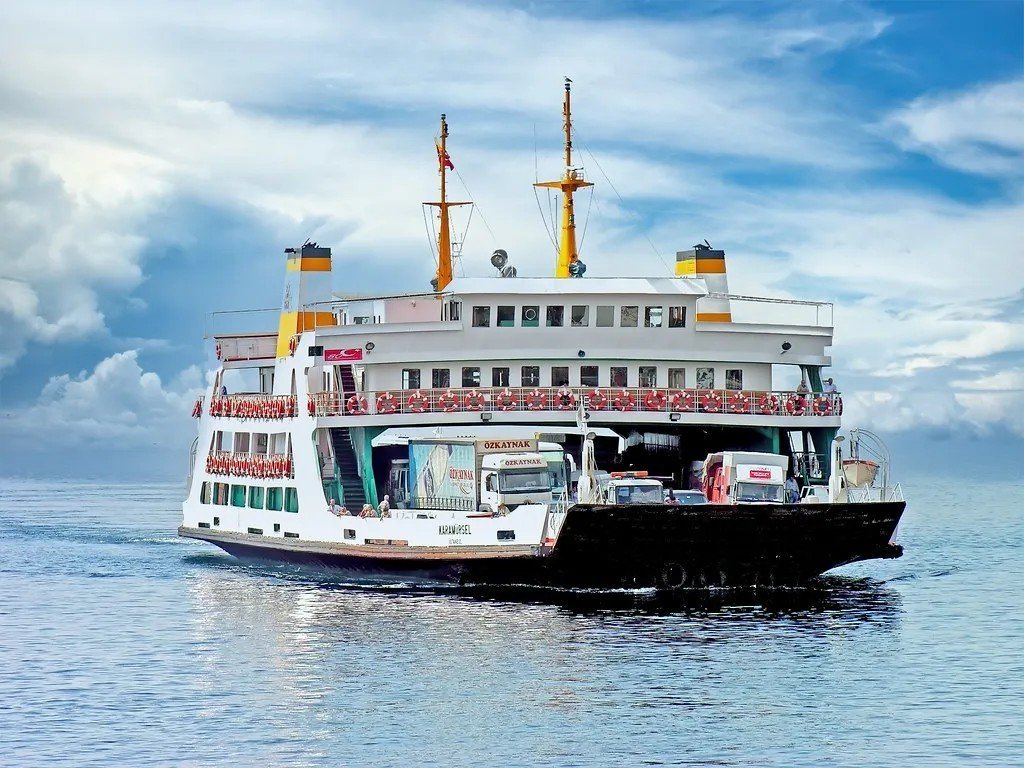
Fastcraft ferries are smaller, high-speed vessels designed to offer a faster mode of transportation between islands. These ferries are equipped with powerful engines, allowing them to cover longer distances in less time. They are particularly suitable for travelers seeking shorter travel durations compared to Ro-Ro ferries. Then there are the passenger liners for those epic overnight journeys. Ferries usually offer several classes: open-air seating, air-conditioned cabins, bunk beds, or even private rooms with en suite bathrooms. If you want more comfort, especially on overnight trips, it is worth booking an upgraded seat or cabin in advance.
The Major Ferry Operators and Their Routes
OceanJet, established in 1995, provides fast ferry services primarily in the Visayas region with 17 different vessels. Their high-speed catamarans connect Cebu to Bohol in 2 hours, Cebu to Siquijor via Tagbilaran in 4 hours 20 minutes, Dumaguete to Siquijor in 40 minutes, and Bacolod to Iloilo in 1 hour. That Dumaguete to Siquijor crossing, just 40 minutes across open water, is a genuinely special way to arrive on one of the Philippines’ most atmospheric islands.
Montenegro Shipping Lines, serving passengers since 1978, operates both RORO vessels and fast ferries throughout the Visayas and Mindanao regions with 85 operating vessels and 69 destinations. They are particularly popular for routes connecting Cebu to Negros and other Central Visayan islands. They also operate the Coron to El Nido route, approximately 4 to 5 hours, and various routes throughout Palawan, Batangas, Mindoro, Romblon, and Marinduque. The sheer scale of that single company tells you how central ferry travel is to daily Filipino life.
Key Routes and Travel Times You Should Know
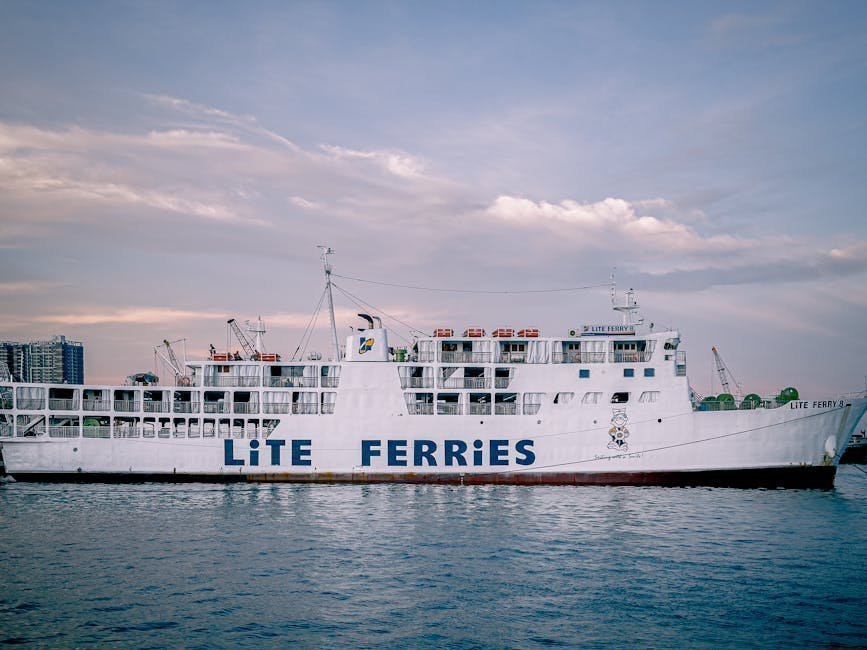
From Manila’s port terminals at North Harbor Pier 4 and Batangas International Port, you can reach major destinations throughout the central and southern Philippines. The Manila to Cebu route takes approximately 24 hours and the overnight journey is convenient for maximizing your time at your destination during the day. There is something almost meditative about waking up on a slow ferry after drifting through the night, watching the silhouette of new islands appear on the horizon with your morning coffee in hand.
There are regular ferries from Cebu Island to Bohol Island, making it one of the most popular inter-island routes in the Visayas. With departures available almost every hour throughout the day, getting to Bohol Island from Cebu City is easy and convenient. Meanwhile, the El Nido to Palawan Coron ferry sails around 6 times weekly, with a sailing duration of 3 hours 30 minutes. That particular stretch through Palawan’s limestone karst scenery is genuinely breathtaking, and worth every minute of the crossing.
When to Fly Instead of Sail
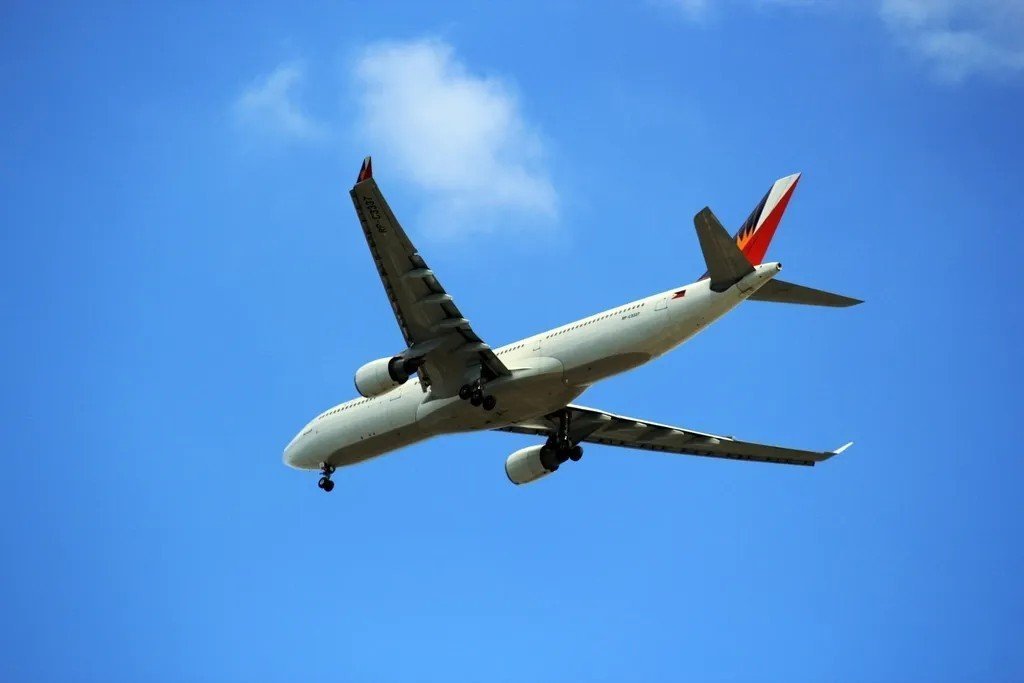
Longer jumps between regions are best done by budget airlines like Cebu Pacific or AirAsia, while shorter hops are handled by ferries or bangkas, traditional outrigger boats. This is the central rule of Philippine travel logistics, and sticking to it will save you an enormous amount of time. The Philippines’ domestic airline network, which includes carriers like Philippine Airlines, Cebu Pacific, and AirAsia Philippines, is extensive. Yet, despite the availability of flights between major hubs such as Manila, Cebu, and Davao, the routes can still be limited.
Domestic flights are cheap, with Manila to El Nido running around $35 to $70 on AirAsia or Cebu Pacific, but slow bangka boats and turquoise lagoons deliver the soul of Filipino island life. Here’s the thing: the flight is efficient, but the boat is the experience. A useful rule of thumb is to fly when the sea crossing would eat more than four or five hours of your trip, and sail whenever the distance allows. There are roughly 2,625 flights departing from Cebu every month, to a total of 46 airports worldwide. The domestic grid is genuinely impressive.
New Flight Routes and Growing Airline Connectivity in 2026
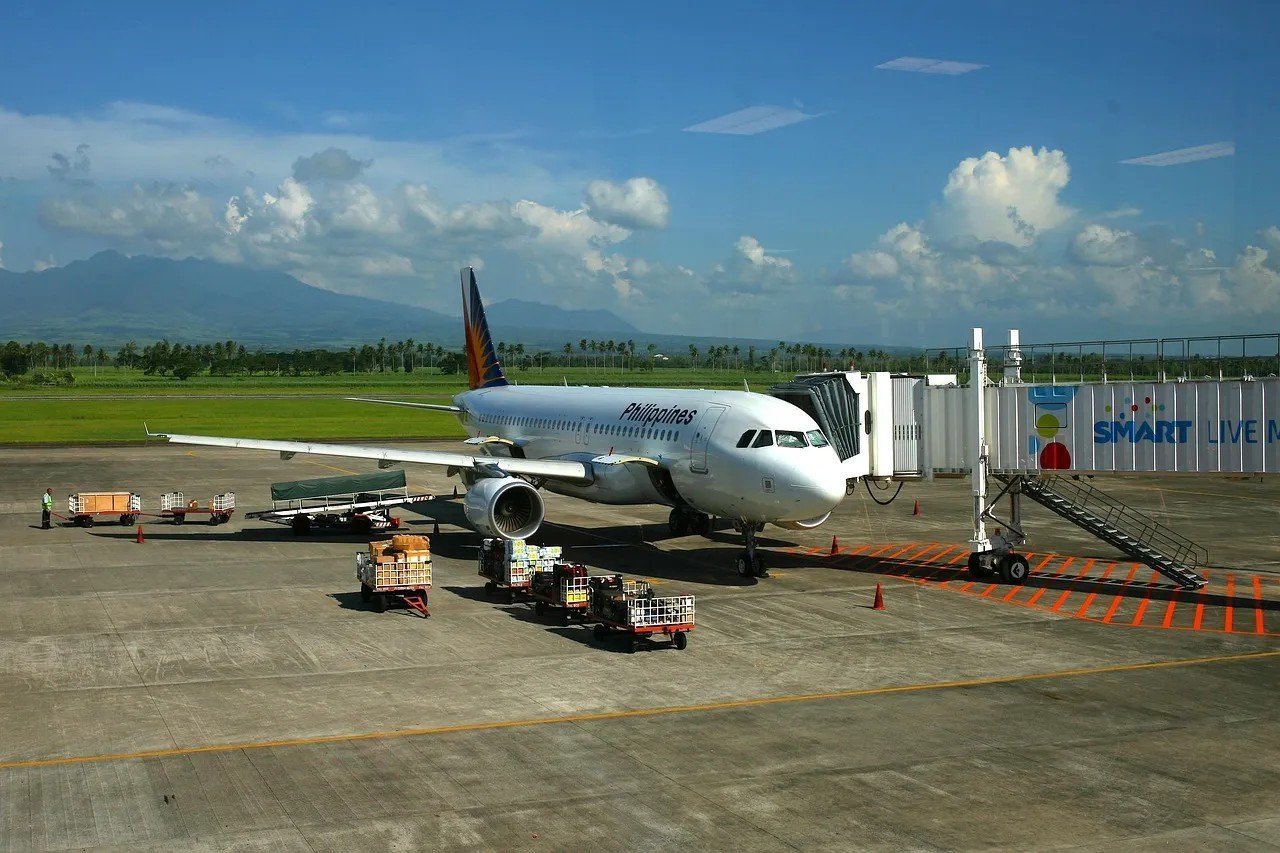
The overall outlook for air travel to and from the Philippines in 2026 looks positive, as major carriers are investing in both fleet upgrades and new routes. The increased availability of flights from carriers like Philippine Airlines, AirAsia, and Cebu Pacific will undoubtedly improve connectivity for travelers, whether for business or leisure. This is good news if you have been eyeing some of the country’s more remote destinations. Connectivity is quietly expanding.
In September 2025, AirAsia marked a major milestone in its regional expansion with the official launch of Cebu as its newest hub in the Philippines, underscoring the airline’s commitment to growth and connectivity across ASEAN. The new hub will serve as a strategic gateway to enhance accessibility between the Philippines and the rest of Asia, leveraging Cebu’s position as one of the country’s fastest-growing tourism and business centres. With seamless connectivity to beautiful islands like Bohol, Siquijor, and Dumaguete, Cebu is the perfect base for island-hopping adventures, nature escapes and heritage experiences that go beyond the typical tourist trail.
Timing Your Trip: The Dry Season Window
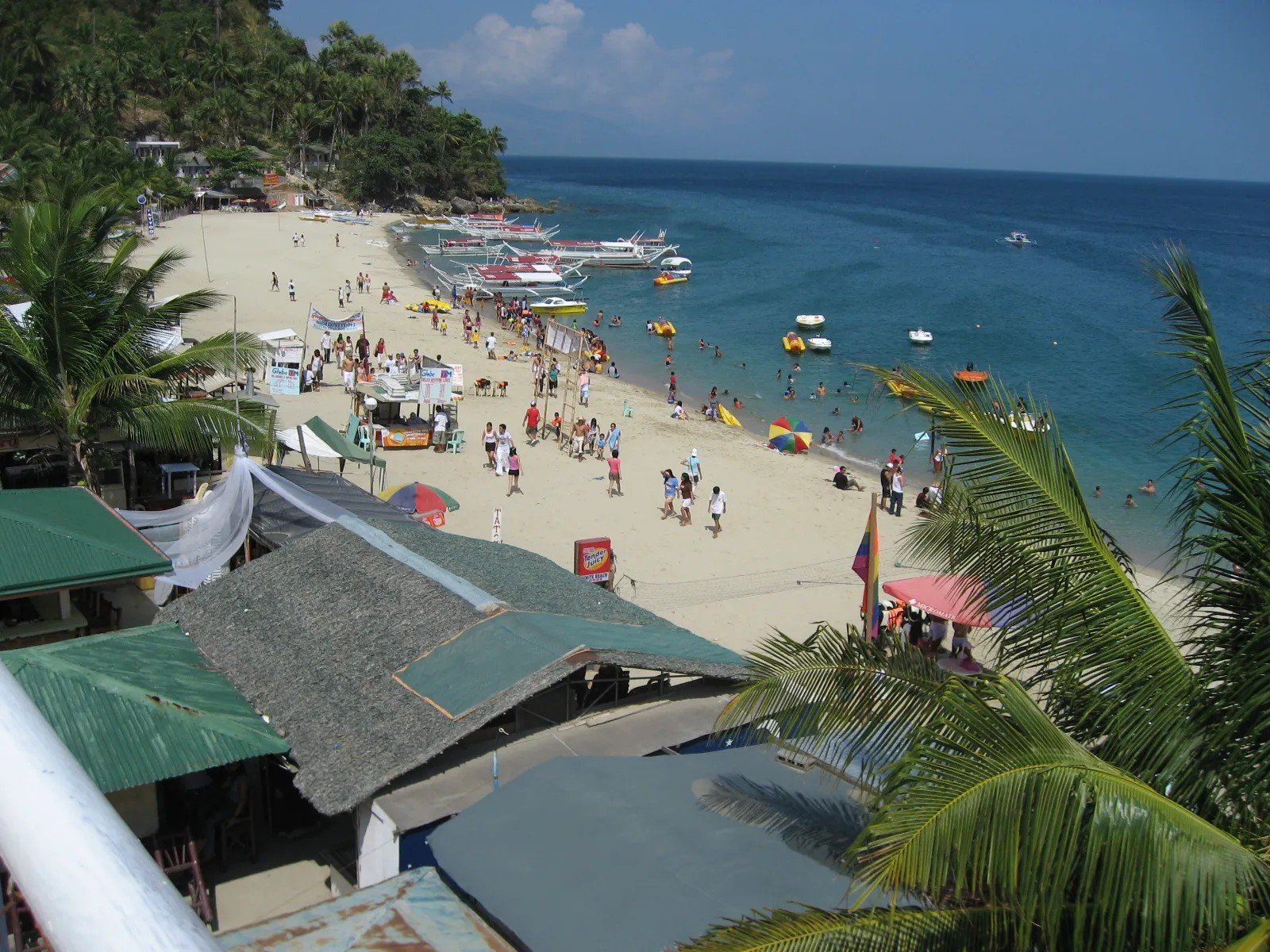
The Philippines has two major seasons: the dry season from December to May, and the rainy season from June to November. For island hopping specifically, this distinction is not just academic. The travel window from December to May gives you clear skies, calm seas, and ideal conditions for island hopping, trekking, and beach activities. The difference between a cancelled bangka crossing and a perfect crossing often comes down simply to which month you showed up.
While ferries and boats are a common and scenic way to travel between islands, the schedules can be irregular, especially during the rainy season from May to November. Ferry services are not always punctual, and some routes only operate at specific times of the day or week. Travelers should be prepared for possible delays and be flexible with their schedules. Palawan and the southern Visayas are less likely to experience typhoons, which makes them reasonable destinations even when storms batter other parts of the archipelago. Regional variation matters enormously here.
Booking Strategies and Port Logistics
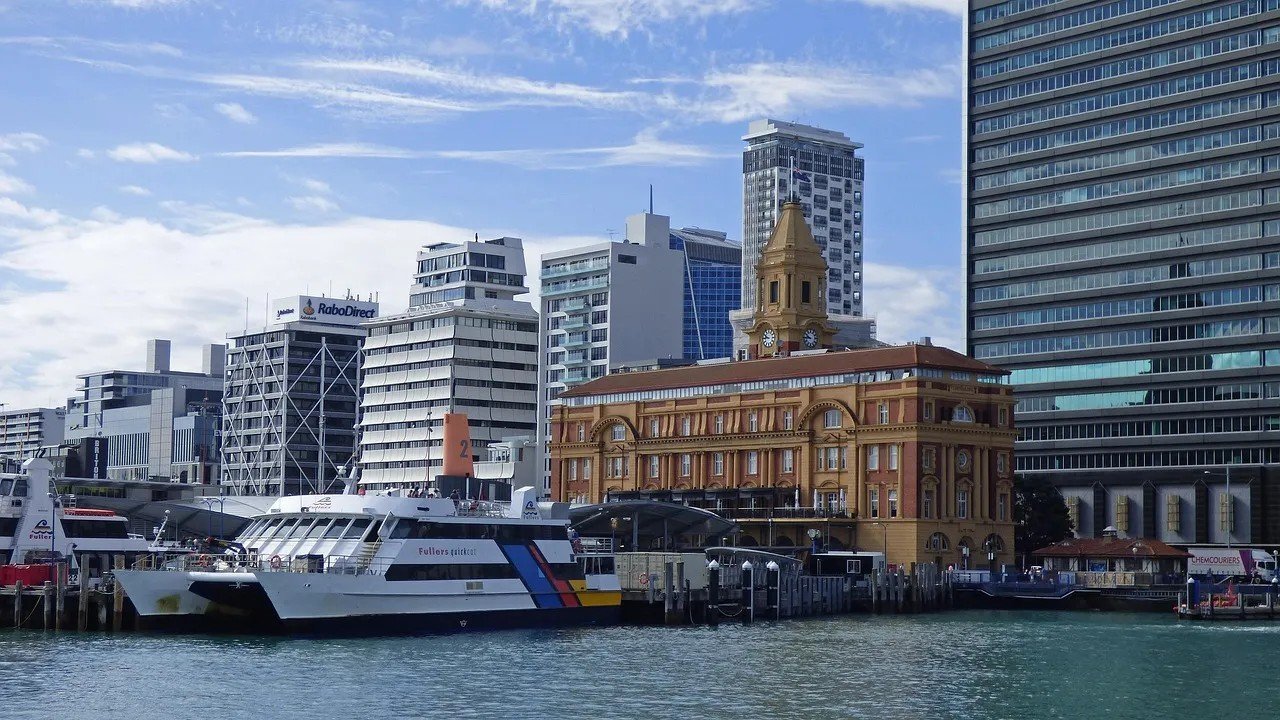
Most major ferry companies now offer online booking through their official websites, and online booking is recommended, especially during peak seasons from December to May and on holidays. Ferries are even adopting a trend seen in the airline industry: dynamic pricing. This means fares can fluctuate based on demand and time of booking. In practice, this means that booking three or four days out during a busy weekend can cost you noticeably more than locking in your ticket a couple of weeks ahead. Think of it like booking a flight, not buying a bus ticket.
Arrive at least 2 to 3 hours before departure to secure tickets and complete check-in procedures. This is not just bureaucratic advice. Philippine ports, especially Cebu and Manila, are genuinely hectic environments where queues move at their own pace. Given the archipelagic nature of the Philippines, it boasts a significant number of domestic and international seaports, totaling over 200 across the country. Knowing which terminal you need, and getting there with time to spare, is half the battle.
Practical Tips for Smooth Inter-Island Travel
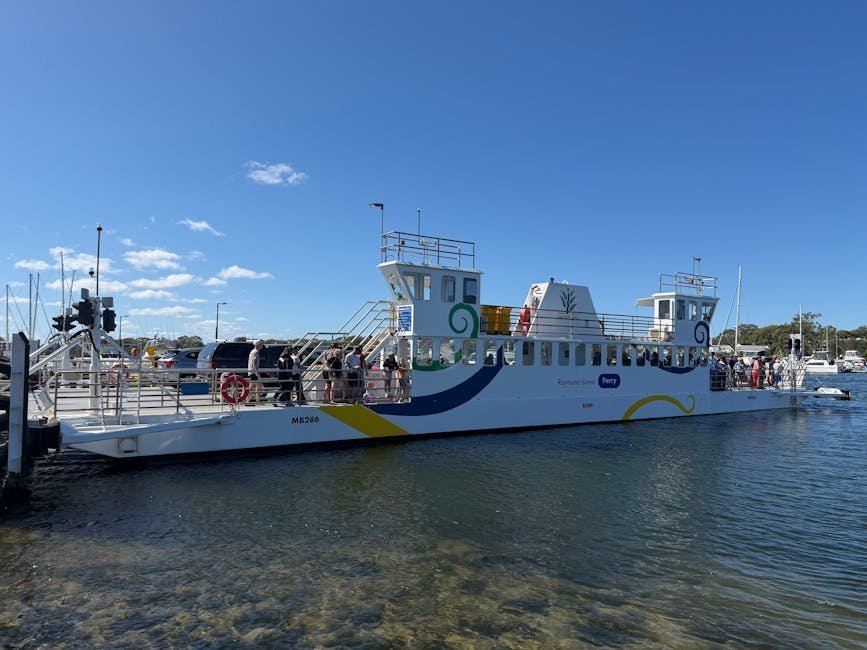
Check weather forecasts before traveling, as boat trips can be canceled in rough conditions. Safety is a top priority, and the Philippine Coast Guard cancels trips when sea travel becomes risky due to bad weather. Always monitor advisories and contact the ferry company if weather conditions look uncertain. Building at least one extra flexible day into your schedule for each major sea crossing is honestly one of the smartest things you can do. Ferries get cancelled. Weather happens. The trick is not to be stranded without options.
One of the most effective ways to navigate the archipelago is by relying on local guides and tour operators. These professionals not only help with transportation arrangements but also provide valuable insight into the best islands to visit based on your interests. Local guides ensure smooth transitions between islands, provide safety instructions, and can tailor the experience to your preferences. For a first visit in particular, I would not underestimate the value of that local knowledge. No app or booking platform can fully replicate what a good guide brings to the logistics of a place this complex and this rewarding.
Conclusion: Embrace the Beautiful Chaos

Island hopping in the Philippines is not a neatly packaged experience. It is a living, shifting puzzle that demands a bit of patience, a healthy appetite for improvisation, and a genuine willingness to trust the process even when the bangka is an hour late and the sky is looking uncertain. The transport network, for all its quirks, is remarkably well-developed once you understand how to read it.
The real reward comes precisely because of the logistical effort. Every crossing feels earned. Every island arrived at by slow boat, after a night on a passenger liner or a choppy afternoon on a fast craft, feels more vivid than somewhere you simply flew into. The Philippines is one of the last places on earth where the journey between destinations is as memorable as the destinations themselves. Plan carefully, stay flexible, and let the sea do the rest. What would you have guessed was the hardest part? For most people who visit, the answer turns out to be leaving.