

Remote work has gone from pandemic stopgap to full-blown lifestyle revolution, and Central America is sitting right in the middle of that transformation. With lush jungles, Pacific surf breaks, Caribbean coastlines, and cost-of-living figures that would make a digital nomad in Berlin weep with envy, the region has a lot going for it. The question is, how well does its immigration infrastructure actually keep pace with that appeal?
Honestly, the answer depends enormously on which country you’re looking at. Some nations here have rolled out serious, well-structured visa programs that treat remote workers as genuine long-term guests. Others are still stuck offering the classic 90-day tourist stamp and a wink. Let’s take a country-by-country look at where things actually stand today.
Costa Rica: The Pioneer That Set the Standard
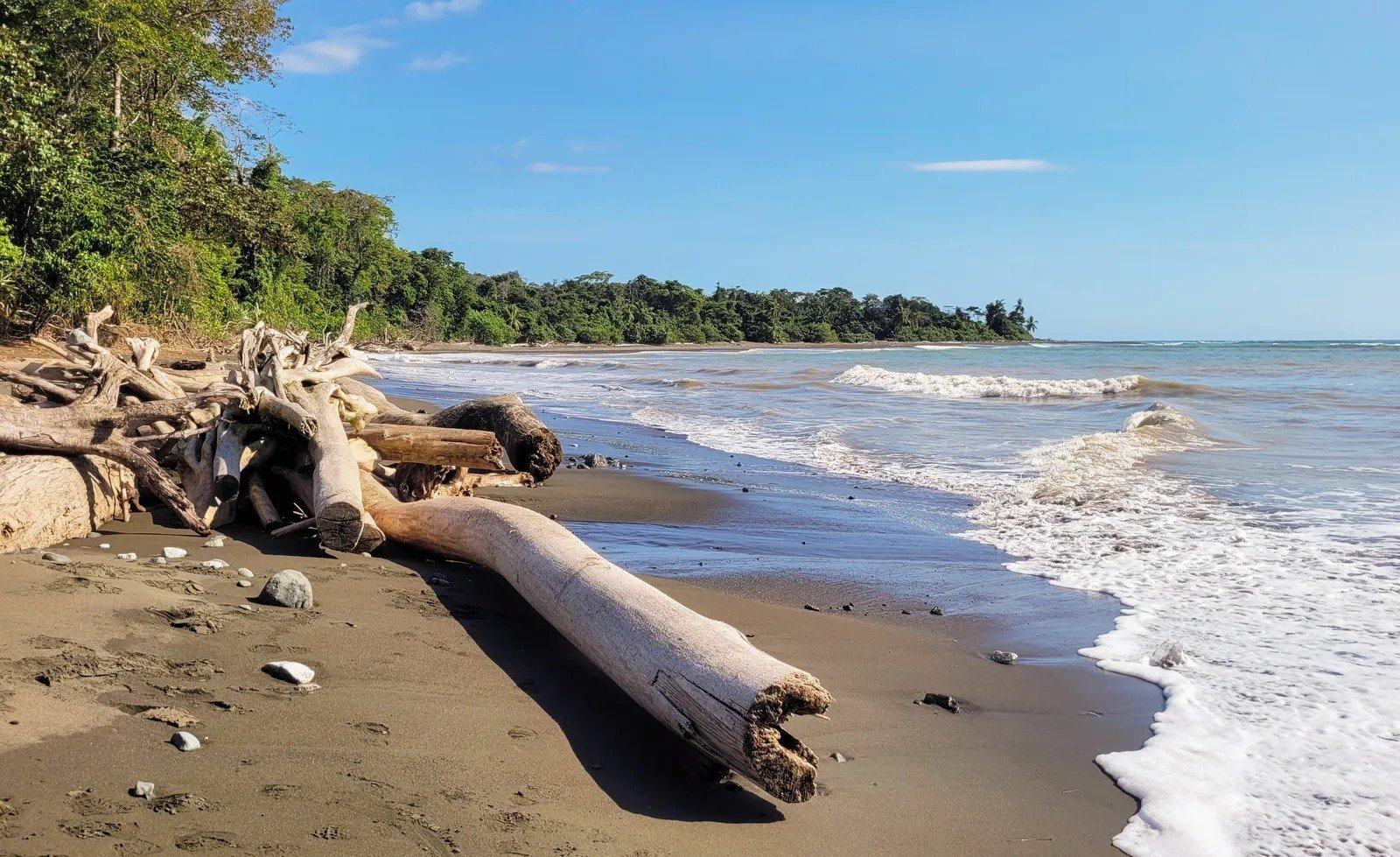
Costa Rica officially launched its Digital Nomad Visa, known as the “Estancia para Trabajadores Remotos,” in 2022 to attract remote workers, freelancers, and entrepreneurs looking to live and work in one of the world’s most naturally stunning and politically stable countries. For a region that was slow to formalize remote work pathways, Costa Rica moved early and moved decisively. Their digital nomad visa was one of the first launched in Latin America.
Applicants must demonstrate a minimum monthly income of $3,000 USD for individual applicants or $4,000 USD for families, consistently confirmed in the 2026 official guidance. The visa lasts for one year, with the possibility of renewing it once, and costs $100 USD in application fees. Perhaps the most compelling perk? Digital nomads are exempt from paying most taxes in Costa Rica, which may make it a particularly appealing destination, as this isn’t the case in every country that offers a digital nomad visa.
What Costa Rica’s Visa Actually Gives You Day to Day
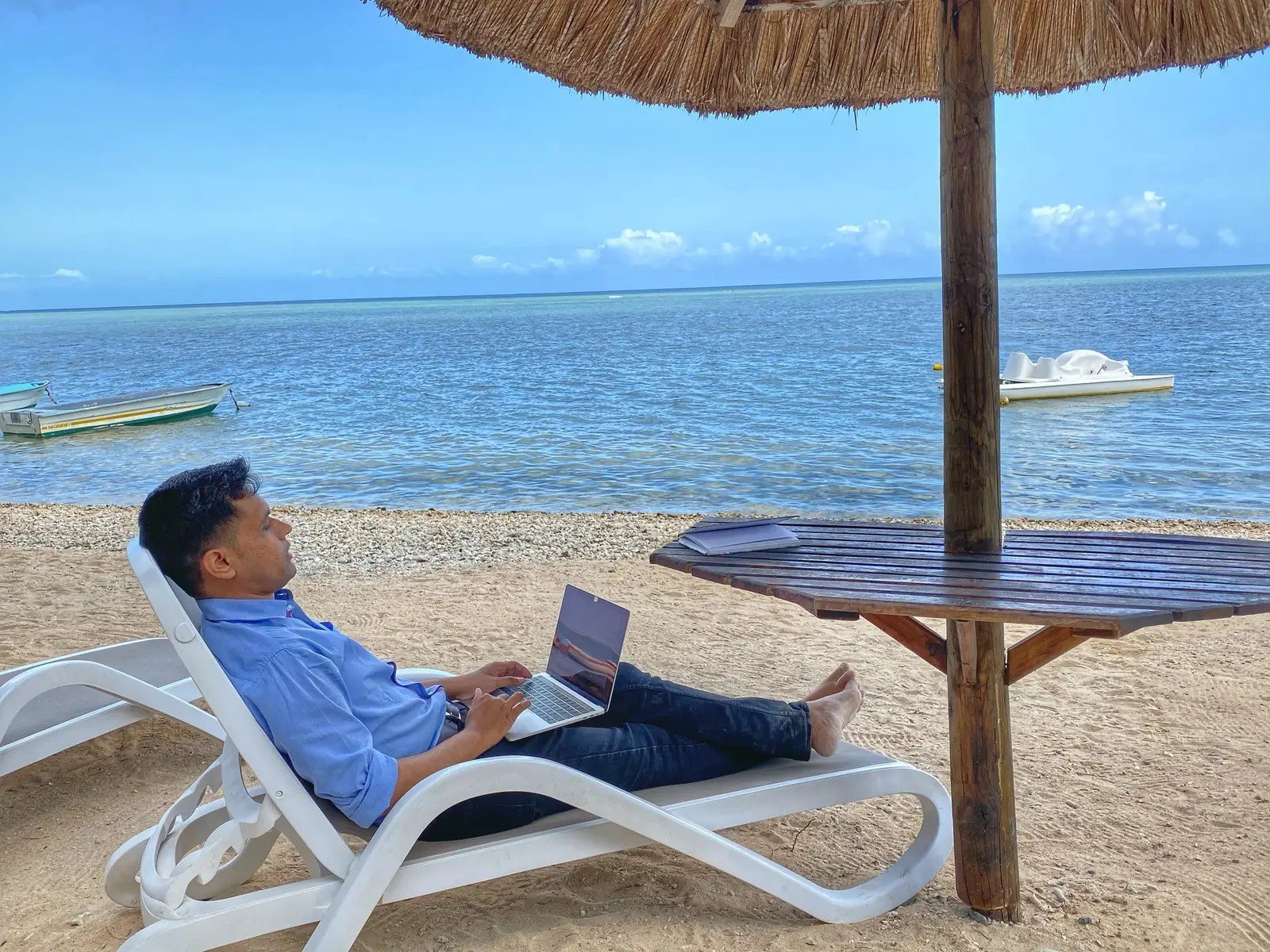
Digital nomad visa holders in Costa Rica can live in the country for up to one year, and will be able to open a local bank account and validate their local driver’s license. These might sound like minor perks, but anyone who has tried navigating banking in a foreign country without local residency knows just how big a deal a proper bank account really is. Digital nomads may also waive customs taxes on telecommunications and electronic devices necessary to fulfill remote work requirements.
Fast internet is relatively easy to find, and there are many coworking spaces in Costa Rica’s cities. Even some of its more rural areas, like beach towns and national parks, can accommodate remote workers for extended periods. If the digital nomad has spent 180 days in Costa Rica during the visa period, they may renew it for a second year. That gives serious planners a legitimate two-year window to settle into life in the country.
Panama: The Tax-Friendly Alternative With a Twist
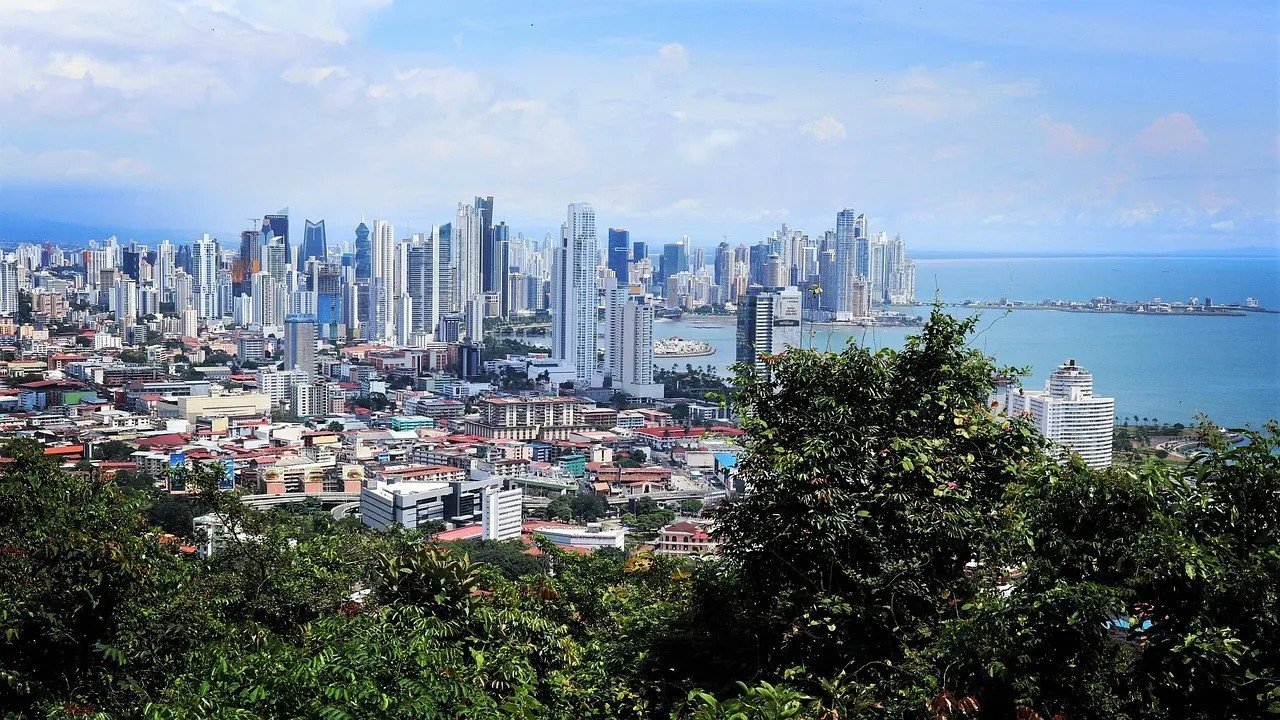
Panama officially introduced its Digital Nomad Visa, formally known as the Short-Stay Visa for Remote Workers, through Executive Decree No. 198 on May 7, 2021. This visa was created to attract remote professionals and freelancers who earn income from companies or clients outside of Panama, giving them the chance to live and work legally in the country without the need for a local work permit. Panama was actually one of the earliest movers in the region. It’s a fact that often gets lost when people talk about Costa Rica as the trailblazer.
Holders of Panama’s Digital Nomad Visa are allowed to reside in the country for an initial period of nine months, which can be extended once for an additional nine months, bringing the total stay to a maximum of 18 months. Applicants must be able to prove a minimum annual income of USD 36,000, which confirms financial self-sufficiency and compliance with the visa’s foreign income requirement. The tax angle here is genuinely compelling: by virtue of Panama’s territorial taxation system, digital nomads are exempt from taxation on income derived from sources outside the country, providing a compelling opportunity to significantly alleviate the tax burden, particularly when establishing tax residency in Panama through a stay exceeding six months.
One Panama Catch Worth Knowing About
Here’s the thing, Panama’s visa program has one quirk that frustrates a lot of applicants. Panama currently requires a legal representative to file the digital nomad visa application on your behalf. You can’t just log into a portal and do it yourself, unlike Costa Rica’s system. This adds a layer of cost and complexity that catches newcomers off guard.
Applicants may not bring their families with them on this visa. That is a notable limitation compared to Costa Rica’s family-inclusive approach. Still, with bustling areas like Panama City and tranquil towns near the beach, digital nomads can truly find their paradise in Panama. The infrastructure, particularly the internet quality in Panama City, is among the best in Central America, which counts for a lot when you’re on a deadline.
El Salvador: The Newest Player With Bold Ambitions

The El Salvador Digital Nomad Visa is a newly launched residence permit aimed at remote workers who wish to live in El Salvador while working for a company or clients outside the country. According to multiple sources, the program officially came into effect in April 2025. It gives approved applicants the legal right to reside in El Salvador for 12 months initially, with renewals available that could extend the stay up to four years. Four years is a long runway. That is a genuinely ambitious offer by any regional standard.
The initiative is part of the country’s effort to attract international digital nomads by offering tax-friendly policies, affordable living, and the chance to base oneself in Central America. With the recent decrease in violent crimes over the last couple of years and a push towards better infrastructure, especially when it comes to wifi and accepting Bitcoin payments, El Salvador is quickly becoming a hotspot for digital nomads. I think this is one of the region’s most interesting stories right now. The transformation has been rapid and it is drawing real attention.
El Salvador’s Rules and What Holders Can Expect

Foreign-earned income is generally not subject to Salvadoran income tax under this regime, when the income is from outside the country. Visa holders may bring family members in many cases, including a spouse and children, under the same permit, given that the applicant fulfills supporting requirements. That family-friendly structure makes it more comparable to Costa Rica’s program than Panama’s.
El Salvador’s updated 2025 to 2026 immigration rules introduced 180-day visa-free entry for many countries and an efficient eVisa system for others. For remote workers, the Digital Nomad Visa now offers a clearer path to live in the country for up to two years, as long as income comes from abroad. To maintain the visa, holders must continue meeting the program’s conditions, including keeping remote employment or freelance work active, ensuring income remains above the required threshold, and maintaining valid health insurance coverage.
Belize: The English-Speaking Wildcard
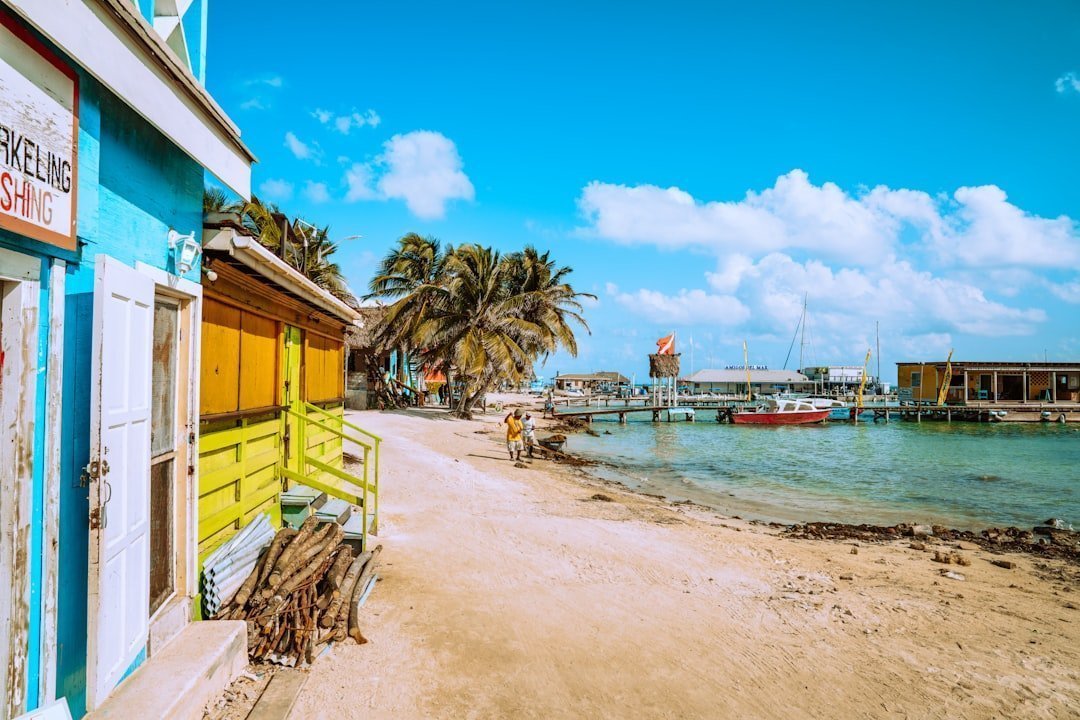
Known as the “Work Where You Vacation Program,” Belize’s digital nomad visa allows remote workers to have temporary residency and live in the country for six months. Six months is shorter than what Costa Rica or El Salvador offer, but the renewable structure makes it workable. The program gives holders a work permit, a student permit for children, and special offers on activities, entertainment, and accommodations. That student permit for children is a genuinely practical touch that working parents will appreciate.
With English as an official language, many digital nomads are starting to discover the beauty and kindness of Belize. Perfect for nature lovers and adventure enthusiasts, Belize is home to the second-largest barrier reef in the world. The entire application process is done online, making it one of the easiest digital nomad visas to apply for. No lawyers required, no embassy queues. Just a straightforward online form, which is the kind of frictionless process that more governments in the region should be studying.
Guatemala, Honduras, and Nicaragua: The Gap in the Market
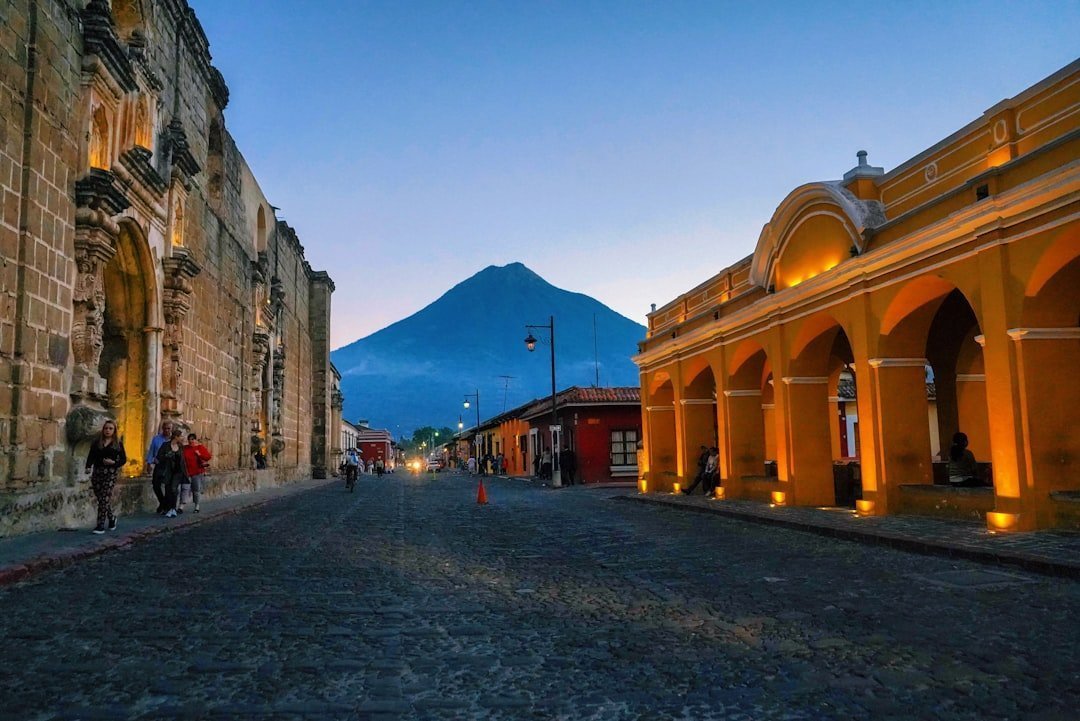
Let’s be real: not every Central American country has joined the digital nomad visa wave. Honduras offers affordability and scenic beauty as a convenient location for digital nomads in Central America, but they don’t offer a dedicated digital nomad visa. The same is true for Guatemala and Nicaragua. Guatemala is part of the Central America Border Control Agreement, known as the CA-4, similar to the European Union Schengen agreement. This means that the day you enter Guatemala or another CA-4 country, including El Salvador, Guatemala, Honduras, and Nicaragua, you have free movement between those countries for up to 90 days.
It’s hard to say for sure whether these countries are simply not prioritizing digital nomad infrastructure or whether formal programs are quietly in development. Guatemala, for example, has vibrant cities like Antigua and Lake Atitlan that already attract remote workers in large numbers even without a dedicated visa. While the region doesn’t offer quite as many options for remote visas as Europe, there are still several great options. The countries that do have programs have created meaningful frameworks. The gap left by those that don’t is becoming more visible every year.
What All These Visas Have in Common: The Universal Requirements
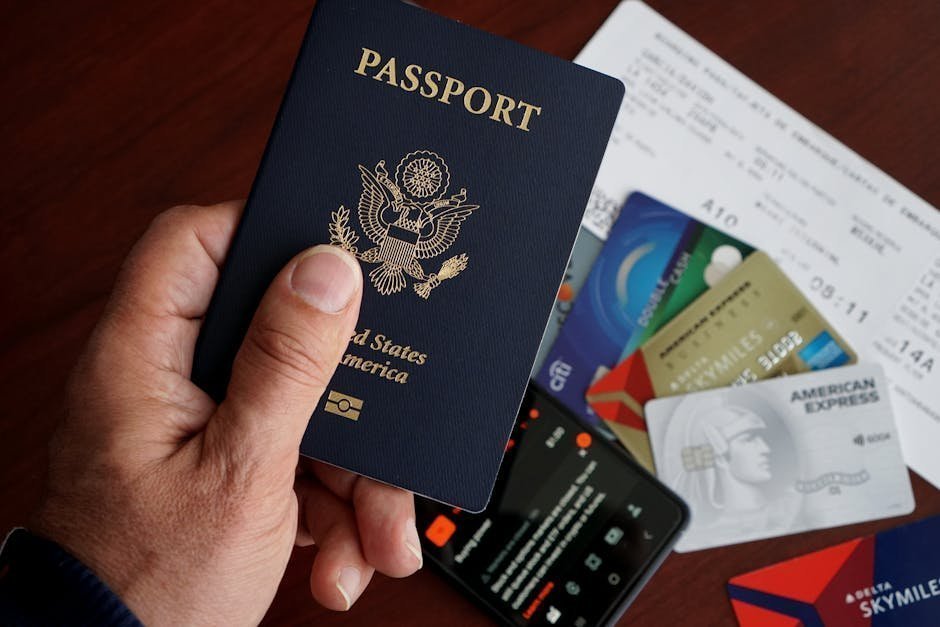
Common requirements across digital nomad visa applications include a regular source of income generated from outside the country, proof of that income through employment documents, client contracts, or entrepreneurship documents, proof that the applicant does not have any criminal record, and an insurance policy to cover medical issues in the destination country. Think of it like a checklist that applies to virtually every program in the region with minor variations on the details.
These visas do not allow holders to engage in local business activities or search for employment within the country. That is a universal rule with real teeth. The whole premise of the digital nomad visa is that your economic output flows back to a foreign employer or client, not into the local labor market. Typically, a digital nomad visa allows holders to live in the country for one to two years and take advantage of the healthcare system and even some tax benefits.
The Bigger Picture: Why Central America Is Betting on Remote Workers

When digital nomadism exploded in the wake of the COVID-19 pandemic and the subsequent remote-work revolution, countries especially those looking to make up for years of below-average tourism rushed to court remote workers. Costa Rica was one such country, initially announcing plans to launch a digital nomad visa in October 2021. The economic logic is straightforward. Remote workers bring foreign income into a local economy, spend on housing, food, transport, and services, yet don’t compete with locals for jobs.
Over the last couple of years, countries in Central America have introduced special digital nomad visas to welcome remote workers to the region. These Central America digital nomad visas can also come with other perks, such as favorable tax rates. As we move through 2025, remote work continues to evolve, not as a temporary solution, but as a long-term career path. With advancements in technology and global connectivity, the once-rigid boundary between work and travel is becoming more flexible than ever. In response, a growing number of countries are introducing or refining their digital nomad visa programs to welcome remote workers. Central America, with its relatively low cost of living and geographic proximity to North America, is well-positioned to capture a serious share of that market. The race is quietly on.
Conclusion: A Region in Motion, With Real Choices Now Available

Central America in 2026 presents a genuinely varied landscape for digital nomads. Costa Rica remains the most polished and established option. Panama offers a powerful tax incentive but comes with a shorter maximum stay and some added process friction. El Salvador is the newcomer that deserves serious attention, especially with its up-to-four-year potential. Belize carves out its own niche for the English speaker who craves Caribbean life without the Caribbean price tag. Meanwhile, Guatemala, Honduras, and Nicaragua remain blank spaces on the digital nomad visa map, relying on tourist visas and the CA-4 agreement to keep remote workers somewhat legally accommodated.
The momentum in the region is real. What began as a handful of programs has grown into a legitimate competing marketplace of residency options for location-independent professionals. If you had told someone in 2019 that they could legally live and work from a Costa Rican beach, a Panama City penthouse, or a surf town in El Salvador for up to four years, they probably wouldn’t have believed you. Now it’s paperwork and a bank statement away. Which country would you choose?