
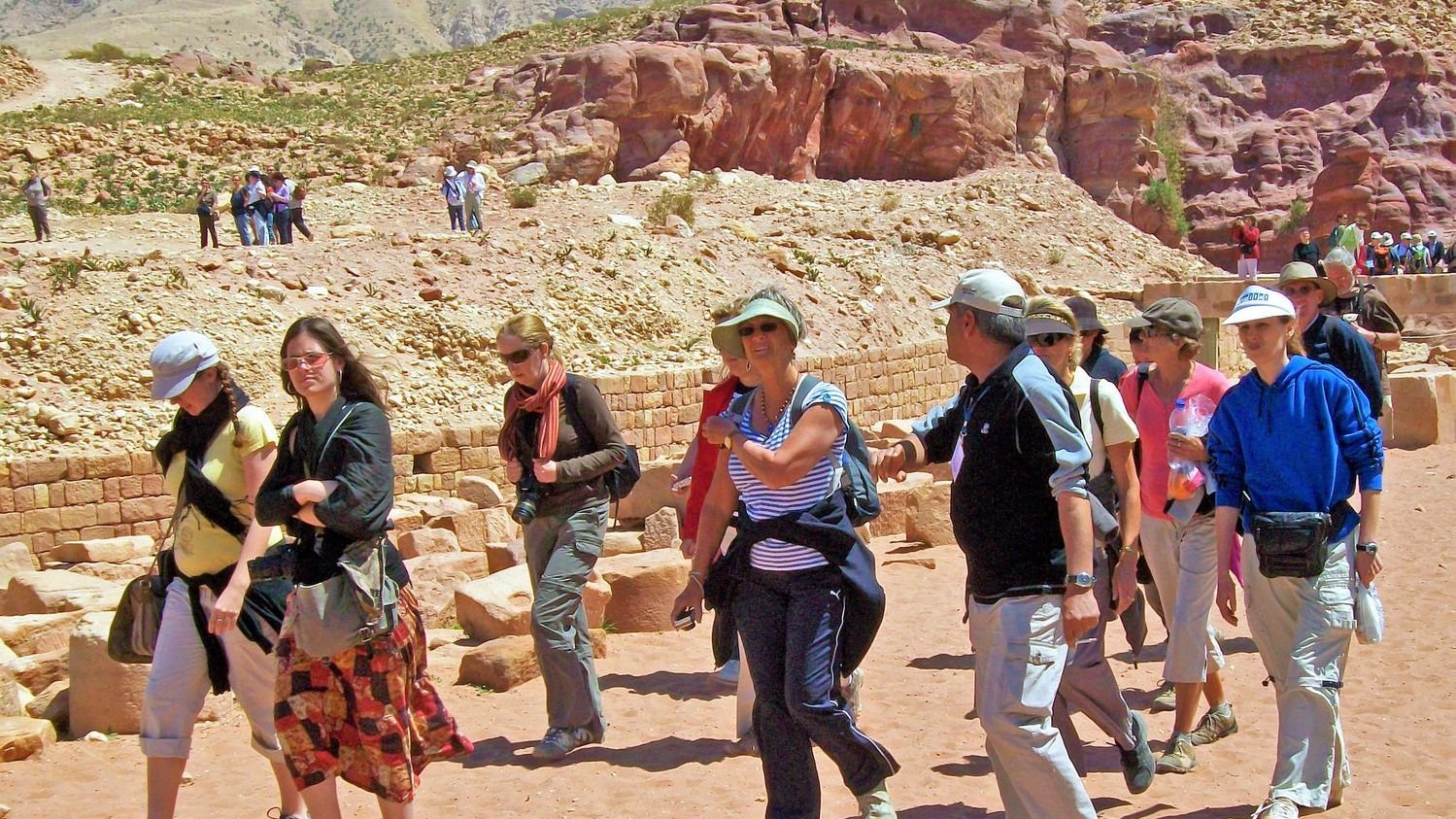
Hiring a local guide in an emerging tourist destination can be the single most transformative decision of your entire trip. Get it right, and you unlock layers of a place that no travel app or guidebook could ever surface. Get it wrong, and you’re stuck with someone who is improvising their way through the afternoon at your expense, both financially and experientially.
The stakes are genuinely high. Eastern Europe, India, and Southeast Asia are all becoming fast-growing sources of outbound tourism, and countless new destinations are opening up to travelers who want something real and unscripted. With that growth comes an explosion of people calling themselves local guides, not all of them qualified. The status of the tourist guide profession varies widely, and some non-governmental bodies or associations may offer voluntary training and certification, creating a mix of highly qualified guides and untrained individuals operating side by side. So how do you tell the difference? Let’s dive in.
1. Verifiable Licensing and Official Certification

This is the foundation of everything, honestly. You should check the requirements of the destination or country where you intend to hire a guide, as some locations require guides to obtain specific licenses or certifications to operate legally. In emerging markets, the regulatory landscape is uneven, which means a guide can operate without any oversight at all in some regions.
Look for guides who hold certifications aligned with internationally recognized standards. The European standard EN 15565:2008, covering requirements for professional tourist guide training and qualification programmes, has become a global benchmark for high-quality tourist guide training, and the World Federation of Tourist Guide Associations (WFTGA) has adopted its content as the minimum standard for accrediting tourist guide training programmes worldwide. A guide in an emerging market who references such a standard, or holds a nationally issued license, is already worth a second look.
2. Depth of Local Knowledge, Not Just Surface-Level Facts
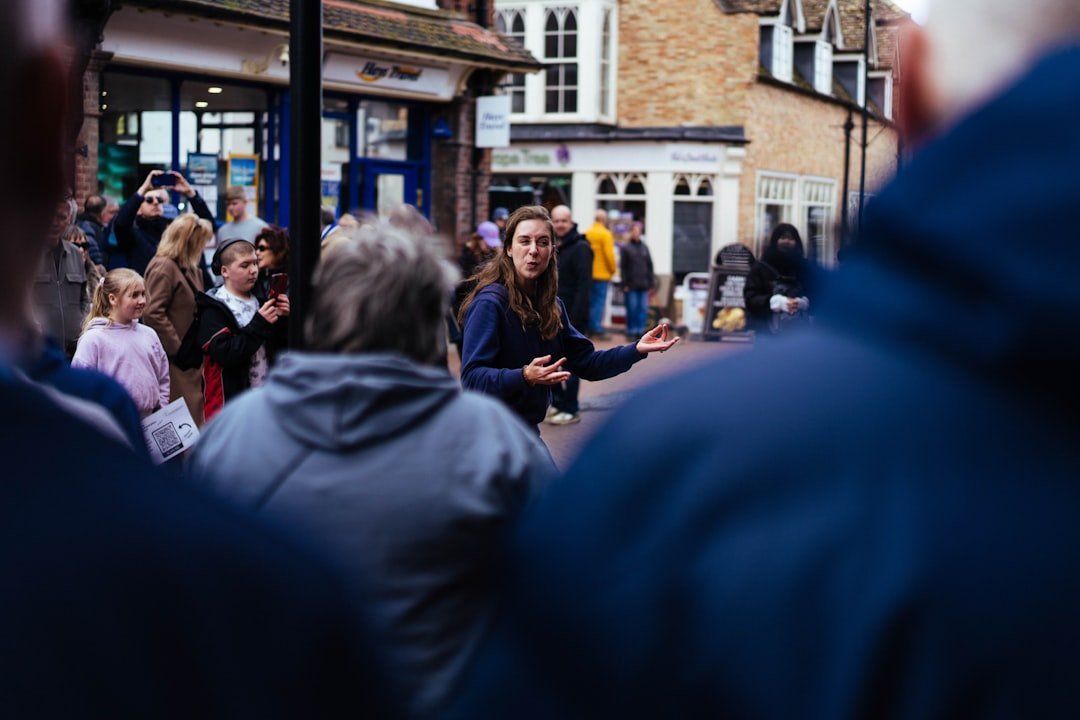
There is a real difference between a guide who has memorized a list of famous landmarks and one who actually lives the culture they are describing. Think of it like the difference between reading a Wikipedia article aloud and sitting across a table from someone who grew up in that neighbourhood. A solid guide should have solid knowledge of history, culture, environment, and contemporary life, combined with strong guiding techniques and communication skills.
Guides should be familiar with the destinations they work in, including local history, landmarks, cultural traditions, and attractions, and ideally will have explored museums, historical sites, and natural areas to deepen their understanding. When you initially speak with a potential guide, probe a little. Ask about something specific and off the beaten path. A genuine local expert will light up. Someone faking it will give you a vague, evasive answer.
3. Demonstrated Communication and Language Skills
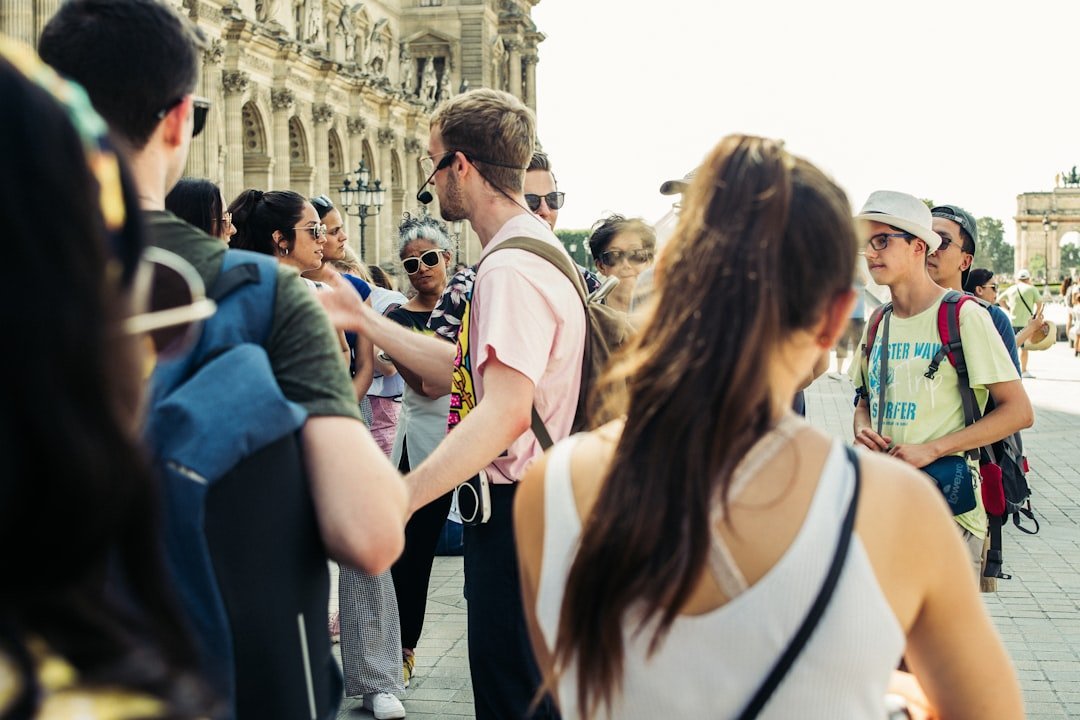
It sounds obvious, but communication is not just about speaking a language fluently. It is about being able to read a group, adjust the pace of information, and translate not just words but context and meaning. Effective communication and interpersonal skills are essential for a tour guide, including public speaking, storytelling, and customer service skills, as well as the ability to engage with different types of people and adapt communication style to suit diverse audiences.
In emerging markets specifically, language gaps can be significant. If you plan to use guides in a foreign country or cater to international tourists, it is beneficial to look for proficiency in one or more foreign languages. A good test is to have a short phone or video call before booking. Strong communicators will be clear, warm, and structured even in a casual conversation. Poor ones will struggle to hold a coherent thread.
4. Genuine Community Ties and Local Reputation
This tag does not indicate the copyright status of the attached work. A normal copyright tag is still required. See Commons:Licensing.
العربية ∙ বাংলা ∙
Bahaso Jambi ∙
Deutsch ∙ Deutsch (Sie-Form) ∙ English ∙ español ∙ euskara ∙ فارسی ∙ français ∙ italiano ∙ 日本語 ∙ 한국어 ∙ македонски ∙ മലയാളം ∙ Plattdüütsch ∙ Nederlands ∙ polski ∙ پښتو ∙ português ∙ русский ∙ slovenščina ∙ svenska ∙ Türkçe ∙ українська ∙ 简体中文 ∙ 繁體中文 ∙ +/−, Public domain)
Here is the thing: the best are not just knowledgeable professionals, they are woven into the fabric of the community they represent. They know the market vendors by name. They know which family-run restaurant has been operating for three generations. That kind of relationship cannot be manufactured or found on a brochure.
Travelers increasingly want authentic connections with local communities rather than generic tourist traps, and this shift is driving massive growth in cultural tourism. A guide with deep community ties can open doors that simply do not exist for outsiders. Ask potential guides directly: can they introduce you to local artisans, community leaders, or neighbourhood institutions? Their answer will tell you a lot very quickly.
5. A Trackable Review History and Client References

Online reviews are imperfect, I know. Still, they remain one of the most practical screening tools available to travelers in 2026. A guide operating in an emerging market who has collected genuine, detailed reviews across multiple platforms is a guide who has repeatedly satisfied real clients. Patterns in that feedback are what matter most, not a single glowing comment.
About three quarters of travelers are now seeking deep engagement with local traditions and customs, and they are vocal about their experiences online when things go well or when they do not. Look for reviews that mention specific names, moments, or places. Generic five-star reviews that say nothing specific are easy to fabricate. Detailed, narrative reviews are nearly impossible to fake at scale.
6. Awareness of Safety Standards and Emergency Protocols
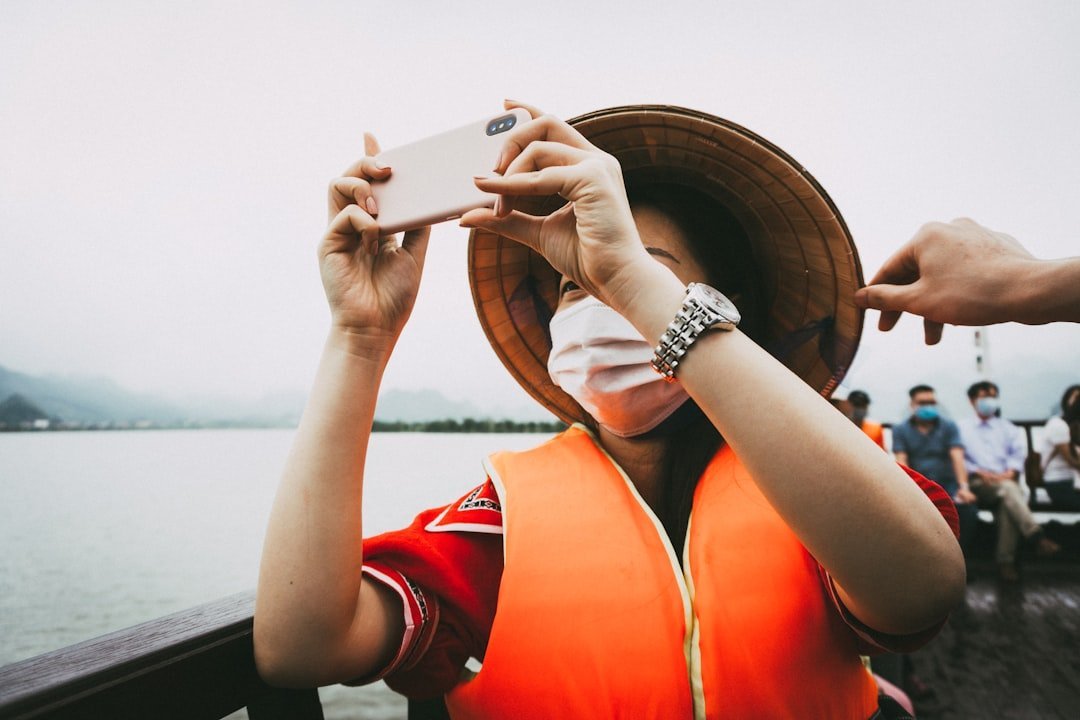
This criterion is underrated, and I think it is frankly the one most travelers overlook until something goes wrong. In emerging destinations, infrastructure may be less predictable. Roads can be poor. Medical facilities may be limited. Weather can shift without warning in remote areas. A professional guide accounts for all of this before you ever leave the starting point.
Professional guides should demonstrate understanding of group management, safety, and risk as core competencies. When evaluating a guide, ask them directly how they handle emergencies: what their communication plan is if a group member gets injured, whether they carry a basic medical kit, and whether they know the location of the nearest clinic or hospital. A hesitant or dismissive answer is a red flag worth heeding.
7. Ethical Conduct and Respect for Local Culture

The GSTC Standards serve as the global standards for sustainability in travel and tourism, and they are used for education, policy-making, measurement, and as a basis for certification. Ethical practice sits at the heart of these standards. A reliable guide in any market, but particularly in emerging ones, should be someone who actively protects the cultural and natural resources of their destination rather than exploiting them for short-term profit.
Watch for guides who speak respectfully about their communities, who set boundaries around sacred or sensitive sites, and who push back if tourists request something culturally inappropriate. Sustainable tourism’s market value is growing rapidly, precisely because this approach directly empowers local communities by providing economic opportunities while preserving cultural heritage and natural resources. Guides who understand this are far more valuable than those who simply tell tourists what they want to hear.
8. Specialization That Matches Your Travel Interests
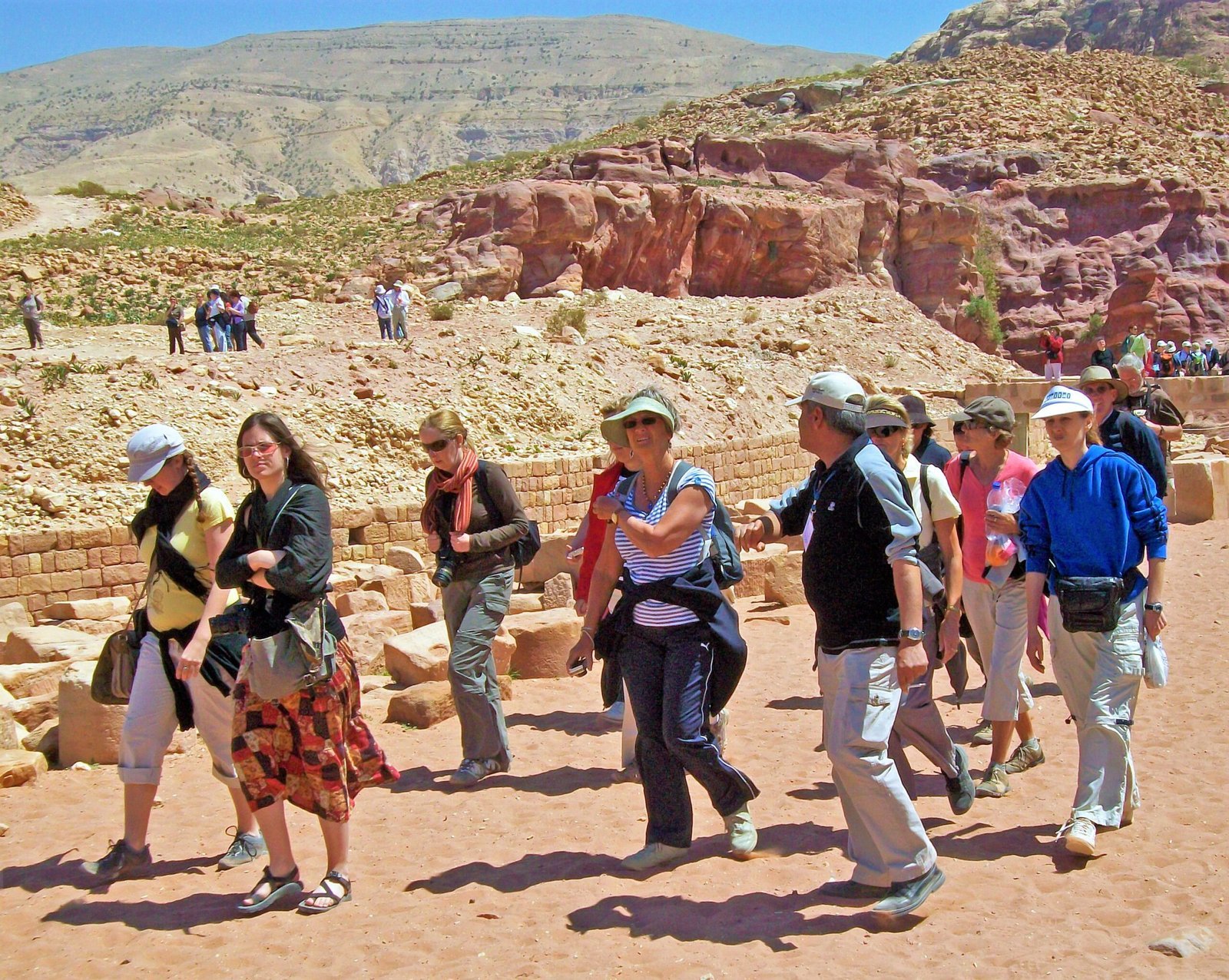
Not all great guides are great for all travelers. A brilliant guide who specializes in ancient temple history might be entirely out of their depth leading an adventure hiking expedition through remote mountain terrain. Matching the guide’s specialization to your specific interests is not just a nice-to-have, it is a critical quality factor. Guides who choose a specialization, whether city tours, nature and wildlife tours, or historical tours, are able to focus their training and develop genuine expertise in their chosen field.
In emerging markets, niche guides are often where the real magic lives. A guide who specializes in street food culture in Tbilisi, or in colonial architecture in Cartagena, brings a level of curated insight that generalist guides simply cannot match. The travel and tourism market offers growing opportunities especially in developing regions, with niche markets like eco-tourism and adventure travel presenting particular growth potential. Ask about specialization early and be specific about what you are hoping to experience.
9. Transparent Pricing and Professional Business Conduct

A reliable guide behaves like a professional from the very first interaction, including how they handle money. Vague pricing, last-minute fee additions, or an unwillingness to provide anything in writing are warning signs you should not ignore. It is hard to say for sure whether every pricing ambiguity is malicious, but it absolutely signals a lack of professional structure.
Emerging tourist markets are precisely the environments where informal, cash-only, unaccountable arrangements can feel normalized. They should not be accepted as the standard. Professional guides should demonstrate awareness of and adherence to a code of ethics, and their programs should be updated to reflect current conditions and skills required in the travel and tourism industry. A guide who offers a clear written itinerary, sets expectations about what is and is not included, and follows through on every stated commitment is one worth trusting with your time and your money.
10. Adaptability and Genuine Curiosity About Their Guests

The best local guide I can imagine is one who treats every tour group as a genuinely new experience. Someone who asks you what you care about before defaulting to a rehearsed script. Someone who notices when a group member is falling behind or losing interest and adjusts accordingly. Rigidity is the enemy of a great guiding experience, especially in destinations where plans can and often do change without notice.
Travelers are increasingly choosing slow travel experiences like farm-to-table dining and guided heritage walks, and smart travelers favor flexible schedules to truly absorb local culture at their own pace. A guide who can flex with that energy, who treats detours as opportunities rather than disruptions, is simply irreplaceable. The willingness to adapt is often the invisible quality that separates a truly memorable experience from a merely adequate one.
Selecting a local guide in an emerging tourist market is a skill in itself, and it rewards the effort you put into it. The right guide does not just show you a place. They change how you see it forever. The wrong one sends you home with postcards and nothing deeper. Take your time, ask the hard questions, and trust your instincts when something feels off. What would you prioritize most when choosing a local guide? Tell us in the comments.