
Mexico has quietly become one of the most talked-about remote work destinations on the planet. It offers a rare combination of cultural richness, favorable time zones for North American workers, accessible flights, and a cost of living that, while no longer “dirt cheap,” still makes a compelling case compared to cities back home.
Choosing between Mexico City and Oaxaca, however, is a surprisingly deep question. They feel like two different countries. One is a roaring megalopolis with fiber internet on every block; the other is a colonial gem in the southern highlands where the pace of life slows right down and the food might genuinely change you. Let’s dive in.
The Big Picture: How Much Will You Actually Spend?
In 2026, monthly expenses for an individual in Mexico City average approximately $1,800 to $2,100, though this varies significantly by neighborhood and housing type. That said, the range is enormous. A frugal nomad in CDMX can get by on roughly $1,200 to $1,500 per month sharing a coliving space and eating street food, while a comfortable setup with a one-bedroom apartment in Roma or Condesa, regular coworking access, and Uber rides runs closer to $1,800 to $2,200.
Oaxaca tells a noticeably different story. A solid mid-range digital nomad life in Oaxaca City typically costs $1,600 to $2,400 USD per month, with premium housing plus frequent coworking and dining often running $2,500 to $3,800 per month. Oaxaca offers living costs roughly 35 to 40 percent lower than Mexico City overall, which is a meaningful difference if you’re watching your budget. Honestly, I think that gap surprises a lot of people who assume the capital would be dramatically more expensive across the board.
Rent: Where the Real Cost Gap Lives
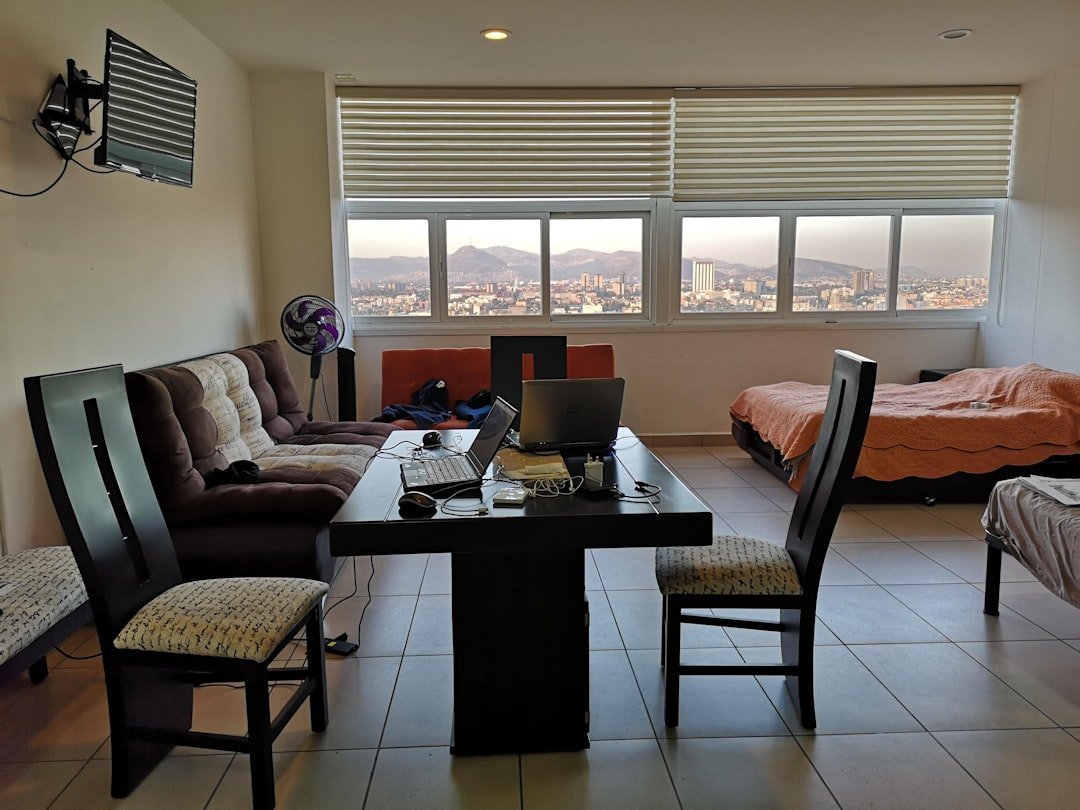
Rent for a modern one-bedroom apartment in a prime area of Mexico City like Roma Norte now typically ranges between $1,100 and $1,500 per month, a figure that has nearly doubled over the past five years. This is the post-nomad-wave reality. Roma Norte rents alone have increased 40 to 60 percent since the nomad wave hit. If you’re willing to step one or two neighborhoods away from the main action, though, areas like Narvarte, Del Valle, or Coyoacán offer one-bedroom homes for $500 to $700 USD per month, which changes the equation considerably.
In Oaxaca, rent depends heavily on which neighborhood you choose. Reforma offers the best quiet-to-price ratio at $700 to $1,200 per month for furnished one-bedrooms, while Centro and Jalatlaco are typically $900 to $1,600 per month and win on walkability. Costs often tick up during October through January and Semana Santa, when short-term furnished rentals get tighter. Think of it like the difference between renting a flat near Central Park versus a lovely brownstone in Brooklyn. Same city, very different vibe and price tag.
Food and Groceries: Both Cities Deliver, Differently
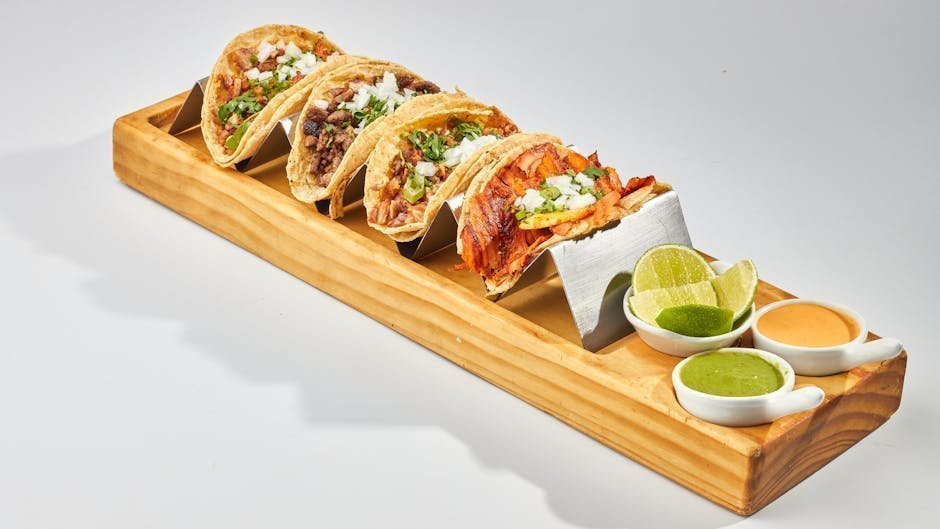
The food budget in Mexico City is elastic in a way few other cities can match. You can eat extraordinarily well for $8 per day at taco stands, market fondas, and set lunch menus. Step up to a sit-down dinner in Roma Norte and you might spend $15 to $25 per person. The point is the range is wild, and quality is remarkable at every level. The neighborhoods featured in digital nomad YouTube videos are popular for a reason, but that popularity comes with premium pricing. Living one or two neighborhoods away from the action can cut costs dramatically.
Oaxaca is arguably Mexico’s most celebrated food city, and the pricing reflects a smaller, less tourist-saturated market in many pockets. One nomad in Oaxaca reported eating five tacos for 80 pesos total, roughly $4 USD. Local mercados keep grocery bills low. If you shop at local mercados, you’ll spend way less than at imported supermarkets. Many nomads highlight the warmth of locals and the abundance of great food, particularly the famous mole varieties and mezcal. The food culture here feels less performative than in CDMX. More personal, somehow.
Internet and Connectivity: A Tale of Two Speeds
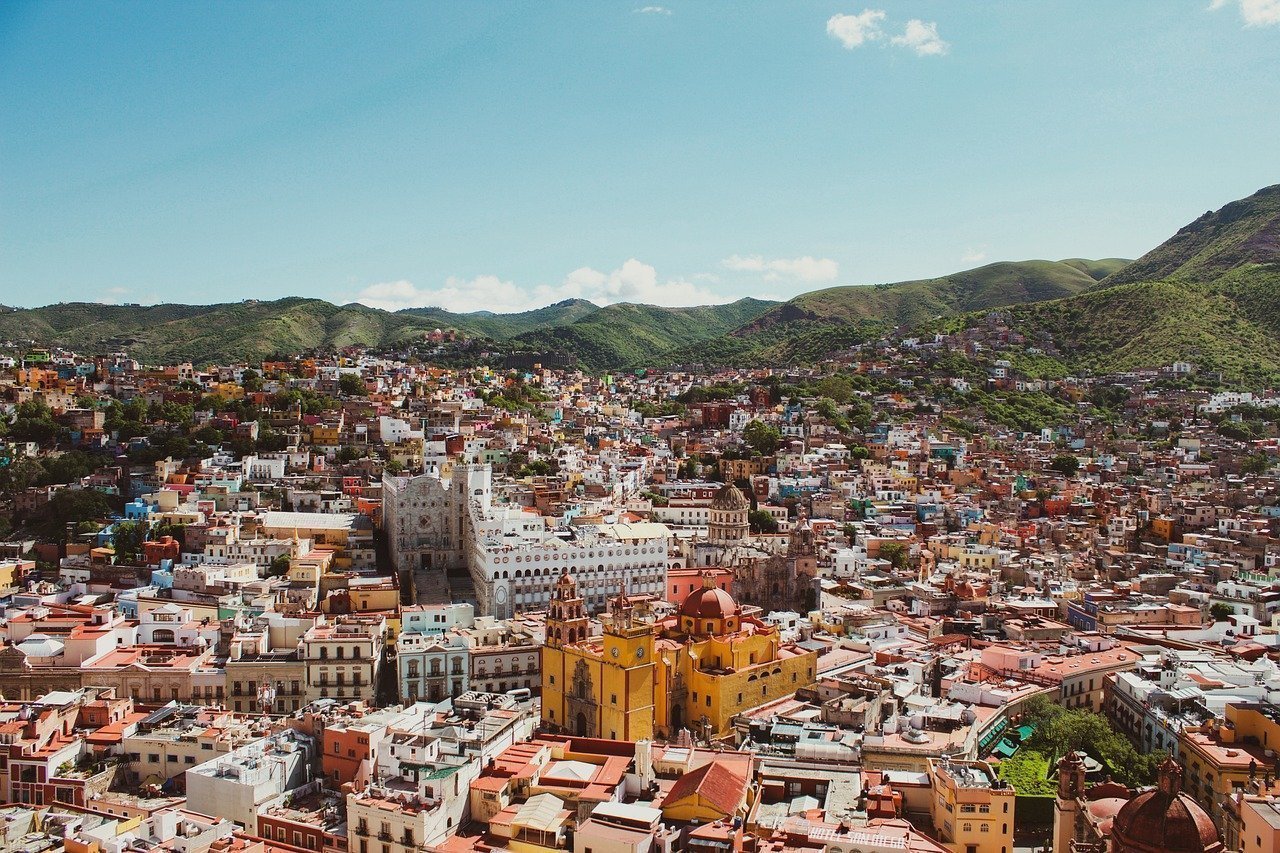
Fiber broadband from Telmex or Totalplay delivers 50 to 200 Mbps in most Roma Norte and Condesa apartments in Mexico City, while coworking spaces offer 80 to 300 Mbps. Mexico City is where the largest digital nomad community in Latin America has taken root, and the city’s infrastructure has risen to meet the demand. For anyone doing heavy video calls, large file uploads, or cloud-intensive work, the capital is simply in a different league.
Oaxaca’s connectivity has improved a lot in recent years, but it remains more variable. Average internet speed in Oaxaca sits around 50 to 70 Mbps in reliable areas like Centro, Reforma, and Jalatlaco, with cafés and coworking hubs generally performing well. However, speeds are all over the map in the city, with some places below 1 Mbps and others above 200 Mbps. The smart move in Oaxaca is always to verify your specific apartment’s connection before committing, and keep an LTE backup handy.
Coworking Spaces: Abundance Versus Intimacy
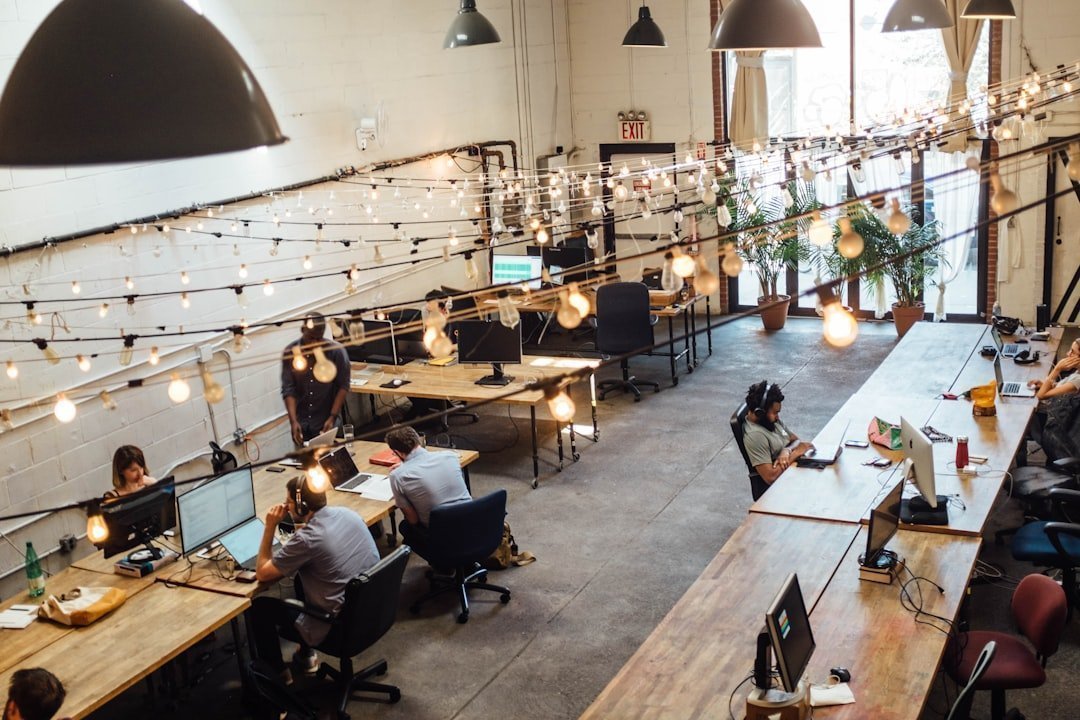
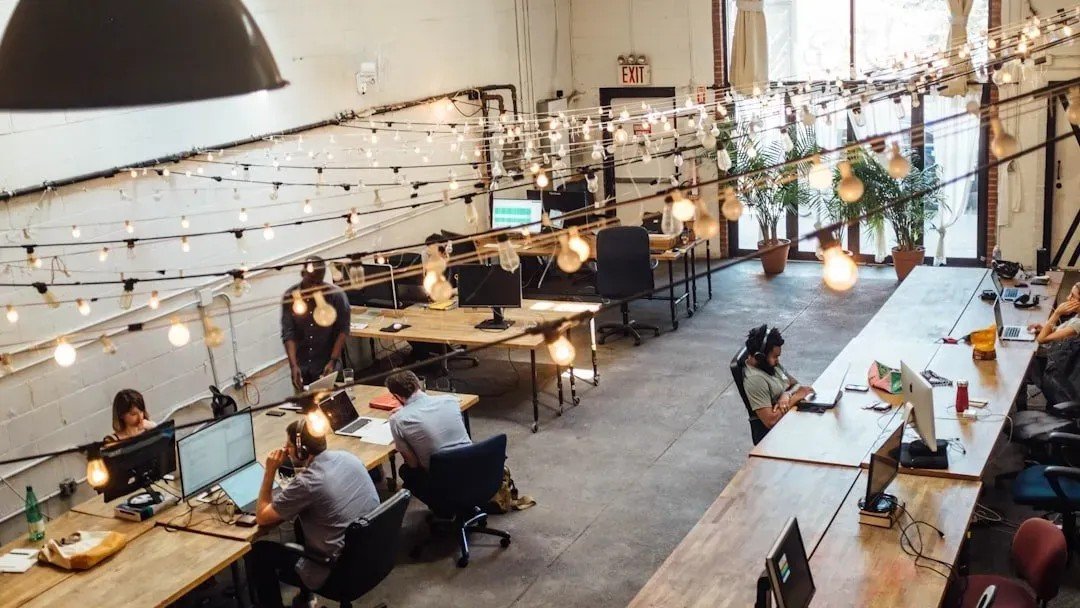
Mexico City is the undisputed capital of coworking in Latin America, with hundreds of spaces catering to every budget and work style. Coworking hot desks in CDMX generally cost $120 to $250 per month, with day passes around $10 to $20 per day, with Roma and Condesa tending to be the most expensive. You have WeWork, boutique community hubs, coliving-cowork combos, and cafe-style flex spaces. It’s almost overwhelming, actually.
Oaxaca’s coworking scene is smaller but genuinely good for the city’s size. Coworking Oaxaca, known as El Punto, is the established choice with 40 to 60 Mbps and day passes from $10 USD, while Hive Oaxaca is a newer option running 50 to 70 Mbps with day passes from just $8. You can usually work from home if you have 30 to 50 Mbps plus an LTE backup, with coworking primarily offering consistent reliability for around $90 to $180 per month. The vibe in Oaxacan coworks is noticeably more laid-back and creative, which some nomads love.
Transportation: Metro Millions Versus Walking City
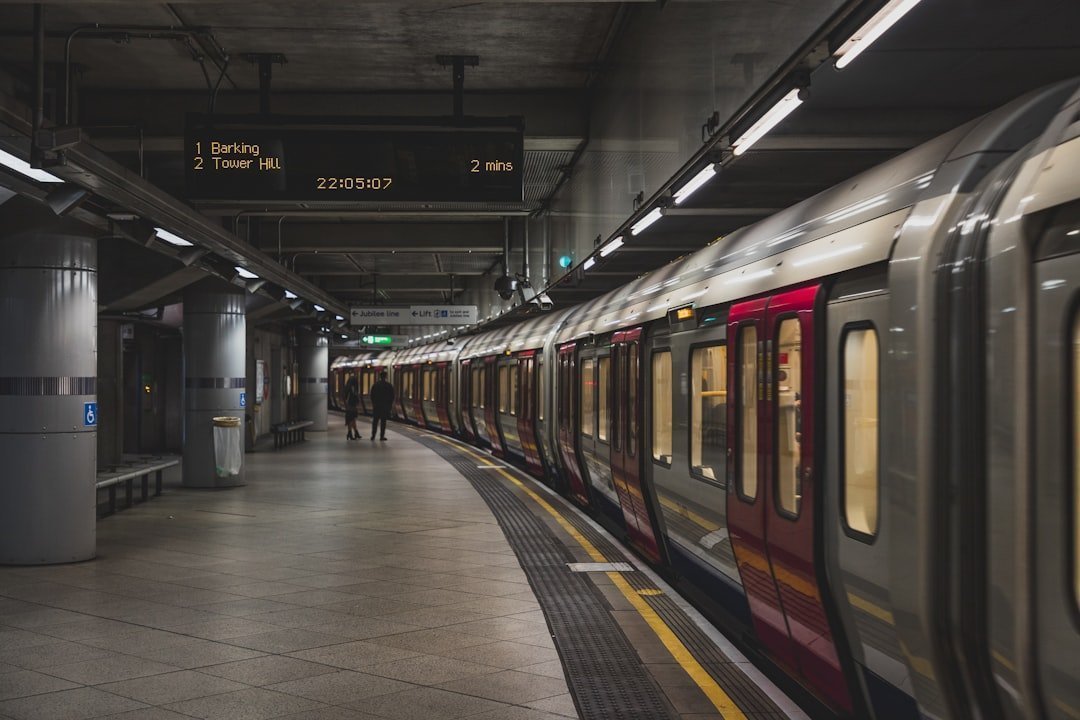
Mexico City is enormous, and getting around requires planning. The good news is that the metro is a genuine bargain. Mexico City’s metro costs roughly 25 cents per ride, making it one of the cheapest major transit systems in the world. Public transportation like the metro and Uber is affordable and clean, and the city is easy to get around without a car. That said, rush-hour traffic is brutal, and if you live far from your usual spots, Uber costs add up fast.
Oaxaca is a much smaller city with a completely different transportation dynamic. People often mention how clean and walkable it is, with reliable fast internet and a strong presence of coworking spaces and cafes, especially in El Centro. Most nomads walk or take cheap colectivos for a few pesos. You genuinely don’t need a car in the center. It’s a bit like the difference between navigating New York and strolling through a mid-sized European town. One requires strategy; the other, just comfortable shoes.
The Nomad Community: Scale Versus Soul

Mexico has seen a massive surge in digital nomads post-COVID, with an estimated 1.6 million Americans living in the country as of mid-2025. Mexico City specifically captured roughly 14 percent of global digital nomads between 2020 and 2023. A large community of digital nomads in their 20s and 30s provides ample networking opportunities through Facebook groups, meetups, and coworking spaces. The social scene is genuinely impressive and makes combating isolation almost effortless.
Oaxaca’s nomad community is smaller but has a reputation for being more connected and less transient in feel. There is an amazing digital nomad and expat community in Oaxaca, with over 5,000 expats living there, and endless coworking spaces and coffee shops attracting nomads who stay for the community they become part of. There is a growing expat and nomad community, and many other remote workers and digital nomads are easy to meet during a stay. It has more of a “small town where everyone knows everyone” quality, which some people find far more nourishing than a giant anonymous city.
Safety and Lifestyle Quality

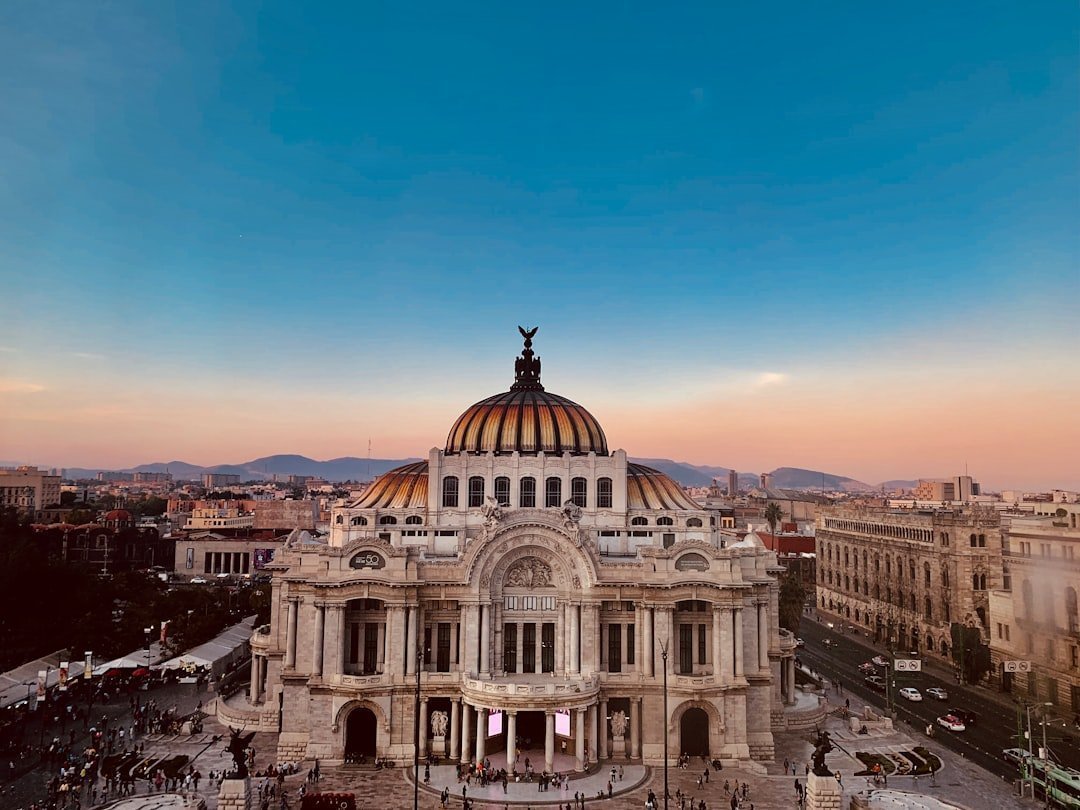
Mexico City stands out as a prime destination for digital nomads in 2025 and 2026, combining modern conveniences with rich cultural experiences, while remaining significantly more affordable than most U.S. and European cities. Roma Norte and Condesa remain the most popular hubs, characterized by a high concentration of cafes, coworking spaces, and 24-hour security presence. Choosing the right neighborhood is essentially everything. It’s the most important decision you’ll make when moving to CDMX.
Oaxaca is frequently described as charming, colorful, and underrated by digital nomads and travelers. The city offers a mix of affordability, safety, and strong cultural identity. Some drawbacks mentioned include occasional political protests that may disrupt traffic, though they reportedly do not impact safety. Despite minor inconveniences, Oaxaca consistently receives praise as an excellent destination for remote work and extended stays. It’s hard to say for sure, but Oaxaca might win the “day-to-day peace of mind” category by a comfortable margin.
Visa Rules and How Long You Can Stay
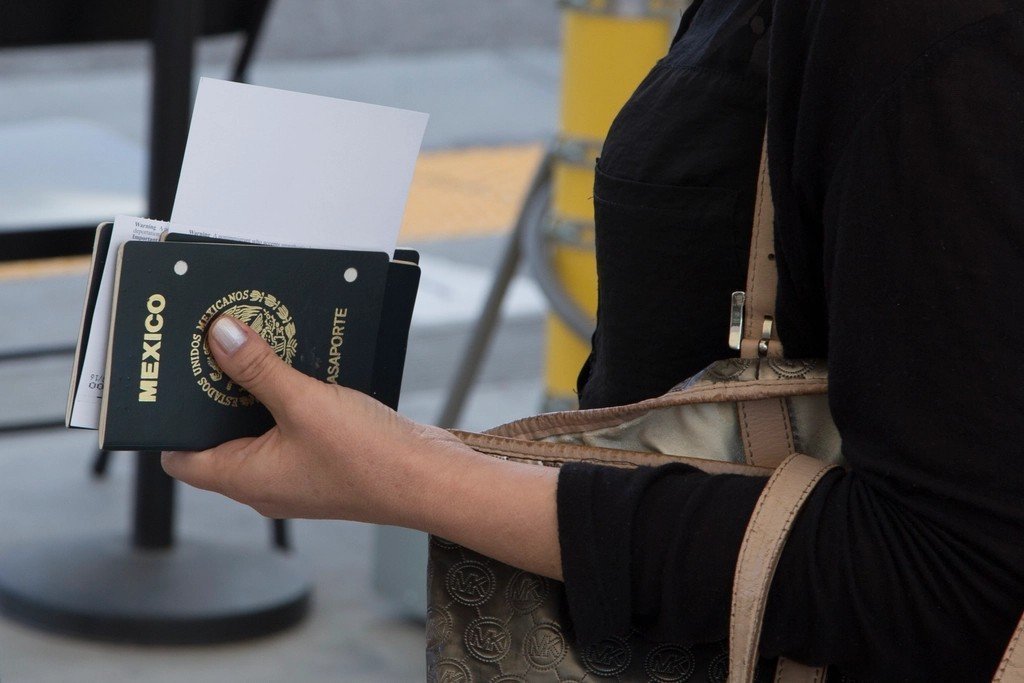
Most digital nomads start with the 180-day tourist permit given on arrival, though the exact number of days is always at the immigration officer’s discretion and 180 is no longer guaranteed. This applies equally whether you land in Mexico City or fly directly into Oaxaca. It’s a notably generous arrangement compared to many other countries.
For longer stays, Mexico’s Temporary Resident Visa works as a practical digital nomad visa: it’s usually granted for one year and can be renewed for up to four years if you meet the income or savings requirements set by the consulate. Both Mexico City and Oaxaca sit in the Central Time zone, which means you can work U.S. or Canadian business hours without destroying your sleep schedule or missing every dinner with friends. For North American remote workers, this is a genuine competitive advantage over destinations in Southeast Asia or Europe.
Which City Actually Wins for Digital Nomads?
Here’s the thing: there isn’t one right answer, and anyone who tells you otherwise is selling something. Mexico City is Latin America’s buzzing digital nomad capital, offering world-class coworking spaces, fast internet, and endless cultural experiences. While pricier than Oaxaca or Guadalajara, it delivers unmatched diversity, convenience, and global connections. If you want big-city energy, a massive social network, and enterprise-grade connectivity, CDMX is almost certainly your answer.
Oaxaca remains one of Mexico’s most affordable yet culturally rich digital nomad hubs. Even at the “comfortable” tier, you can enjoy a high quality of life with excellent food, reliable internet, and a welcoming community, all at a fraction of Mexico City or Guadalajara costs. Mexico can be remarkably affordable or surprisingly expensive, depending entirely on how you choose to live. The city you pick should match who you are right now, not who you think you should be. What kind of nomad life are you actually building?